
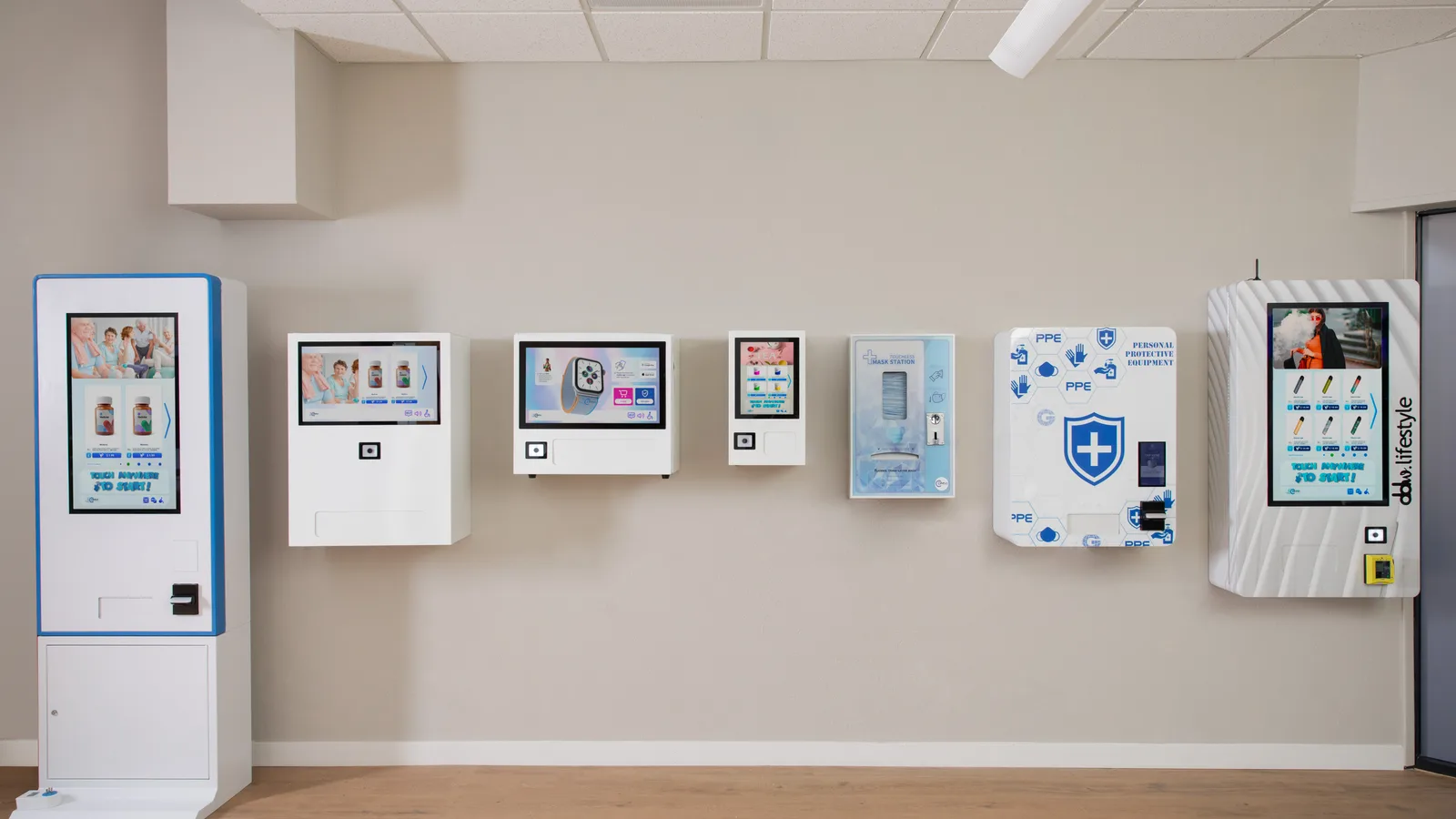
How Much Do Vending Machines Make? Real Numbers by Machine
The direct answer: a vending machine makes anywhere from a few hundred dollars per month to tens of thousands of dollars per month, depending on the machine format, what it…
Read Post »AUTOMATED RETAIL & AI VENDING
The DMVI blog is the operator-facing knowledge base for automated retail, AI vending, and smart micro-market deployments — built for hotel, healthcare, corporate, and licensed-retail buyers who need plain-language answers about machine formats, telemetry, MDB/DEX integration, refrigeration, planograms, and the route economics that decide whether a vending program actually pays.
FEATURED
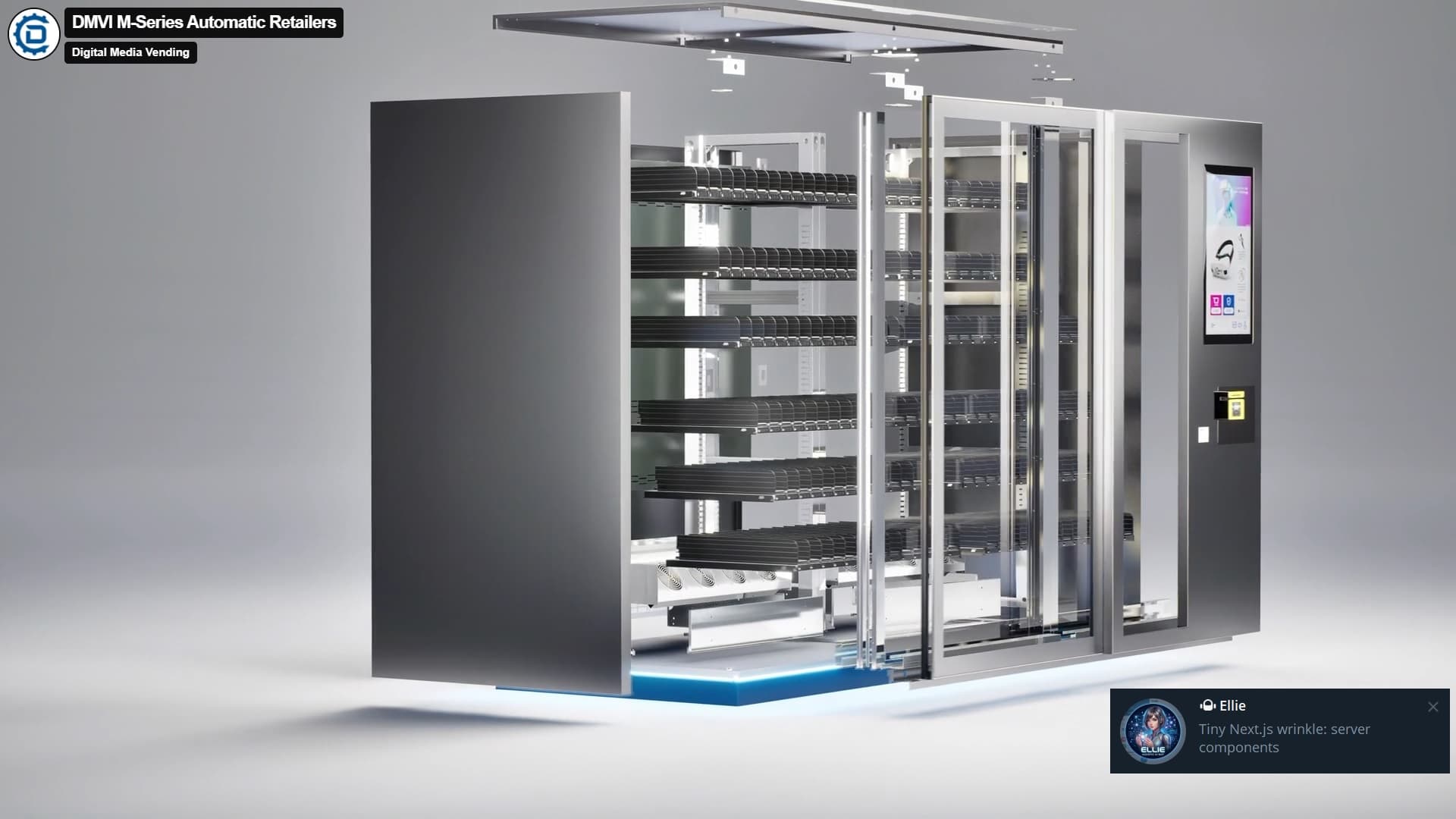
Return on investment for vending machines is one of the most frequently searched and least clearly answered questions in the vending space. The internet has no shortage of…
Browse 242 posts across DMVI's main blog themes.
The direct answer: a vending machine makes anywhere from a few hundred dollars per month to tens of thousands of dollars per month, depending on the machine format, what it…
Read Post »You've found the location. The manager is interested. The foot traffic looks right for your product. Now comes the part most first time vending operators approach the least…
Read Post »Vending machines appear in almost every "passive income" list published on the internet. The pitch is intuitive: you place a machine, stock it, and it generates money while you…
Read Post »The product in a vending machine matters. The machine format matters. The pricing strategy matters. But experienced operators who've run machines across multiple locations will…
Read Post »Insurance is one of the most common questions first time vending machine operators get wrong. The typical pattern is: buy a machine, find a location, start generating revenue,…
Read Post »Small businesses approach vending machines from two completely different directions. Some want to use a machine as a revenue generating extension of their existing business.…
Read Post »Retail has never been a single format. A corner store, a mall anchor, a roadside stand, and an e commerce warehouse are all "retail" in the economic sense, but they're built on…
Read Post »Most manufacturers won't give you a number without a sales call first. You fill out a form, wait two days, sit through a pitch, and then find out the price starts somewhere…
Read Post »The most common financial mistake new vending operators make is budgeting only for the machine. They see a machine price, calculate what it would earn at expected volume, and…
Read Post »The market for custom vending machines is smaller than most buyers expect, and navigating it is not like buying commodity equipment. There is no Amazon listing for a machine…
Read Post »The appeal of a used vending machine is obvious. You see a machine listed for $800 or $1,500 and the math looks simple: lower upfront cost means faster payback. What the…
Read Post »Ice cream vending is one of the more technically demanding categories in autonomous retail. The product requires continuous refrigeration, has a narrow temperature tolerance,…
Read Post »Not every vending machine is designed for outdoor exposure. The considerations that make a vending deployment successful indoors power access, climate stability, foot traffic,…
Read Post »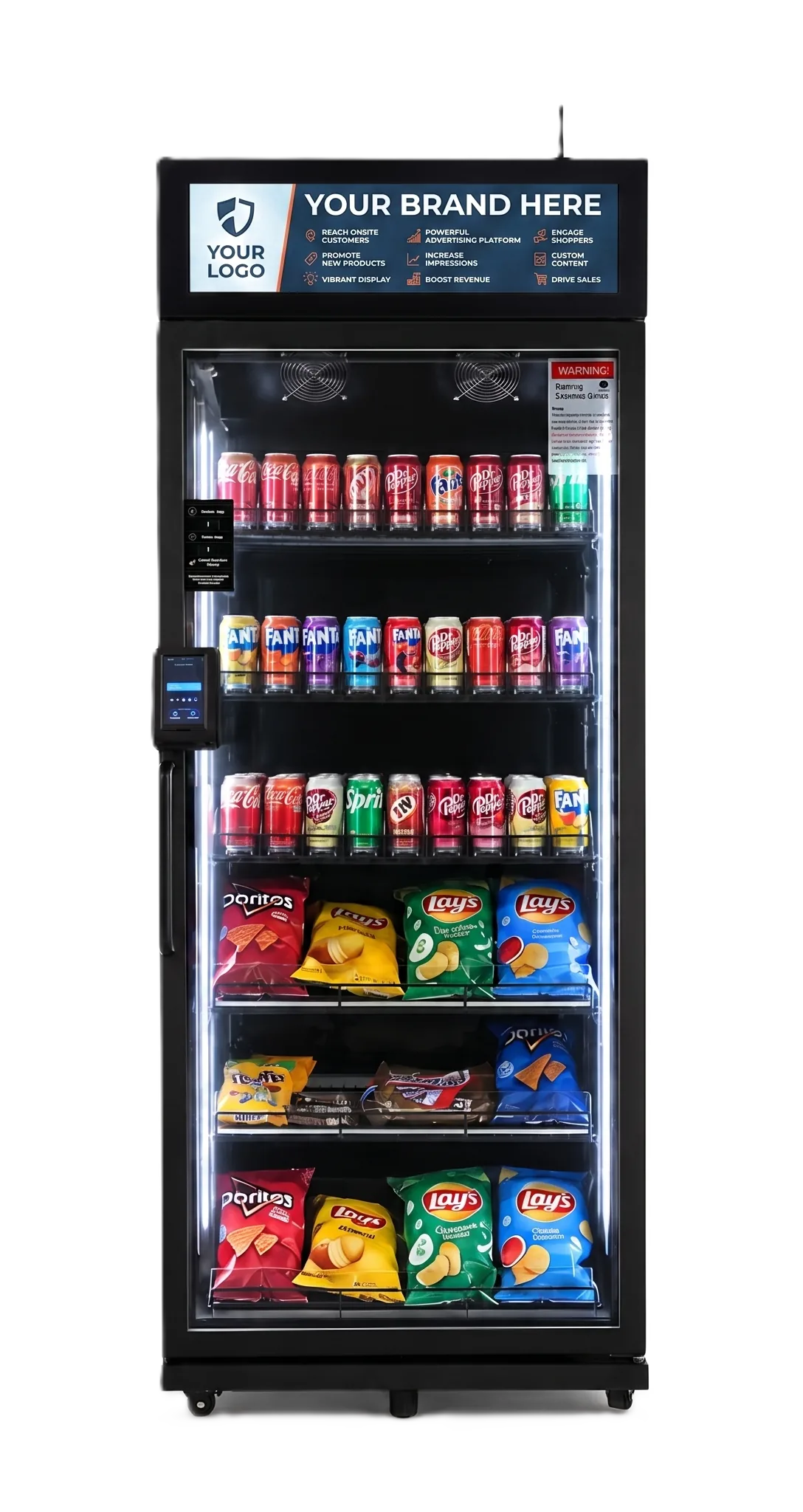
Walk into most modern corporate offices, hotel lounges, or fitness centers and you'll find a category of automated retail equipment that looks nothing like a traditional…
Read Post »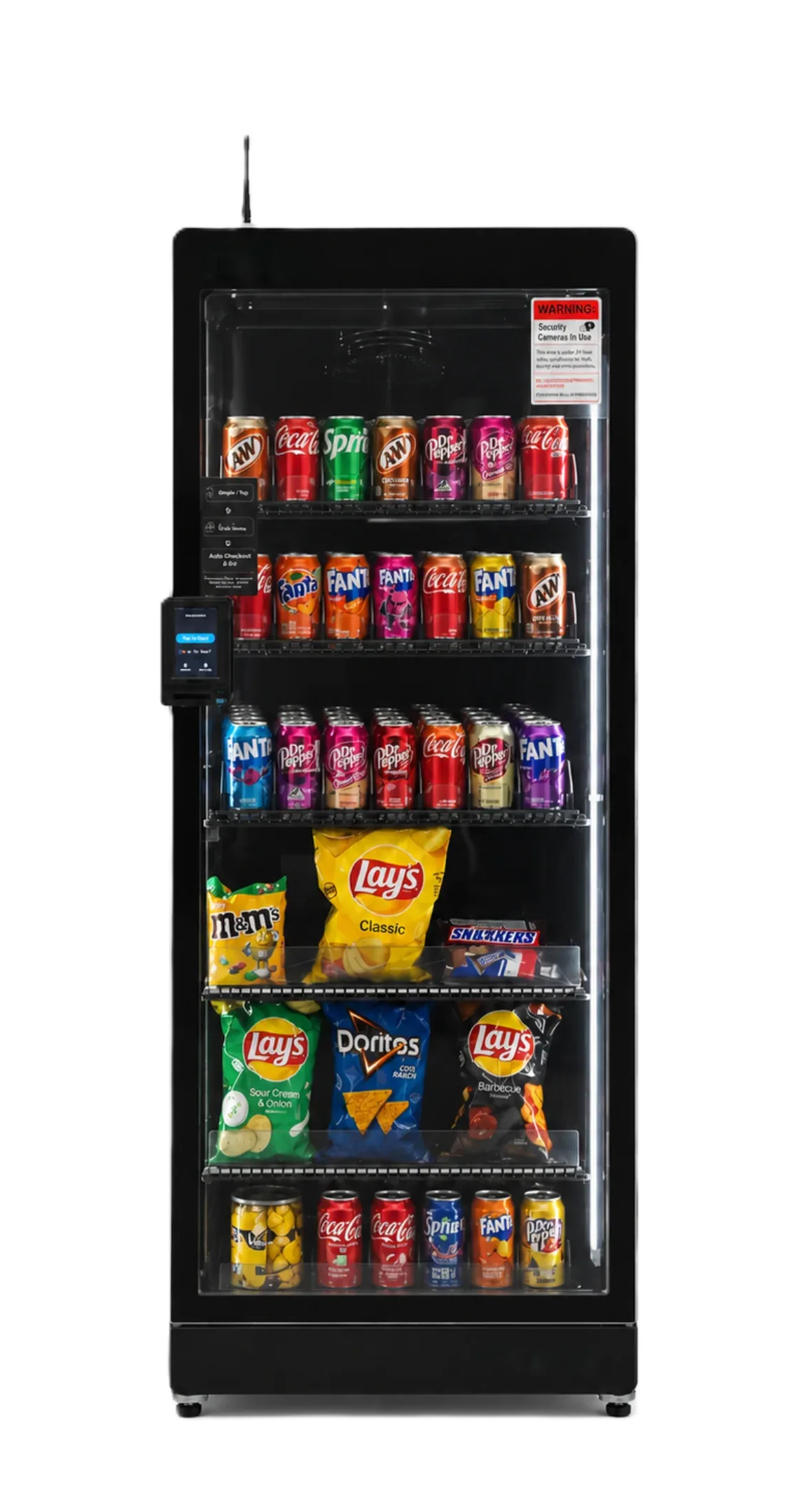
A micro market is a self service retail area installed inside a closed access location typically a corporate office, manufacturing facility, hospital, or university building…
Read Post »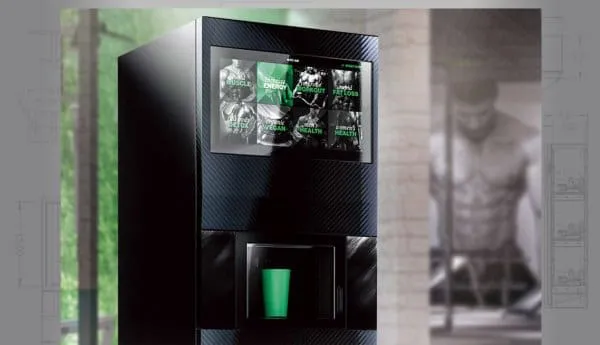
Sports nutrition is a multi billion dollar category and gyms have always been the most natural retail location for it. The timing is obvious: customers who just finished a…
Read Post »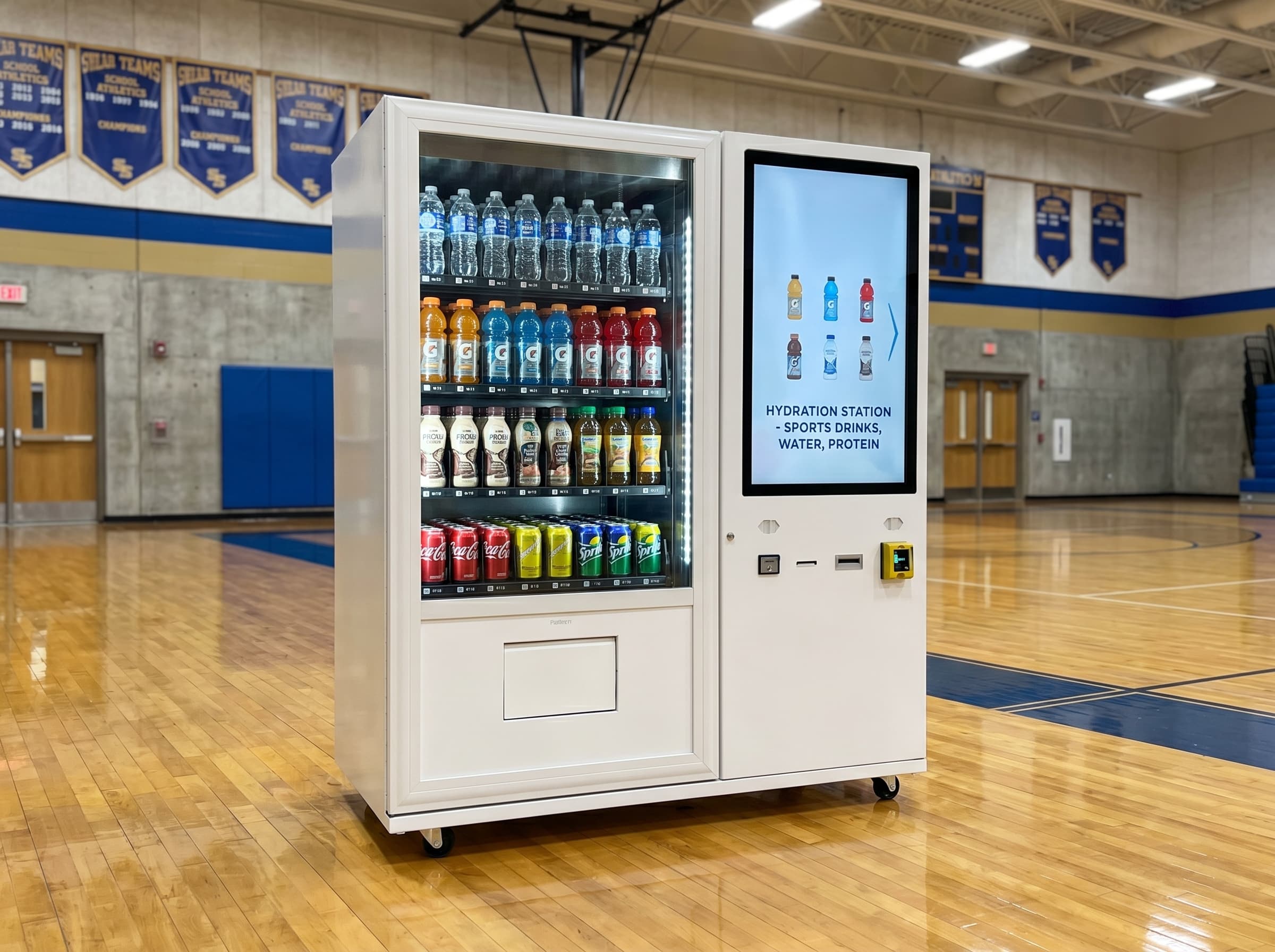
Healthy vending has evolved considerably from the early iterations that put low sugar snacks in standard break room machines and called it wellness. The current category spans…
Read Post »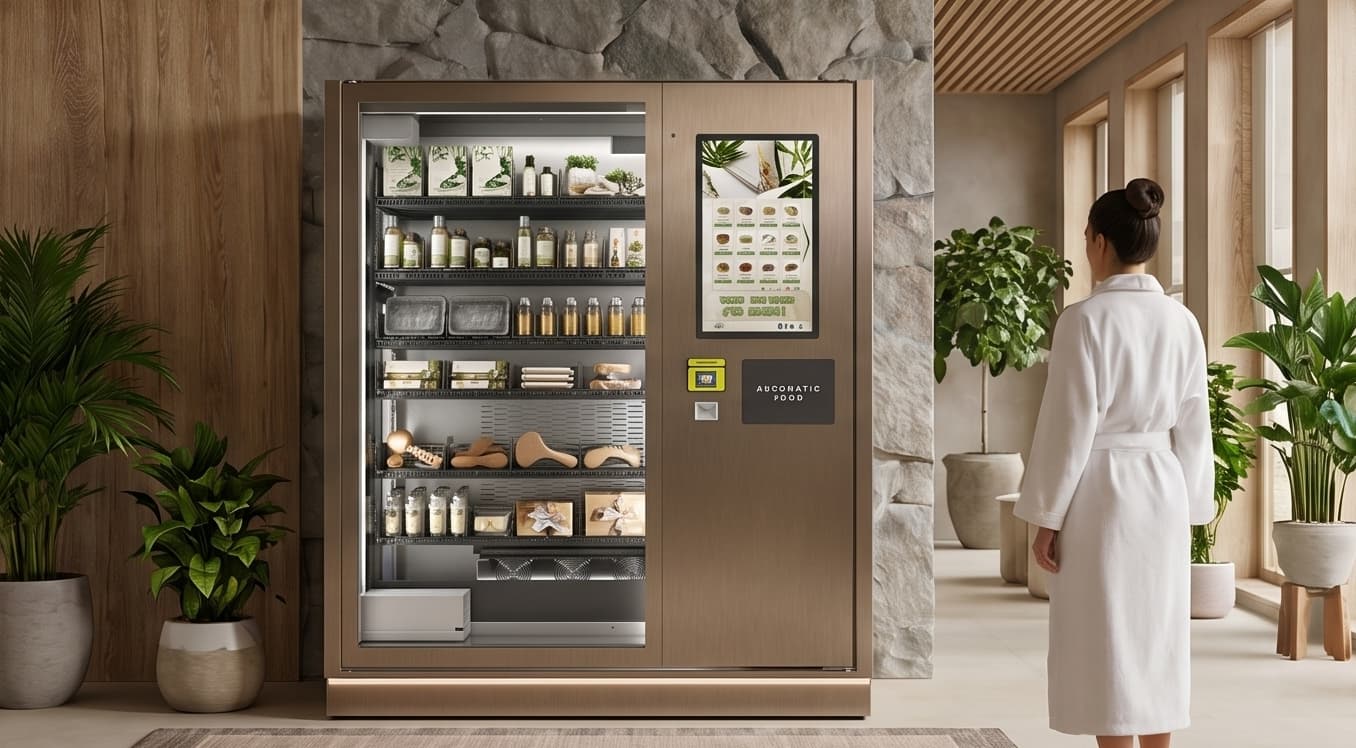
Vending machines built a reputation dispensing $1.50 bags of chips in corporate break rooms. That reputation is decades behind the reality of what custom vending machines are…
Read Post »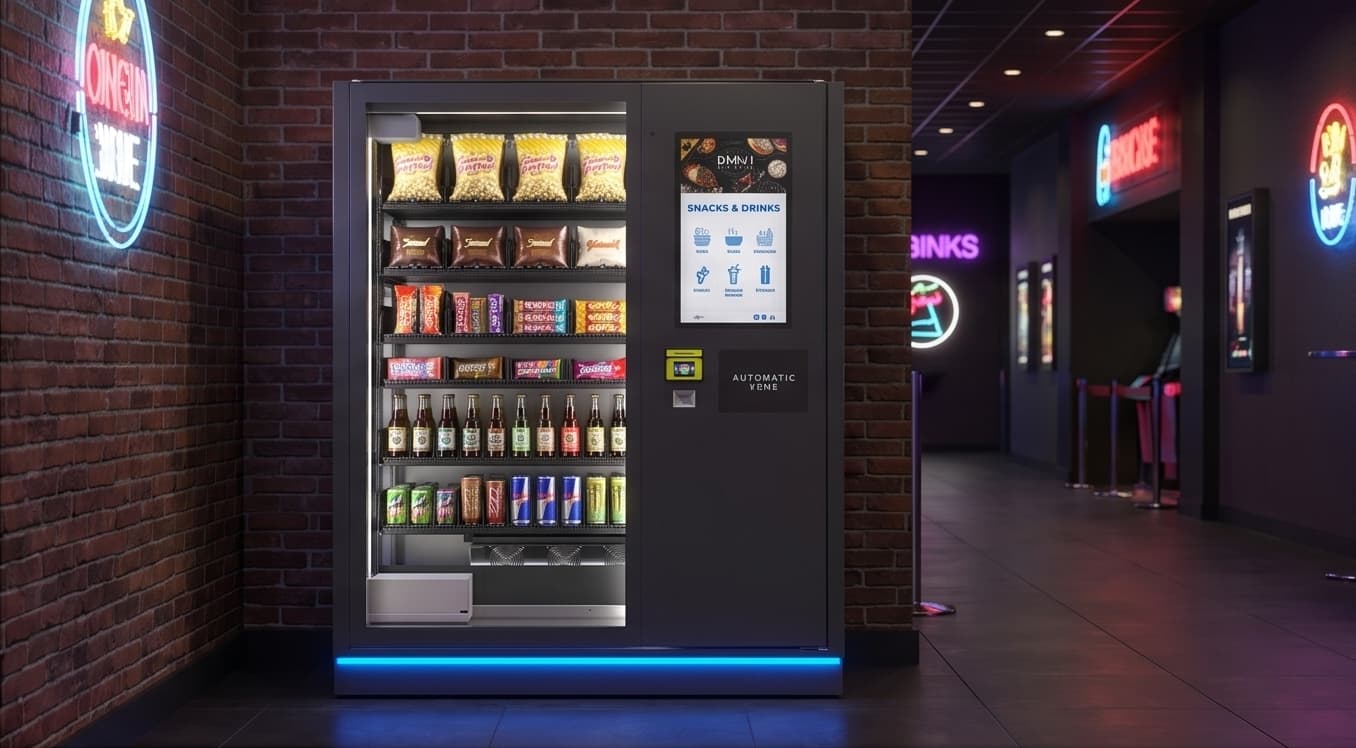
Candy vending has existed as long as vending machines have. The gumball machines and bulk candy dispensers of earlier decades established the category. What's different now is…
Read Post »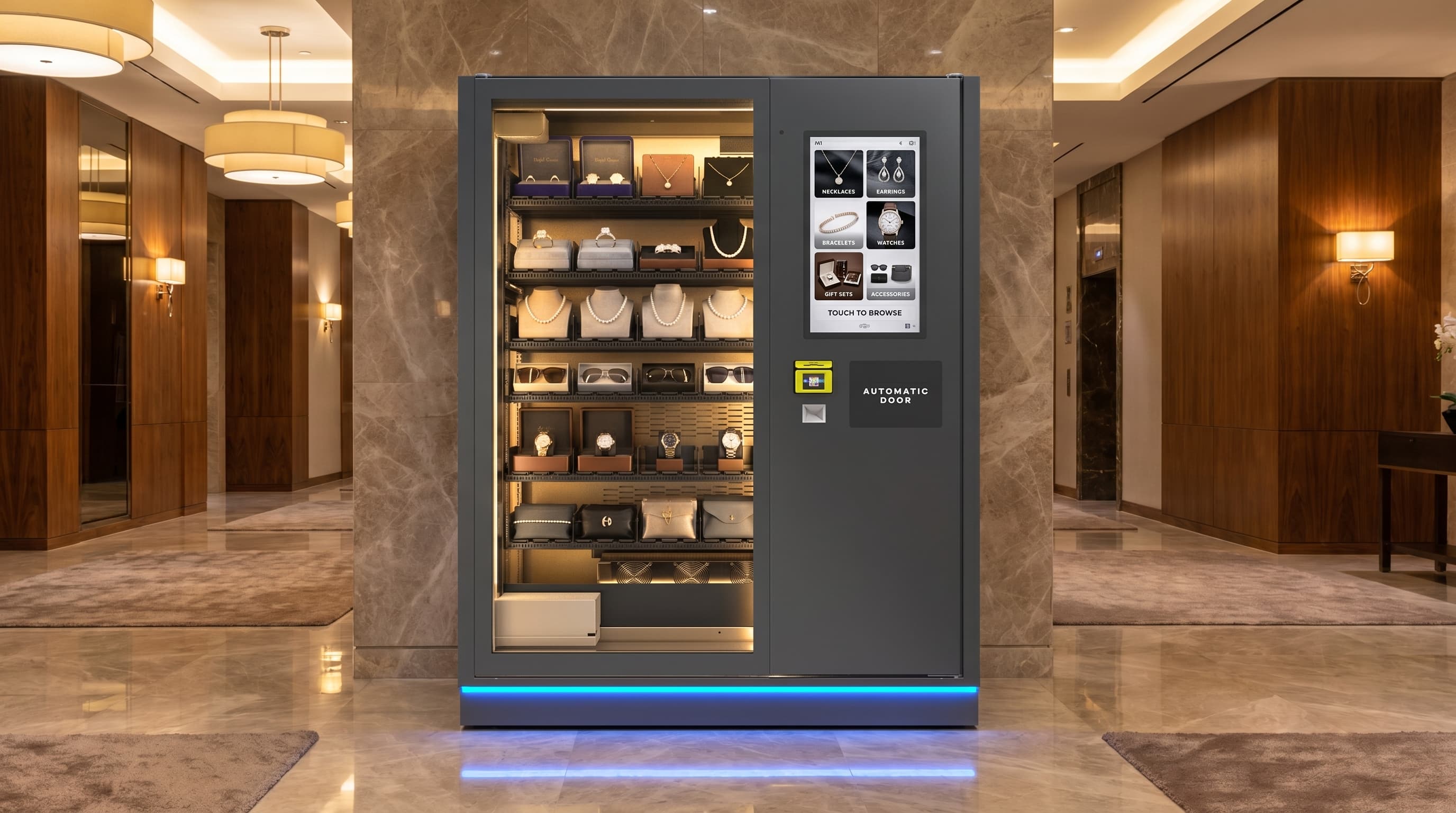
Most retail categories have been tested in vending at this point. Snacks, beverages, electronics, cosmetics, flowers, and collectibles all have established machine formats…
Read Post »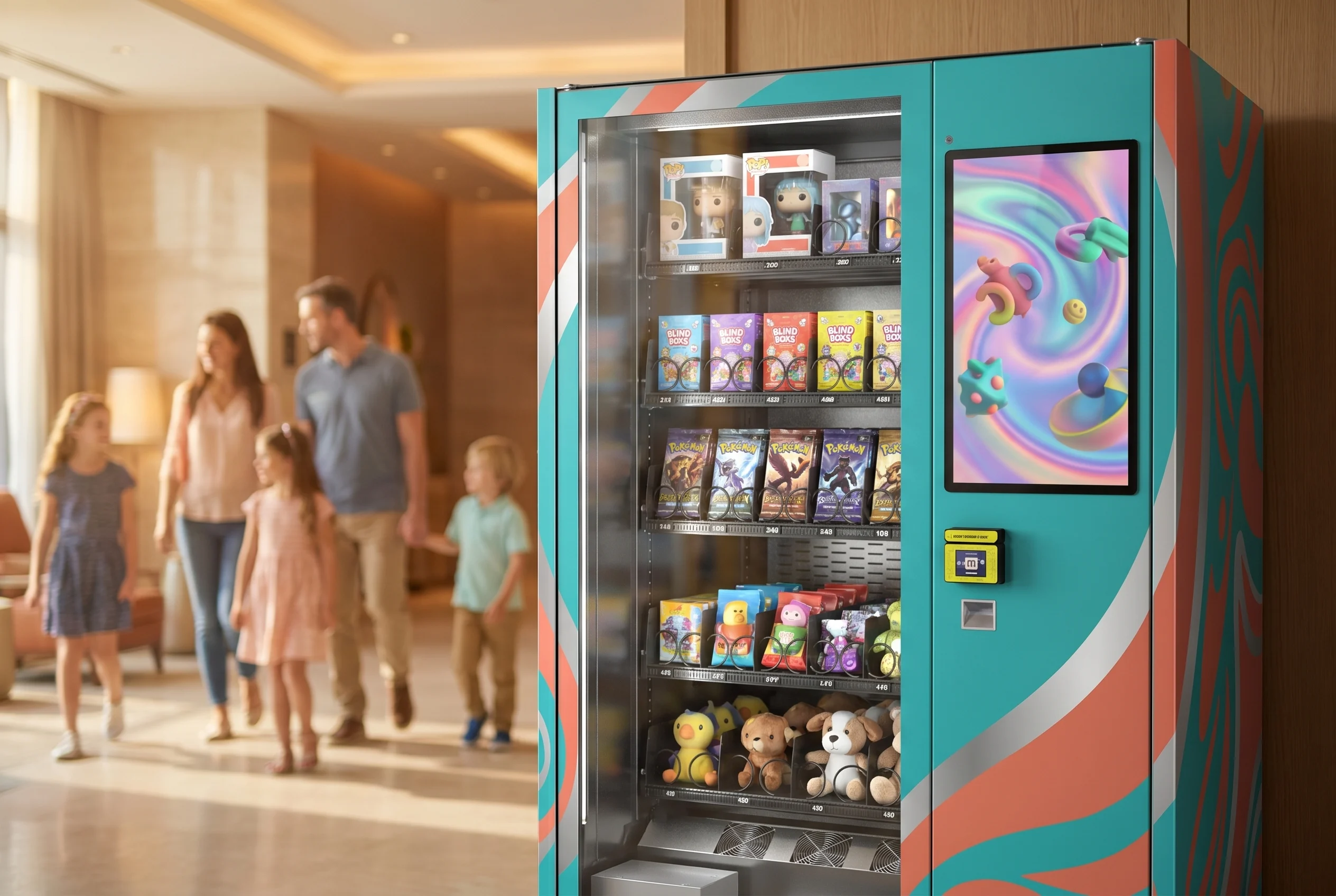
Toy vending is one of the oldest vending categories and also one of the most actively evolving. The original toy vending format, the 25 cent capsule machine dispensing bouncy…
Read Post »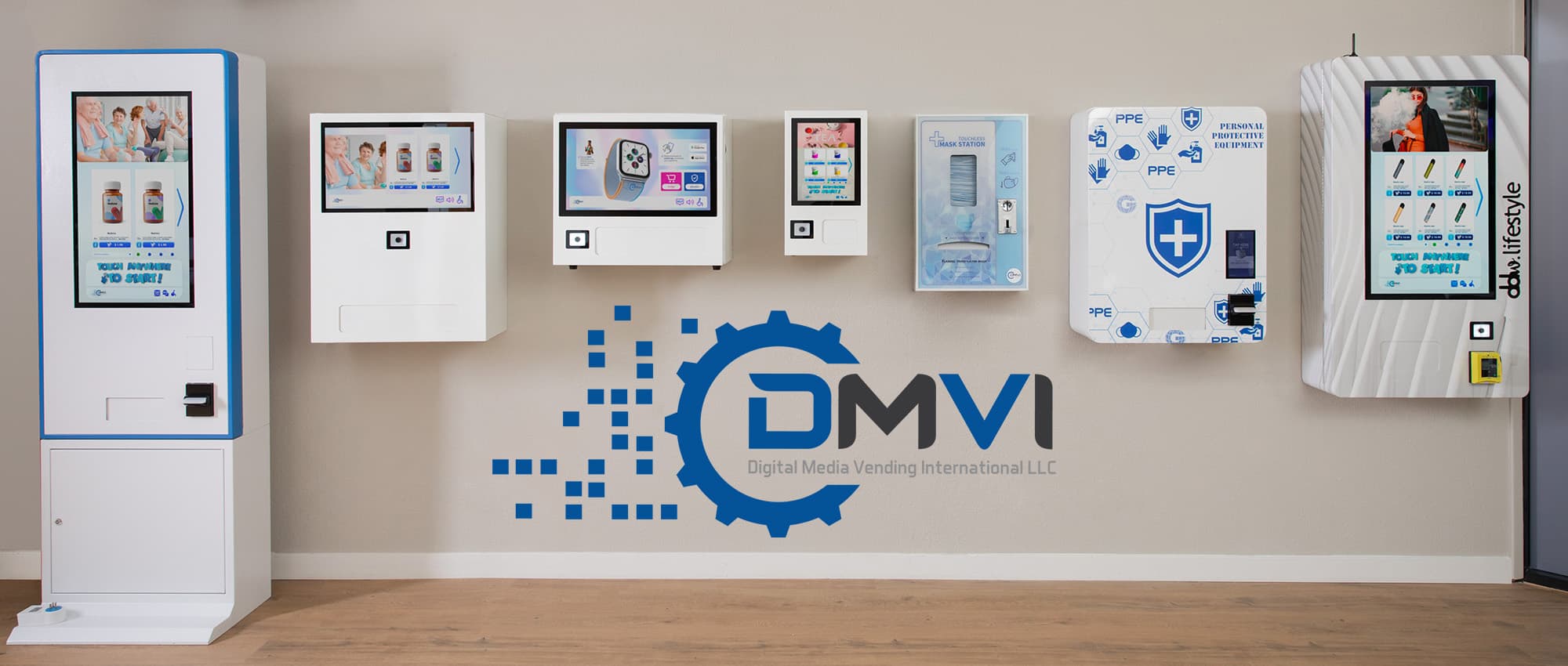
The short answer is yes, and it's not a modification or a workaround. Wall mounted vending machines are a distinct product category designed from the ground up to attach to a…
Read Post »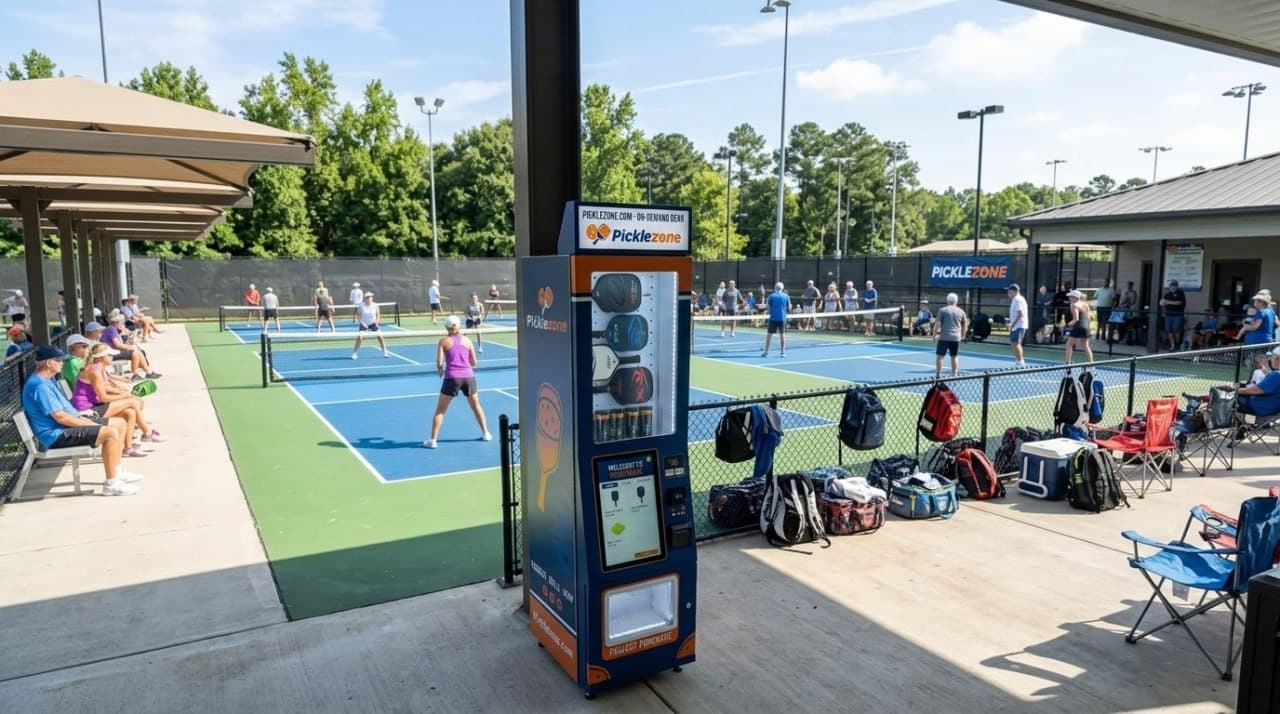
Pickleball facilities are expanding across the United States faster than almost any other category of recreational real estate. New courts are opening in converted tennis…
Read Post »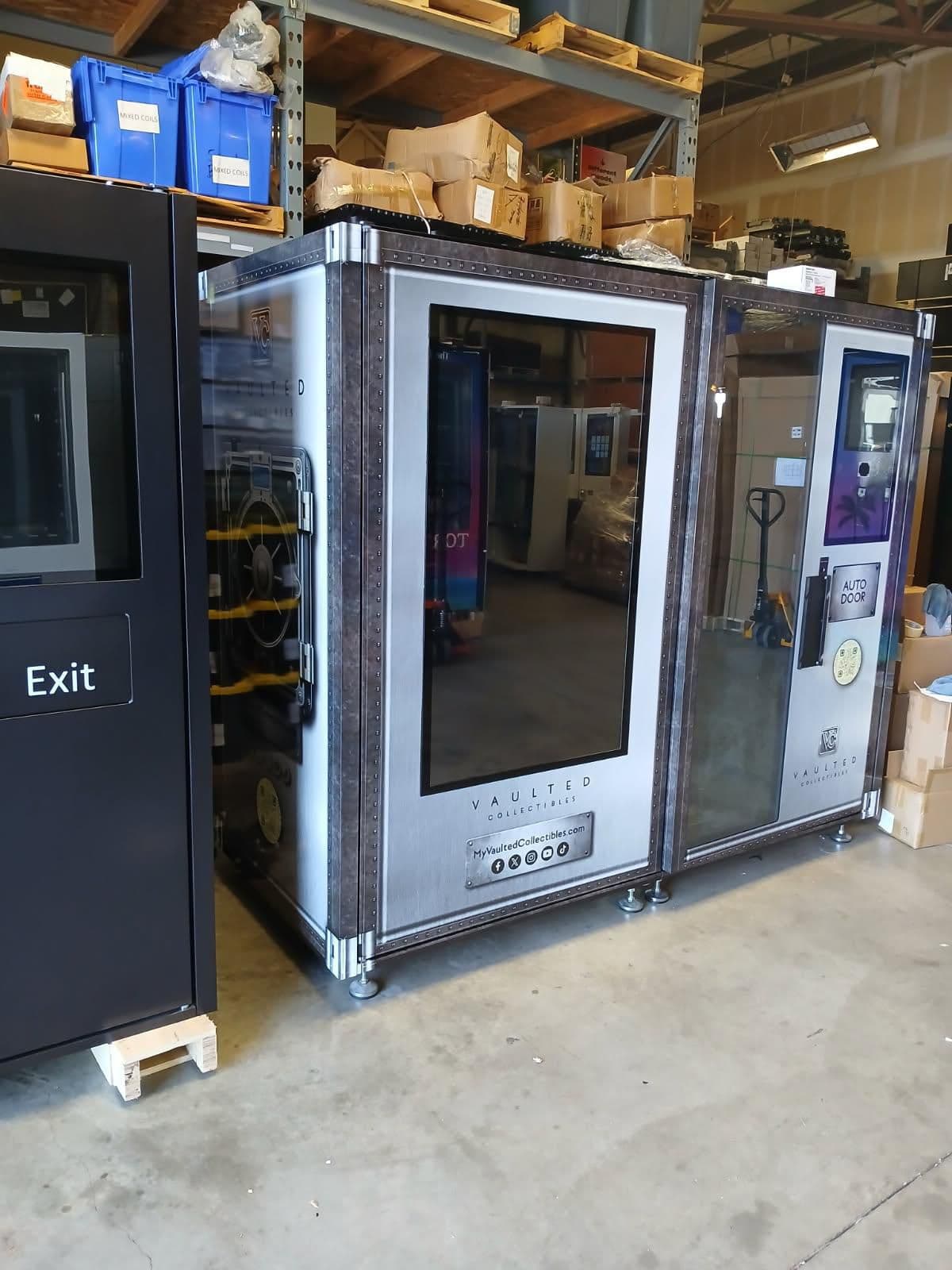
Personal protective equipment costs money. It also goes missing at a rate that most operations managers have come to accept as unavoidable. Gloves taken home. Masks overstocked…
Read Post »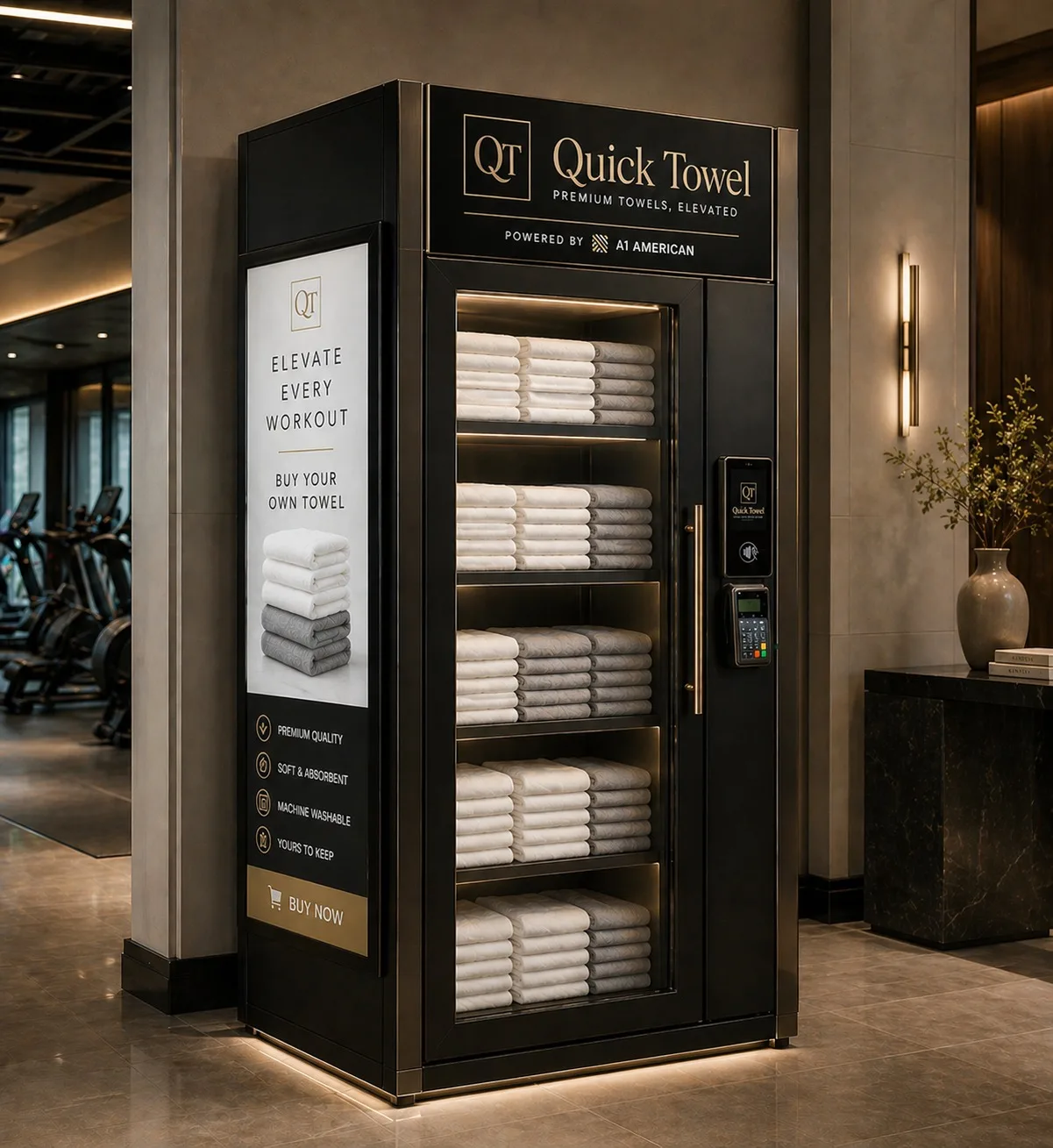
Towel distribution is a solved problem in most gym, hotel, and spa environments except for the moments when it isn't. The attendant is away from the desk. The stack ran out…
Read Post »If you've been searching for information about "digital vending machines" and finding mostly generic tech industry takes, this is the practical version. Below is a clear…
Read Post »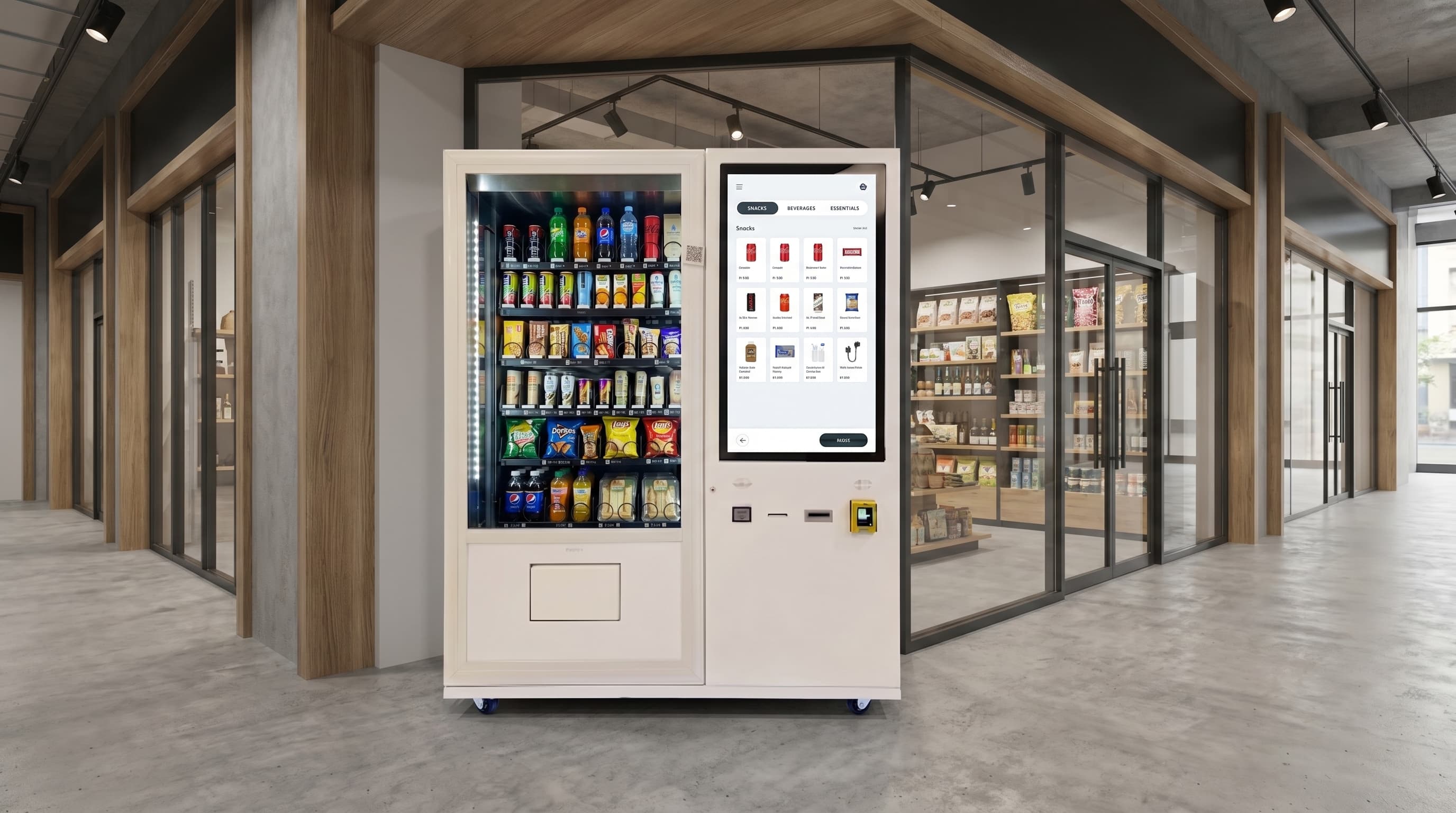
If you've searched for a smart vending machine recently, you've encountered "AI" attached to a wide range of machines with a wide range of capabilities. Some of those machines…
Read Post »Most people who look into custom vending machines have the same initial question: what does "custom" actually mean? Does it mean a machine with a brand sticker on the front? A…
Read Post »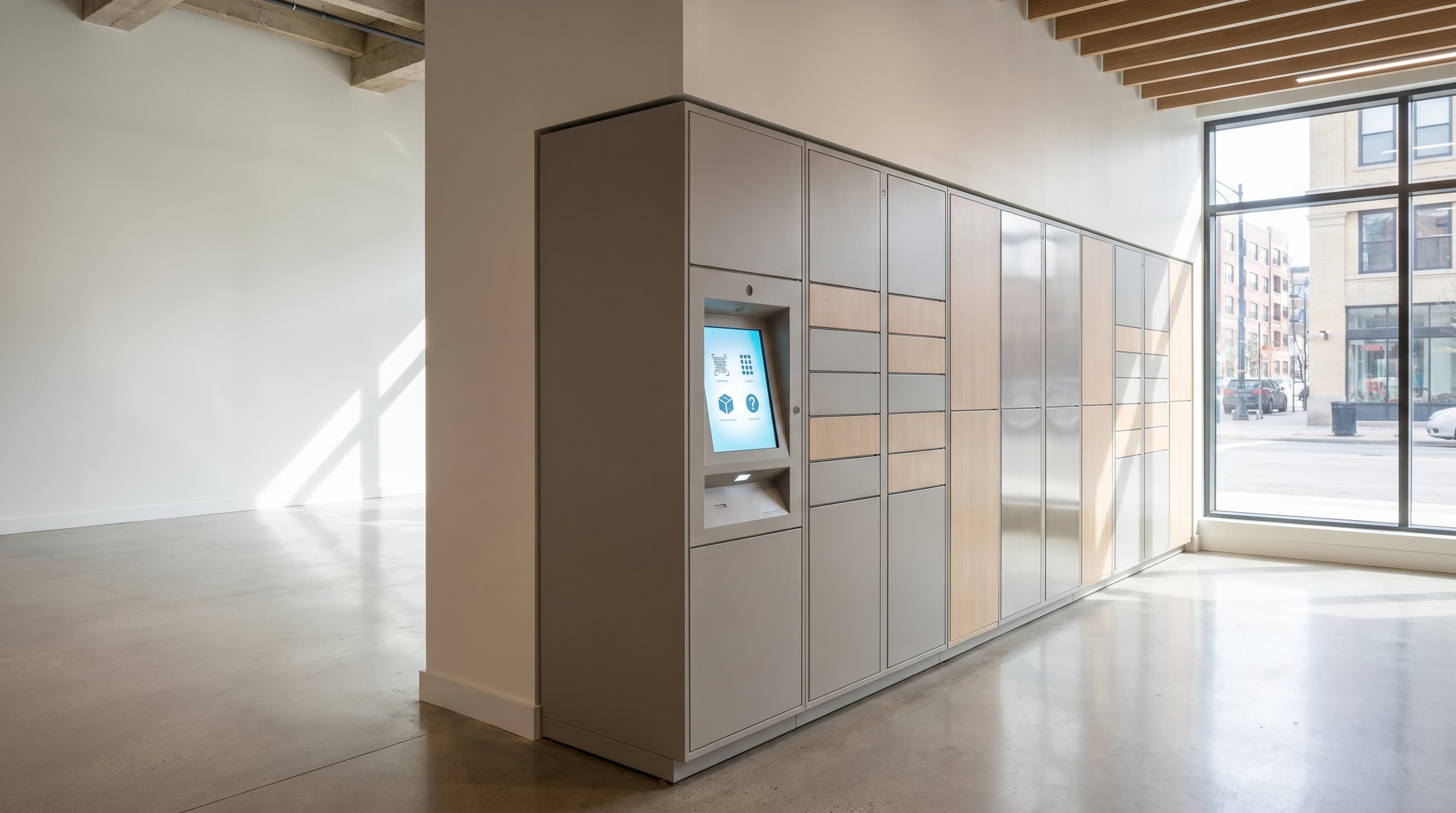
Electronic lockers and vending machines are often discussed as if they are competing products in the same category. They are not. They solve different problems, for different…
Read Post »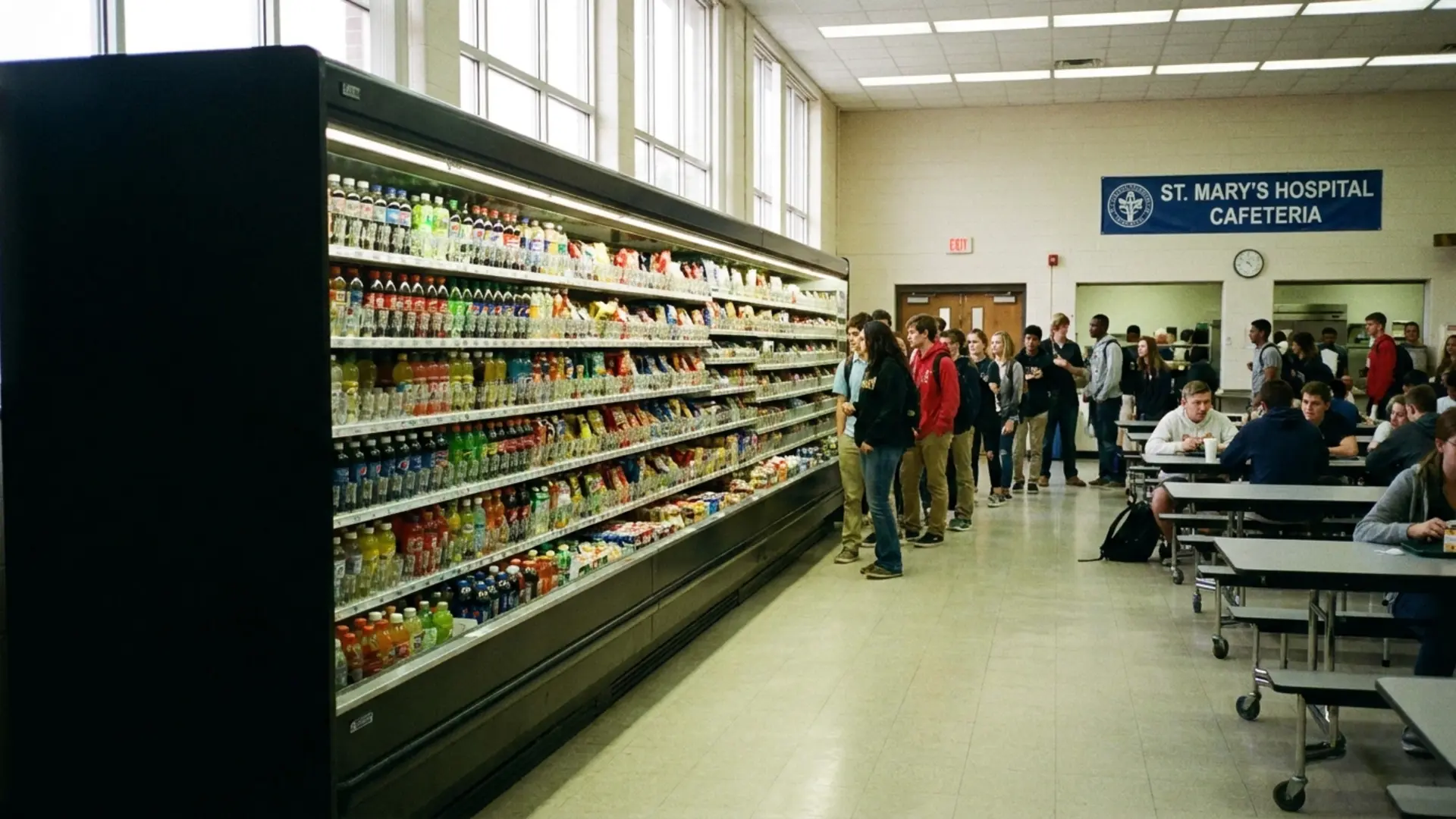
DMVI financing: 25%–50% machine deposit, 12 monthly balance payments starting 30 days after shipment, and 8%–15% interest, based on repayment ability and other approval conditions. Upfront costs paid at signing; subject to approval.
Read Post »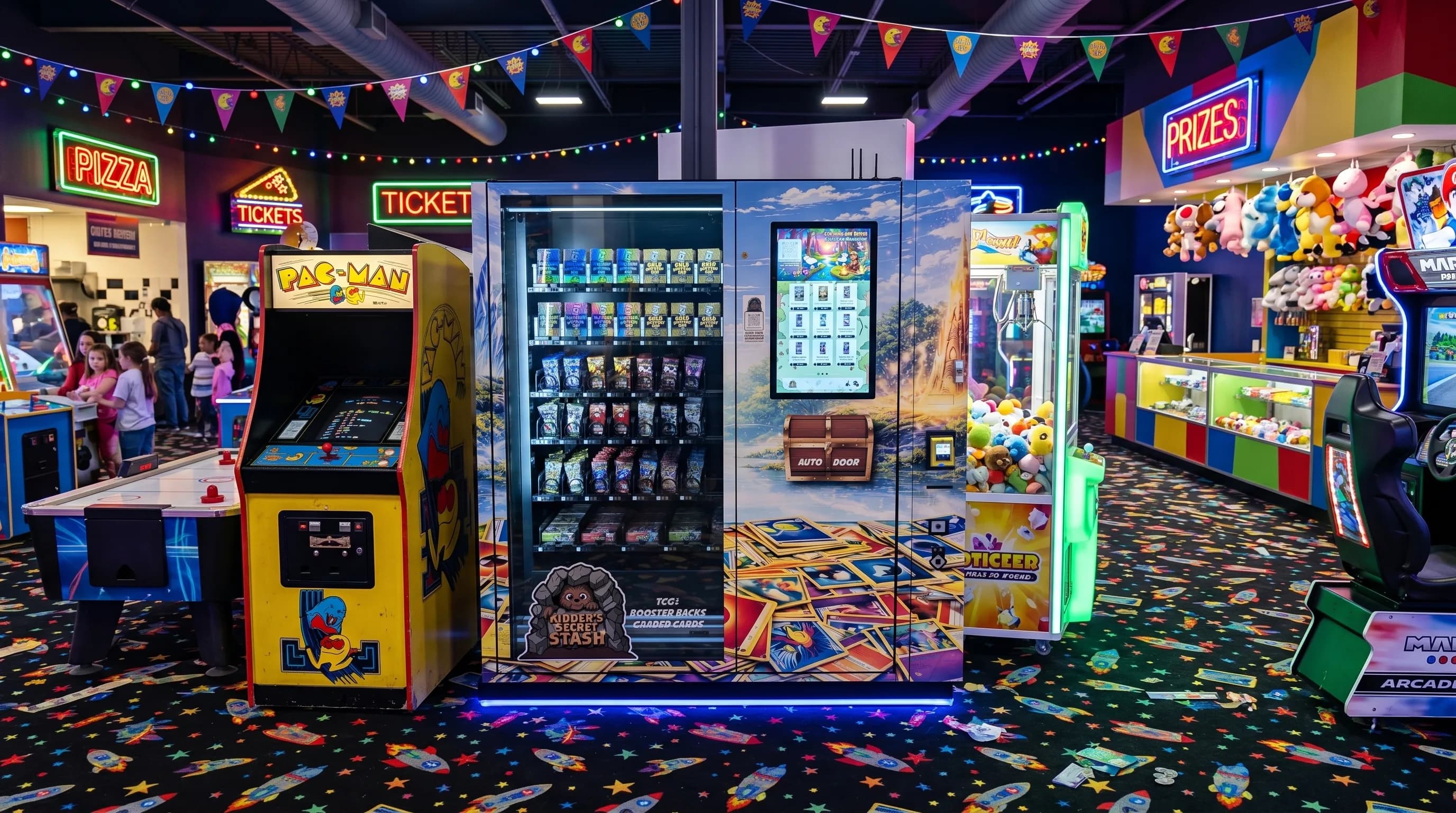
Finance a DMVI Pokémon vending machine with a 25%–50% deposit, 12 monthly balance payments starting 30 days after shipment, and 8%–15% interest, based on repayment ability and other approval conditions. Upfront costs and approval apply.
Read Post »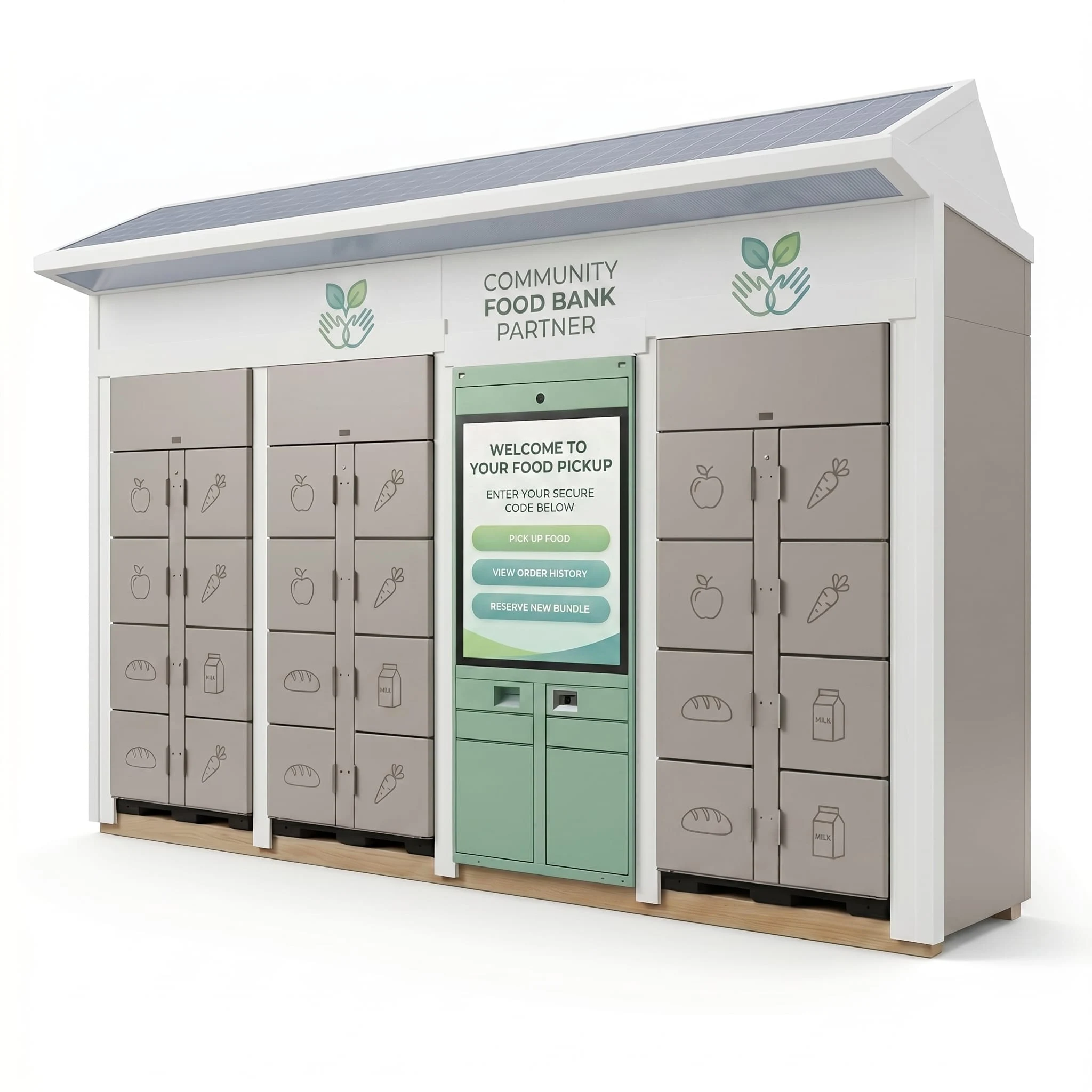
See how refrigerated lockers for food banks can boost efficiency and help secure food access for vulnerable populations. Find out more now!
Read Post »See why TCG vending machines are gaining traction with Pokemon card buyers, which machine formats make sense, where these cabinets work best, and what entrepreneurs need to think through before launching one.
Read Post »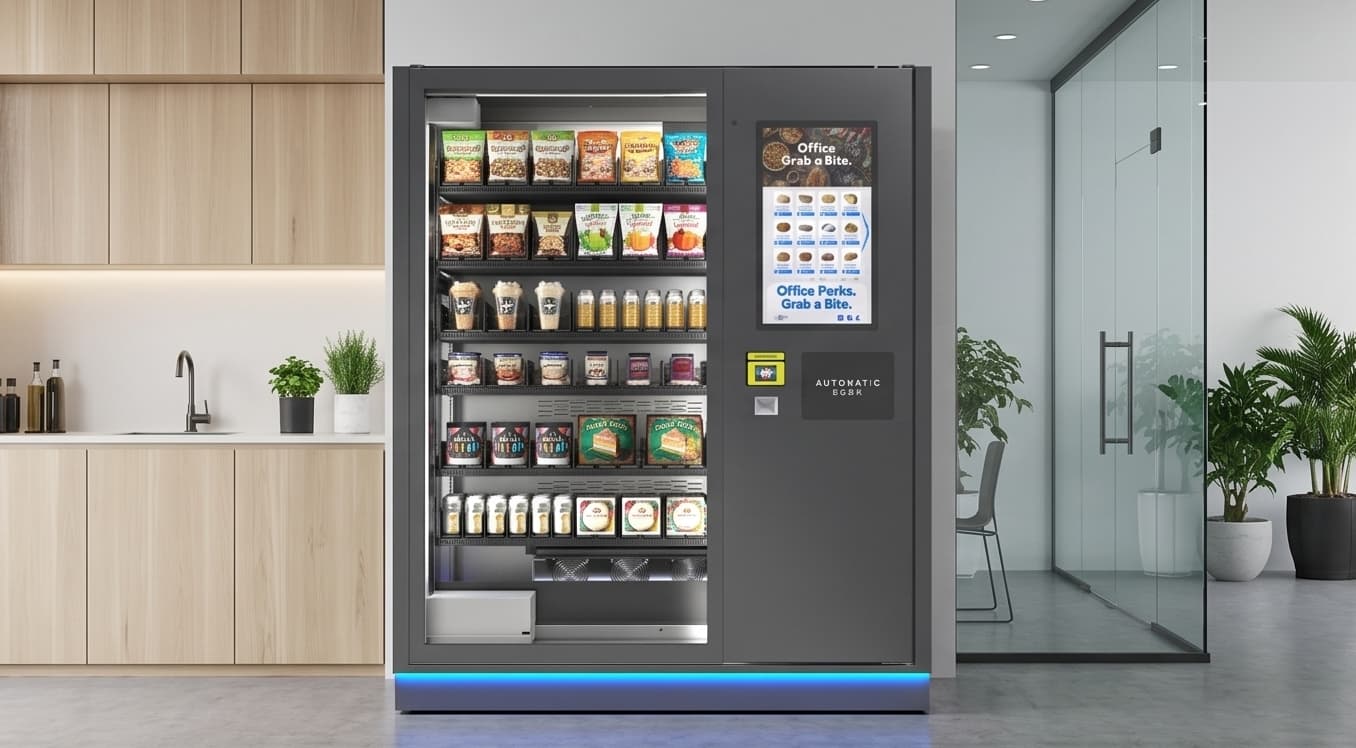
Learn where vending machines perform best, how to evaluate a location before you place one, and which machine formats make the most sense in offices, hotels, gyms, hospitals, campuses, airports, and other real-world venues.
Read Post »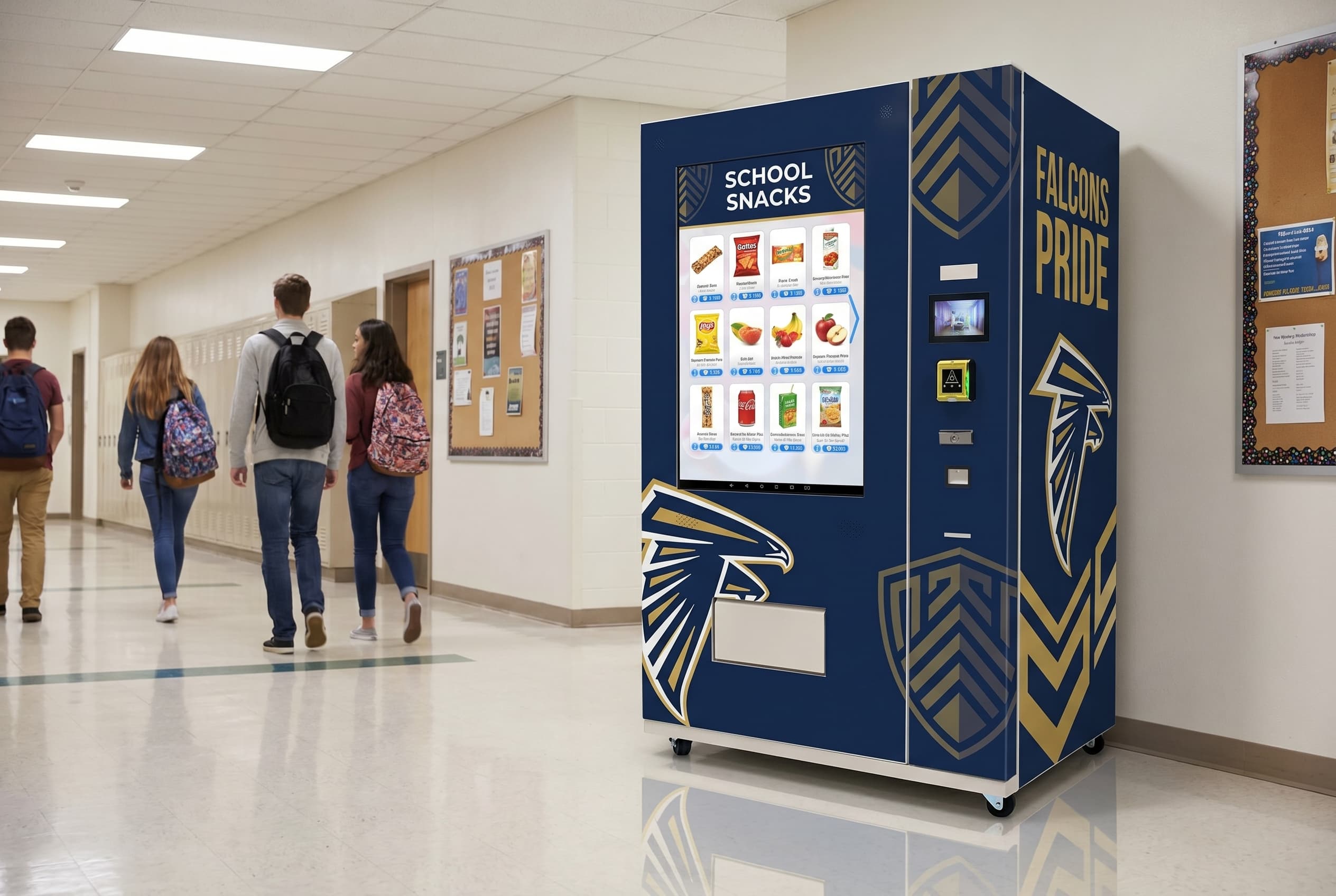
See how healthy vending machines in schools work best when nutrition goals, student behavior, campus branding, product mix, and smarter machine formats all line up.
Read Post »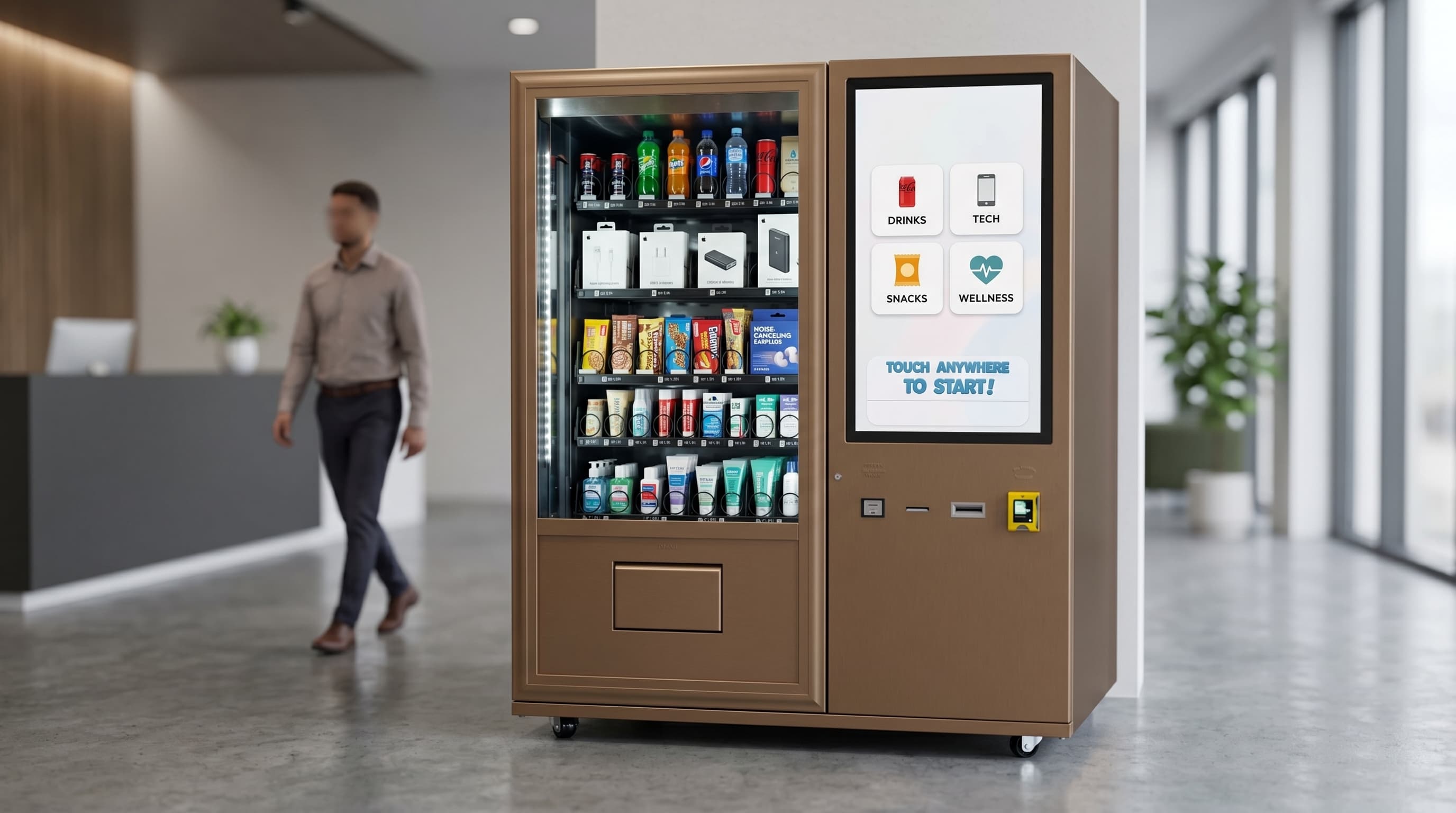
A practical guide to starting a vending machine business, from business model and machine choice to locations, payments, route operations, and scaling sensibly.
Read Post »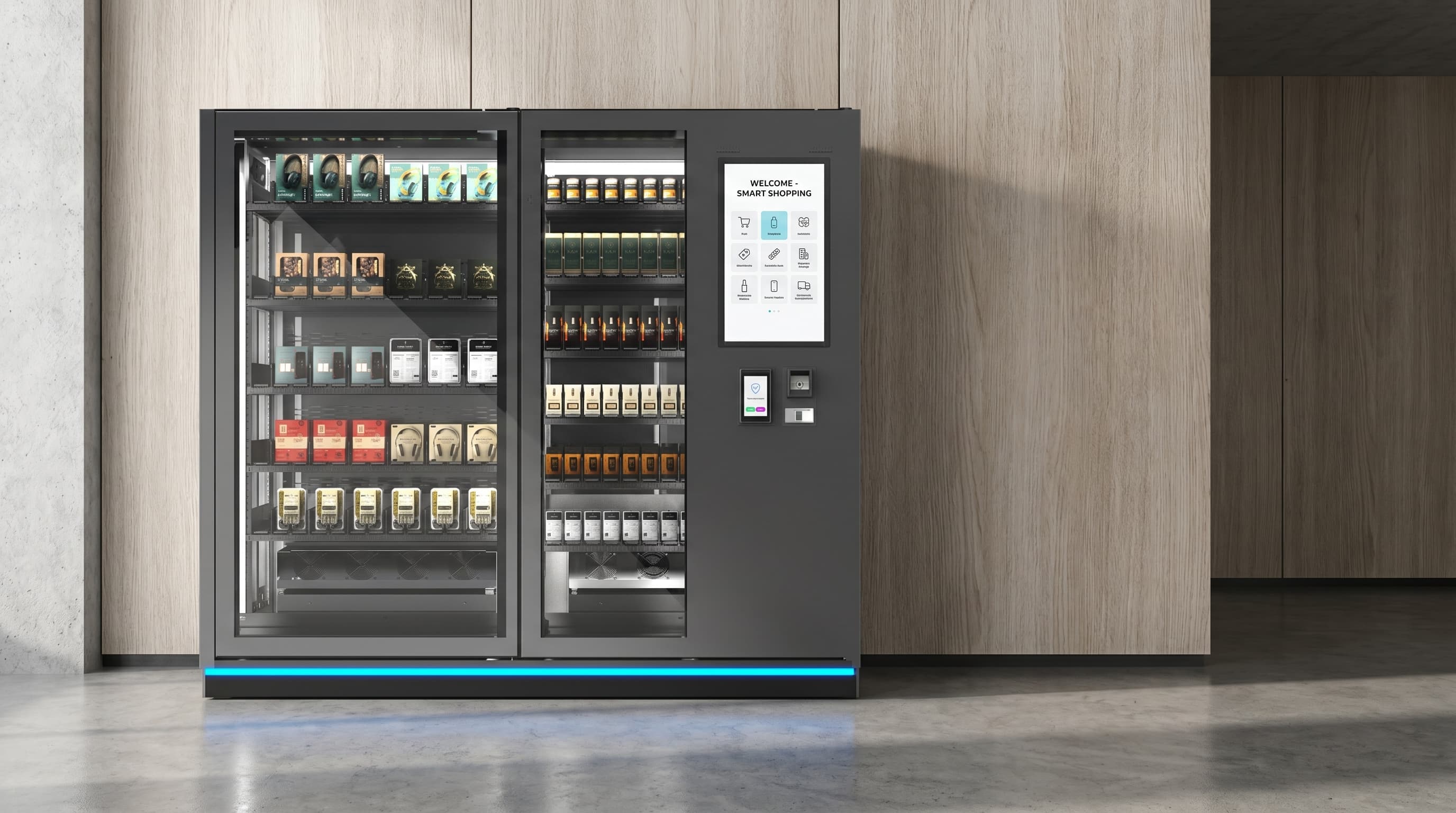
See how customized vending machines are changing retail with better branding, smarter merchandising, stronger customer experience, and more flexible unattended-sales formats.
Read Post »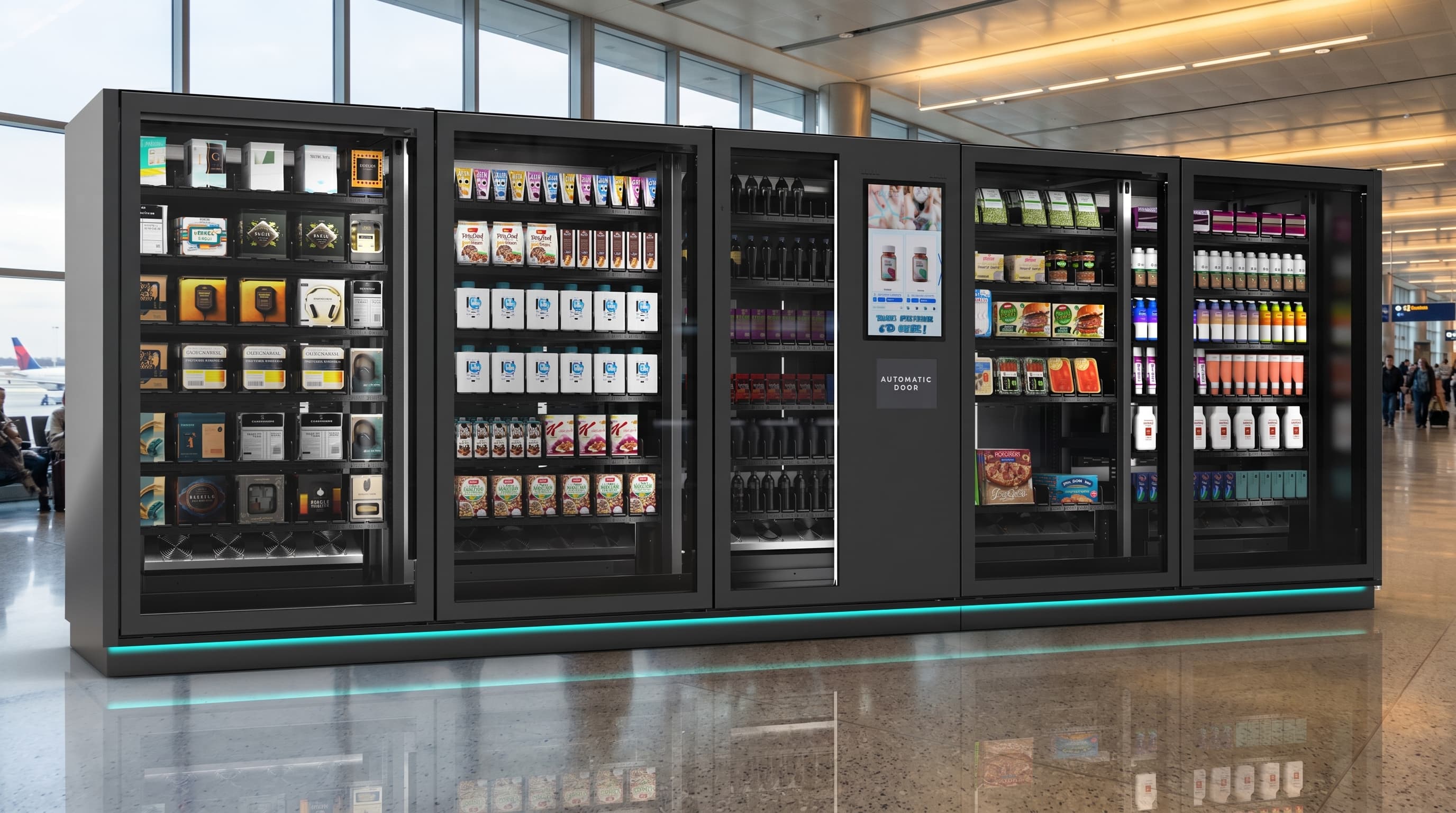
See where vending machine manufacturing is heading, from smart connected hardware and AI workflows to custom builds, energy efficiency, and broader unattended-retail formats.
Read Post »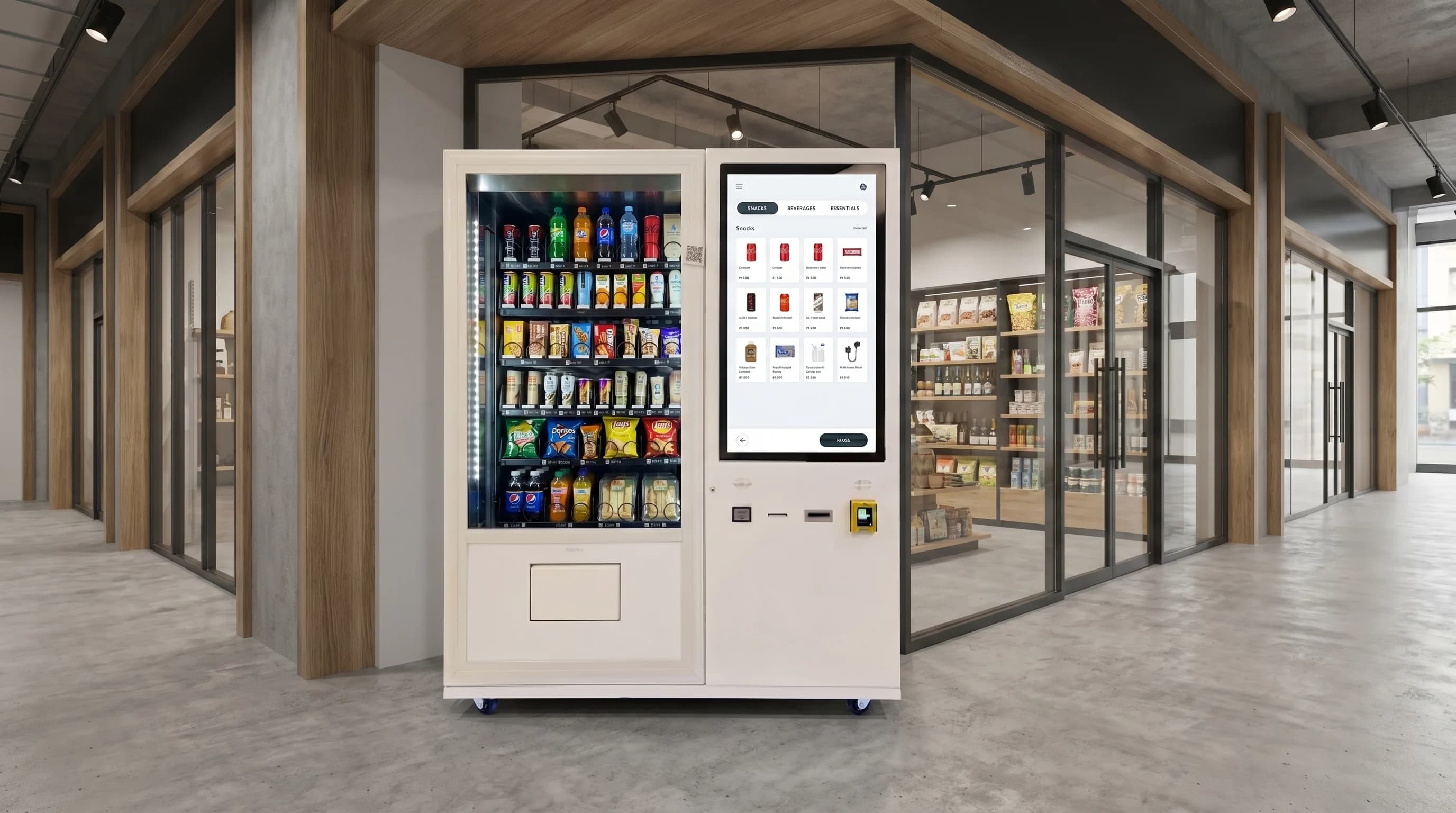
How will OpenClaw and other agentic agents shape the vending machine business of tomorrow? See how early operators, including AI companies in San Francisco, are using DMVI vending machines for AI experiments and automation.
Read Post »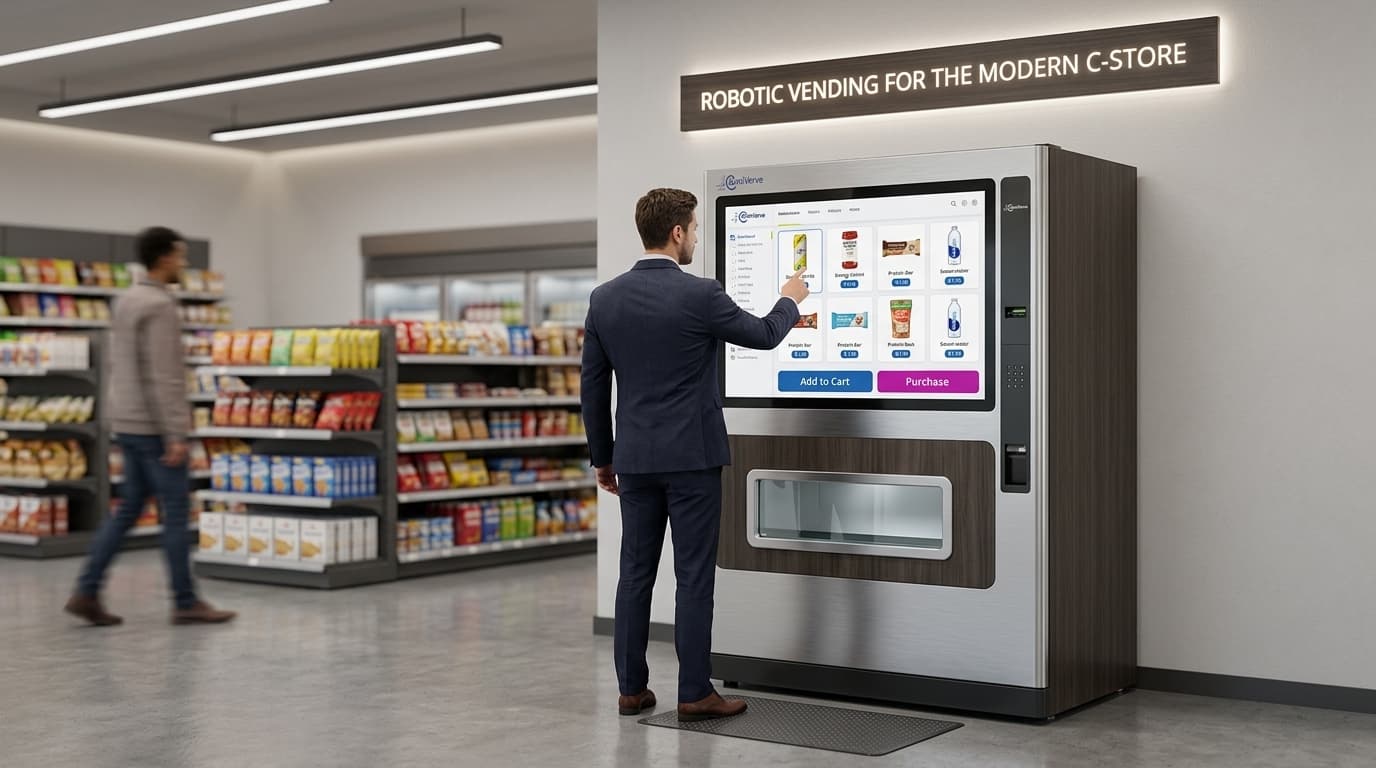
Discover how to choose the right vending machine for your business, from smart touchscreen models to compact space-saving options, with practical guidance on location, product fit, costs, and ROI.
Read Post »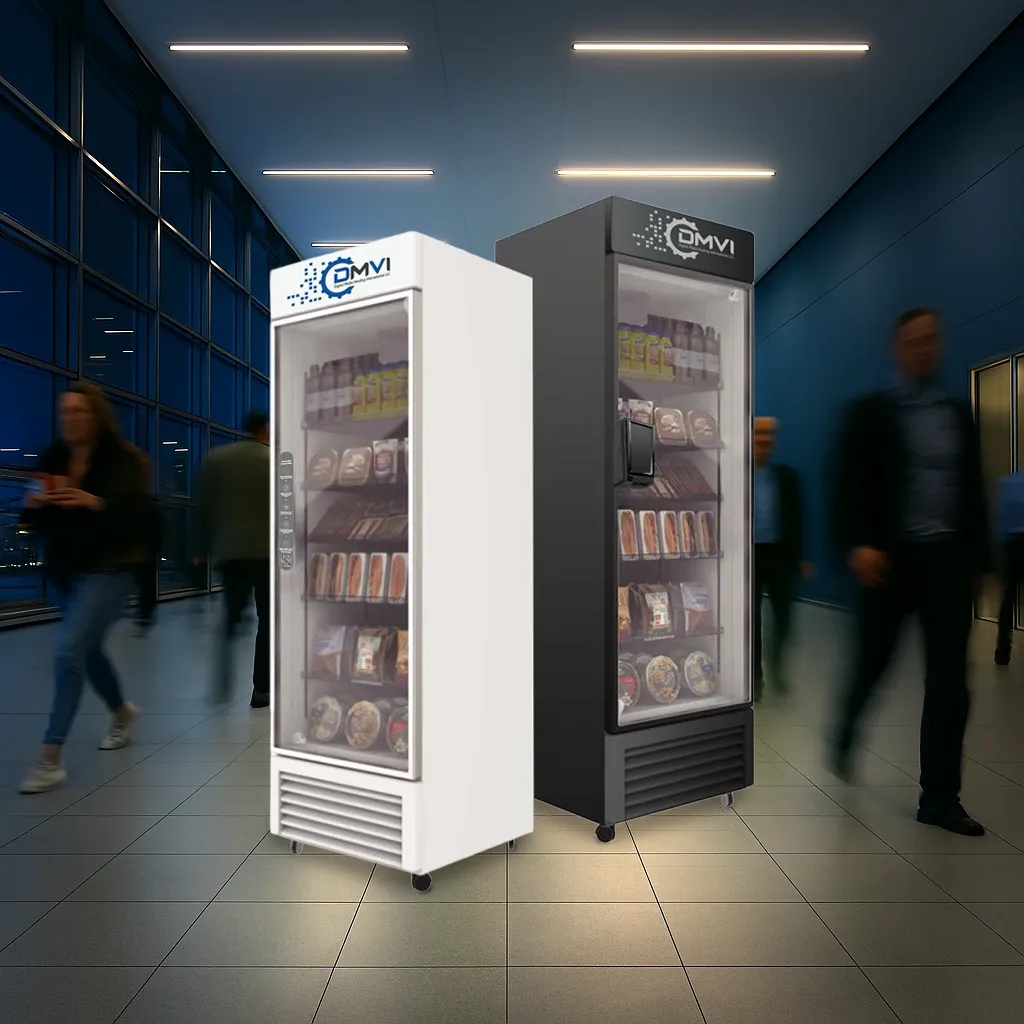
AI-powered micro-markets and smart fridges let customers authenticate, grab multiple items, and pay automatically without a cashier. This guide explains how unattended refrigerated retail works, how it differs from standard vending, and where operators can make the economics work.
Read Post »How much does a vending machine cost in 2026? Compare traditional, used, smart, and large-format vending machine pricing with real examples and DMVI machine guidance.
Read Post »A practical guide to wall mounted touchscreen vending machines, including what to sell, where to place them, when they outperform floor units, and how to plan for ROI.
Read Post »A step-by-step guide to launching a Pokémon vending machine business — costs, machine selection, inventory sourcing, locations, and realistic revenue projections.
Read Post »Every cost you need to budget for a Pokémon vending machine business — hardware, inventory, LLC, insurance, freight, and location — with three complete budget scenarios.
Read Post »Real profit data from DMVI operator deployments — unit economics, monthly P&L scenarios, break-even timelines, and which products generate the highest returns.
Read Post »Yes — selling Pokémon cards in a vending machine is legal under the First Sale Doctrine (17 U.S.C. § 109). Here's everything operators need to know about IP, trademarks, and compliance.
Read Post »Side-by-side comparison of Pokémon TCG vending vs. snack/drink vending — margins, capital requirements, restock frequency, and 5-year revenue potential.
Read Post »Compare every DMVI Pokémon vending machine format — Wall-Mounted, Option 4, and M1 — with specs, pricing, revenue expectations, and a decision matrix to choose the right one.
Read Post »Why the dispensing mechanism inside your Pokémon vending machine matters — coil vs elevator vs hybrid, failure modes, and what to look for when buying.
Read Post »How DMVI's touchscreen Pokémon vending machines work — branded UI, VendingTracker cloud management, remote pricing, on-screen advertising, and the data that drives higher sales.
Read Post »Is a used Pokémon vending machine worth the savings? A full cost breakdown — purchase, refurb, downtime, and support — vs. buying new from DMVI.
Read Post »Where to buy Pokémon cards wholesale for a vending machine — authorized distributors, approval process, pricing structure, and how to manage allocation on hot sets.
Read Post »How to set par levels, track SKU velocity, schedule restocks, and rotate dead inventory in a Pokémon vending machine — using DMVI's VendingTracker for real-time remote monitoring.
Read Post »Which Pokémon products generate the highest margins in a vending machine? Booster packs, cases, ETBs, mystery boxes, and graded slabs — ranked by revenue contribution and operator strategy.
Read Post »How DMVI's VendingTracker platform lets operators monitor sales, manage inventory, update pricing, and run a multi-machine route — all remotely, without site visits.
Read Post »How to maximise revenue on every new Pokémon TCG set release — pre-ordering allocation, release week pricing strategy, planogram swaps, and managing the cooldown. Updated quarterly.
Read Post »The 12 best venue types for a Pokémon vending machine — ranked by revenue potential, with format recommendations, rent structures, and the venues to avoid entirely.
Read Post »Cold email scripts, in-person pitch frameworks, key contract terms, and the five objections every venue owner raises — a complete negotiation guide for Pokémon vending machine operators.
Read Post »When to use revenue share vs. flat rent for Pokémon vending machine placements — with break-even math, venue-by-venue norms, and hybrid structures for high-revenue locations.
Read Post »When Pokémon vending machines make the most money — the four annual revenue peaks, how to prepare for each, and a month-by-month revenue index for operators.
Read Post »How to scale a Pokémon vending machine business from 1 machine to a 10-machine route — reinvestment model, route geography, inventory pooling, and when to hire help.
Read Post »The complete legal compliance guide for Pokémon vending machine operators — First Sale Doctrine, trademark rules, LLC formation, required permits, insurance, and what's actually illegal.
Read Post »Step-by-step guide to forming an LLC for a Pokémon vending machine business — filing, EIN, bank account, resale certificate, and ongoing compliance requirements.
Read Post »What insurance do Pokémon vending machine operators need? General Liability, Inland Marine, and BOP explained — with costs, carriers, and how to get a Certificate of Insurance for venue placements.
Read Post »How vending machine routes are valued (2–3× SDE), what buyers look for, where to find them, and how to maximise your sale price — the complete exit guide for Pokémon vending operators.
Read Post »How to mix Disney Lorcana, Magic: The Gathering, One Piece TCG, and Yu-Gi-Oh alongside Pokémon in a vending machine — margins, allocation, demographics, and recommended SKU splits.
Read Post »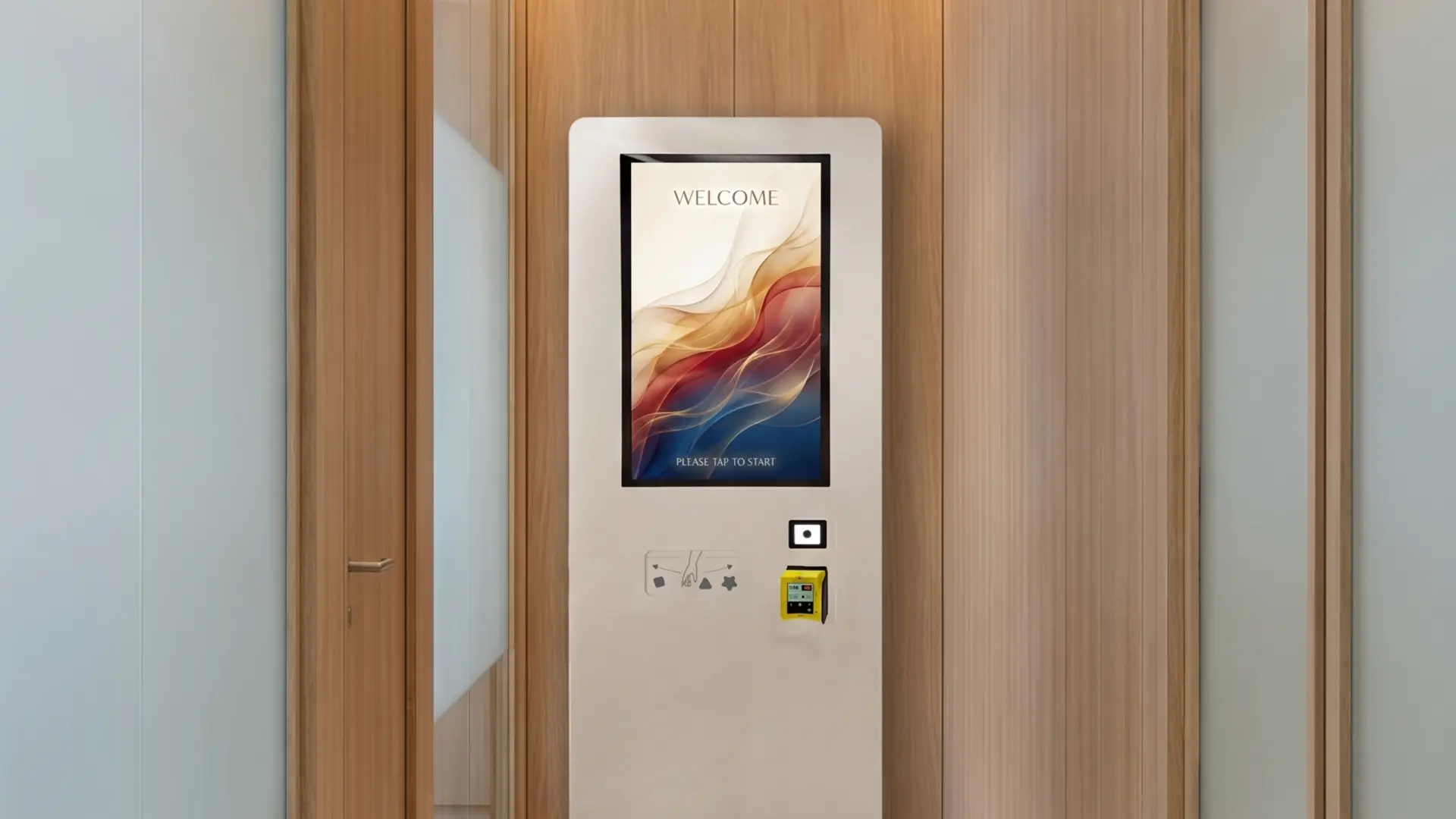
Looking to optimize tight spaces? A slim vending machine is your solution! Explore its advantages and best locations for placement.
Read Post »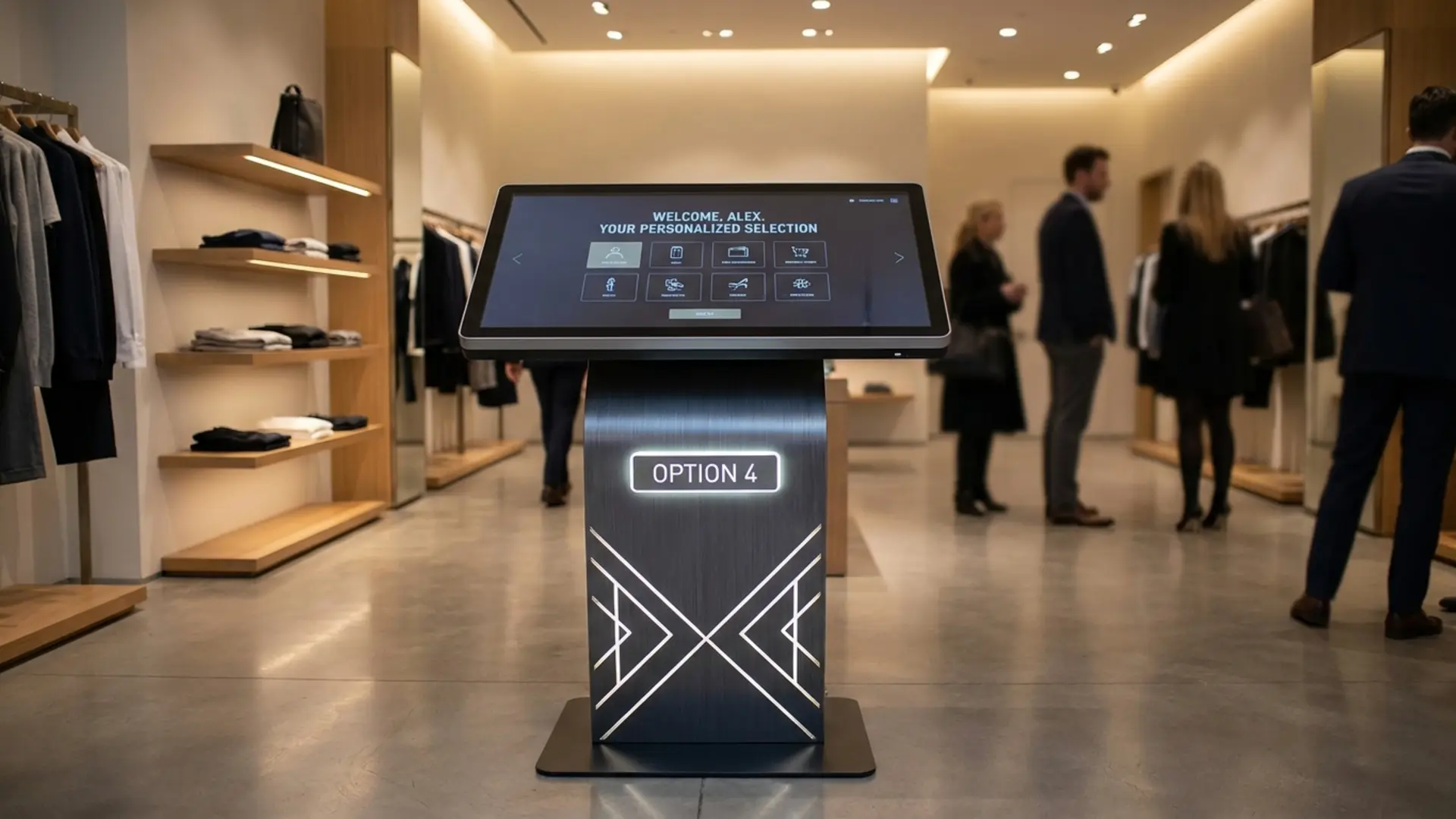
Discover how personalized vending machines enhance customer experiences and boost sales. Learn how to design a custom vending solution for your audience\!
Read Post »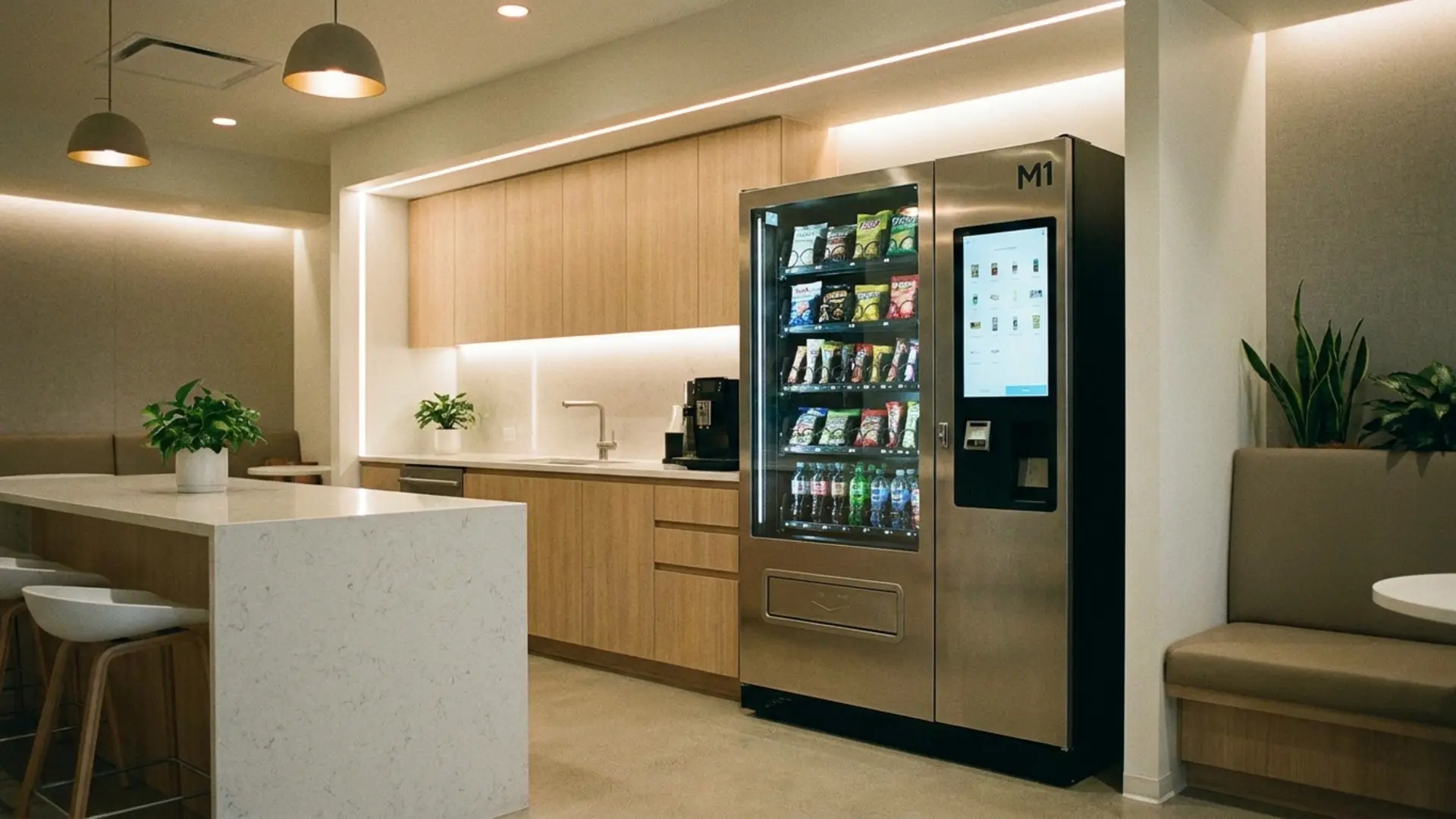
Discover how much it costs to rent a vending machine in 2026\. Learn about pricing factors and hidden costs that could affect your decision\!
Read Post »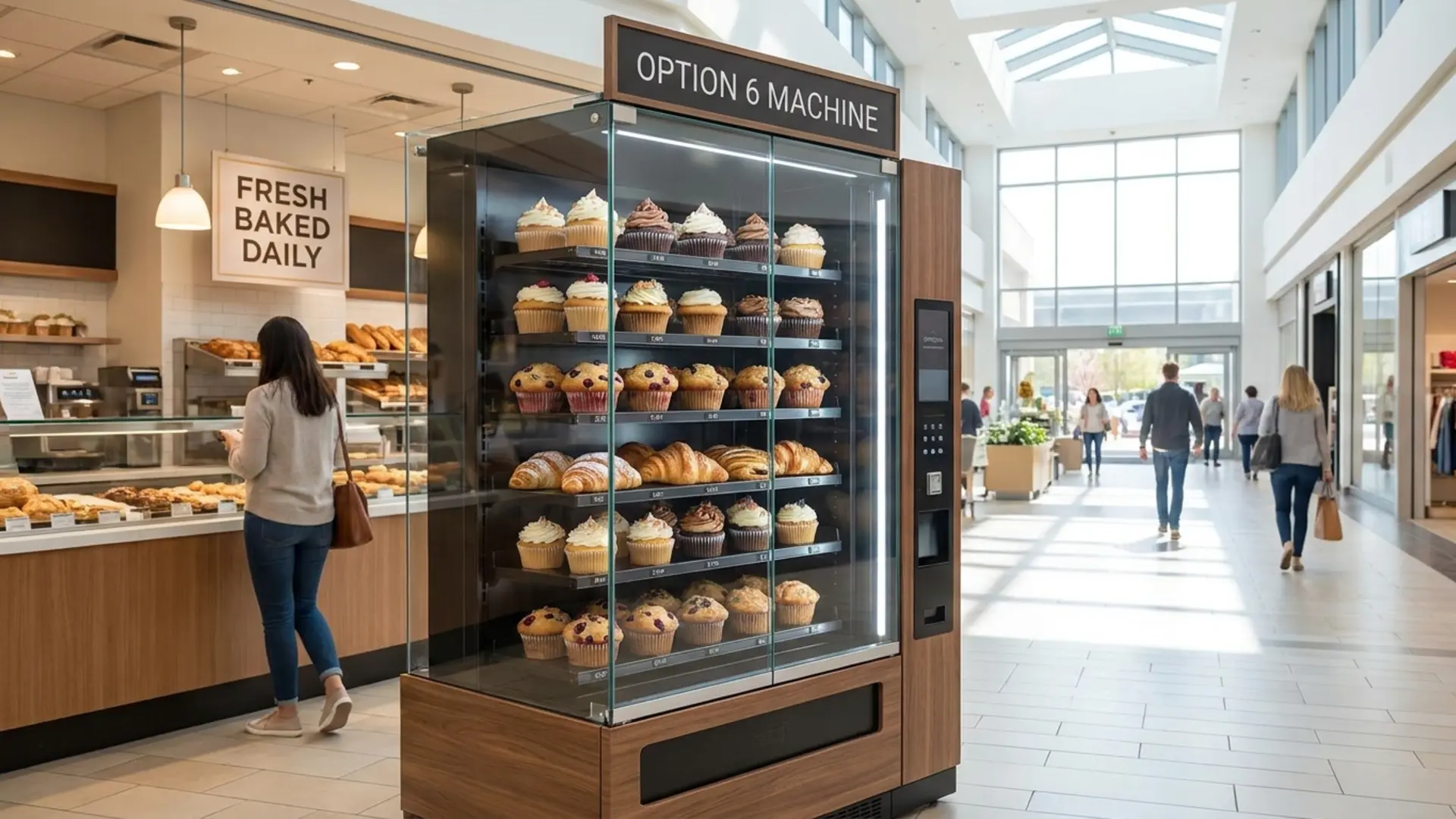
Learn how a pastry vending machine for sale can enhance your baking business. Discover key features, types, and where to find the best deals\!
Read Post »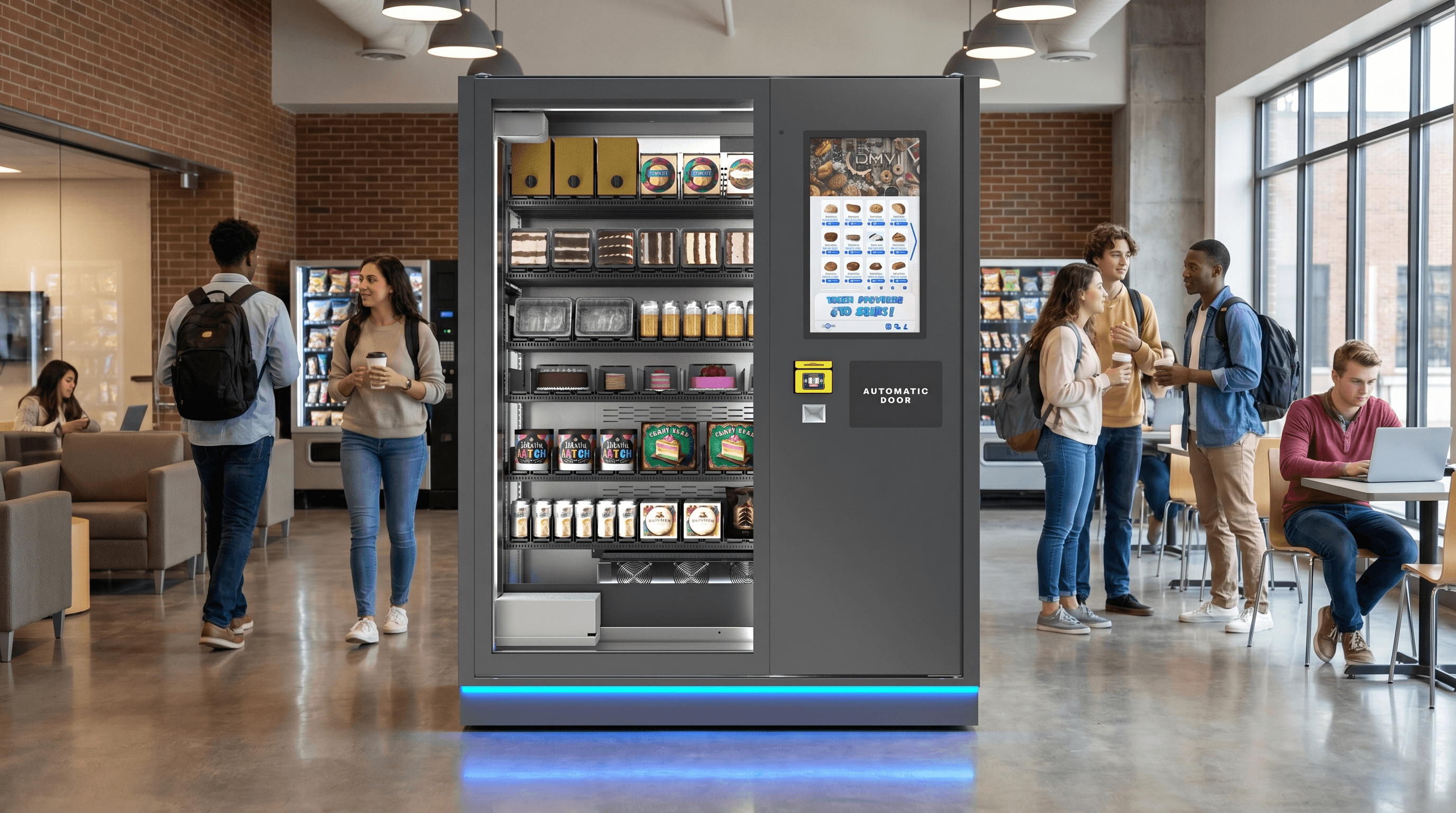
Understanding pop machine dimensions is crucial for maximizing accessibility and efficiency. Learn more about choosing the right fit\!
Read Post »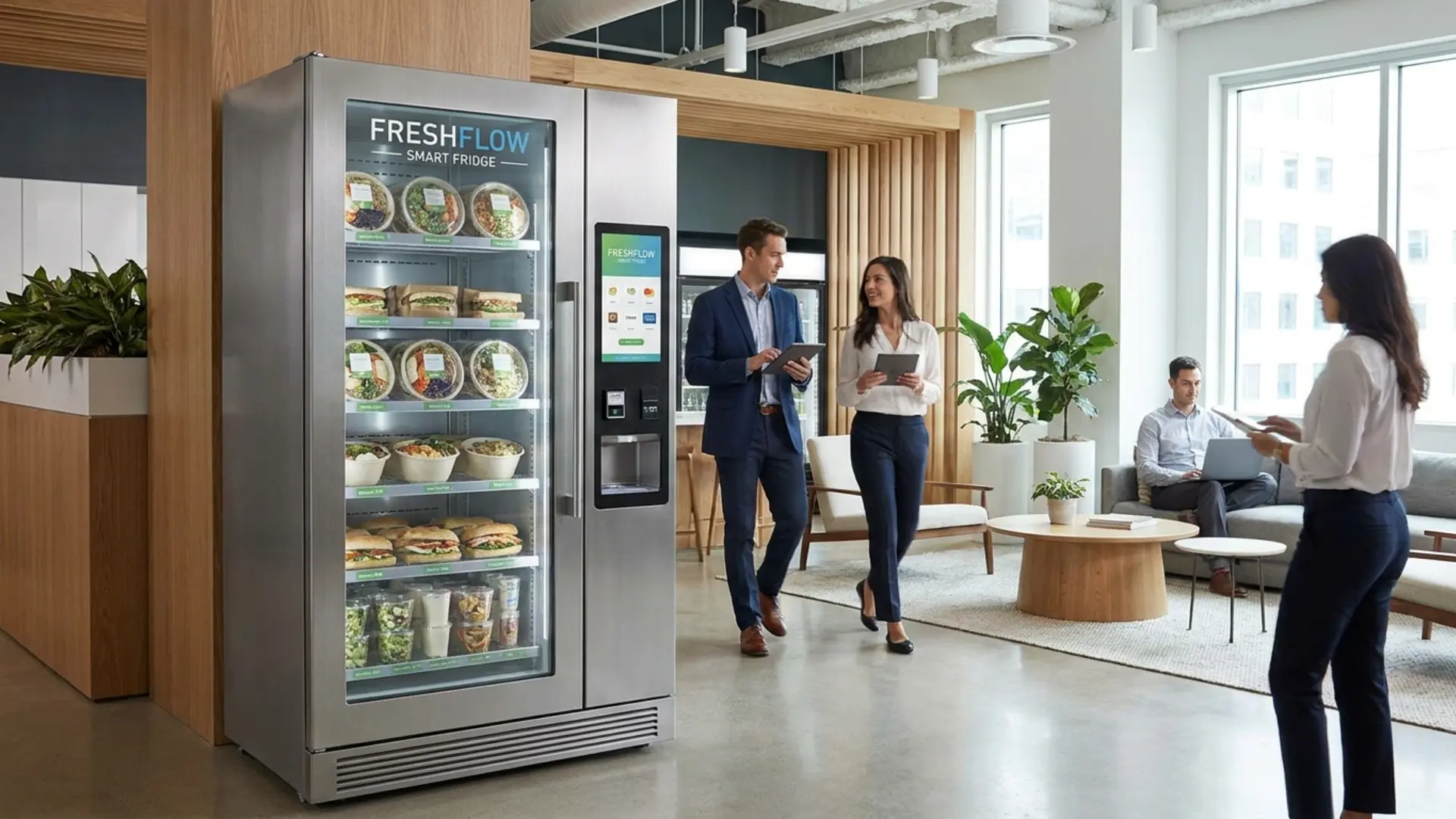
Choose wisely between smart fridge vending and traditional vending. Read our article to understand key features and success stories—discover more\!
Read Post »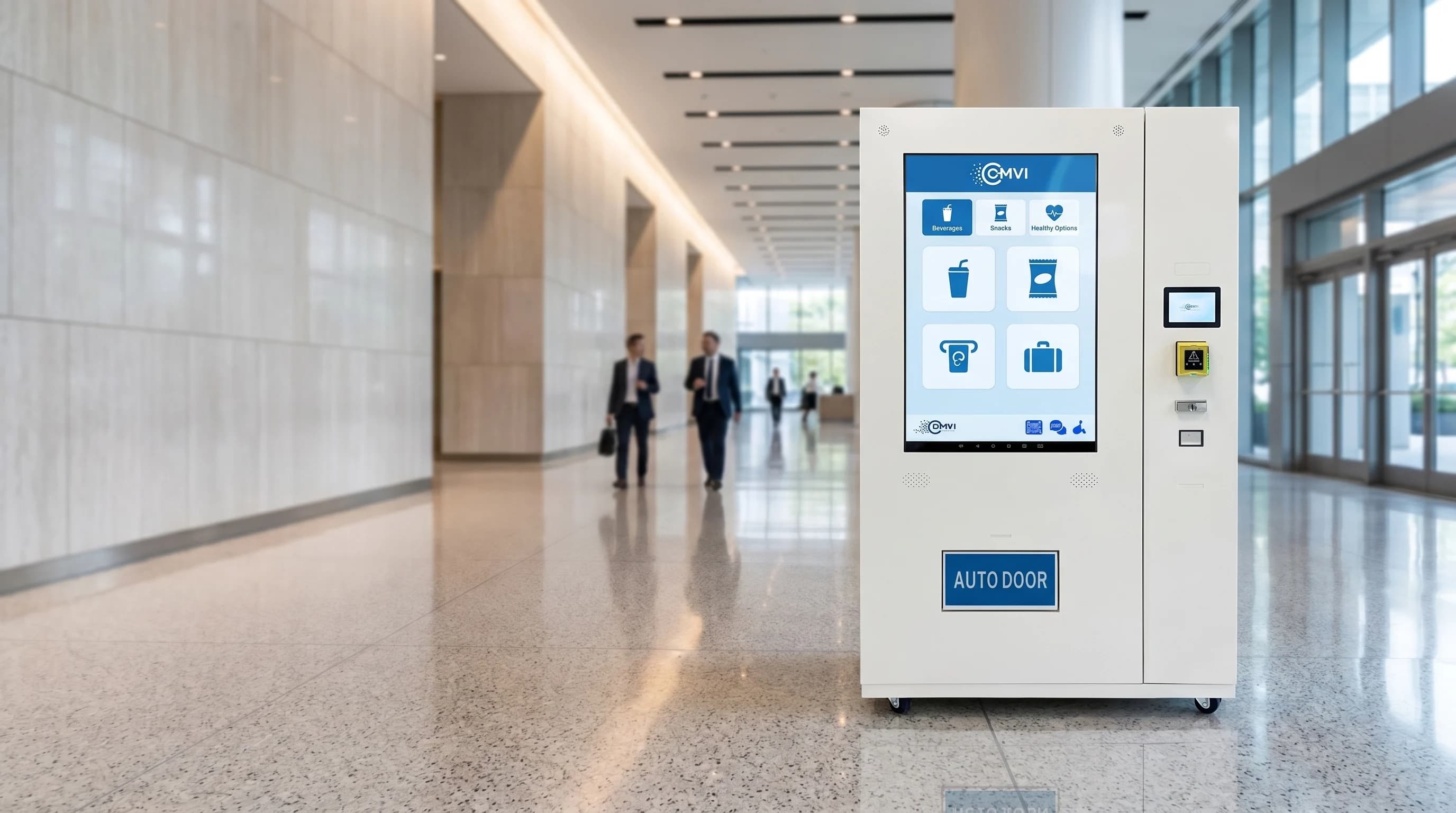
Ready to upgrade? Explore our digital vending machines for sale and find out how it enhances convenience and generates income.
Read Post »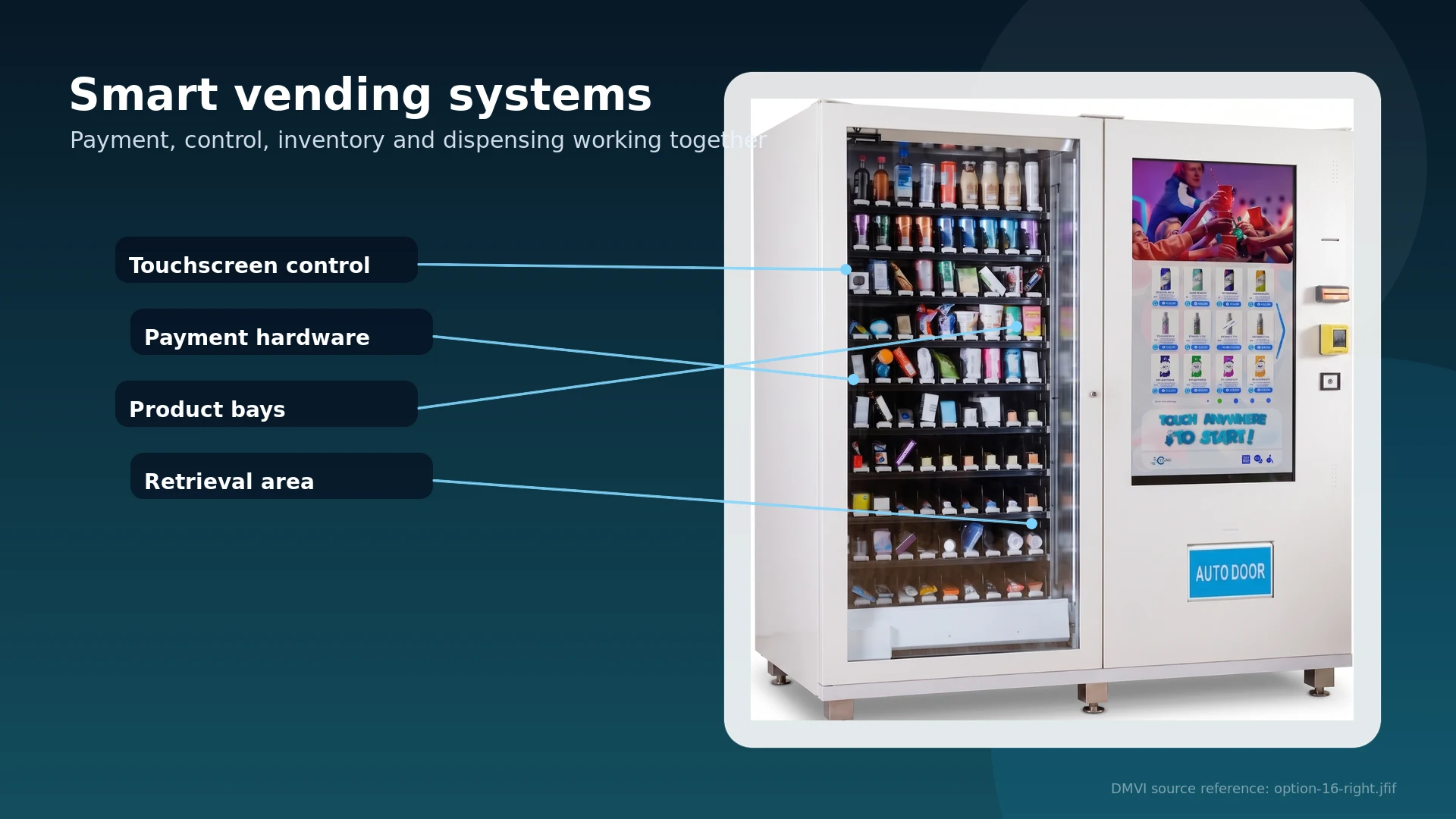
Curious about how do vending machines work? Unlock the technology and components that keep these machines running smoothly. Read more now\!
Read Post »Interested in equipment vending machines? Our comprehensive guide offers insights on types, benefits, and implementation for optimal inventory management.
Read Post »Looking to enhance your business? Learn about renting vending machines for hire and discover a variety of options that suit your needs with DMVI.
Read Post »Discover how smart vending machines enhance customer experience with touchscreen technology and personalized interactions. Learn more about the benefits today\!
Read Post »Looking for custom vending solutions? Uncover the process of designing a personalized vending machine and get a quote from DMVI
Read Post »Searching for good places to put vending machines? Discover valuable insights on demographic analysis and strategic locations that yield the best results.
Read Post »Ready to launch a vending machine business? Explore the critical steps to start a vending machine business and secure your path to success\!
Read Post »Discover the essential features of modern vending machines, from interactive touch screens to loyalty rewards programs, and learn how they enhance user experience.
Read Post »Learn what custom vending machines cost in 2026, from branded entry-level units to enterprise smart vending systems with touchscreens, IoT, and cashless payment.
Read Post »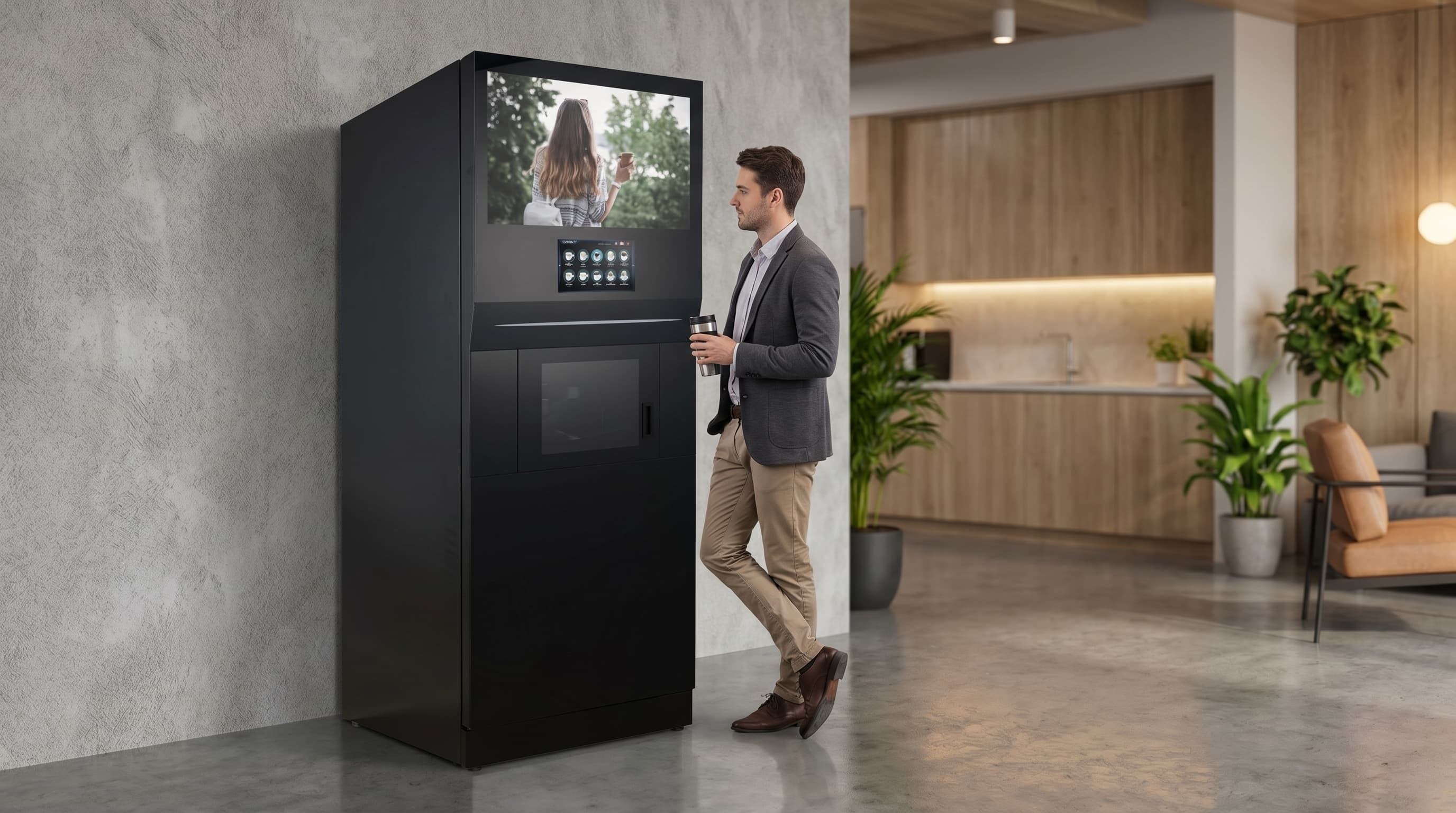
Compare the essential features to prioritize when buying coffee vending machines, including cashless payments, touchscreen menus, IoT telemetry, and custom hardware design.
Read Post »See what to look for in custom vending machine companies that build touchscreen-enabled machines, from hardware design to IoT telemetry and deployment support.
Read Post »How profitable is a vending machine business in 2026? Real income ranges, the variables that matter, and why product choice outweighs machine count.
Read Post »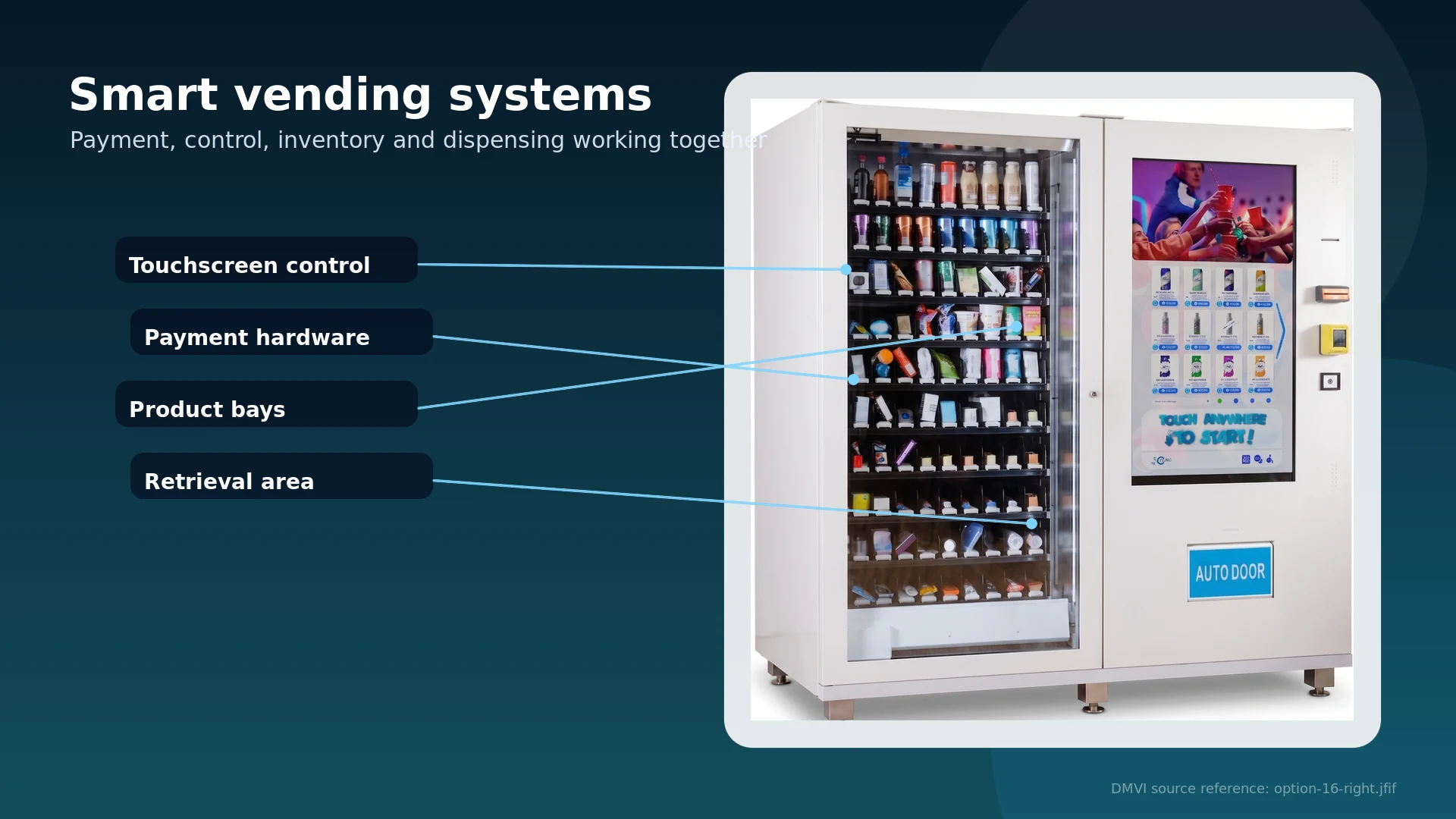
Most vending machine failures are predictable and preventable. Here are the seven operational mistakes that cost operators real revenue and how to avoid them.
Read Post »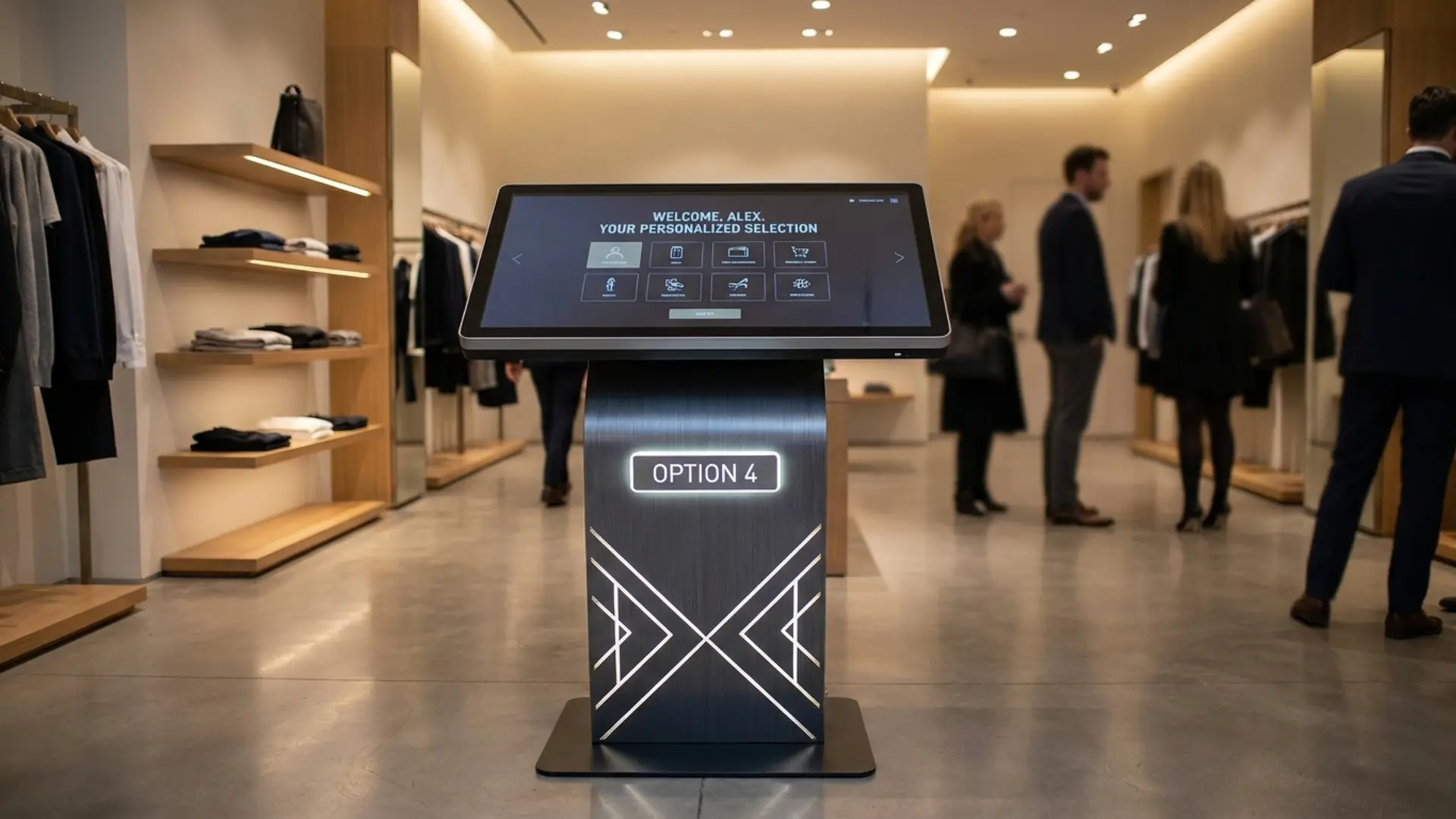
The five criteria that determine whether a product will vend successfully: physical fit, purchase context, price point, margin, and restocking manageability.
Read Post »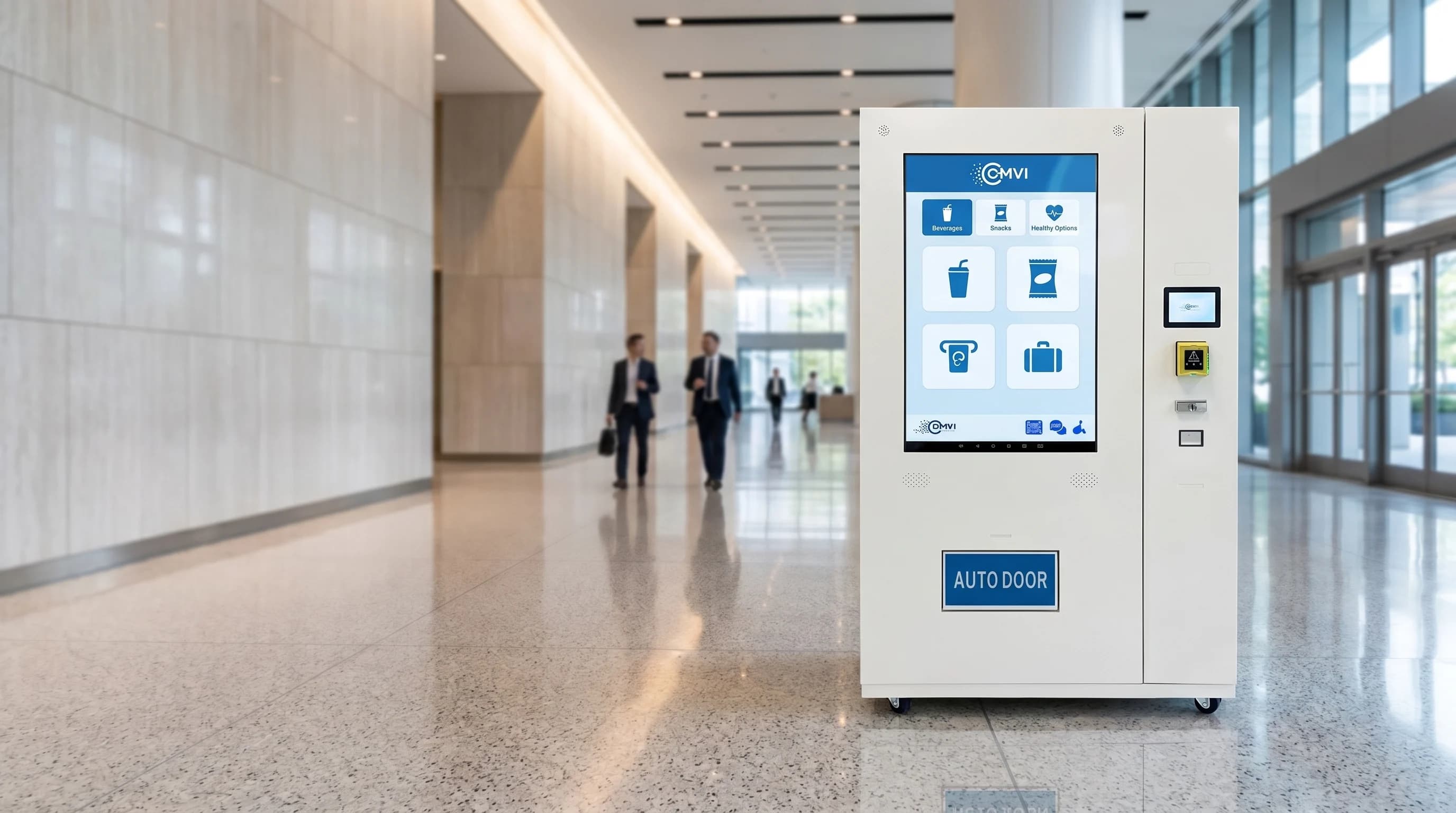
Most vending machine operators under-use their data. This guide explains what each VendingTracker data type tells you and how to turn it into operational decisions.
Read Post »Everything businesses need to know about wall-mounted vending machines: how they work, where they perform best, and how to buy one.
Read Post »Micro markets and vending machines serve different needs. This guide explains the five key differences and when to choose each automated retail format.
Read Post »How hotels use vending machines and automated retail to generate 24-hour revenue without adding staff, and which machine formats work best for hospitality.
Read Post »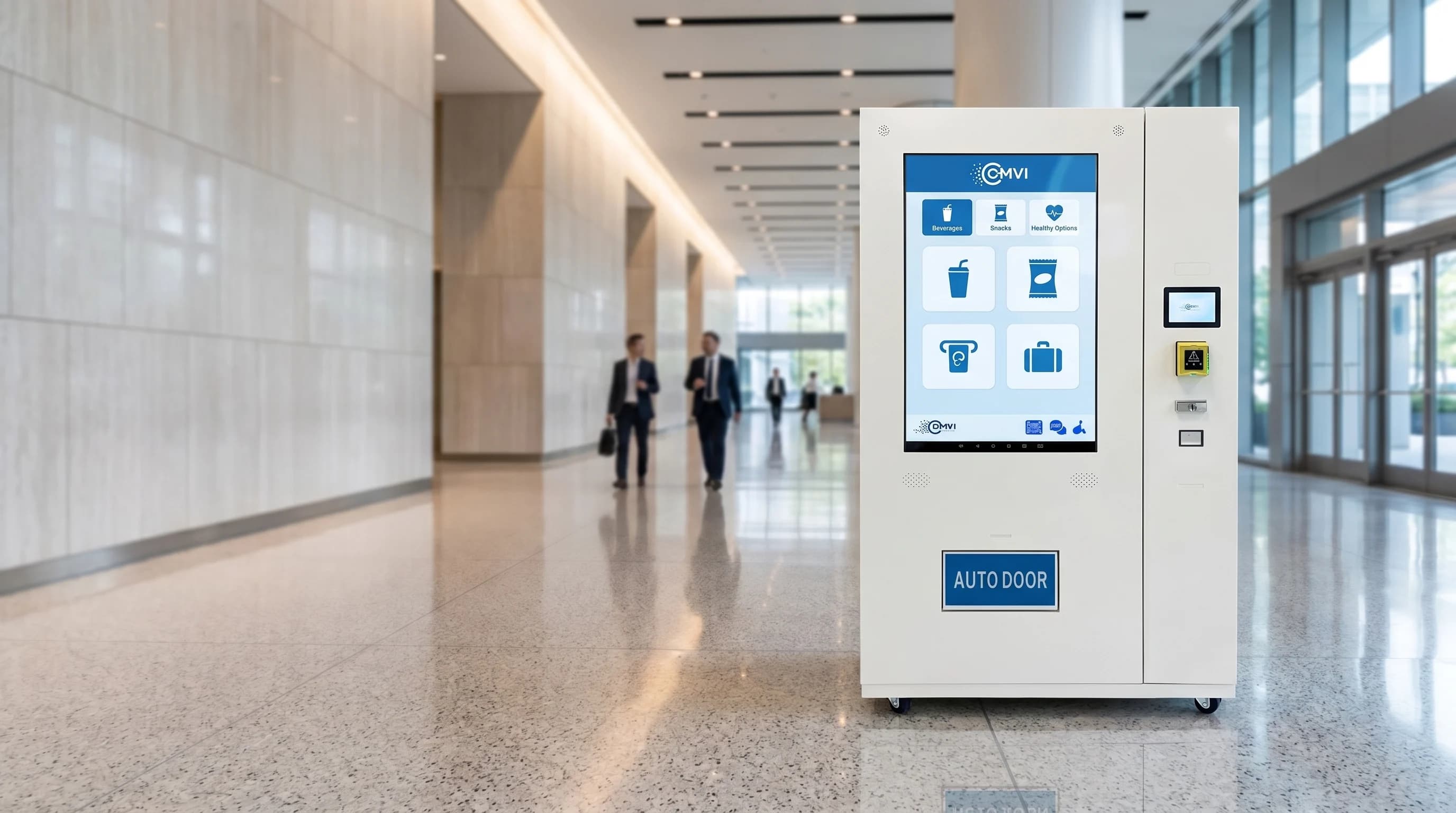
When does a larger vending machine actually earn more? Large format vending machines, the venues they suit, and what to look for when buying.
Read Post »Modern vending machines use six distinct technology layers. This guide explains each one and why it matters for operators and buyers.
Read Post »What makes a vending machine showcase effective, and why visual design drives more conversions than the product inside.
Read Post »Vending machines are not being replaced in 2026. They are evolving. Here is what is actually happening to the category and why.
Read Post »Buying vs leasing a vending machine, the real trade-offs across cost, control, flexibility, and risk. How to decide which is right for your situation.
Read Post »The vending machine features that matter most to customers, ranked by impact, with explanations of what each one actually does differently.
Read Post »How smart locker systems are deployed across healthcare, corporate, retail, campus, and hospitality settings, and how they differ from vending machines.
Read Post »The legal and licensing questions first-time vending machine business owners ask most, answered clearly, with guidance on when to consult a professional.
Read Post »What AI-powered vending machines are actually doing commercially right now, real applications across retail, healthcare, food service, and specialty categories.
Read Post »A complete guide to custom vending machines, types, costs, US manufacturers, and the verticals they serve. Updated for 2026.
Read Post »What buyers need to know before purchasing a Pokémon vending machine: hardware, locations, software, costs, and common operator mistakes.
Read Post »How bakery owners use cupcake vending machines to add 24-hour revenue without opening a second storefront, including machine requirements, costs, locations, and ROI considerations.
Read Post »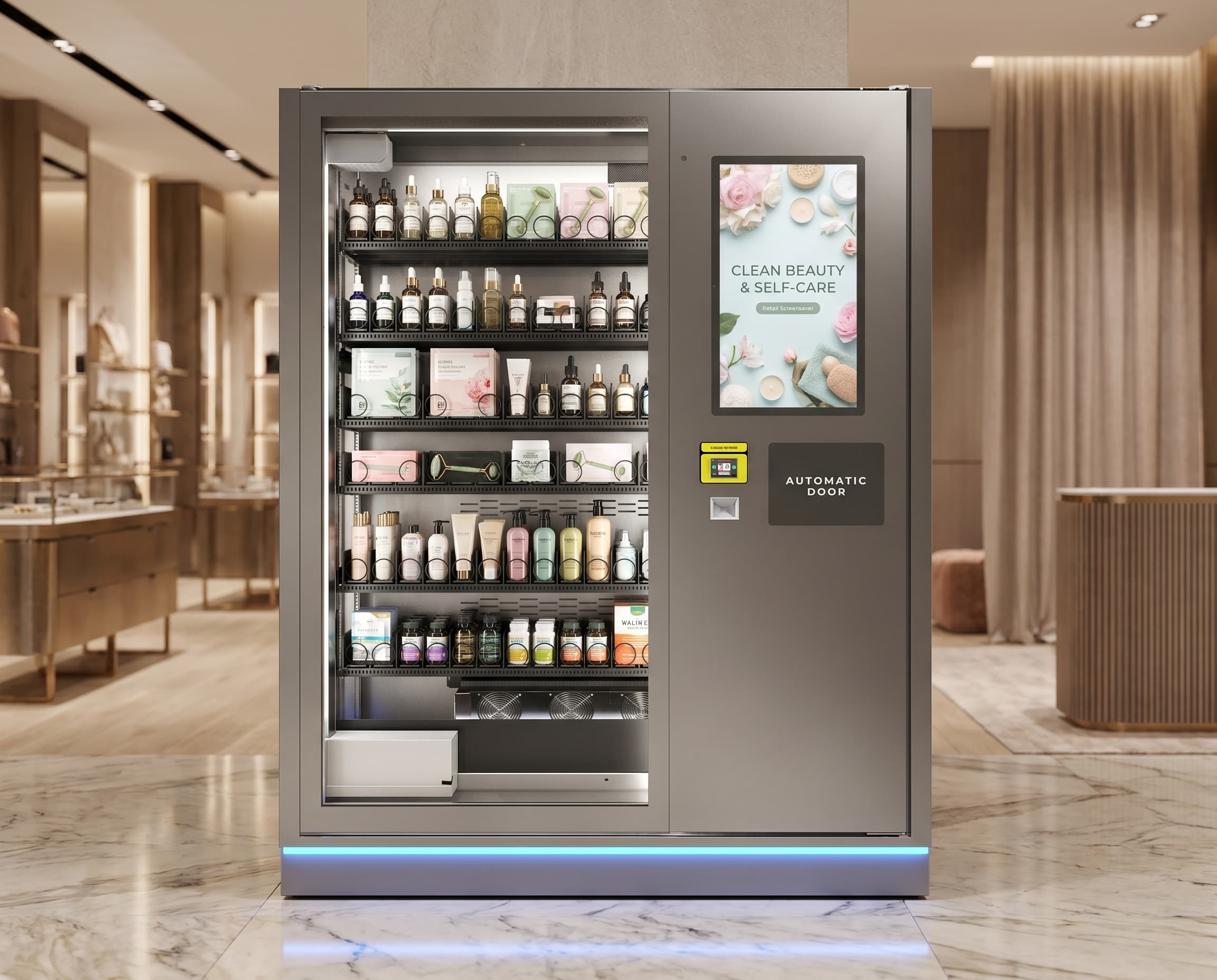
The business case for hair and beauty vending machines: where they work, what the machine needs, and how salon owners and beauty entrepreneurs can use autonomous retail.
Read Post »A practical comparison of custom vending machines and off-the-shelf machines: what each does, what they cost, and when each choice makes sense.
Read Post »What smart vending machines actually do in 2026, including touchscreen interfaces, cashless payments, inventory software, telemetry, and product-specific dispensing.
Read Post »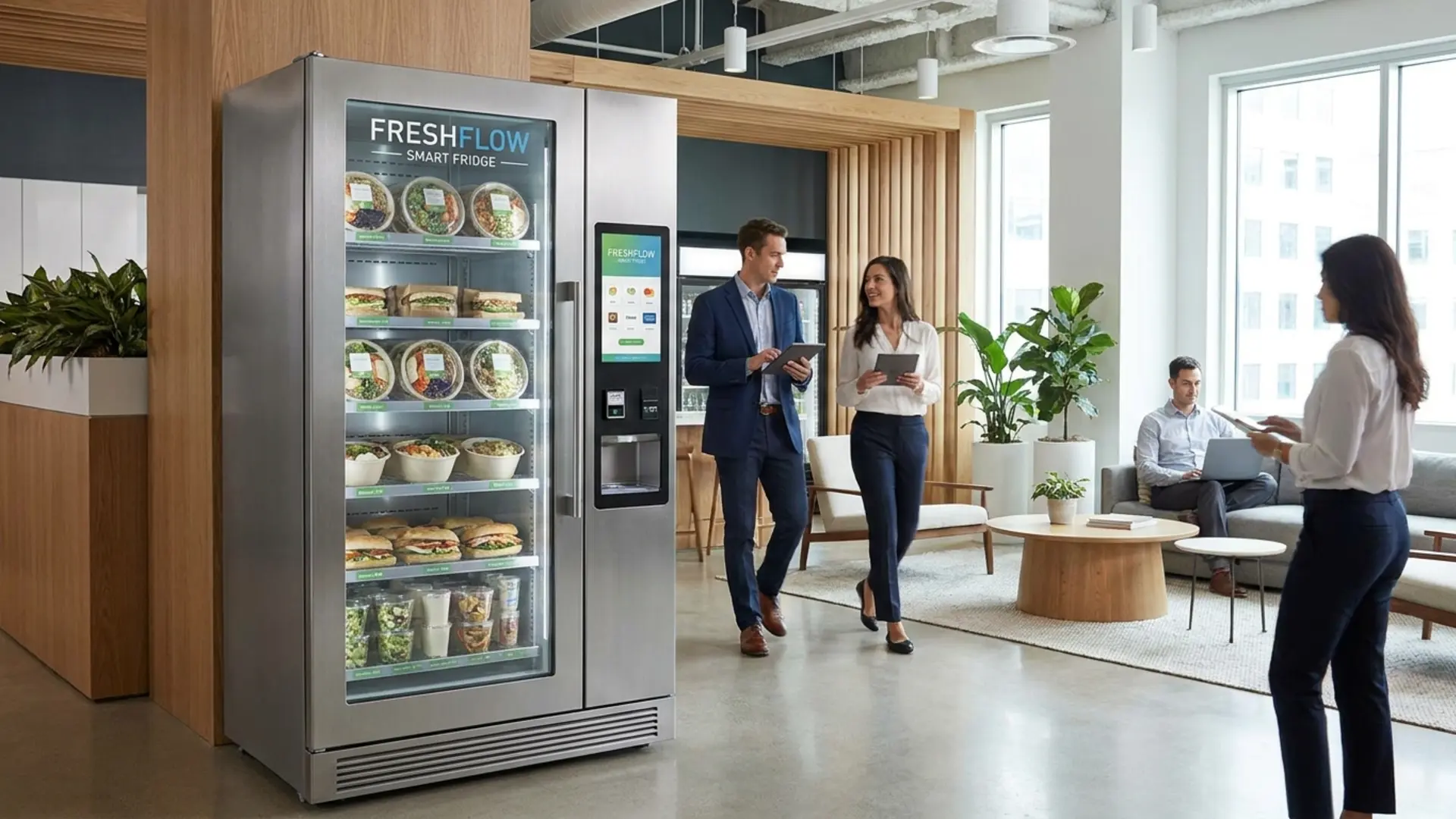
The seven strongest protein powder vending machine locations, ranked by performance potential, with the risks most operators miss before signing.
Read Post »An honest 2026 guide to starting a vending machine business, from product selection and location validation to machine choice, placement terms, and operations.
Read Post »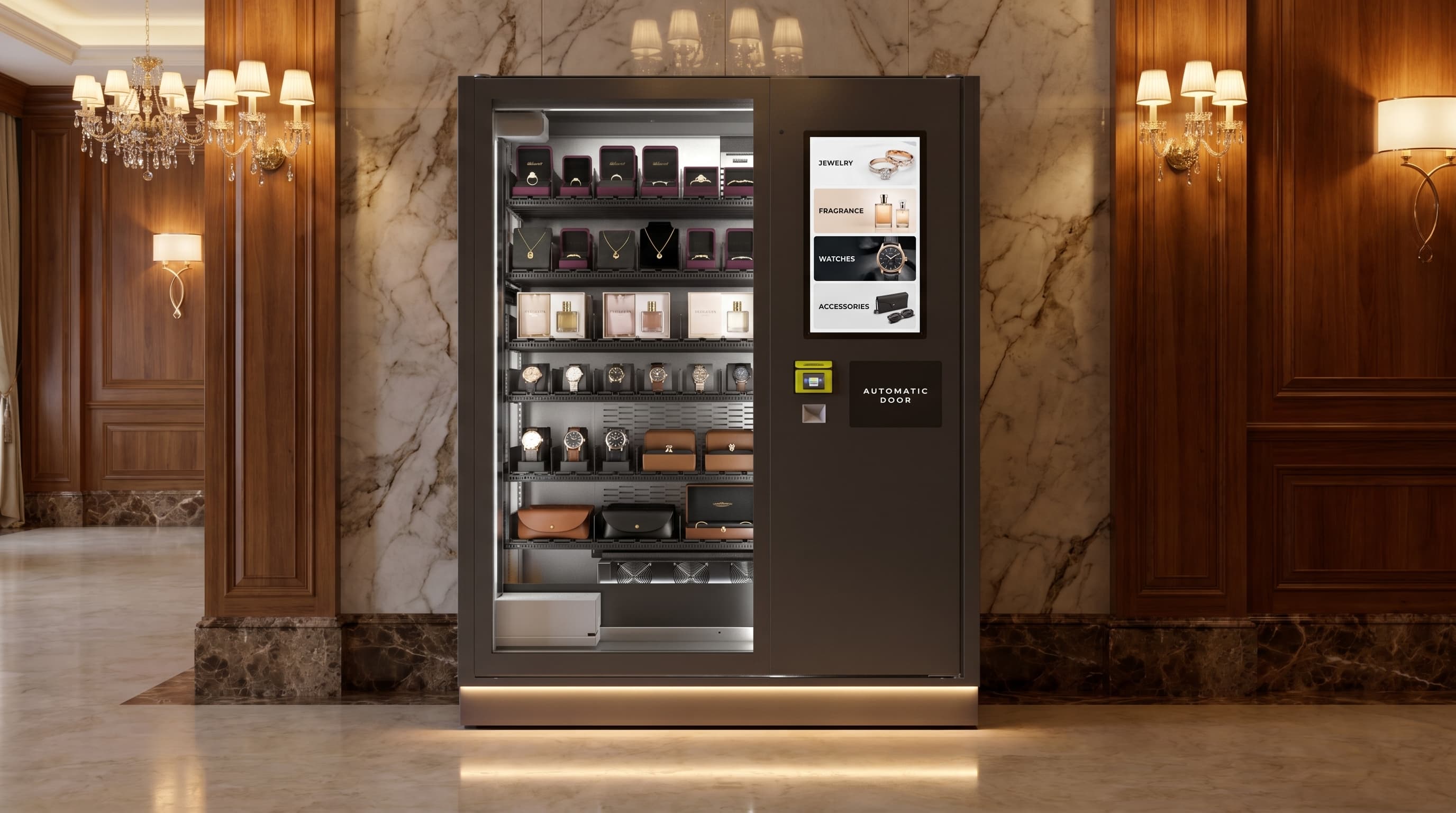
Why jewelry and luxury accessories work in autonomous retail when product, venue, merchandising, security, and software are engineered correctly.
Read Post »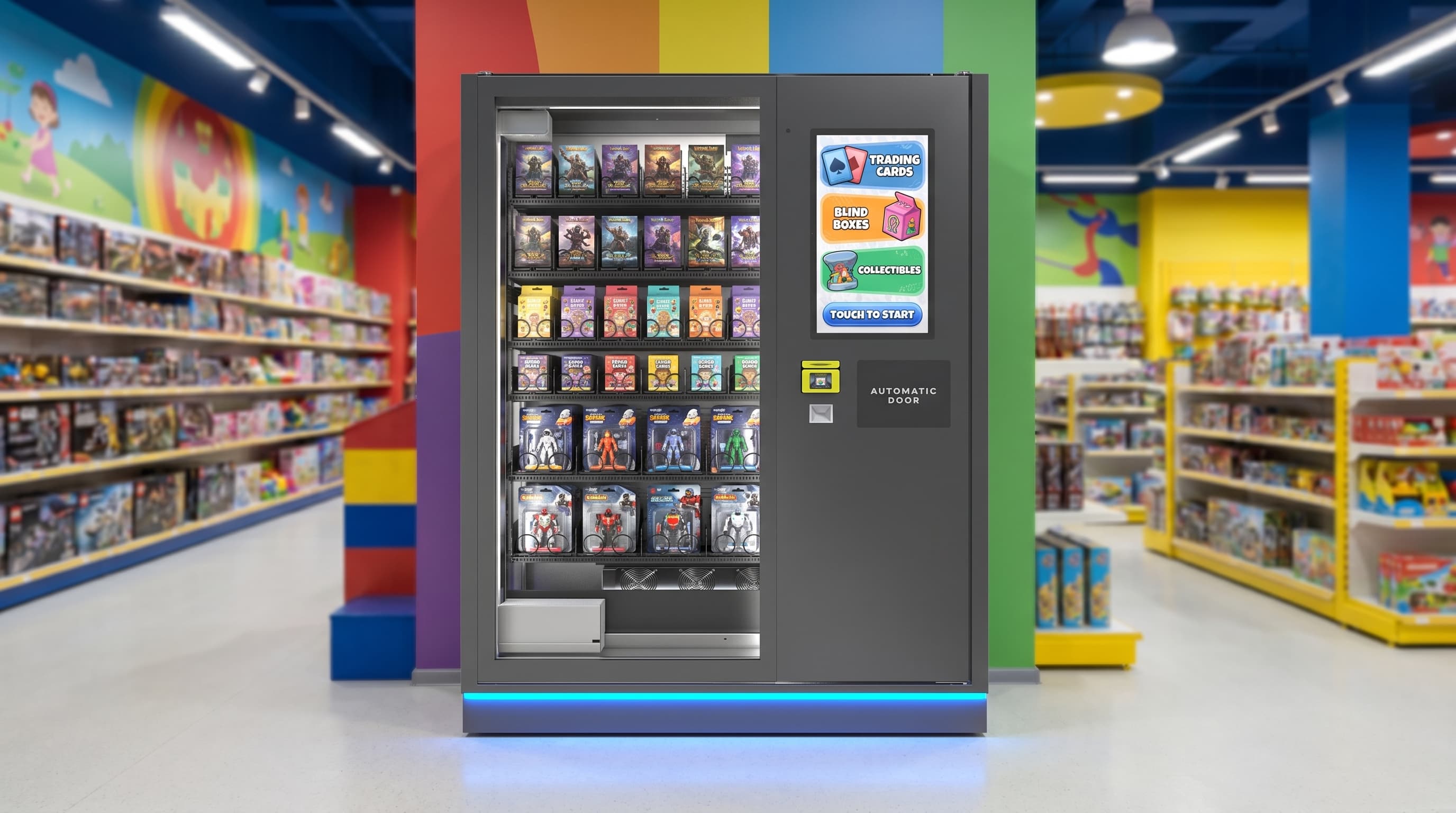
A 2026 guide to modern toy vending machines, collectible products, locations, machine requirements, and the economics that separate serious operators from old coin-op thinking.
Read Post »How PPE vending machines help operations managers control safety supply costs, improve accountability, support compliance, and reduce stockouts.
Read Post »The most common misconceptions about custom vending machines, what buyers often believe before purchasing, and what is actually true in real deployments.
Read Post »Eight practical questions every buyer should ask before purchasing a vending machine, from product fit and payment options to software and support.
Read Post »How branded vending machines create retail moments, social sharing, product trial, and measurable marketing value beyond simple automated sales.
Read Post »Why gaming venues, arcades, FECs, and esports lounges are among the strongest placements for specialty vending, product mix, machine format, and revenue expectations.
Read Post »How to value and sell a vending machine business: valuation methods, what buyers look for, and how to build a route that sells for a strong multiple.
Read Post »How to deploy vending machines at trade shows, events, and pop-up activations, rental vs purchase, product selection, and what makes temporary vending work.
Read Post »How to grow a vending machine business from one machine to a route, reinvestment strategy, route geography, inventory logistics, and when hiring makes economic sense.
Read Post »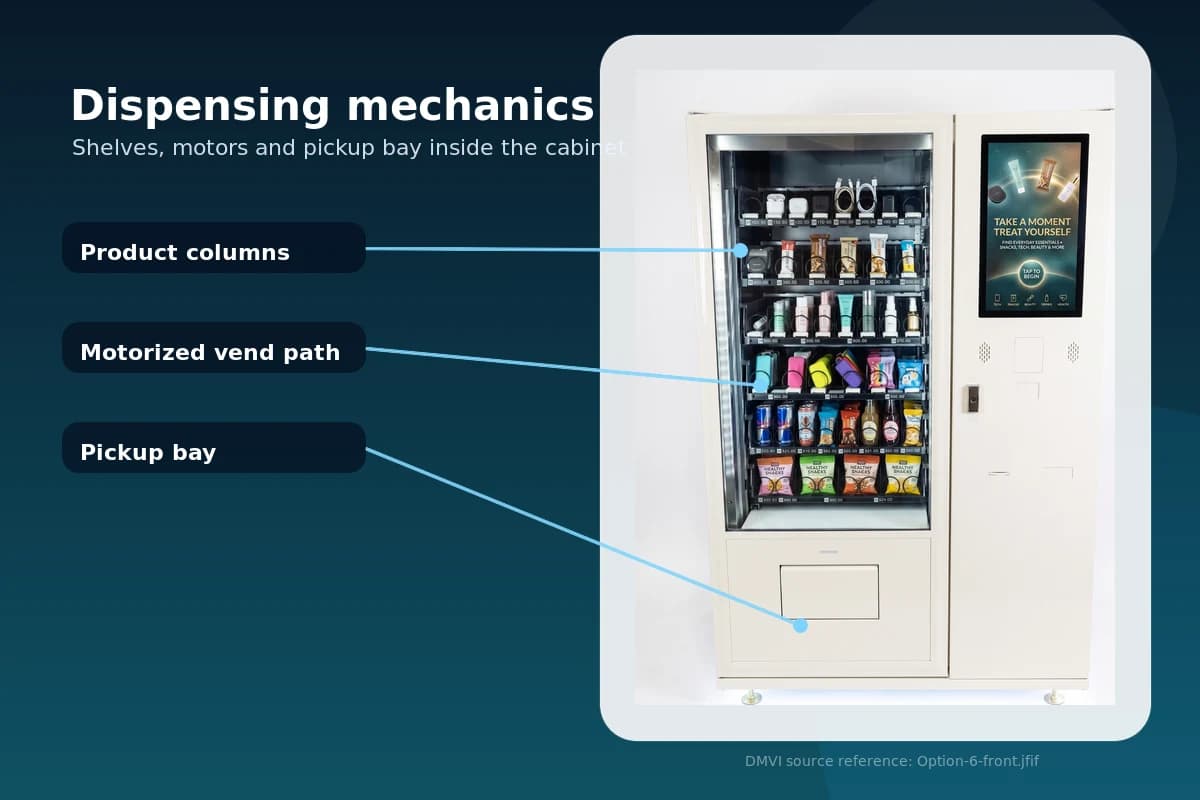
How operators manage multiple product categories across a vending machine portfolio, category combinations, VendingTracker fleet management, and revenue risk strategy.
Read Post »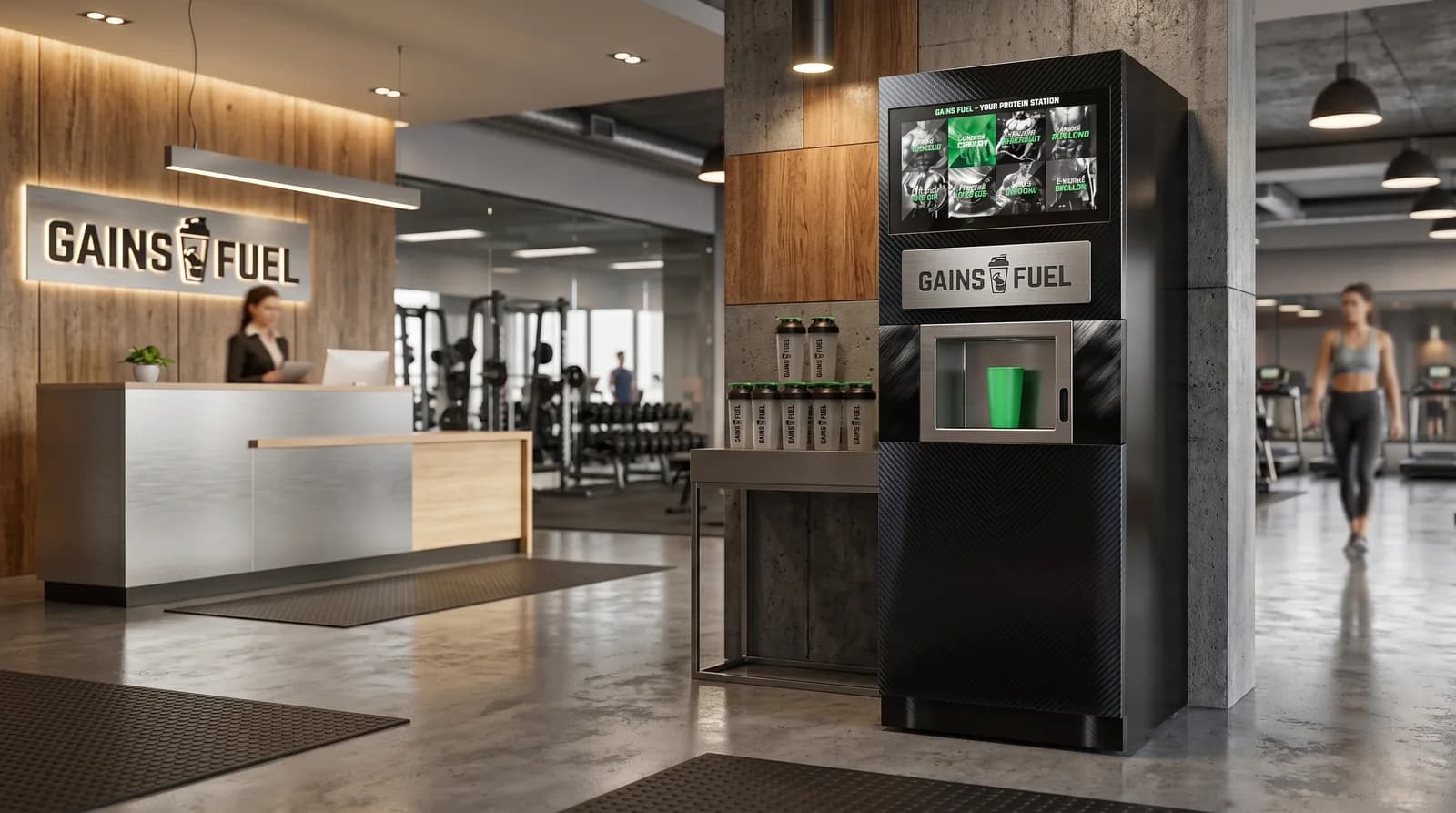
How to deploy vending machines at gyms and fitness venues, product selection, machine format by gym type, placement strategy, deal structures, and revenue expectations.
Read Post »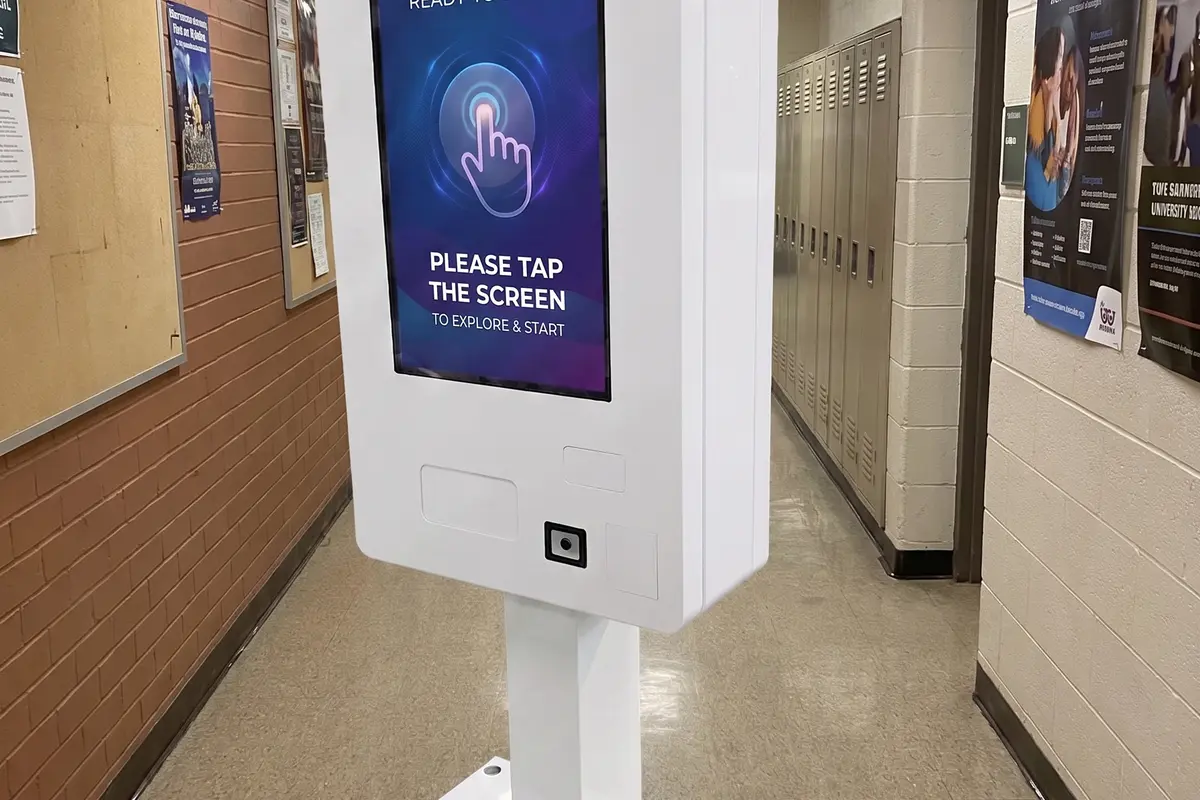
How vending machines work on university campuses, location types, product mix, machine formats, deal structures with administration, and what to know before approaching.
Read Post »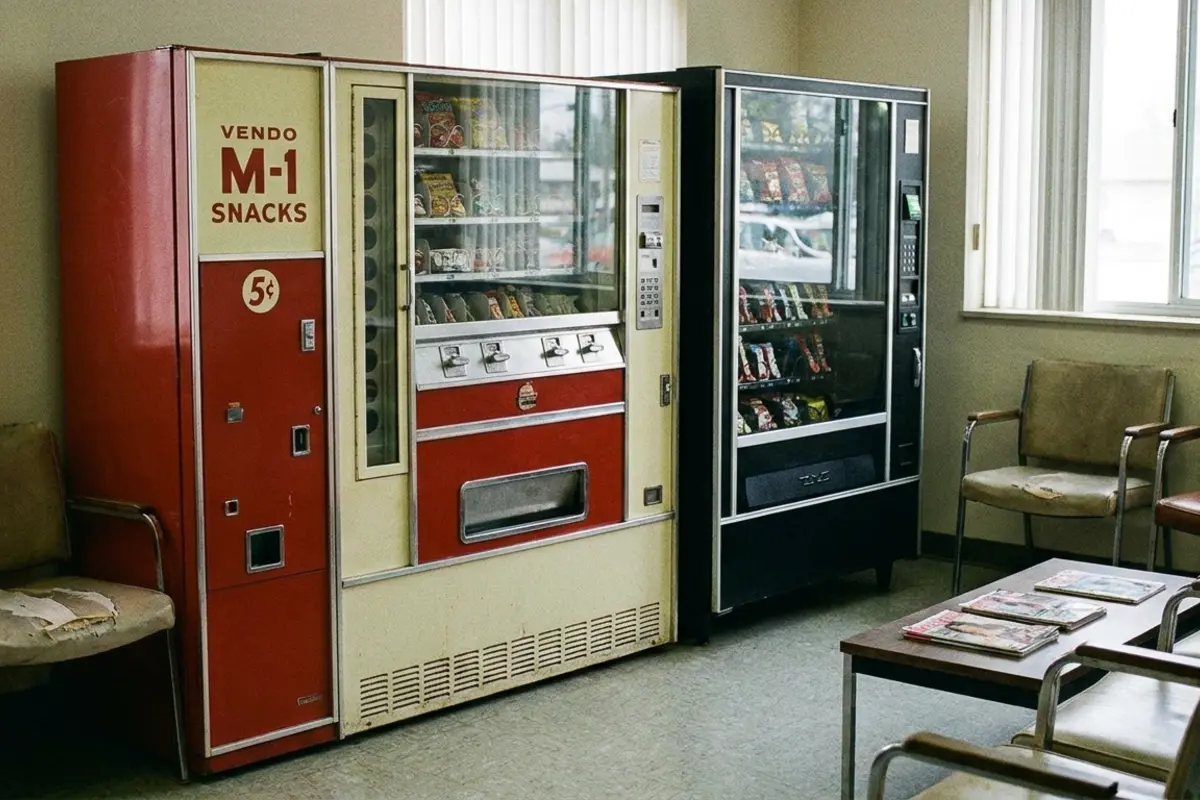
What buying a used vending machine actually costs when you account for payment hardware, software gaps, refurbishment, and no warranty, versus buying new.
Read Post »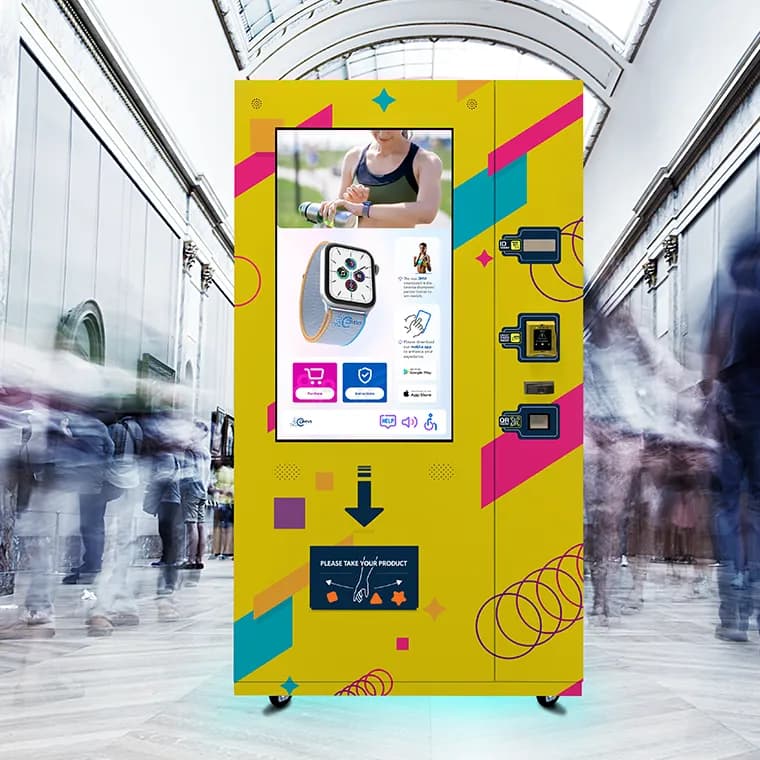
Everything a vending machine business plan needs: product and location strategy, financial projections, operating plan, and financing guidance.
Read Post »The complete vending machine maintenance guide: restocking visit checks, VendingTracker health alert response, monthly deep checks, and when to call DMVI support.
Read Post »What businesses evaluating coffee vending machines need to know, types, product selection, best locations, deal structures, and how to choose the right format for your deployment.
Read Post »
What businesses need to know before deploying drink vending machines, beverage types, location selection, machine formats, and how automated beverage retail actually works.
Read Post »Why cashless payment is no longer optional for vending machines, what the data shows, how contactless technology works, and what to look for in cashless vending hardware.
Read Post »A guide for entrepreneurs who already sell a specialty product and want to expand into autonomous retail, the approach that separates specialty vending from traditional vending.
Read Post »What the vending machine industry is worth, what's driving its growth in 2026, the key segments, and where the opportunity sits for new and existing operators.
Read Post »What can actually be vended and what cannot, the physical and operational factors that determine whether a product works in a vending machine.
Read Post »What actually separates a smart vending machine from a standard one, in plain terms, not marketing language.
Read Post »Separating real AI in vending machines from marketing language, what AI actually does in vending, what it doesn't, and how to tell the difference.
Read Post »What the timeline looks like from first conversation to installed machine, the stages, what extends lead time, and how to plan your deployment.
Read Post »What "digital" actually refers to when used to describe a vending machine, the display, payment, connectivity, and management layers explained clearly.
Read Post »What remote vending machine management actually looks like, how operators track inventory, catch problems, and run a route without visiting every machine.
Read Post »Wall-mounted vending machines exist as a distinct product category, what they are, how they install, what they vend, and where they work best.
Read Post »What an AI smart fridge is, how it works, who it is for, and how DMVI's models compare, a clear guide for operators and business owners.
Read Post »How computer vision in an AI smart fridge detects what a customer takes, no scanning, no buttons, automatic checkout explained clearly.
Read Post »How DMVI's no-credit-check financing for AI smart fridges works, the down payment, revenue-assisted repayment, and what operators pay month to month.
Read Post »Every cost involved in buying and running a DMVI AI Smart Fridge, machine price, freight, AI software, card processing, and optional add-ons.
Read Post »How an AI smart fridge and a traditional vending machine compare across customer experience, product range, cost, and location suitability.
Read Post »What a micro market business is, how an AI smart fridge makes it accessible in 2026, what locations work, and how the financing and operations model works.
Read Post »
A practical guide to AI vending machines, what Project Vend actually proved, where agent-led retail works, and how DMVI hardware fits OpenClaw, Hermes, and similar workflows.
Read Post »A buyer's guide to jewelry vending machines covering product fit, packaging, security, machine format, venue selection, and route economics for premium accessory programs.
Read Post »What makes a luxury vending machine genuinely premium: cabinet finish, touchscreen merchandising, protective dispense, cashless payment, telemetry, and venue fit.
Read Post »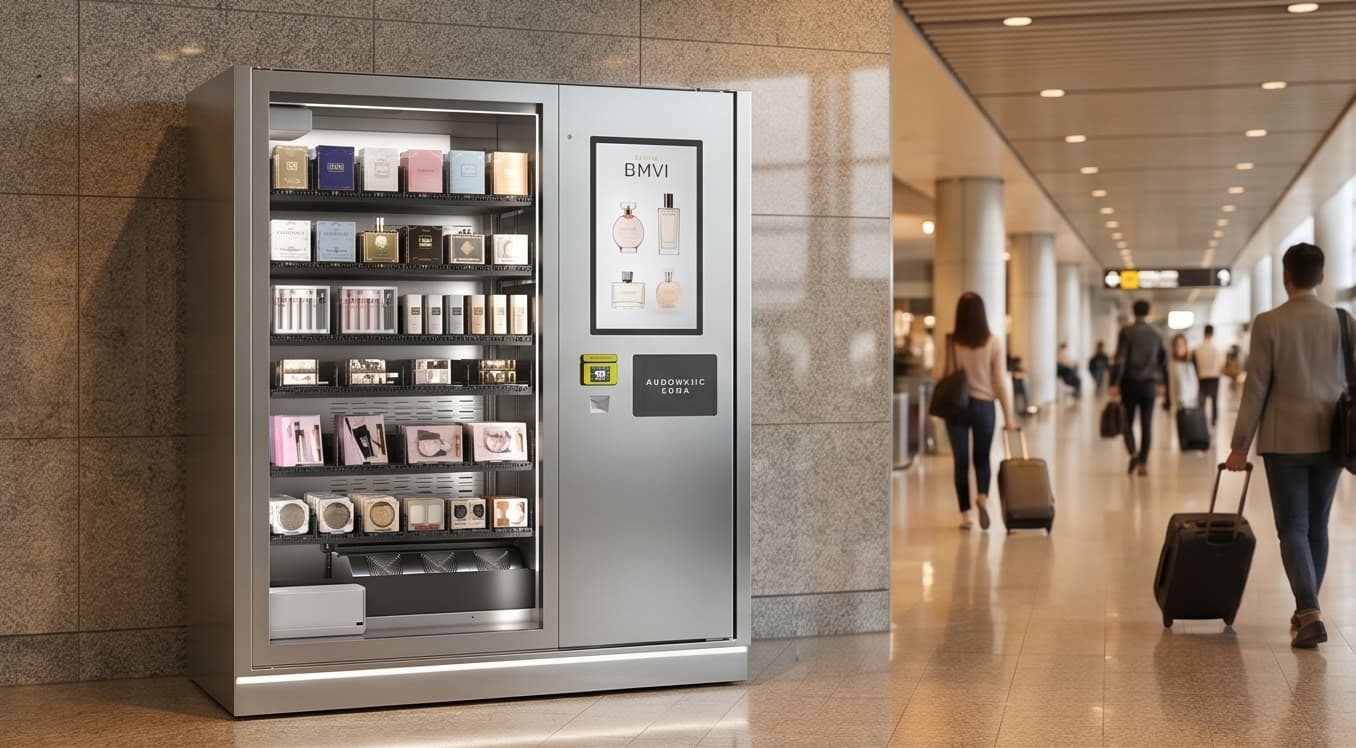
Are beauty and fragrance vending machines viable? A practical operator guide to product fit, venue selection, machine format, and what most pilots get wrong.
Read Post »Coffee vending machines explained for operators: bean-to-cup, fresh-brew, and instant formats, cleaning cycles, ingredient management, and route economics before you deploy.
Read Post »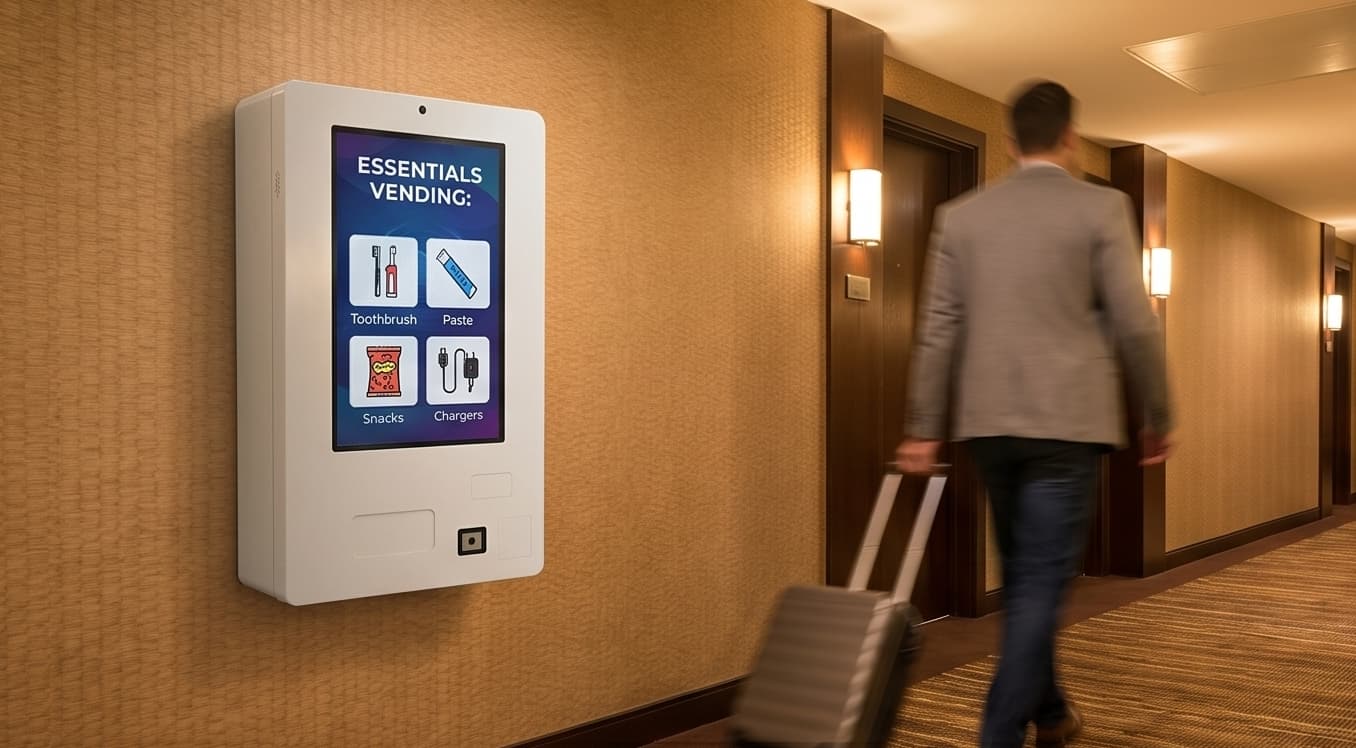
Wall-mounted vending machines for hotels and resorts: when a small touch screen vending machine is the right fit, what to sell, and how cashless telemetry changes operations.
Read Post »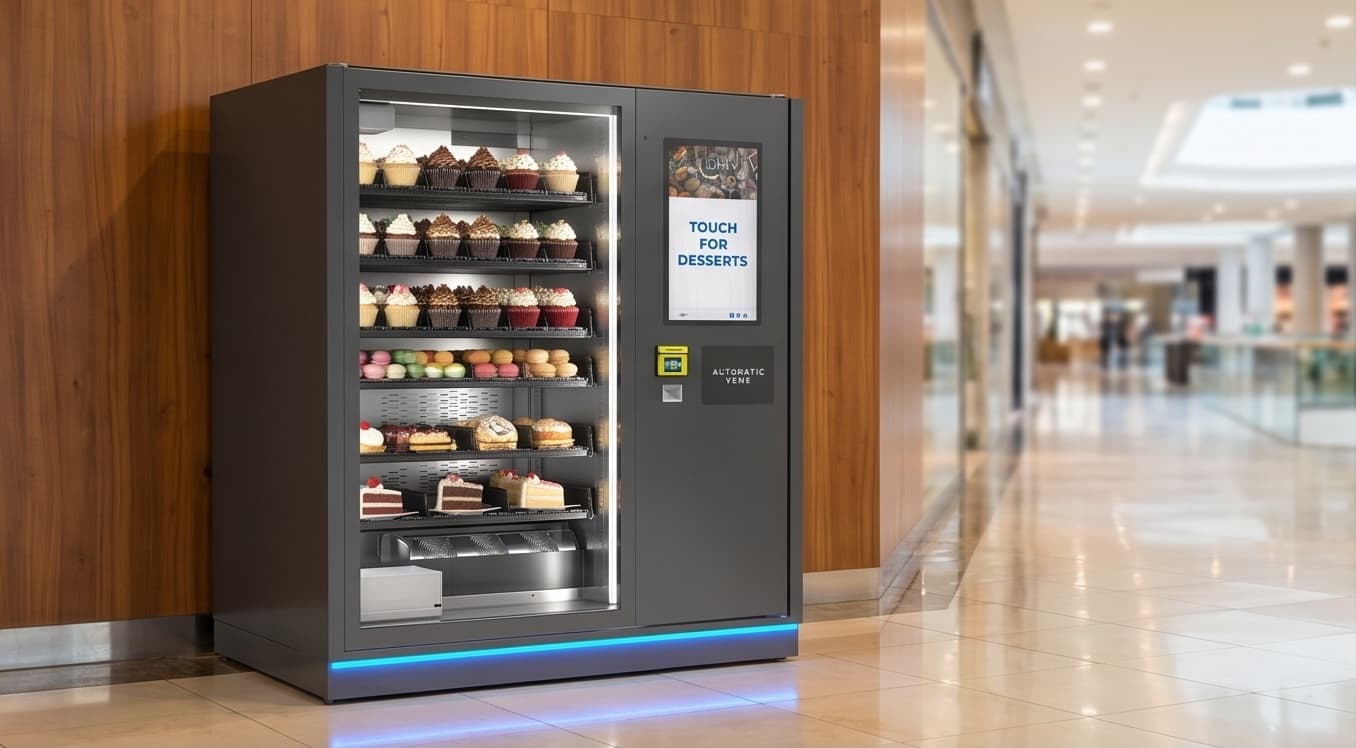
Start a cupcake vending machine business with a realistic plan for refrigerated dispensing, shelf life, location economics, and route operations before you buy hardware.
Read Post »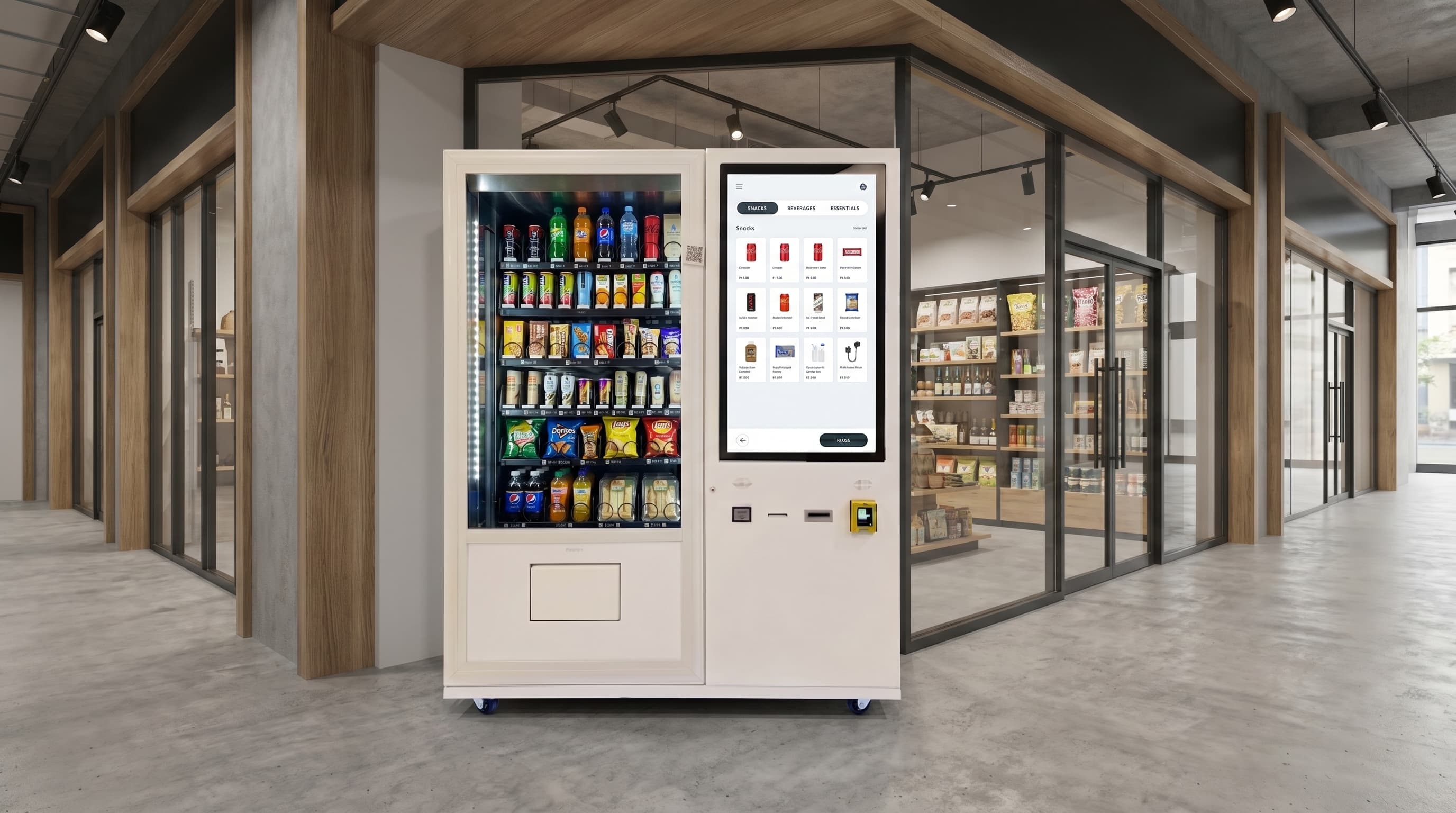
A smart vending machine is a connected automated retail unit. See two retail-grade use cases—personalised recommendations and connected restocking.
Read Post »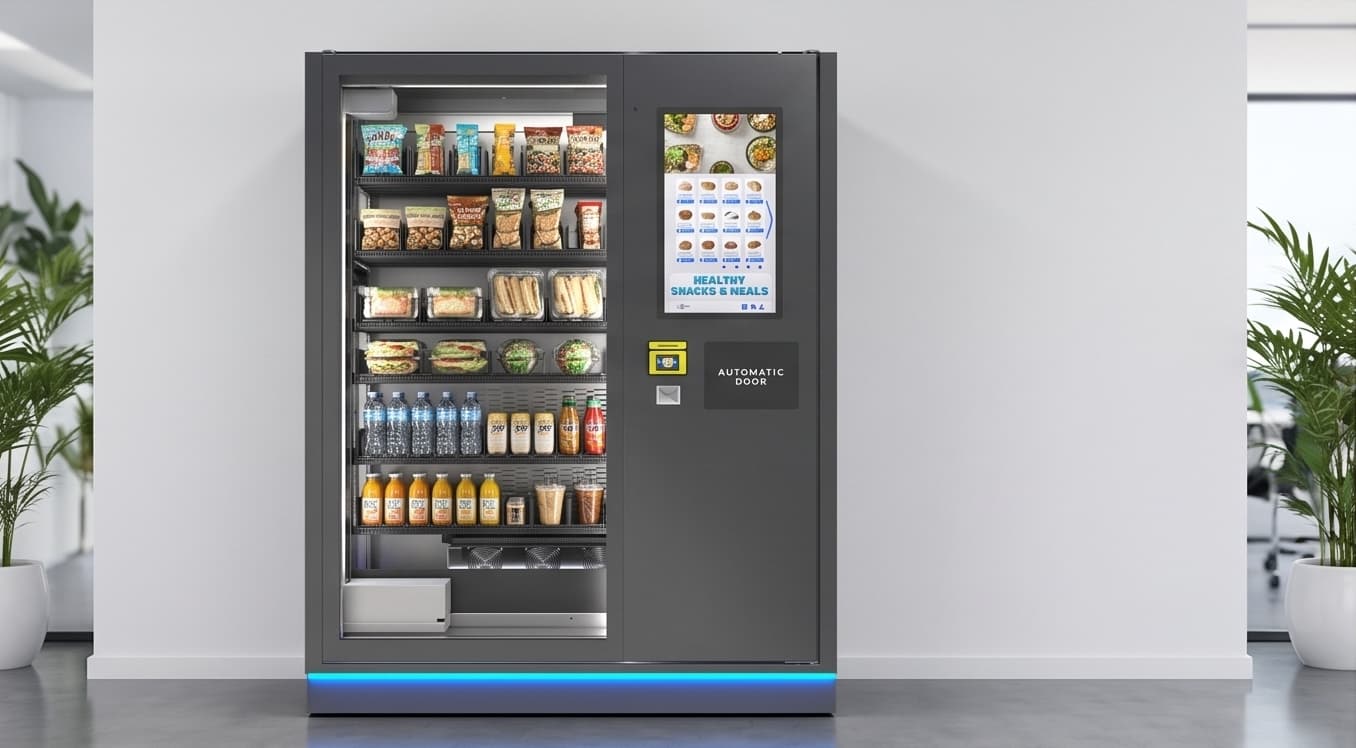
Snack and soda vending machines explained—coil-and-drop vs. conveyor, refrigeration, smart telemetry, and how to pick the right format for your location.
Read Post »Starting a smart vending machine business means settling the machine, location, site agreement, telemetry, and service rhythm before you buy.
Read Post »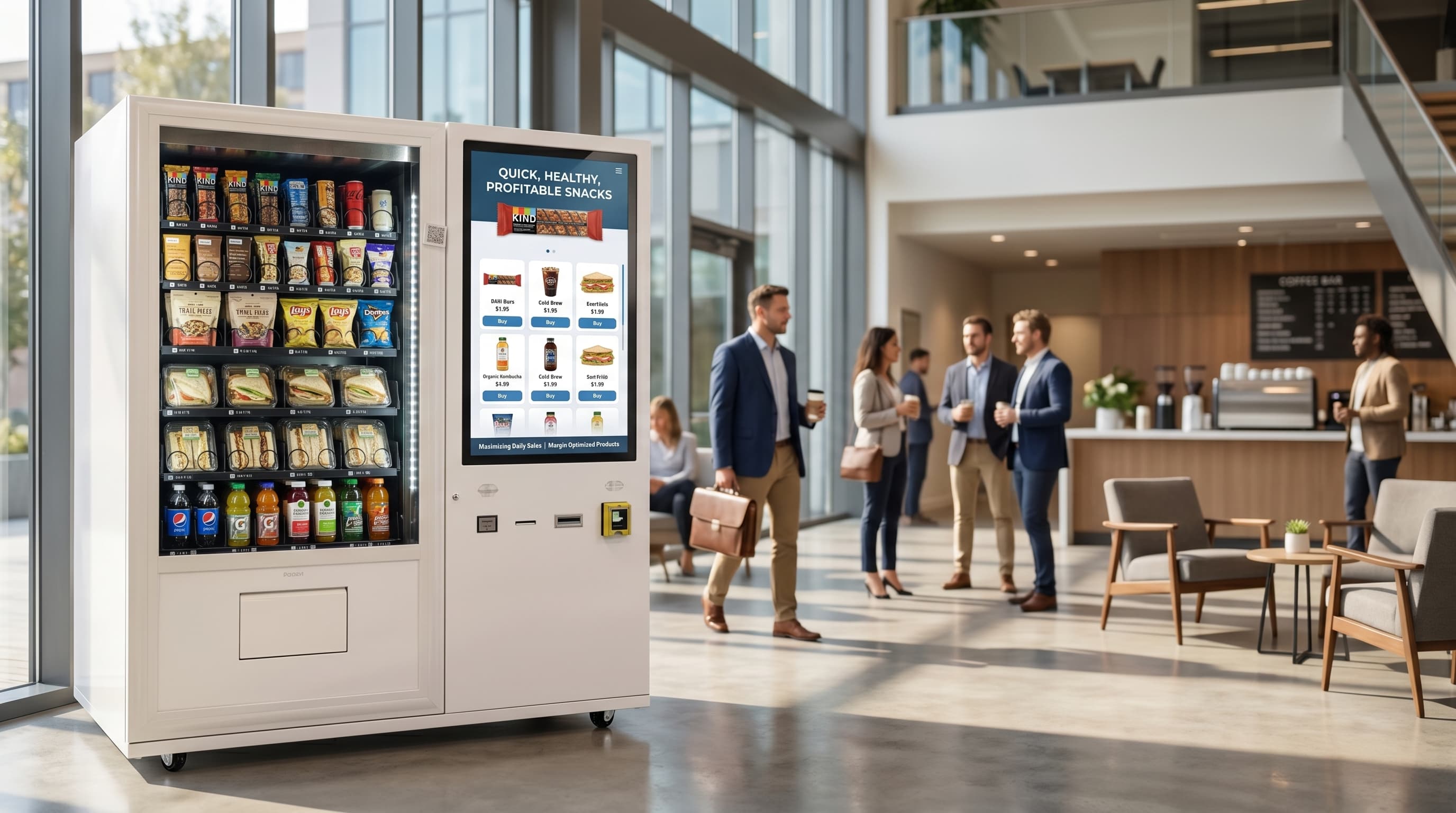
Are vending machines profitable? These seven factors drive vending machine sales—location, product fit, cashless, reliability, stock, pricing, and telemetry.
Read Post »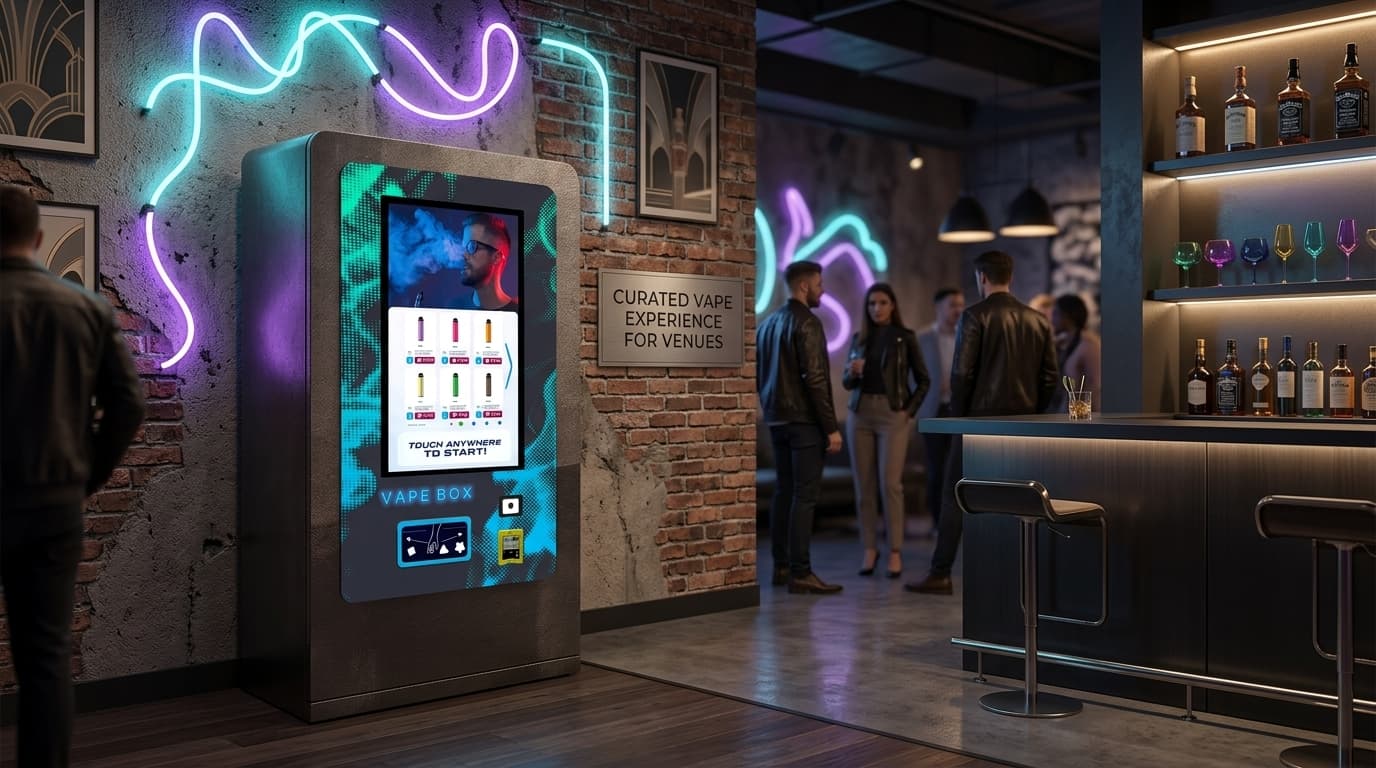
Vape vending machines for licensed adult-access venues—age-gated workflow, wall-mounted format, cashless checkout, and compliance context.
Read Post »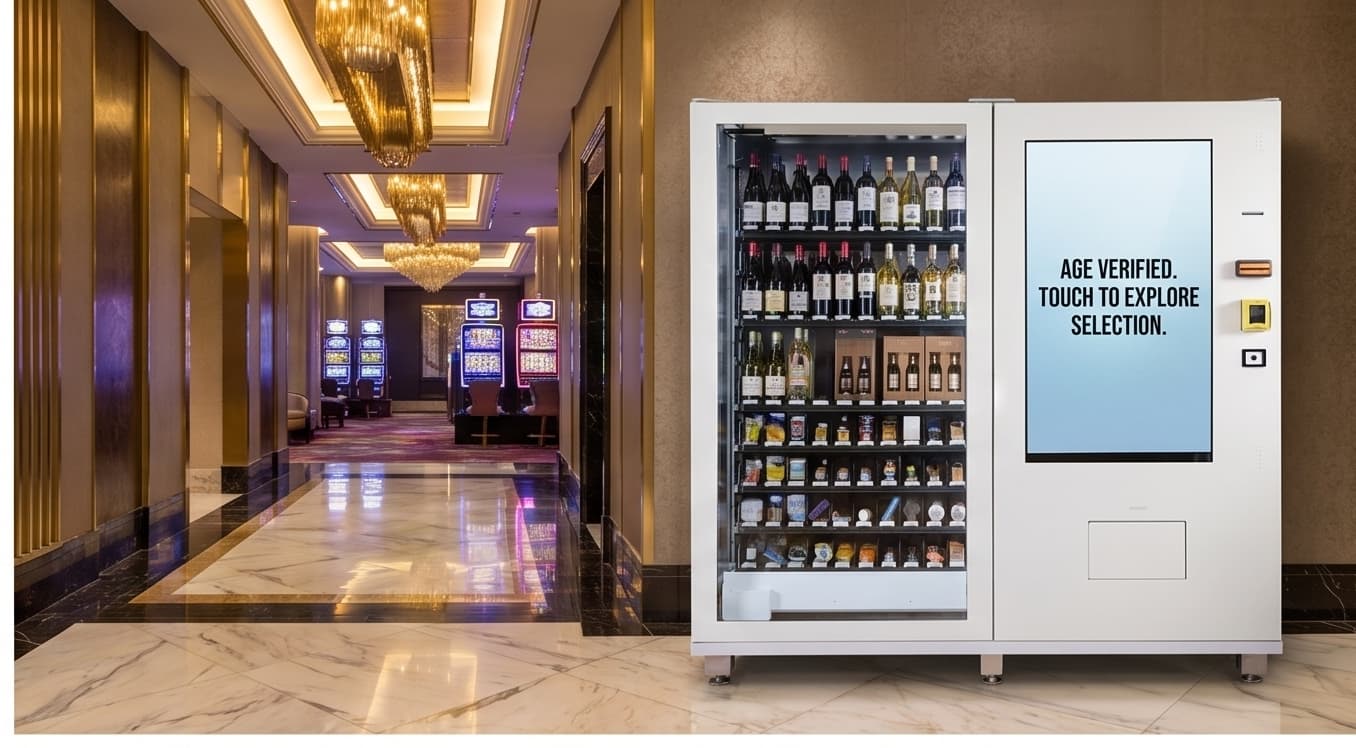
How age-verified alcohol vending machines work, where they fit, and what licensed operators must verify before deploying ID-scanning liquor vending hardware.
Read Post »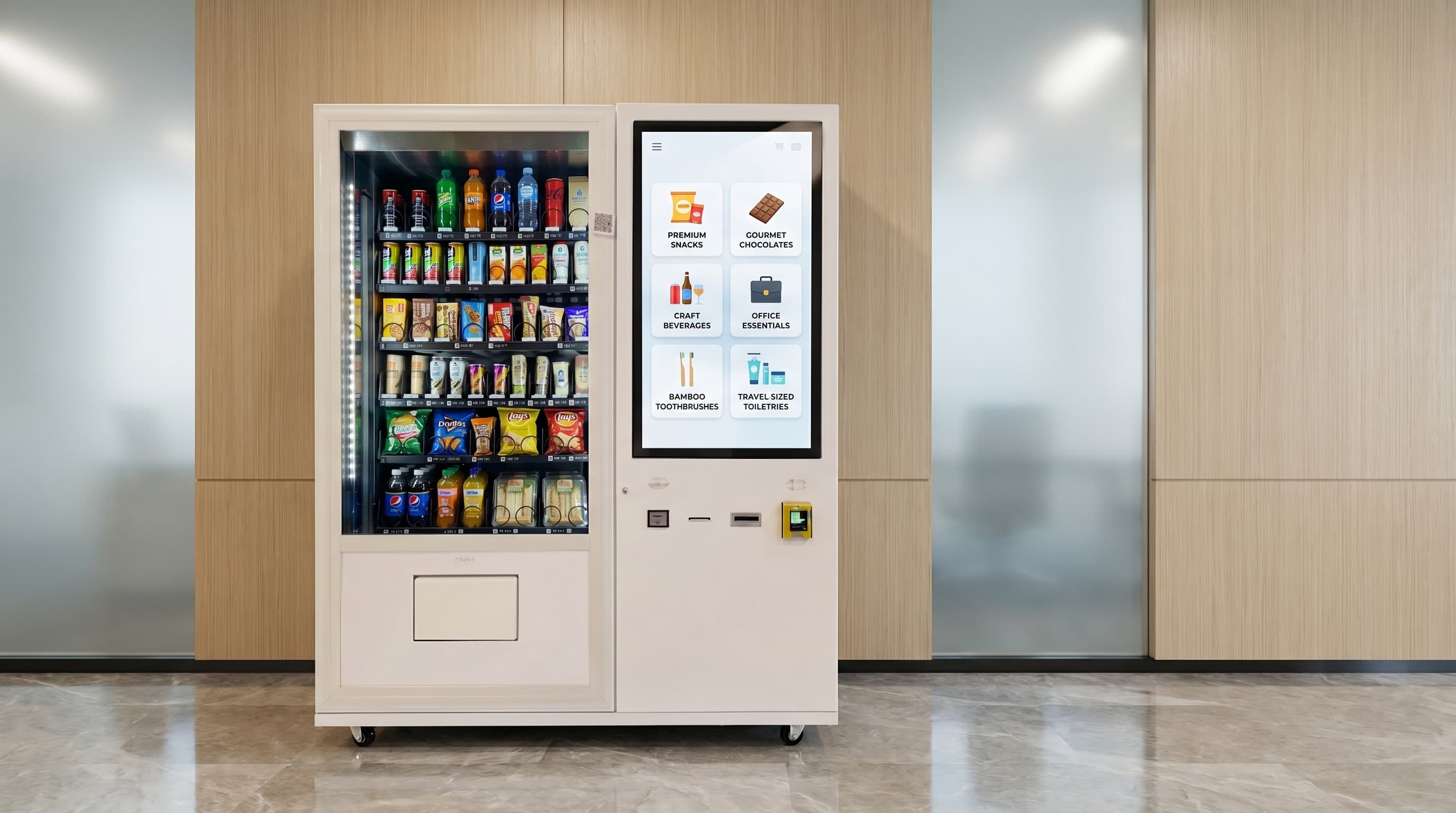
A practical operator guide to smart vending machines: how touchscreen cabinets work, what cashless telemetry adds, where they fit, and what a smart vending deployment actually costs.
Read Post »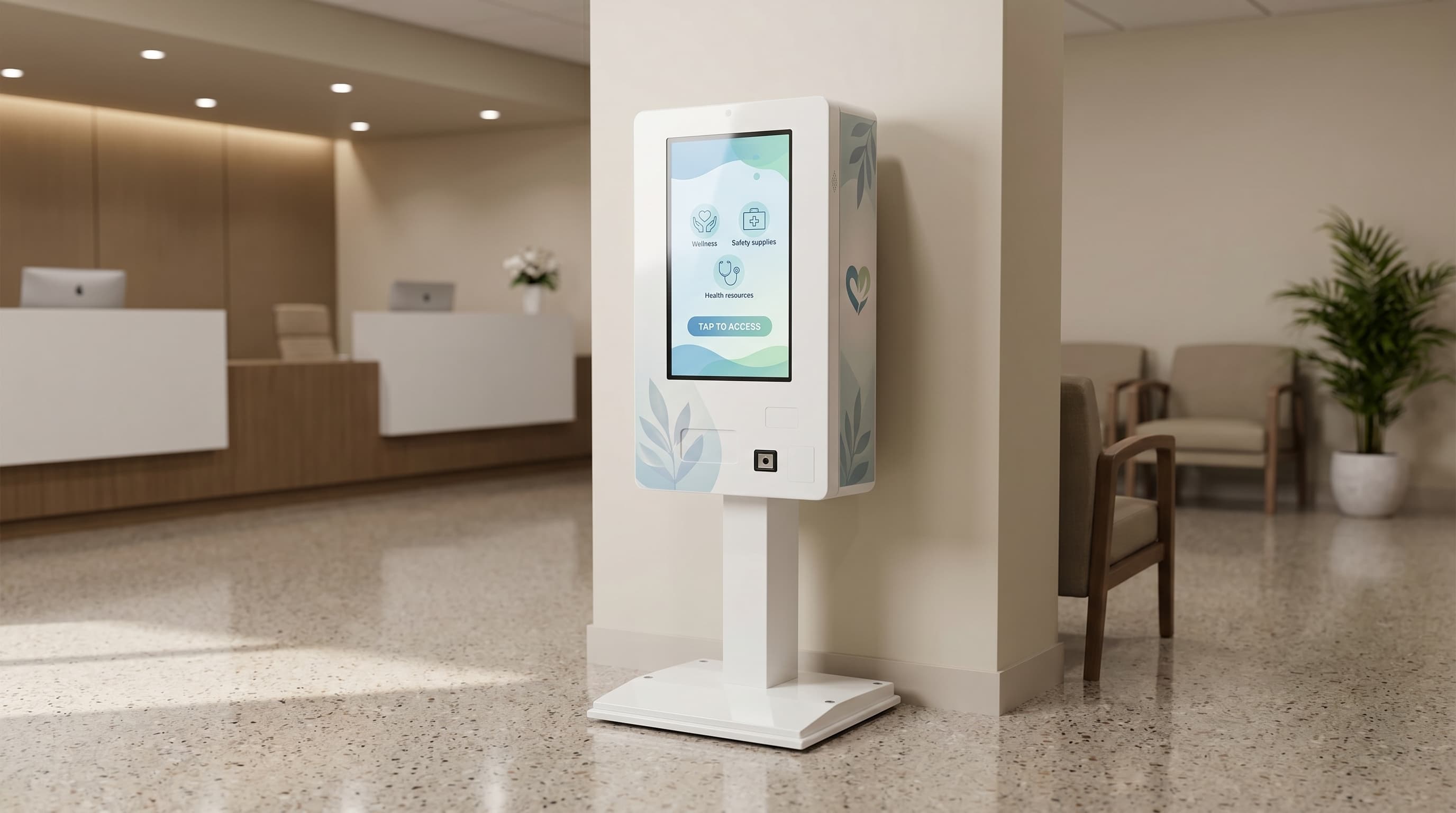
How PPE vending machines work—badge-authenticated dispense, inventory control, and where automated safety supply distribution earns its ROI.
Read Post »Profitability in vending is not a mystery, but it is often misrepresented. These are the real variables that determine whether a vending machine deployment earns well or barely breaks even.
Read Post »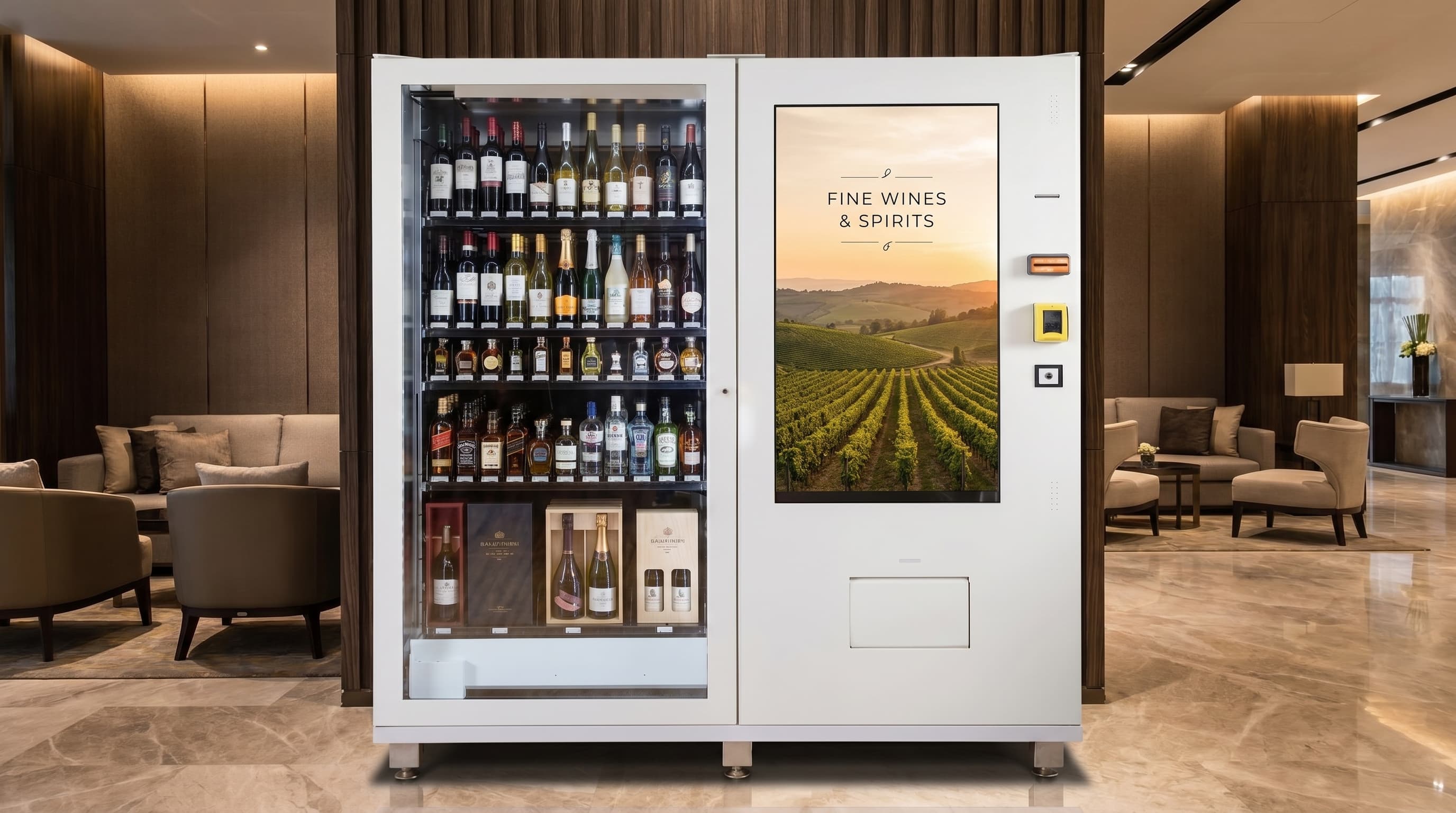
Are alcohol vending machines legal? A practical guide to wine and liquor bottle vending for licensed operators covering venue fit, age verification, and compliance reality.
Read Post »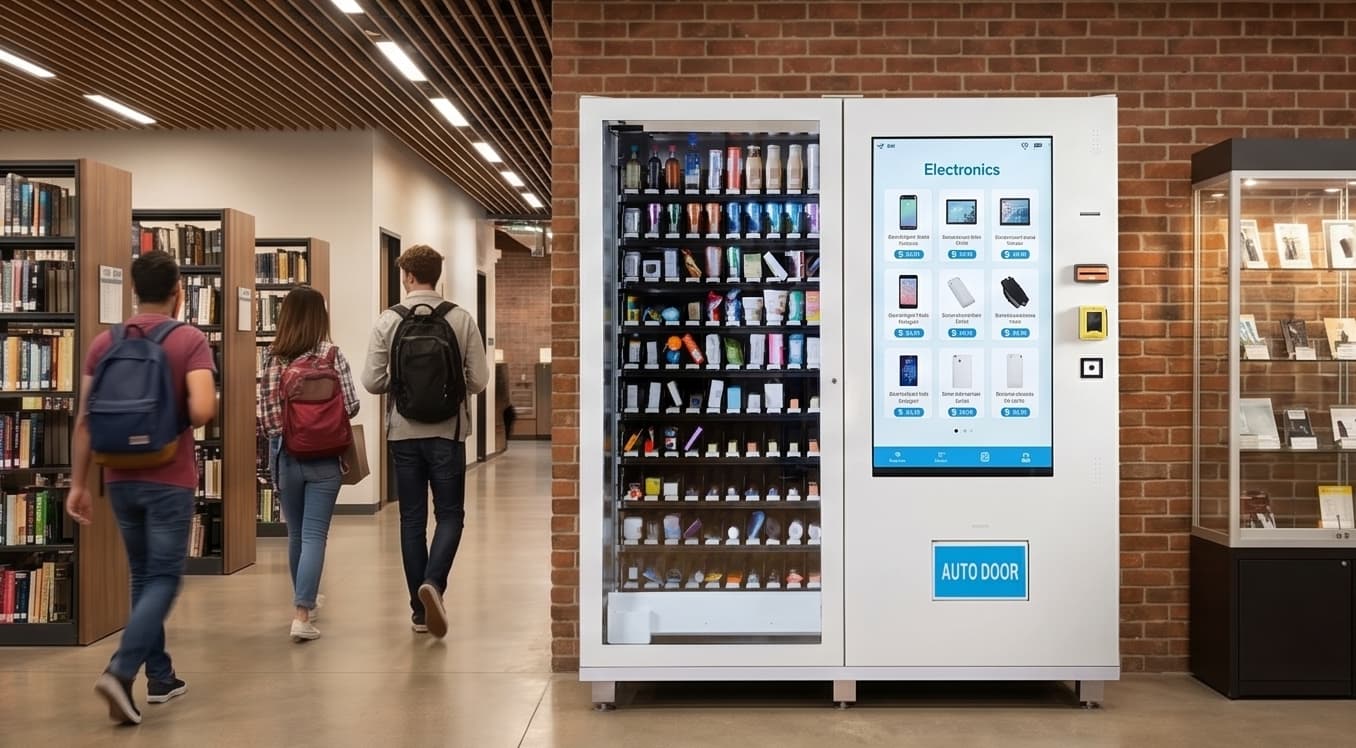
How SIM card vending machines handle KYC, carrier activation, eSIM provisioning, and where self-service cell activation kiosks actually earn floor space.
Read Post »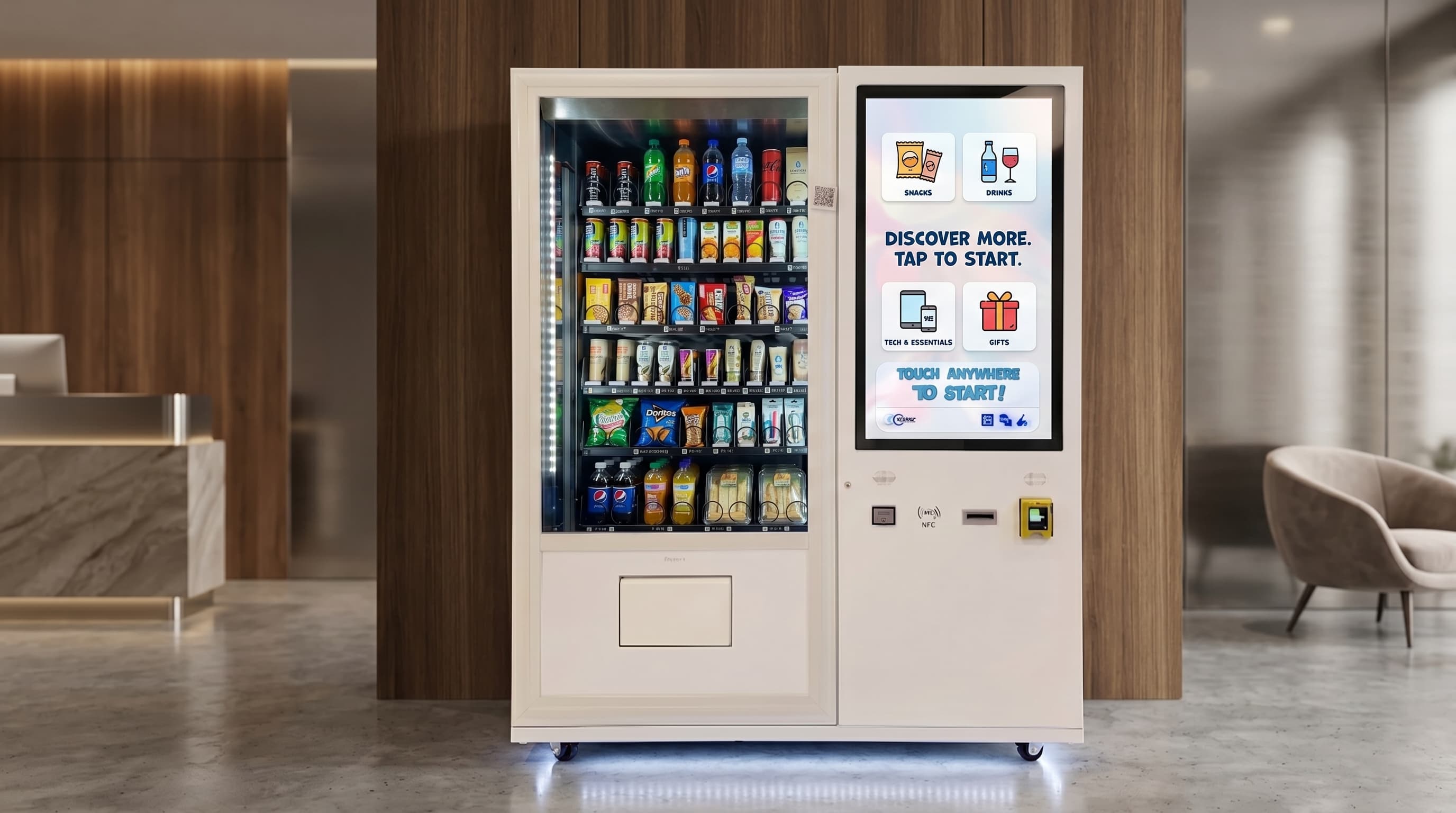
How vending machine touchscreen interfaces drive cashless payment, planogram merchandising, and conversion across smart vending deployments.
Read Post »
How champagne bottle vending machines work in licensed venues, with refrigerated bottle handling, age verification, cashless payment, and premium hospitality fit.
Read Post »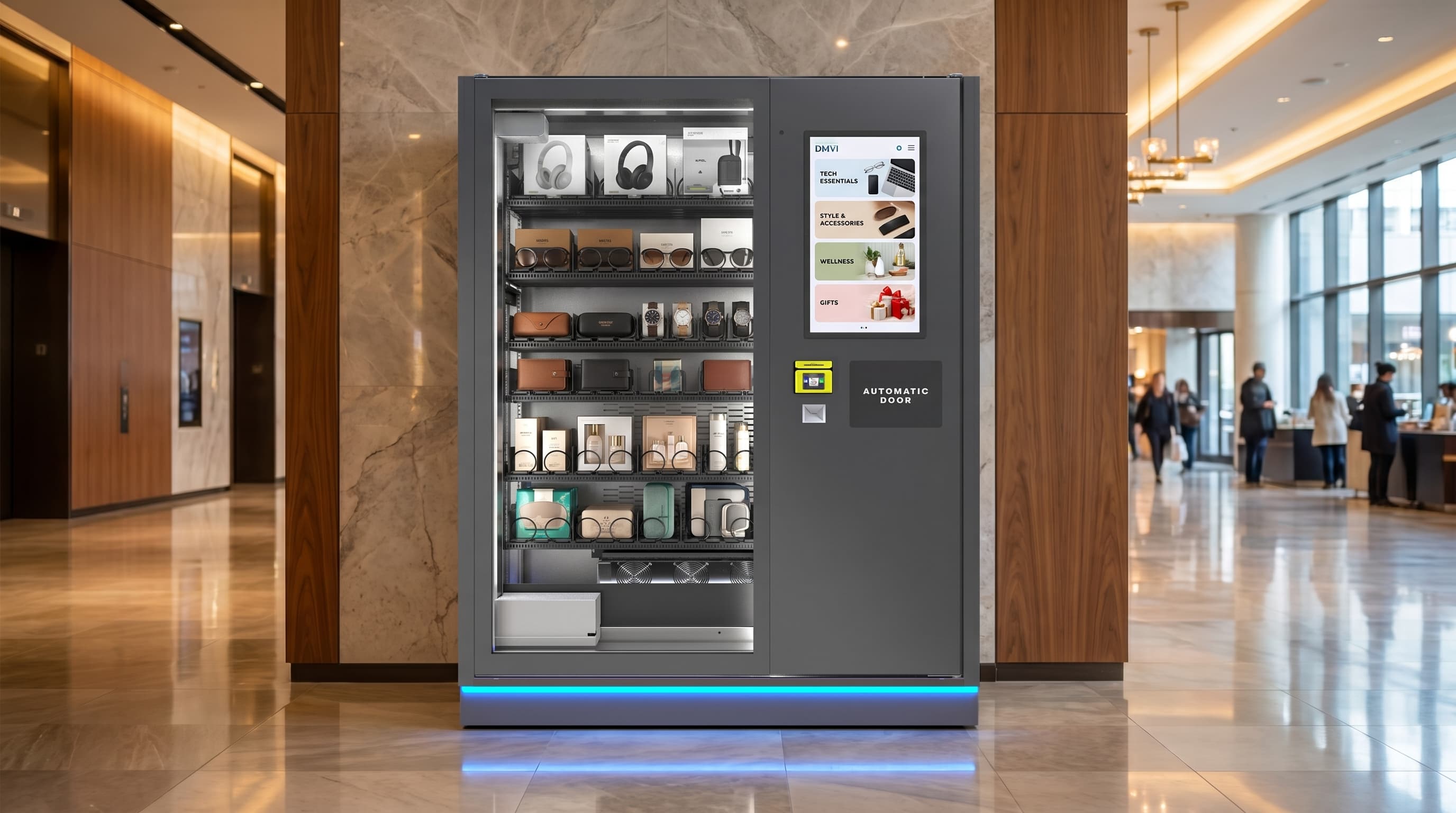
B2B custom vending machine solutions for branded retail, schools, and specialty SKUs with engineered cabinets, MDB cashless integration, DEX telemetry, and touchscreen UX.
Read Post »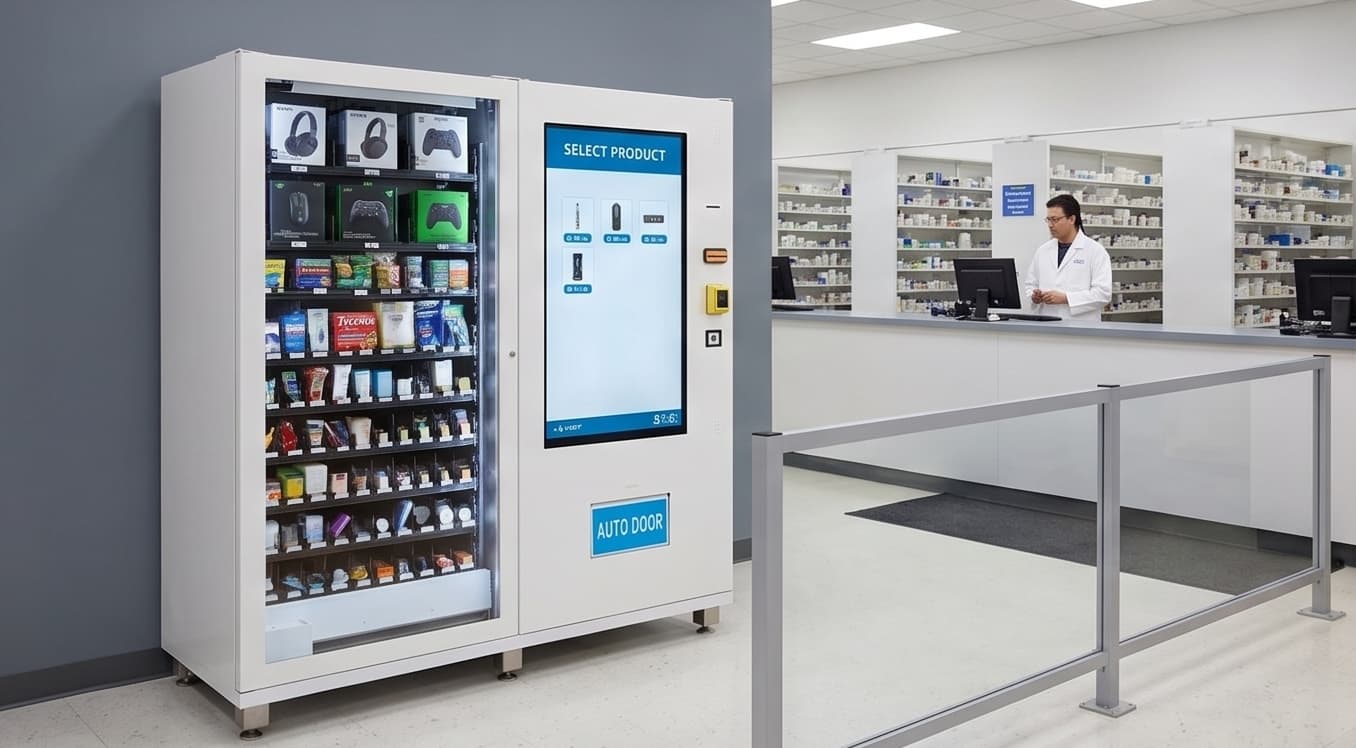
How biometric vending machines combine ID scanning, face-match verification, MDB cashless payment, and robotic dispensing for age-gated and controlled-access retail.
Read Post »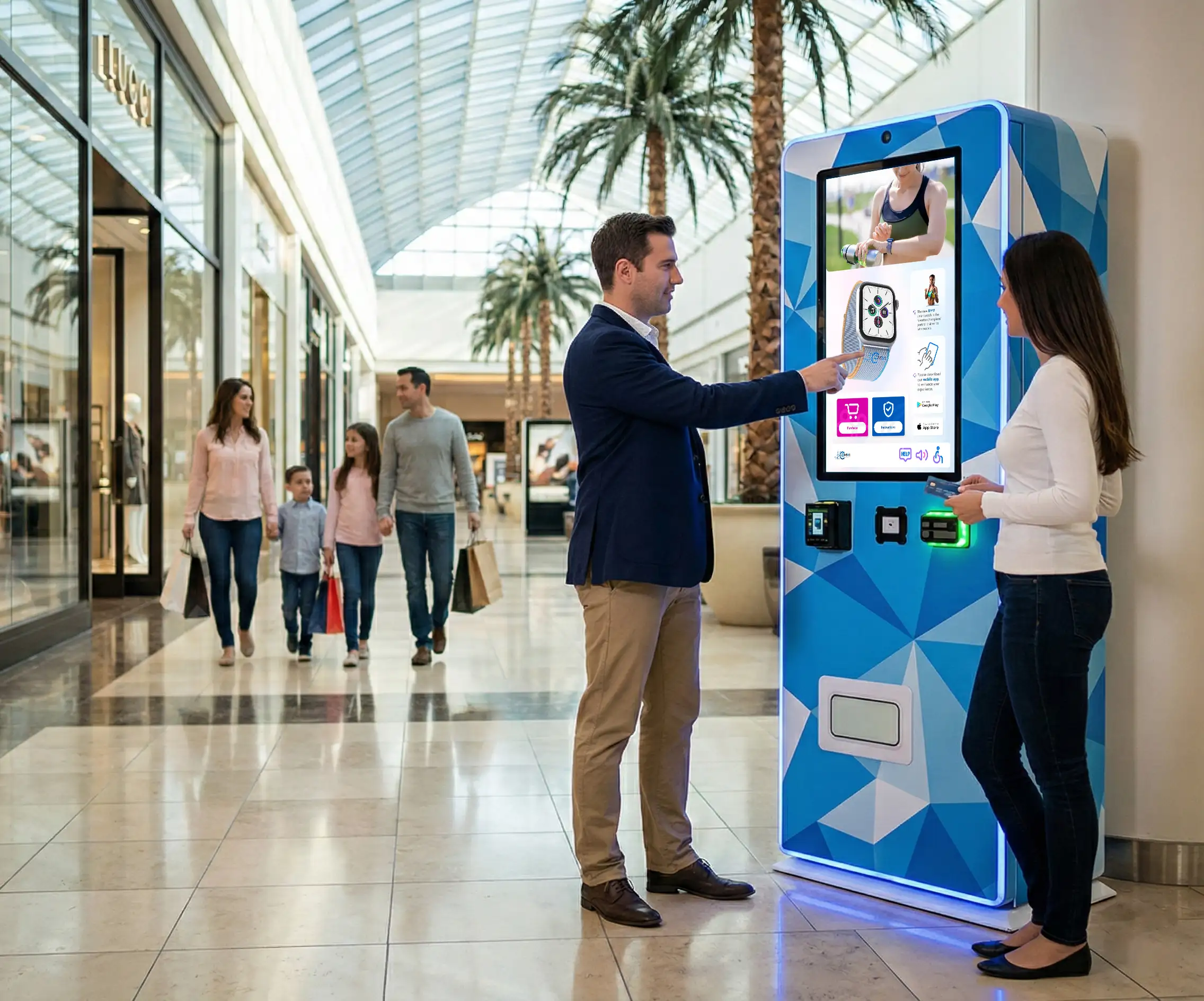
DMVI Slimline small touch screen vending machine with a 32-inch HD touchscreen, NFC payment, cloud telemetry, remote planogram management, and 27–30 SKU capacity in a slim floor-standing footprint.
Read Post »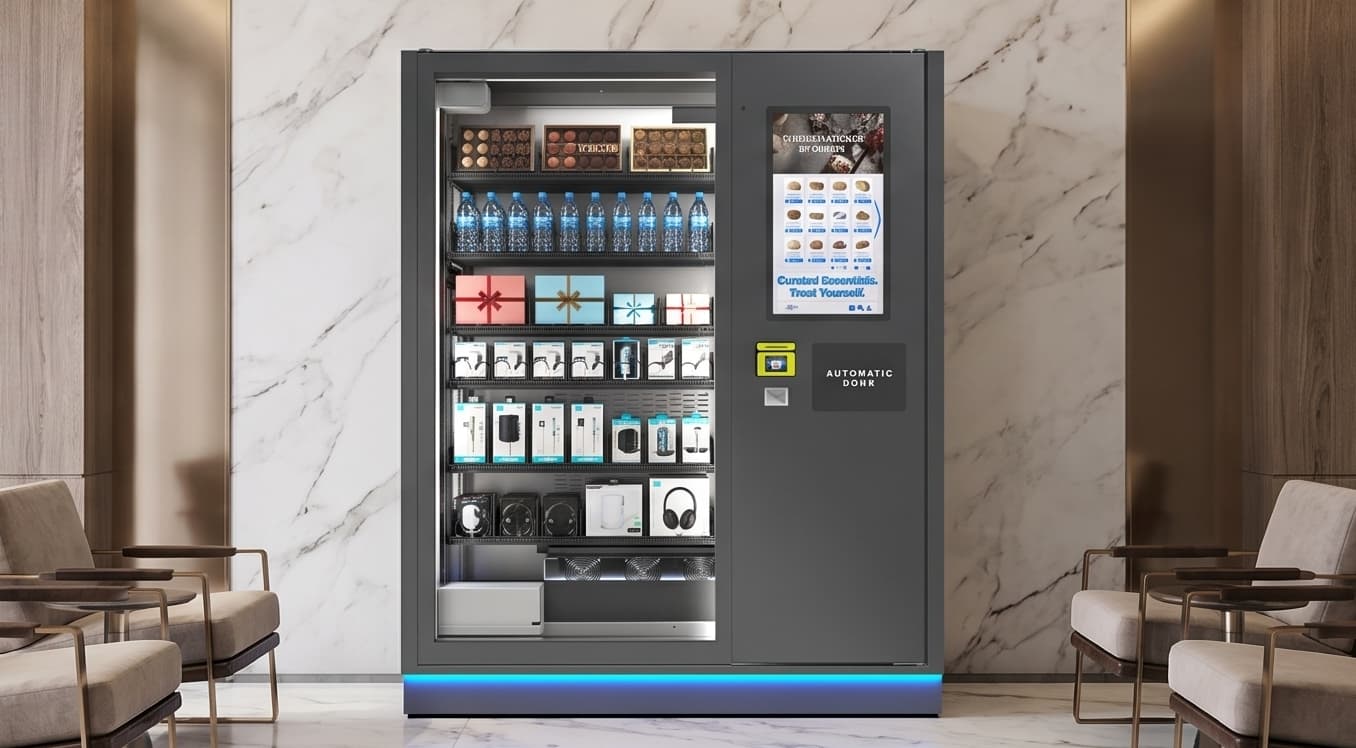
Customized, personalized, and bespoke vending machines explained — design the wrap, touchscreen UI, planogram, and SKU mix before deciding whether you actually need custom engineering.
Read Post »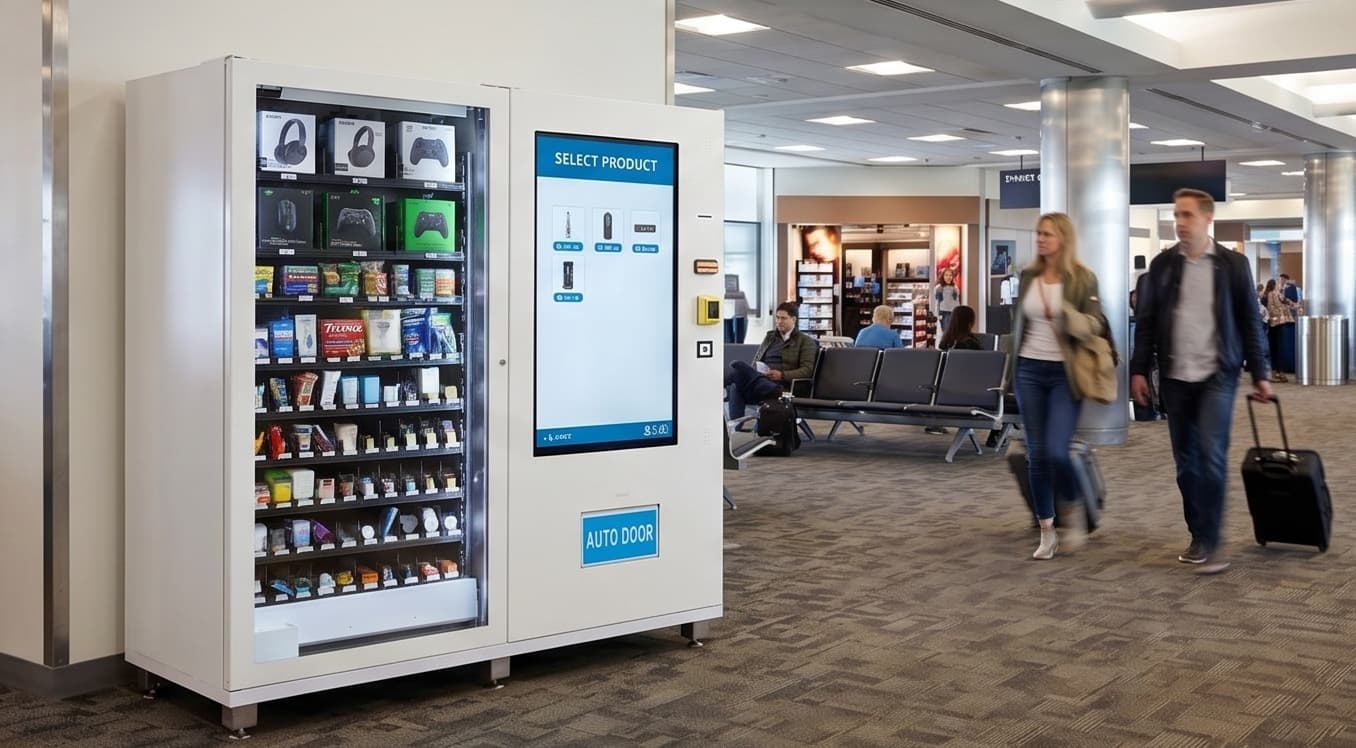
How giant robotic vending machines reduce open-shelf shrink through locked-cabinet access, robotic retrieval, cashless checkout, and DEX-auditable event logging.
Read Post »A practical guide to healthcare automated retail, covering OTC assortments, wellness SKUs, refrigeration, route economics, and the compliance lines a clinic or hospital vending program should not cross.
Read Post »How smart vending machines improve retail operations through cashless payments, telemetry, remote planograms, 24/7 selling, and practical upgrade paths for existing fleets.
Read Post »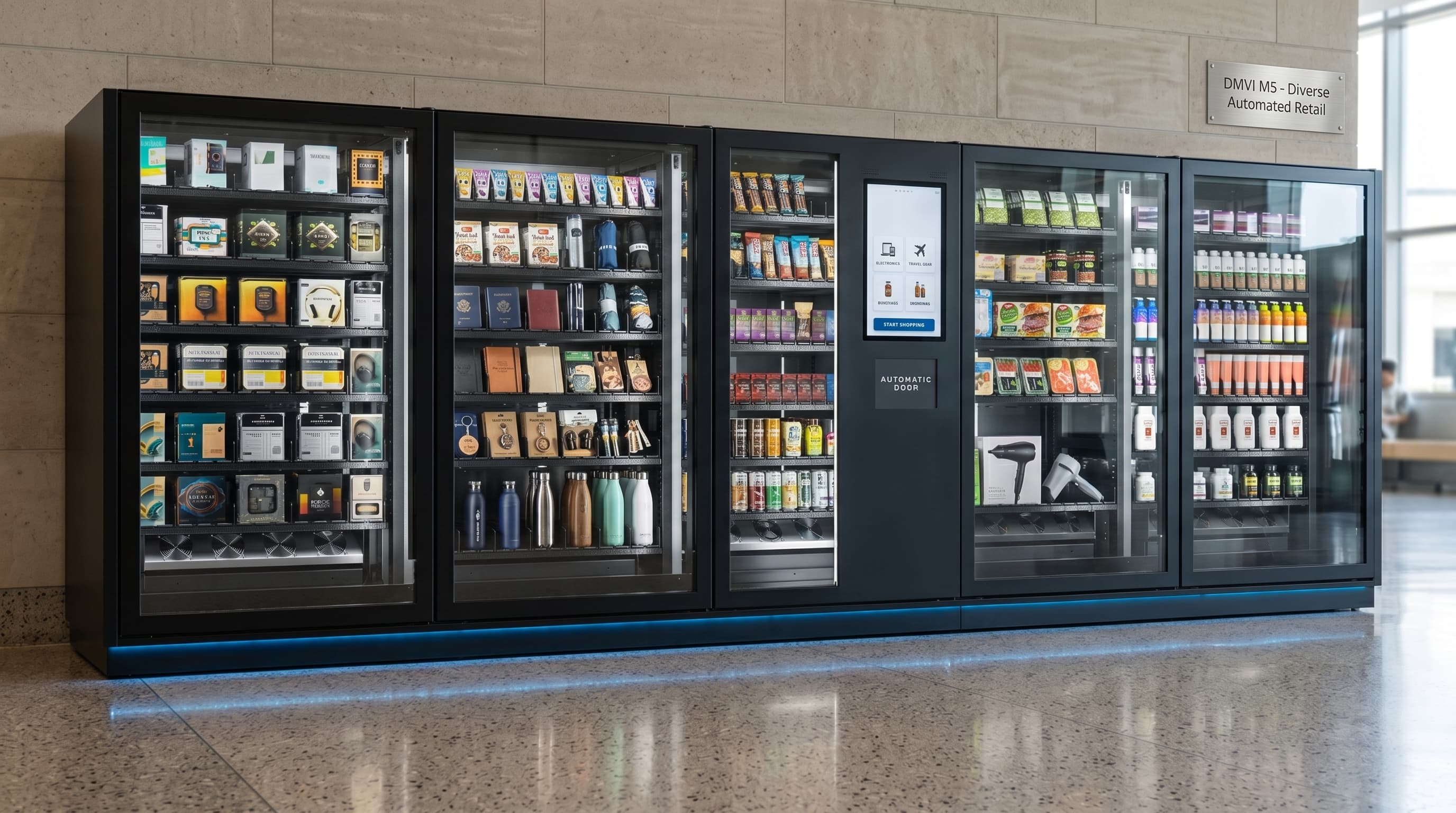
How autonomous retail vending machines expanded from legacy snack coils into robotic cabinets, smart fridges, and micro-markets that support broad unattended assortments.
Read Post »Fresh food vending machines, smart fridges, and micro-markets dispense salads, sandwiches, wraps, and refrigerated meals 24/7 with cold-chain discipline and route economics that suit high-demand sites.
Read Post »
A practical operator guide to vending machine placement, covering demand density, captive audiences, location agreements, commission splits, and post-launch telemetry validation.
Read Post »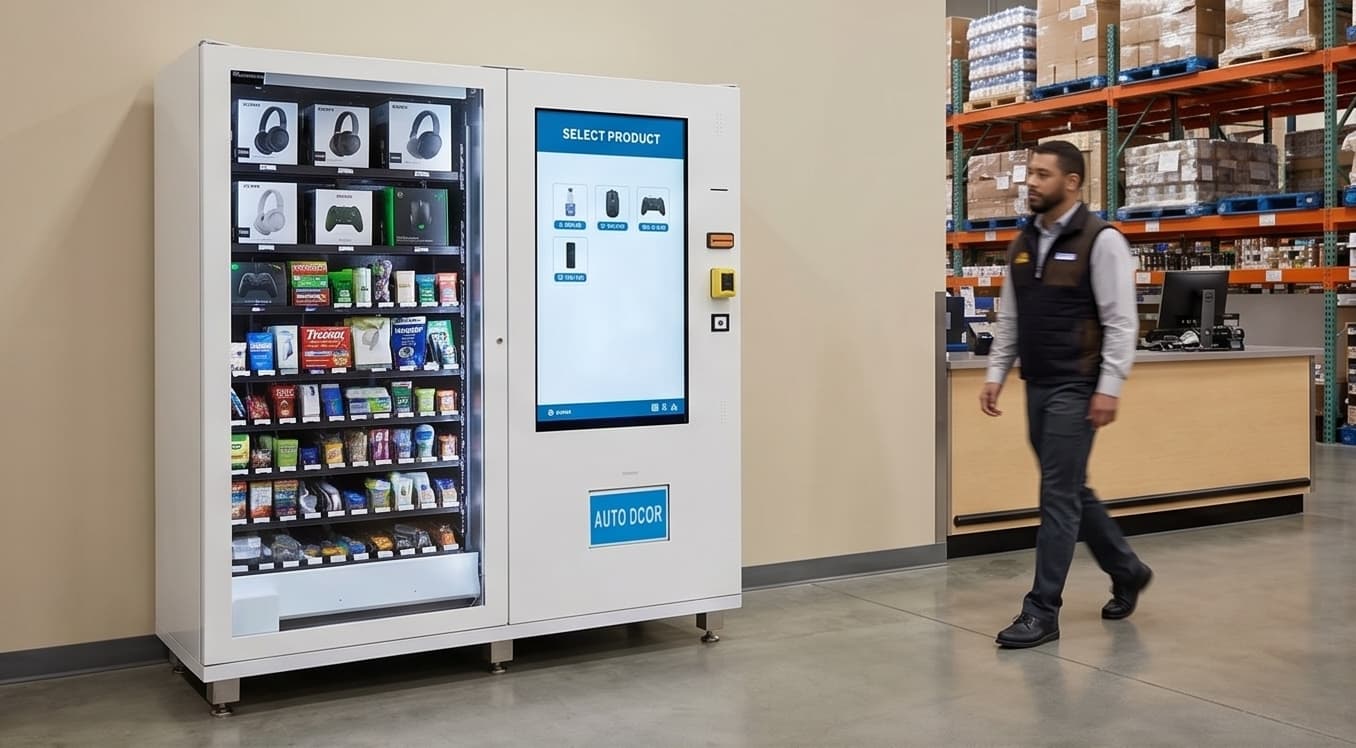
How controlled-dispensing vending machines reduce shrink on high-value merchandise through sealed compartments, cashless payment, cabinet security, and auditable telemetry.
Read Post »How smart retail vending machines combine touchscreens, cashless payment, telemetry, and planogram control to run automated retail more effectively than legacy vending.
Read Post »
How Narcan vending machines with touchscreens can support optional, anonymous program data while keeping naloxone access, privacy, and harm-reduction trust in the top position.
Read Post »How hospitals use vending machines for staff meals, visitor convenience, OTC and personal care, PPE, and controlled consumables — plus what smart telemetry changes operationally.
Read Post »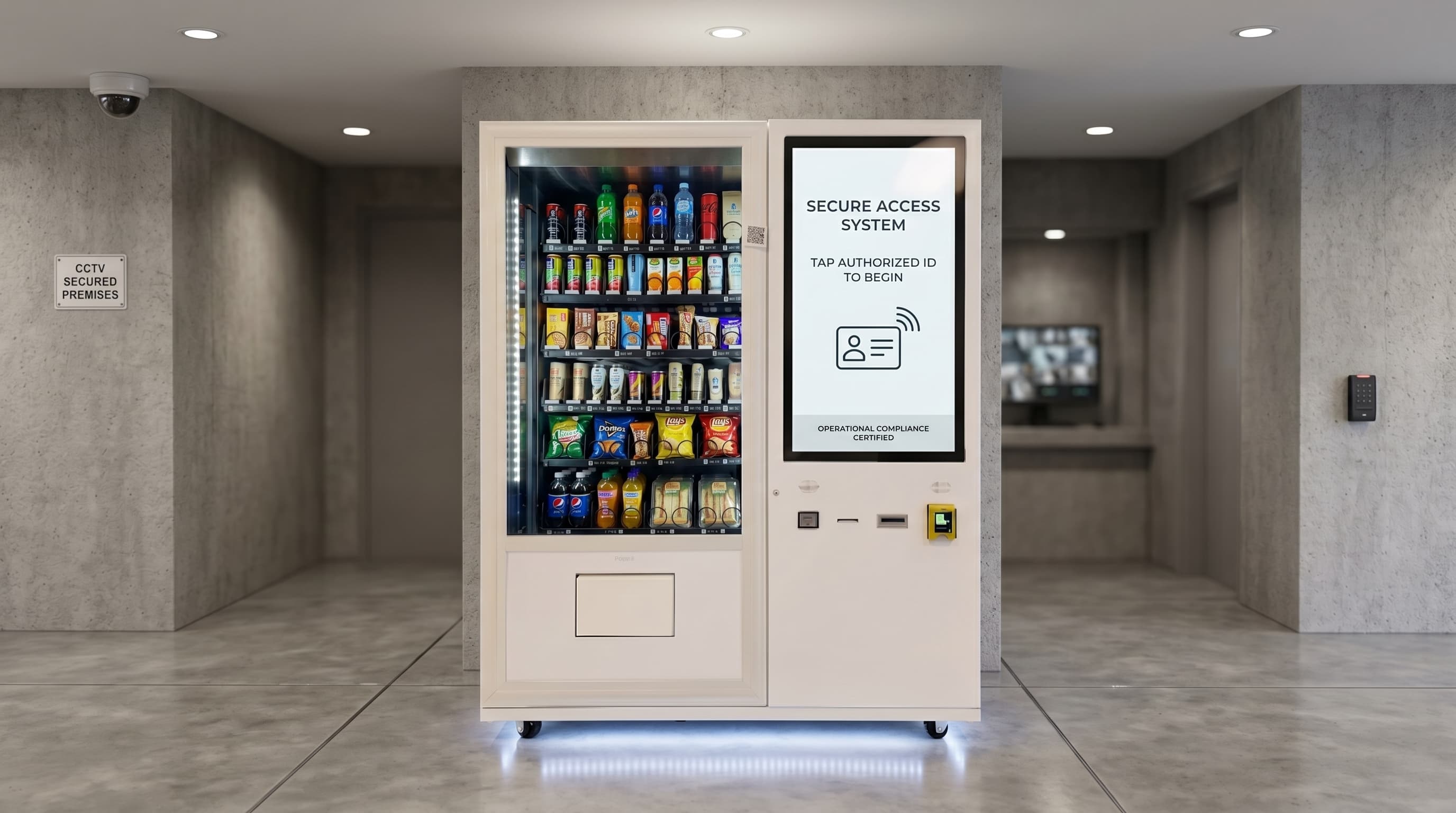
Operator checklist for vending machine compliance: business licensing, health-department oversight, ADA, age-restricted products, payment security, and FDA menu labeling.
Read Post »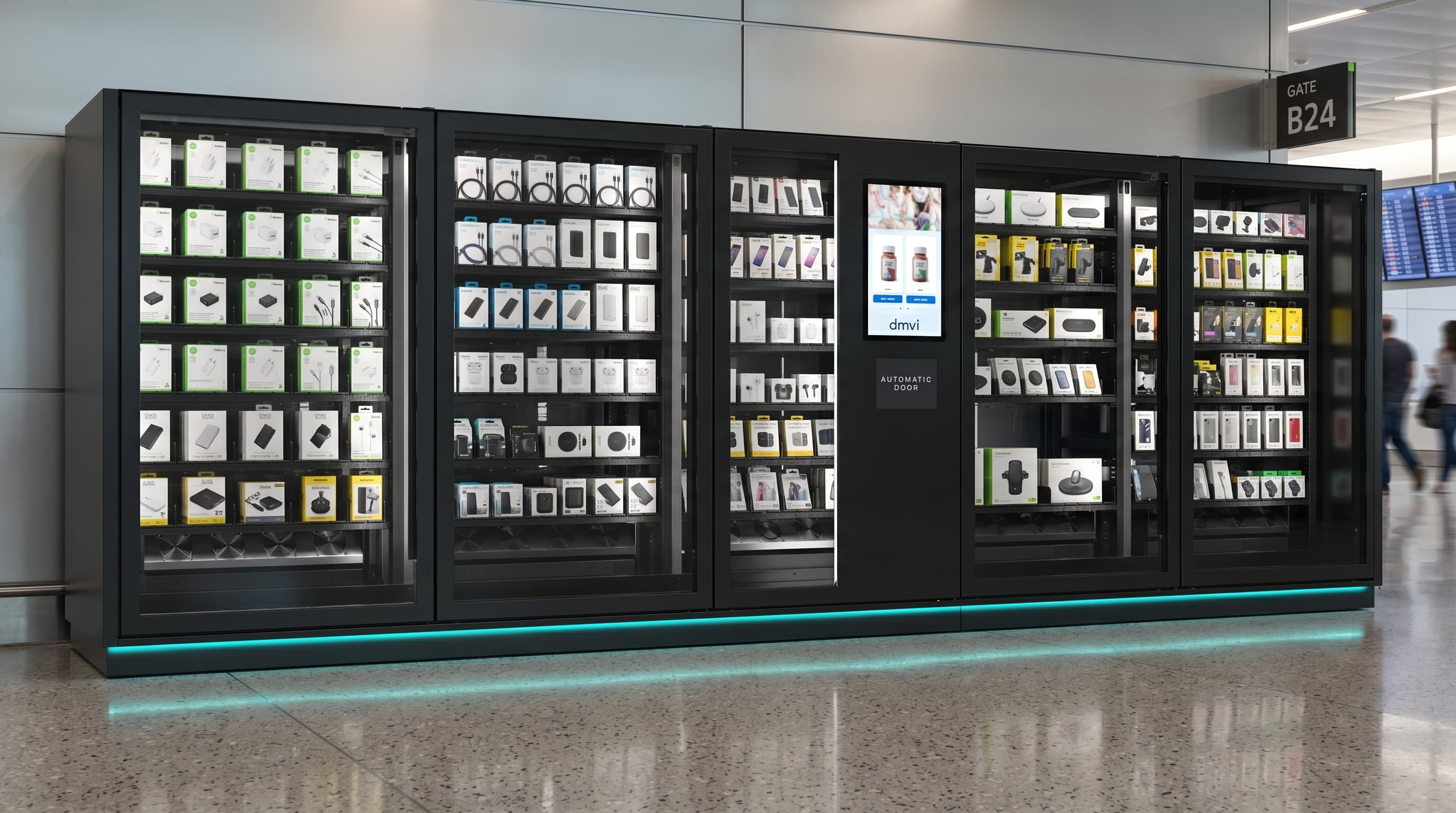
How vending operators use iPhones for telemetry dashboards, route prioritization, payment reconciliation, Apple Pay acceptance, and mobile-led exception handling.
Read Post »Operator guide to vending machine financials: cost structure, revenue projection, break-even, route density, commission splits, and the KPIs that actually matter.
Read Post »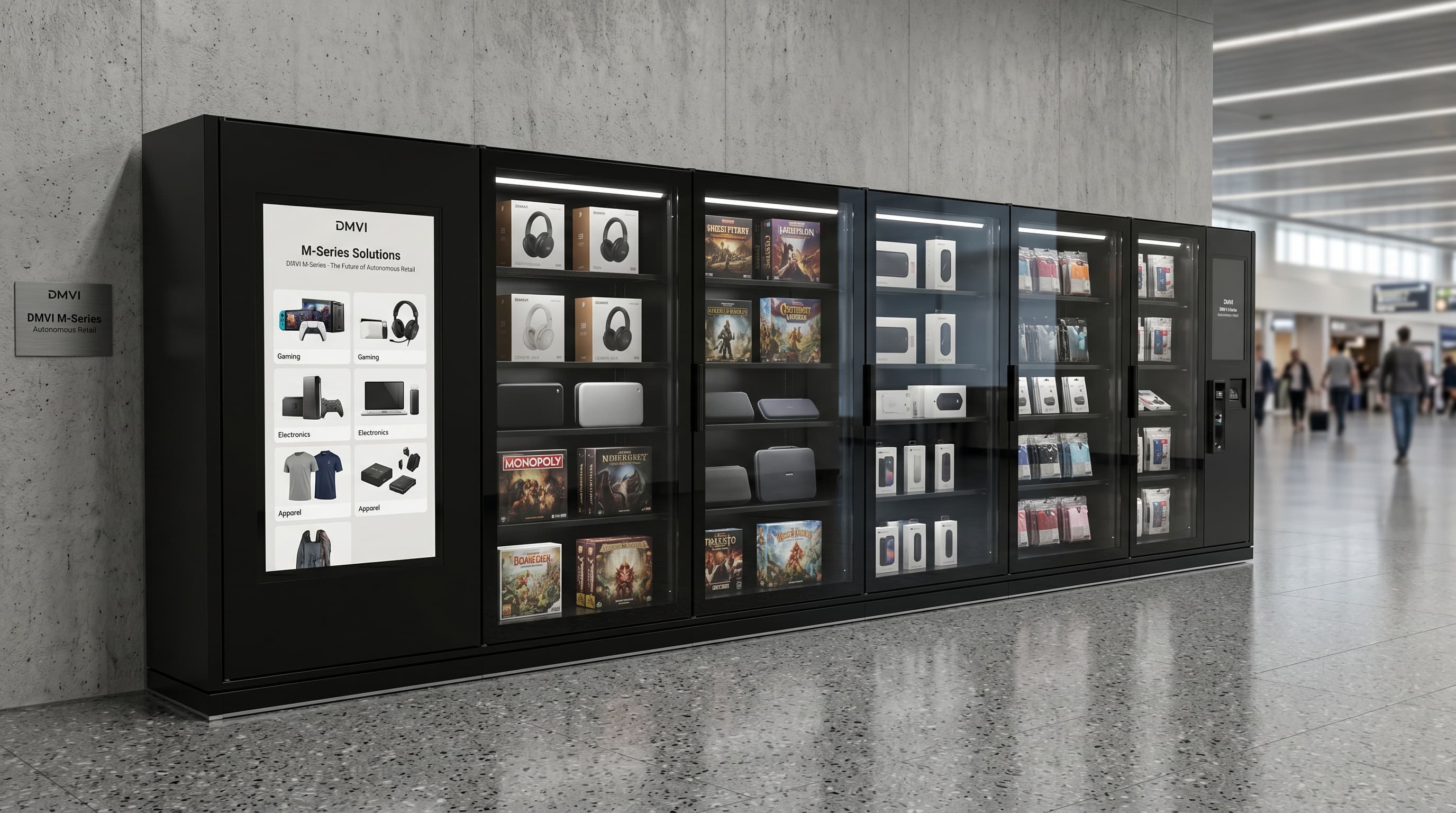
How vending operators build resilient routes by mixing product categories, venue types, and telemetry-backed SKU decisions instead of relying on one fragile revenue stream.
Read Post »How custom vending machines for retail earn floor space through branded cabinet design, touchscreen UX, cashless payment, inventory reporting, and disciplined service planning.
Read Post »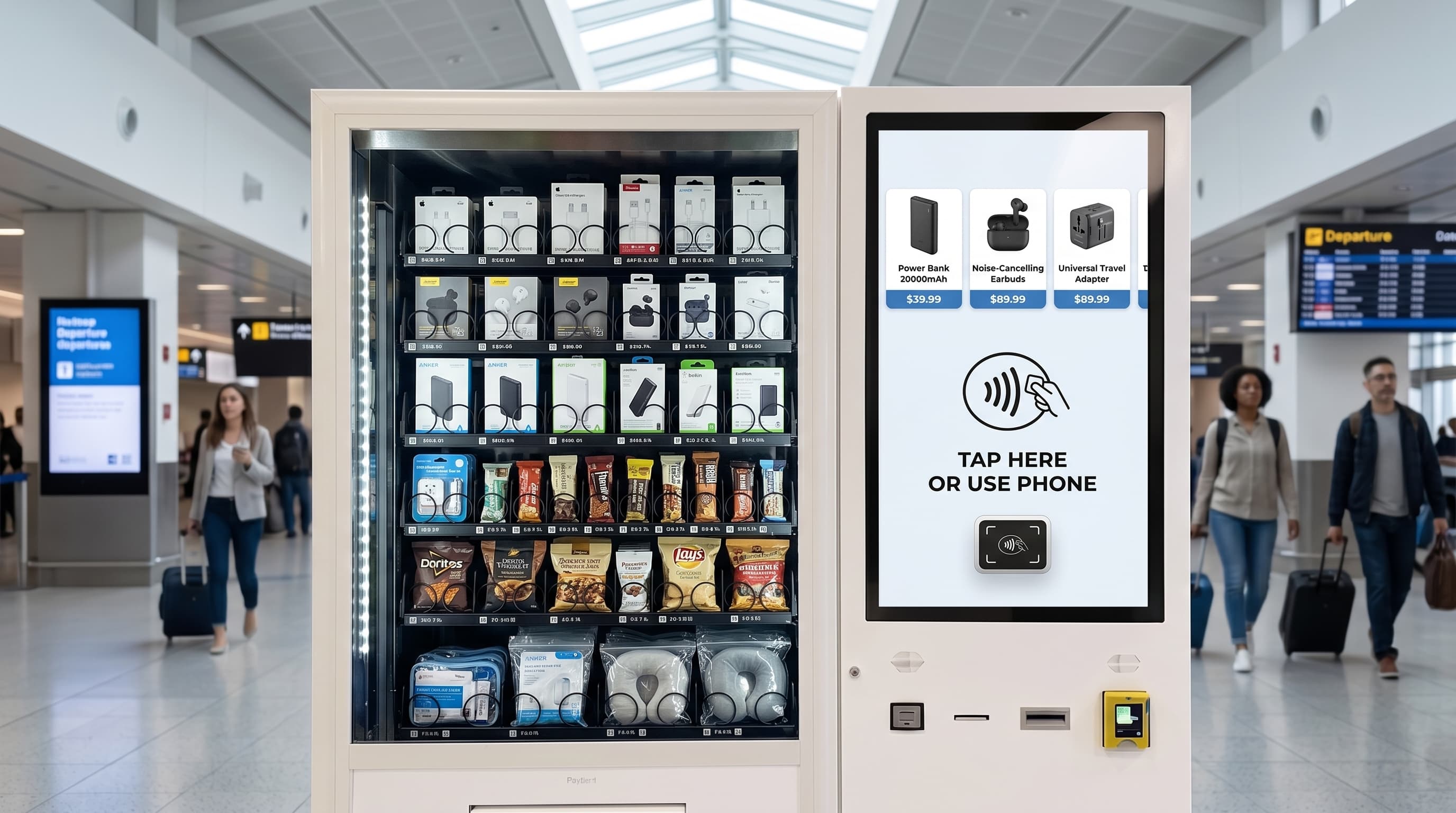
How operators integrate payments, telemetry, connectivity, and content in a digital vending deployment without creating avoidable support headaches.
Read Post »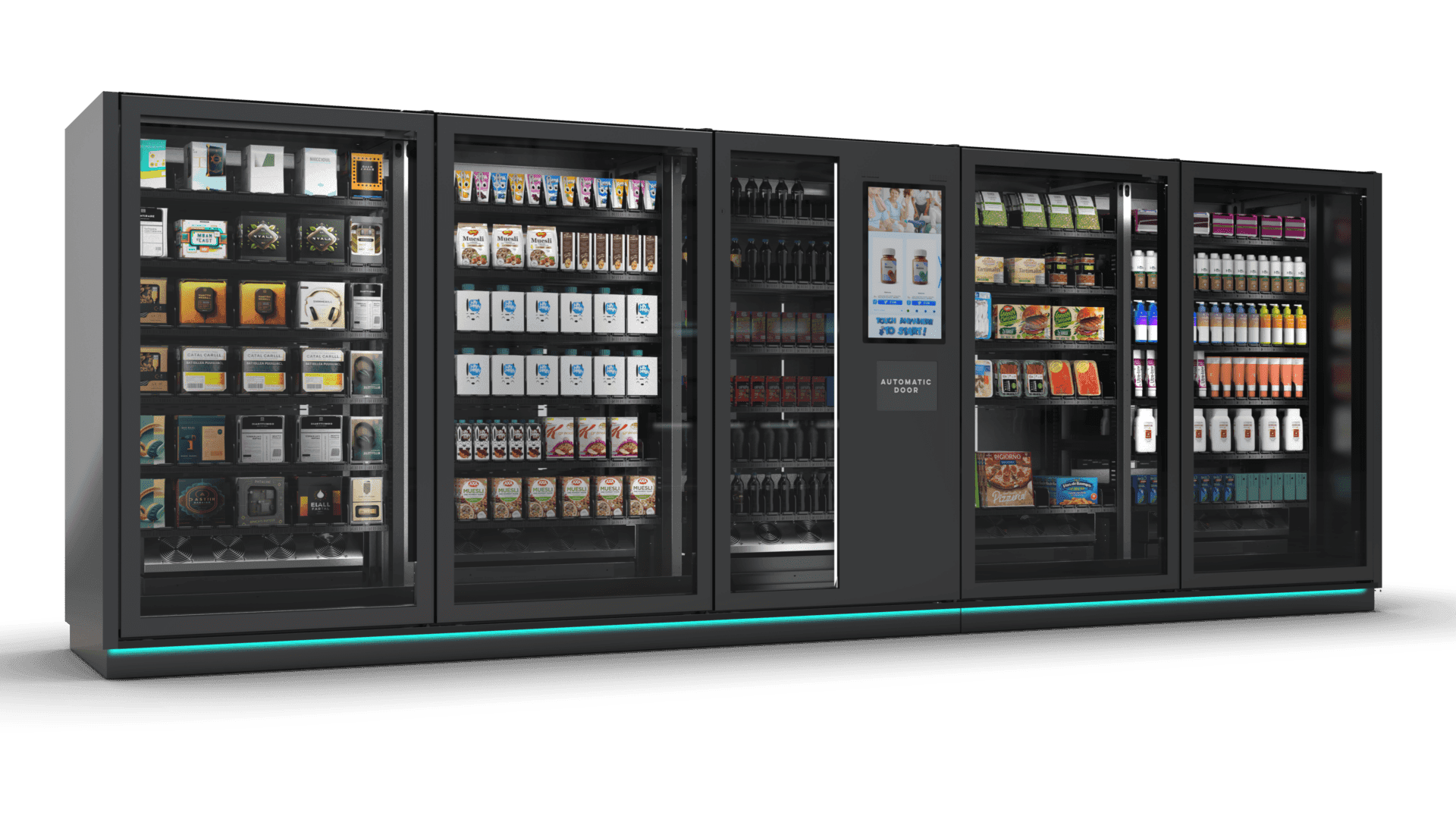
How giant vending machines earn their floor space in airports, stadiums, hospitals, universities, and flagship retail through real capacity, wider SKU breadth, and connected operations.
Read Post »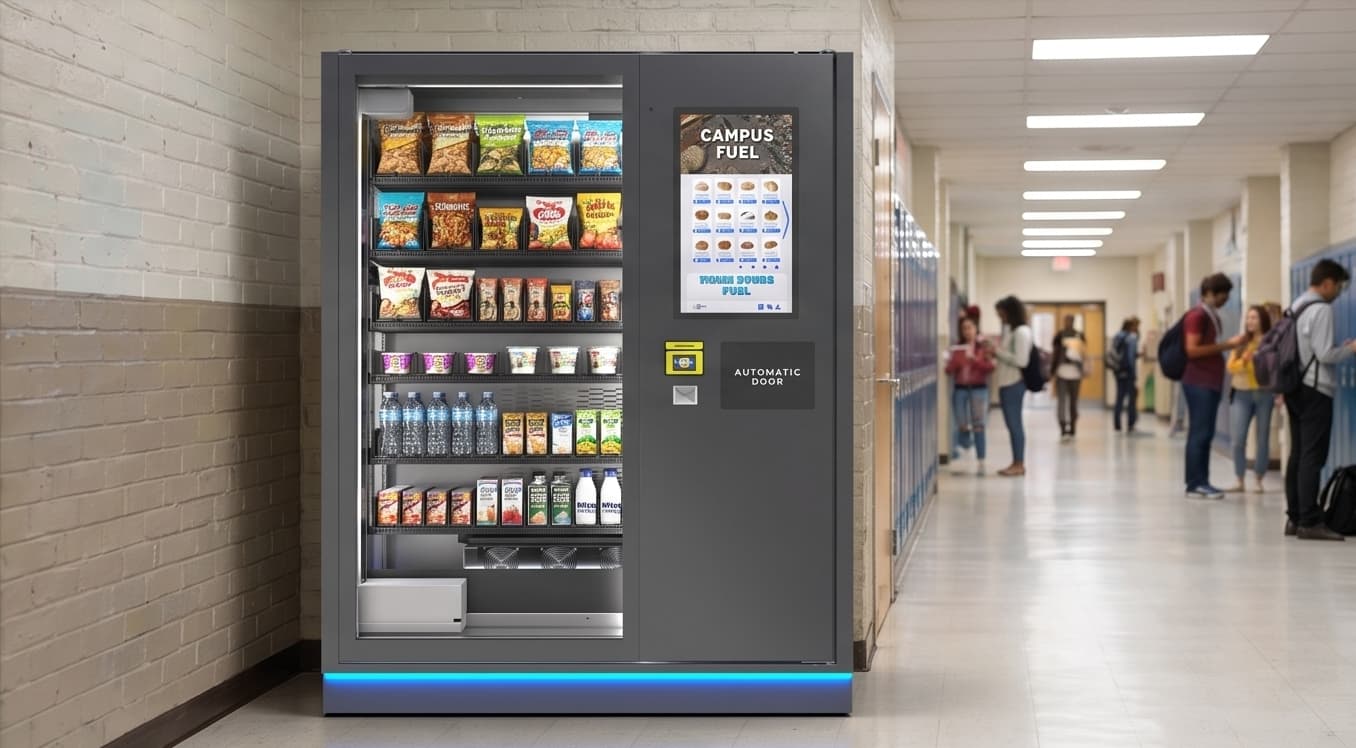
How customizable vending machines use touchscreen filters, dietary tags, recommendations, and cashless checkout to improve snack selection and per-venue planograms.
Read Post »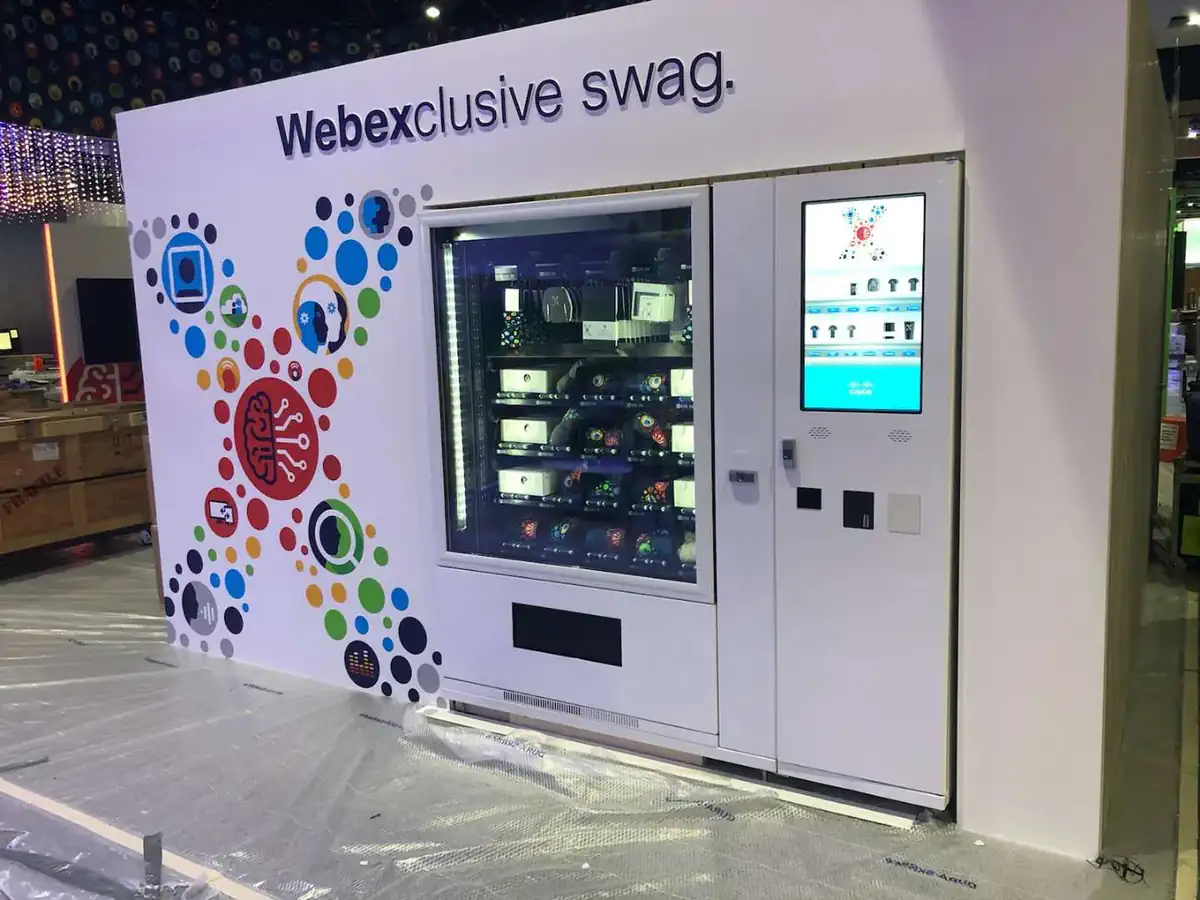
How vending machine advertising actually earns revenue: owned media, supplier-funded placement, venue campaigns, transaction-path discipline, and privacy obligations.
Read Post »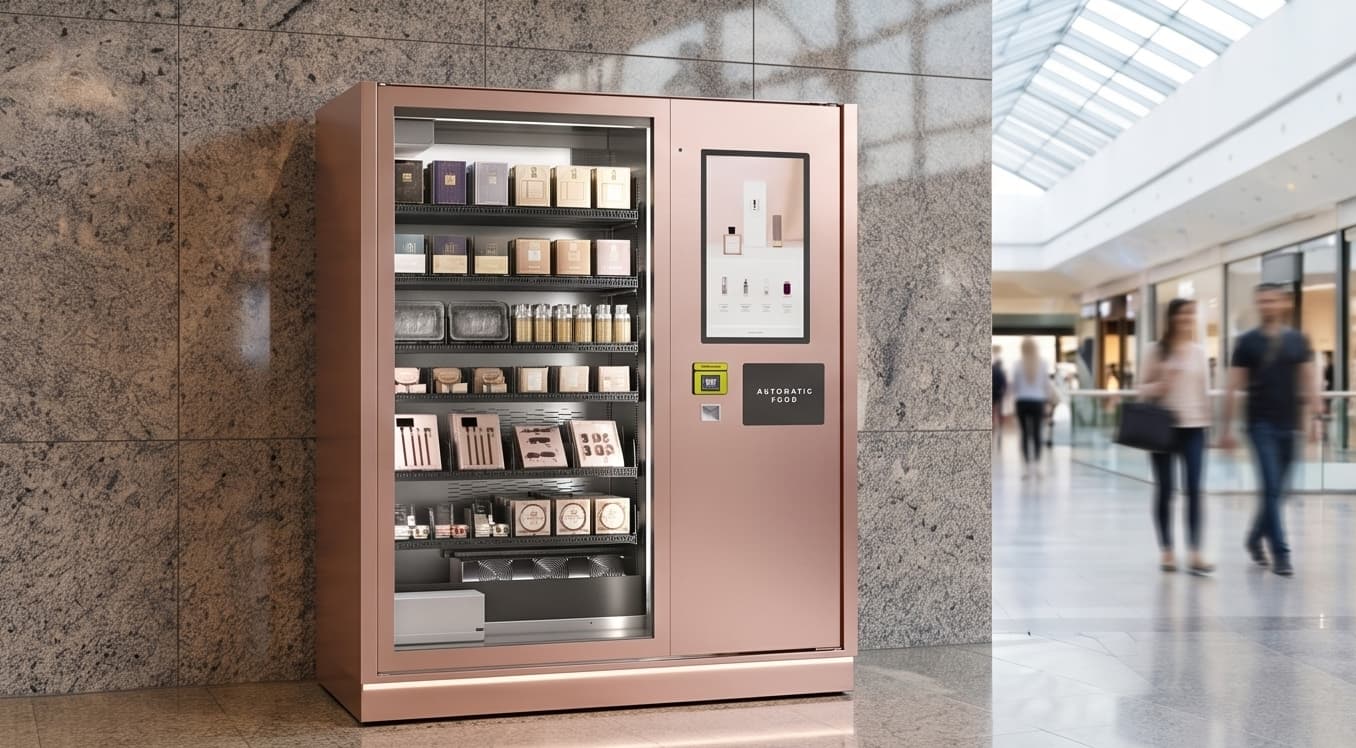
Luxury vending machines on the modular M-Series: premium automated retail for beauty, fragrance, jewelry, watches, travel retail, and flagship branded concepts.
Read Post »
How campus Plan B and contraception vending machines work: custom dispensing, 24/7 access, pricing models, privacy guardrails, and institution-side operating choices. Informational only; not medical advice.
Read Post »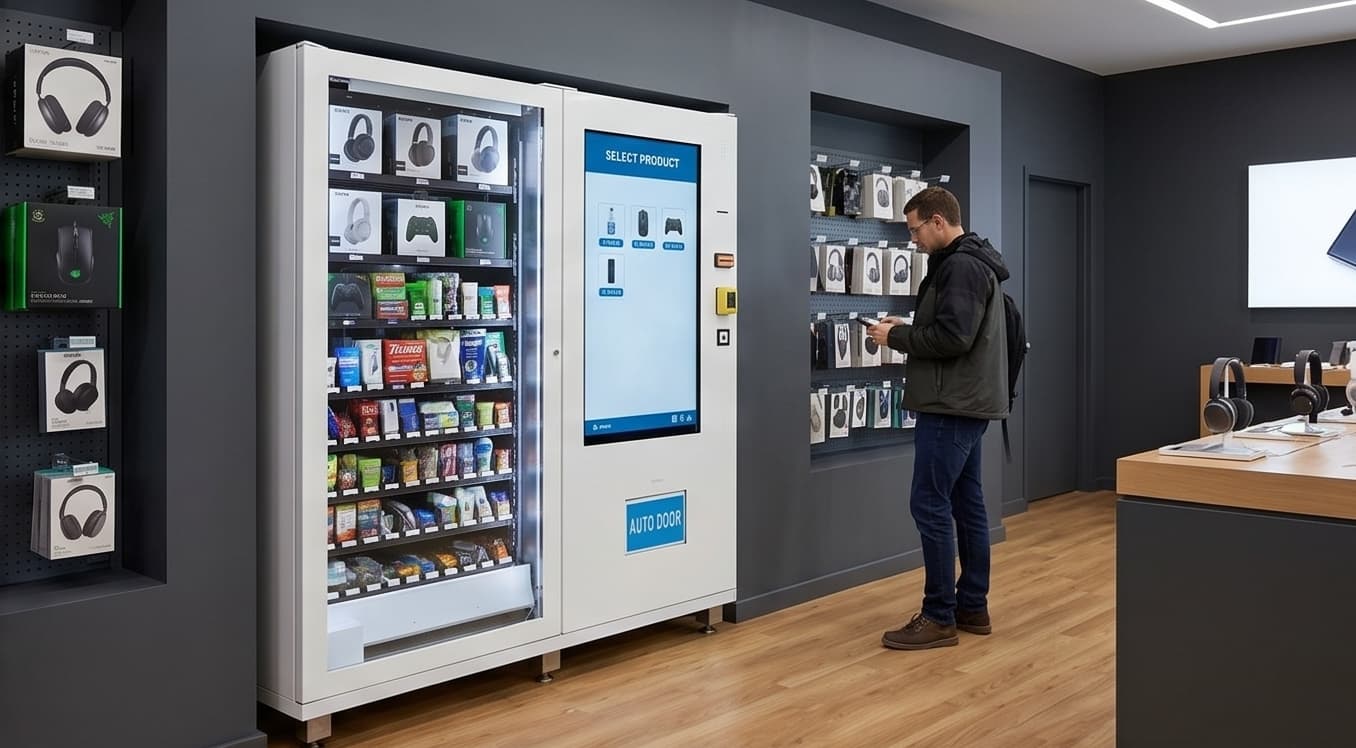
How anti-theft vending machines reduce shrink for high-value retail: controlled dispensing, cashless payment, telemetry, privacy guardrails, and the product categories that actually fit.
Read Post »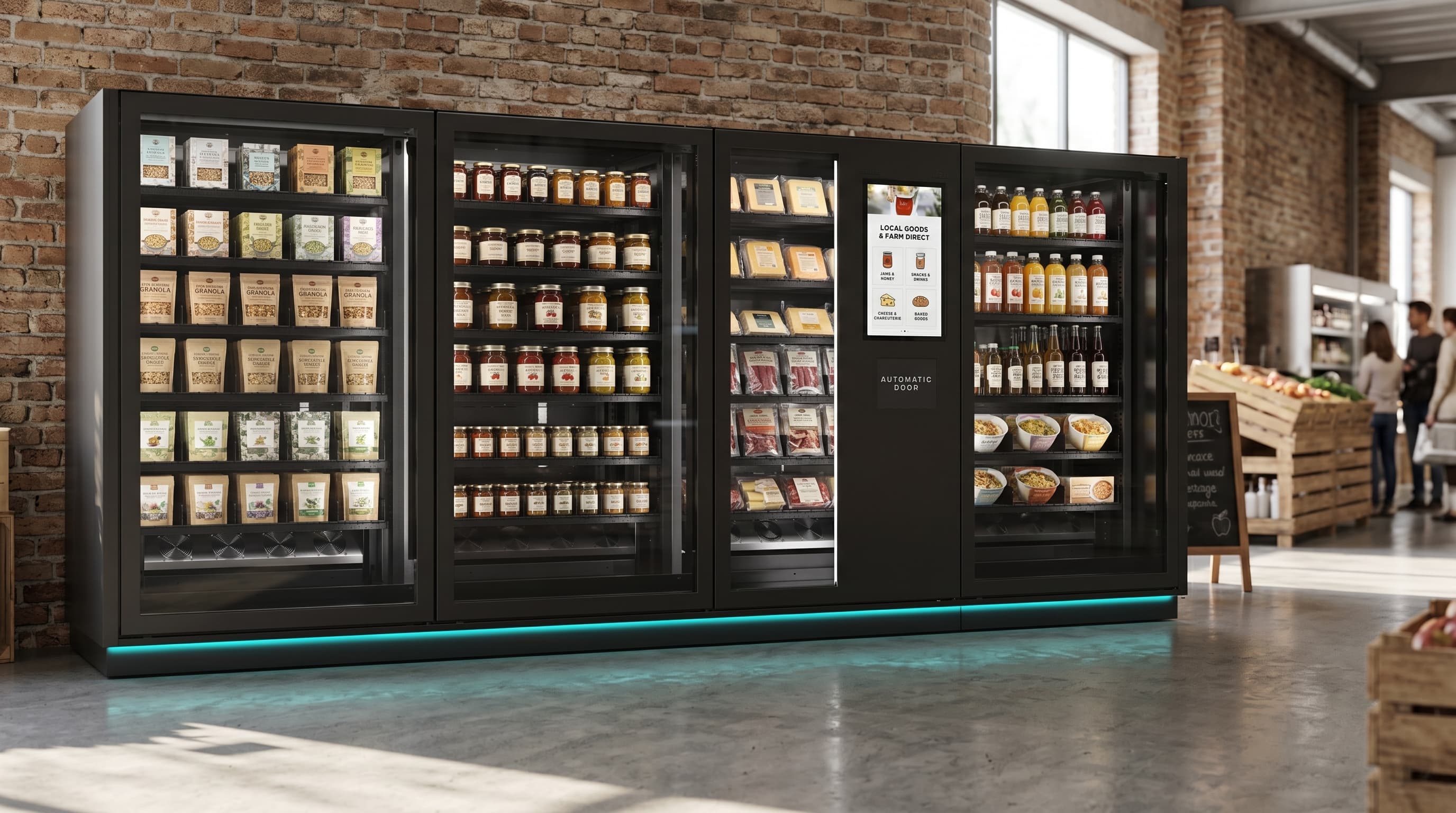
Practical guide to farm vending machines: SKU fit, cold-chain spec, venue choice, cashless payment, and route economics for producers, beekeepers, and farm shops.
Read Post »Workplace vending for HR and facilities: snack, beverage, combo, fresh-food, and micro-market formats with cashless payment, telemetry, and subsidy models.
Read Post »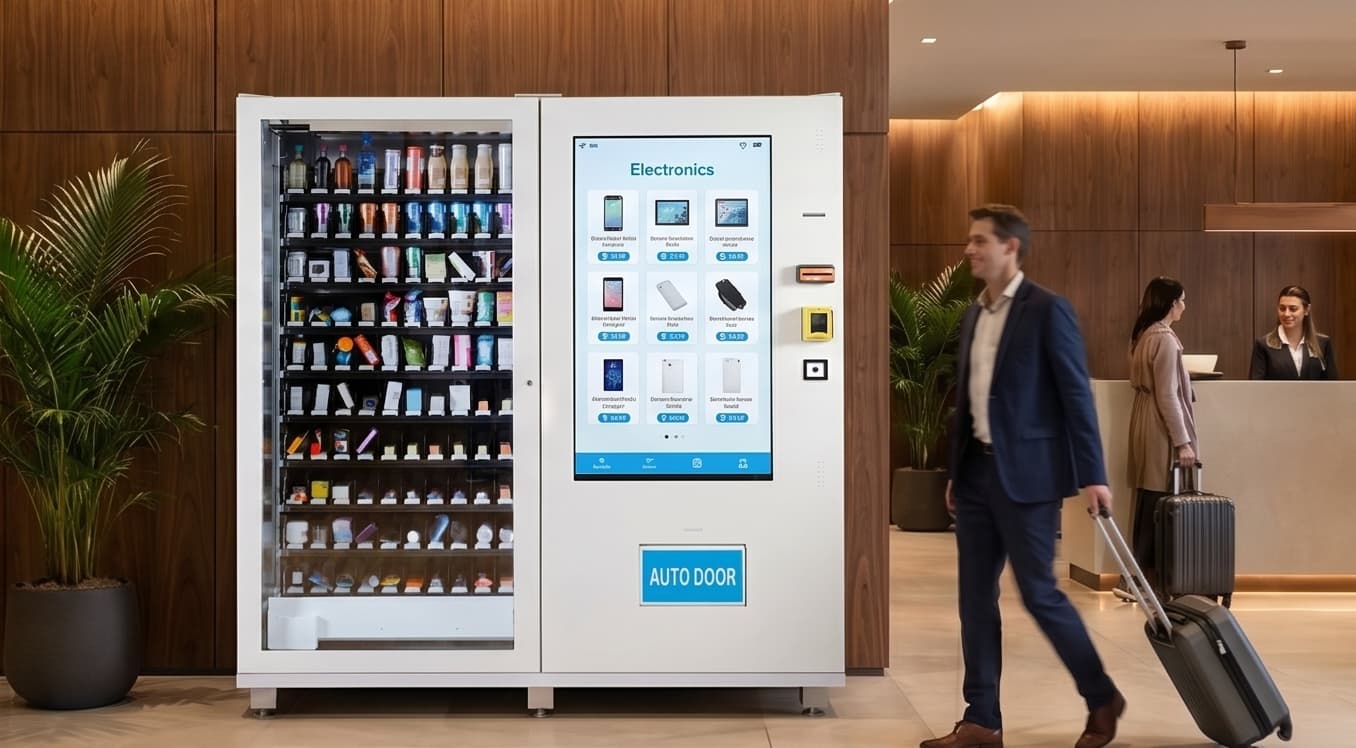
High-tech vending machines for sale: smart, digital, and custom cabinets with touchscreen UI, certified cashless payment, remote telemetry, and configurable dispense.
Read Post »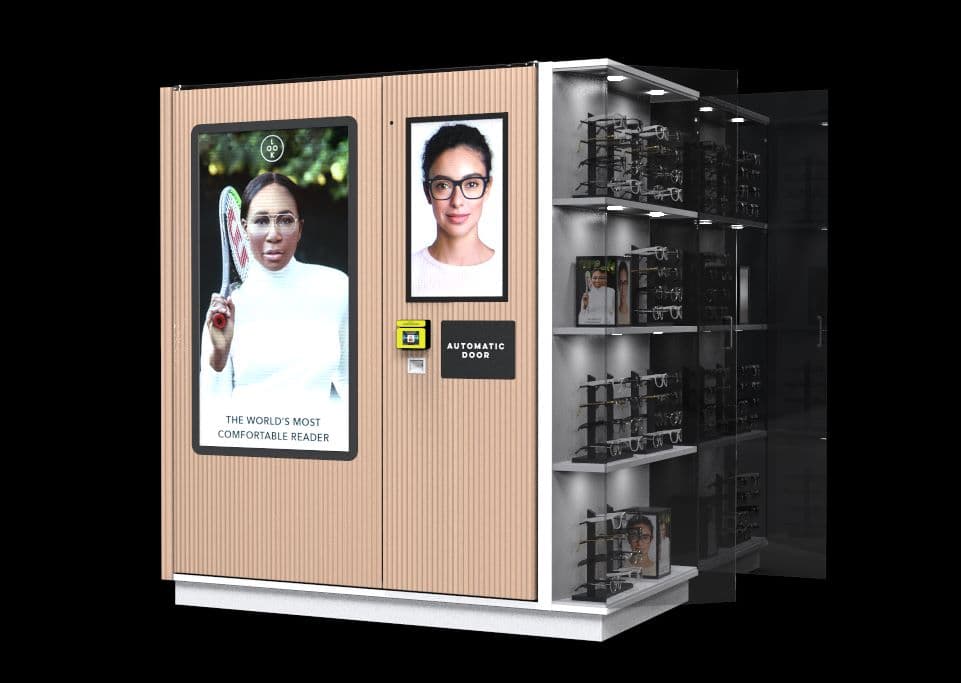
Operator-side personalization in vending: location, daypart, loyalty, and analytics with privacy-safe boundaries on cameras, biometrics, and retention.
Read Post »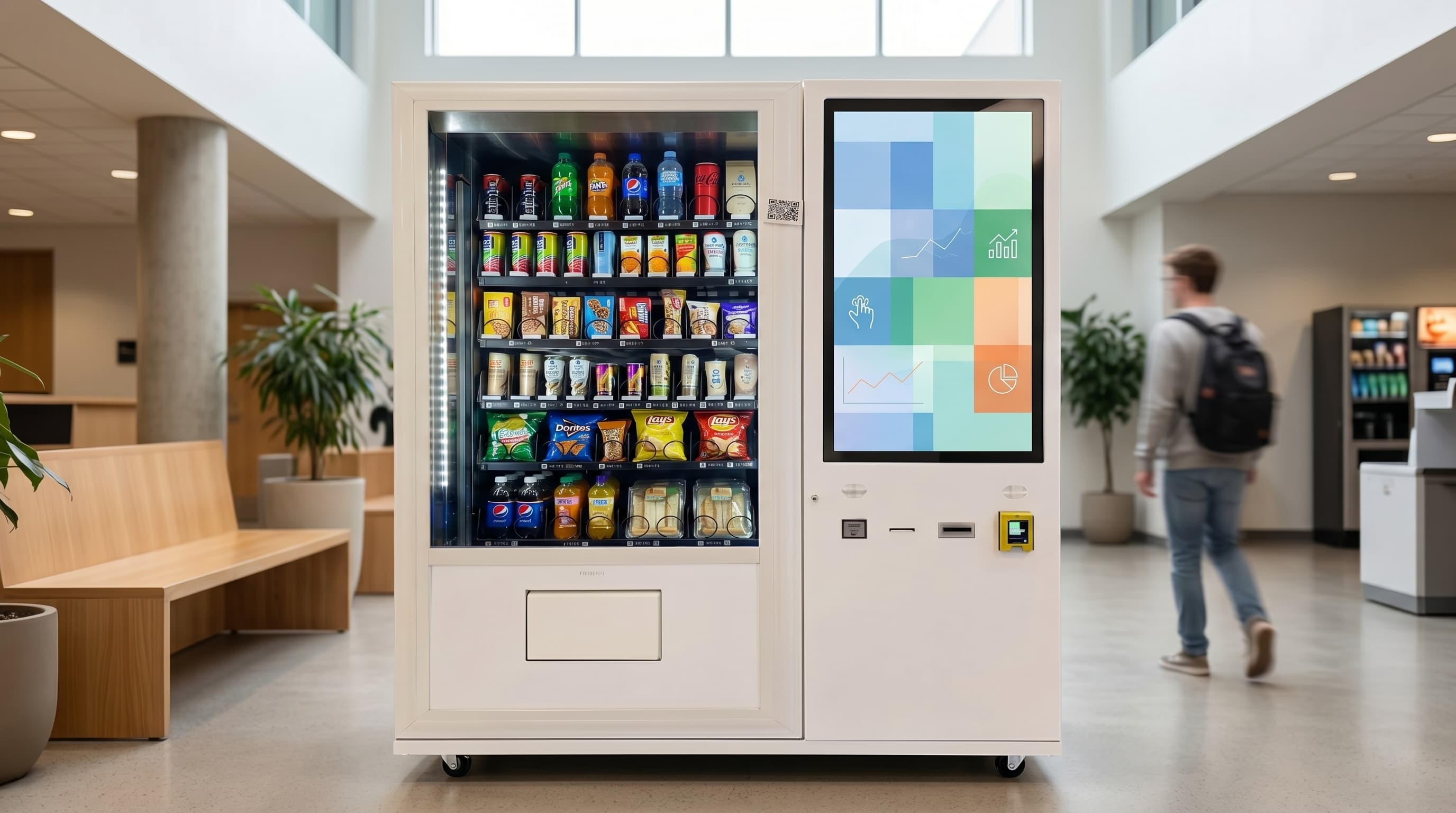
Operator guide to machine vision in vending: dispense verification, inventory, condition, tamper detection, and privacy-safe scope without biometric creep.
Read Post »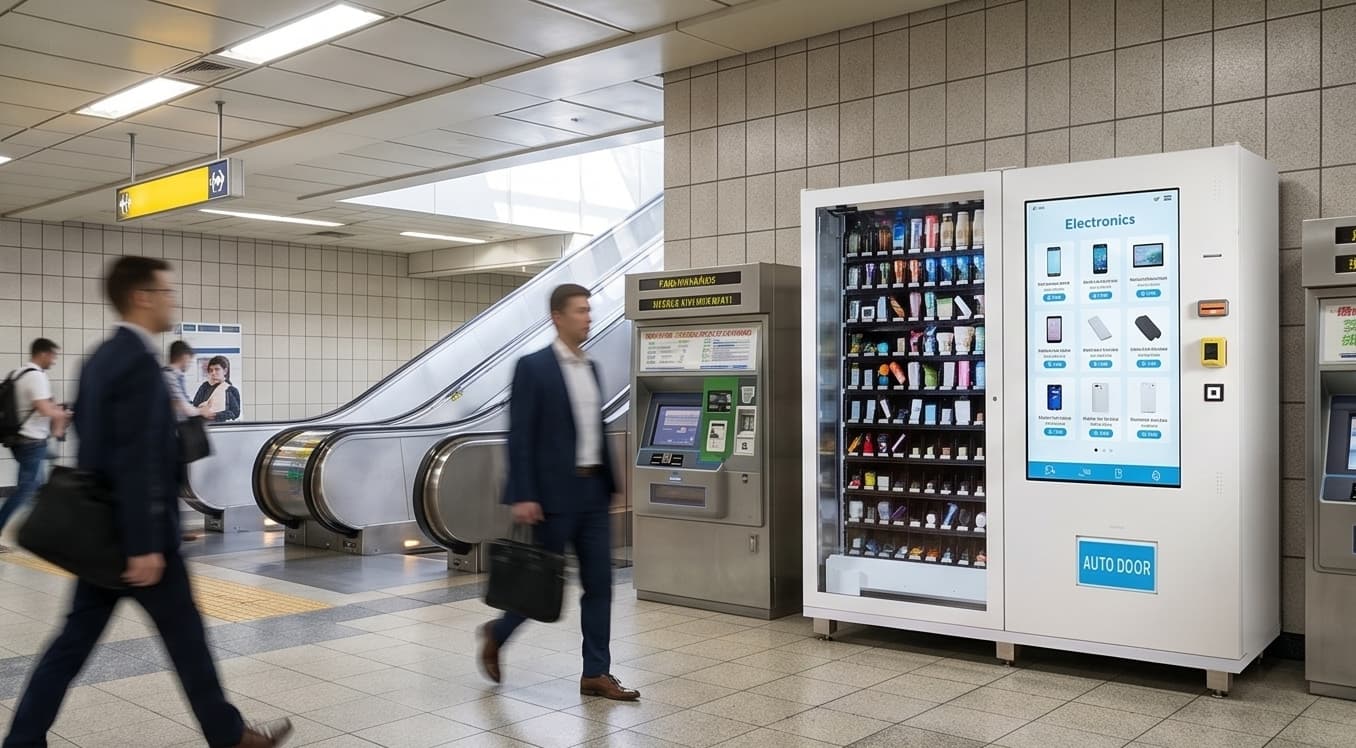
Convenience store vending machines: large-format touchscreen cabinets for 24/7 unattended retail, with broader assortment, cashless checkout, and remote telemetry.
Read Post »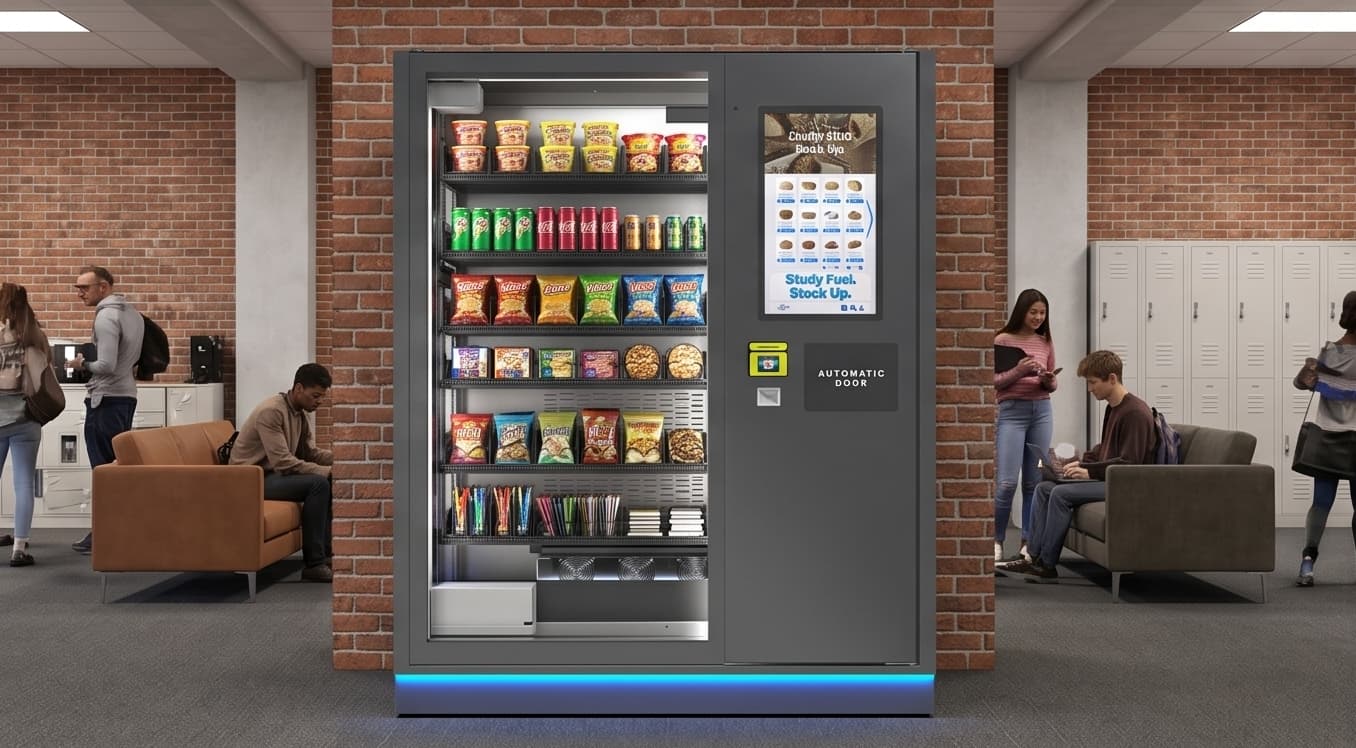
Custom vending machines for education: programme types, payment logic, ownership, and the metrics that decide whether the cabinet earns its keep.
Read Post »Book vending machines for schools: Harper Elementary, Inchy’s Bookworm, campus tech-supply use cases, and the operating questions a district must answer.
Read Post »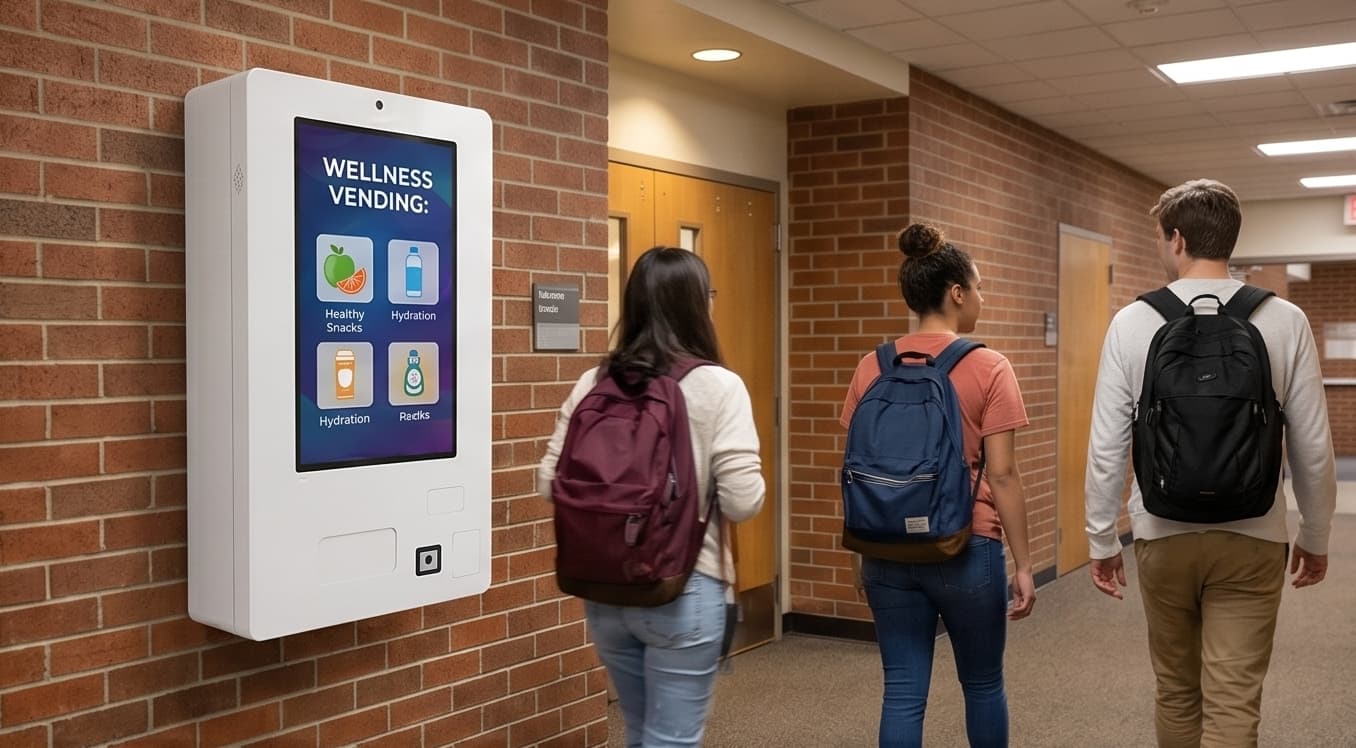
Healthcare vending machines: controlled dispensing of PPE, OTC, and medical supplies in hospitals, clinics, airports, and travel hubs.
Read Post »Med spa vending machines for towel dispensing and aftercare retail: format, payment, planogram, and conservative wellness merchandising rules.
Read Post »Pharmacy vending machines for OTC products, supply dispensing, and secure pickup workflows, with audit trails and compliance boundaries clearly defined.
Read Post »Tet vending in Vietnam: payment, planogram, venue, and pilot strategy for seasonal custom retail, with clear caveats about weak market-sizing data.
Read Post »What a custom vending machine manufacturer actually builds: planogram-led specs, MDB and DEX support, payment, climate control, hardening, and service commitments.
Read Post »
How SMBs use automated retail solutions to extend selling hours, reduce staffing pressure, and manage unattended sales with cashless payments and cloud telemetry.
Read Post »
What cloud-based vending actually means for SMBs: machine telemetry, remote inventory control, fault alerts, cashless payments, and the connectivity discipline behind it.
Read Post »How universities deploy wellness vending machines for health, hygiene, and harm-reduction access, with real program examples, hardware requirements, and privacy boundaries.
Read Post »
High tech vending machines for sale: how smart touchscreen electronics vending handles phones, tablets, accessories, anti-theft pickup, cashless payments, and telemetry.
Read Post »A smart vending machine combines cashless payments, touchscreen merchandising, and cloud telemetry. This operator guide explains how healthy, custom, and smart vending overlap, where the economics differ, and how to spec the right machine for the venue.
Read Post »
An experiential vending machine is a bespoke automated retail unit built for events, brand activations, and pop-up retail. This guide explains custom fabrication, interaction design, payment flow, telemetry, and the metrics that make activation vending commercially defensible.
Read Post »How vending machine dynamic pricing works on cloud-connected machines, where it makes sense, and which operator guardrails matter before anyone starts chasing clever margin theory.
Read Post »How an automated vending kiosk becomes an autonomous convenience-store solution: touchscreen UX, cashless payments, telemetry, inventory breadth, and venue fit.
Read Post »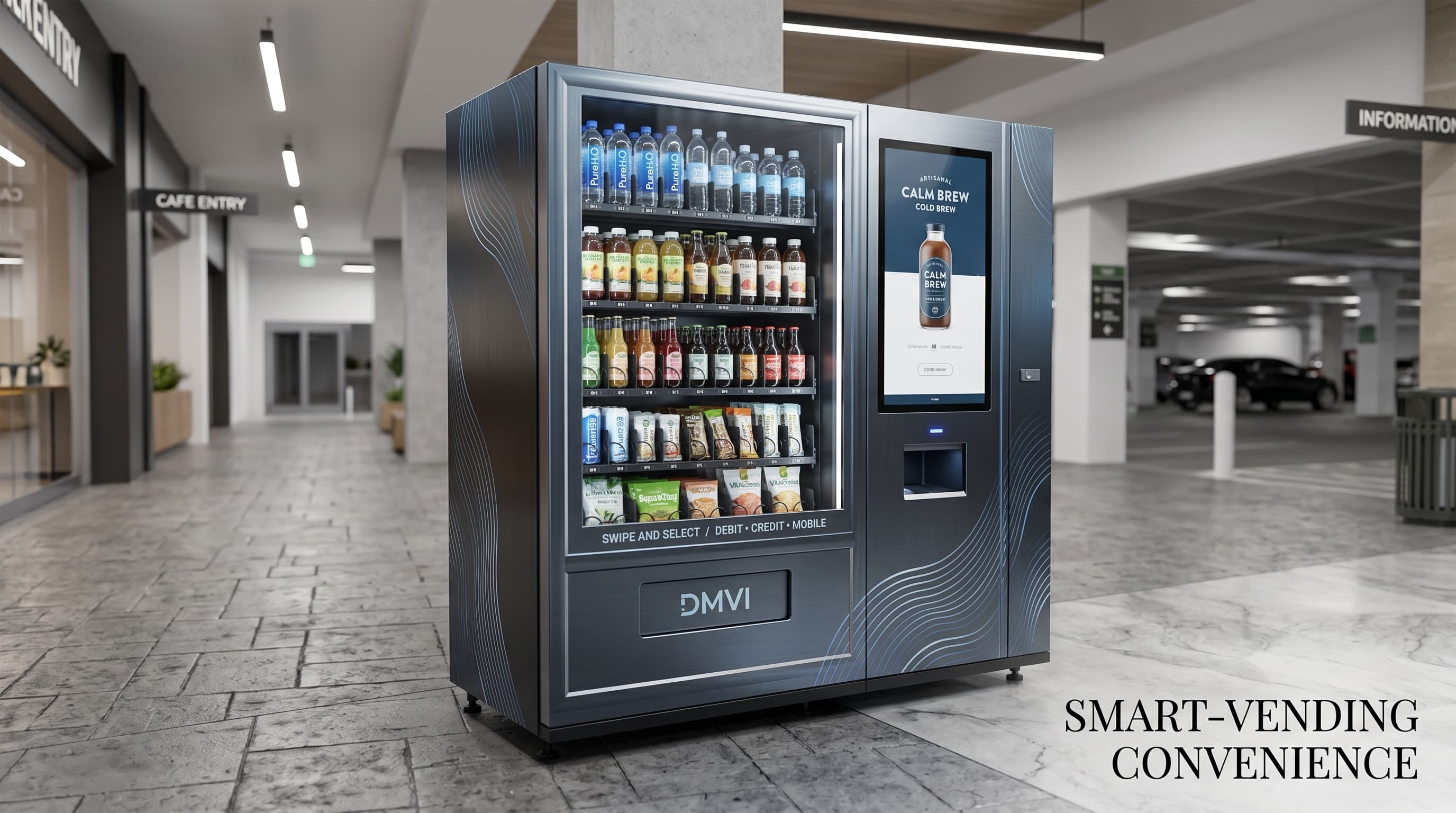
How smart vending machines improve sales through cashless payments, telemetry, and better merchandising — and why headline uplift claims need venue-specific caution.
Read Post »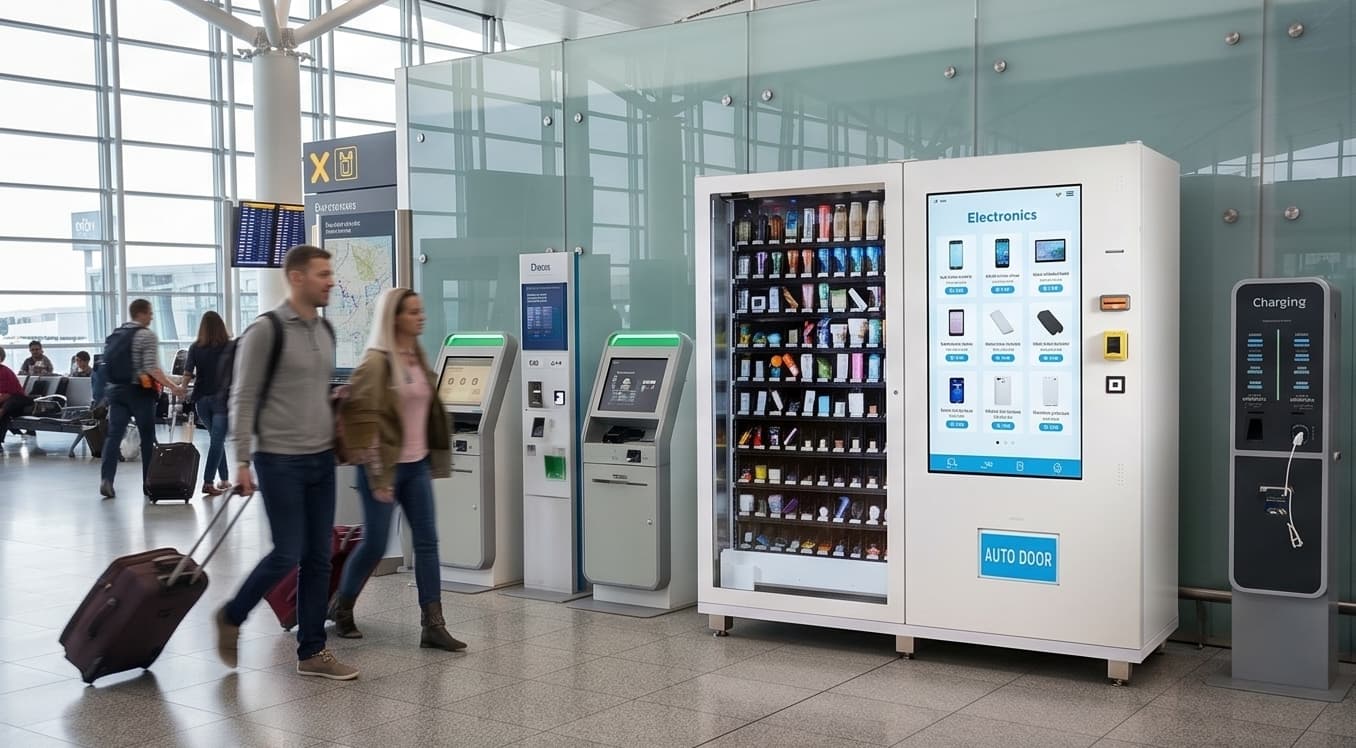
How airport vending machines work in terminals and transit hubs: travel-retail product mix, airside service constraints, cashless payments, security hardware, and telemetry-driven restocking.
Read Post »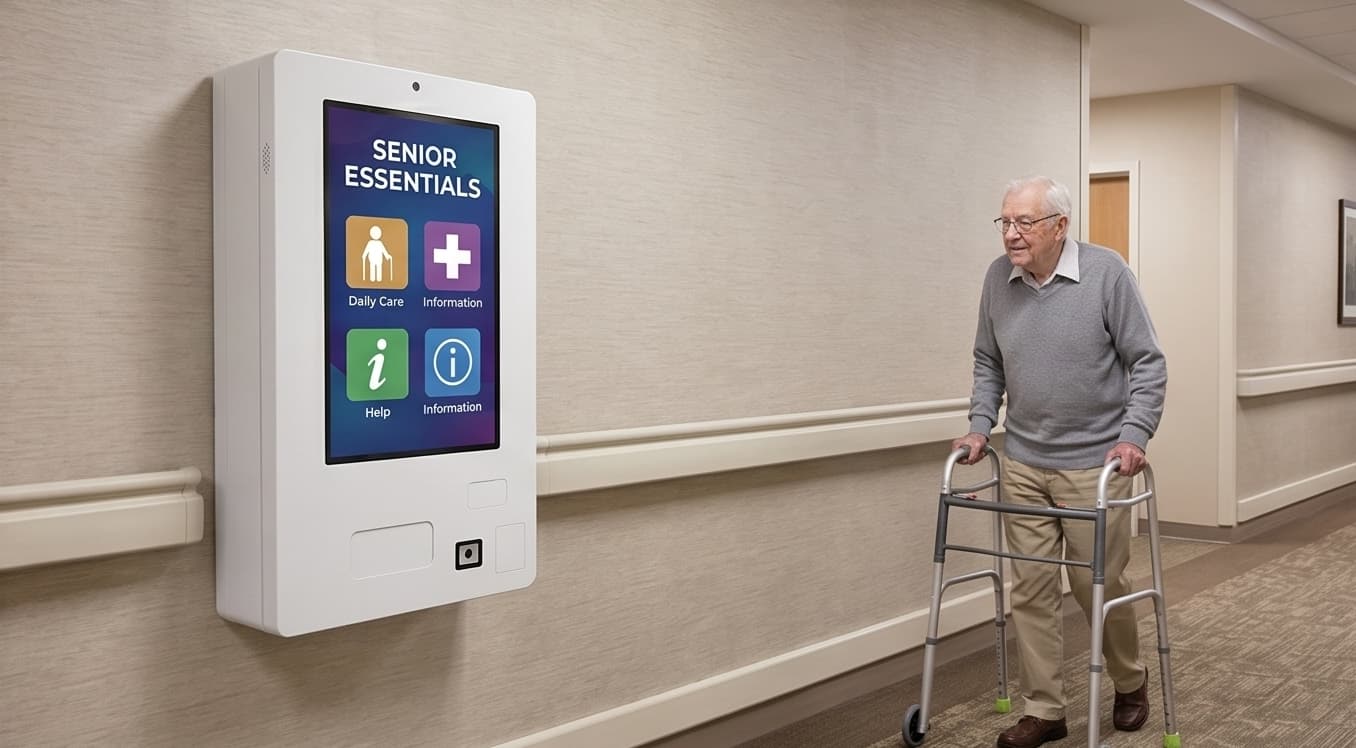
How vending machines for senior living work in care homes and assisted-living settings: accessible hardware, resident-friendly product mix, visitor convenience, and staff-support planning.
Read Post »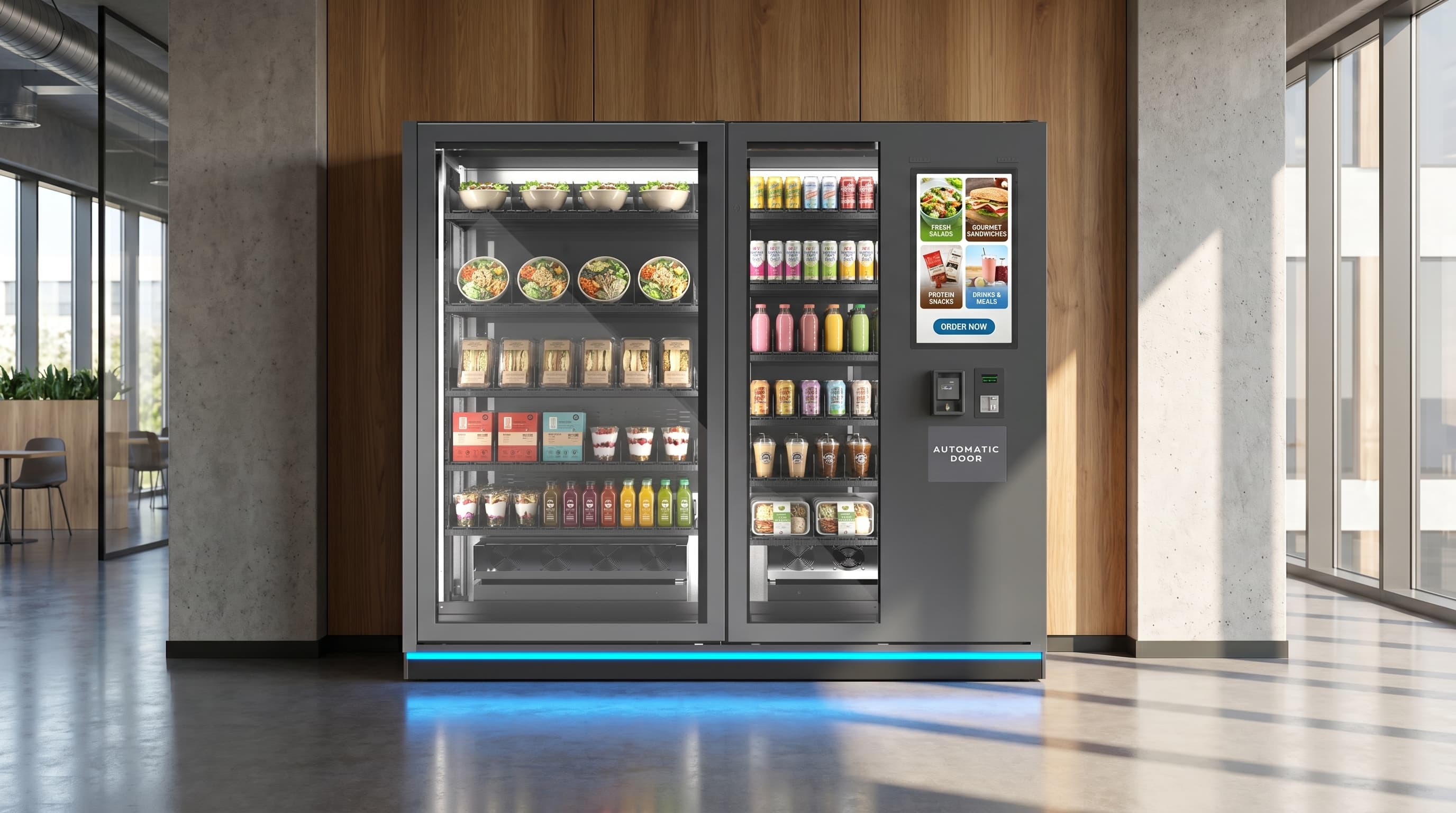
The practical lessons vending operators learn across changing demand cycles: flexible hardware, venue fit, cashless readiness, telemetry, and when customisation actually matters.
Read Post »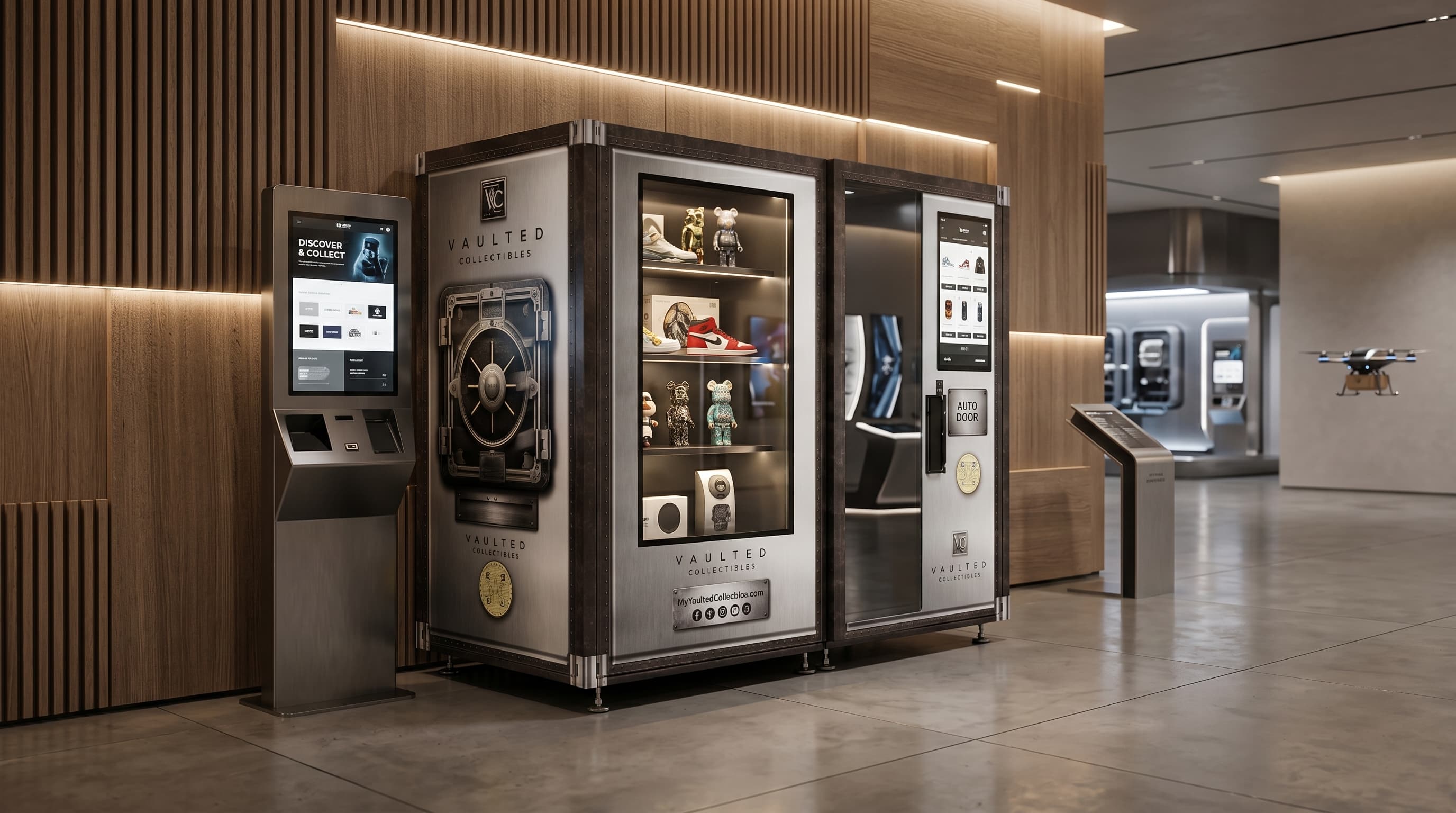
A strategic look at vending machine innovation: how payments, telemetry, digital interfaces, and autonomous retail changed the way operators deploy automated retail.
Read Post »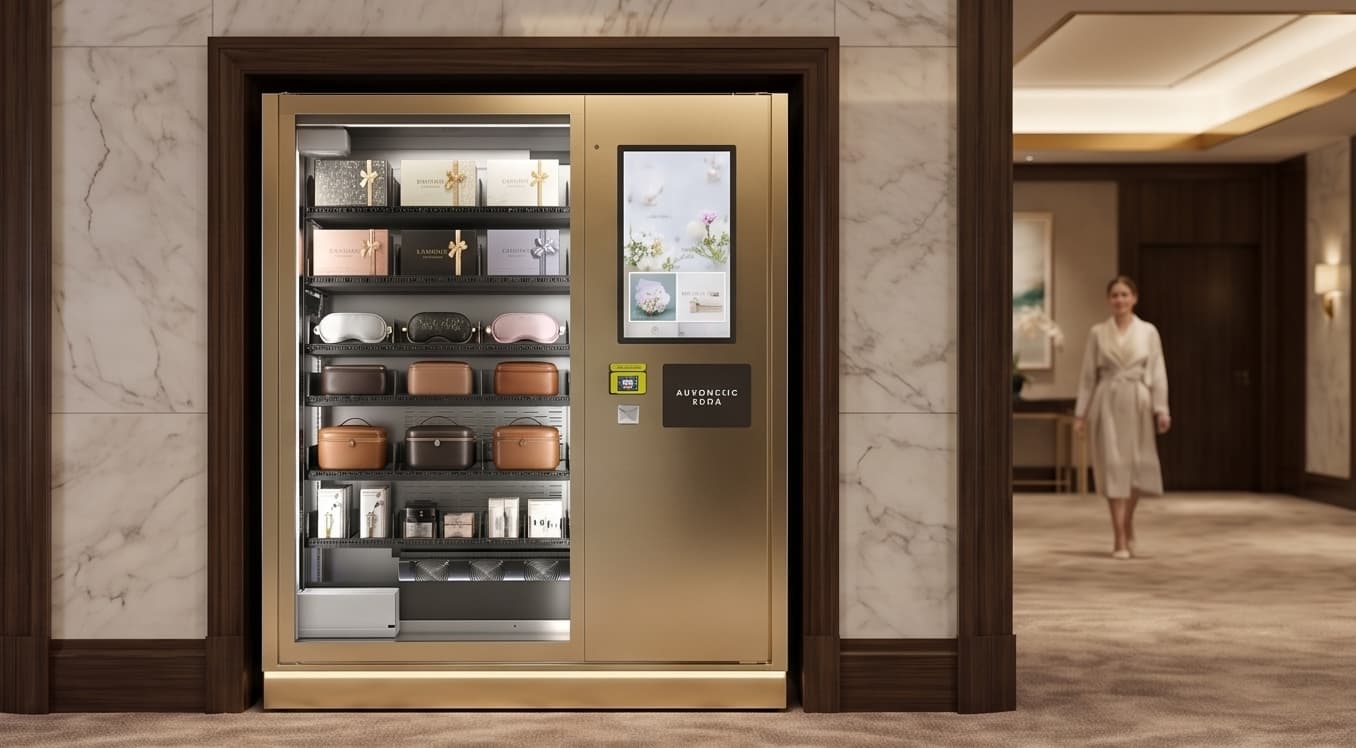
Where perfume vending machines fit, why luxury fragrance automation is harder than snack vending, and which hardware, climate, and merchandising controls matter most.
Read Post »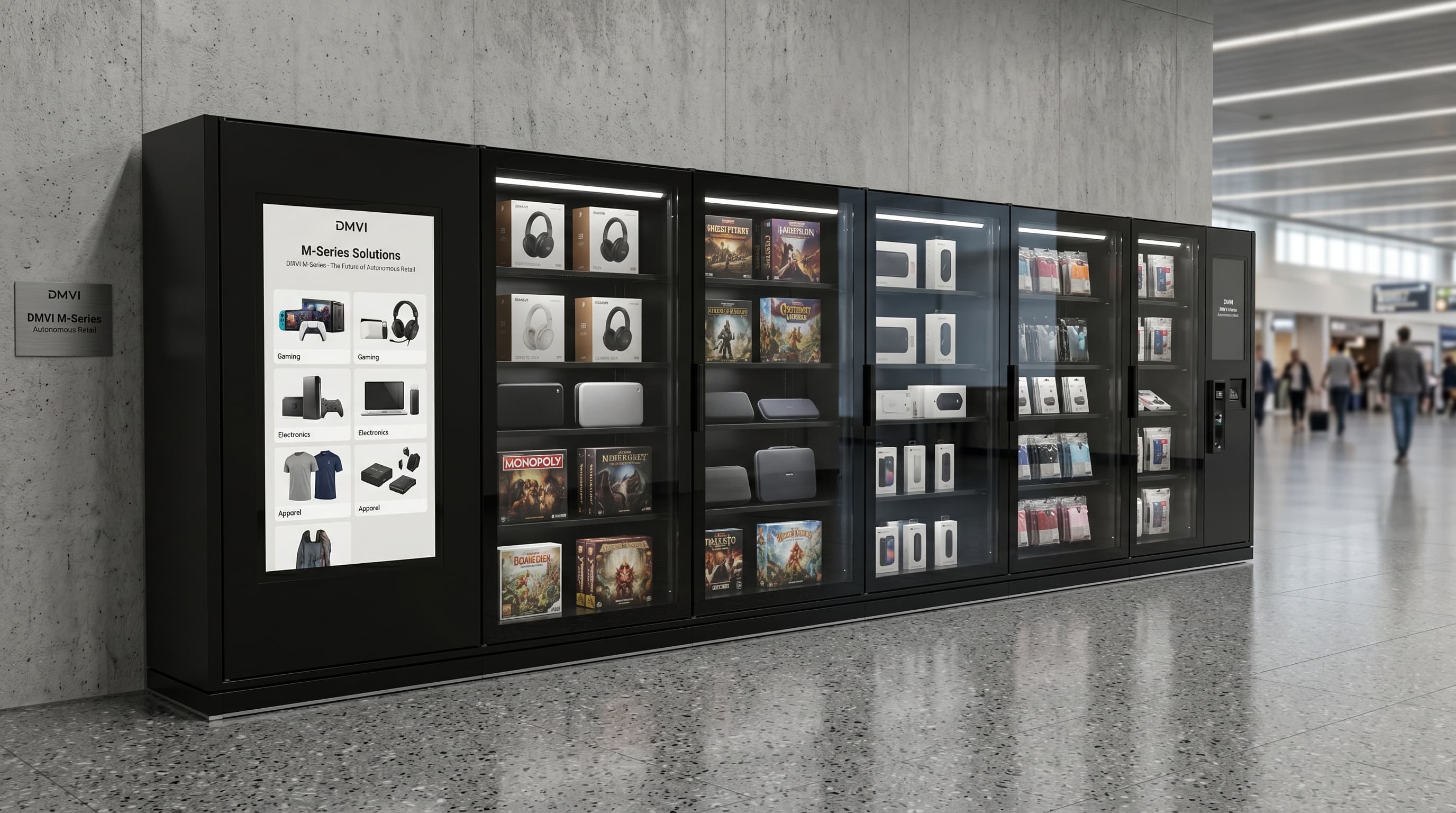
What vending machine analytics really covers, which telemetry and route data cloud-connected machines produce, and where operators should be sceptical of overblown AI claims.
Read Post »The history of vending machines spans two thousand years, from Hero of Alexandria’s coin-operated dispenser to the MDB, DEX, cashless, and cloud-connected systems behind modern automated retail.
Read Post »How trading card vending machines work, why the category suits automated retail, and which security, sourcing, and SKU-drop controls operators need before deploying collectible-card kiosks.
Read Post »What automated retail actually is, which machine formats and control layers make it work, and where custom automated retail unlocks use cases that traditional vending cannot handle well.
Read Post »How custom vending machines improve customer service through faster transactions, off-hours access, remote support, locker pickup workflows, and better uptime visibility for operators.
Read Post »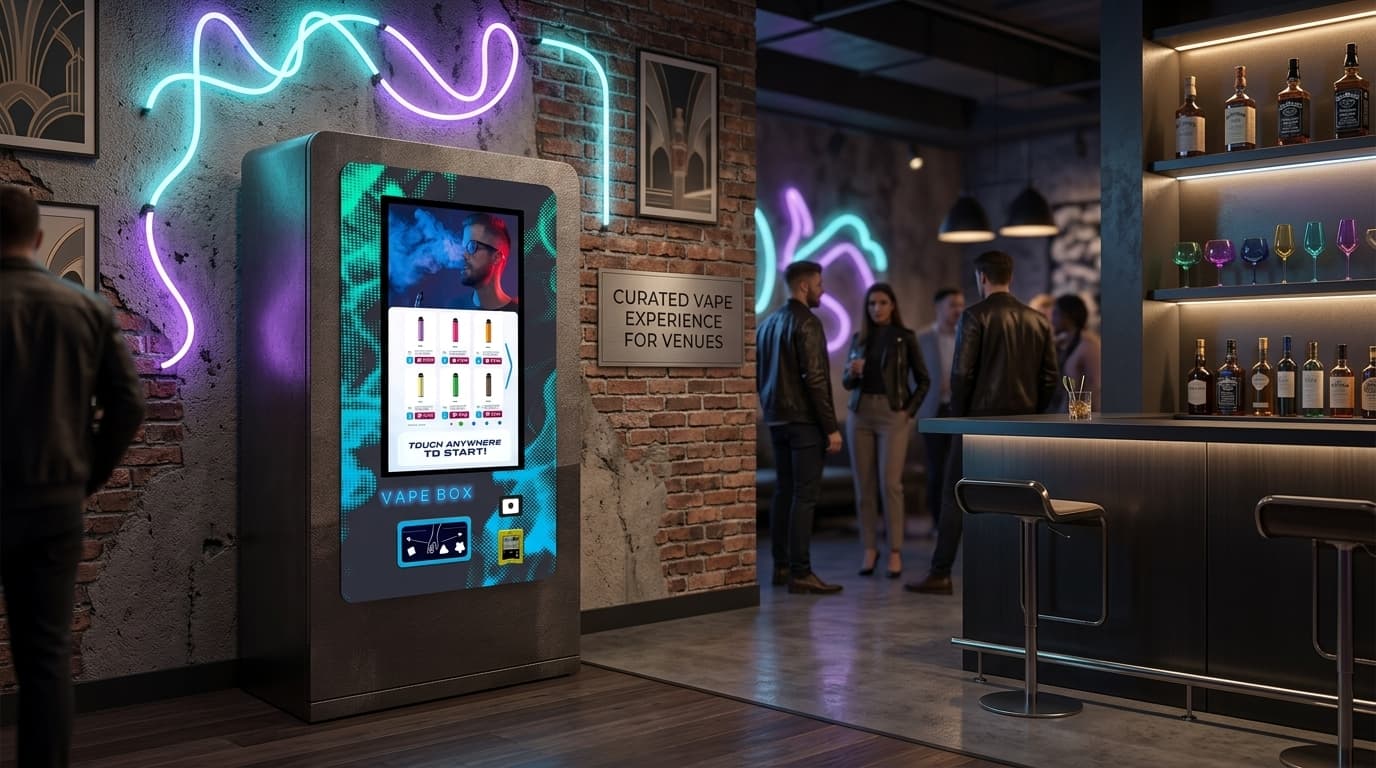
Operator guidance for vape vending in bars and nightlife venues, with age-verification controls, venue workflow, anti-theft hardware, SKU restrictions, and compliance-first setup. Not legal advice.
Read Post »How vending machine operators protect margins during inflation through FRED PPI tracking, selective pricing, assortment shifts, route density, and cashless-friendly price control.
Read Post »How touchscreen robotic vending machines replace small-format convenience-store and grocery shelves with mixed-temperature, cashless, 24/7 automated retail.
Read Post »A practical execution guide for vending operators moving from cash-only route work to cashless, telemetry-driven, customizable automated retail.
Read Post »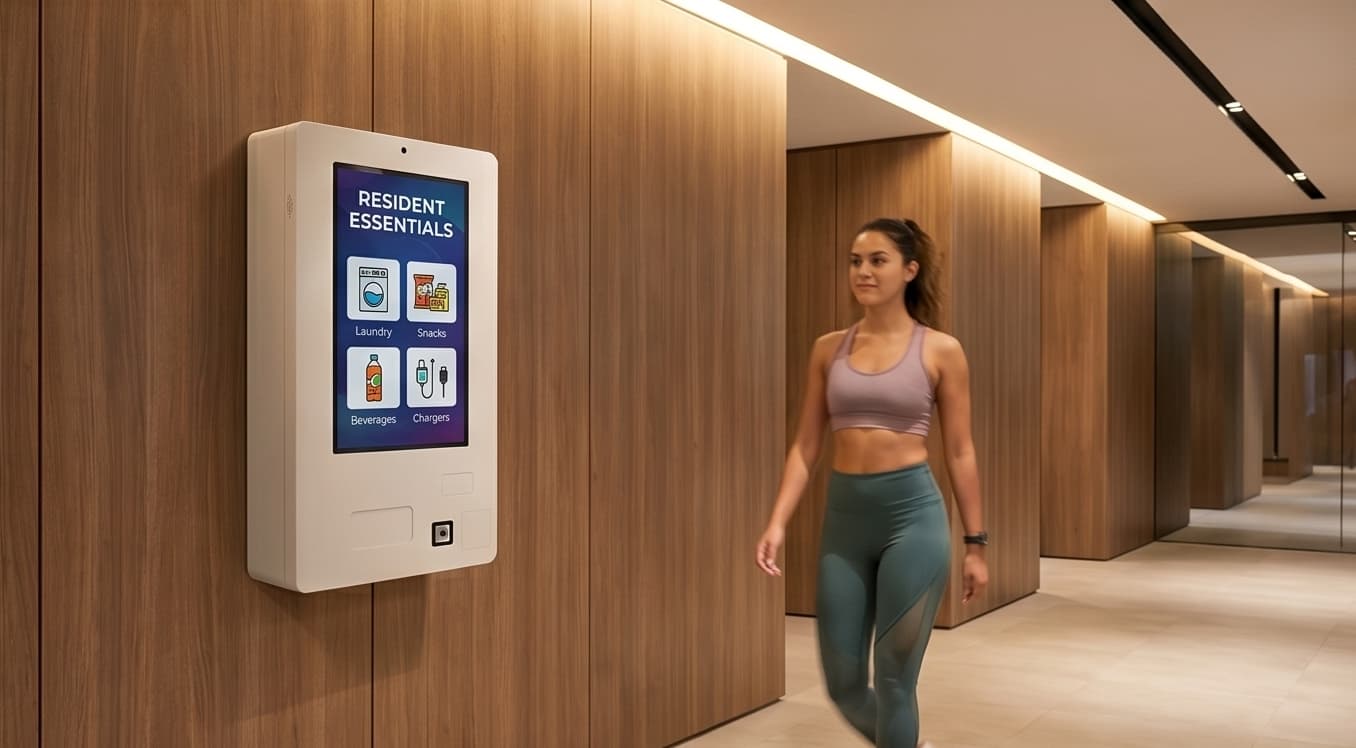
How vending machine leasing works, when to lease versus buy versus revenue share, and which contract clauses matter before an operator signs anything.
Read Post »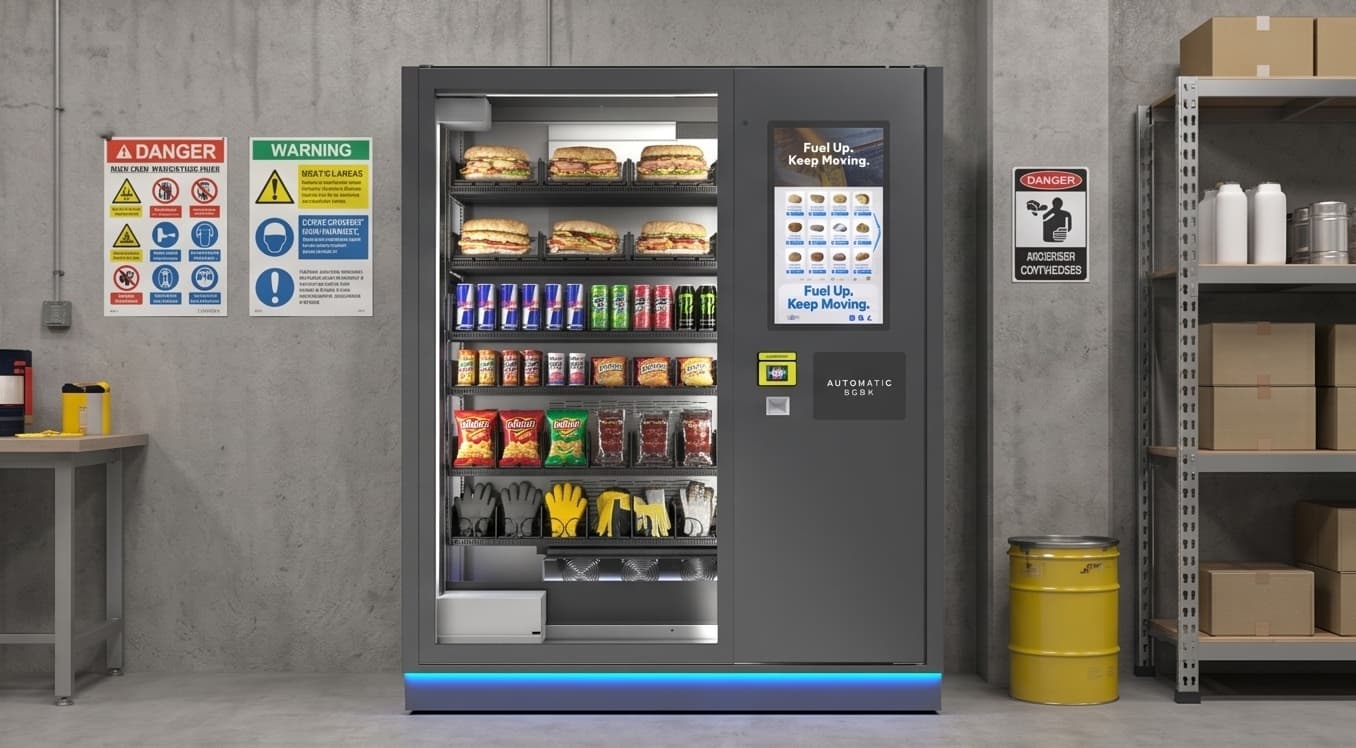
How conveyor vending machines use lift-and-belt delivery to protect fragile, refrigerated, and premium products that would fail in a standard coil-drop machine.
Read Post »How cupcake vending machines work in the real world, from gentle vend mechanics and refrigerated storage to packaging integrity, pull dates, and route economics.
Read Post »Bean-to-cup versus instant coffee vending machines, milk-system trade-offs, cleaning reality, and which venues actually support the unit economics.
Read Post »What a digital vending machine actually adds to convenience: touchscreen browsing, cashless checkout, remote stock visibility, and a more reliable pickup flow.
Read Post »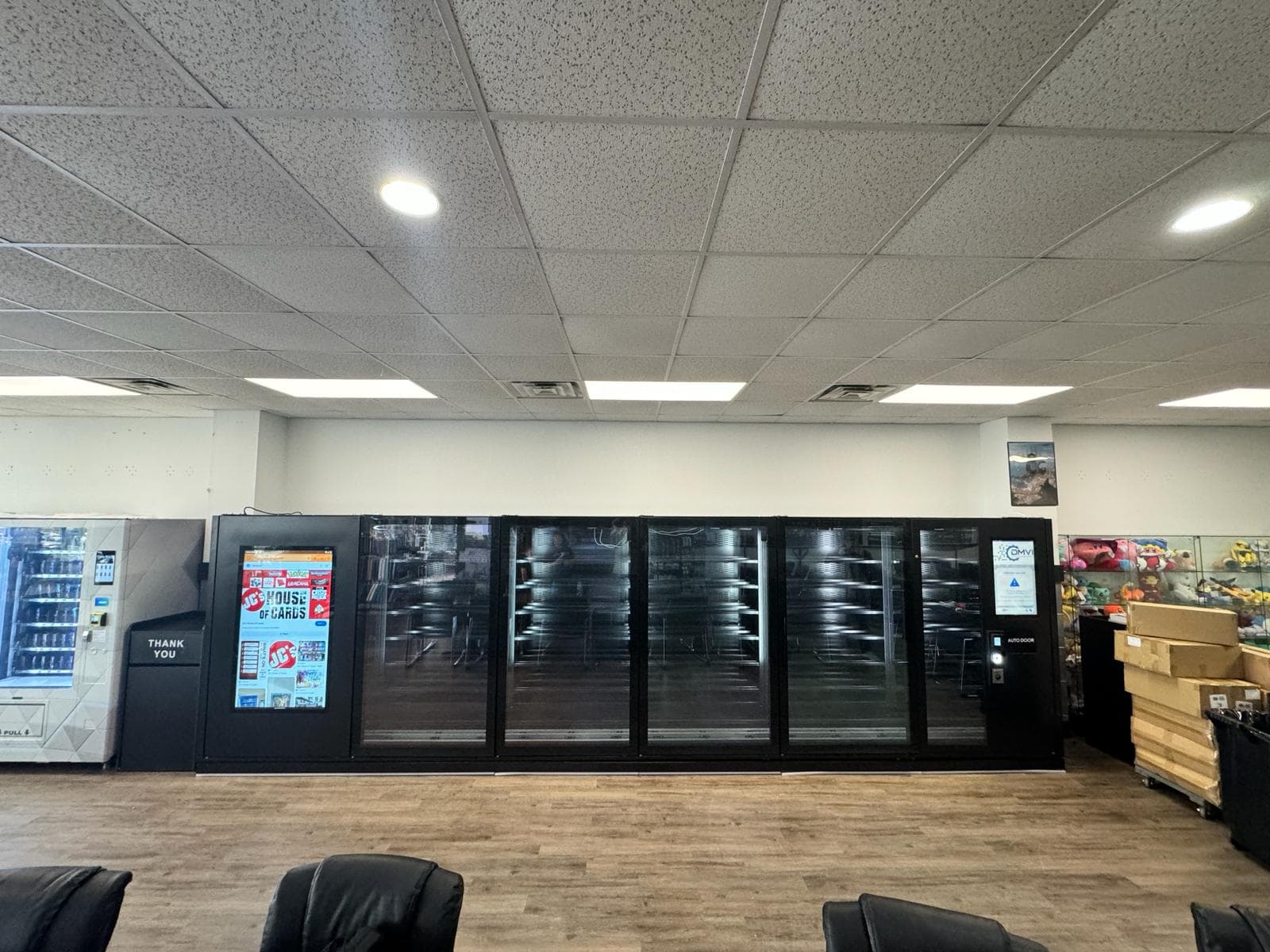
How innovative vending machines actually make money: site fit, cashless conversion, telemetry, and the unit economics behind a real route.
Read Post »
Ten vending machine ideas judged by venue fit, margin profile, replenishment intensity, and operational realism instead of novelty alone.
Read Post »The vending BI metrics that actually change route behavior: SKU velocity, stockouts, service-trip cost, and margin per visit.
Read Post »What a futuristic vending machine really runs: touchscreen UX, cashless rails, telemetry, remote inventory, and the connected stack that actually pays back.
Read Post »How custom vending machines are specified: cabinet, vend mechanism, planogram, payment stack, telemetry, and brand wrap from brief to build.
Read Post »How real-time payments work in vending: NFC, QR, mobile wallets, settlement timing, offline risk, chargebacks, and reconciliation flows.
Read Post »Smart vending machine security covers cabinet hardening, connectivity choices, credential discipline, and PCI-aware payment protection for operators.
Read Post »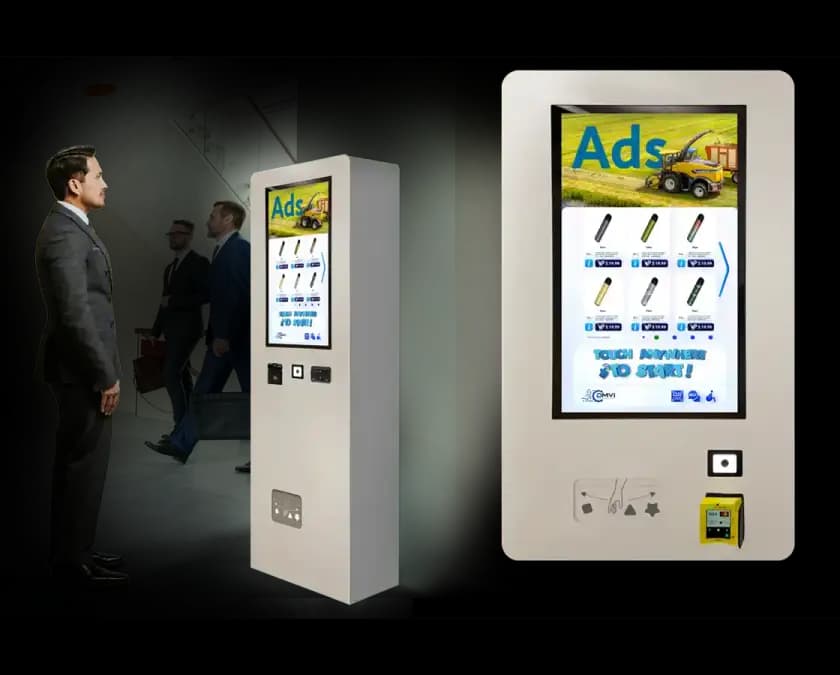
A wall-mounted vape vending machine only makes sense when age verification, venue controls, product authorization, and servicing access are designed properly from the start.
Read Post »A smart vending machine is a cloud-connected, cashless retail cabinet with real-time telemetry. Here is the operator-grade definition, core components, transaction flow, and practical value.
Read Post »Cashless vending runs on contactless cards, mobile wallets, and QR flows. Here is the operator outlook on adoption, settlement, offline risk, and where cash still survives.
Read Post »The DMVI blog covers automated retail strategy, AI-powered vending and micro-market deployments, machine formats including smart cabinets and refrigerated fridges, age-verified and licensed-retail vending, PPE and industrial supply automation, and the operator economics that decide whether a vending program actually pays. It is written for buyers, operators, and brand teams.
The DMVI blog is read by hotel and airport retail managers evaluating concessions, healthcare and corporate facilities buyers scoping unattended retail, licensed-retail operators considering automated alcohol vending, brand and category managers running pilots, and vending-industry professionals tracking AI, telemetry, and micro-market trends. The content is operator-grade rather than consumer-focused.
The DMVI blog is updated as new product, deployment, and compliance information becomes available. Existing posts are revised when the underlying technology, regulatory environment, or product line changes, so an older URL may carry materially updated guidance rather than being treated as stale archive.
Retired DMVI blog URLs are 301 redirected either to the most relevant evergreen post or to the blog index, preserving inbound link equity and search rankings. Several hundred legacy URLs from earlier site iterations resolve to consolidated, current pages so the operator content stays canonical and search-visible.
The DMVI blog is structured around six operator-facing clusters: Smart Vending & AI, Micro-Markets & Smart Fridges, Liquor & Age-Restricted Vending, Industrial & PPE Vending, Custom Vending Machine Builds, and Operator Economics. Each cluster aggregates posts that share a deployment context so buyers can move from category to specific deployment guidance quickly.