Choosing the Right Vending Machine for Sale: Smart & Touchscreen Options
Choosing the right vending machine can be a genuine commercial lever, not just a hardware purchase. The best unit for your business depends on what you want to sell, where the machine will sit, how much customer traffic you expect, and how much technology the location actually needs.
If you are comparing a vending machine for sale, the temptation is to shop by cabinet appearance or price first. In practice, the stronger buying decision comes from matching the machine format to the venue, the product mix, and the operating model. A touchscreen machine in the wrong setting can be overkill; a compact machine in a high-demand location can leave money on the table.
This guide walks through the main machine types, the site-planning questions that matter, and the commercial factors to assess before you buy.
If you want external benchmarks while comparing options, NAMA's technology overview is a solid industry-level reference, and ENERGY STAR's vending machine guidance is worth a look before you assume a cheaper cabinet is the cheaper long-term option.
Understanding the Main Types of Vending Machines
Not every vending machine solves the same problem. Some machines are designed for straightforward snacks and drinks, while others are built to function as connected self-service retail points with digital merchandising, telemetry, and cashless workflows.
- Traditional snack and drink machines: best for proven, simple, high-frequency product mixes.
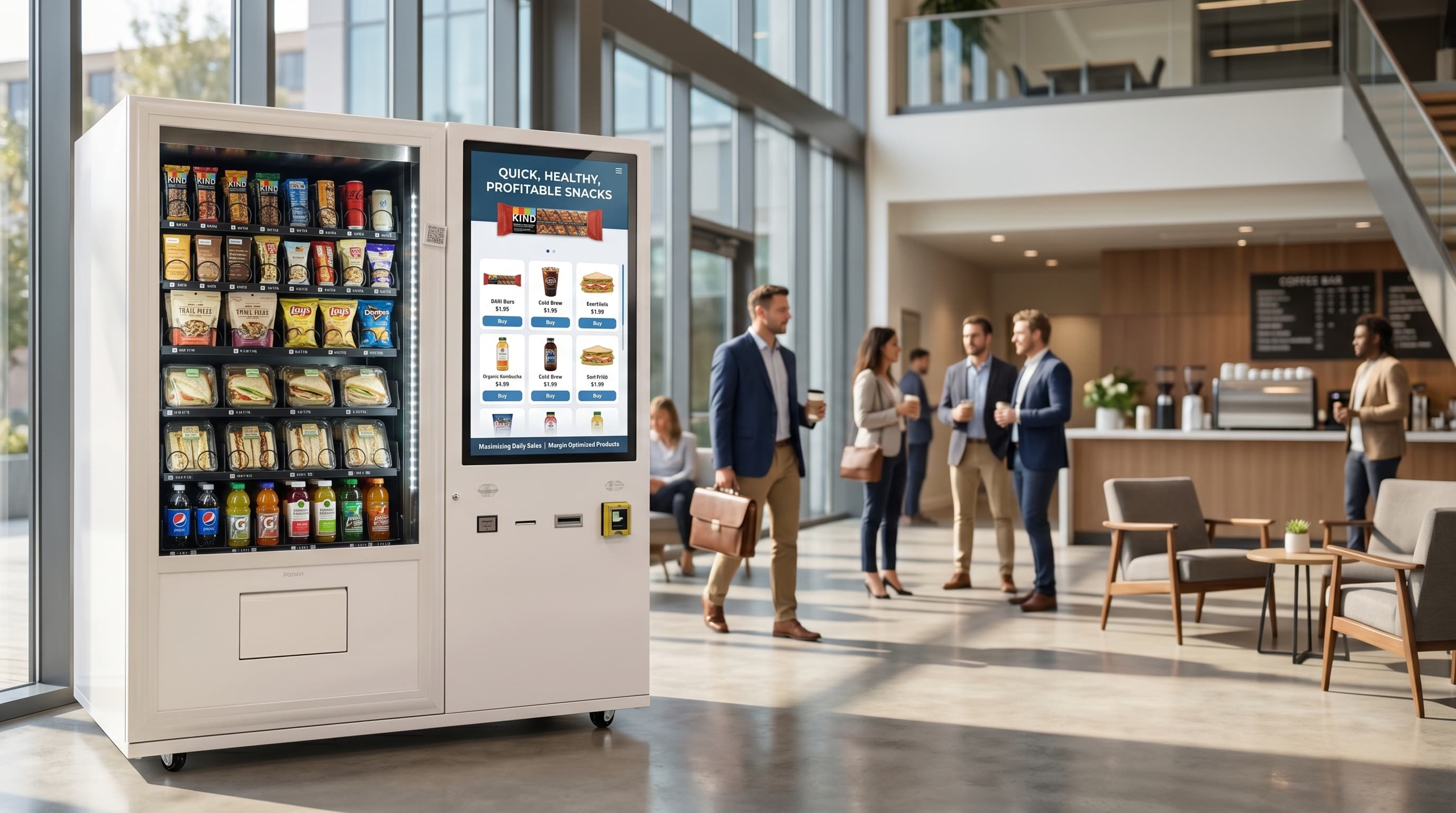
- Smart vending machines: better when you want cashless payments, remote monitoring, inventory visibility, or a more modern customer experience.
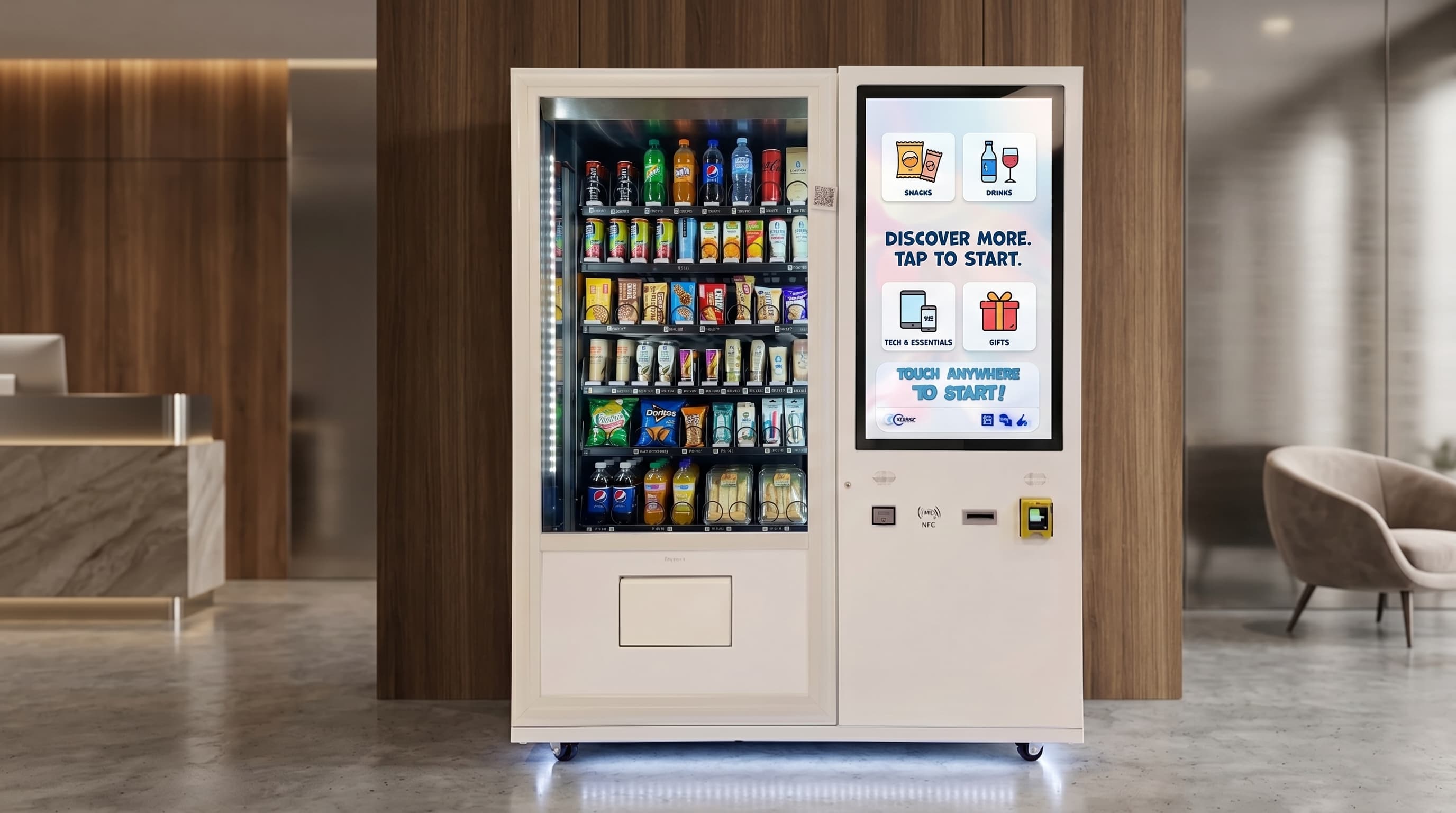
- Touchscreen vending machines: useful when product discovery, guided selling, branding, or on-screen promotions matter.
- Compact and wall-mounted machines: a practical option where floor space is limited but self-service access still matters.
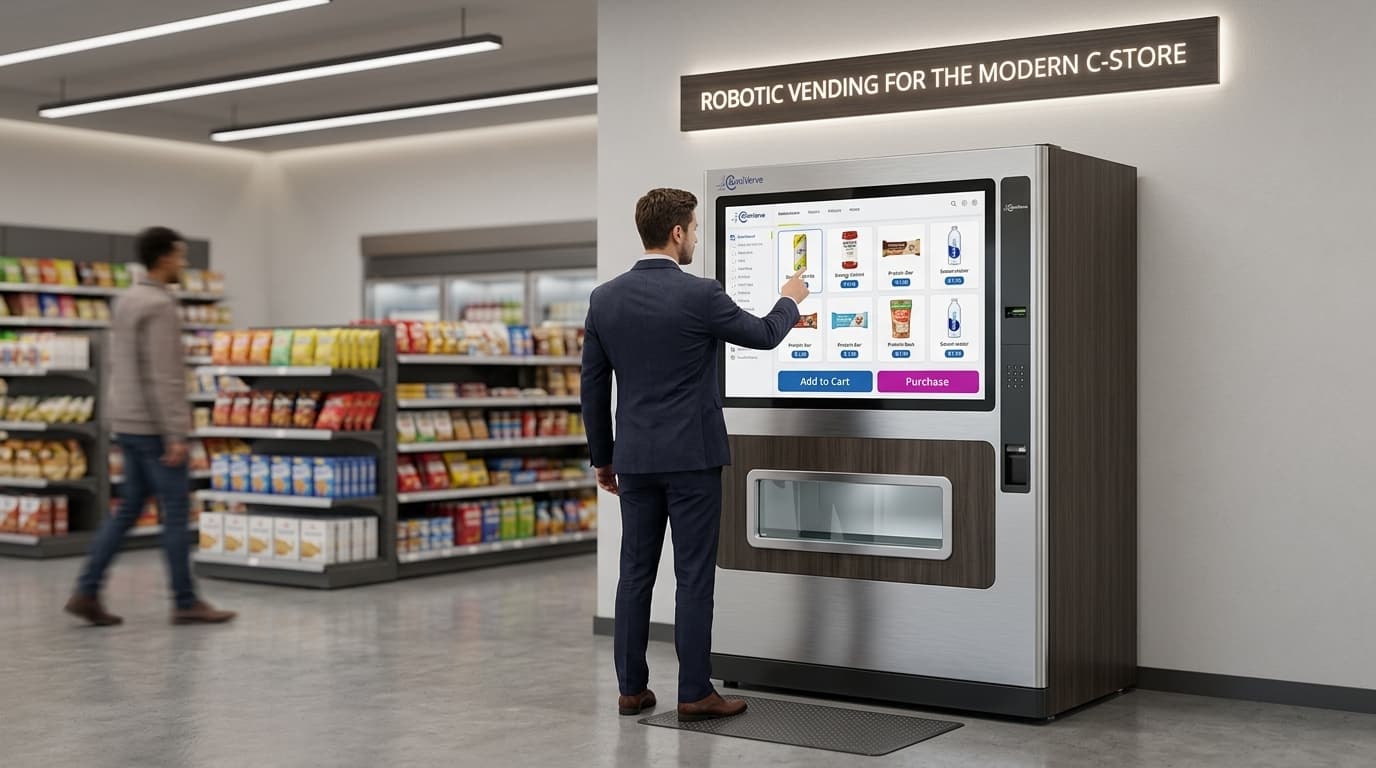
- Large-format vending machines: stronger for broader assortments, larger products, or locations where basket-building matters.
The right answer depends on the commercial job the machine needs to do. If the site simply needs dependable impulse purchases, a standard format may be enough. If the site needs stronger presentation, flexible merchandising, or better reporting, the more connected formats usually justify the extra capability.
Assess Your Location Before You Assess the Hardware
Location should shape the machine choice before features do. A busy airport, a hotel corridor, a gym foyer, and a private office all behave differently. Foot traffic, dwell time, customer demographics, and the type of products people expect to find there should all influence the machine you choose.
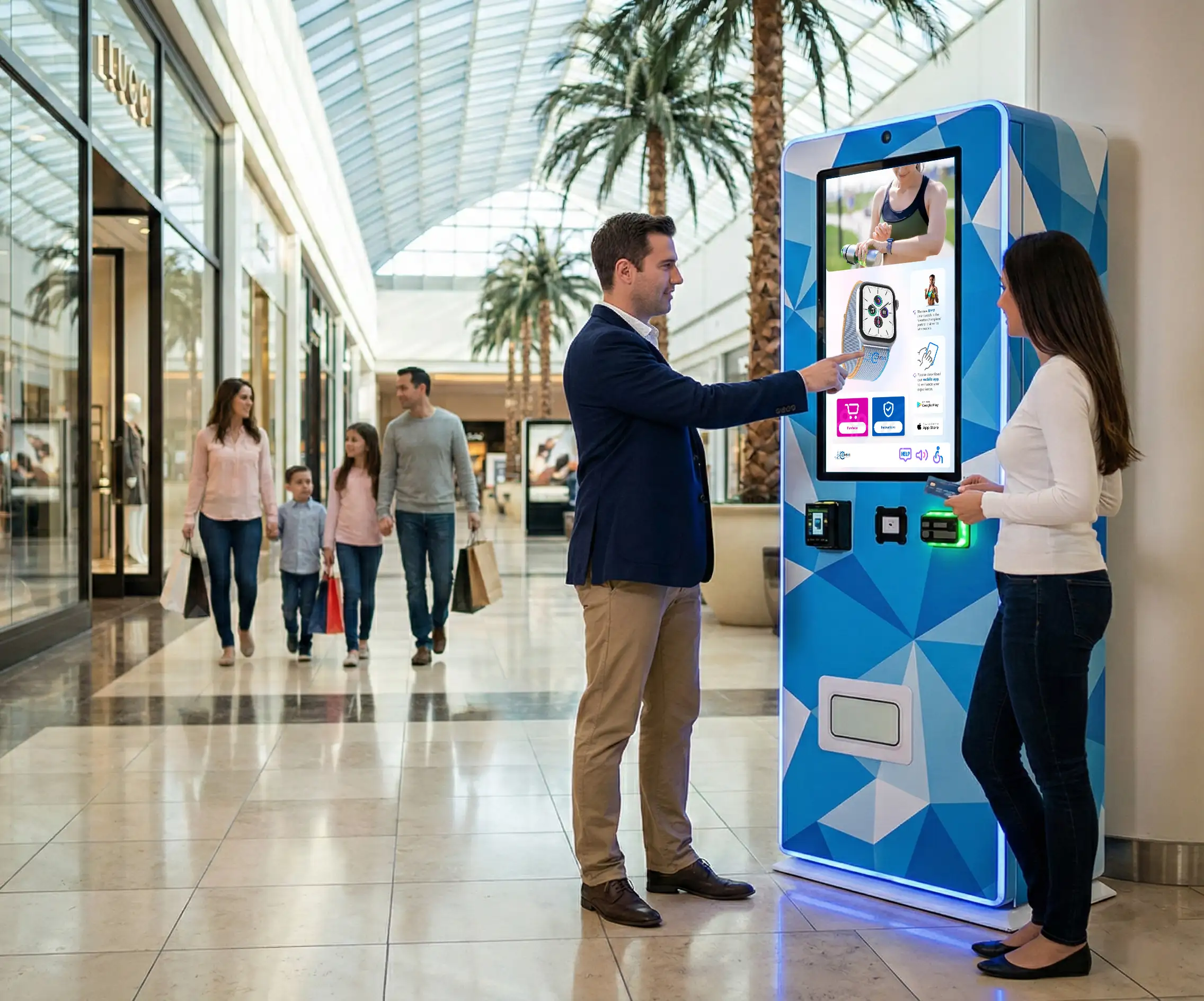
For example, high-footfall public spaces often justify larger screens, cashless convenience, and a broader mix of products because the machine acts more like a miniature retail touchpoint. Smaller private or semi-private environments may be better served by a simpler cabinet with a tighter SKU count and lower service overhead.
Ask a few blunt questions early:
- How many people pass the machine each day?
- Are they browsing, rushing, or returning regularly?
- Do they want impulse snacks, practical essentials, premium products, or grab-and-go convenience?
- Does the venue have the space and power setup for a larger touchscreen machine?
A machine that fits the venue usually outperforms a machine that merely looks impressive in a brochure.
Why Smart Vending Machines Keep Winning More Locations
Smart vending machines are attractive because they combine unattended retail convenience with much stronger operating visibility. Instead of waiting for problems to show up in sales totals, operators can monitor stock levels, payment behavior, product velocity, and service needs from one connected system.
That matters for both customer experience and profitability. Cashless acceptance removes friction at the point of sale, real-time alerts make service more efficient, and machine telemetry gives operators a far better sense of what each location is actually doing.
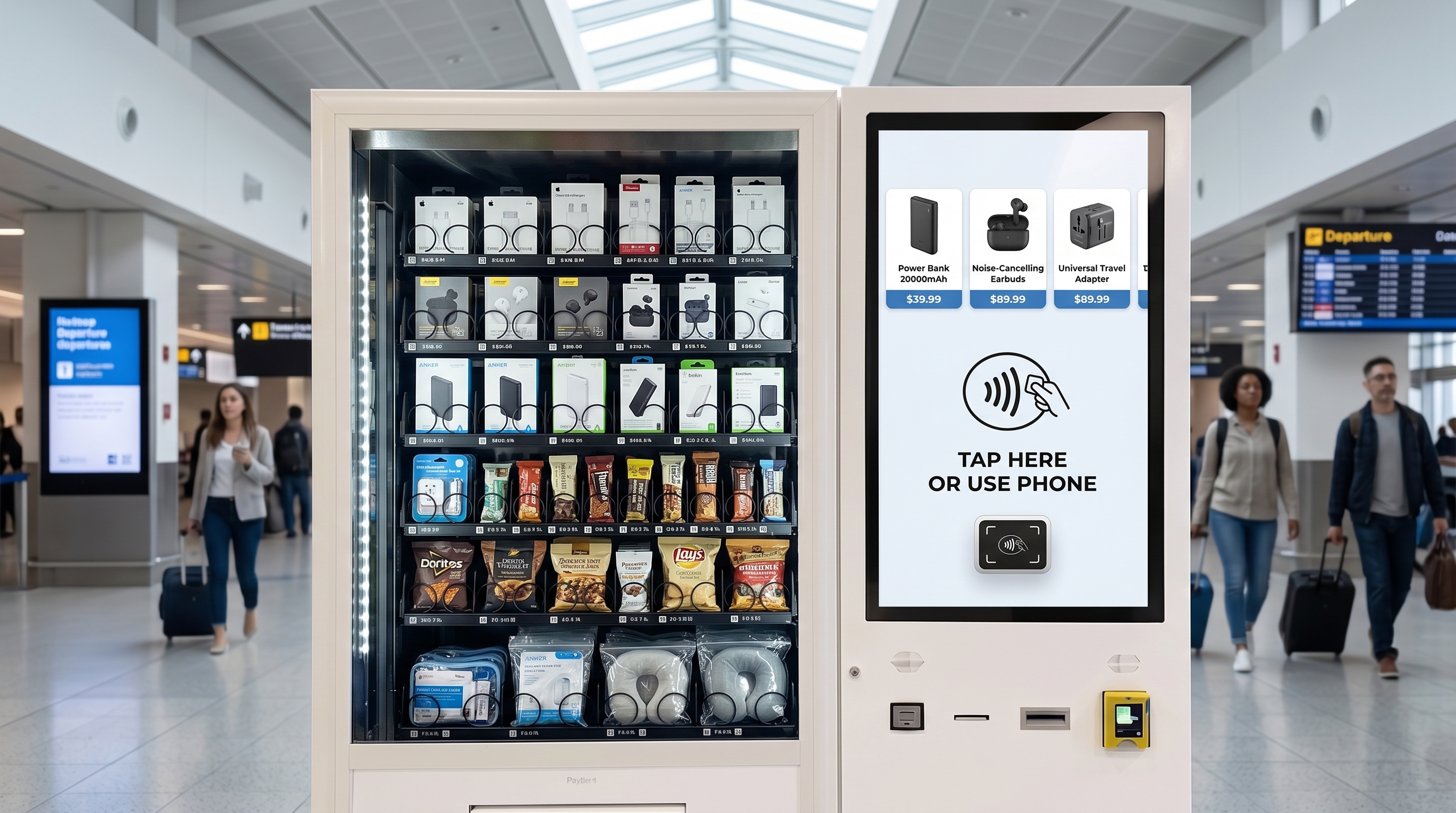
Typical smart-vending advantages include:
- real-time inventory tracking
- cashless and mobile-wallet payment support
- remote monitoring across multiple machines
- data on product performance and customer behavior
- the ability to run on-screen promotions and branding
If your goal is a future-ready machine rather than a basic dispenser, DMVI's smart vending machine range is usually the first place to compare formats.
Where Touchscreen Vending Machines Make the Biggest Difference
Touchscreen vending machines are not just about looking modern. They improve how customers browse, understand the assortment, and interact with the machine. That can matter quite a lot when the product mix is not purely commodity-driven.
A touchscreen helps when you want to sell products that benefit from clearer presentation, category browsing, upsell prompts, or richer product information. It can also help when the machine doubles as a branded customer touchpoint rather than a simple utility box.
For operators and brands, the screen can also function as media inventory. Promotions, product education, QR flows, seasonal campaigns, and cross-sells all become easier when the interface is digital rather than static.
That is particularly relevant in locations such as airports, hotels, campuses, and branded retail environments, where customer attention is valuable and the vending machine may need to do more than simply vend.
Small Vending Machines and Compact Formats
Small vending machines deserve more attention than they usually get. In the right setting, a compact machine can be the smarter commercial choice because it opens up placements that a full-size cabinet simply cannot reach.
Reception areas, corridors, amenity spaces, small offices, apartment common areas, and niche retail corners are all examples where a space-saving machine may outperform a larger unit on a revenue-per-square-foot basis.
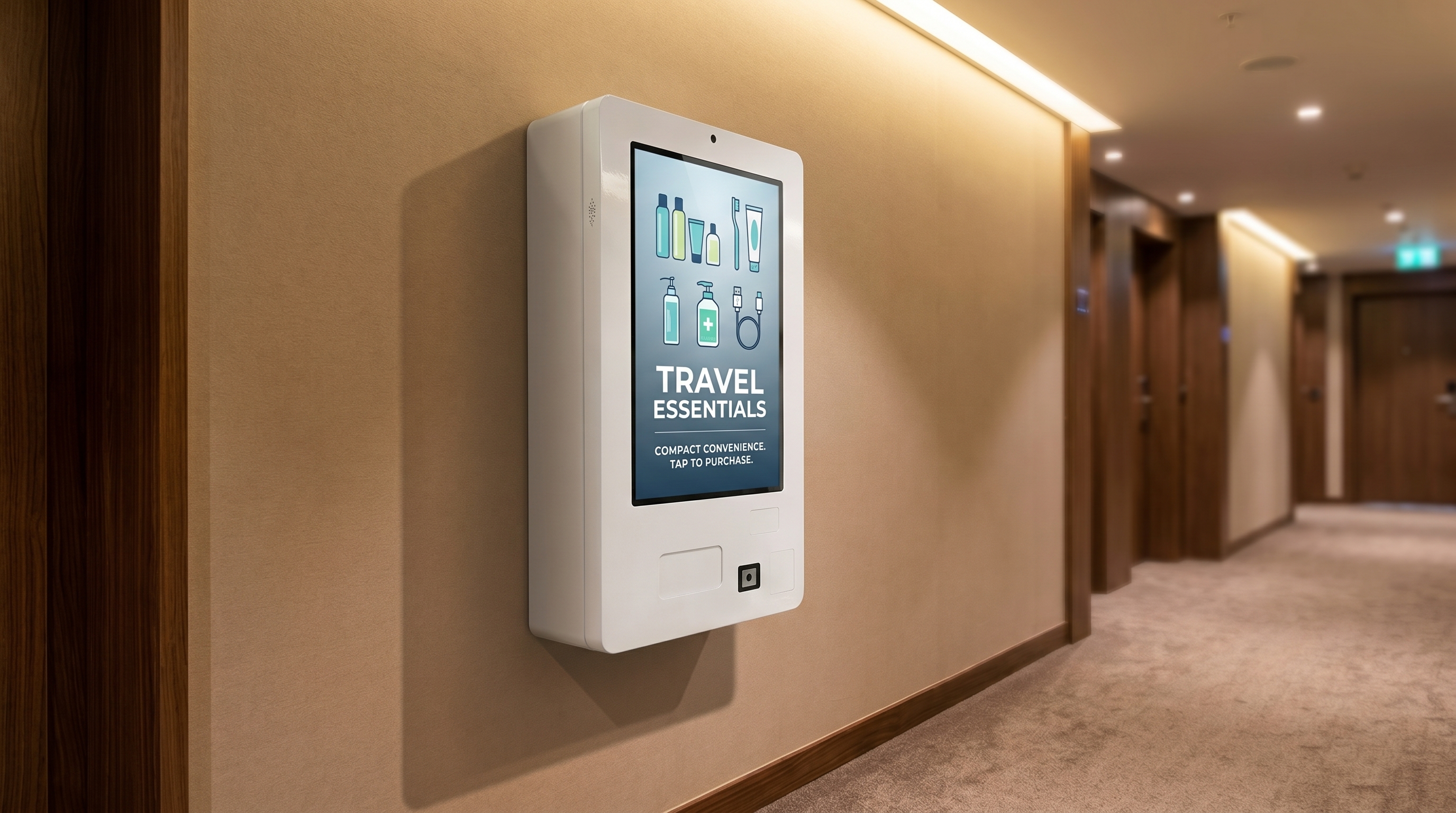
If your priority is a smaller footprint, the most relevant money page is usually DMVI's wall-mounted vending machine range. These formats are especially useful when the site wants convenience without sacrificing valuable floor space.
The key is not to confuse smaller with weaker. A compact machine can still be cashless, touchscreen-led, and commercially sharp if it is placed in the right environment.
Key Buying Factors Before You Commit
Before purchasing a machine, step back from the product sheet and evaluate the operational reality. A vending machine purchase is not just a hardware decision; it is an operating-model decision.
- Initial cost and ongoing cost: look beyond purchase price and factor in installation, shipping, maintenance, servicing, and energy use.
- Restocking practicality: the easier the machine is to service, the easier it is to keep profitable.
- Supplier support: after-sales responsiveness matters more than most buyers expect.
- Technology fit: only pay for advanced features that match the location's real needs.
- Security and durability: public-facing placements need stronger anti-theft thinking and robust construction.
If the machine is intended for a more tailored retail concept, it may also be worth comparing DMVI's custom vending machine design options rather than forcing a standard cabinet into an awkward job.
Cost, Financing, and Return on Investment
Return on investment depends less on the sticker price than on the relationship between location quality, product mix, service frequency, and machine capability. A cheaper machine in a poor location is still a poor investment. A more capable smart machine in a strong venue can outperform it quite quickly.
When reviewing budget, think in terms of total commercial fit:
- upfront equipment cost
- installation and commissioning
- expected daily transaction volume
- average transaction value
- gross margin on the chosen product mix
- restocking and maintenance burden
Financing or leasing can soften the upfront hit, but the important question is still whether the machine format supports the revenue model of the site. The best-performing machines are not always the cheapest ones; they are the ones with the clearest match between capability and demand.
Maintenance, Support, and Warranty Still Matter
Elegant renders and feature lists are lovely, but a machine that is difficult to maintain will eventually become an expensive nuisance. Buyers should pay attention to warranty coverage, service responsiveness, parts availability, and how quickly common issues can be diagnosed and resolved.
That is one reason smart connected formats are often appealing. When the operator can see payment issues, stock-outs, and certain fault conditions remotely, downtime becomes easier to manage. That operational visibility often has more value than buyers realize at the start.
Legal, Regulatory, and Security Considerations
Depending on the product category and the venue, a vending machine may need to satisfy accessibility requirements, payment-compliance expectations, or stronger anti-theft protections. Age-restricted or regulated categories require even more care around the machine workflow and the selling environment.
This does not mean every deployment is complicated. It simply means the machine choice should reflect the real-world environment rather than a generic wish list.
How to Maximize Profitability After Installation
Choosing the right machine is only step one. Profitability improves when the machine is stocked for the actual audience, reviewed regularly, and adjusted based on sales behavior rather than guesswork.
Operators who treat the machine like a living retail point usually do better than operators who install it and hope for the best. Product changes, screen merchandising, seasonal assortment shifts, and occasional pricing updates are often what separate an average site from a high-performing one.
In short: choose the machine around the location, choose the assortment around the customer, and choose the technology around the real operating need.
Conclusion
The right vending machine is the one that fits the venue, the products, the audience, and the economics of the site. Smart vending machines, touchscreen models, compact units, and large-format machines all have their place, but they do not belong everywhere equally.
If you are weighing the options now, start with the commercial job the machine needs to do, then compare the most relevant product families from there. That usually leads to a better buying decision than chasing features in isolation.
Need help choosing the right vending machine for your location?
DMVI can help you compare smart, touchscreen, compact, and large-format machine options based on your venue, product mix, and commercial goals.