The Future of Manufacturing Vending Machines: Trends and Innovations to Watch
Vending machine manufacturing is no longer just about assembling a cabinet, adding a payment reader, and hoping the location does the rest. The more serious manufacturers are now building connected retail endpoints: machines with telemetry, cashless payments, digital merchandising, remote management, and category-specific hardware decisions baked in from the start.
That shift matters because buyers are not just comparing steel boxes anymore. They are comparing platforms. A site that once needed a snack machine may now need a smart vending machine, a touchscreen-led retail experience, a controlled-access cabinet, or a broader custom vending machine design built around a non-standard product mix.
This is where the future of vending machine manufacturing is heading: smarter hardware, more specialized formats, stronger software, and a much tighter link between machine design and the commercial job the machine is supposed to do.
From Commodity Cabinet to Connected Retail Platform
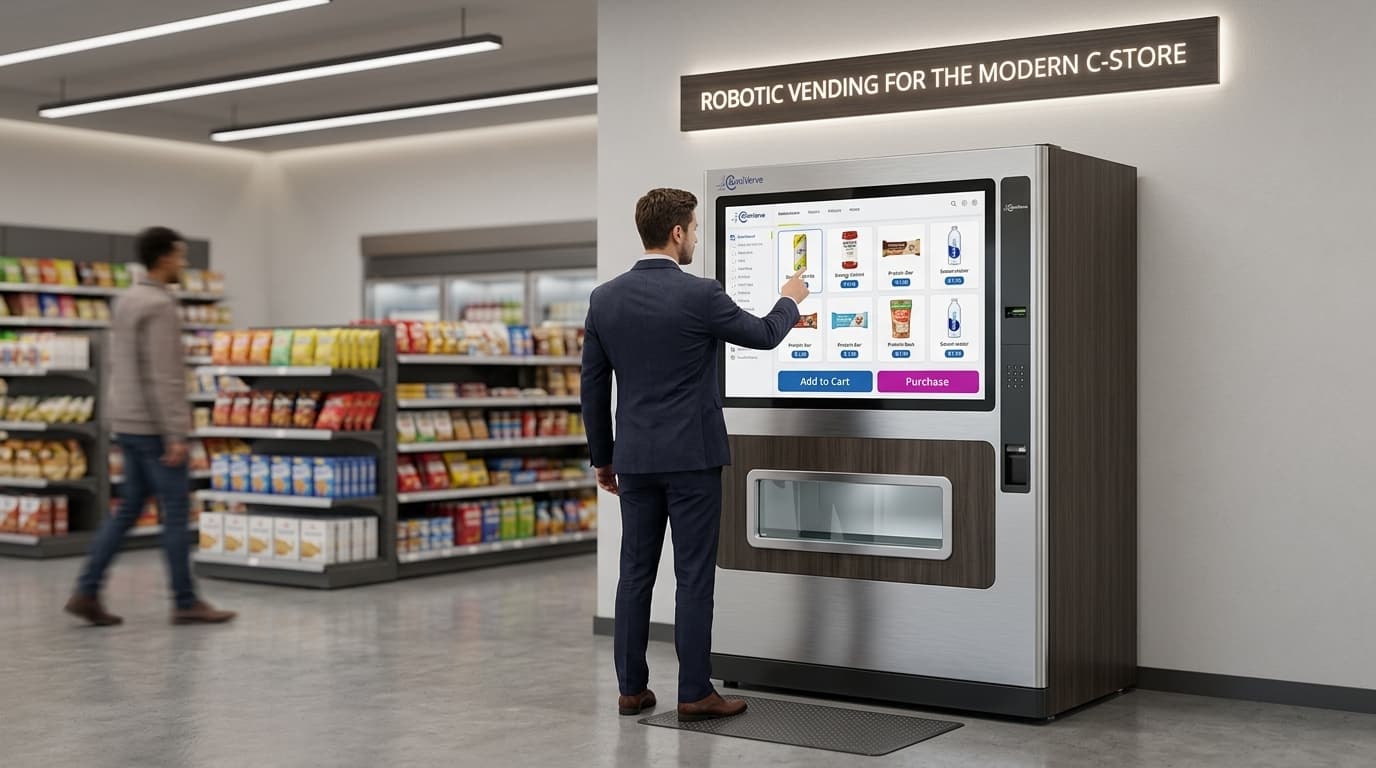
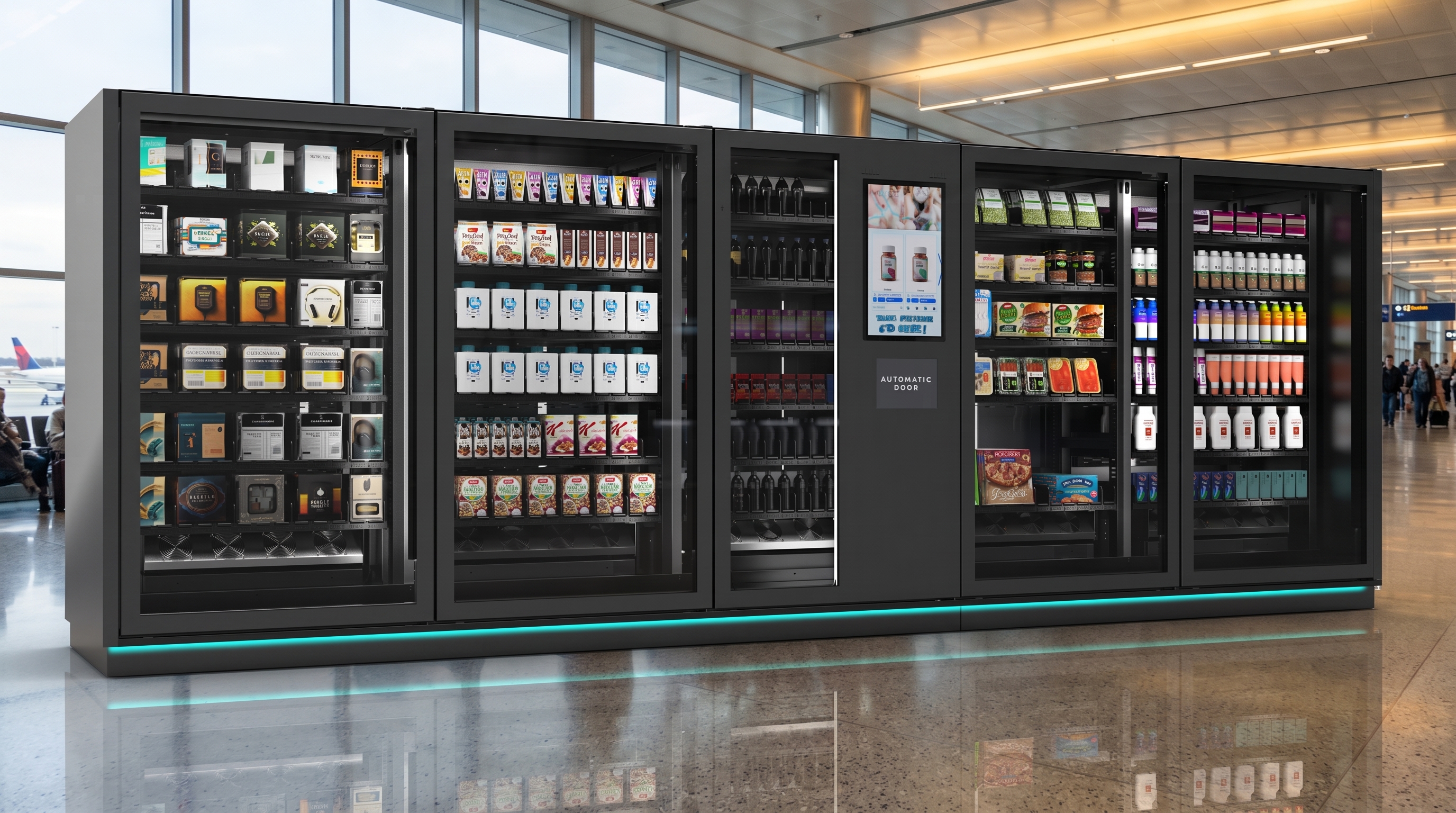
One of the biggest changes in vending manufacturing is conceptual. The stronger manufacturers no longer treat the machine as a simple dispenser. They treat it as a connected retail node that has to work across hardware, software, payments, reporting, and serviceability.
That means the manufacturing brief is broader than it used to be. The cabinet still matters, of course, but so do the touchscreen workflow, telemetry stack, payment options, remote-monitoring layer, and the practical ease of servicing the machine once it is live in the field.
For buyers, this changes what “quality” means. A well-made machine is not just durable. It is easier to manage, easier to update, easier to merchandise, and easier to keep profitable across multiple locations.
Smart Technology Is No Longer Optional in Serious Builds
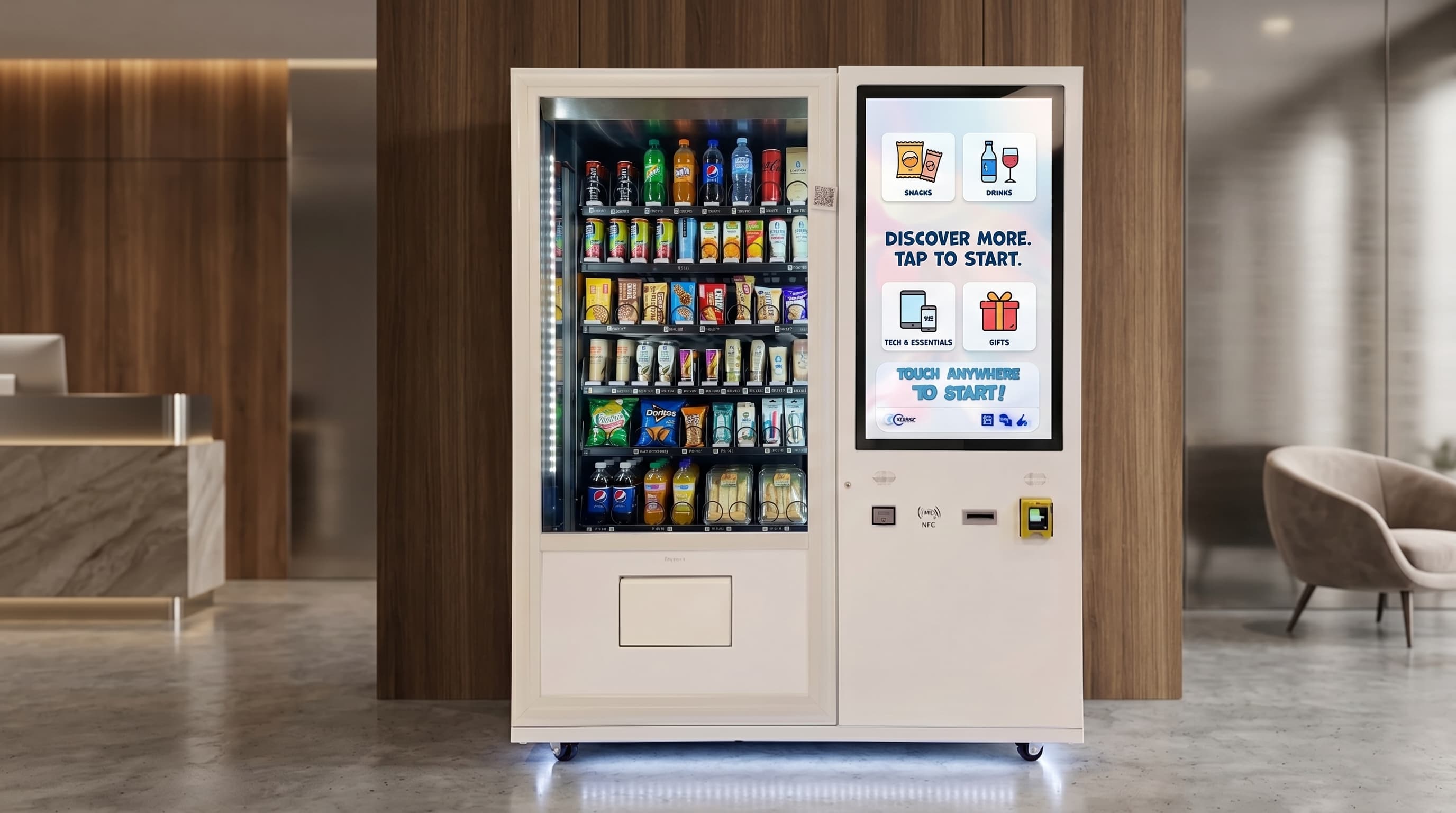
Contactless payments, cashless acceptance, live telemetry, and remote monitoring have moved from “nice extras” to expected baseline features in many commercial deployments. The reason is simple: once operators run multiple sites, blind operation becomes expensive.
Modern smart machines increasingly support:
- real-time stock visibility
- cashless and mobile-wallet payments
- remote fault awareness
- digital merchandising and on-screen promotions
- usage and product-performance data across the fleet
Manufacturers that build with these capabilities in mind are better aligned with what operators now expect from unattended retail. That is especially true in locations where the machine behaves more like a small retail touchpoint than a passive snack box.
For a wider industry benchmark, NAMA's technology overview is a useful snapshot of how cashless payments, touchscreens, telemetry, and other connected-service tools are now treated as core vending capabilities rather than fringe add-ons.
If the technology-led side of the category is the main interest, DMVI's AI vending machines and smart vending machines pages are the most relevant product-path references.
AI and Computer Vision Will Keep Expanding the Category
Artificial intelligence is already reshaping parts of the vending industry, but the practical shift is less about hype and more about workflow. Computer vision, smarter reconciliation, recommendation logic, and data-led retail behavior all make machines more capable than the older one-selection-one-dispense model.
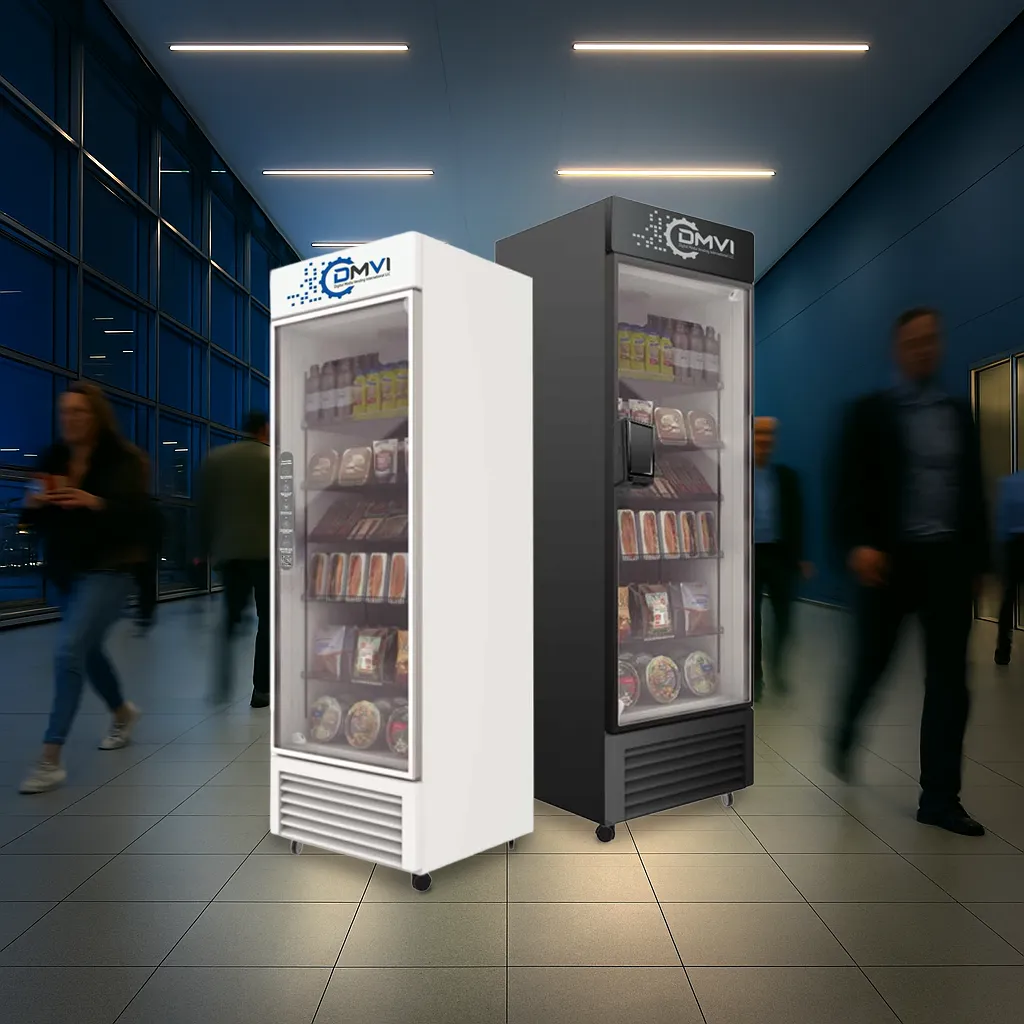
That is particularly important in categories where the machine needs to support more than a straightforward coil vend. Controlled-access cabinets, grab-and-go smart fridges, and other unattended-retail formats increasingly rely on sensors, cameras, and software to understand what the customer or authorized user actually removed.
As this trend grows, manufacturing will keep moving toward hardware platforms designed to support software-rich logic rather than being retrofitted awkwardly after the fact.
Customization Is Becoming a Bigger Competitive Edge
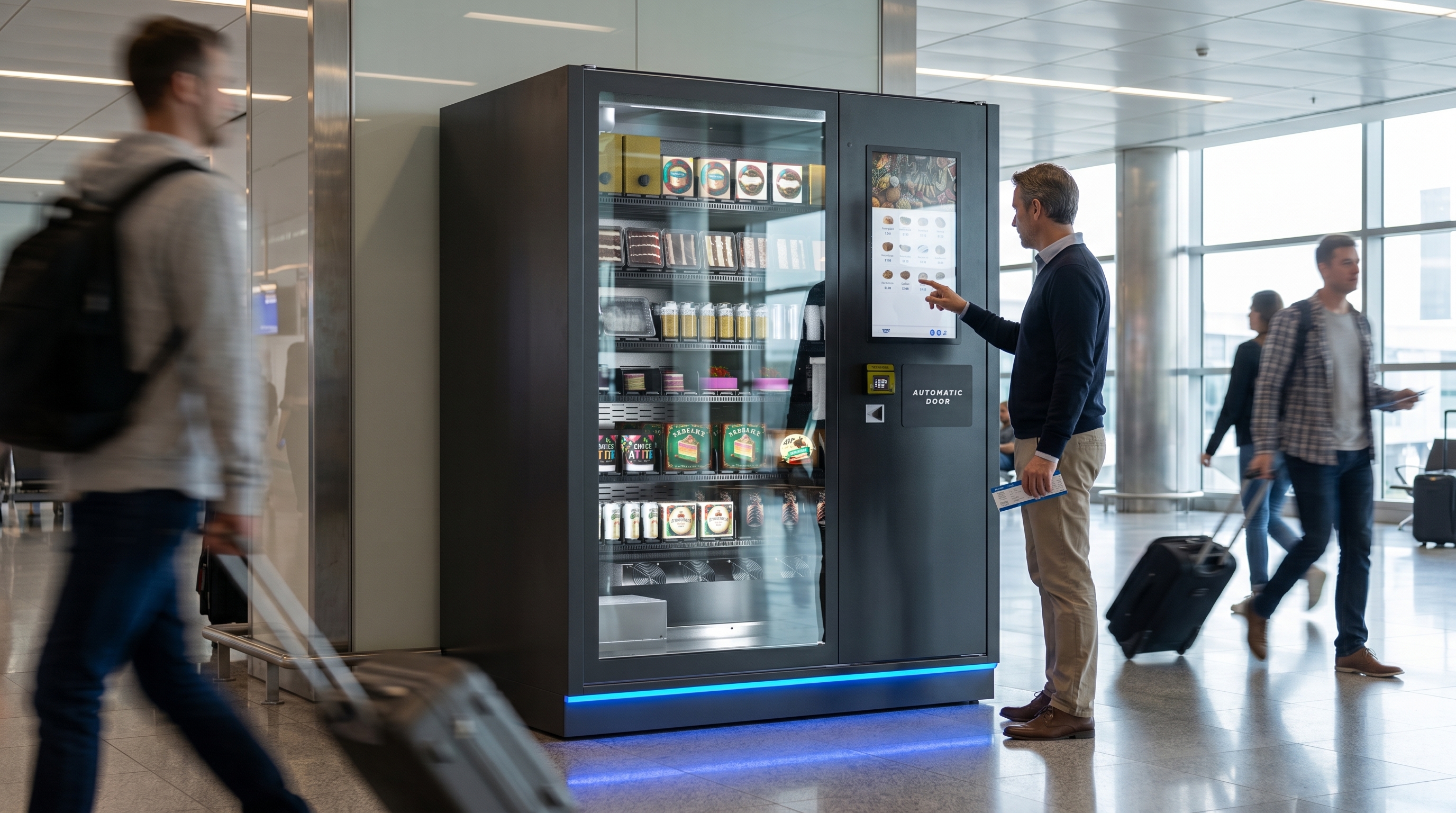
Another clear trend is the rise of custom manufacturing. Buyers increasingly want machines designed around a particular venue, product family, or brand experience instead of being forced into a generic snack-machine chassis.
That can mean a machine tailored for:
- premium beauty or luxury product merchandising
- campus or workplace essentials
- age-restricted or controlled-access retail
- larger-format products that do not suit traditional spirals
- specialized brand presentation with touchscreen-led selling
The more specialized the retail concept becomes, the more manufacturing decisions need to reflect the real use case. Dispense method, cabinet geometry, screen size, refrigeration needs, access control, and service practicality all become part of the commercial strategy rather than mere engineering details.
This is exactly why the custom side of the industry keeps growing. Buyers are not just purchasing a machine; they are commissioning a retail format.
Broader Product Formats Will Keep Reshaping the Manufacturing Brief
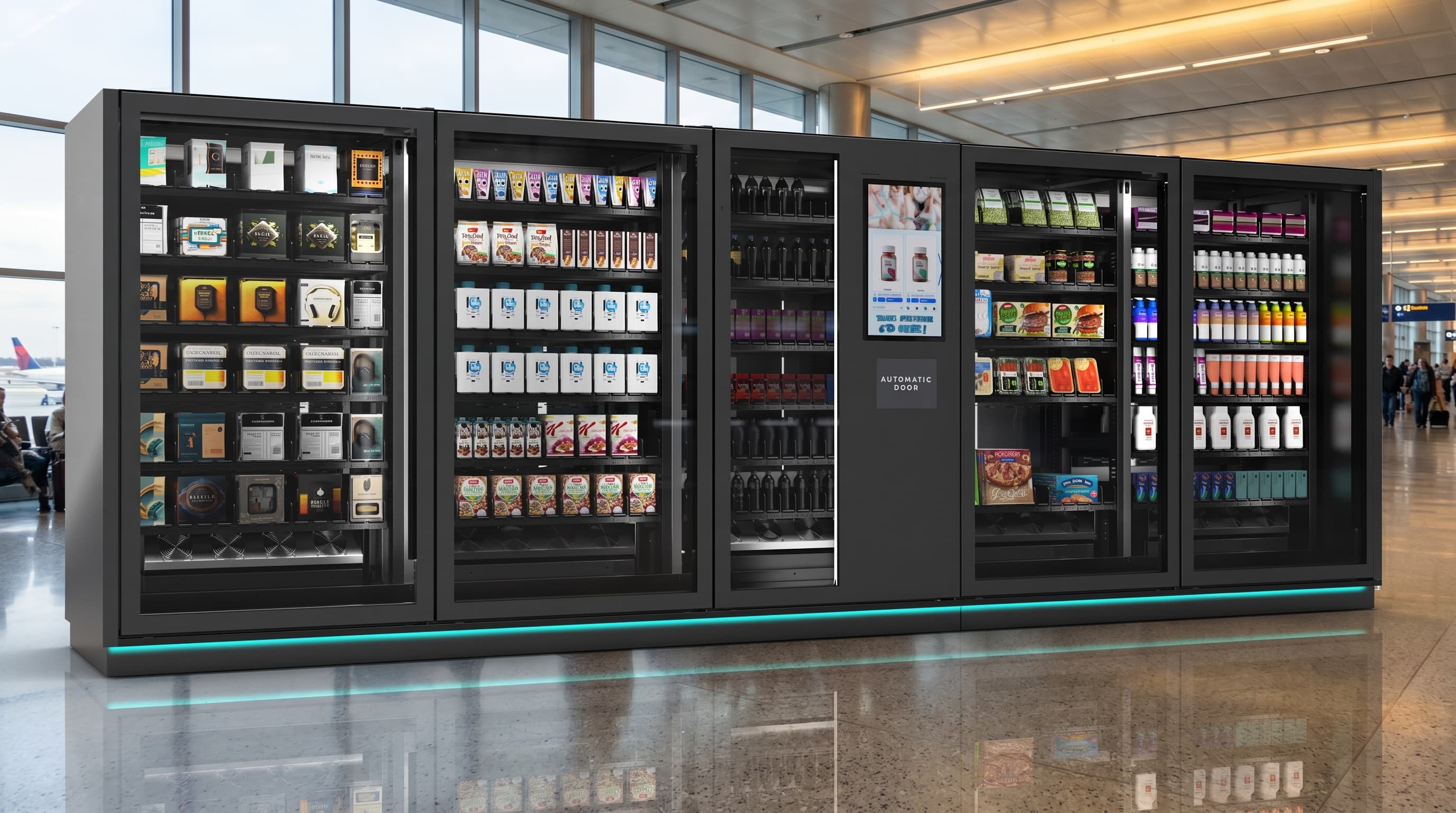
The future is not limited to snacks and drinks. Manufacturing is already being pulled toward broader product categories and more varied cabinet types. Machines now support beauty, electronics, wellness, fresh food, workplace supplies, alcohol-adjacent use cases, collectibles, and other formats that demand different hardware logic.
That matters because each new product family changes the manufacturing brief. Fresh food needs stronger refrigeration logic and route discipline. Higher-value retail needs stronger presentation and security. Workplace or institutional distribution may need badge access, reporting, or controlled workflows instead of a conventional customer payment journey.
Some of the most interesting growth is happening where vending starts to overlap with micro-markets, smart fridges, lockers, and automated retail cabinets. DMVI's micro-market vending machines and AI fridges are a good example of how far the category has moved beyond the classic one-item vend.
Energy Efficiency and Sustainability Will Matter More, Not Less
Sustainability language gets overused, but the underlying shift is real. Better insulation, improved refrigeration efficiency, lower-power components, and smarter energy management all matter commercially as well as environmentally.
For operators, a more efficient machine can reduce operating cost across a fleet. For manufacturers, energy-aware design is becoming part of the product expectation rather than a niche differentiator. That is especially true in refrigerated or always-on environments, where wasteful hardware quickly becomes expensive hardware.
The broader manufacturing direction is fairly obvious: machines that consume less energy, use components more intelligently, and fit modern environmental expectations without sacrificing uptime.
On the efficiency side, ENERGY STAR's vending machine guidance is a sensible reminder that hardware decisions affect lifetime operating cost, not just the purchase price on day one.
Manufacturing Automation Will Improve Consistency and Speed
Behind the scenes, vending-machine manufacturing itself is becoming more automated. Better prototyping workflows, repeatable fabrication processes, and tighter quality-control systems should improve consistency while reducing avoidable error.
That does not mean every machine becomes identical. In fact, the opposite may be true: more efficient manufacturing processes make it easier to deliver controlled customisation without chaos. The winning manufacturers will be the ones that can balance repeatability with category-specific flexibility.
In plain English: buyers want machines that feel tailored without being experimental one-offs that become a service nightmare six months later.
What Buyers Should Ask Manufacturers Now
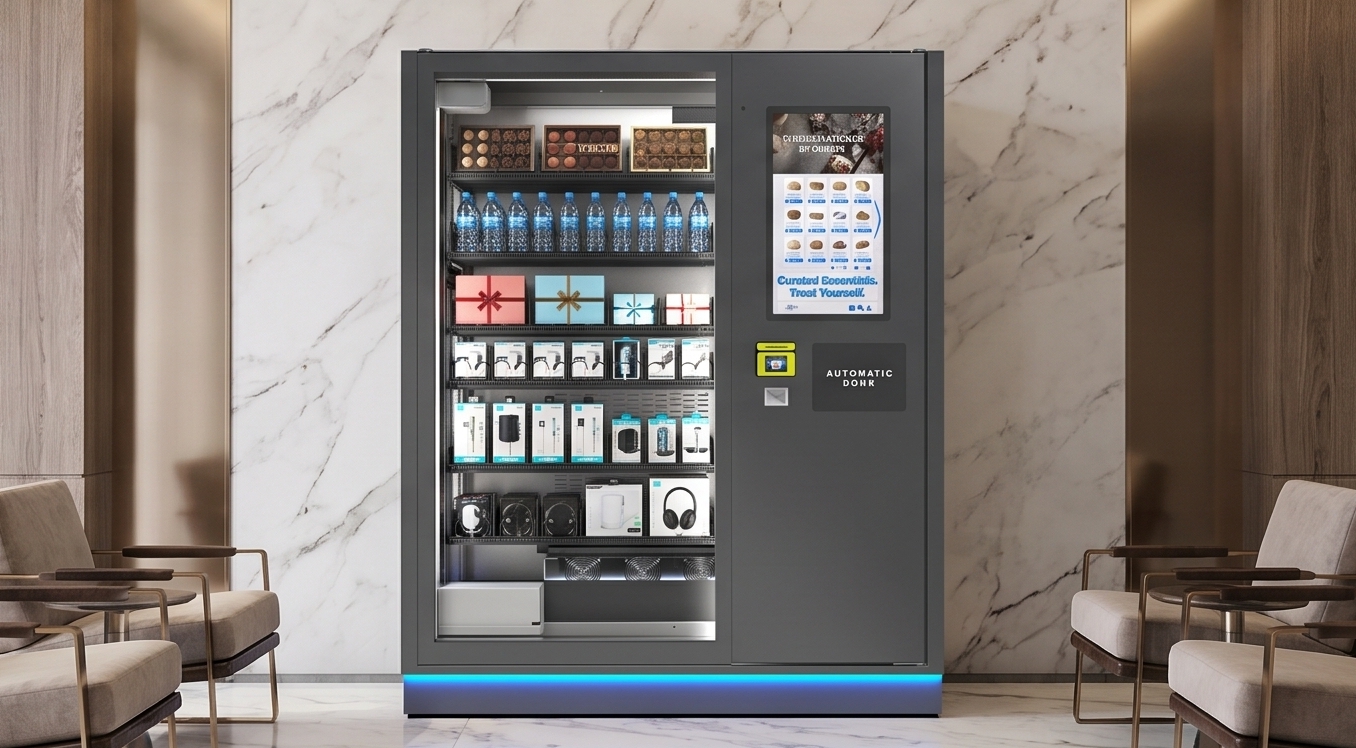
As the category evolves, buyers should ask harder questions than they did a decade ago. Not just “What does the cabinet cost?” but:
- What telemetry and reporting are built in?
- How does the machine handle payments, remote monitoring, and updates?
- Can the cabinet be shaped around the actual product mix and venue?
- How practical is restocking and field service?
- What future software or hardware flexibility does this platform preserve?
The future of manufacturing vending machines belongs to platforms that do more than vend. They need to support better retail, better control, and better decision-making after installation — not just a shiny first impression in the showroom.
Conclusion
The vending machines of the future will be smarter, more specialized, more connected, and more tightly aligned with the commercial environment they serve. That means manufacturing will continue moving away from generic cabinets and toward integrated unattended-retail systems with more software, more category-specific hardware thinking, and more operational intelligence.
For operators and buyers, the practical takeaway is simple: the strongest manufacturers are the ones building for real workflows, not nostalgia. If the machine needs to support modern payments, better reporting, tailored merchandising, or a non-standard product set, the manufacturing brief has to reflect that from the start.
Exploring where vending-machine design is heading next?
DMVI can help you compare smart, custom, large-format, and AI-led vending platforms based on the products you want to sell and the operating model you need to support.