How Much Does It Cost to Rent a Vending Machine in 2026?
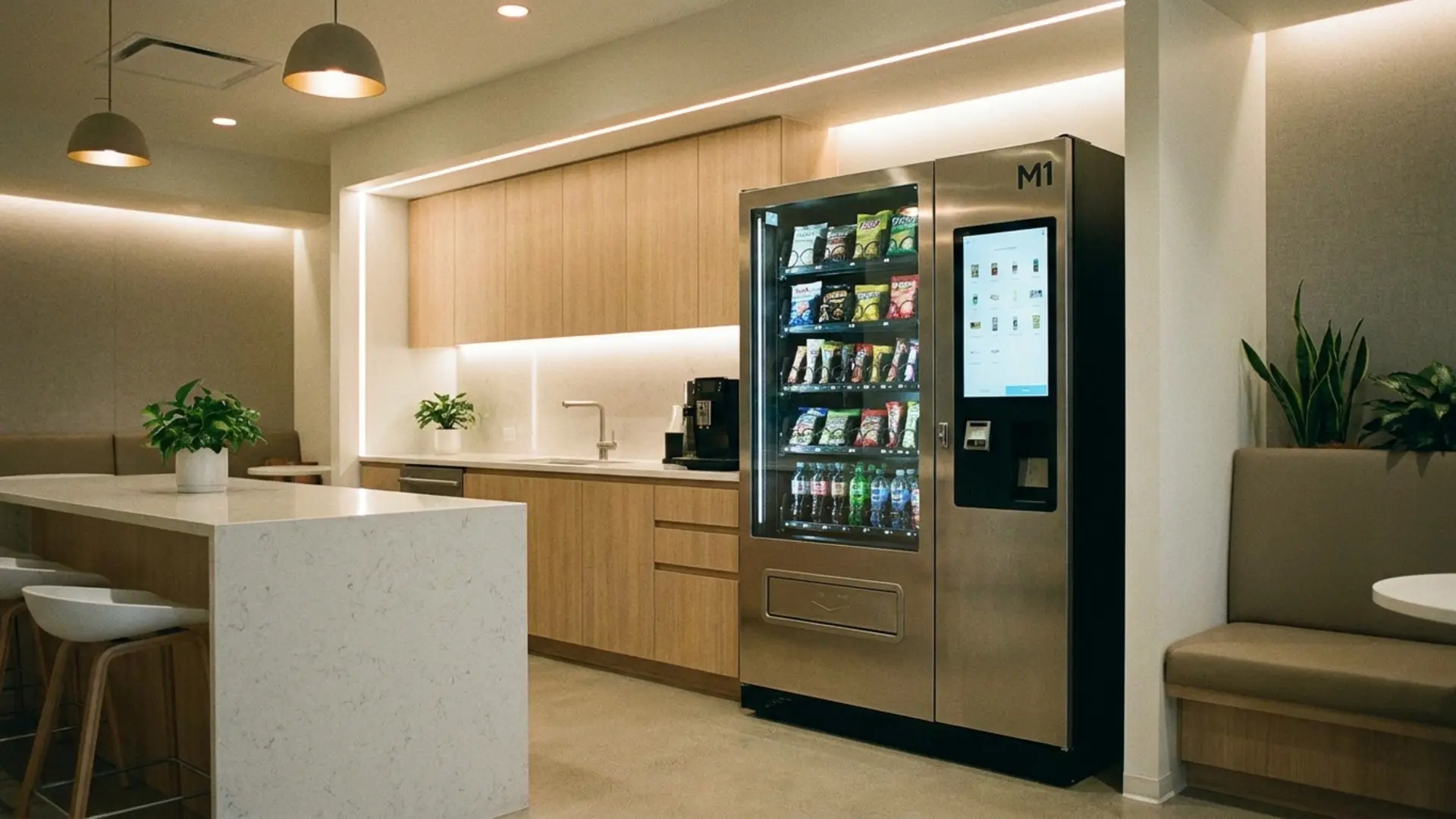
Renting a vending machine in 2026 can be a smart business move. It offers flexibility and convenience without the hefty upfront costs of buying. But how much does it cost to rent a vending machine?
The cost to rent a vending machine varies. It depends on several factors, including the type of machine and its features. On average, you might pay between $50 and $150 per month.
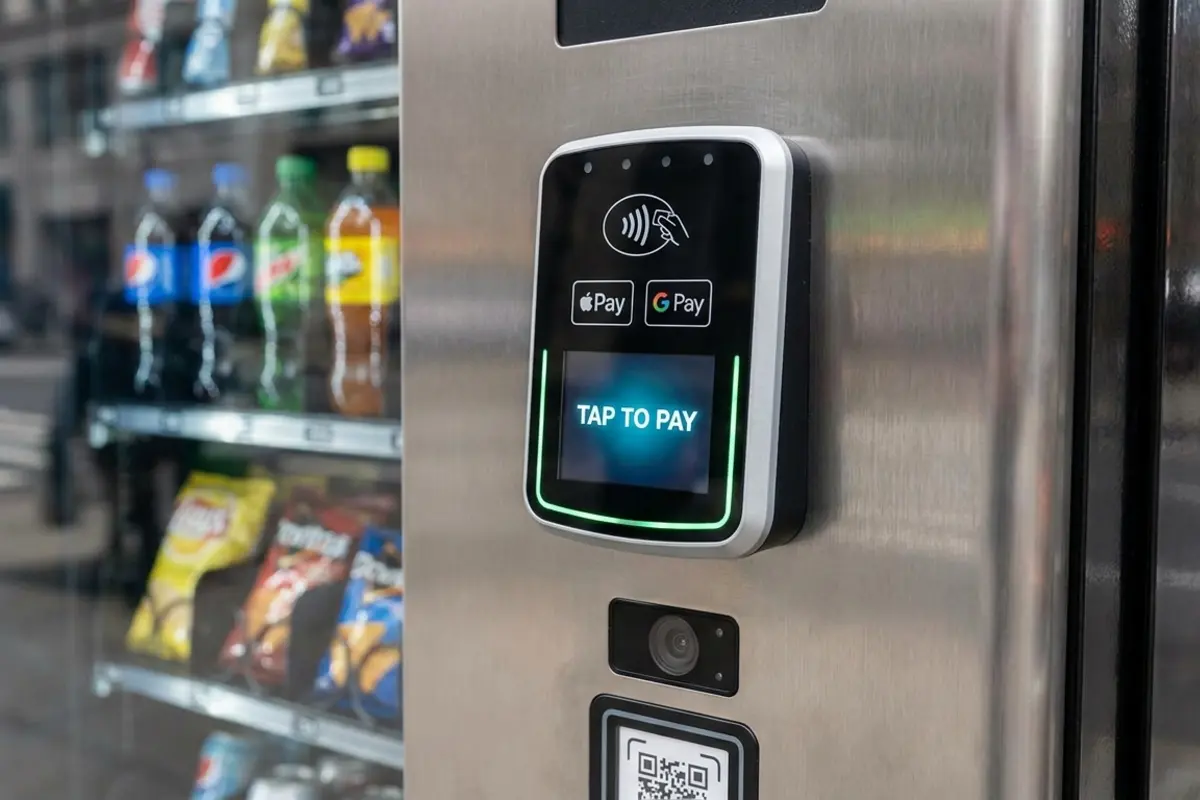
High-tech machines with digital payment options can cost more. These machines offer modern conveniences that appeal to tech-savvy consumers. They might be worth the extra expense.
Location plays a crucial role in rental costs. High-traffic areas often demand higher rental prices. But they also promise more potential customers.
Some companies offer revenue-sharing models. Instead of a fixed fee, you share a percentage of the profits. This can be a cost-effective option for some businesses.
The type of products you plan to sell also affects costs. Machines dispensing snacks, beverages, or healthy options may have different rental prices. Consider your target audience when choosing products.
Maintenance and restocking services might be included in the rental agreement. Alternatively, they could be additional costs. Clarify these details with your provider.
Vending machine rental space costs vary, too. Factors like location, size, and visibility influence these costs. Choose your space wisely to maximize profits.
Renting a vending machine can be a great way to test a business model. It allows you to explore the market without a long-term commitment. Contracts typically range from six months to five years.
Some companies offer flexible terms. You might have options to upgrade or switch machines as needed. This flexibility can be beneficial as your business grows.
Insurance might be required for rented machines. This can add to your overall costs. Ensure you understand all insurance requirements.
Energy-efficient machines may have higher upfront costs. However, they can save money in the long run. Consider this when evaluating your options.
Understanding local regulations is crucial. Permits and compliance can impact your vending machine rental experience. Research these requirements before committing.
In 2026, the vending machine industry is poised for growth. New trends and technologies are emerging. Staying informed can help you make the best rental decisions.
Overview of Vending Machine Rentals
What is Vending Machine Rental?
Vending machine rental involves leasing a vending machine from a provider for a specified period. Instead of purchasing a machine outright, businesses pay a monthly fee to use it. This model offers flexibility and lowers initial financial outlay, making it accessible to startups and small business owners.
With rental agreements, the provider usually handles maintenance and technical support. This means less hassle for the renter, allowing them to focus on generating sales. However, the specifics of what is covered can vary significantly across different rental agreements.
Renting a vending machine involves choosing the right machine type. Options include snack, beverage, and combo machines, each catering to different consumer needs. It's important to select a machine that aligns with your business and customer preferences.
Rental agreements often include terms regarding machine placement and operational guidelines. Understanding these terms is critical to ensure compliance and smooth operations. Contracts can range from short-term rentals to multi-year commitments, offering various levels of security and flexibility.
When renting, consider the list of possible costs:
- Monthly rental fee
- Maintenance and restocking services
- Insurance requirements
- Energy consumption charges
Providers may offer additional services like product stocking and machine upgrades. These services can impact overall costs but may provide added convenience and efficiency. Rental agreements should be reviewed carefully to understand all included services.
Choosing to rent allows businesses to test different machines and locations without long-term commitments. This flexibility is a significant advantage in a rapidly evolving market. Rental options can be tailored to suit seasonal demands or new business opportunities, offering strategic benefits.
Benefits of Renting a Vending Machine
Renting a vending machine offers numerous benefits, making it an attractive option for many businesses. Chief among these benefits is the lower upfront investment compared to purchasing a machine. This makes it an accessible entry point for entrepreneurs looking to test the vending market.
Another major advantage is the flexibility rental agreements provide. Businesses can opt for short-term contracts to manage seasonal demands or explore various locations. This flexibility minimizes risk and maximizes opportunity, aiding in strategic planning.
Maintenance and service support are typically part of rental agreements. Providers handle repairs and routine maintenance, ensuring machines are always in good working condition. This reduces the operational burden on the business and ensures continuous operation.
Renting allows businesses to adapt quickly to consumer demands. With new trends emerging frequently, it's crucial to remain agile. Renting offers the ability to swap machines or update product offerings as trends change, keeping the business relevant.
The rental model supports efficient cash flow management. By spreading costs over time, businesses can better manage their finances and allocate capital to other growth areas. This can be especially beneficial for startups needing to conserve cash while building revenue streams.
The benefits of renting include:
- Lower initial costs
- Flexibility in contracts and machine types
- Included maintenance and support
- Easy adaptation to market trends
- Better cash flow management
Access to the latest technology is another benefit. Rental providers often update their inventory, allowing renters to leverage modern machines. These machines may offer advanced features like cashless payment options and remote monitoring, enhancing customer satisfaction and operational efficiency.
In summary, renting a vending machine offers strategic advantages with reduced risk. It provides an opportunity to explore the vending landscape without heavy financial commitments and is a smart choice for businesses eager to innovate and expand.
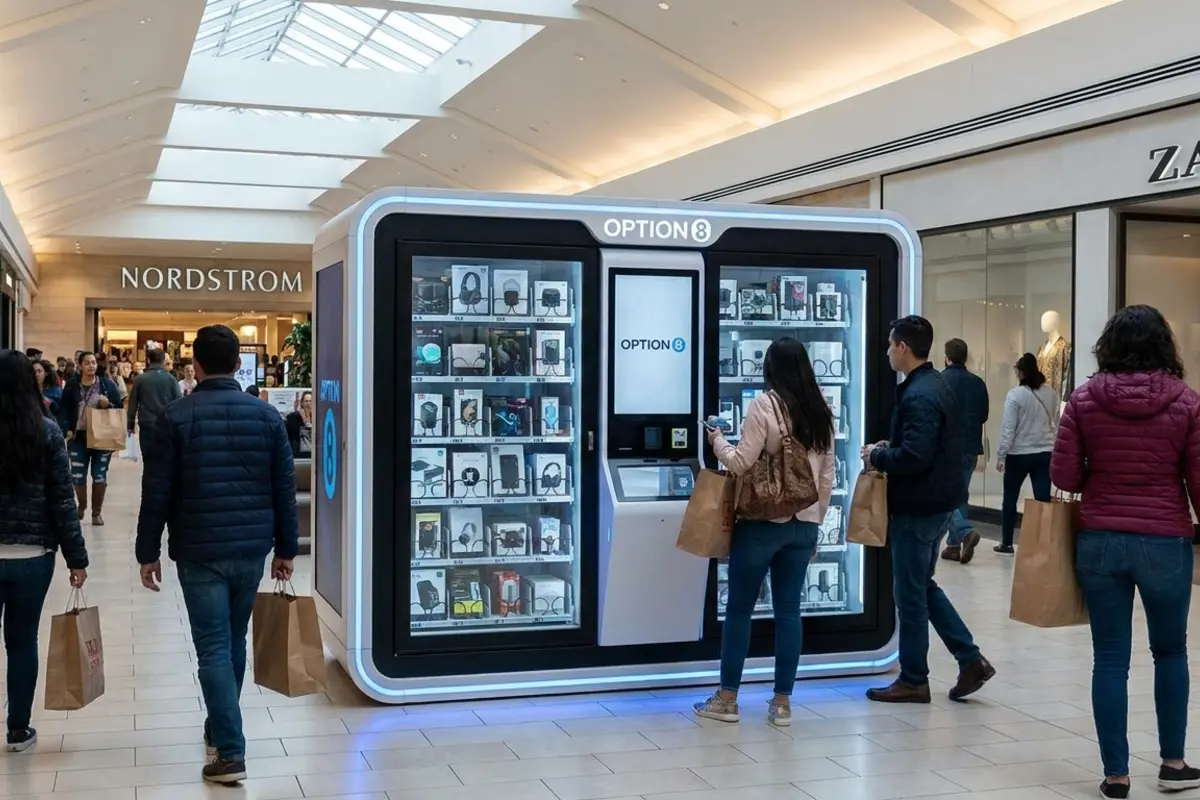
vending machine rental costs in 2026
Factors Influencing Rental Prices
Several key factors influence vending machine rental prices in 2026. Understanding these can help businesses make informed decisions.
The type of vending machine is a significant cost determinant. Snack machines generally cost less than high-tech beverage or combo machines. Features such as digital displays and cashless payment systems can increase rental fees.
The location of the vending machine is another crucial factor. High-traffic areas like malls or airports may demand higher rental prices compared to less trafficked locations. The potential for high sales in busy areas often justifies the added expense.
The provider's service offerings affect costs. Comprehensive maintenance packages can raise prices but reduce unexpected repair costs. Some providers include restocking services, impacting overall rental costs depending on the frequency and complexity of the refills.
Contract terms also influence prices. Shorter rental contracts might have higher monthly rates than long-term contracts due to the increased flexibility they offer. Contracts spanning several years typically include discounts or incentives.
Here's a list summarizing factors that influence rental costs:
- Type of vending machine and features
- Location and associated demand
- Maintenance and restocking services
- Contract length and terms
Energy efficiency is becoming more important in determining costs. Machines designed to consume less power might have higher initial rental costs but offer savings on utility bills over time. Environmentally conscious business owners should consider energy-efficient machines.
Customization options also impact costs. Machines that allow branding or personalized product selections may involve additional charges. Businesses wanting to promote their brand might find these options worthwhile despite the added cost.
Some providers offer revenue-sharing models instead of fixed rental fees. In such agreements, the provider and business share the profits, aligning both parties’ interests toward maximizing sales. This model can be beneficial in unpredictable markets.
In summary, a thorough analysis of the factors influencing rental prices can lead to better decisions. By evaluating these aspects, businesses can align their vending machine strategy with budgetary constraints and growth goals.
Typical Rental Prices for Vending Machines
Understanding the typical rental prices for vending machines is essential for budget planning. In 2026, costs vary based on several factors as previously discussed.
Basic snack vending machines might cost between $50 and $100 per month. These machines offer essential features and cater to less demanding locations. They can fit into small businesses or areas with moderate foot traffic.
Beverage vending machines often carry a higher rental price, ranging from $75 to $150 per month. These machines may offer chilled beverages, requiring more sophisticated technology and energy use.
High-tech vending machines with digital interfaces and multiple payment options can exceed $200 per month. These machines are ideal for busy and tech-savvy environments, where the user experience and versatility are prioritized.
Rental prices can further be categorized by the scope of services included. Machines with comprehensive maintenance and restocking services usually have higher monthly fees but reduce operational burdens.
Here’s a typical range of rental prices by machine type:
- Basic Snack Machines: $50-$100/month
- Beverage Machines: $75-$150/month
- High-Tech Machines: $200+/month
Some providers offer bundled services that include multiple machines at a discounted rate. This option benefits businesses aiming to introduce various vending solutions in one location.
Seasonal demand can cause fluctuations in rental prices. Busy seasons or events might drive up costs due to increased demand for vending services. Planning ahead for such peaks is essential to secure competitive prices.
It’s also beneficial to explore local markets for price variations. Urban areas may have slightly higher rates due to the premium location costs and competition among businesses. Conversely, rural or developing markets may offer lower rates to attract vendors.
A breakdown of typical services included in rental agreements:
- Maintenance and repair services
- Restocking frequency and product selection
- Machine placement and installation support
Finally, the cost-effectiveness of renting should always be evaluated against potential sales. Businesses should assess their budget and expected revenue to ensure rental fees align with financial goals.
Vending Machine Space for Rent
Understanding Vending Machine Rental Space
Renting space for a vending machine is a critical aspect of a successful vending business. The right location can significantly impact sales and customer interaction. It's essential to thoroughly assess and choose the best vending machine rental space.
Key factors should be considered when selecting a location. These include the foot traffic volume, visibility, and accessibility of the space. High traffic areas, such as shopping malls or office complexes, usually promise higher sales potential.
However, securing space in such areas often comes with higher rent costs. Some locations might have contracts that bundle space rental with machine placement. Reviewing these contracts carefully ensures a good balance between cost and potential sales.
The nature of the location also impacts vending machine success. For instance, gyms may benefit from vending machines offering healthy snacks and drinks. Meanwhile, entertainment venues may do well with machines offering snacks and cold beverages.
When negotiating rental space, ensure that the agreement includes clear terms. Factors like rental duration, price adjustments, and the responsibilities of both parties should be clearly outlined. Understanding local regulations and permits is another critical step before finalizing space rental.
Here are some key aspects to consider for rental space:
- Foot traffic volume and patterns
- Location visibility and accessibility
- Nature and demographic of the location
Exploring rental options can reveal diverse opportunities across different venues. Schools, airports, and public transport stations often seek vending solutions to accommodate their visitors and regular commuters. Each location may bring unique requirements and advantages.
Networking with other business owners and real estate agents can provide insights into prime locations for vending spaces. They might also advise on seasonal variations in rent, especially in areas with fluctuating tourism or event schedules.
Having a keen understanding of rental space ensures competitive placement. Selecting strategic spaces not only boosts sales but also enhances brand presence in the market.
Regions with the Best Rental Opportunities
Certain regions stand out for their rental opportunities in 2026. These areas offer a combination of high demand, favorable rental terms, and diverse customer bases, making them ideal for vending machine placements.
Urban centers are typically prime targets for vending machine operators. Cities like New York, Los Angeles, and Chicago provide dense foot traffic. These cities also support varied vending machine types due to the diverse demographic.
College towns present another lucrative opportunity. Thousands of students require quick access to snacks and drinks, creating a steady demand for vending services. University campuses and residential complexes are ideal spaces.
Suburban areas are also becoming popular, especially those near transit hubs. Commuters appreciate convenient snack and drink options during their transit routines. Machines placed near train stations or bus stops can yield excellent returns.
Seasonal tourist destinations can offer profitable yet fluctuating prospects. Beach towns and winter resorts may see increased traffic during peak seasons. Though beneficial, operators must anticipate quieter off-seasons to manage inventory and costs effectively.
Business districts offer a consistent customer base. Office workers often rely on vending machines for quick lunches or coffee. Machines tailored to these environments need regular stocking with popular items.
Here's a list of regions with excellent rental opportunities:
- Major Urban Centers: Dense populations and varied demographics
- College Towns: High student demand
- Suburban Transit Hubs: Captive commuter audiences
- Tourist Destinations: Seasonal high traffic
- Business Districts: Consistent office worker usage
When evaluating these regions, assess the local competition. Too many machines in one area could dilute potential sales. Conversely, a lack of competition indicates untapped opportunities.
Thorough market research is crucial in identifying optimal locations. Engaging with local business networks can reveal insights and upcoming developments. These interactions highlight trends and help secure early contracts in emerging areas.
In conclusion, targeting the right regions for vending machine placements can maximize business growth. By aligning strategy with regional opportunities, operators can enhance both profits and market presence.
Comparing Cost: Renting vs. Buying
Initial Investment Comparison
When entering the vending machine industry, a crucial decision is whether to rent or buy machines. Both options present distinct initial investment profiles. Understanding these differences can guide better decision-making.
Renting a vending machine often requires a lower upfront cost. It involves a monthly rental fee, which can range from $50 to $150 depending on machine type and features. This approach suits those looking to minimize initial expenditure.
On the other hand, purchasing a vending machine demands a significant one-time investment. Basic models might start at $1,000, while high-tech machines can reach $10,000 or more. Ownership offers asset control but needs more capital.
For startups, renting allows entry into the market with less financial risk. It provides flexibility, enabling adjustments without the commitment of a large purchase. Testing different locations and products becomes more manageable with rental options.
Buying machines can be beneficial for established businesses with sufficient funds. Ownership eliminates ongoing rental costs, potentially reducing long-term expenses. Additionally, owned machines can be customized without rental constraints.
When considering the initial investment, here are key differences between renting and buying:
- Renting: Lower initial cost, monthly fees, less financial risk.
- Buying: Higher upfront cost, potential long-term savings, complete ownership.
Choosing between renting and buying depends on the business model, financial situation, and growth plans. Assessing cash flow, strategic goals, and market conditions is essential before making the decision.
Long-Term Financial Considerations
The choice between renting and buying vending machines also affects long-term financial planning. This involves evaluating cost efficiency, asset management, and potential revenue impact over time.
Renting offers predictable monthly expenses, helping manage budget forecasts. However, accumulated rental fees over several years may exceed the purchase cost of a machine. Businesses must weigh the cumulative rental expenses against the benefits of flexibility and reduced risk.
Ownership, however, can result in long-term savings. Once the purchase price is covered, recurring costs often relate to maintenance and restocking only. Buying vending machines could mean greater profitability if they consistently perform well in chosen locations.
Additionally, owning machines allows for depreciation deductions in accounting. This provides tax benefits, further reducing the effective cost over time. Owners also retain the resale value of their machines, offering potential recovery of some investment if business needs change.
Rental agreements may come with maintenance services, which can alleviate some responsibility. However, understanding the terms regarding repairs is crucial to avoid unexpected costs. Conversely, machine owners bear full maintenance responsibility, though this often means they can choose service providers.
Evaluating the long-term financial impact involves considering market conditions. In a stable or growing market, ownership may enhance returns on investment. In uncertain conditions, rentals offer a strategic advantage by allowing rapid adaptability.
Key long-term financial aspects to compare:
- Renting: Predictable expenses, potentially higher over time, maintenance included.
- Buying: Long-term savings, tax benefits, and investment recovery potential.
Ultimately, the decision depends on various factors, including market dynamics, business goals, and financial strategy. Weighing initial investments against long-term benefits ensures a balanced approach to the vending machine business model.
Ready to maximize your space?
Discover how DMVI's custom vending machines can fit perfectly into your location.