How Customized Vending Machines Are Transforming the Retail Landscape
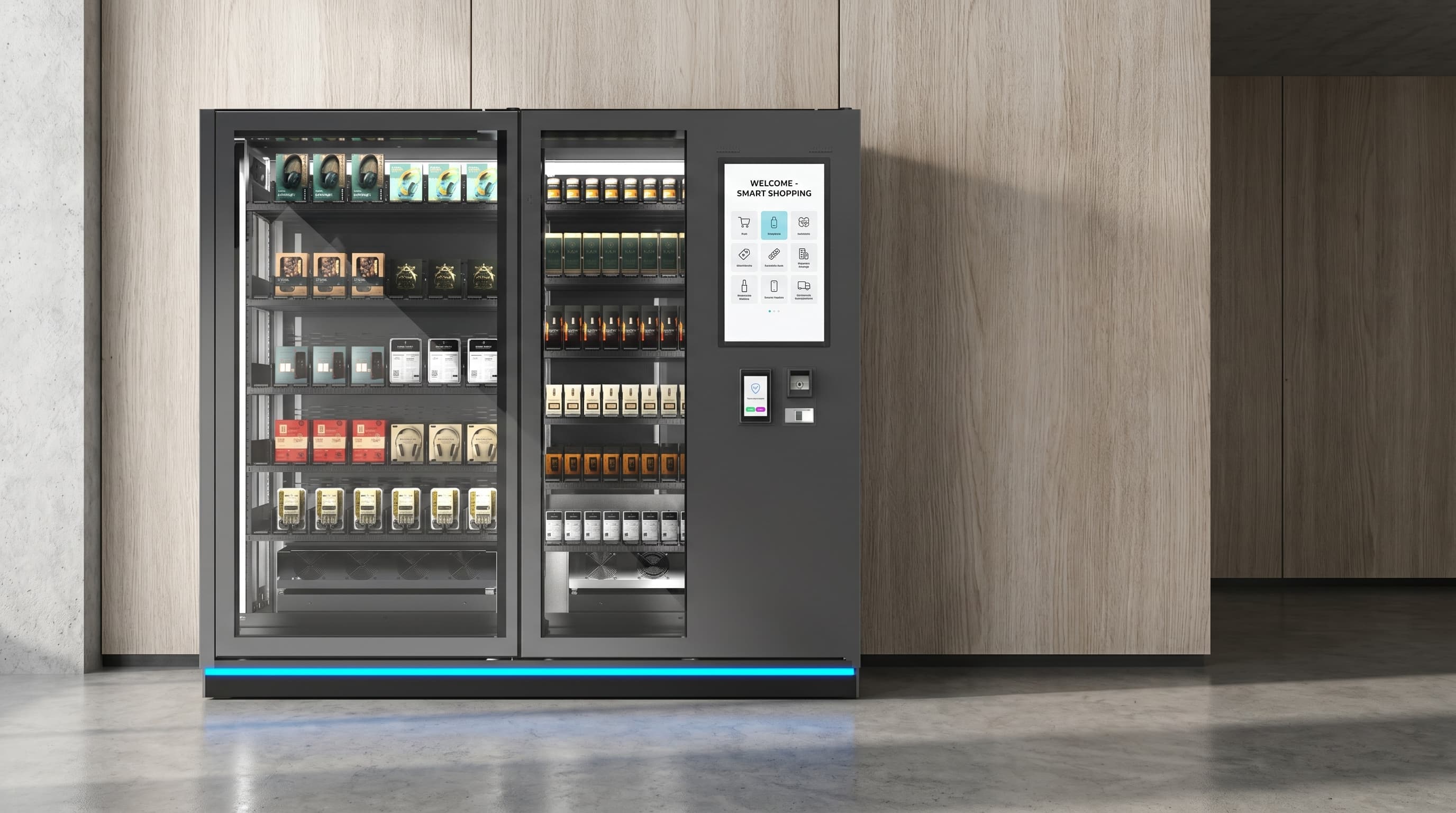
Customized vending machines are not just a novelty format for brands that want something flashy in a lobby. At their best, they function as purpose-built retail tools: machines designed around a specific product mix, venue, customer journey, and brand objective rather than squeezed into a generic cabinet that was meant for chips and fizzy drinks.
That distinction matters. A standard machine can sell. A properly designed custom unit can merchandise, guide selection, extend a brand environment, support cashless checkout, and fit spaces where traditional retail would be awkward or too expensive to staff. That is why more operators and brands are exploring custom vending machine design when a basic off-the-shelf machine is not quite enough.
As unattended retail keeps evolving, customized vending machines are becoming a more serious part of the retail landscape — not because they are gimmicky, but because they let businesses shape the machine around the real commercial job it needs to do.
Why Customization Is Becoming More Valuable in Retail
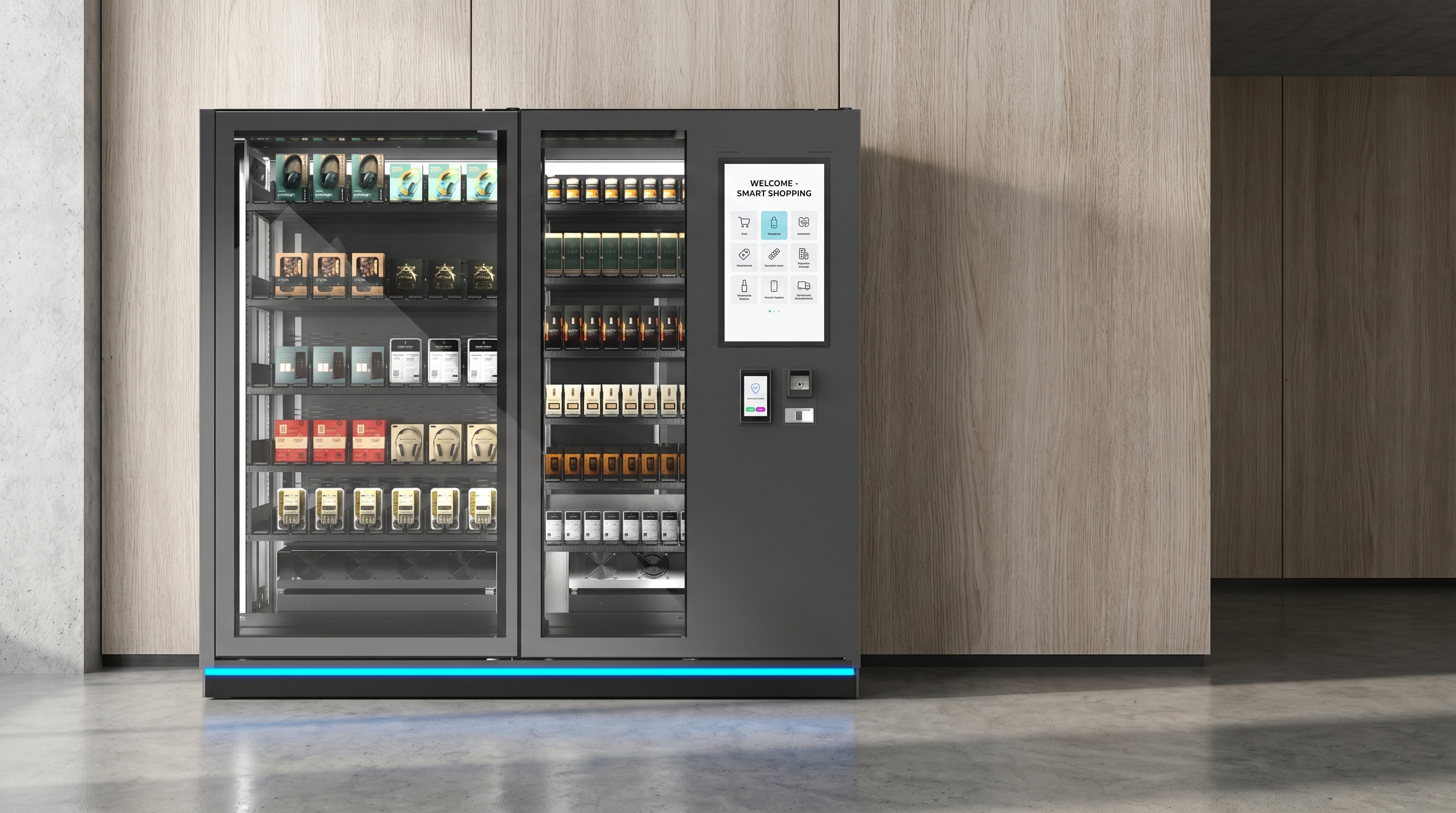
Retail environments are less forgiving than they used to be. Floor space is expensive, customer attention is fragmented, and brands increasingly want physical touchpoints that can sell without carrying the overhead of a fully staffed counter.
That is where customized vending starts to earn its keep. Instead of accepting a one-size-fits-all machine, retailers can tailor the presentation, dispense method, screen flow, and cabinet configuration to the category they are selling. Beauty products, electronics, travel essentials, wellness items, collectibles, and premium impulse products all behave differently. They should not all be forced through the same machine logic.
Done properly, customization helps the machine feel less like a utility box and more like a compact retail channel.
That broader retail logic is not unique to vending. NRF's piece on how RFID is helping transform the retail customer experience is a useful reminder that presentation, visibility, and better product data are increasingly tied to conversion, not just back-office efficiency.
Better Product-Market Fit Than a Generic Machine
A customized vending machine gives the operator more control over what actually matters in the field: how products are displayed, how they are dispensed, how customers browse, and how the machine fits the venue. That is a meaningful commercial advantage, not mere styling.
Examples of useful customization include:
- cabinet sizes shaped around a constrained footprint or a premium venue
- dispense formats built for fragile, high-value, or awkwardly sized products
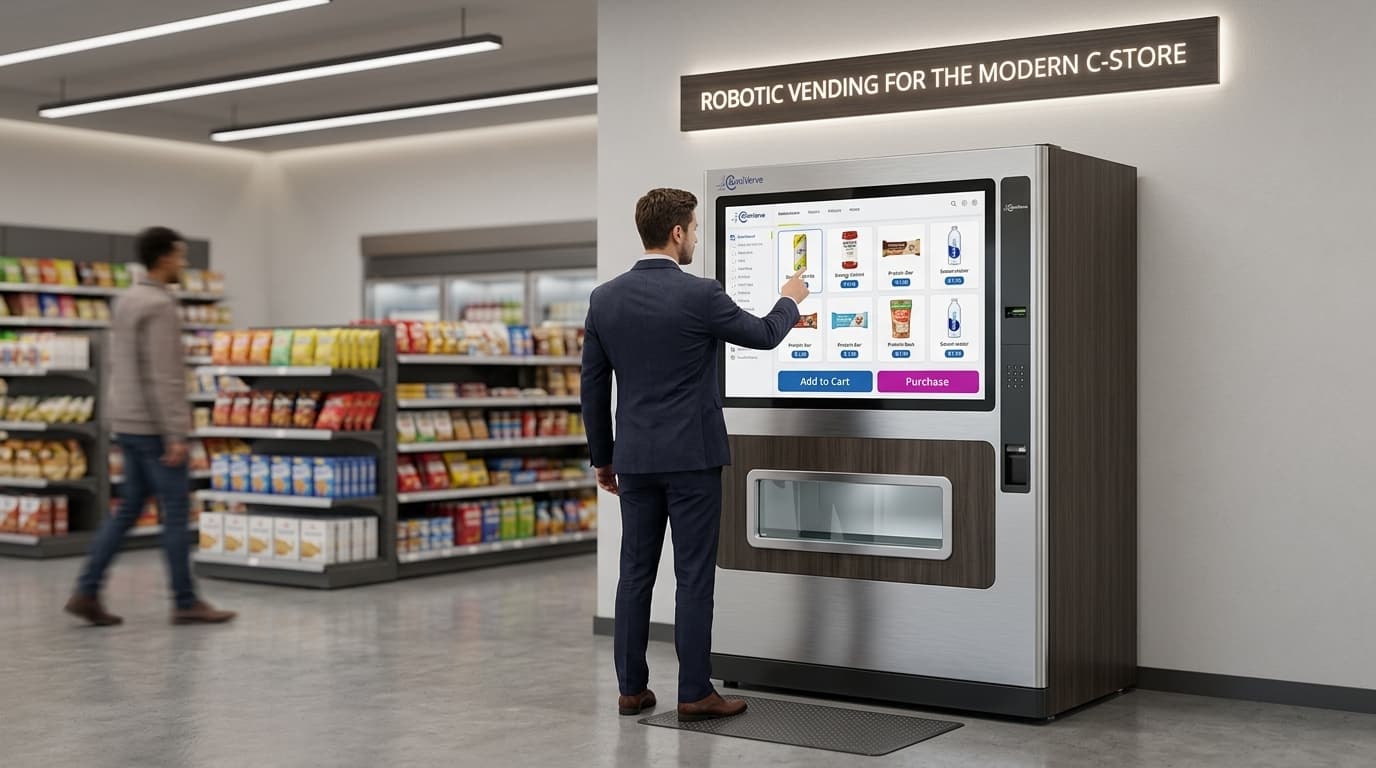
- touchscreen interfaces that help customers browse categories or compare items
- branding treatment that makes the machine feel like part of the store experience
- payment, telemetry, and reporting features suited to a more modern retail workflow
If the category needs a broader technology layer as well, there is often overlap with smart vending machines and digital vending machines, particularly when the goal is better reporting, stronger merchandising, or a more guided customer experience.
Customized Machines Can Improve the Customer Experience
The stronger custom vending projects do not begin with “What machine do we have in stock?” They begin with “What should the customer experience feel like?” That is a more useful question because it forces the design around the buying journey rather than the hardware catalog.
Touchscreen browsing, clearer product imagery, better lighting, guided selection, and more intuitive navigation all help customers feel more confident at the machine. That becomes especially important when the product is not a low-consideration snack but something with stronger brand, category, or product-story value.
In the right venue, the vending machine becomes part of the retail theater. It can reinforce a premium feel, simplify discovery, and reduce friction at the point of sale without asking the customer to queue for help.
Branding and Merchandising Matter More Than Many Buyers Expect
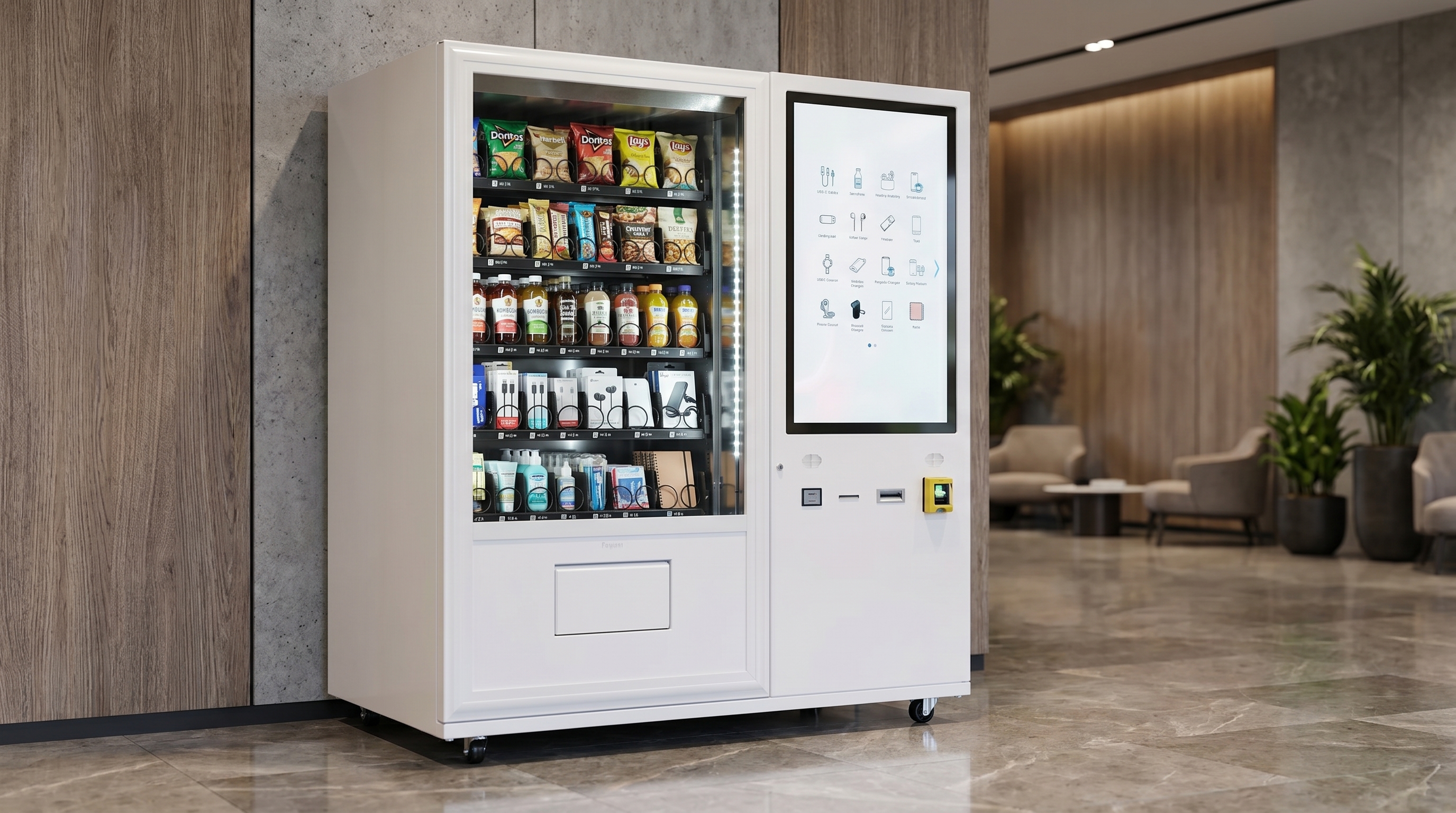
One of the clearest ways customized vending machines change retail is by giving brands tighter control over presentation. A generic machine can stock branded products; a customized machine can feel branded in its own right.
That can mean custom wraps, screen-led promotions, category storytelling, campaign-specific graphics, and cabinet design choices that help the unit feel aligned with the venue instead of bolted onto it as an afterthought. In categories such as beauty, luxury, electronics, and travel essentials, that presentation layer can have a direct effect on conversion.
Retailers often underestimate how much of unattended sales performance comes down to trust and presentation. A better-looking, clearer, better-merchandised machine tends to outperform a technically adequate one that feels anonymous.
Customized Vending Helps Retailers Reach More Locations
Another reason the category is growing is simple placement logic. Customized vending lets retailers serve locations that would not justify a full store build-out or a permanently staffed counter.
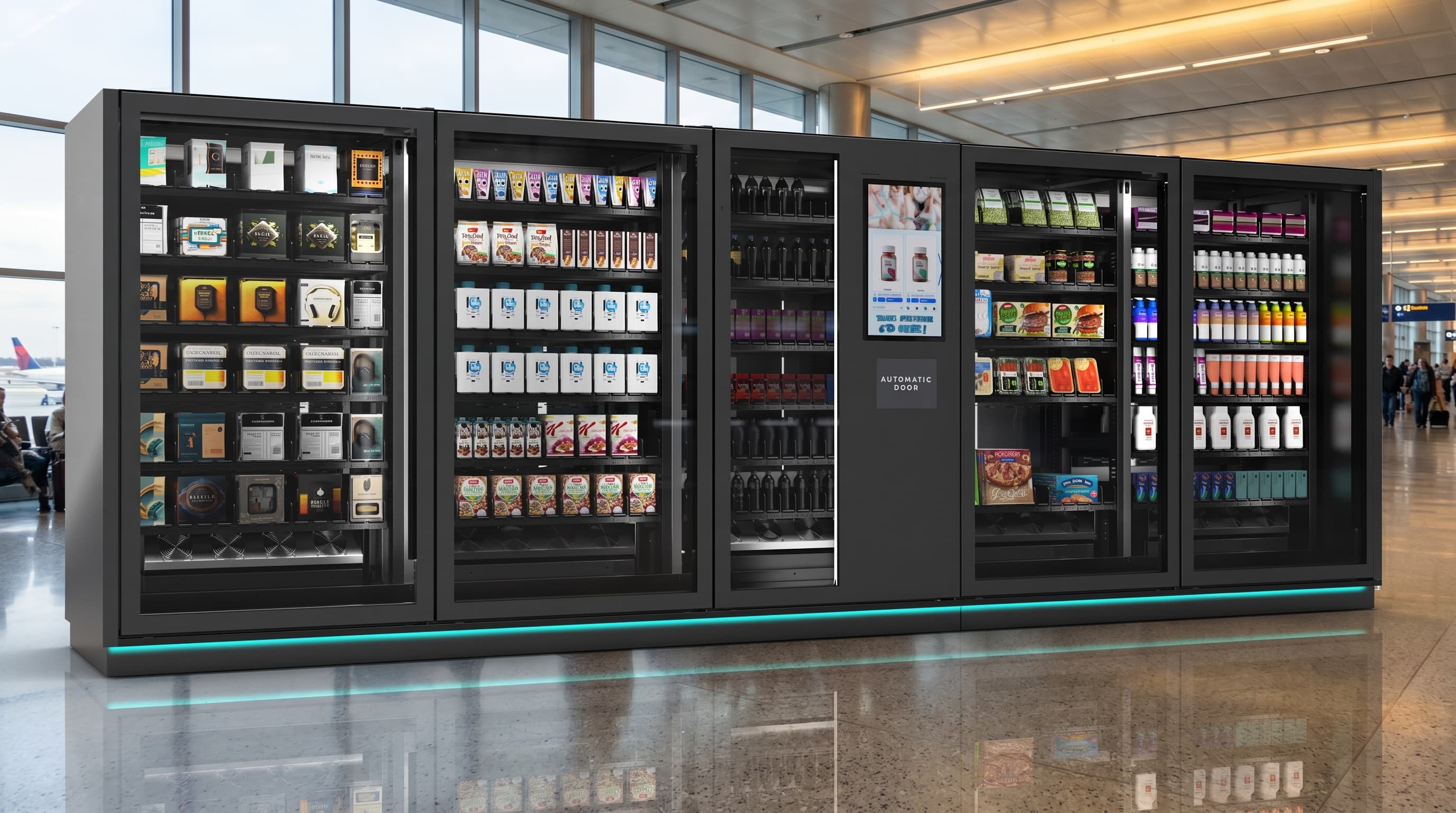
Airports, hotels, campuses, corporate lobbies, residential amenity spaces, entertainment venues, and transport hubs all create different constraints and different commercial opportunities. A custom machine can be shaped around those realities more effectively than a standard unit.
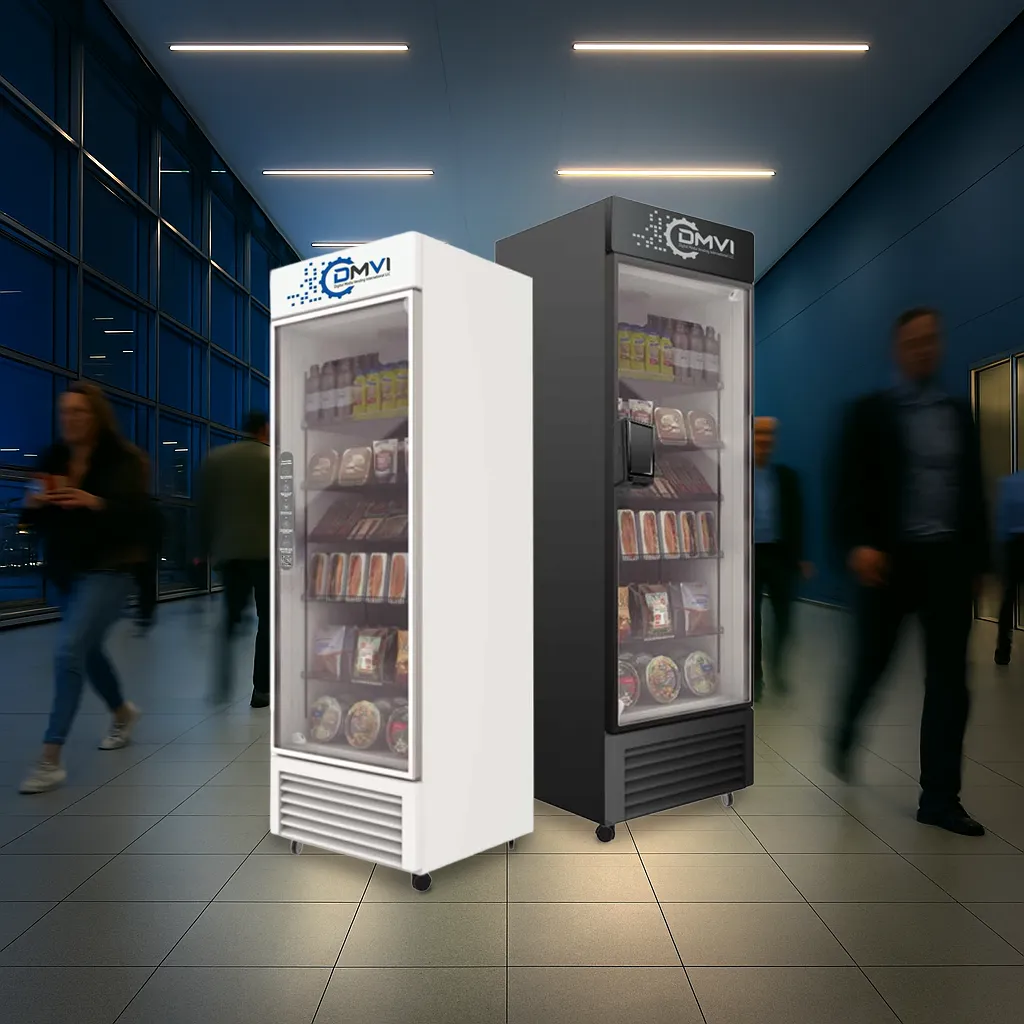
That might mean a slimmer format for a corridor, a larger screen for a high-footfall public venue, stronger security for higher-value products, or a cabinet designed around a tighter but more profitable SKU range. The point is not that every site needs a custom build. The point is that the right sites often benefit from one.
For larger assortments or more physically substantial products, it may also make sense to compare large vending machines or adjacent unattended-retail formats such as micro-market vending machines and AI fridges.
Technology Is Raising the Ceiling
Modern custom vending is more compelling because the underlying technology has improved. Cashless payments, telemetry, touchscreen UX, remote monitoring, inventory visibility, and software-led promotions all make the machine more capable than older vending formats.
That means custom vending is no longer limited to painting a cabinet in brand colors and calling it innovation. The stronger projects now combine tailored hardware with a smarter operating model. Operators can see what sells, manage stock more intelligently, and refine the retail offer over time instead of treating the machine as a static fixture.
That is also where custom vending starts to overlap with AI vending machines and other software-rich unattended retail systems: better data, better control, and better alignment between the hardware and the commercial model.
Revenue Potential Improves When the Machine Fits the Job
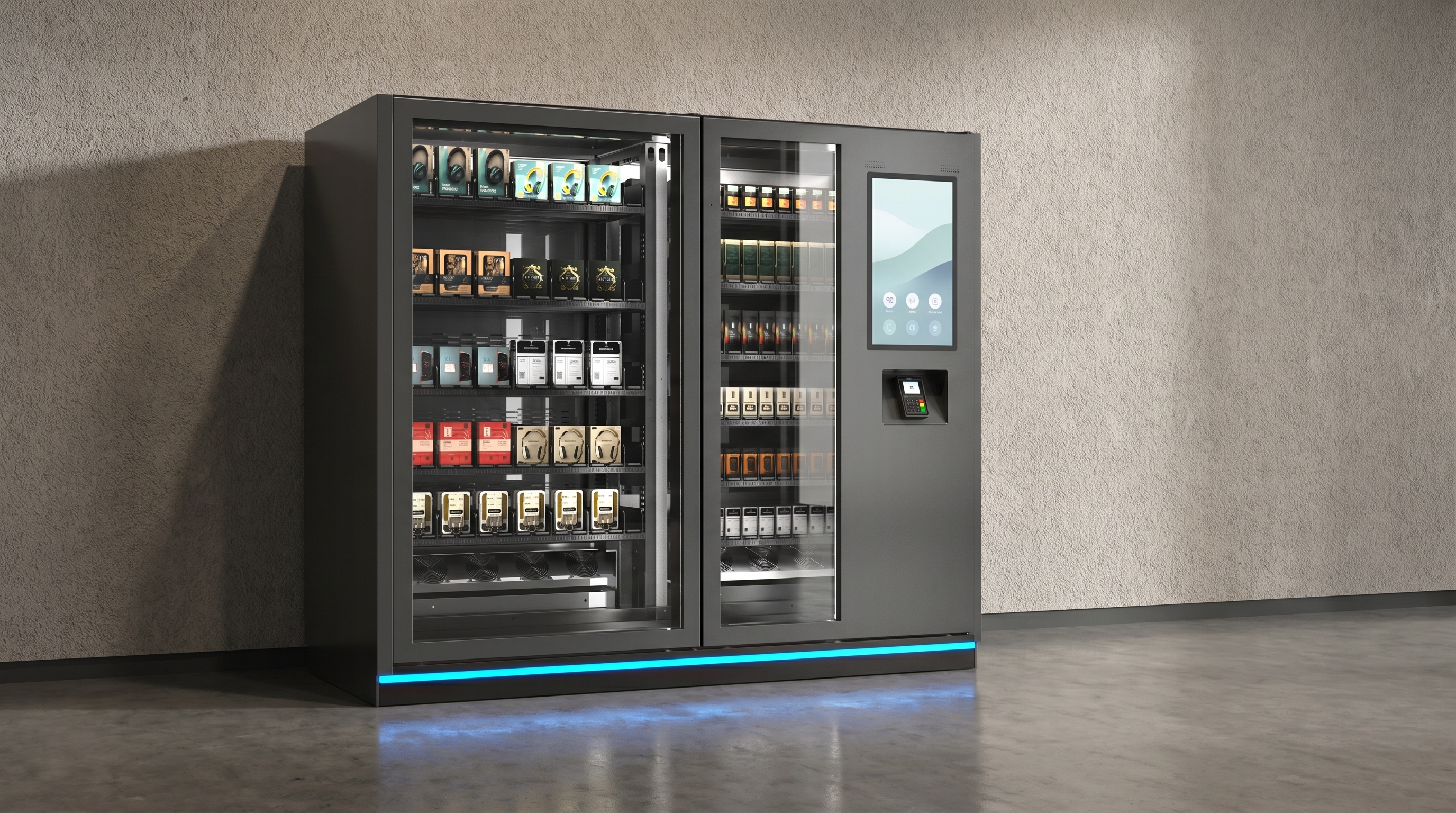
Customized vending machines can improve revenue not because “custom” is automatically better, but because a machine that matches the venue and the product mix usually converts better than one that merely happens to be available.
A stronger fit can improve:
- customer attention and stop rate
- confidence in the products on offer
- average basket size or upsell behavior
- brand perception in the venue
- restocking efficiency and assortment control
Retailers should still be sober about the economics. A custom machine needs to justify itself through placement quality, category margins, and the role it plays in the broader retail strategy. But when the concept is right, a more tailored format can create opportunities a generic machine simply would not unlock.
What Retailers Should Ask Before They Commission a Custom Machine
Before moving ahead, the most useful questions are not about aesthetics first. They are about purpose and workflow.
- What products will the machine actually carry?
- Who is the customer, and how much explanation or browsing support do they need?
- Does the venue reward premium presentation or simple speed?
- What payment, reporting, and inventory visibility matter after launch?
- Would a standard machine, smart machine, or custom machine create the strongest commercial fit?
The best custom vending projects are clear about what problem the machine is solving. When that is defined well, the design process becomes much sharper and the finished machine is far more likely to perform.
Conclusion
Customized vending machines are transforming retail because they let businesses build unattended sales points around the actual product, venue, and customer journey instead of compromising around a generic cabinet. That creates better presentation, more flexibility, stronger brand alignment, and often a more commercially useful customer experience.
Not every location needs a custom machine. But when the assortment is distinctive, the venue matters, or the brand experience cannot be left to chance, customized vending can be a much stronger retail tool than standard hardware. In that sense, the category is not just evolving — it is becoming a more serious part of modern retail strategy.
Thinking about a custom vending format for your retail concept?
DMVI can help you compare custom, smart, and large-format vending options based on your products, venue, and customer experience goals.