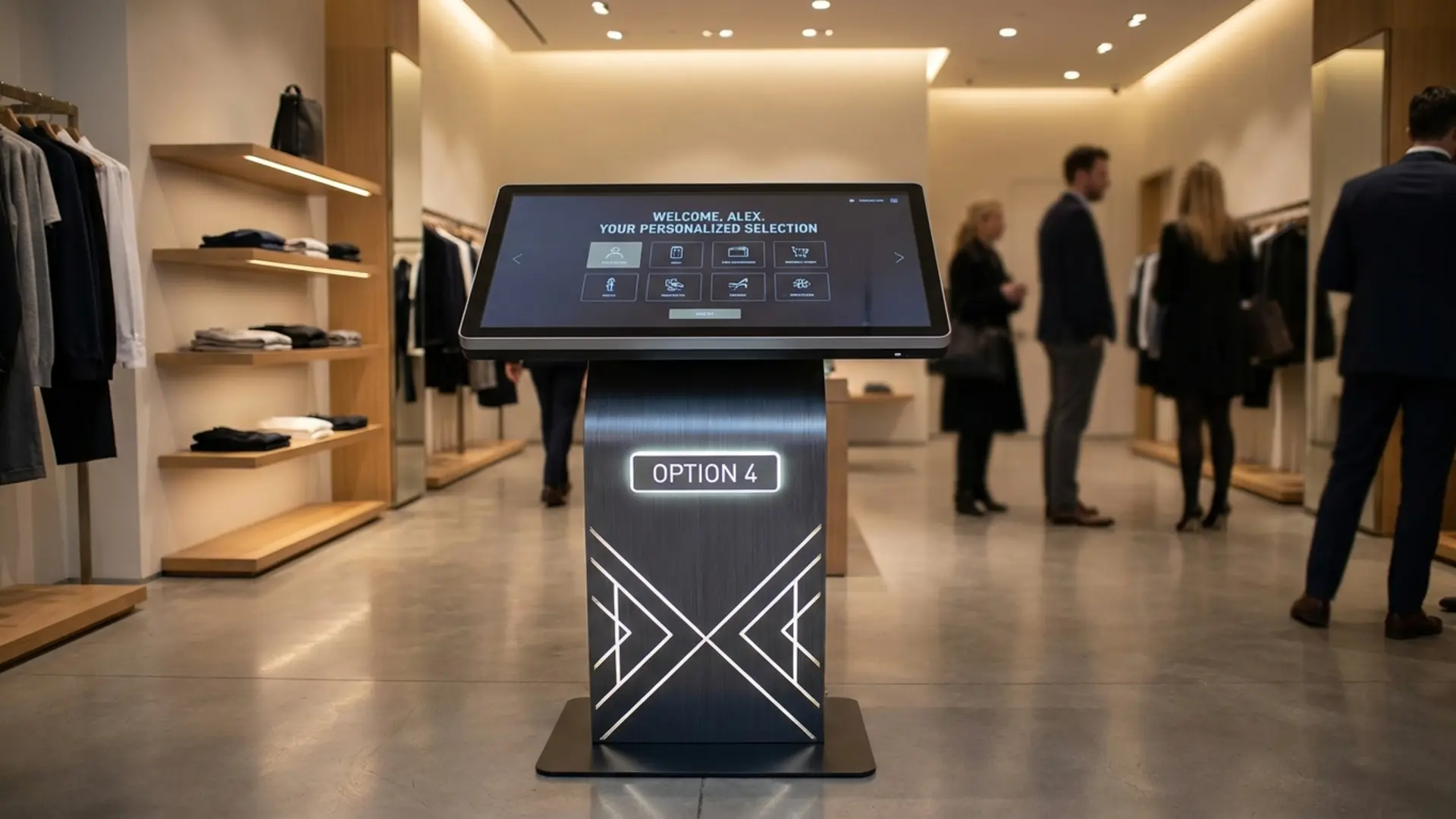
How Much Does It Cost to Build a Custom Vending Machine?
Building a fully branded custom vending machine combines smart vending technology with your brand identity to create a direct retail channel. This guide is for business owners and entrepreneurs evaluating whether a custom vending machine makes sense for their product and budget. Use it when you need transparent cost breakdowns, hardware specs, and ROI benchmarks before committing to a deployment.
Quick Answer
A fully branded custom vending machine costs between $3,500 and $25,000+ depending on hardware complexity, touchscreen size, IoT telemetry integration, and cashless payment systems. Enterprise-grade bespoke vending solutions with AI-optimized dispensing, live inventory management, and custom product fit engineering sit at the top of that range.
Key Facts
-
12.3 million connected vending machines forecast by 2027, up from 5.8 million units in 2022 — Connected vending market growing at 16.4% CAGR, signaling rapid adoption of smart vending technology source
-
Smart vending operators achieve 40% revenue increase from interactive touchscreen displays — Enterprise hardware upgrades directly drive commercial performance across automated retail systems source
-
Global intelligent vending machines market projected to expand significantly through 2034 — Sustained investment in bespoke vending solutions and retail technology innovations is accelerating globally source
-
40% of vending operators cite compatibility as a top barrier to digital transformation in 2026 — Legacy integration remains the primary blocker for operators upgrading to smart vending technology source
-
India's smart vending ecosystem crossed Rs 4,800 crore in FY26 across 84,000+ live machines — Rapid market expansion in emerging economies confirms global demand for automated retail systems source
Smart vending technology is reshaping how brands connect with consumers at the point of sale. The global connected vending market is growing at a 16.4% CAGR, with 12.3 million units forecast online by 2027. For businesses evaluating custom vending machines, understanding the full cost structure is the first step toward a profitable deployment in 2026.
Key Takeaways
Custom vending machine costs range from $3,500 to $25,000+ based on hardware tier, software stack, and branding scope — with smart features delivering measurable ROI.
-
Entry-level branded vending machines start at $3,500–$7,000; enterprise-grade smart vending technology with IoT telemetry solutions reaches $15,000–$25,000+.
-
Cashless payment systems and touchscreen vending machines add $500–$2,500 per unit but drive up to 40% revenue gains.
-
Live inventory management and vending machine software subscriptions cost $200–$800/month per operator data.
-
Custom product fit engineering and bespoke vending solutions require 8–16 weeks of lead time for full hardware design and production.
-
Operators using IoT telemetry solutions reduce stockouts by 20–30% and cut unplanned service calls by over 20%, per industry analysis.
Table of Contents
-
What Does a Fully Branded Custom Vending Machine Actually Cost in 2026?
-
Which Hardware Features Drive the Biggest ROI for Smart Vending Technology?
-
How Does Smart Vending Technology Work as a Digital Marketing Channel?
-
What Are the Key Cost Benchmarks for Vending Machine Deployment at Scale?
-
What Are the Limits and Hidden Costs of Custom Vending Machine Projects?
-
How Do Smart Vending Machines Compare to Traditional Units on Performance?
-
How Digital Media Vending Solves the Custom Vending Machine Cost and Complexity Problem
What Does a Fully Branded Custom Vending Machine Actually Cost in 2026?
A fully branded custom vending machine costs $3,500–$7,000 at the entry level, $8,000–$15,000 at mid-tier with touchscreen vending machines and cashless payment systems, and $15,000–$25,000+ for enterprise-grade smart vending technology with IoT telemetry solutions, AI dispensing, and full custom hardware design. Software adds $200–$800/month.
The hardware tier is the single largest cost driver. A basic branded unit with a vinyl wrap, standard mechanical dispensing, and a card reader sits at $3,500–$7,000. Step up to a 10" capacitive touchscreen, multi-method cashless payment terminal, and 4G connectivity, and the unit cost climbs to $8,000–$15,000 hardware specs.
Enterprise bespoke vending solutions — machines built with custom product fit engineering, 15+ IoT sensor arrays, 5G edge computing, and AI-optimized dispensing — reach $15,000–$25,000 per unit before installation. According to VendBuddy 2026, software and network fees for live inventory management platforms run $200–$800/month operator data.
Custom hardware design adds a one-time engineering fee of $5,000–$20,000 depending on mechanical complexity. Vending machine manufacturers charge separately for industrial design, tooling, and prototype validation. Brands that skip custom product fit engineering risk product jams and a 5–10% transaction error rate, compared to sub-1% in AI-verified systems error rates.
-
Entry-level branded unit: $3,500–$7,000 (vinyl wrap, basic card reader, mechanical dispensing)
-
Mid-tier smart unit: $8,000–$15,000 (10" touchscreen, multi-method cashless, 4G IoT)
-
Enterprise smart unit: $15,000–$25,000+ (15+ sensors, 5G, AI dispensing, custom fit engineering)
-
One-time custom hardware design fee: $5,000–$20,000
-
Ongoing software/network: $200–$800/month per machine
Enterprise smart vending machines with IoT sensor arrays and AI dispensing cost $15,000–$25,000 per unit in 2026, per hardware benchmarks from HouseCar.
Which Hardware Features Drive the Biggest ROI for Smart Vending Technology?
Touchscreen displays, universal cashless payment terminals, and IoT sensor arrays deliver the highest ROI in smart vending technology. Operators with enterprise hardware achieve 40% revenue increases, 35% higher machine uptime, and 25% maintenance cost reductions compared to standard units, per HouseCar 2026 hardware benchmarks.
The display system is the most commercially impactful upgrade. Moving from a 7" resistive screen to a 15" HD interactive display increases customer engagement by 30% and enables upselling, promotional content, and product browsing ROI data. Touchscreen vending machines outperform static-display units on average basket size across every product category.
Universal payment terminals accepting NFC, EMV chip, mobile wallets, and QR codes achieve 35% transaction volume growth by eliminating payment friction payment data. Cashless payment systems are now the primary adoption driver for connected vending globally, accelerated by post-pandemic consumer behavior shifts market report.
IoT telemetry solutions with 15+ sensor arrays provide complete operational visibility — temperature, humidity, door status, motor health, and inventory levels in real time. According to the International Journal of Advanced Electrical and Electronics Engineering 2025, IoT-driven vending systems reduce unplanned downtime by enabling predictive maintenance before component failure IoT research. Underused IoT capability is associated with 20–30% higher operational costs from unaddressed repairs cost data.
-
15" HD touchscreen: +30% customer engagement vs 7" resistive display
-
Universal cashless terminal: +35% transaction volume growth
-
15+ IoT sensor array: complete visibility, predictive maintenance enabled
-
Conveyor belt shelves and elevator/door dispensing: product-safe delivery for fragile or high-value items
Operators investing in smart vending hardware achieve 50% operational efficiency improvement from IoT-connected capabilities, per HouseCar 2026 benchmarks.
How Does Smart Vending Technology Work as a Digital Marketing Channel?
Smart vending machines function as branded digital touchpoints by combining touchscreen content delivery, data capture, and targeted promotions at the point of sale. They collect transaction data, run A/B tested promotions, and push real-time offers — turning every purchase into a measurable marketing event for brands and enterprise operators.
A touchscreen vending machine with a loyalty layer increases average basket size through targeted upsells and time-limited offers. Brands run A/B tests on featured SKUs, rotating promotions based on time of day, location, and purchase history basket data. This converts the vending machine from a passive dispenser into an active automated retail experience.
Vending machine software platforms integrate with CRM tools and digital marketing stacks to push personalized content to the screen. Per DFY Vending 2026, smart vending machines capture demographic and behavioral data that feeds back into brand campaign optimization smart features. This closed-loop data model is the core value proposition for brands investing in retail technology innovations.
Cashless payment systems generate transaction-level data unavailable from cash-only machines. Every tap, scan, or swipe creates a timestamped record tied to product, location, and payment method. According to Agape Vending 2026, smart vending machines outperform traditional units on data richness, enabling brands to make inventory and promotional decisions based on live signals rather than weekly manual counts smart vs traditional.
Smart vending machines using IoT telemetry and touchscreen interfaces enable brands to run real-time A/B promotional tests, with operators reporting measurable basket size increases in 2026.
What Are the Key Cost Benchmarks for Vending Machine Deployment at Scale?
Enterprise vending machine deployment at scale costs $8,000–$25,000 per unit in hardware, plus $200–$800/month per machine in software fees. Fleet deployments of 50+ units unlock volume pricing from vending machine manufacturers. Operational costs drop significantly with IoT telemetry — smart operators reduce per-machine monthly opex by up to 79%.
Fleet-scale automated retail systems require upfront capital for hardware, installation, and software onboarding. A 50-unit deployment of mid-tier smart vending machines represents a $400,000–$750,000 capital investment before software and logistics. Per Mordor Intelligence 2026, the connected vending machine market is expanding as operators shift from single-unit pilots to multi-site enterprise vending solutions market growth.
Operational efficiency is the primary lever for improving unit economics at scale. RichAutomate FY26 data shows that operators using IoT telemetry solutions reduced per-machine monthly opex from Rs 1,840 to Rs 384 — a 79% reduction — by automating restocking alerts, dispute resolution, and cold-chain monitoring opex data. This translates directly to improved operator margin across large deployments.
Smart locker systems are an alternative to traditional vending machines for secure, high-value product dispensing in corporate and logistics environments. For brand activations requiring curated product experiences, custom vending machines remain the preferred automated retail system. Vending machine deployment timelines average 8–16 weeks for bespoke units, with standard smart vending units typically available in 2–4 weeks per Genius Vend 2026 deployment guide.
Smart vending operators reduced per-machine monthly opex by 79% — from Rs 1,840 to Rs 384 — using IoT telemetry automation in FY26, per RichAutomate.
What Are the Limits and Hidden Costs of Custom Vending Machine Projects?
Hidden costs in custom vending machine projects include tooling fees ($5,000–$20,000), installation and site preparation ($500–$2,000 per unit), cellular data plans ($30–$80/month), compliance testing, and ongoing firmware updates. Vendor lock-in on proprietary software platforms is a structural risk for enterprise operators managing large fleets.
Vendor lock-in is the most significant structural risk in automated retail systems. Per VendBuddy 2026, most smart market and vending platforms are proprietary end-to-end, meaning switching costs are high once a fleet is deployed on a single software stack vendor risk. Operators evaluating enterprise vending solutions must negotiate data portability and API access before signing.
Connectivity dependency is a hard operational constraint. Smart vending technology requires stable internet with backup for real-time IoT telemetry, cashless payment processing, and remote diagnostics. A machine offline for more than 4 hours loses sales and accumulates unmonitored inventory risk. Per POSZEO 2026, B2B vending kiosk deployments require dedicated network planning as part of the procurement process B2B guide.
Compliance costs add 5–15% to total project budgets. Food-grade machines require FSSAI or FDA-equivalent certification, temperature logging, and legal metrology stamp verification. Electronics dispensing units require UL/CE certification. According to Strategic Revenue Insights 2026, the smart vending machine market's fastest-growing segments — healthcare and pharmaceuticals — carry the highest compliance overhead per unit deployed market trends.
Per VendBuddy 2026, vendor lock-in in proprietary vending platforms means a failed single deployment can tie up $50,000+ in stranded capital.
How Do Smart Vending Machines Compare to Traditional Units on Performance?
Smart vending machines outperform traditional units on every measurable KPI. They deliver 35% higher uptime, 40% more revenue, 25% lower maintenance costs, and sub-1% transaction error rates versus 5–10% in traditional machines. The performance gap widens as fleet size increases and IoT telemetry data accumulates over time.
Traditional vending machines require manual stock checks, have no remote diagnostics, and process cash or basic card payments only. Smart vending machines with IoT telemetry solutions eliminate manual routes by feeding real-time inventory data to restocking software, reducing service calls by over 20%service data. This operational gap compounds across multi-site deployments.
The global vending machine market is transitioning decisively toward connected units. Per the Global Vending Machine Market Report 2026, automated retail systems with cashless payment systems and digital interfaces are capturing disproportionate share of new deployments market report. The penetration rate of connected vending machines is forecast to reach 75.7% by 2027 penetration rate.
Digital Media Vending custom vending machines are an alternative to off-the-shelf smart units for brands requiring full hardware customization and proprietary branding. Digital Media Vending integrates touchscreen interfaces, cashless payment systems, and IoT telemetry into machines built specifically for each client's product dimensions and brand identity. Per Gitnux 2026 vending industry statistics, brands that invest in custom automated retail experiences report higher consumer dwell time and repeat purchase rates than generic machine deployments industry stats.
Connected vending machines are forecast to reach a 75.7% global penetration rate by 2027, up from an estimated 40% in 2024, per ResearchAndMarkets.
Custom Vending Machine Cost Tiers in 2026
TierUnit CostDisplayPaymentIoT SensorsBest For Entry-Level Branded$3,500–$7,0007" resistive touchBasic card readerTemperature onlyBrand activations, pilots Mid-Tier Smart$8,000–$15,00010" capacitive multi-touchMulti-method cashless5-parameter monitoringCorporate campuses, retail Enterprise Smart$15,000–$25,000+15" HD interactiveUniversal payment hub15+ sensor arrayEnterprise fleet deployments Bespoke Custom Build$20,000–$50,000+Custom size/specCustom integrationFull custom arrayBrand flagship, pharma, luxury
Smart Vending Technology vs Traditional Vending: Performance Comparison 2026
KPITraditional VendingSmart Vending TechnologySource Transaction Error Rate5–10%Sub-1%src-2 Machine UptimeBaseline+35% highersrc-6 Revenue per UnitBaseline+40% increasesrc-6 Maintenance CostBaseline-25% reductionsrc-6 Operational EfficiencyBaseline+50% improvementsrc-6 Service CallsManual routing-20%+ reductionsrc-8 Opex per Machine/MonthHigh (manual)-79% with IoTsrc-7
How Digital Media Vending Solves the Custom Vending Machine Cost and Complexity Problem
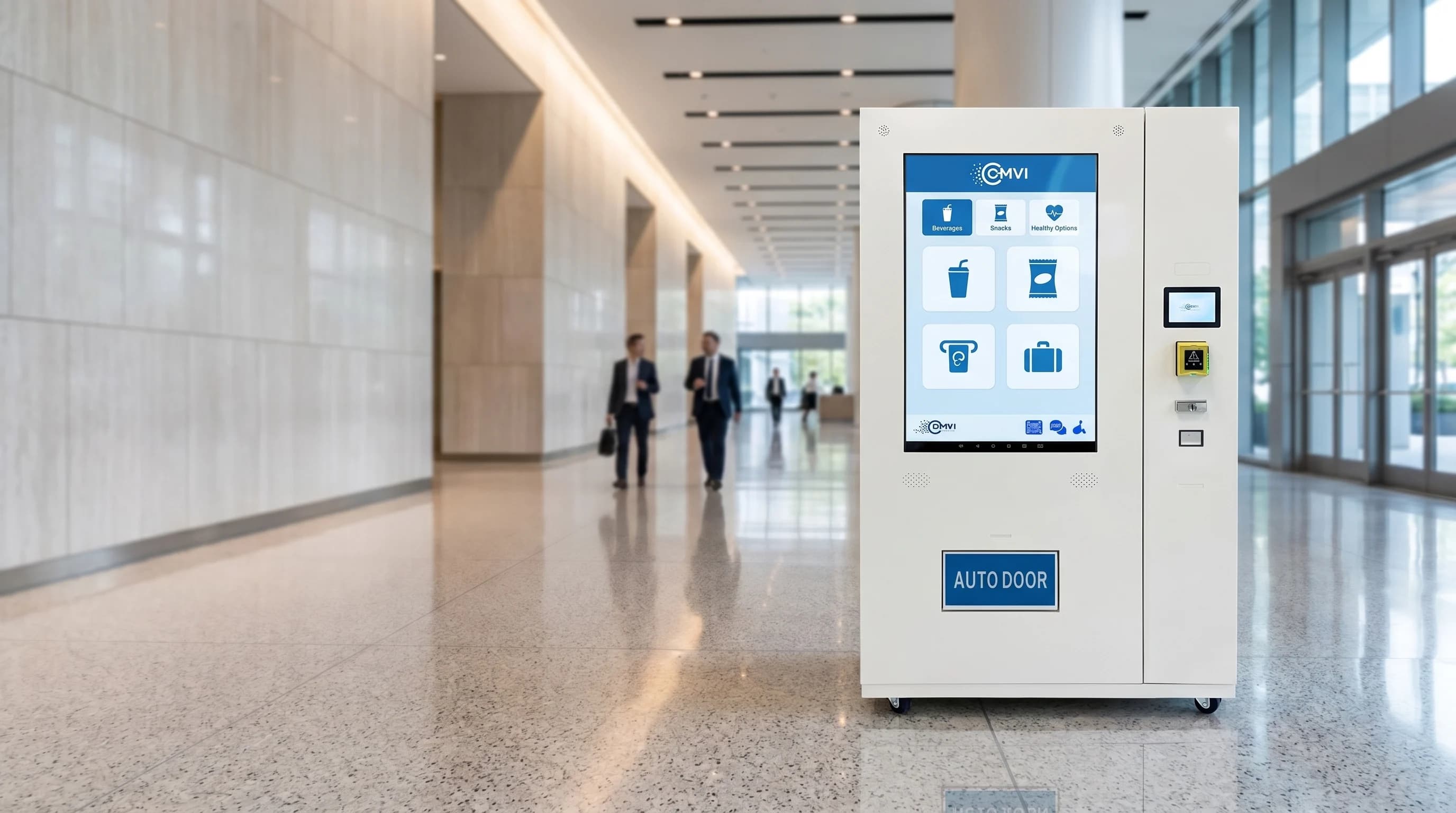
Digital Media Vending (DMVI) specializes in fully branded custom vending machines built for enterprise brands and marketing teams that need more than a wrapped standard unit. Every machine is engineered from the ground up with custom product fit engineering — meaning the dispensing mechanism, shelf configuration, and product channel dimensions are designed around your specific product, not adapted from a generic template. This eliminates the 5–10% transaction error rate common in retrofitted machines and delivers the sub-1% accuracy standard of purpose-built automated retail systems error rates.
DMVI machines ship with 21 to 50 inch touchscreen interfaces, universal cashless payment systems supporting NFC, EMV, and QR codes, and full IoT telemetry solutions for live inventory management and remote diagnostics. The vending machine software platform, VendingTracker, manages live inventory, pricing, planograms, sales data, and machine health from a single browser dashboard, with branded promotional content and upsells displayed directly on the machine screen. This turns every deployment into a measurable digital marketing channel, not just a product dispenser. With the global connected vending market growing at 16.4% CAGR toward 12.3 million units by 2027 market data, DMVI positions brands ahead of the adoption curve.
DMVI serves business owners and vertical entrepreneurs across North America and internationally, from specialty retailers and bakeries to niche B2B operators looking to expand into 24/7 autonomous retail. Their bespoke vending solutions cover the full project lifecycle: concept design, custom hardware design, software configuration, compliance testing, vending machine deployment, and ongoing support. For organizations evaluating smart locker systems, automated kiosks, or retail technology innovations, DMVI provides a single-vendor solution that eliminates the integration complexity flagged by 40% of operators as their top digital transformation barrier barrier data.
Key Products & Services
-
Fully branded custom vending machines with custom product fit engineering
-
21–50 inch touchscreen vending machines with interactive promotional content
-
Universal cashless payment systems (NFC, EMV, QR, mobile wallets)
-
IoT telemetry solutions with live inventory management and remote diagnostics
-
Cloud-based VendingTracker software with live inventory, pricing, and machine health management
Key Benefits
-
Sub-1% transaction error rate through purpose-built dispensing engineering
-
40% revenue uplift from interactive touchscreen and upsell capabilities
-
Full-lifecycle project management from design through deployment and support
-
Proprietary branding on every hardware surface — no generic machine aesthetics
-
Real-time marketing data capture from every cashless transaction
Ready to build a fully branded smart vending machine for your business? Contact Digital Media Vending today for a custom quote. With deployments delivering 40% revenue increases and 20–30% stockout reductions, the ROI case is clear. Visit our platform to start your project.
Conclusion
Smart vending technology delivers measurable ROI — 40% revenue gains, 35% higher uptime, and 79% opex reductions for operators who invest in the right hardware and software stack. With 12.3 million connected vending machines forecast by 2027 market data, the window to differentiate with fully branded custom vending machines is now. Contact Digital Media Vending to build yours.
FAQ
How much does a custom vending machine cost for a small business in 2026?
A basic branded custom vending machine for a small business costs $5,000–$7,000 in 2026, covering hardware, vinyl branding, and a standard card reader. Adding a touchscreen and cashless payment system pushes the cost to $8,000–$12,000. Software fees of $200–$400/month apply for live inventory management and remote monitoring cost data.
What is the difference between a smart vending machine and a traditional vending machine?
Smart vending machines include IoT telemetry solutions, touchscreen interfaces, cashless payment systems, and cloud-based vending machine software — traditional units have none of these. Per Agape Vending 2026, smart machines deliver sub-1% transaction error rates versus 5–10% in traditional units comparison. Smart machines also generate real-time sales data for marketing and inventory optimization.
How long does it take to deploy a custom branded vending machine?
Standard branded vending machines with wraps deploy in 2–4 weeks. Fully custom bespoke vending solutions with custom hardware design and product fit engineering require 8–16 weeks from design approval to installation. Complex custom vending solutions with proprietary dispensing mechanisms sit at the 16-week end of the timeline.
What ongoing costs should I budget for a smart vending machine?
Budget $200–$800/month per machine for vending machine software, cloud platform fees, and network connectivity monthly fees. Add $30–$80/month for cellular data if WiFi is unavailable at the deployment site. Maintenance contracts typically run 5–10% of hardware cost annually, reduced by 25% when predictive IoT diagnostics are active maintenance.
Can a custom vending machine be used as a digital marketing tool?
Yes. Touchscreen vending machines with cashless payment systems capture transaction-level behavioral data and display targeted promotional content in real time. Brands use VendingTracker to manage inventory, pricing, and on-screen promotional content across all deployed units from a single browser dashboard. This converts the machine into a measurable automated retail experience and brand media channel.
Sources
-
Smart Vending Machines: How They Work, Benefits, and Business Opportunities
-
Stand Vending Machine: Cashless Payments & IoT Solutions | MAKMIK
-
Top 10 Smart Vending Machine Hardware Technology Specifications 202... | HouseCar
-
Stand Vending Machine Types: Snacks, Drinks & Combo – MAKMIK
-
Smart Vending Machines vs Traditional: Which Is Better in 2026?
-
The Ultimate Guide to Vending Machines: Everything You Need to Know in 2026 - DFY Vending
-
Automated Vending Kiosk Buyer Guide for B2B Rollouts | POSZEO
-
What Are Smart Vending Machines: Features and Capabilities - DFY Vending
-
Smart Vending Machine Market Size, Future Growth and Forecast 2033
Ready to build a smarter vending program?
Talk with DMVI about custom vending machines, touchscreen retail experiences, and deployment-ready automated retail systems.