Vietnam Tet Vending: A Seasonal Custom-Retail Pilot That Respects the Data Limits
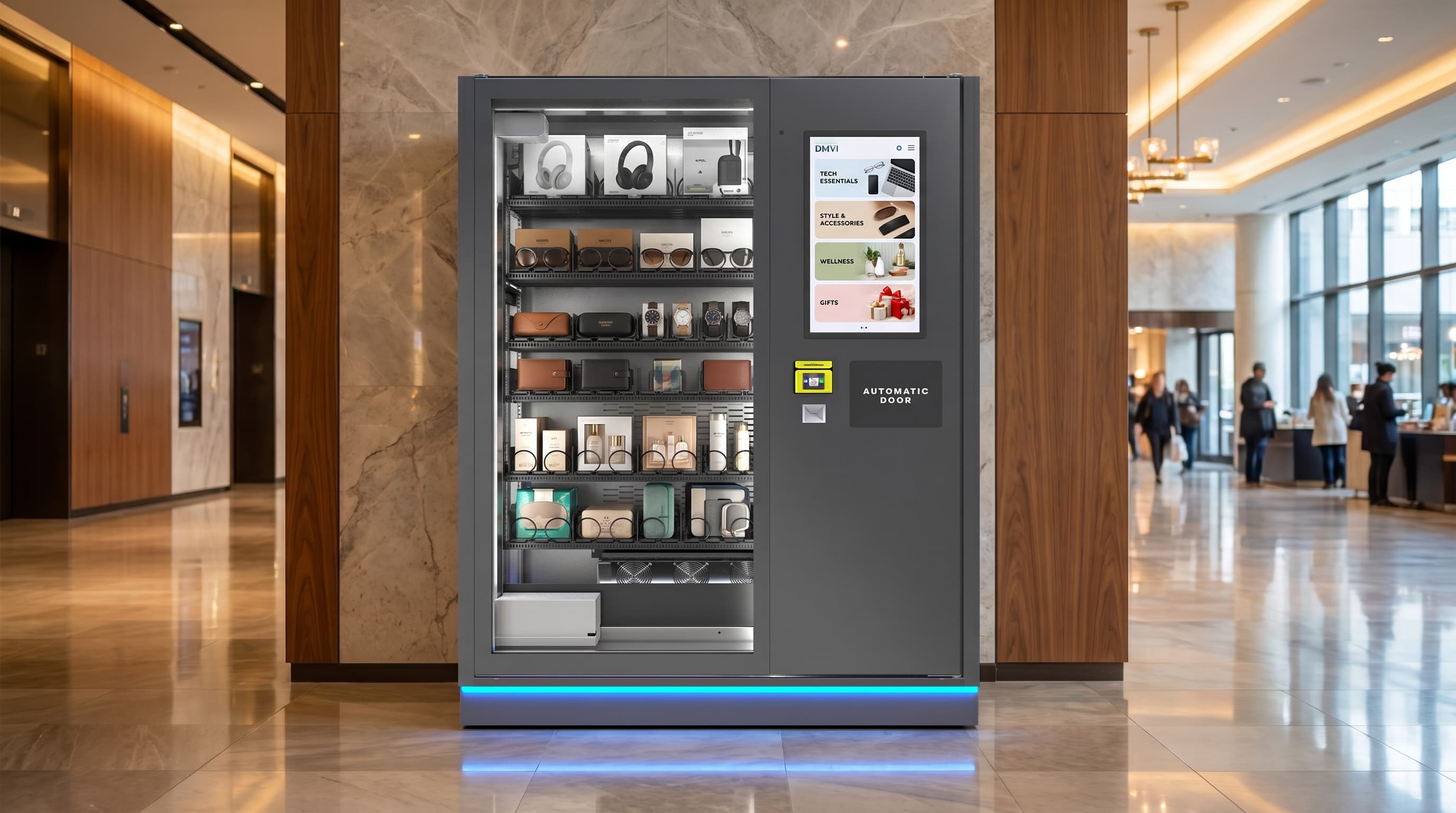
A Tet vending activation is a custom, time-bound automated retail deployment built around Vietnam’s Lunar New Year. The useful operator question is not whether someone can write a dramatic paragraph about festive shopping. It is whether a properly specified unit can capture incremental demand in airports, malls, transit hubs, and hotel lobbies during the few weeks when gifting, travel, and foot traffic accelerate while conventional retail labour gets stretched.
Public market data on the Vietnam vending machine market is still thin and inconsistent, so this page should be read as a seasonal operating guide rather than as a grand national market forecast. Sensible planning here starts with venue logic, payment design, and SKU fit, not swaggering claims about market size.
What a Tet vending deployment is actually trying to do
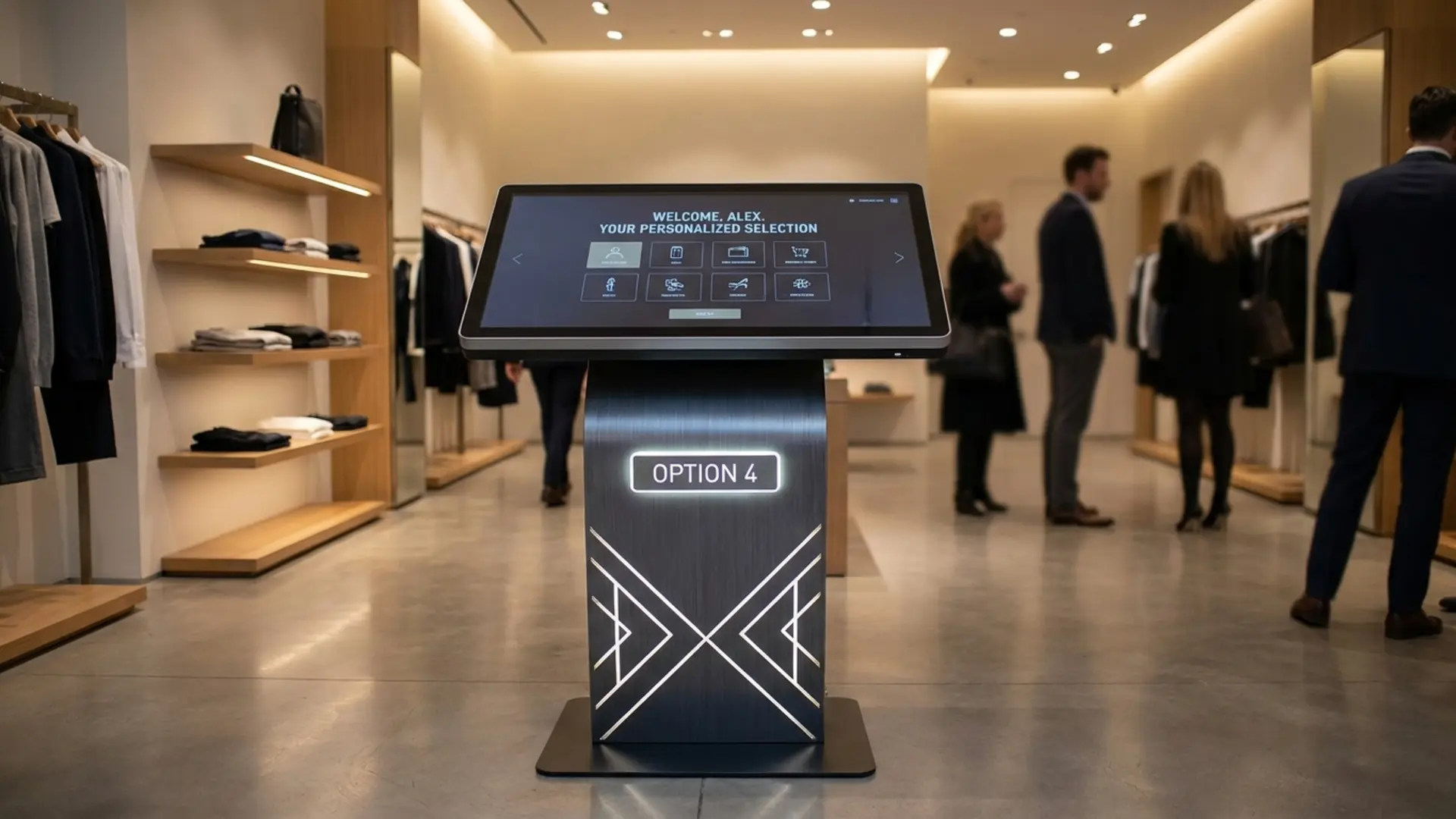
A Tet deployment is not just a regular machine with red graphics pasted on the front. It is a seasonal retail activation built around a concentrated four-week window of gifting, convenience, and travel demand. That means the cabinet itself becomes part of the merchandising, the planogram needs to feel culturally relevant, and the route team has to expect faster sell-through and more frequent refills than an ordinary non-seasonal site might justify.
The strongest candidate venues are places with holiday traffic, dwell time, and constrained staffing: airports, rail and transit hubs, malls, hotel lobbies, mixed-use commercial centres, and similar sites where a small, well-timed retail unit can catch demand that would otherwise walk past.
Payment design matters more than seasonal slogans
A Tet-ready unit in Vietnam should assume both QR-based wallet behaviour and contactless card expectations from international travellers. That means the cashless stack needs to support more than one payment habit cleanly instead of pretending every shopper will arrive with the same method. Standard controller communication such as MDB plus usable telemetry matters here because the operator needs real refill signals during a compressed seasonal spike.
If the machine cannot support the local payment reality, no amount of festive copy will rescue it. Payment friction is an excellent way to turn a holiday activation into a very expensive decoration.
What products make sense for a Tet vending planogram
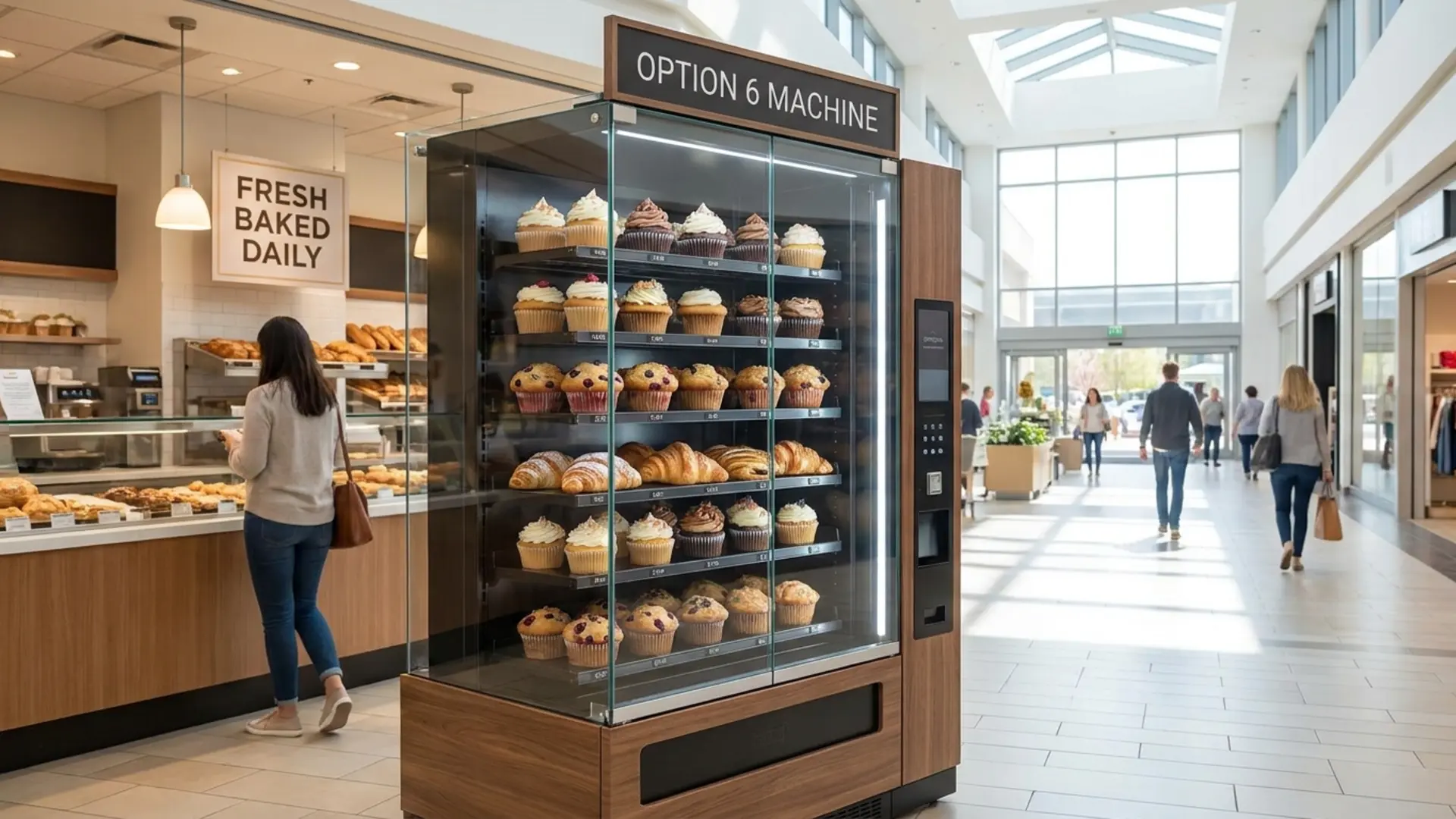
The planogram should be season-specific and venue-aware. Giftable teas, coffees, confectionery, travel-ready hygiene items, small electronics gifts, and culturally appropriate themed packs are all more sensible than a generic year-round assortment wearing a seasonal bow. Packaging should be shelf-stable, easy to replenish, visually tidy, and capable of carrying clear lot or batch information if the products need it.
Temperature-sensitive products should be avoided unless the machine is explicitly refrigerated and matched to a venue with reliable power and a service route prepared to support it. A seasonal activation is not the moment to discover your cold chain was optimistic fiction.
Why the first cycle should be a pilot, not a national crusade
Because the public market data is weak, operators should treat the first Tet cycle as a disciplined pilot rather than a chest-thumping rollout. Two to five well-chosen venues are enough to generate useful data on sell-through, peak periods, stockouts, payment mix, and the real difference between domestic and traveller demand. Telemetry and audit logging should be used to improve the next cycle rather than to admire dashboards for their own sake.
That bottom-up route data is more valuable than any unsourced “Vietnam vending market” number someone found in a slideshow. If the pilot works, expand with evidence. If it does not, the lesson is cheaper.
How to think about seasonality after Tet ends
A seasonal machine is only commercially sensible if the operator has a redeployment or remerchandising plan for after the holiday window. Some units can shift to travel, gifting, or convenience logic after Tet. Others should be rewrapped and moved. The weak version of this concept treats the holiday burst as the whole business case. The stronger version treats Tet as one profitable phase inside a broader custom-vending programme.
That is the difference between a seasonal activation and a seasonal mistake.
Planning a seasonal custom-vending activation for Vietnam or another holiday-heavy market?
DMVI can help you size the pilot, match the payment stack to local behaviour, and build a seasonal planogram that works harder than a machine wrapped in red and wishful thinking.