How Do Vending Machines Work Behind the Scenes
Vending machines are everywhere. They offer quick access to snacks, drinks, and more. But have you ever wondered, 'how do vending machines work'?
These machines are more than just metal boxes. They are complex systems with intricate mechanics. Understanding them can be fascinating.
At their core, vending machines combine mechanical and electronic components. This blend allows them to function smoothly.
The process starts with a payment system. It could be coins, bills, or cards. Each method has its own technology.
Once payment is accepted, the selection panel comes into play. You choose your desired item. The machine processes this request.
Next, the dispensing system activates. It delivers the product to you. This step involves precise mechanics.
Smart vending machines take this further. They use advanced tech like IoT and AI. These features enhance user experience.
Cigarette vending machines have unique mechanisms. They ensure age verification and secure dispensing. This adds a layer of complexity.
Coffee vending machines are another marvel. They brew and dispense coffee in a series of steps. Grinding beans and heating water are part of the process.
Card readers on vending machines are crucial. You might ask, 'how do card readers work on vending machines?' They read the card's magnetic strip or chip, and transactions are processed through secure networks.
Regular maintenance is vital for vending machines. It ensures they function properly and avoid breakdowns. This involves cleaning and repairs.
Vending machine mechanics require knowledge of both hardware and software. This understanding helps in troubleshooting issues.
The evolution of vending machines is ongoing. They are becoming more energy-efficient and user-friendly. This evolution is driven by technology.
Vending machines contribute to the convenience economy. They provide quick access to products. This makes them indispensable in modern life.
Introduction to Vending Machines
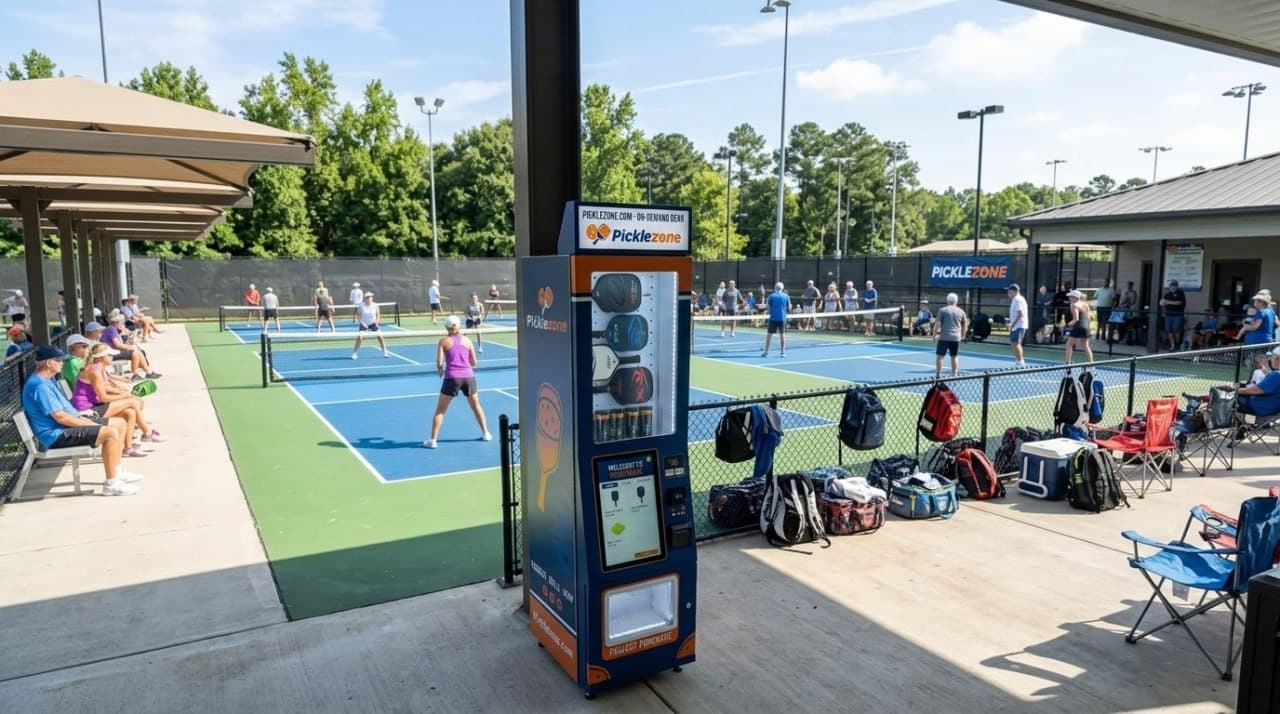
Vending machines have become a staple of urban life. They are simple yet efficient ways to purchase items on the go. From snacks to electronic gadgets, these machines offer a variety of products.
The concept of vending machines is both intriguing and functional. They operate autonomously, requiring no direct human oversight after setup. This makes them highly convenient in busy areas.
Vending machines have evolved significantly over the years. Today, they are equipped with cutting-edge technology. This enhances their capability and versatility.
Benefits of vending machines extend beyond convenience. They provide around-the-clock service and are strategically placed for optimal access. Their presence is a common sight in public places, institutions, and workplaces.
These devices are designed for self-service, a concept that resonates with modern consumer preferences. Vending machines cater to consumer demand for instant gratification. This makes them an essential component of the retail landscape.
A critical aspect is their adaptability. Vending machines can be customized to suit different consumer needs and preferences. This includes variations in product offerings and payment options. Adaptability enhances their global popularity.
In conclusion, vending machines are a reflection of technological advancement. They combine mechanics with convenience, serving as an innovative retail solution. Understanding their functionality offers insights into the future of autonomous retailing.
Definition and Purpose
Vending machines are automated devices that dispense products. They operate upon receiving adequate payment from a user. Their main purpose is to provide convenient, self-service transactions.
The primary advantage is ease of access. Vending machines offer a wide range of products, from refreshments to everyday essentials. This makes them a versatile option for consumers.
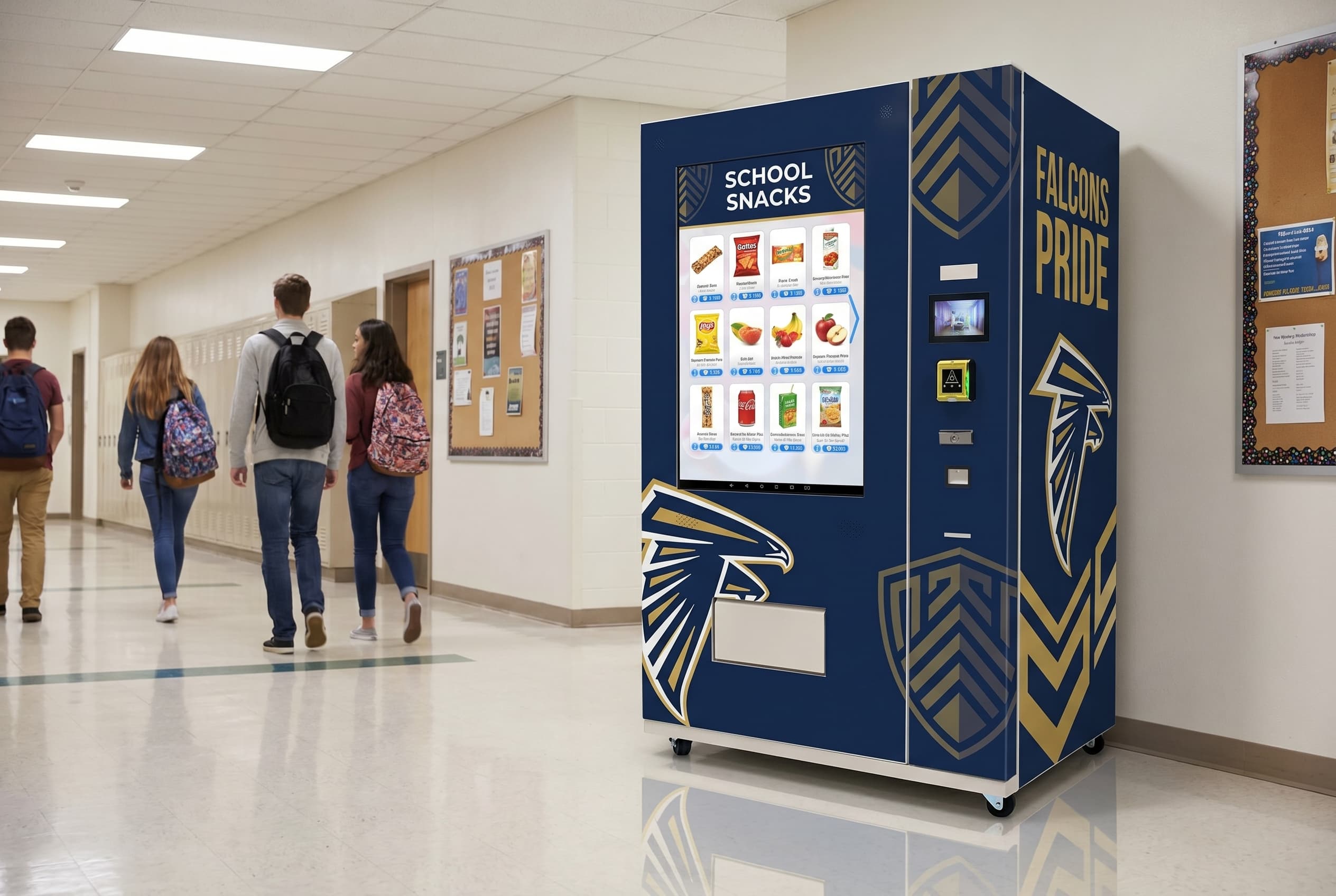
Various settings benefit from vending machines. They are found in schools, offices, and transportation hubs. Their strategic placement maximizes convenience for people on the go.
Here are a few purposes of vending machines:
- Convenience: Enables quick and easy access to products.
- Efficiency: Operates without the need for staff intervention.
- Flexibility: Offers a range of items to suit different consumer preferences.
The role of vending machines extends to enhancing customer experiences. They minimize human interaction, streamlining the purchase process. This is particularly appealing in fast-paced environments.
Brief History
The history of vending machines dates back centuries. The first known device was invented by Hero of Alexandria in 215 B.C. It dispensed holy water upon coin insertion. However, modern vending machines emerged in the 19th century.
In the 1880s, vending machines gained traction in London. They dispensed post cards, marking the beginning of commercial use. This idea soon spread to other regions and sectors.
The development of modern vending machines accelerated in the 20th century. Advancements in technology allowed for more complex machines. These machines could offer a broader range of items.
Major milestones in vending machine evolution include:
- 1880s: Introduction of postcard vending in London.
- 1920s: Expansion to snacks and beverages in the United States.
- 1980s: Integration of electronic payment systems.
Technological progress continued, leading to innovations like smart vending machines. These machines now use IoT and AI for improved operations. Such advancements have transformed vending machines into sophisticated retail tools.
The journey of vending machines is ongoing. Each innovation brings about a new era of convenience. This evolution reflects the changing dynamics of consumer expectations.
Vending Machine Mechanics
Vending machines rely on sophisticated mechanics and electronics. Their design enables seamless operation without human intervention. Each component plays a critical role in functionality.
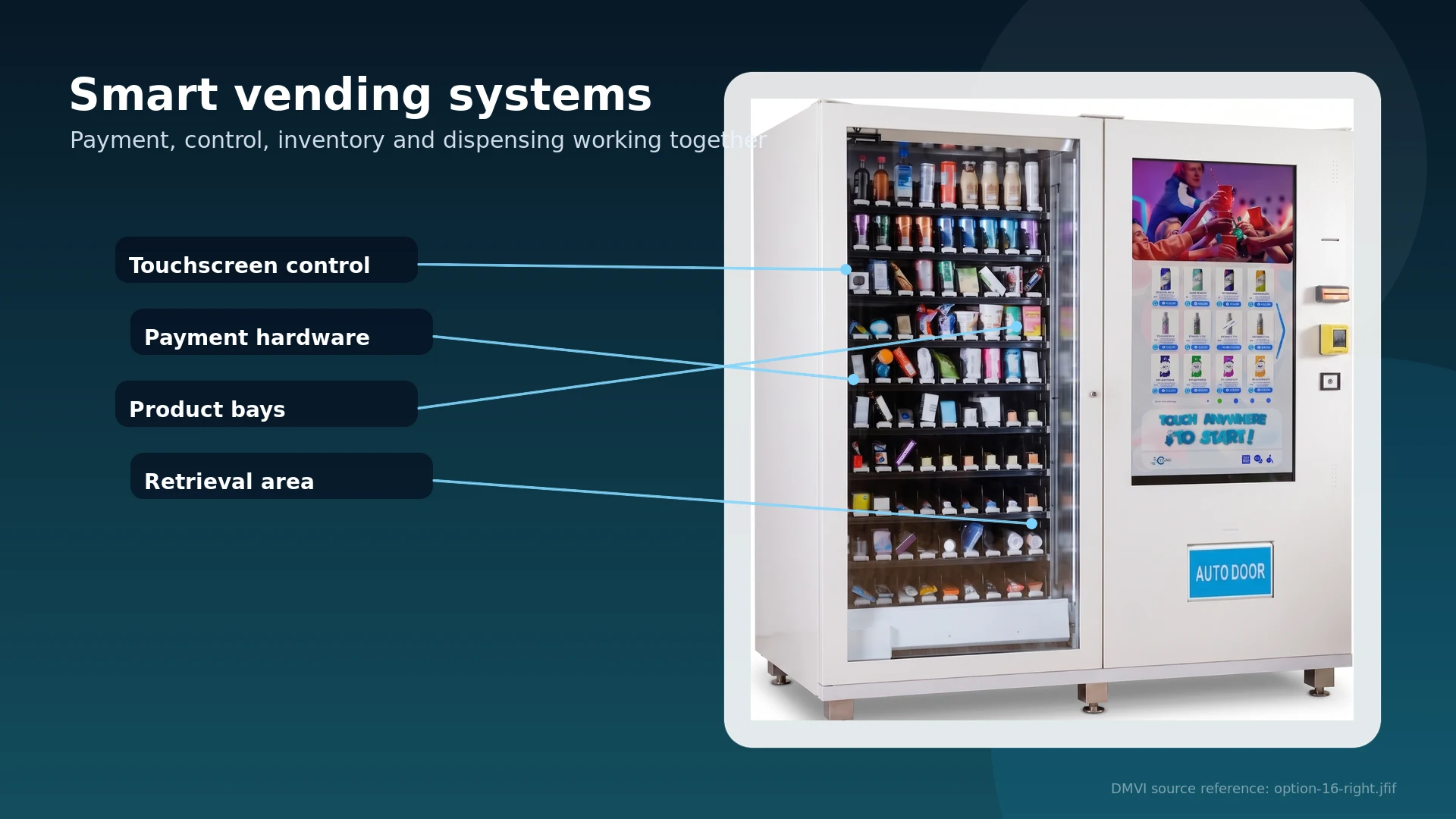
These machines integrate several systems. Key systems include payment systems, selection interfaces, and dispensing mechanisms. Understanding these components is essential for comprehending the overall operation.
Here are fundamental aspects:
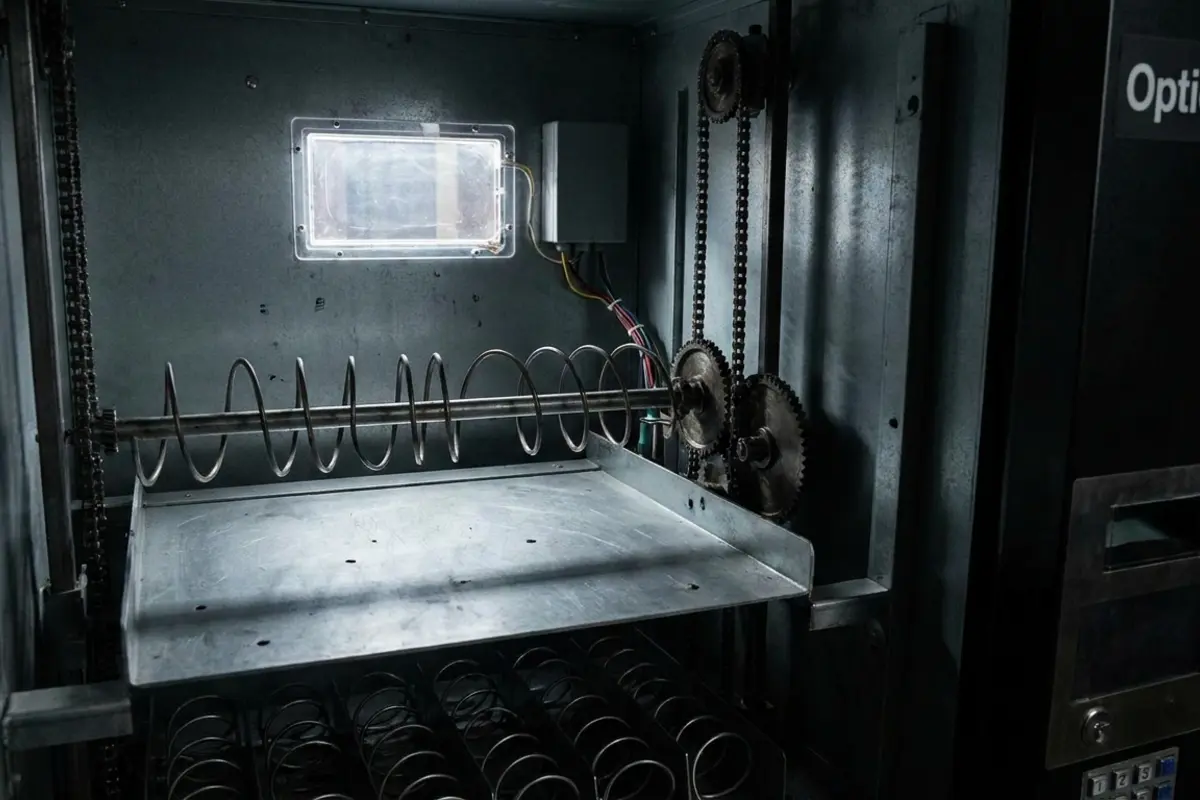
- Mechanics: Movement and dispensing functionality.
- Electronics: Payment and control systems.
- Software: For modern machines, ensuring smooth operations and diagnostics.
With all these elements working in harmony, vending machines offer quick, efficient, and reliable service. These systems need regular checks to ensure they function effectively.
Key Components of Vending Machines
Every vending machine contains specific components crucial to its function. The main parts include the payment system, control board, and dispensing mechanism. Each plays a role in ensuring seamless operation.
The payment system is the first point of interaction for users. It accepts cash or electronic payments before allowing access to products. These can range from simple coin slots to advanced card readers and mobile payment systems.
The control board acts as the machine's brain. It processes inputs from the user and determines the appropriate action. It interfaces with other components, managing the selection and dispensing processes.
Equally important is the dispensing mechanism. This ensures the selected product reaches the customer. Most machines use motors and spirals to achieve this. Once a selection is made, the motor rotates, allowing the item to drop into the collection tray.
In modern machines, sensors and software enhance functionality. They provide feedback on stock levels and detect jams or errors. This information allows timely maintenance and ensures customer satisfaction.
Here are typical components:
- Chassis: The outer structure holding parts together.
- Payment System: Accepts currency and electronic payments.
- Dispensing Mechanism: Delivers the product to the customer.
- Control Board: Processes transactions and commands.
With these components in place, vending machines provide efficient service in numerous environments. Understanding these elements helps in troubleshooting and operating them.
Motors and Dispensing Mechanisms
The motor is a vital component in vending machines. It drives the dispensing mechanism. Different motors cater to various machine types, impacting efficiency and reliability.
Typical machines use electrical motors to operate spirals or conveyors. These elements hold products in place. When actuated, the motor rotates, releasing the selected item into the dispensing tray.
In beverage machines, for instance, motors manage product release from narrow slots. This requires precision to avoid damaging the item during dispensing. Adjustable motor speed controls the delivery process.
Other machines, like snack dispensers, often use gravity-fed mechanisms. Here, motors assist in repositioning items. This design helps in managing various sizes and shapes of products.
Dispensing mechanisms must address two key aspects:
- Accuracy: Ensuring the correct product is dispensed.
- Speed: Allowing quick transactions without delays.
Manufacturers design mechanisms for maximum efficiency and minimal wear. This extends the life of parts, reducing maintenance costs.
The interplay between motors and dispensing components is complex. It calls for synchronization in mechanical movements. Advanced machines may use sensors to detect and resolve jams, enhancing performance.
Payment Systems
In vending machines, the payment system is pivotal. It manages and verifies transactions before any product is released. As technology advances, payment systems have evolved significantly.
Traditional systems relied on coin slots and bill acceptors. These methods were simple but limited transaction speed. Modern machines often incorporate electronic payment methods, offering greater flexibility.
Smart vending machines often accept multiple payment types. This includes credit and debit cards, mobile payments, and contactless options. It enhances user convenience and speeds up the purchase process.
Security in payment systems is crucial. Machines must prevent fraud by accepting genuine payments only. Advanced systems use encryption and secure protocols for transactions, ensuring customer data stays safe.
Key aspects include:
- Payment Flexibility: Accept multiple forms of payment for user convenience.
- Security Measures: Employ secure methods for handling transactions.
- User Interface: Simple and intuitive design for easy usage.
These elements work together to provide a reliable transaction experience. They ensure vending machines adapt to diverse user preferences and enhance overall usability.
How Do Vending Machines Read Money?
Vending machines employ intricate processes to read money. This involves identifying and verifying different payment forms. Each mechanism is designed to prevent counterfeit usage.
For cash, machines use sensors to detect coin and bill authenticity. Sensors evaluate size, metal composition, and other characteristics. This ensures only valid currency is accepted.
Coin mechanisms are common in older machines. They sort coins by weight and size, using grooves and chutes. Valid coins pass through to the collection bin, while invalid ones are returned.
When using bills, machines scan for specific patterns. Optical sensors and light detectors analyze the paper and ink properties. This prevents fraudulent notes from being accepted.
Card payments use magnetic strip or chip readers. The reader processes data, confirming account validity and available balance. The transaction is completed through secure networks.
Vending machines analyze currency through:

- Coin Recognizers: Assess weight and dimensions of coins.
- Bill Validators: Scan currency for distinct patterns and textures.
- Card Readers: Confirm card details and complete digital transactions.
Through these processes, vending machines maintain transaction integrity. They ensure that only genuine payments allow product access. Understanding these systems helps improve machine interaction.
Coin Recognition Technology
Coin recognition is a crucial aspect of vending machines. It involves using sophisticated technology to distinguish between valid and counterfeit coins. Accuracy is vital in ensuring efficient operation.
Coin acceptors utilize mechanical, magnetic, and optical techniques. These components verify coin weight, dimensions, and metal types. Each coin passes through a series of checks before acceptance.
Mechanical devices are simple yet effective for sorting. As coins enter, they navigate angled grooves. Only coins of specific sizes fit, making them valid for transaction purposes.
Magnetic sensors detect metal content by inducing a magnetic field. Coins with proper metal compositions pass the check and proceed to collection trays. This process ensures secure operations, deterring counterfeit attempts.
Optical sensors employ light beams to read coin surfaces. They measure light reflection patterns which distinguish true currency from fakes. These advanced systems improve reliability, especially with intricate currency designs.
Here's a summary of the coin recognition process:
- Mechanical Sorting: Routes coins based on size.
- Magnetic Detection: Analyzes metal composition.
- Optical Assessment: Evaluates surface patterns.
Coin recognition technology thus forms the backbone of cash systems in vending machines. It ensures precise transaction recording, safeguarding user trust.
Bill and Card Reader Functions
Modern vending machines incorporate bill acceptors and card readers. These systems enable diverse transaction options. They provide flexibility, meeting various customer preferences.
Bill acceptors are complex mechanisms. They read bills using light sensors and magnetic analysis. Each bill undergoes multiple checks, examining paper quality and printed designs. Valid bills are stored securely within the machine.
Card readers, on the other hand, have become increasingly common. They support swipe, dip, and tap card functionalities. The reader processes a card's magnetic strip or embedded chip information. Through secure networks, it verifies the account and completes transactions.
Integration of contactless payments has enhanced user convenience. Many machines now accept mobile payments through NFC technology. This allows for quick, seamless transactions without physical contact.
Key features include:
- Multi-functionality: Accept cash, cards, and mobile payments.
- Security Enhancements: Use encrypted connections for data safety.
- User Friendliness: Intuitive interfaces for easy transactions.
These systems widen access, increasing vending machine appeal. Understanding their functionality can aid in resolving transaction issues promptly. For business operators, it expands the customer base and revenue potential.
Specific Types of Vending Machines
Vending machines are versatile devices designed for various product types. Each type addresses specific consumer needs and operational challenges. Their design and functionality adapt to the demands of the products they dispense.
Some popular types include:
- Snack and Beverage Machines: Common in public venues.
- Cigarette Vending Machines: With age verification features.
- Coffee Vending Machines: For hot beverage preparation.
These machines differ in their operation mechanisms. Understanding their distinct features aids in troubleshooting and maintenance. With diverse functionalities, they cater to broad consumer demographics.
How Do Coffee Vending Machines Work?
Coffee vending machines perform complex tasks to deliver fresh beverages. First, users select their preferred coffee type from available options. Options often include espresso, cappuccino, and black coffee.
Upon selection, the machine begins the brewing process. It grinds coffee beans using an integrated grinder, ensuring the freshest brew. Freshly ground coffee provides a richer flavor profile compared to pre-ground options.
Next, the machine heats water to the optimal brewing temperature. This involves a heating element and precise temperature control. Proper water temperature is crucial for extracting the best flavors from the coffee grounds.
As water reaches the ideal temperature, it passes through the ground coffee. This step extracts aromatic oils and compounds, producing a rich brew. Machines use pumps to ensure consistent water pressure during this process.
Finally, the brewed coffee dispenses into a cup placed below the spout. Some machines also offer milk frothing for drinks like lattes or cappuccinos. Additions like sugar or sweeteners may also be dispensed upon request.
Key steps in the operation include:

- Selection: User chooses the coffee type.
- Grinding: Fresh beans are ground for each cup.
- Brewing: Heated water extracts coffee flavors.
- Dispensing: Brewed coffee is served into a cup.
This entire process is completed swiftly. It allows users to enjoy a hot, freshly brewed cup of coffee on demand. Understanding these steps helps in appreciating the machine's functionality and role in providing convenience.
How Do Cigarette Vending Machines Work?
Cigarette vending machines operate with unique security measures. These devices ensure compliance with legal age restrictions for purchase. Their design prioritizes both functionality and regulatory adherence.
A primary feature is age verification. Many machines require an ID scan to verify buyer age. This functionality prevents sales to minors, adhering to local laws.
Upon successful verification, users select their preferred cigarette brand. The machine features a display or input panel for selection. Electronic systems guide users through the process.
Cigarettes dispense from internal stacks. Each selection corresponds to a specific stack. Once a user completes payment, the machine releases the chosen pack. The packaging drops into a retrieval slot accessible to the buyer.
These machines must maintain security and comply with regulations. Proper operation ensures that each transaction is both smooth and lawful.
Key features include:
- Age Verification: Prevents unauthorized sales.
- Selection Interface: User-friendly choice of brand.
- Secure Dispensing: Regulated release of products.
Cigarette vending machines provide a controlled retail platform. They balance user accessibility with strict adherence to age-related laws. Maintenance of these machines involves checking age verification systems and product availability.
Smart Vending Machines Features
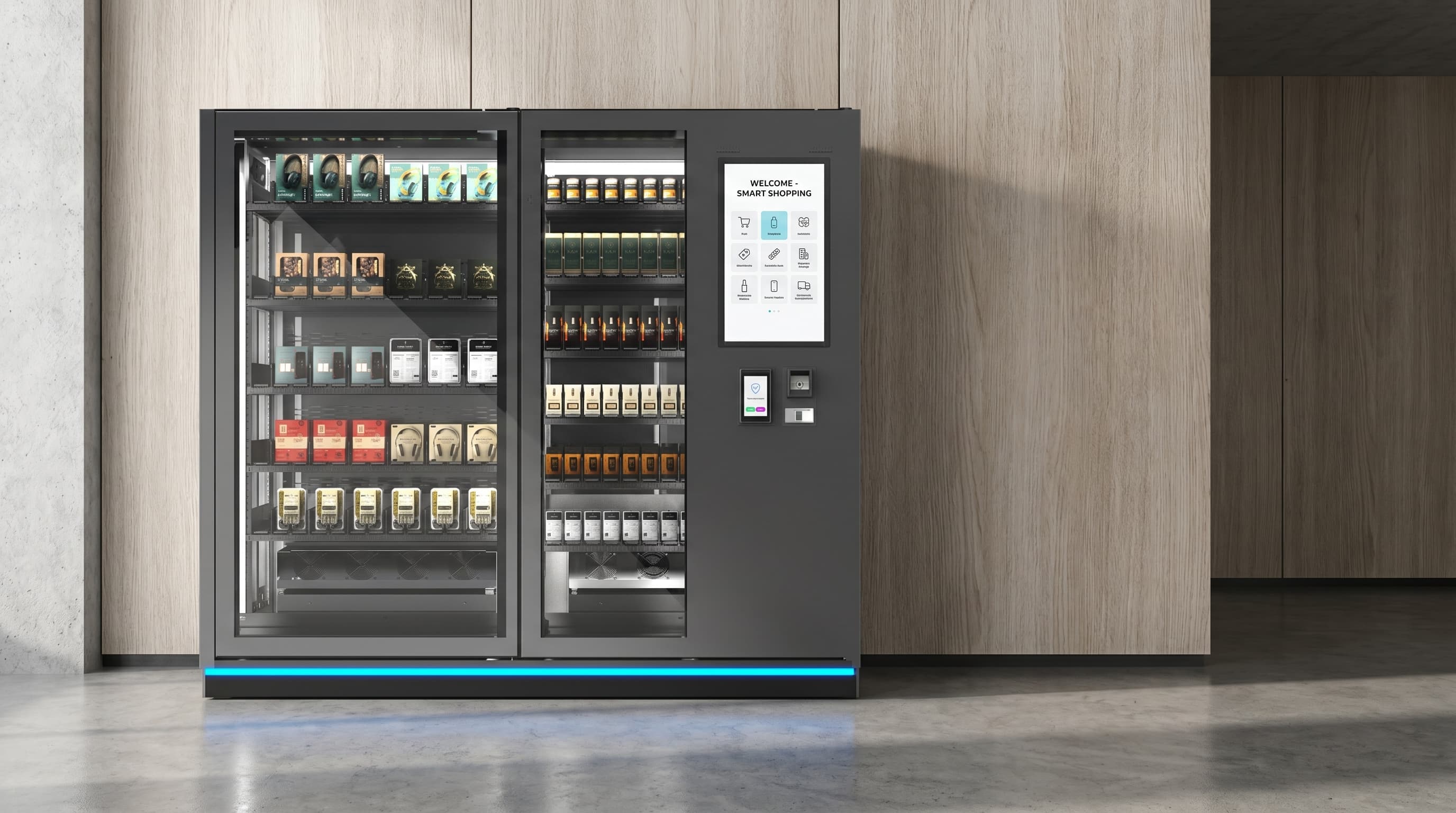
Smart vending machines incorporate advanced technology for enhanced service. They leverage IoT and AI capabilities to optimize user interaction and efficiency. These machines transform traditional vending into a dynamic digital experience.
Real-time inventory tracking is a primary feature. Machines use sensors to monitor stock levels constantly. This enables precise restocking and reduces instances of running out of products.
Data analytics improve operations by providing insights into consumer behavior. Machines collect and analyze data on product sales and usage patterns. This information helps optimize inventory and offer customized product suggestions.
Smart machines also facilitate multiple payment options. They support mobile payments, contactless cards, and traditional cash. This flexibility accommodates varying consumer preferences, enhancing customer satisfaction.
User interfaces are highly intuitive. Touchscreens guide the selection process smoothly and often display promotional content. This enhances engagement and provides an advertising platform for various brands.
Key features of smart vending machines include:
- Real-time Monitoring: Manages stock efficiently.
- Data Analytics: Informs business decisions.
- Flexible Payments: Accommodates diverse transaction modes.
- Engaging Interfaces: Offers user-friendly experiences.
Smart vending machines redefine customer interaction, combining technology with convenience. They adapt to modern needs, offering efficient and satisfying service. As technology advances, these machines will continue evolving, offering more sophisticated features and personalized user experiences.
Vending Machine Maintenance
Maintaining vending machines is essential for smooth operations. Proper care prevents breakdowns and ensures customer satisfaction. Regular maintenance includes inspecting key components and replenishing stock.
Routine tasks enhance the machine's lifespan and performance. Key maintenance activities involve:
- Cleaning: Keeps the machine hygienic and presentable.
- Restocking: Ensures available inventory.
- Inspection and Repairs: Identifies and fixes mechanical issues.
A well-maintained machine operates efficiently, avoiding service disruptions. Preventive maintenance also reduces repair costs in the long run.
Importance of Regular Maintenance
Regular maintenance is crucial for vending machine reliability. It minimizes breakdowns that can lead to lost sales and dissatisfied customers. Scheduled maintenance checks help in spotting issues early and resolving them before they escalate.
One major advantage is improved machine efficiency. Clean and well-functioning components prevent operational hiccups. This reliability enhances the user experience, fostering customer loyalty and trust.
Another benefit of regular upkeep is cost savings. Proactive inspections catch minor issues before they become costly repairs. An organized maintenance schedule keeps machines in peak condition, extending their useful life.
Key benefits of regular maintenance include:

- Reliability: Reduces machine downtimes.
- Efficiency: Enhances operational performance.
- Cost Reduction: Minimizes expensive repairs.
By prioritizing routine maintenance, operators ensure sustained machine performance. Well-maintained machines are less prone to malfunctioning, ensuring they serve customers effectively without unexpected disruptions.
Common Maintenance Issues and Solutions
Vending machines, despite their robustness, face common issues. Identifying these problems and implementing solutions can restore functionality quickly. Some frequent concerns include mechanical jams and payment system malfunctions.
For instance, jams often result from misaligned product delivery mechanisms. Regularly checking for obstructions and adjusting dispensers can prevent this. Cleaning product slots ensures smooth dispensing and reduces blockages.
Payment issues arise from dirty or faulty bill and coin acceptors. Consistently cleaning card readers and ensuring proper calibration can minimize these setbacks. Regular updates to payment system software enhance security and compatibility with new transaction methods.
Consistent restocking checks prevent products from expiring or running out. Keeping track of inventory levels ensures the machine is always ready to meet demand. This attention to stock management avoids customer frustration due to empty slots.
Common issues and solutions include:
- Product Jams: Ensure dispenser alignment.
- Payment Errors: Clean and calibrate acceptors.
- Inventory Shortages: Monitor stock levels regularly.
Staying vigilant about these maintenance tasks improves machine reliability. Implementing effective solutions promptly maintains operational flow and customer satisfaction. Such proactive care supports longevity and efficiency in vending machine operations.
Conclusion
Vending machines are marvels of modern convenience and engineering. Their blend of mechanical and electronic components makes them fascinating innovations. Understanding their inner workings and maintenance needs can enhance your appreciation for these ubiquitous devices.
As technology evolves, vending machines are transforming into smarter and more efficient systems. The integration of advanced payment options and inventory management systems are shaping their future. These advancements ensure vending machines continue to meet consumers' needs effectively.
Summary of Key Insights
Vending machines have come a long way from simple mechanical dispensers. Today, they comprise intricate systems requiring detailed knowledge and care. Key takeaways from our exploration include:
- Complex Mechanics: A blend of mechanical precision and electronic advancement.
- Versatile Functionality: Serve diverse product categories, from snacks to electronics.
- Importance of Maintenance: Regular checks keep machines reliable and efficient.
The role of vending machines continues to expand in the retail landscape. Understanding their mechanics and best practices ensures optimal operation and customer satisfaction.
Future of Vending Machine Technology
The future of vending machines is bright, promising exciting developments. As technology advances, smart vending machines will become commonplace. They offer enhanced user experience through intuitive interfaces and personalized services.
We can anticipate further integration with digital platforms. This might include mobile app connectivity, facilitating seamless user interaction. AI integration is also on the horizon, providing predictive maintenance and tailored product recommendations.
Looking ahead, we can expect:
- AI and IoT Integration: For smarter operations and inventory management.
- Personalization: Enhanced consumer experiences through tailored offerings.
- Sustainability Focus: Eco-friendly models reducing environmental impact.
With these innovations, vending machines are set to redefine convenience in retail, keeping pace with the demands of a modern, fast-paced lifestyle.
Q&A
Question: What are the key components of a vending machine and how do they work together?
Short answer: A vending machine centers on four pillars: the payment system, control board, dispensing mechanism, and sensors/software, all housed within a sturdy chassis. Per the process outlined, the machine first validates your payment (coins, bills, or cards). Once accepted, you make a selection via the panel. The control board—the machine’s “brain”—processes that input and commands the dispensing mechanism (typically motors turning spirals or conveyors, sometimes gravity-assisted) to release the correct product into the tray. Sensors and software monitor stock levels, detect jams or errors, and report diagnostics, ensuring accurate, fast, and reliable operation.
Question: How do vending machines read and verify coins, bills, and cards securely?
Short answer: They use different validators for each payment type. For coins, mechanical tracks, magnetic sensors, and optical checks assess size, weight, and metal composition; invalid coins are rejected. Bill acceptors scan notes with light and magnetic analysis, checking paper quality and printed patterns before storing valid bills securely. Card readers process magnetic strips or chips (and often contactless/NFC), transmitting data over encrypted, secure networks to confirm account validity and complete the transaction. Together, these systems prevent counterfeits and protect customer data.
Question: What sets smart vending machines apart from traditional models?
Short answer: Smart machines layer IoT and AI-driven capabilities over core vending functions to boost convenience and efficiency. Hallmarks include real-time inventory monitoring for precise restocking, data analytics that reveal sales and usage patterns, support for multiple payment methods (cards, mobile, contactless, and cash), and engaging, touchscreen-based interfaces that streamline selection and can show promotions. These upgrades improve uptime, reduce stockouts, and create a smoother, more personalized user experience.
Question: How does a coffee vending machine make a fresh cup?
Short answer: After you choose a drink (e.g., espresso or cappuccino), the machine grinds fresh beans with an integrated grinder. It heats water to a controlled, optimal temperature, then pumps it through the grounds at consistent pressure to extract flavors and aromas. The brewed coffee dispenses into your cup, and for milk-based drinks, the machine can froth and add milk; it may also dispense sugar or sweeteners. The sequence—selection, grinding, brewing, dispensing—happens quickly to deliver a fresh cup on demand.
Question: Why is regular vending machine maintenance important, and what problems does it prevent or fix?
Short answer: Routine maintenance—cleaning, restocking, and scheduled inspections—keeps machines reliable, efficient, and cost-effective. It reduces downtime and prevents small issues from becoming expensive repairs. Common problems include product jams from misaligned dispensers (prevented by clearing obstructions and adjusting mechanisms), payment errors from dirty or miscalibrated acceptors (fixed by cleaning and calibration, plus software updates), and inventory gaps (avoided by consistent stock monitoring). Proactive care extends machine life and preserves a smooth customer experience.
Ready to maximize your space?
Discover how DMVI's custom vending machines can fit perfectly into your location.