Pop Machine Dimensions Explained: Choosing the Right Size for Maximum Efficiency
Choosing the right pop machine dimensions is crucial for efficiency. It impacts both functionality and customer satisfaction.
Understanding vending machine size helps in making informed decisions. It ensures the machine fits perfectly in its intended space.
Pop machines come in various sizes. Each size caters to different needs and locations.
Weight and height are key factors to consider. They affect installation and maintenance.
Selecting the right size can maximize your investment. It enhances the machine's performance and appeal.
This guide will help you navigate the complexities of pop machine dimensions.
Understanding Vending Machine Size and Its Importance
Knowing the size of vending machines ensures they fit well in your location. This boosts user accessibility and machine visibility.
Vending machine dimensions include height, width, and depth. All three are crucial for selecting the right model.
Aside from external dimensions, consider internal capacity. This impacts how much stock the machine can hold.
Different locations have varied space demands. A school cafeteria might need larger machines than a small office.
What are Vending Machine Measurements?
Vending machine measurements encompass several key aspects.
- Height: Typically ranges from 72 to 80 inches.
- Width: Generally between 29 to 41 inches.
- Depth: Usually around 30 to 35 inches.
These dimensions affect not only the space required but also the number of items stocked. Understanding these can streamline the selection process, ensuring the machine suits the intended space perfectly.
Why Size Matters in Vending Machines
The size of a vending machine significantly influences its usefulness and profitability.
A correctly sized machine improves customer interaction and sales volume. It also affects energy efficiency and maintenance costs.
Consider factors like location demands, expected foot traffic, product diversity. These are essential to maximize the vending machine's impact in any setting.
Typical Pop Machine Dimensions
Pop machines are an essential part of many spaces, from offices to shopping centers. Their dimensions impact installation and user experience. A standard pop machine generally adheres to common vending machine dimensions. These machines typically stand between 72 to 80 inches in height, which facilitates ease of access for most users.
The width of pop machines is usually around 29 to 41 inches, allowing them to fit comfortably in various settings without being intrusive. Depth matters as well, usually measuring 30 to 35 inches. This compact size ensures ample space for users to move around.
Key considerations when assessing pop machine dimensions include:
- Height: Typically 72-80 inches
- Width: Usually 29-41 inches
- Depth: Commonly 30-35 inches
Besides physical dimensions, understanding the internal capacity is crucial. This affects how often the machine needs restocking. Proper sizing enhances operational efficiency, minimizing servicing challenges and downtime.
Height, Width, and Depth
The height of a pop machine aligns with standard vending options, often between 72 to 80 inches. This ensures accessibility. Height influences how easily customers can view and access products.
Width ranges from 29 to 41 inches, offering flexibility in placement. This makes them suitable for tight spaces.
Depth, usually about 30 to 35 inches, controls how flush the machine sits against walls. Choosing the right dimensions ensures the machine doesn't obstruct high-traffic areas.
Variations in Design and Features
Pop machines come in various designs that cater to diverse needs. Differences in design often mean variations in dimensions.
Some machines feature touchless dispensing technology, affecting dimension specifics. Others may come with built-in refrigeration, adding to the depth or weight.
Consider the machine's intended use and location when evaluating features. Elements like digital screens or payment systems may require additional space. Understanding these variations helps choose a machine that not only fits spatially but functionally enhances user experience.
How Much Does a Pop Machine Weigh?
Understanding the weight of a pop machine is crucial for planning and installation. Generally, these machines weigh between 500 and 800 pounds. The weight depends on the machine's materials and features.
Heavy machines often include refrigeration units or are constructed from metal for durability. A machine’s weight affects its placement; sturdy flooring is essential to avoid damage.
One key consideration is transportation. Moving a heavy pop machine requires specialized equipment and assistance, impacting installation costs and logistics.
Key points to consider include:
- Typical Weight Range: 500-800 pounds
- Construction Material: Heavier materials add to the weight
- Features: Refrigeration units increase the load
Factors Affecting Weight
Several factors influence how much a pop machine weighs. Construction materials play a critical role; metal machines are heavier than plastic ones. Additionally, the size and capacity influence the overall weight, with larger machines weighing more.
Internal components such as cooling systems or digital interfaces add weight. These elements offer advanced functionalities but require consideration during installation.
Consider these influencing factors:
- Material: Metal vs. plastic
- Capacity: Larger machines add pounds
- Components: Cooling systems, digital screens
Comparison to Other Vending Machine Types
Comparing pop machines to other vending types offers insight into their relative weight. Snack or candy machines typically weigh less, often around 400 to 600 pounds. This difference arises from simpler internal mechanisms.
Full-sized vending machines, which can include both snacks and beverages, may weigh upwards of 800 pounds. Their complex systems and larger stock contribute to this weight.
By understanding these comparisons, you can choose the machine that best suits your needs. Choose the lightest option for ease of transport and installation.
- Snack Machines: 400-600 pounds
- Full-sized Vending Machines: 800+ pounds
- Complex Systems: Add additional weight
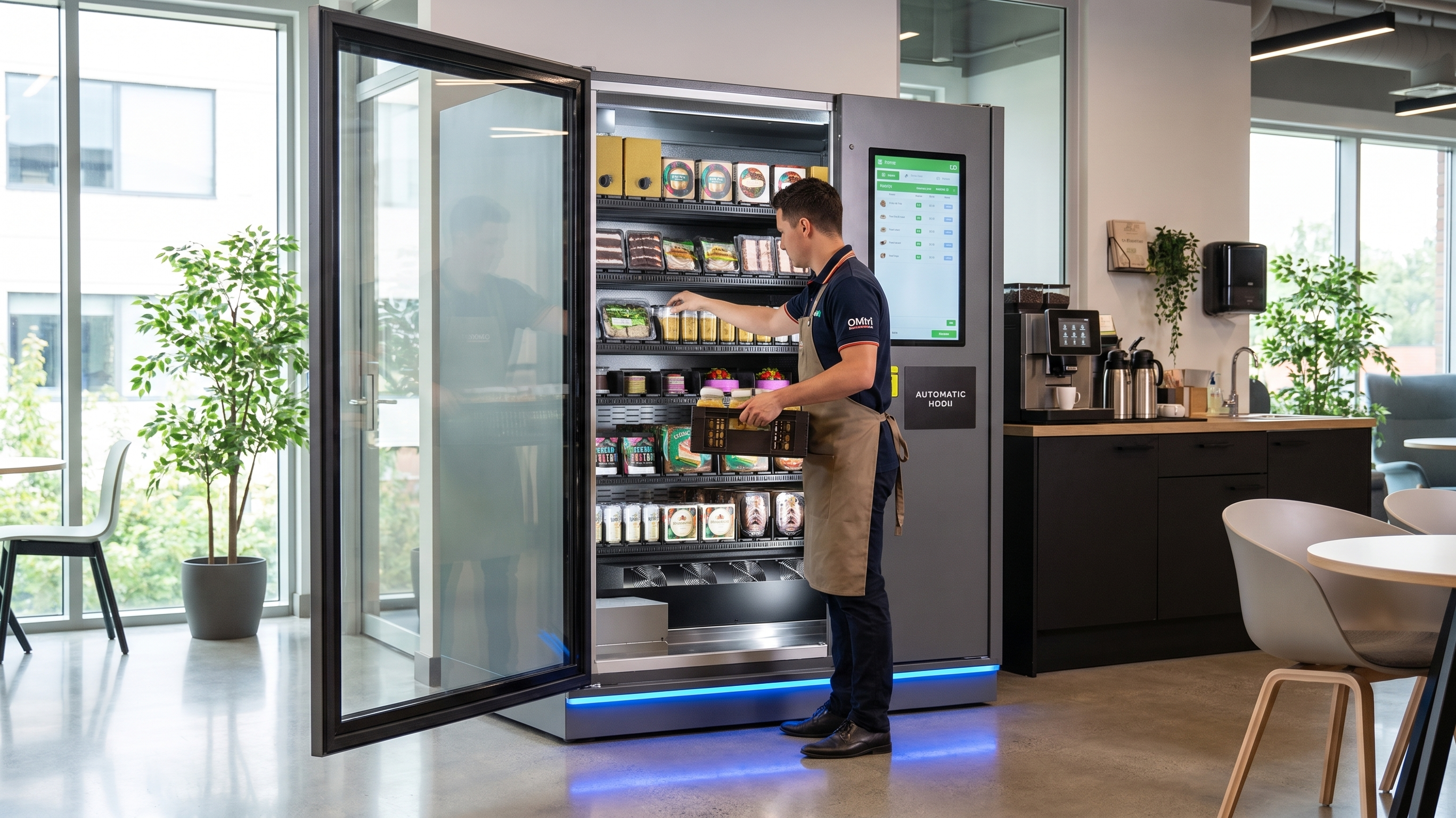
Choosing the Right Size for Your Location
Selecting the perfect pop machine dimensions is essential for maximizing efficiency in your space. A well-chosen machine fits seamlessly, enhancing user experience and operational flow.
Before making a decision, consider the location size and layout. Smaller spaces, like cozy offices or narrow hallways, require compact machines. Conversely, spacious environments can accommodate larger models with ease.
Evaluate nearby fixtures and furniture, ensuring enough room for machine access and maintenance. Remember, doorways and passageways also play a critical role in the installation process.
Additionally, the machine’s visual presence impacts the ambiance and user perception. A machine that’s too large may overwhelm the area, while one too small might lack visibility and appeal.
Consider these factors:
- Location Size: Fits comfortably
- Nearby Fixtures: Allow enough clearance
- Visual Impact: Size aligns with space ambiance
Space Considerations
When assessing pop machine dimensions, space is a leading factor. Accurate measurements prevent fitting issues and ensure smooth operations. Measure the intended area, remembering to account for door and user clearance.
Avoid placing the machine in cramped spots that hinder accessibility and movement. Enough space should exist for users to comfortably stand and make selections.
Factors to evaluate include:
- Installation Space: Accurate measurements
- Doors and Pathways: Consider clearance needs
- User Comfort: Room for engagement
Customer Traffic and Accessibility
The flow of customer traffic greatly influences machine size selection. High-traffic areas benefit from larger machines to meet demand and minimize restocking frequency. However, these machines require substantial space and accessibility considerations.
In contrast, quieter locations might thrive with smaller, easily accessible machines. They allow flexibility and can be strategically placed in more secluded spots.
It’s also important to consider accessibility, ensuring all users, including those with disabilities, can interact easily. This can affect machine placement, height, and interface.
Think about:
- Traffic Volume: Anticipate user numbers
- Accessibility Needs: Inclusive machine placement
- Location Dynamics: Match size to activity level
Optimizing Pop Machine Dimensions for Efficiency
Optimizing the dimensions of your pop machine enhances its functionality and boosts overall efficiency. Proper size selection ensures the machine fits well into its allotted space, while also maximizing product visibility and accessibility.
Strategic positioning enhances user interaction and product selection. It involves evaluating factors like light, traffic flow, and adjacent structures. This aids in maximizing machine exposure and accessibility, increasing user engagement.
Furthermore, planning inventory and refill schedules can streamline operations. Efficient stocking practices reduce downtime and keep products fresh and available. Regular monitoring allows for timely replenishment, maintaining smooth operations.
Key points to consider:
- Strategic Positioning: Optimize exposure
- Inventory Scheduling: Ensure product availability
- User Interaction: Enhance accessibility
Placement Strategies
Effective placement of your pop machine is crucial for attracting users and ensuring smooth functionality. Consider the most visible and accessible locations, like near entrances or high-traffic areas, for maximum exposure.
Evaluate environmental factors such as lighting and nearby obstacles. These details impact user accessibility and the machine’s visibility. Strategic placement can enhance customer interaction and increase sales.
Key placement strategies include:
- Visibility Focus: High-exposure locations
- Accessibility: User-friendly positioning
- Environmental Considerations: Avoid obstructions
Inventory and Refill Management
Efficient inventory and refill management are essential for minimizing downtime and optimizing machine performance. Regularly monitoring stock levels ensures the machine is always well-stocked and appealing to users.
Establish a consistent refill schedule based on usage patterns. This reduces the risk of empty slots and ensures freshness, maintaining customer satisfaction. By understanding consumption trends, you can optimize stocking practices.
Inventory management tips:
- Stock Monitoring: Regular checks
- Consistent Scheduling: Routine refills
- Trend Analysis: Optimize stocking practices
Ready to maximize your space?
Discover how DMVI's custom vending machines can fit perfectly into your location.