How Food Bank Refrigerated Lockers Are Revolutionizing Food Distribution
Food banks play a crucial role in addressing food insecurity. They distribute food to those in need, ensuring no one goes hungry. However, traditional methods of food distribution face challenges.
Perishable items like fresh produce and dairy require special handling. Without proper storage, these items spoil quickly, leading to waste. This is where food bank refrigerated lockers come into play.
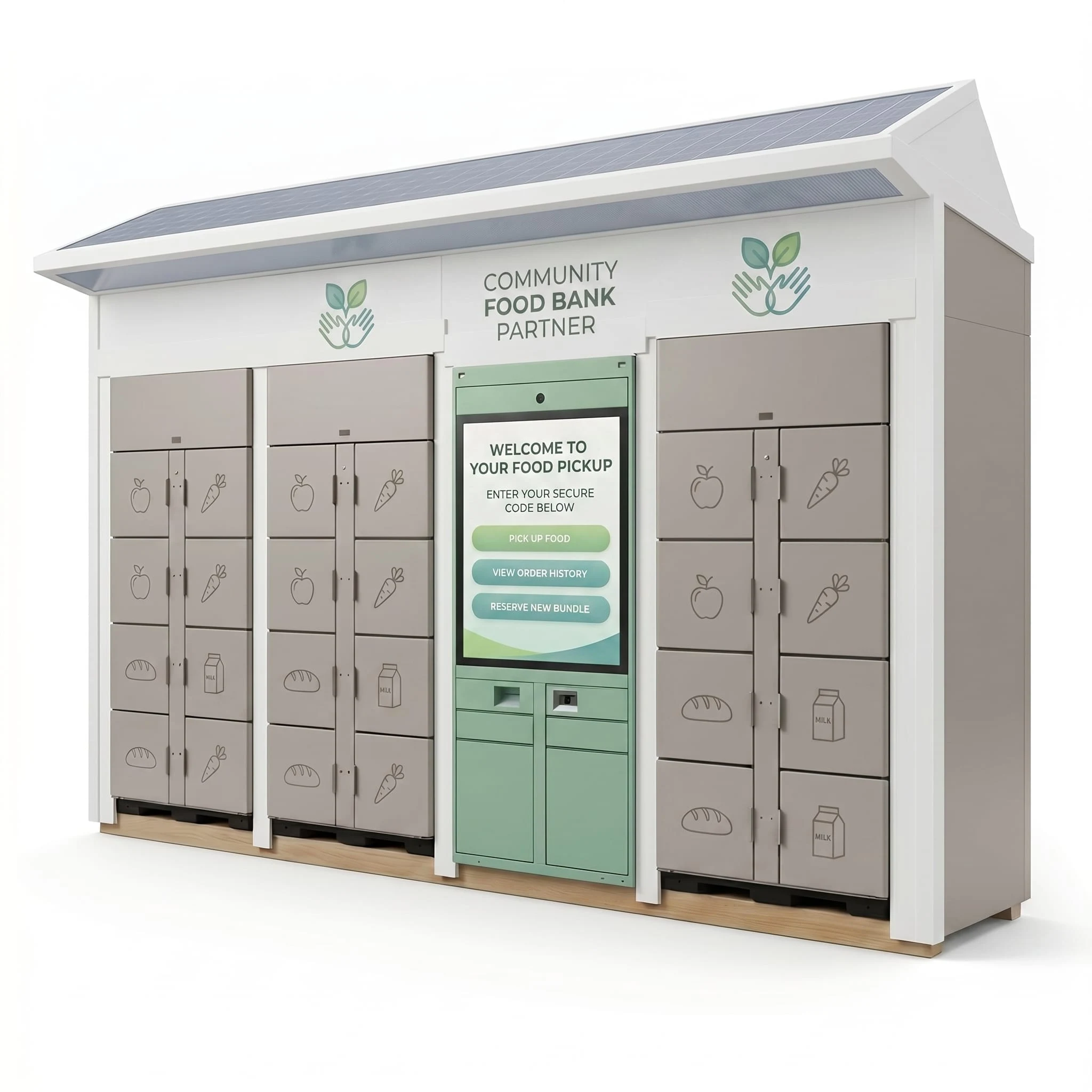
These innovative lockers are transforming food distribution. They provide a solution for preserving perishable food items. By maintaining consistent temperatures, they extend the shelf life of fresh produce, dairy, and meat.
Refrigerated lockers offer a convenient way for individuals to collect food donations. They ensure food safety and reduce waste. This technology is a game-changer for food banks and the communities they serve.
Smart technology in these lockers allows for remote monitoring and management. This feature enhances efficiency and ensures optimal conditions for food storage. It also provides valuable data insights for optimizing food distribution strategies.
Food Pantry Refrigerated Smart Lockers can be placed in strategic locations. This helps reach underserved communities and increases food accessibility. They support 24/7 access to food resources, enhancing food security.
The use of refrigerated lockers reduces food waste by keeping food fresh longer. They offer a contactless food distribution method, crucial during pandemics. This approach aligns with global efforts to achieve zero hunger.
Refrigerated lockers for sale come in various sizes and configurations. They can be customized to meet different needs and integrated with existing food bank systems. This flexibility makes them a cost-effective solution for expanding food distribution networks.
These lockers are not just about technology; they represent a shift towards sustainable and equitable food distribution practices. They provide a dignified way for individuals to access food without stigma. This innovation is a vital part of a larger strategy to combat hunger.
For wider context on the demand side, Feeding America's hunger-in-America overview is a useful reminder of the scale of food insecurity. On the food-safety side, the FDA's Food Code remains the baseline reference for safe retail food handling, including temperature-control discipline.
The Role of Food Banks in Modern Society
Food banks are a cornerstone of community support systems. They address essential needs by providing food to those in financial hardship. Their importance in modern society cannot be overstated.
In a world with complex challenges, food banks help combat hunger. They not only offer food but also hope to individuals and families. Through their efforts, they contribute to healthier, stronger communities.
The role of food banks has expanded beyond just giving food. They now engage in educational and community-building activities. This expansion helps tackle the roots of poverty and food insecurity.
Food banks often collaborate with various stakeholders. These include local businesses, nonprofit organizations, and government agencies. Such partnerships amplify their impact, allowing them to reach more people.
Food banks use various strategies to fulfill their mission:
The need for food banks has grown in recent years. Economic downturns, rising living costs, and natural disasters exacerbate food insecurity. Consequently, food banks have become more vital than ever.
Moreover, food banks are adapting to modern challenges. They incorporate technology into their operations for greater efficiency. This adaptation includes using refrigerated lockers to enhance food distribution.
Food banks serve as a safety net in times of crisis. Their presence ensures that vulnerable populations have access to essential resources. By working tirelessly, they help create a society where no one goes hungry.
- Distributing food via pantries, soup kitchens, and shelters.
- Organizing food drives and donation campaigns.
- Educating communities about nutrition and healthy eating.
- Advocating for policy changes to address food insecurity.
- Engaging volunteers to strengthen community involvement.
Importance of Efficient Food Distribution
Efficient food distribution is crucial for addressing food insecurity. It ensures that food reaches those who need it most. Timeliness and precision are key to this process.
A well-organized food distribution system reduces food waste. It prolongs the shelf life of perishable items through proper handling. This efficiency enables food banks to maximize their resources.
Moreover, efficiency in distribution supports food safety. Proper temperature control is essential for maintaining the quality of fresh produce. Safe distribution practices prevent spoilage and contamination.
An efficient system also promotes cost-effectiveness. By optimizing logistics, food banks can minimize transportation and storage costs. This allows them to allocate more funds toward expanding their reach.
Efficiency in food distribution offers several benefits:
Efficient distribution models offer food banks flexibility. They can rapidly respond to emergencies and surges in demand. This agility is essential for maintaining continuous support.
Lastly, efficient food distribution fosters community resilience. By ensuring constant access to nutritious food, food banks enhance community well-being. This stability enables individuals to focus on other aspects of life, such as education and employment.
In summary, efficiency in food distribution is integral to combating hunger. It amplifies the impact of food banks and creates sustainable support networks for vulnerable populations.
- Reduced food waste: Quick distribution prevents spoilage.
- Cost savings: Streamlined logistics lower operational costs.
- Enhanced food safety: Proper storage ensures quality and safety.
- Greater reach: More resources can be allocated to underserved areas.
- Improved community trust: Reliable delivery builds confidence in food programs.
Understanding Food Bank Refrigerated Lockers
Refrigerated lockers are transforming food banks across the globe. These smart lockers preserve perishable food items for extended periods. They maintain the freshness and quality of fresh produce, dairy, and meats.
Accessible technology is central to their utility. Food bank refrigerated lockers use smart systems to manage temperatures. This ensures that donated food remains safe for consumption.
These lockers are becoming more common in food distribution. By offering a contactless solution, they meet the needs of modern communities. Their integration into food banks increases operational efficiency while enhancing food security.
What Are Refrigerated Lockers?
Refrigerated lockers are advanced storage units. They are designed to keep perishable food items at safe temperatures. This helps in maintaining the nutrients and quality of stored food.
These lockers are a marvel of modern technology. They offer a refrigerated environment with precise temperature control. This is crucial in extending the shelf life of foods.
Their technology allows for remote monitoring and control. This aids in ensuring that food remains safe even during unexpected power outages. Constant monitoring is essential for food safety.
Some key components define refrigerated lockers:
These features make refrigerated lockers a versatile solution. They can be adapted for various environments and settings. This flexibility is especially important in diverse community contexts. Moreover, refrigerated lockers are scalable. Food banks can expand their use as demands grow. This makes them an investment with a significant return in terms of community benefits.
- Temperature control: Ensures consistent refrigeration.
- Smart technology: Allows remote monitoring and adjustments.
- Secure access: Provides safe and authenticated access to users.
- Durable construction: Offers longevity and resistance to environmental factors.
- Variety in sizing: Accommodates different storage needs.
Types of Food Pantry Refrigerated Smart Lockers
Diverse types of refrigerated lockers meet varying needs. Some focus on size, while others highlight technological advancements. Each type provides unique benefits.
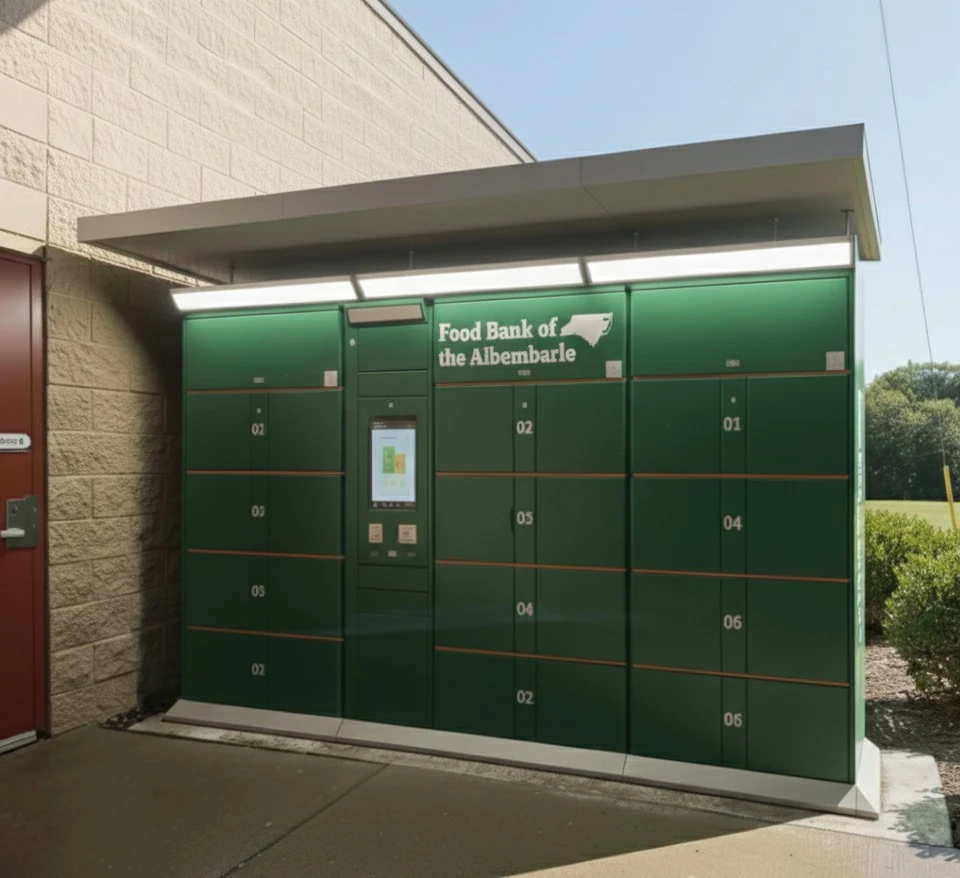
The first type is standalone units. These are commonly placed outside food banks for easy access. They cater to individuals who prefer collecting food at their convenience.
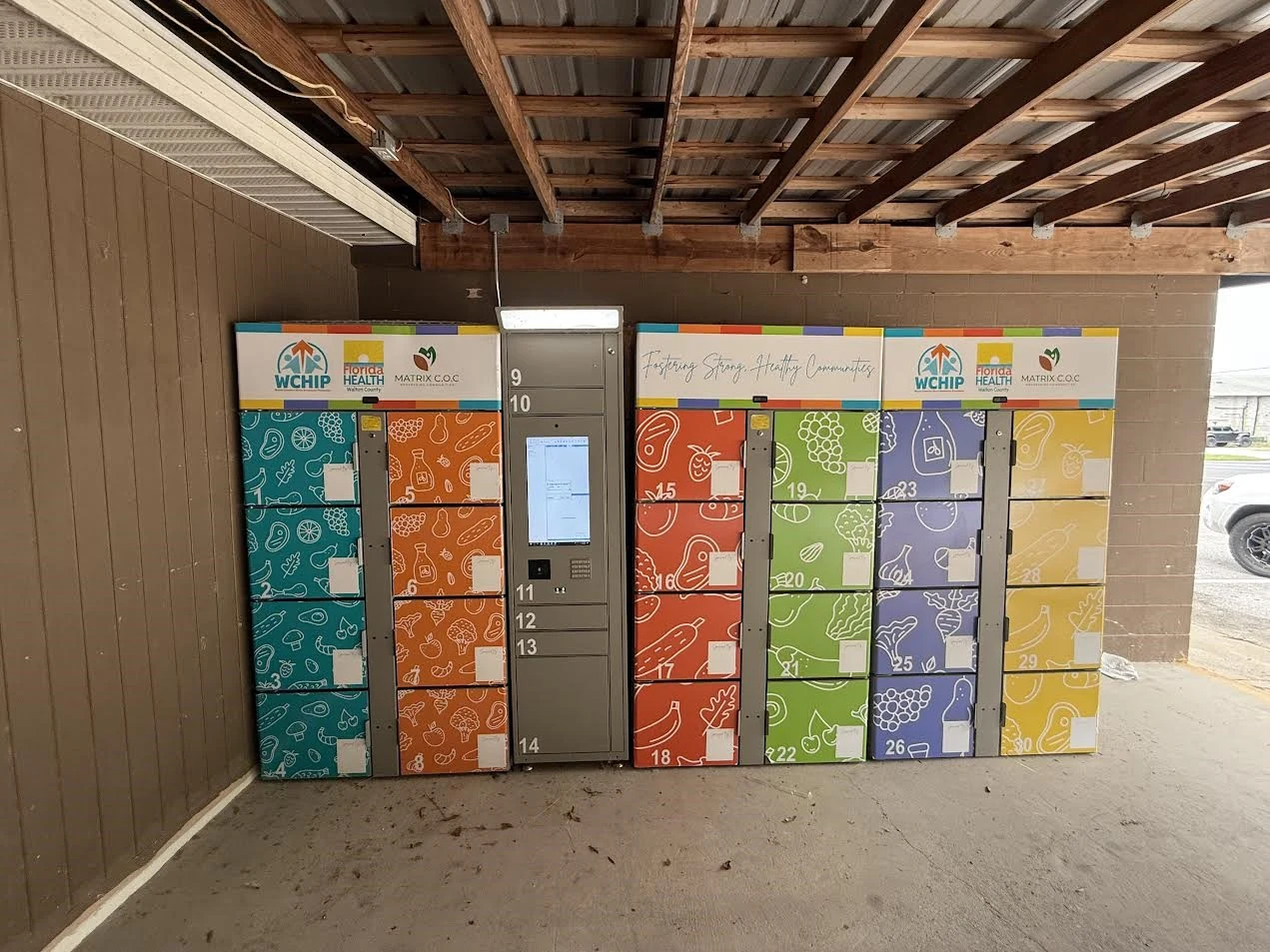
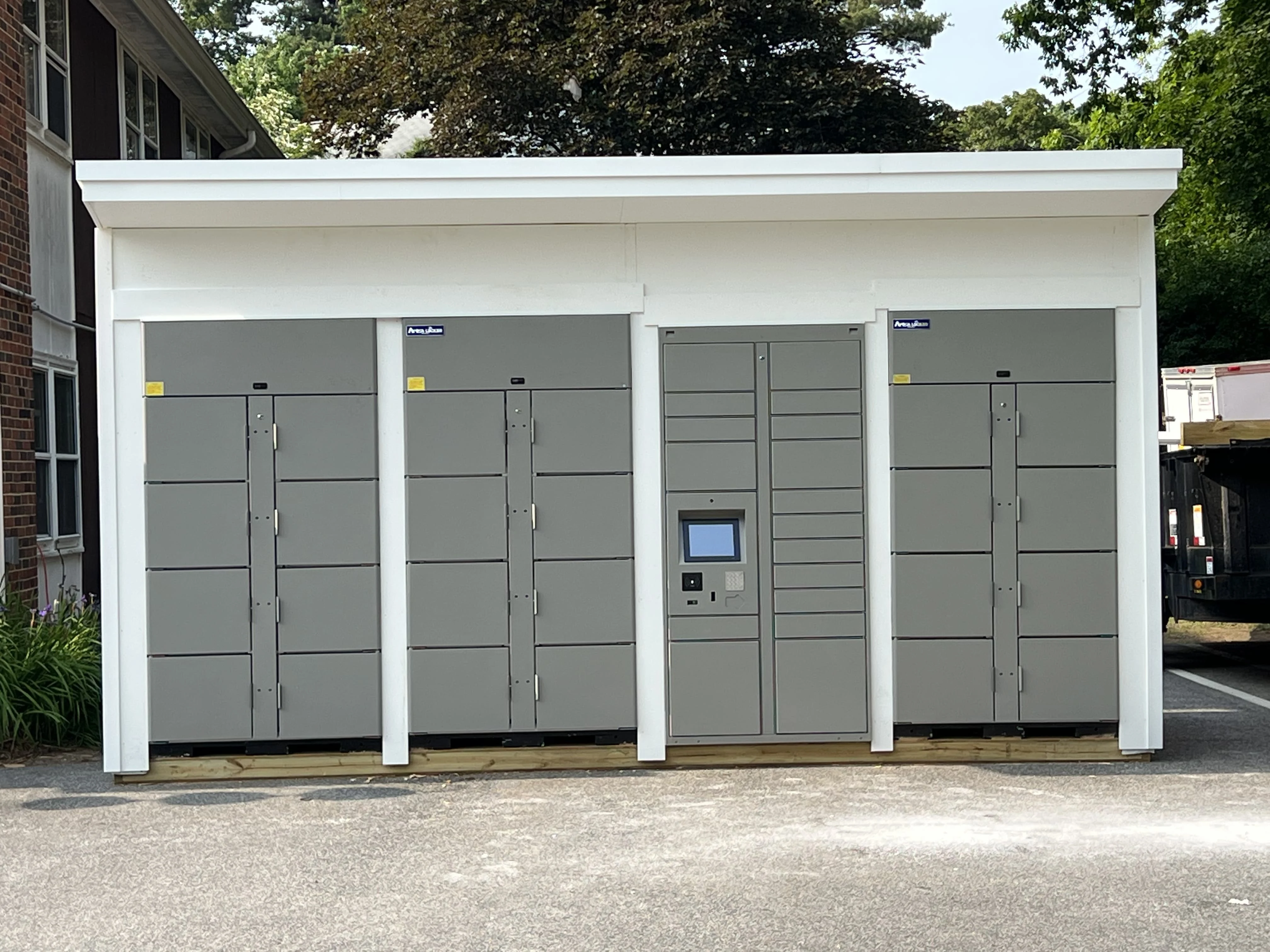
Secondly, there are modular systems. These lockers are ideal for larger food banks. They offer customizable configurations to suit bulk storage needs.
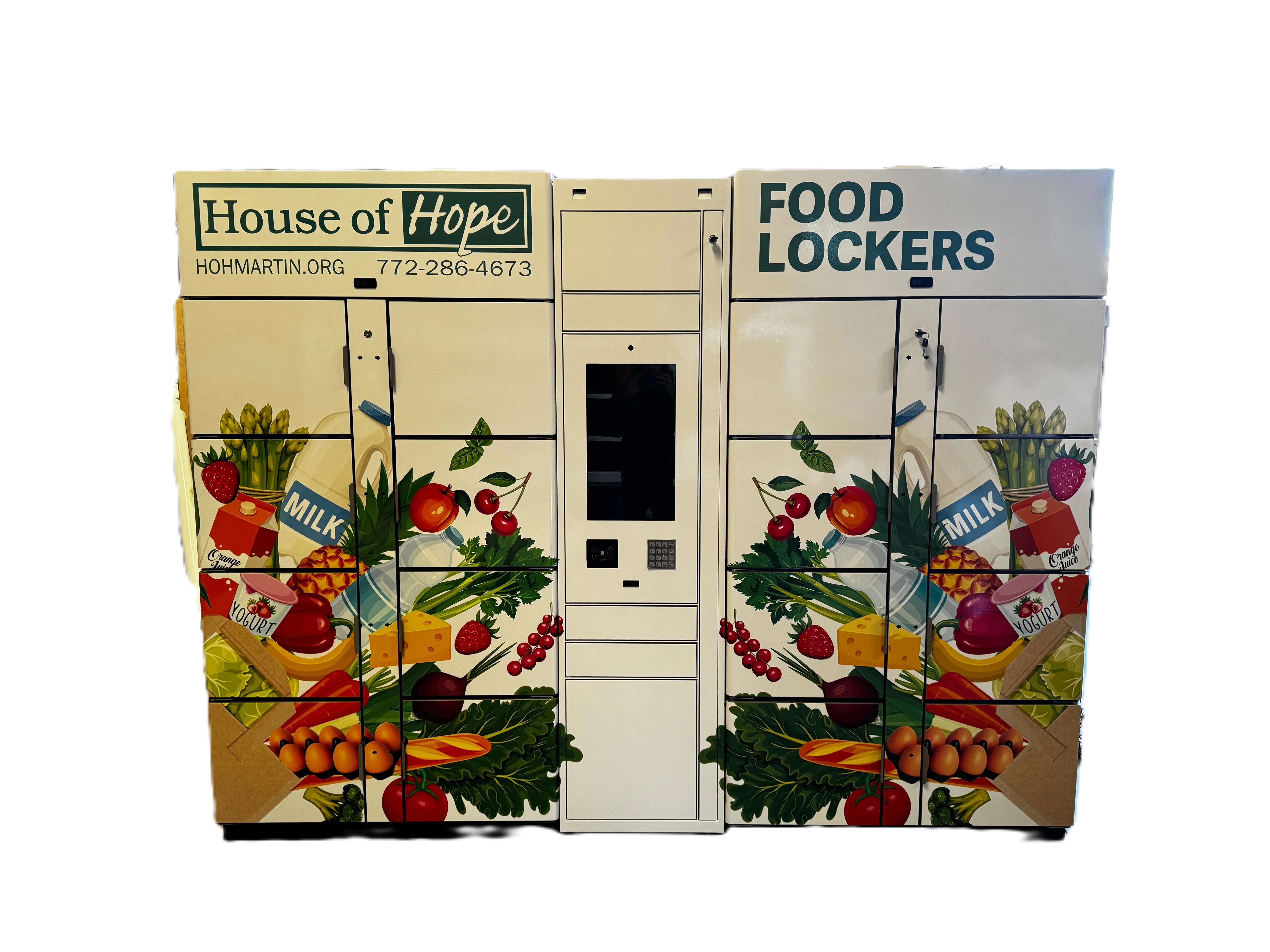
Some lockers feature advanced smart technology. They integrate seamlessly with mobile apps. This enables users to reserve times for food collection.
There are also compact lockers for tight spaces. These are perfect for urban areas where space is limited. They provide an effective solution without taking up significant space.
A rundown of different types includes:
Each type has specific use cases. Choosing the right one depends on the community's requirements. This adaptability is vital in serving diverse populations effectively.
- Standalone units: Easy access for users.
- Modular systems: Customizable for large food banks.
- Smart technology lockers: Integrated with apps for ease.
- Compact lockers: Suitable for urban settings.
- Specialized lockers: Designed for specific climate needs.
Related DMVI pages: If you want to compare adjacent locker formats while reading this piece, see our food collection lockers page and the broader electronic lockers hub.
Key Features and Advantages
Food Pantry Refrigerated Smart Lockers have numerous features. Their benefits enhance their appeal. Let's delve into what makes these systems stand out.
A primary feature is precise temperature regulation. This ensures food safety and longevity. Temperature control is vital for keeping perishable goods fresh.
Security is another critical feature. These lockers have secure access systems. This prevents unauthorized entry and ensures safety of the stored items.
Sustainable energy use is becoming a focal point. Many lockers are equipped to operate on renewable energy. This reduces operational costs and environmental impact.
Furthermore, smart technology integration offers advantages. Remote management and tracking improve efficiency. Managers can track inventory levels and plan restocking effortlessly.
Two lists of advantages include:
Operational Benefits
- Enhanced food safety: Maintains essential food quality.
- Better inventory management: Reduces manual effort and tracking errors.
- Energy efficiency: Supports sustainable operations.
Community Advantages
By adopting these lockers, food banks modernize their approach. They offer a practical solution to some of the biggest challenges in food distribution. With continual technological advancements, their potential is far-reaching.
- Increased accessibility: Provides convenient 24/7 access to food.
- Dignified access: Users can privately collect food without stigma.
- Reduced food waste: Extends shelf life of perishable items.
The Impact of Refrigerated Lockers on Food Distribution
Refrigerated lockers are transforming how food banks operate. They are optimizing food distribution efficiency and enhancing service delivery. Their impact extends beyond logistics, influencing community well-being.
These lockers significantly enhance food safety and quality. By maintaining constant temperatures, they extend the lifespan of perishables. This ensures that distributed food remains safe and nutritious.
Furthermore, refrigerated lockers boost accessibility for those facing food insecurity. Individuals can access food discreetly and conveniently. This dignified approach is vital for fostering community trust and support.
Enhancing Food Safety and Quality
Ensuring food safety is paramount in food distribution. Refrigerated lockers play a crucial role by maintaining optimal storage conditions. They protect perishables from spoilage and contamination.
These lockers operate under stringent temperature controls. This is essential for preserving the nutritional value of foods like dairy and produce. Reliability in temperature management reduces foodborne illness risks.
Moreover, remote monitoring capabilities provide a layer of assurance. They allow managers to track conditions in real time. Immediate alerts enable quick responses to any temperature deviations.
Key benefits of enhanced food safety include:
Ultimately, refrigerated lockers improve overall food quality. The technology ensures that food retains its intended taste, texture, and nutritional benefits. Such reliability is crucial for maintaining community confidence in food distributions.
- Protection from spoilage: Consistent temperatures preserve freshness.
- Reduced health risks: Decreases potential for bacterial growth.
- Nutritional retention: Maintains essential vitamins and minerals.
- Quality assurance: Confidence in food quality boosts consumer trust.
Increasing Accessibility for Food-Insecure Individuals
Refrigerated lockers revolutionize access for the food-insecure. They offer an innovative solution by ensuring food is available when needed. This flexibility is vital for those with limited mobility or time constraints.
These systems provide a discreet and secure method for food collection. Privacy helps individuals feel respected and valued. It removes stigma and fosters a sense of dignity.
One of the standout features is 24/7 accessibility. Lockers can be placed in easily accessible locations within communities. This ensures that food is always within reach, especially in emergencies.
List of increased accessibility benefits include:
Moreover, by expanding reach to underserved areas, refrigerated lockers help bridge food gaps. They empower communities to manage food security collectively and proactively.
- Round-the-clock availability: Ensures food access at any hour.
- Strategic placement: Located in high-need areas.
- Dignified access: Supports privacy and respect.
- Convenience: Reduces barriers associated with traditional food banks.
Streamlining Logistics for Food Banks
Logistics are fundamental to food bank operations. Refrigerated lockers ease logistical challenges, making food distribution more efficient. They align supply with demand more effectively.
Integration with technology facilitates better inventory management. Real-time data on stock levels helps streamline restocking. This prevents shortages and minimizes the waste of surplus goods.
Efficiency extends to reducing labor and time resources. Automation in monitoring and access contributes significantly. Food banks can focus more on strategic initiatives instead of manual tracking tasks.
Key logistical advantages include:
Refrigerated lockers provide a framework for more cohesive and integrated food distribution networks. They support the development of scalable food management systems. These improvements help ensure that food banks can meet community needs effectively and sustainably.
- Improved inventory tracking: Accurate and automated stock assessments.
- Labor savings: Reduces need for manual labor in monitoring.
- Faster distribution: Speeds up the overall food allocation process.
- Waste reduction: Efficiently manages supply to minimize waste.
Case Studies: Successful Implementation
Real-world examples show the potential of refrigerated lockers in food distribution. These initiatives exemplify how technology meets community needs. Their success offers a model for broader application.
In several cities, lockers have improved food access substantially. Food banks report enhanced efficiency and outreach. This results in more equitable food distribution.
These case studies highlight critical elements for success. Community engagement, strategic partnerships, and tailored solutions are essential. Together, they create a sustainable food distribution framework.
City-Level Food Bank Initiatives
Cities around the world are embracing refrigerated lockers. These solutions address urban food insecurity strategically. One city pilot saw remarkable results in just months.
The program focused on high-need areas with limited fresh food access. Lockers were strategically placed in well-trafficked community centers. This increased visibility and accessibility for residents.
Local governments played a crucial role in these initiatives. They provided financial support and facilitated logistics. Their collaboration was key to overcoming regulatory hurdles.
Key components of city-level initiatives included:
Programs that included community involvement also saw significant success. Resident feedback informed locker functionality and locations. This approach ensured the solutions met genuine community needs.
- Need assessment: Understanding community-specific food security gaps.
- Partnership development: Collaborations between public and non-profit sectors.
- Strategic placement: Identifying optimal locations for maximum impact.
- Monitoring and evaluation: Regular assessments to refine processes.
Partnerships with Local Businesses
Collaborations with businesses have driven many locker projects. These partnerships unlock resources and expertise essential for success. They foster innovation in food distribution methods.
Businesses offer financial support and logistical know-how. They help with locker installations and maintenance. Their involvement reduces the burden on food banks.
Local grocery stores often contribute surplus stock. This ensures lockers remain well-stocked with fresh items. The collaborations also promote local economic activity.
Core aspects of successful business partnerships include:
These partnerships often result in enhanced community goodwill and brand loyalty. Businesses highlight their commitment to social responsibility. This fosters a positive corporate image and reinforces community ties.
- Resource sharing: Businesses provide technical and financial assistance.
- Supply chain support: Sourcing fresh produce from nearby suppliers.
- Branding opportunities: Companies gain visibility through community contributions.
- Innovation drives: Businesses experiment with new distribution methods.
Community Feedback and Testimonials
Community feedback is invaluable in refining locker use. Testimonials reveal personal impacts and operational insights. These narratives build stronger community connections.
Many beneficiaries express appreciation for the dignity lockers provide. They appreciate the discretion and convenience offered. This feedback emphasizes the importance of user-centric design.
Participants often highlight improved accessibility to healthy foods. Access to a diverse range of fresh foods supports better health outcomes. This underscores the lockers' role in promoting well-being.
Key feedback themes include:
Gathering this feedback helps food banks adapt and evolve. Programs can continuously improve by listening to the community. This ensures lockers remain a vital resource for addressing food insecurity.
- User experience: Positive remarks on discretion and ease of use.
- Health improvements: Reports of better dietary options and nutrition.
- Community pride: Residents feel empowered and dignified by access.
- Ease of access: Praise for 24/7 availability and strategic locations.
Future Trends in Refrigerated Lockers
The future of food bank refrigerated lockers looks promising. As technology evolves, these systems will become more efficient and impactful. They offer potential for broader applications in various sectors.
Community needs continue to shape locker design and function. Innovations like mobile and solar-powered units are on the horizon. These advancements enhance their utility in diverse environments.
Increased interest from both public and private sectors drives locker adoption. This momentum indicates a growing recognition of their role in combating hunger. Future trends will likely focus on expanding these solutions globally.
Innovations in Technology and Design
Technological advancements are pivotal to the evolution of refrigerated lockers. Smart lockers now incorporate IoT-enabled devices. This technology allows for real-time temperature monitoring and stock management.
Designs are becoming more user-friendly and adaptable. Modular units can be adjusted for different spaces, accommodating various community needs. This flexibility enhances their appeal and utility.
Artificial intelligence further optimizes operations. AI-driven analytics help forecast demand and adjust stocking patterns. This ensures lockers provide timely access to fresh food, minimizing waste.
Recent innovations include:
These innovations collectively improve the efficiency of food distribution. They also present opportunities for increased community engagement and support. As lockers evolve, their role in addressing food insecurity becomes more pronounced.
- IoT Integration: Provides constant real-time monitoring and data insights.
- Modular Designs: Allow for customization and scalability in different locales.
- AI Analytics: Enhance predictive stocking and inventory management.
The Role of Sustainability in Food Distribution
Sustainability is increasingly central to food distribution strategies. Refrigerated lockers offer a green solution to food insecurity challenges. Their designs now incorporate sustainable materials and operations.
Renewable energy sources like solar power reduce carbon footprints. These energy-efficient systems make lockers more sustainable and cost-effective. Environmental benefits gain traction in community-driven initiatives.
Additionally, lockers contribute to less food waste. Prolonged shelf life and precise stocking methods decrease spoilage. This approach aligns with broader sustainability goals in food systems.
Sustainable features of lockers include:
Integrating sustainability bolsters community trust and project viability. It ensures operations meet ecological standards while serving essential needs. This shift reflects a broader trend towards holistic food security solutions.
- Renewable Energy: Use solar or other green power sources.
- Eco-friendly Materials: Utilization of recyclable or biodegradable materials.
- Waste Minimization: Advanced stocking techniques reduce spoilage.
Expansion Opportunities and Market Demand
Market demand for refrigerated lockers is on the rise. Communities recognize their effectiveness in addressing food access. This creates an environment ripe for scaling these innovations.
Opportunities for expansion abound, particularly in underserved areas. Customizable lockers cater to varied community requirements. They can adapt to different population sizes and geographic challenges.
Investment from public and private sectors further supports growth. Stakeholders see the value in investing in durable, scalable food distribution solutions. This financial backing accelerates deployment in new regions.
Potential growth areas include:
The outlook for refrigerated lockers is promising as demand surges. Their adaptability and efficacy drive momentum in addressing global food security. Continued innovation and investment will ensure these solutions reach those in need.
- Urban Centers: High-density areas benefit from increased locker presence.
- Rural Communities: Remote areas gain from improved access and distribution.
- Disaster Relief Zones: Immediate food access supports emergency response efforts.
Conclusion
Food bank refrigerated lockers signify a transformative shift in food distribution practices. By harnessing technology, they address the critical issue of food insecurity efficiently. These lockers offer a blend of convenience, dignity, and sustainability.
Their strategic placement in communities ensures that fresh, nutritious food reaches those who need it most. This innovation extends beyond immediate relief; it contributes to longer-term solutions against hunger. Refrigerated lockers thus play a pivotal role in reshaping food systems.
Moreover, the integration of smart technology enhances management and reduces waste. Features like real-time monitoring and temperature control safeguard food quality. This approach not only benefits recipients but also strengthens food bank operations.
In essence, food bank refrigerated lockers are more than just a storage solution. They are a beacon of hope, addressing not just the symptoms but the root causes of hunger. As communities embrace these systems, we move closer to a future where no one goes hungry.
With continued innovation and support, these lockers have the potential to change lives and improve community resilience worldwide.
Planning a refrigerated locker program for food distribution?
DMVI can help you compare refrigerated locker configurations, collection workflows, and broader electronic locker formats for food banks, pantries, and community distribution programs.