Where to Put Vending Machines: A Practical Location Guide for New Operators
One of the first questions new operators ask is where to put vending machines. It sounds simple, but it is really a location strategy question: not every busy place is a good vending location, and not every quiet-looking place is a bad one. The useful question is whether the site has the right mix of traffic, repeat behavior, product demand, access, and operational practicality.
If you are just starting out, it helps to stop thinking in terms of “find any empty corner” and start thinking like a small-site retailer. A vending machine is still a point of sale. It needs the right audience, the right assortment, and the right machine format for the venue.
This guide walks through the location factors that matter most, the common venue types worth assessing first, and when it is worth stepping up from a basic cabinet to a smart vending machine, a compact wall-mounted unit, or a more custom retail format.
Start With the Commercial Reality, Not the Machine
Many beginners shop for equipment before they have properly assessed the site. That is backwards. The location should shape the machine choice, product mix, and service model before you get seduced by touchscreens and glossy renders.
A good location usually answers a few blunt questions well:
- Do enough people pass the machine regularly?
- Are they likely to buy, or only likely to walk past?
- Do they have time to browse, or are they in a rush?
- What products would actually make sense there?
- Can the machine be restocked, monitored, and kept secure without drama?
If the answer to most of those questions is fuzzy, the location is probably not ready yet. That does not mean the venue is impossible; it means the placement needs more thinking before you spend money on hardware.
What Makes a Vending Location Actually Good?
The best placements are usually a combination of repeatable traffic, convenience demand, and fit between venue and product. A machine does better when customers already have a reason to be there and the products feel like an obvious purchase in context.
In practice, the strongest locations often share these traits:
- Consistent foot traffic: not just one busy hour, but repeatable demand across the day or week.
- Dwell time: people are waiting, working, training, travelling, or spending time on site.
- Limited nearby alternatives: the machine is more useful when customers do not have a better convenience option ten steps away.
- Clear use-case fit: drinks in a gym, travel essentials in a hotel, snacks in an office, or grab-and-go options in a healthcare environment all make intuitive sense.
- Operational access: the route, power, loading, security, and refill cadence are all manageable.
This is also why a smaller but better-matched location can outperform a “busier” site with poor product fit. Volume alone does not rescue a lazy placement decision.
Office Buildings and Workplaces
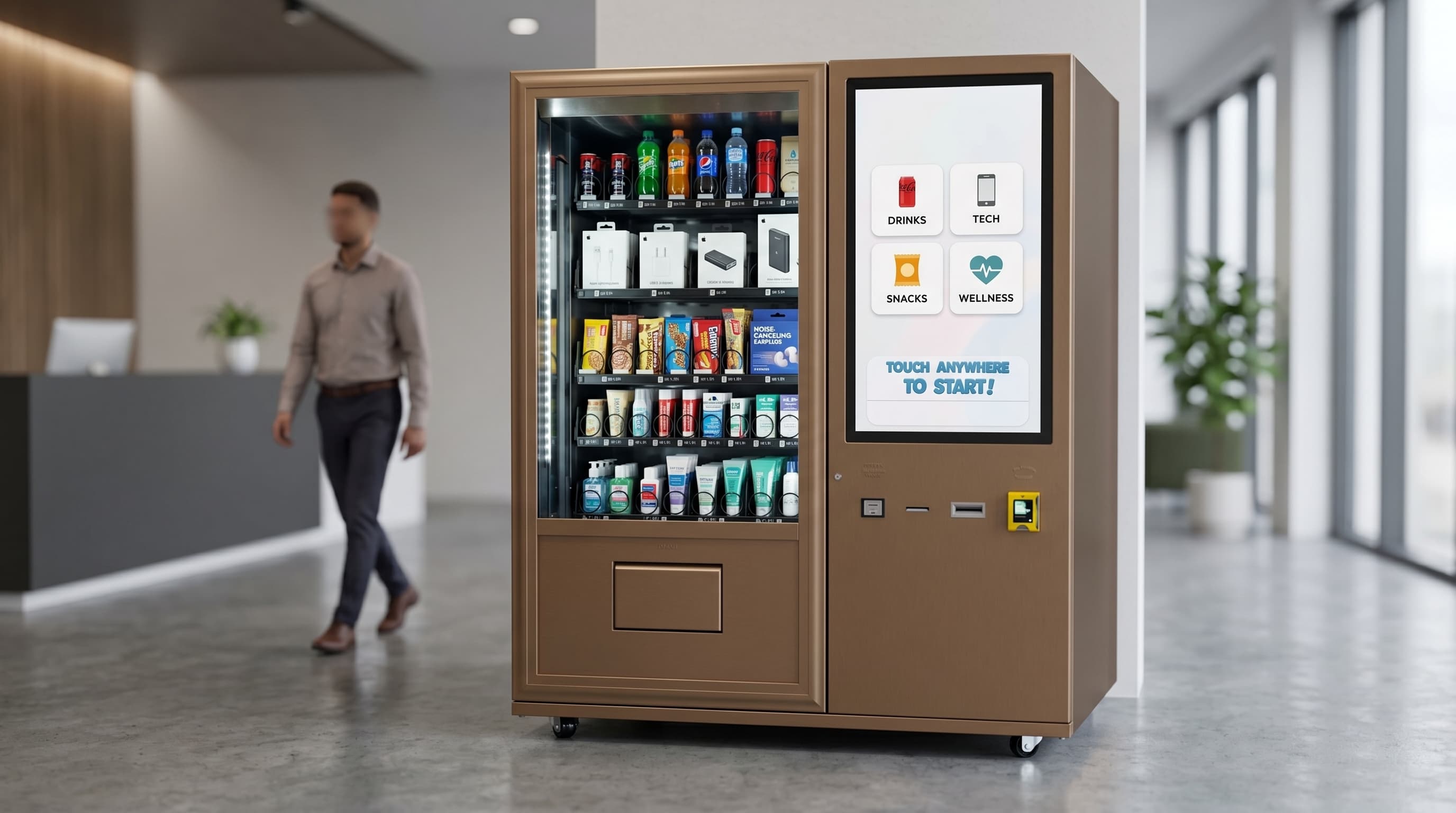
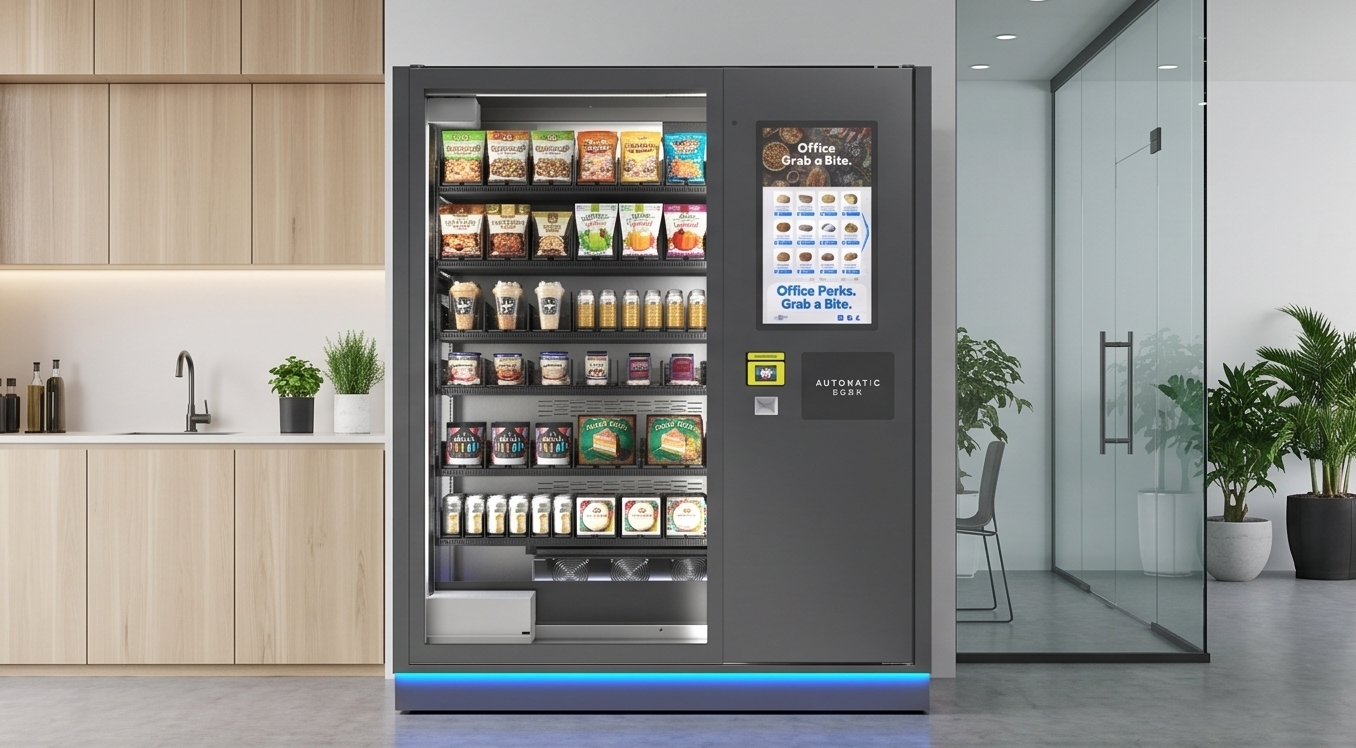
Office placements remain one of the most practical starting points for many operators because the traffic is predictable, the audience is recurring, and the products are easy to understand. Employees want quick snacks, drinks, coffee, and sometimes simple meal or better-for-you options without leaving the building.
The best office placements are usually near break areas, lobbies, amenity floors, or transitions between work zones and shared spaces. If the building has long stretches without easy food access, the machine becomes a genuine convenience service rather than background furniture.
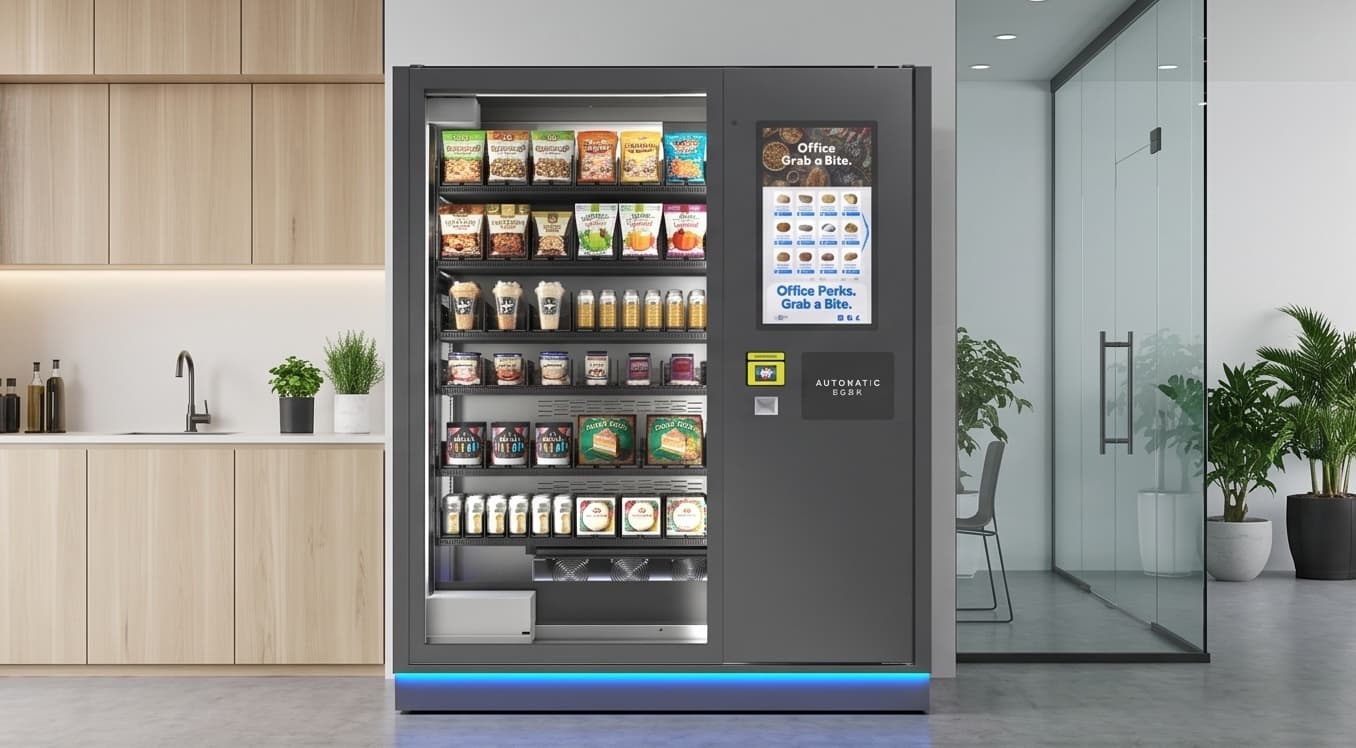
For standard snacks and drinks, a conventional machine can work well. For higher-expectation workplaces, a smart vending setup or even a micro-market style format can make more sense, especially when product variety, cashless checkout, and better reporting matter.
Hotels, Resorts, and Tourism Venues
Hotels and tourism environments can be excellent vending locations because the customer need is obvious: people want convenience outside the hours or footprint of a staffed shop. The trick is placing the machine where it supports the guest journey instead of hiding it where nobody sensible will use it.
Good hotel locations include lobby adjacencies, guest-floor transition areas, pool approaches, and places where late-night demand tends to surface. In resorts and tourism venues, the strongest placements often support a specific use case such as drinks, travel items, beach accessories, or other site-relevant essentials.
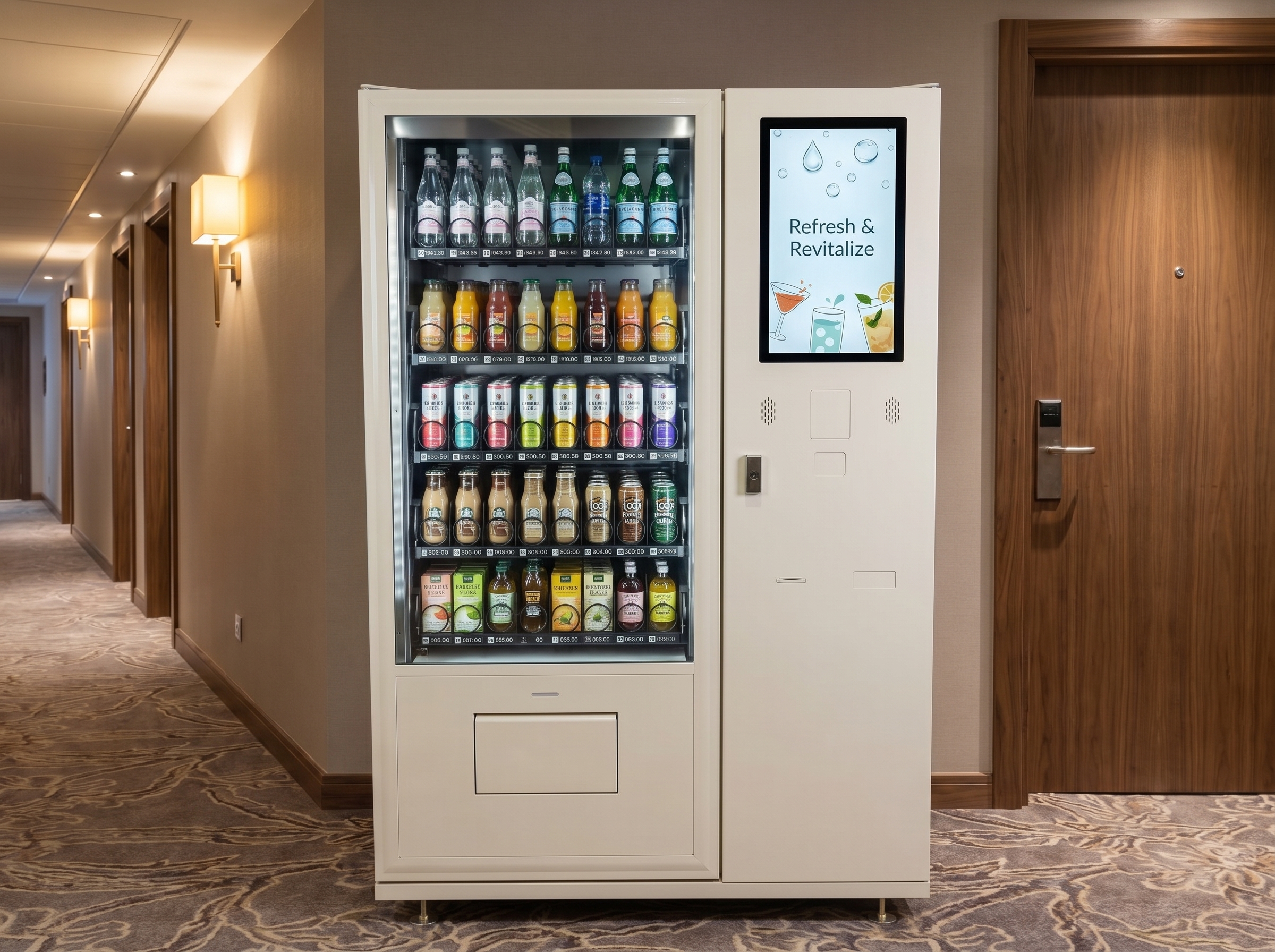
If the venue cares about presentation, floor space, or branded experience, this is often where a wall-mounted vending machine or a custom vending machine design starts to look more commercially intelligent.
Gyms, Fitness Clubs, and Wellness Spaces
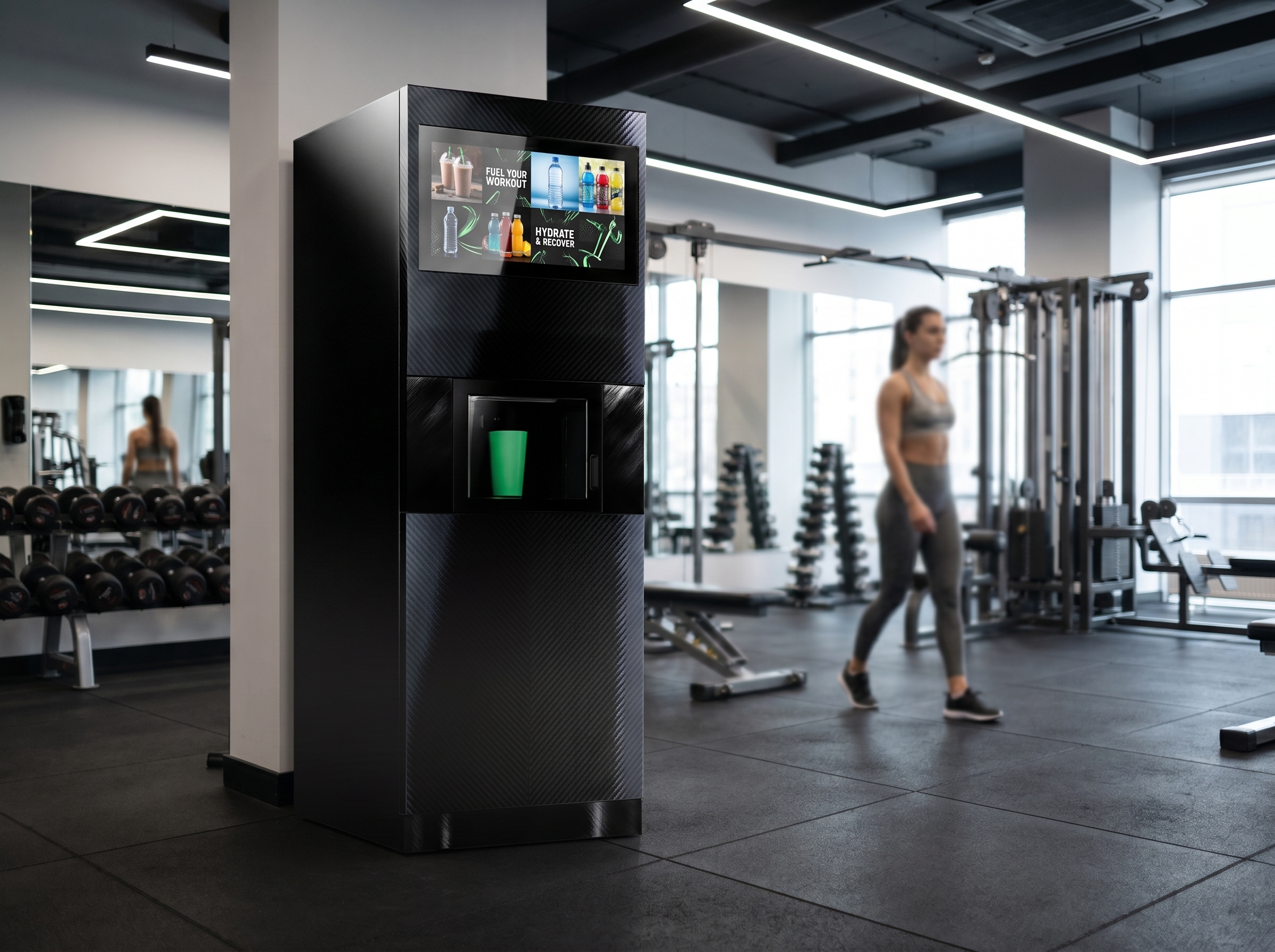
Gyms are attractive because the demand pattern is fairly easy to read. Members often want bottled drinks, protein products, functional snacks, and quick convenience purchases before or after training. The machine has a clear job and a clear audience.
That said, gym placements work best when the assortment matches the club's positioning. A premium fitness brand probably does not want a machine that looks like it was borrowed from a motorway service station. This is one of the categories where touchscreen presentation, cashless checkout, and cleaner branding can genuinely improve conversion.
Hospitals, Clinics, and Healthcare Environments
Healthcare sites can be strong because they combine long dwell times with real convenience needs. Staff, visitors, and patients' families all spend time on site, often at awkward hours, and do not always want to trek across the building for basic drinks or snacks.
The obvious caveat is that healthcare placements need better judgment. Product mix, cleanliness, access, noise, and site policy all matter more. In some settings, a more health-conscious assortment or a quieter, more polished machine format may be the right answer.
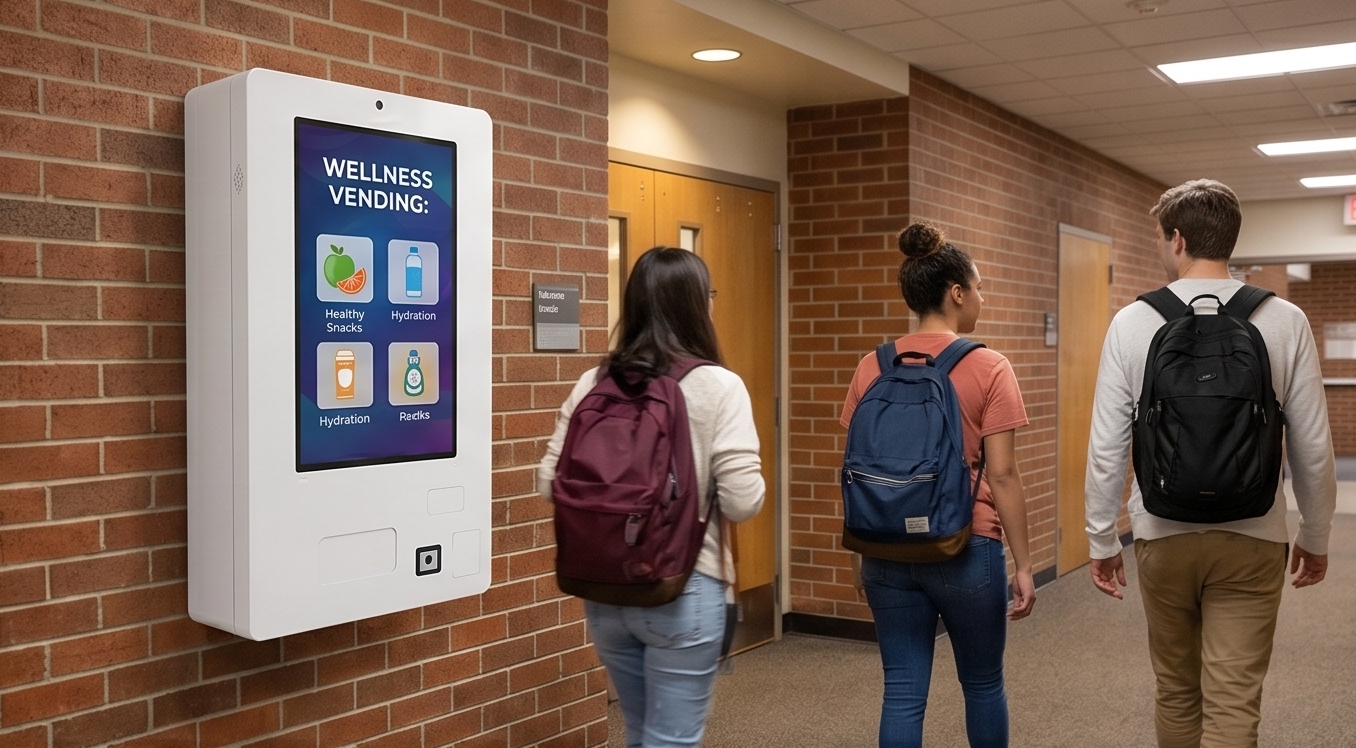
For operators interested in the wellness side of the category, our newer piece on healthy vending machines in schools shows the same broader lesson: the venue's policy and culture matter just as much as raw traffic.
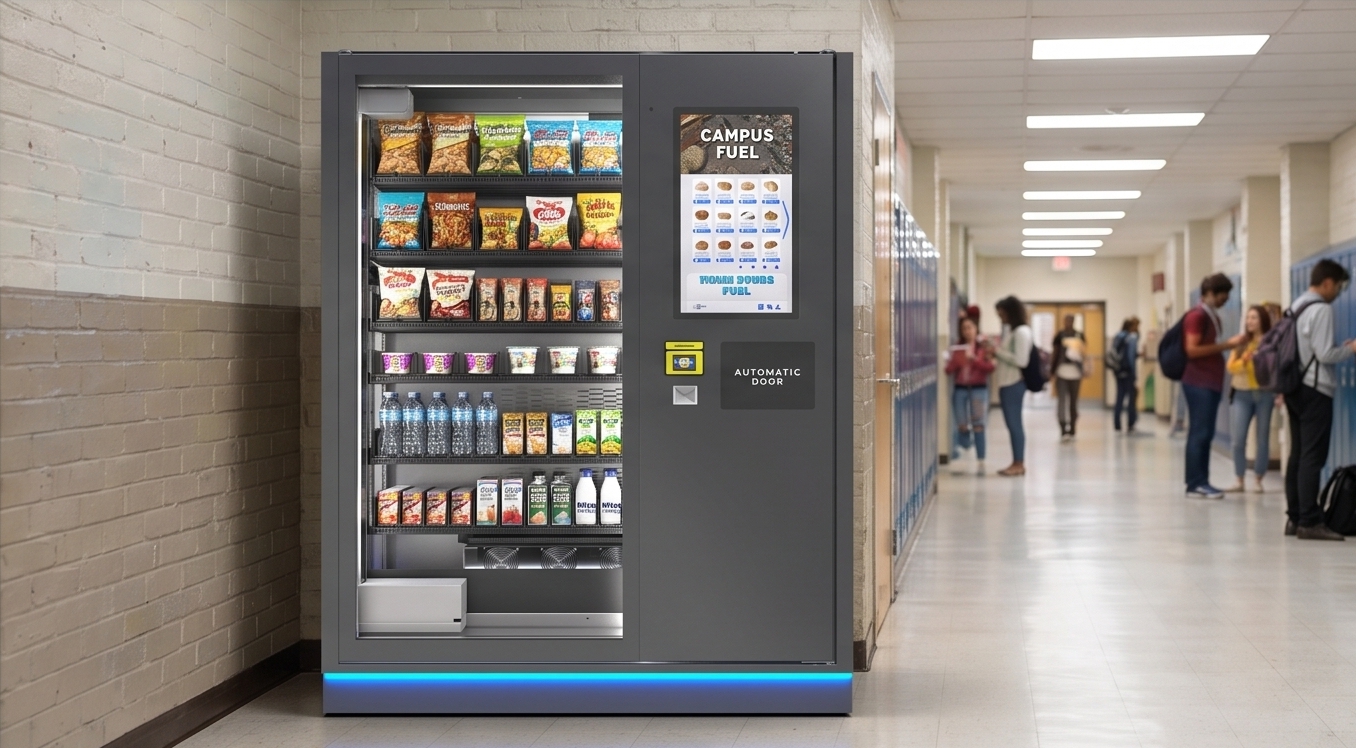
Schools, Colleges, and Campuses
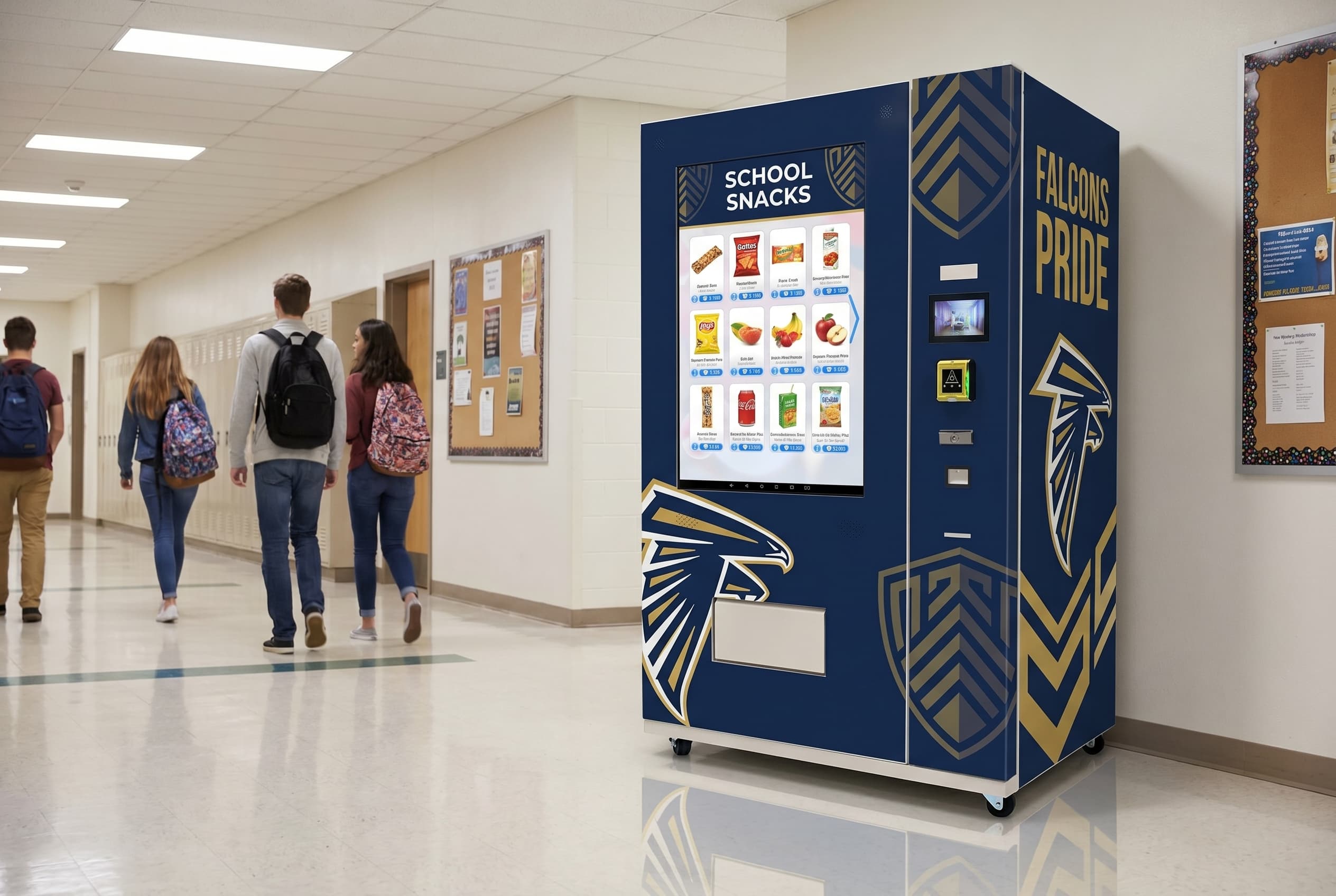
Campus environments can work extremely well because the traffic is recurring and the audience often wants quick, low-friction purchases between activities. But they are not one-size-fits-all. A university residence hall, a commuter campus, and a school commons area all behave differently.
Placement should reflect the real movement pattern: student centers, common rooms, library adjacencies, dorm amenities, and athletic buildings can all make sense depending on what is being sold. In education settings, cashless convenience and machine appearance matter more than many operators expect because the audience is used to digital interactions and can be quite unforgiving of clunky interfaces.
Airports, Transit Hubs, and Other High-Footfall Public Spaces
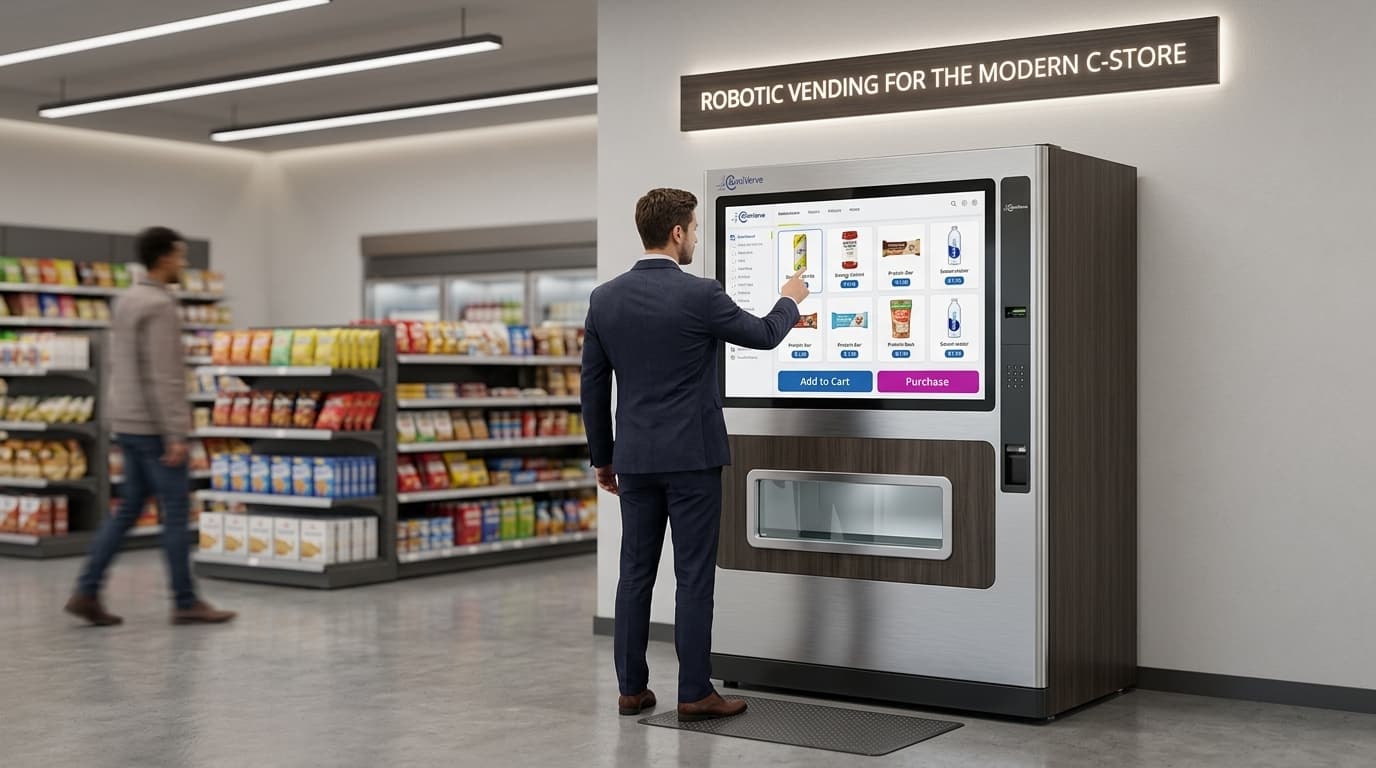
These sites tempt operators because the traffic numbers are enormous. Sometimes that instinct is right. Sometimes it is how people talk themselves into an expensive mistake. High footfall helps, but public sites also raise the bar for security, uptime, payment reliability, and machine presentation.
Airports and transit hubs usually make the most sense when the machine solves a clear convenience need: travel essentials, drinks, headphones, chargers, comfort products, or other items people decide to buy because they are already en route and time-constrained.
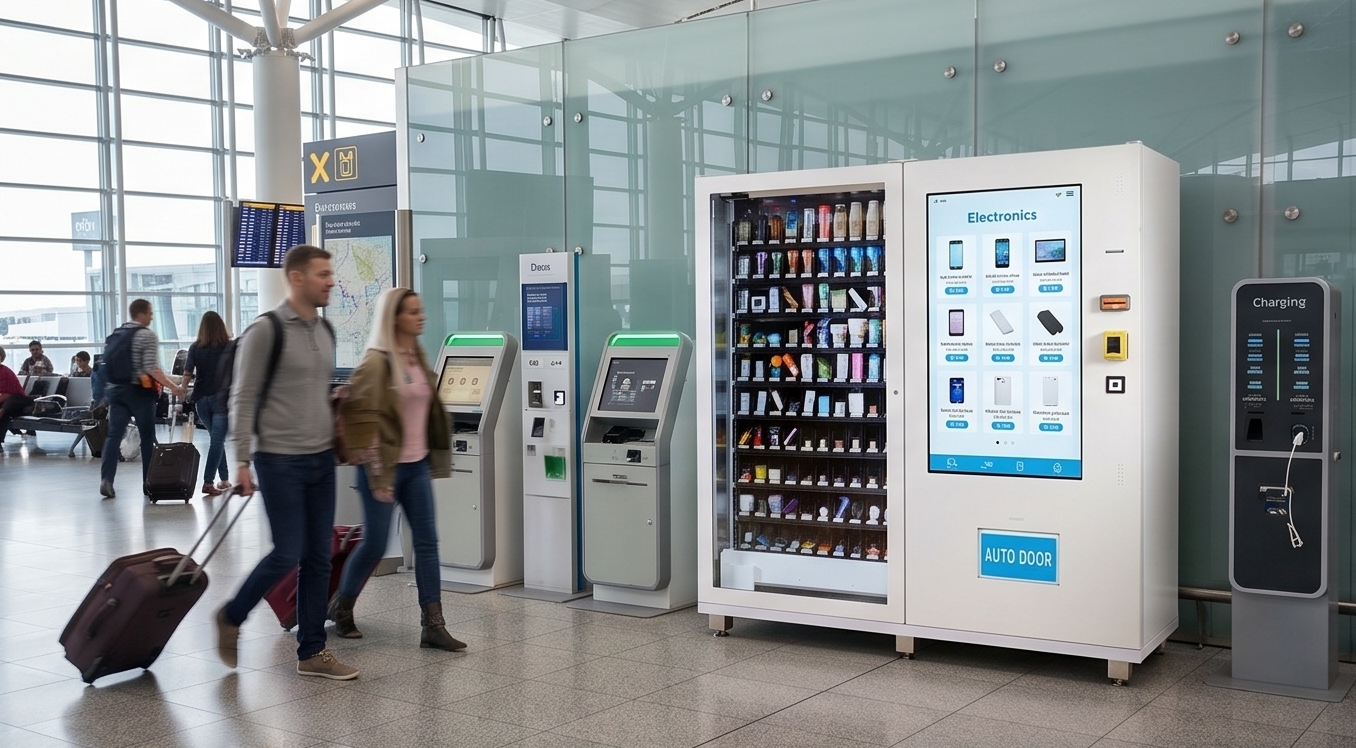
This is also where a more capable machine starts to earn its keep. Touchscreen merchandising, remote monitoring, and strong cashless support are not luxuries in a demanding public venue; they are often table stakes.
Do Not Ignore Permissions, Security, and Service Practicality
It is easy to obsess over sales potential and ignore the boring bits that actually decide whether a location remains profitable. Before placing a machine, make sure you understand who controls the space, how revenue share or site rent works, what power is available, when the site is accessible for service, and what happens if the machine needs maintenance.
Security matters too. A machine in a controlled office lobby behaves differently from one in a semi-public corridor. Anchoring, visibility, camera coverage, cashless-first operation, and the cabinet's physical durability all affect risk.
If you are early in the process, it is often worth reading this alongside our guides on how to start a vending machine business successfully and how to choose the right vending machine for sale. One helps with the business model; the other helps with the hardware decision once the location is real.
Match the Machine to the Location
The machine format should fit the commercial job. A standard snack machine can still be exactly right in a straightforward venue. A smart vending machine is usually better when you want better telemetry, stronger cashless workflows, or a more guided retail experience. A compact or wall-mounted format makes sense where floor space is tight. A custom vending build becomes relevant when the products, brand, or site workflow are more specialised.
The point is not to force every location into the most advanced machine. It is to choose the machine that matches the location's real demand, constraints, and commercial upside.
Conclusion
The best place to put a vending machine is not simply the place with the most people. It is the place where customer need, product fit, access, visibility, and operating practicality line up in a way that can be repeated profitably.
For new operators, a sensible approach is to assess locations first, shortlist the strongest venue types, and only then compare the machine options worth buying. That usually saves money, improves placement quality, and avoids the classic mistake of buying a machine before you have properly earned the right to place it.
Need help matching a machine to the right location?
DMVI can help you compare standard, smart, compact, wall-mounted, and custom vending formats based on the venue, traffic pattern, product mix, and customer experience you actually want to create.