How to Start a Vending Machine Business Successfully
A vending machine business is a route business disguised as a simple side hustle. You are not just buying a machine and waiting for coins to fall out of the sky. You are choosing a product category, securing locations, setting pricing, handling service calls, managing stock, and trying to make the unit economics work without kidding yourself about the labor involved.
That is the blunt version, and it is the useful one. The vending business can be profitable, scalable, and far less overhead-heavy than a full staffed retail footprint. But the people who do well in it usually treat it like an operating business from day one, not a passive-income fantasy with a card reader bolted to the front.
If you are starting from scratch, the smartest move is to think in this order: business model, location quality, machine format, payment and telemetry, and only then expansion. Get that sequence wrong and you can buy yourself an expensive steel headache.
If you want a sober outside framework before spending money, the U.S. Small Business Administration's guides to market research and competitive analysis and startup-cost planning are worth reviewing before the first machine order goes in.
Choose the Business Model Before You Buy the Machine
Many beginners start in the wrong place. They shop for a machine before they decide what sort of vending business they are actually building. That is backwards.
There are several workable models:
- Traditional snack and beverage route: lower complexity, familiar format, strong location dependence.
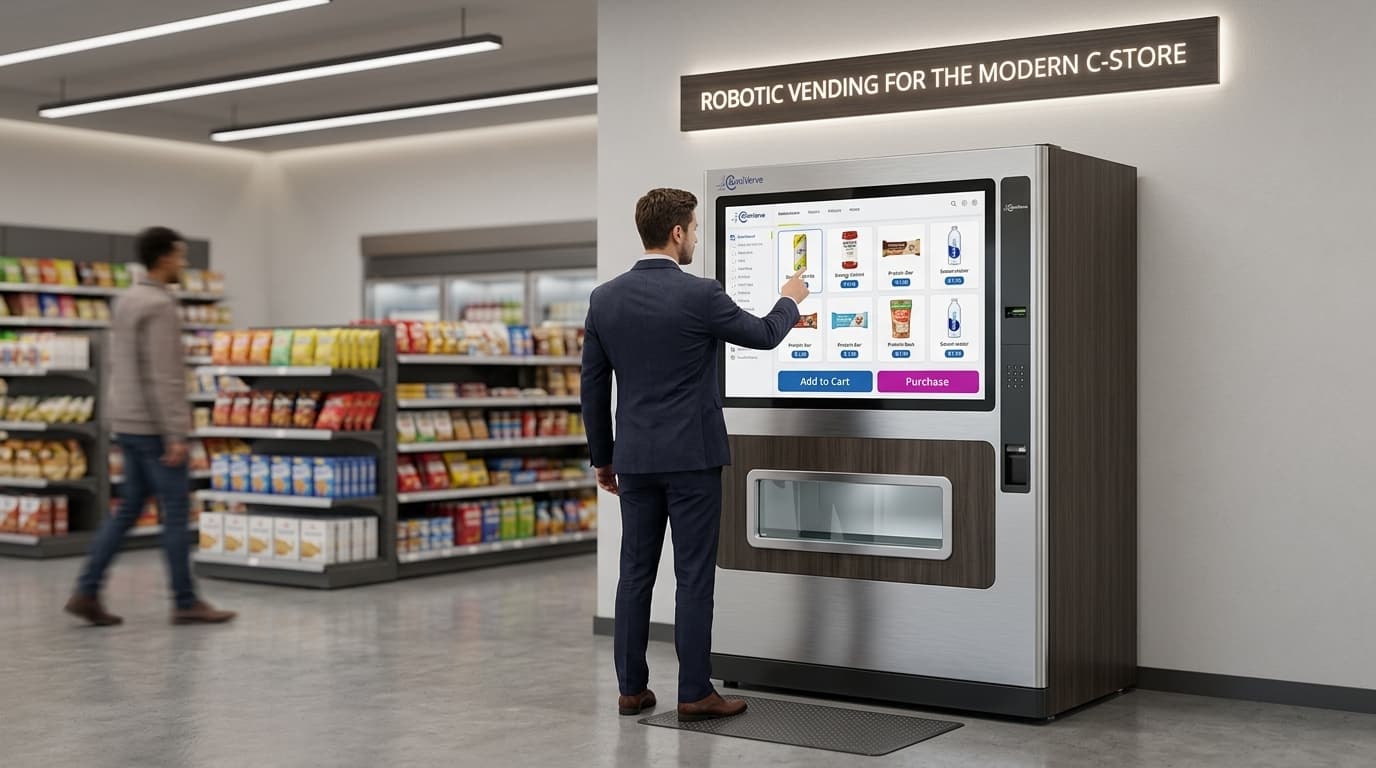
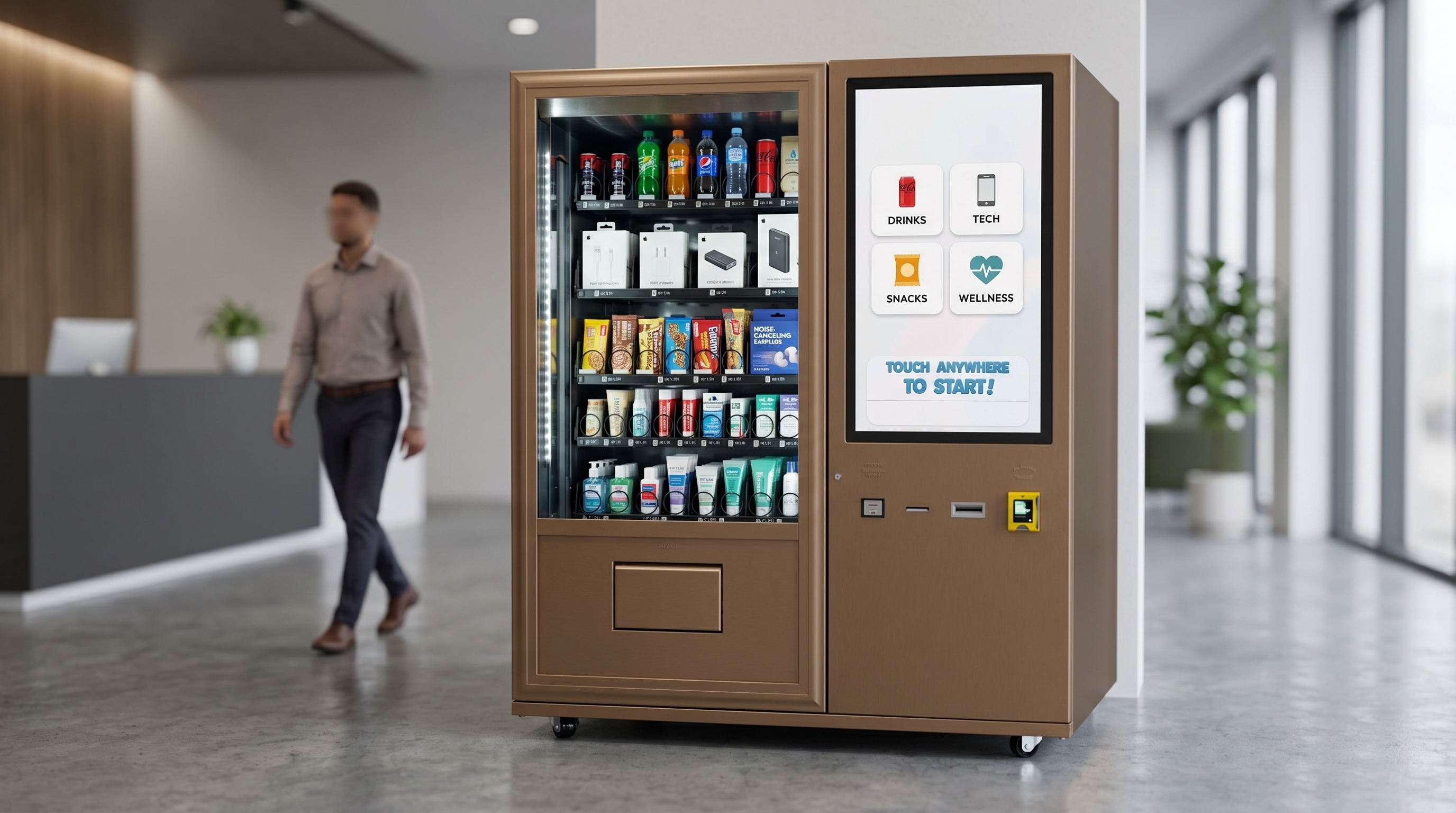
- Smart vending or touchscreen retail: better merchandising, cashless-first checkout, and stronger reporting for more modern locations.
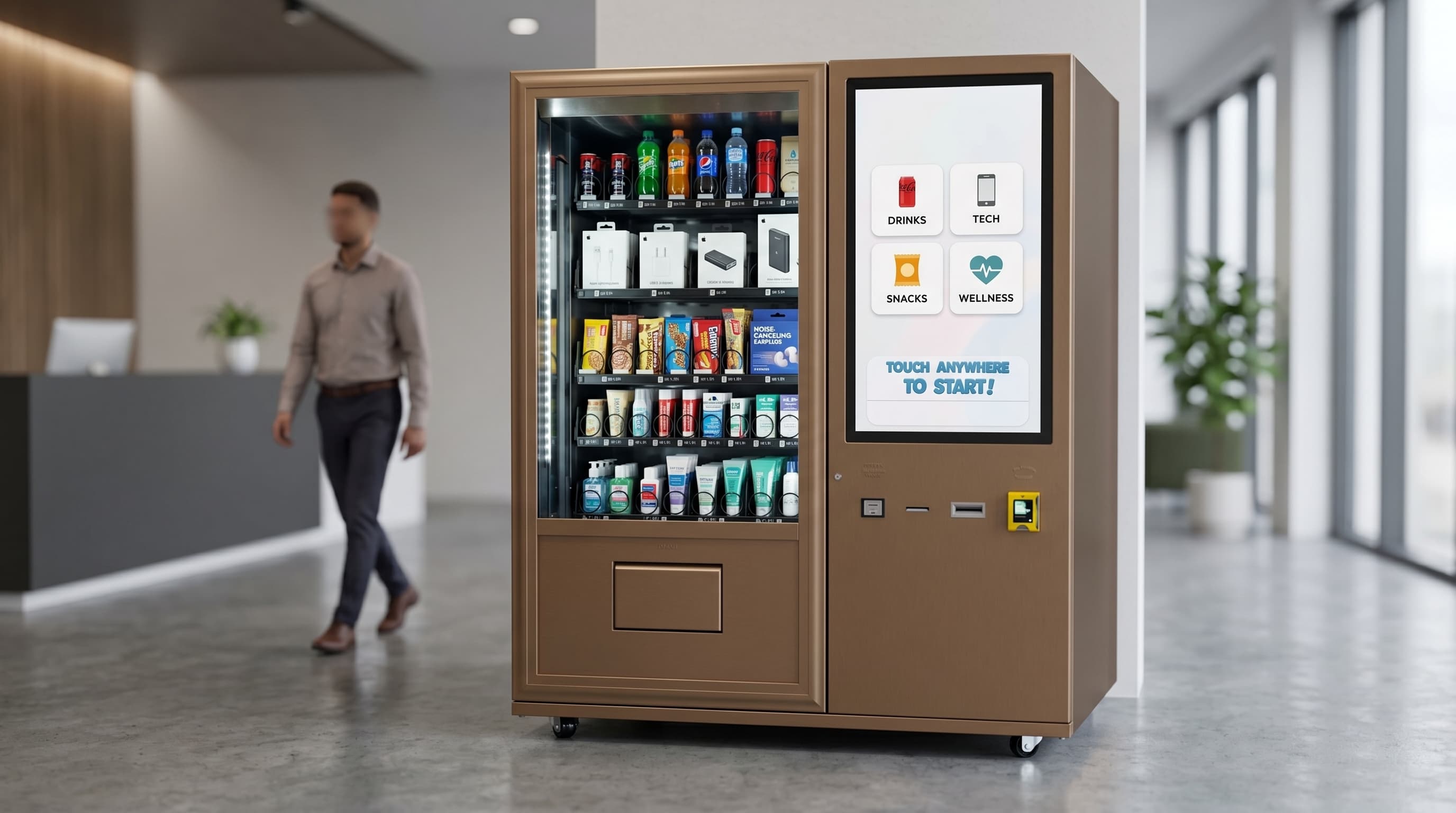
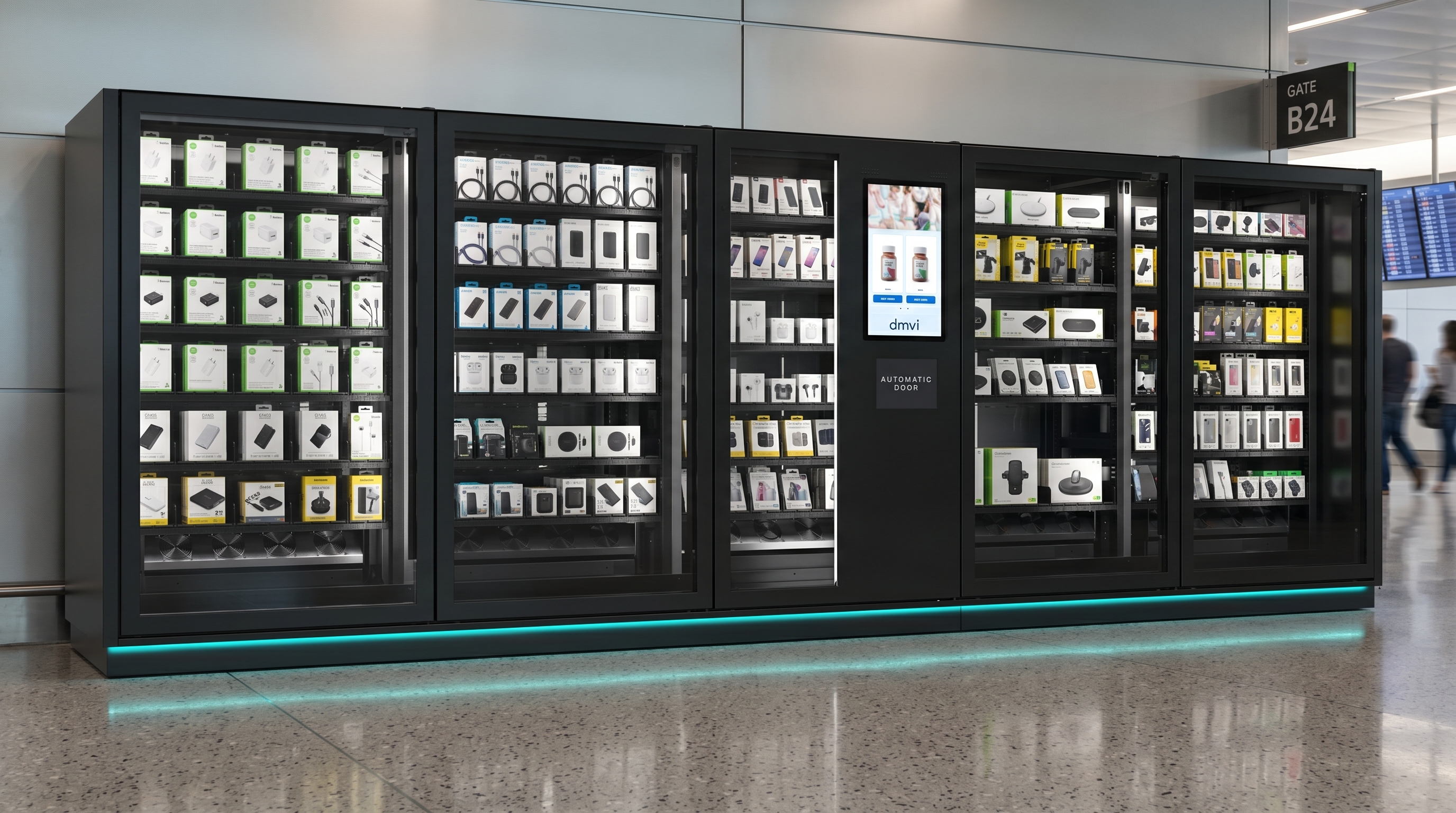
- Custom vending concept: category-specific machines for electronics, wellness, beauty, travel retail, collectibles, and other non-standard formats.
- Micro-market or smart-fridge program: broader assortments for offices, plants, hospitals, and campuses where a single cabinet may be too limiting.
If you are still comparing formats, it is worth looking at smart vending machines, custom vending machine design, and micro-market vending machines and AI fridges rather than assuming every location wants the same old snack machine.
The model determines the rest of the business: what the machine costs, how often you refill, what margins look like, how complex customer support becomes, and whether the location is buying convenience, security, novelty, or a genuine unattended retail program.
Do the Unit Economics Before You Believe the Hype
Plenty of content online makes vending sound like a money printer. It is not. A real machine has to cover the machine cost, product cost, card-reader fees, location commission or rent, insurance, route time, shrink, maintenance, and the inevitable bits of admin that nobody puts in the glamorous YouTube thumbnail.
Before buying anything, sketch the maths for one machine:
- machine purchase or finance cost
- average gross margin by SKU mix
- monthly card and platform fees
- location commission or site rent
- service mileage and refill time
- repair reserve and spoilage or shrink allowance
If the economics only work when every row is magically full, every customer pays list price, and nothing ever breaks, the economics do not work.
This is where better-connected hardware can help. A more modern digital vending machine or AI vending machine may justify itself if it improves basket size, merchandising control, or stock visibility enough to raise site performance. But technology should support the numbers, not excuse weak numbers.
Location Quality Is the Business
The machine matters. The location matters more. A mediocre machine in a strong location will usually beat an excellent machine in a dead corridor.
When you evaluate a site, ask practical questions rather than romantic ones:
- Who actually uses this space, and at what times of day?
- Is the traffic repetitive and predictable, or just visually busy?
- What are people likely to buy here: snacks, drinks, meals, wellness items, electronics, or emergency convenience?
- Is there a clear problem the machine solves?
- Will the site owner support power, access, and sensible placement?
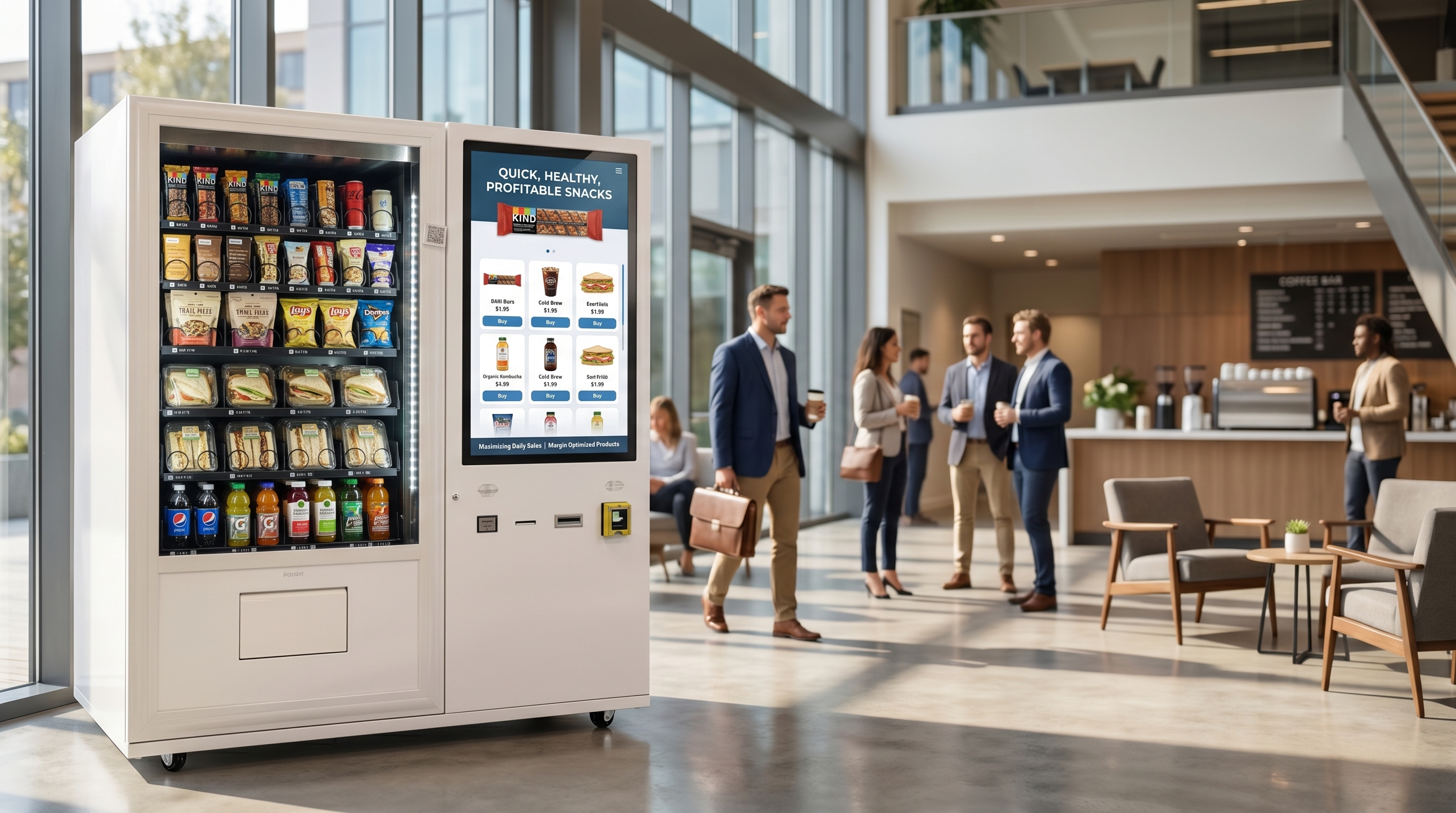
Schools, offices, apartment communities, manufacturing sites, hospitals, hotels, gyms, and transport-adjacent spaces can all work. They just do not work for the same machine or the same assortment. A healthy vending business is usually built on repeated behavior, not on one-off impulse miracles.
It is also wise to get the commercial agreement clear early: commission percentage, restocking access, service response expectations, electricity responsibility, and what happens if the site underperforms. Better to have that awkward conversation before the machine is on a pallet.
Pick the Machine Type Around the Venue, Not Your Ego
Beginners sometimes overbuy. They fall in love with a glamorous cabinet when the location really needs a simple reliable machine, or they buy a bargain used unit when the venue expects a polished cashless experience. Neither mistake is especially cheap.
Use the venue and the product category to guide the machine choice:
- Snack and drink machines: still useful for familiar, fast-turn products in steady-footfall environments.
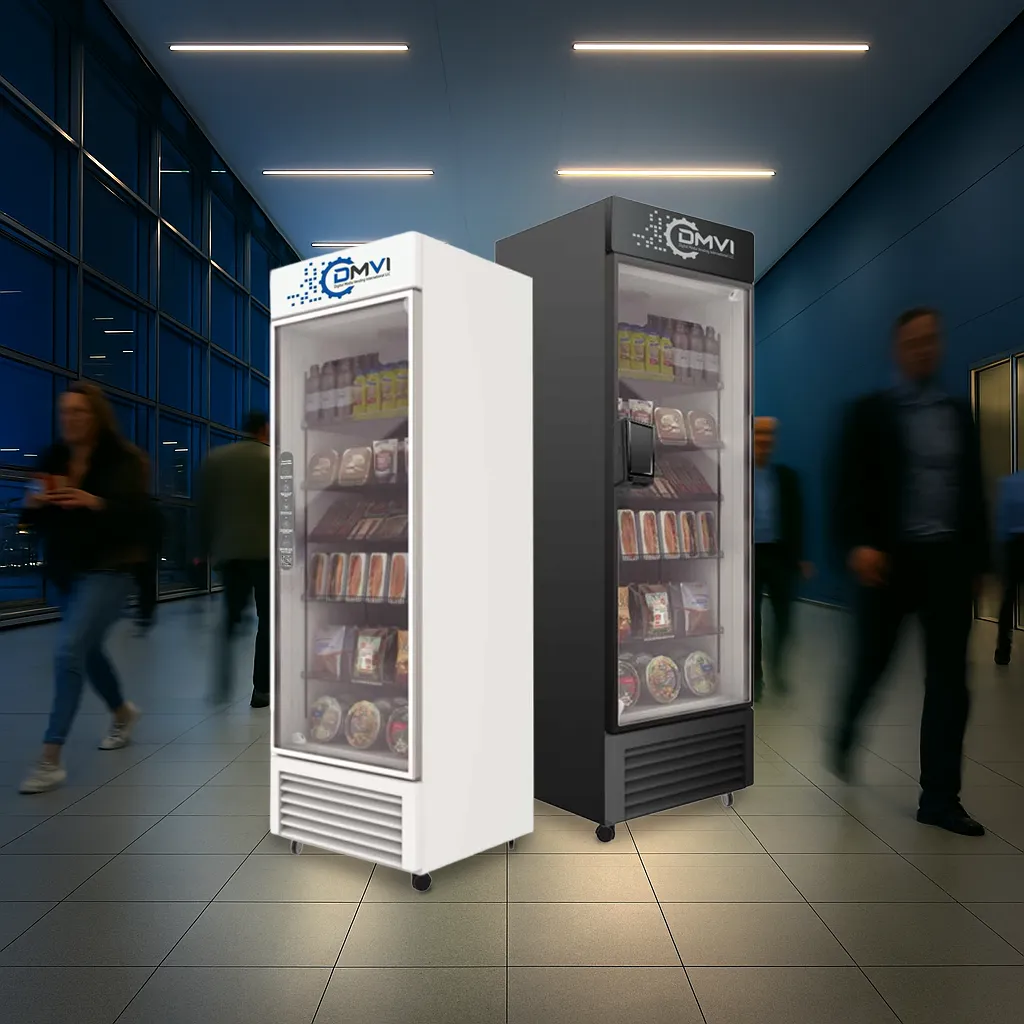
- Combo machines: convenient for small locations that cannot support separate food and beverage units.
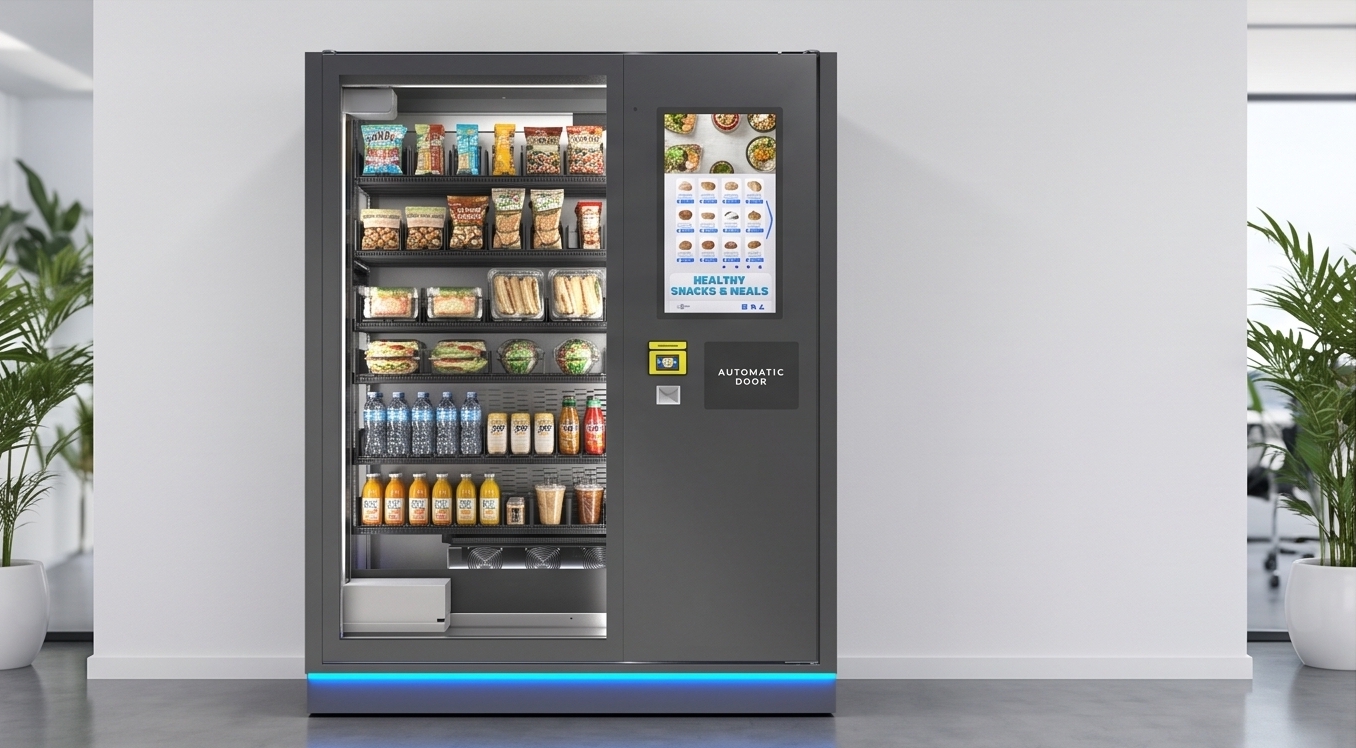
- Smart vending machines: better when touchscreen merchandising, larger screens, stronger reporting, or more premium presentation matter.
- Custom vending machines: best when product dimensions, security, branding, or dispense logic fall outside standard vending logic.
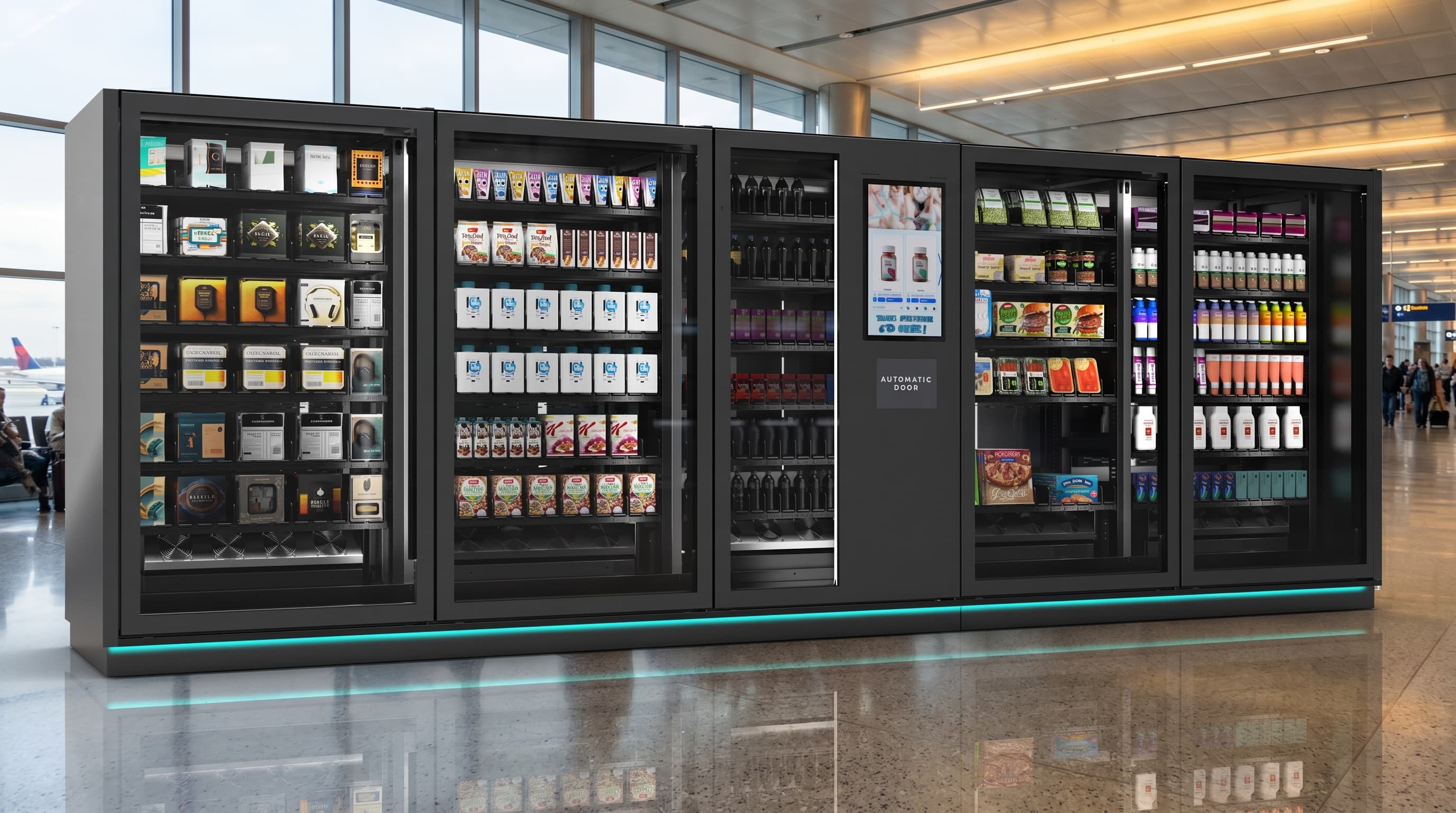
- Micro-markets and AI fridges: stronger for larger buildings where people want wider grab-and-go choice than a single cabinet can deliver.
If you are still at the comparison stage, start with the broader machine landscape at buy vending machines for sale and then narrow the route from there. The right machine is the one that matches the commercial job, not the one that looked cleverest on page one of a catalog.
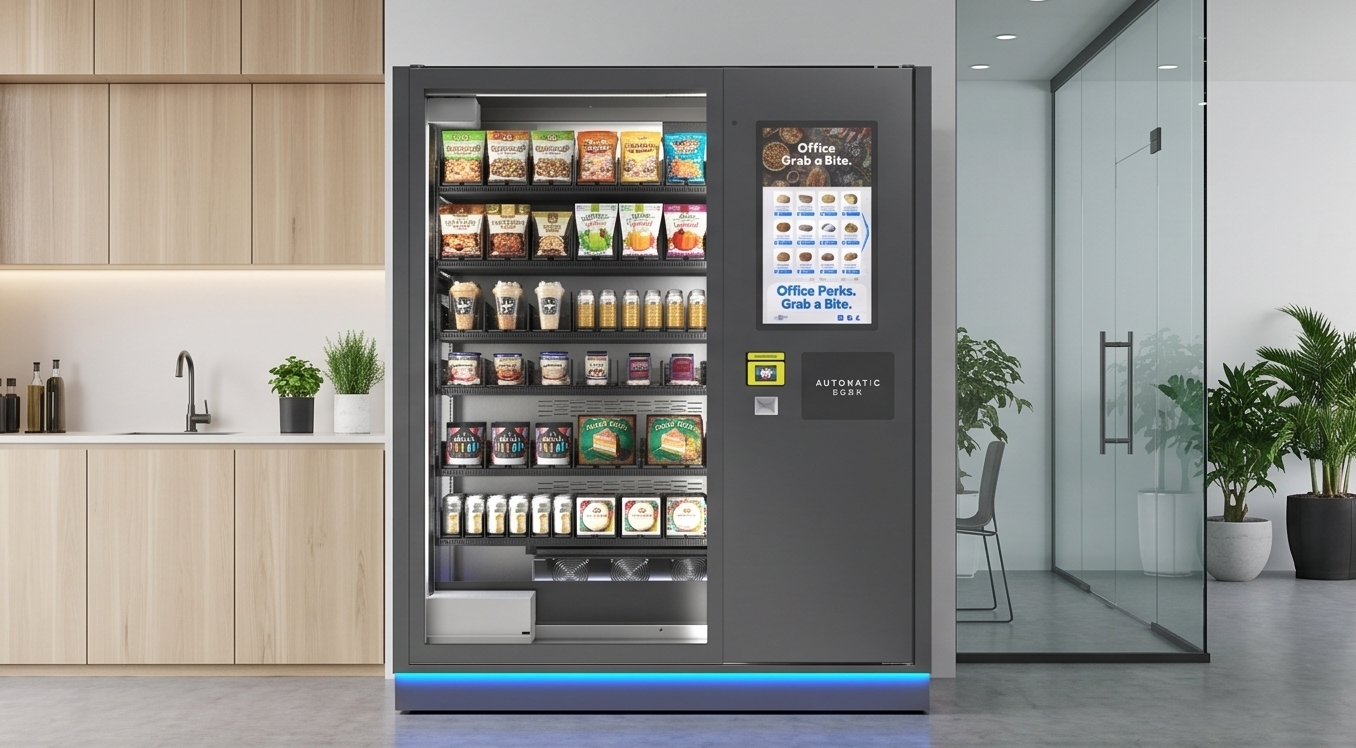
Cashless Payments and Telemetry Are No Longer Optional
If you are starting a vending business now, assume cashless-first. Card, tap, and mobile-wallet payments are not premium extras anymore; they are baseline customer expectation in most commercial environments.
Just as important is telemetry. You want to know what sold, what is about to sell out, whether the machine is online, and which locations are genuinely earning their floor space. Without that data, you are driving the route half blind.
A modern stack should give you:
- cashless checkout with reliable reader support
- sales data by SKU and by machine
- basic inventory visibility
- alerts for offline machines or service issues
- enough reporting to spot winners and losers quickly
This is another reason many new operators bypass legacy-only hardware and look straight at more connected formats. Better information helps you make fewer expensive decisions on vibes alone.
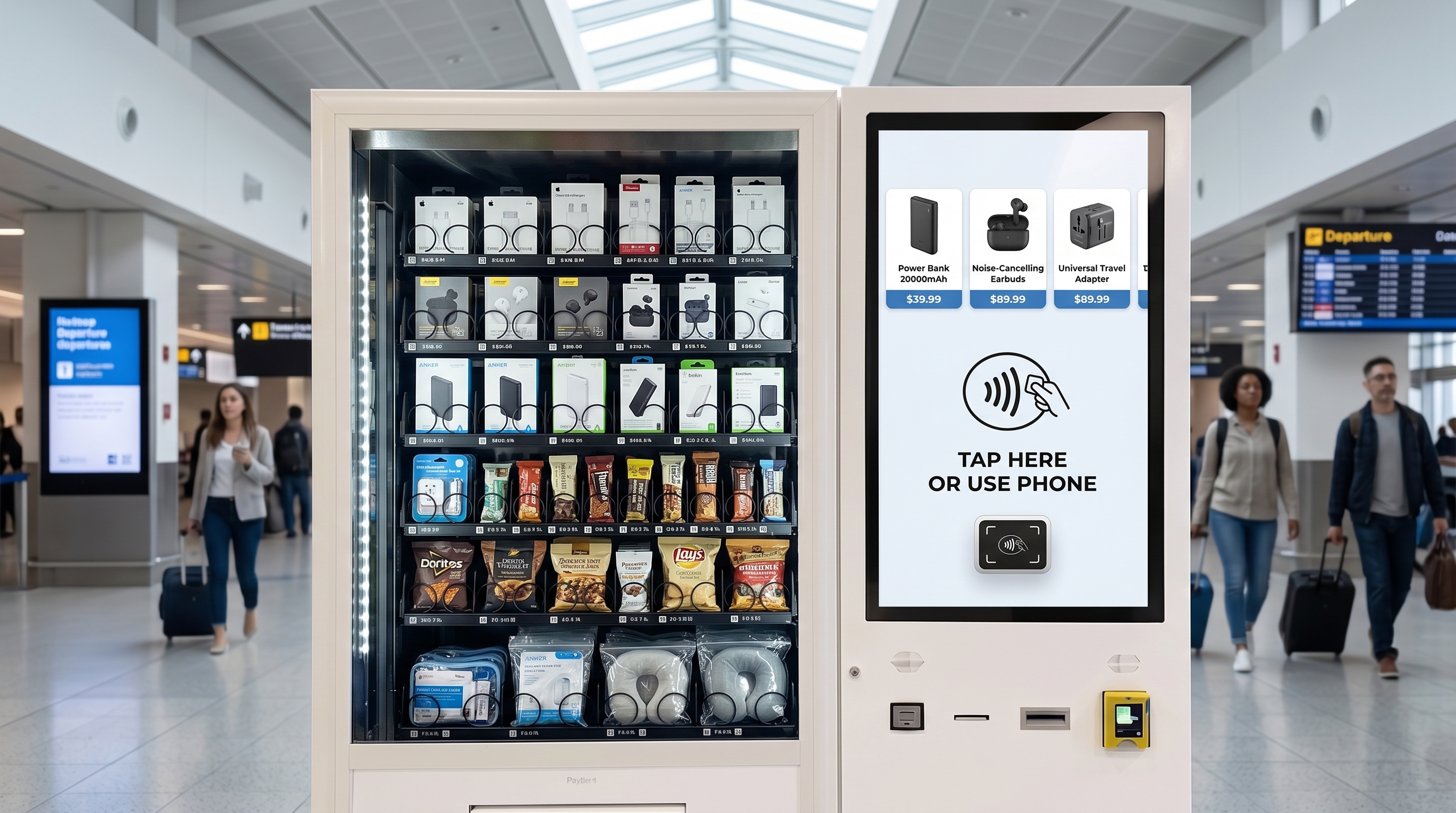
Handle the Boring Legal and Admin Work Properly
No one starts a vending company for the thrill of paperwork, but skipping the boring bits is amateur hour. The exact requirements vary by state and city, but you will normally need to think through business structure, sales-tax registration, local permits, insurance, site agreements, and product-specific compliance if you are selling anything more sensitive than snacks and cans.
Get the commercial basics in writing with every location. A handshake is charming until the site manager changes and your machine suddenly becomes “not their problem.”
You should also decide early how you are handling accounting, inventory purchasing, and route reconciliation. The operators who stay sane tend to systemise sooner than they expected.
Replenishment, Cleaning, and Service Calls Are the Real Job
A vending business does not live or die at purchase. It lives or dies in the unglamorous weekly loop: refill, rotate, clean, fix, reconcile, repeat.
That means planning your route density sensibly, standardising what you stock, keeping spare parts and reader support contacts handy, and leaving time for the little failures that always appear at the least convenient moment. Stuck product, offline readers, damaged packaging, expired stock, and location-access hiccups are all part of the trade.
The more complex the format, the more important the operating discipline becomes. Fresh food, controlled-access products, and premium retail assortments can all be very attractive categories, but they punish sloppy operators quickly.
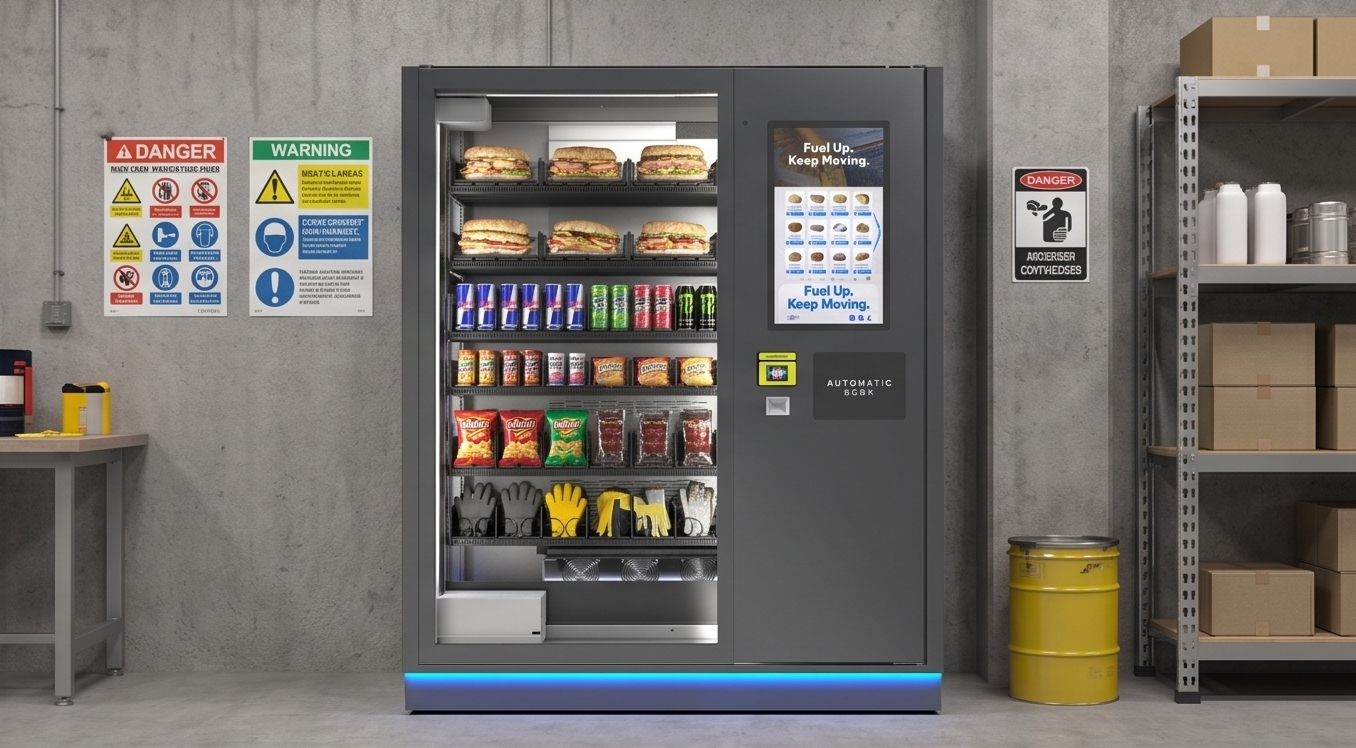
Expand Only After One Machine Type and One Location Pattern Are Working
Scaling a vending business sounds exciting. Scaling a messy vending business just multiplies the mess. The sensible approach is to prove one repeatable pattern before you add more complexity.
That might mean repeating one office-snack route, one workplace smart-vending model, or one category-specific program that you understand well. Once you know the site profile, the winning SKU mix, the refill rhythm, and the support burden, growth becomes much less theatrical and much more real.
If you want to build toward a more modern unattended-retail footprint rather than a purely traditional route, it can make sense to grow into smarter cabinets, branded concepts, or broader self-service retail environments in stages instead of trying to leap there on day one.
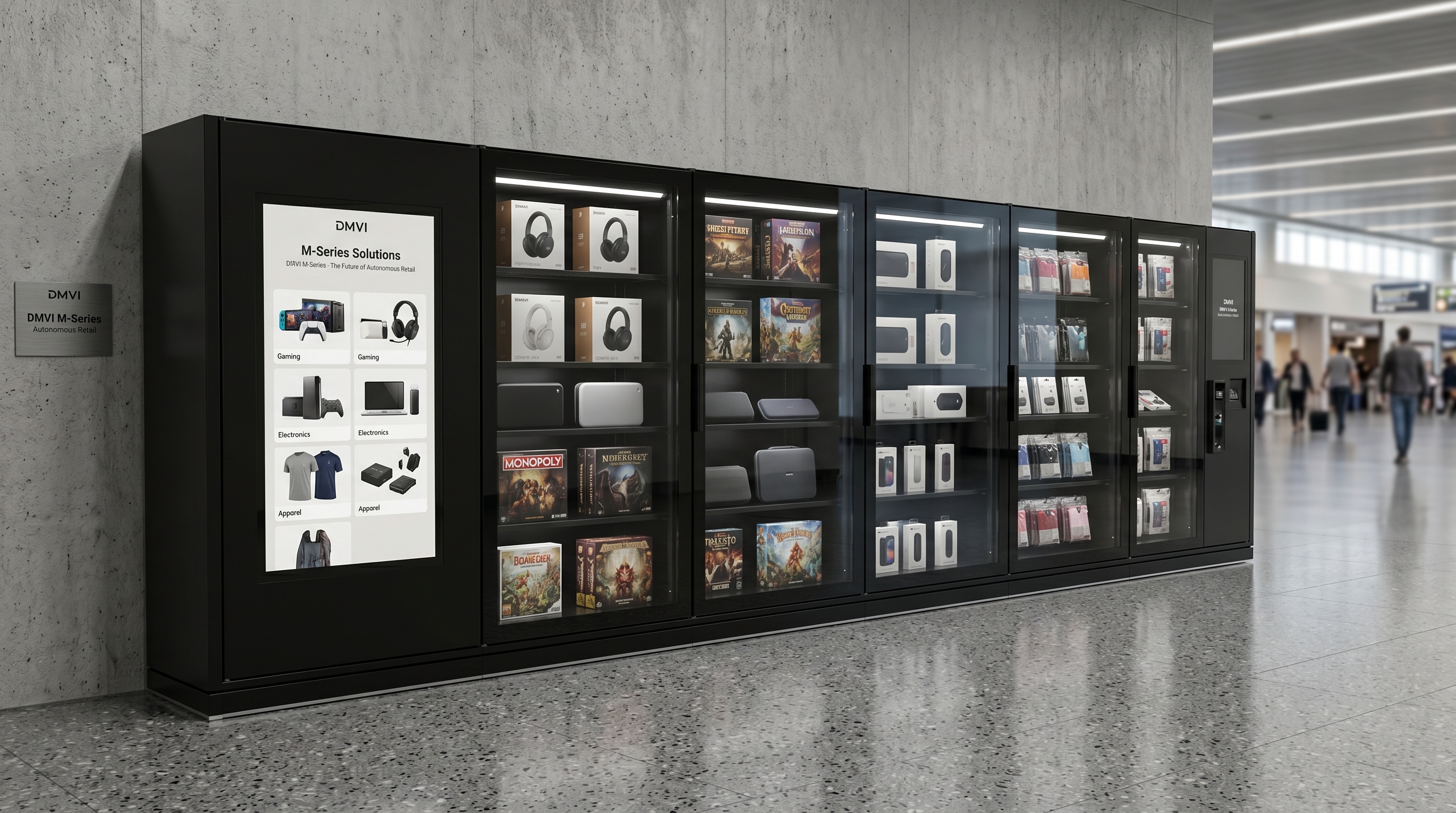
Final Thought
Starting a vending machine business is not complicated in theory. It is just operational in practice. Pick a model, choose locations carefully, buy the right machine for the job, insist on cashless payments and useful reporting, and treat service discipline as part of the product rather than an annoying afterthought.
If you do that, vending can become a genuinely attractive business. If you skip the operating realities and chase passive-income mythology, it can also become a neat way to learn what sunk cost feels like in powder-coated steel.
If you are evaluating machine formats and want help comparing standard, smart, custom, or broader unattended-retail options, talk to DMVI. We can help you think through the machine side before you buy the wrong one with great enthusiasm.
Need help choosing the right machine for the business you actually want to build?
DMVI can help you compare standard vending, smart vending, custom machine builds, and broader unattended-retail formats before you invest in the wrong hardware.