Cashless Vending: The Strategic Outlook for Operators
Cashless vending is the use of contactless cards, mobile wallets, and related digital payment flows instead of coins and bills to complete vending transactions. In most of the venues operators care about, the argument over whether cashless is “the future” is mostly over. The more useful question is whether the route, the payment setup, and the reconciliation discipline are ready for the audience that already expects to tap and move on.
This page is the strategic outlook companion to the more mechanical payments discussion elsewhere on the site. The issue here is not simply how a transaction authorises. It is what cashless does to route economics, failure modes, and the long arc of machine design.
What cashless actually covers now
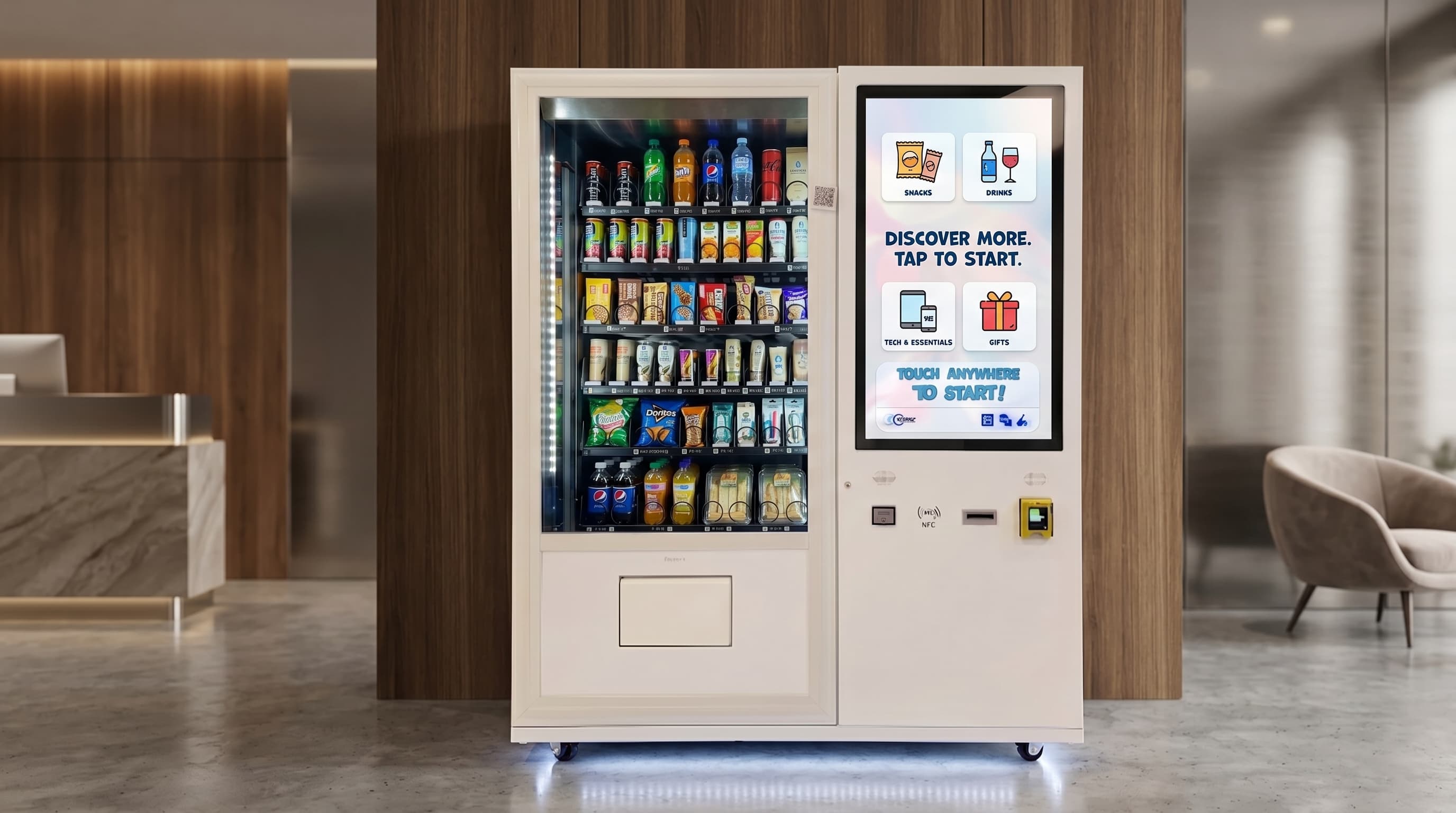
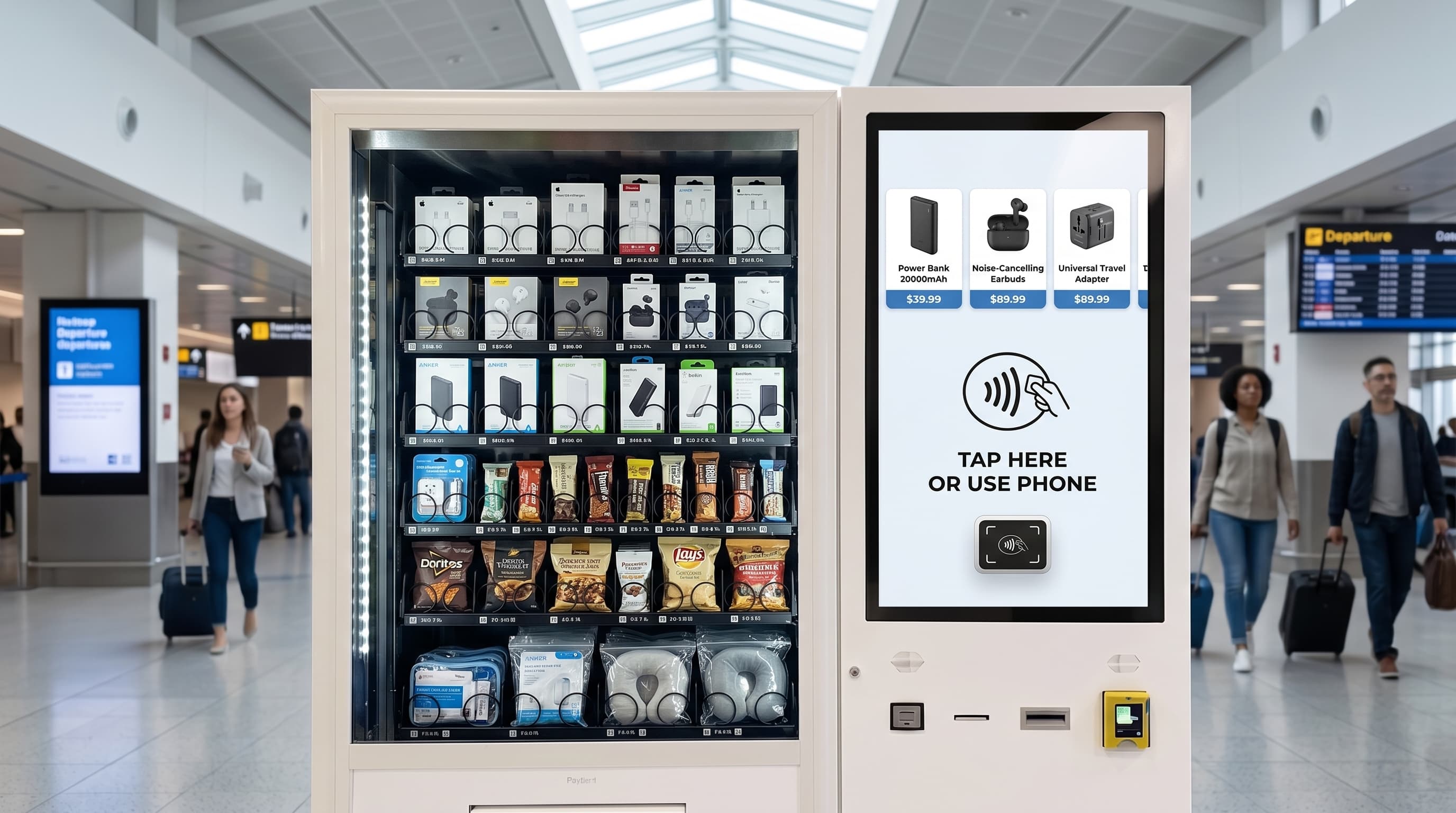
A modern cashless vending stack usually supports contactless bank cards, mobile wallets such as Apple Pay and Google Pay, and in some deployments QR-based flows. For most operators in the United States, contactless card plus mobile wallet support is the practical baseline. QR becomes more relevant when the venue, geography, or loyalty strategy gives it a genuine reason to exist instead of merely making the checkout flow more theatrical.
In short, “cashless” is no longer a novelty feature. It is the default expectation in a growing share of commercial environments.
Why cashless changes the route
The first effect is revenue capture. A customer without cash is no longer a lost sale. The second effect is operational visibility, because digital payments create structured records that are easier to reconcile and analyse than the contents of a cash bag and a hopeful shrug. The third effect is maintenance and security. Less cash on the machine usually means less cash handling, less collection overhead, and less temptation for the most boring kinds of theft.
That does not mean the economics magically become simple. Payment fees, hardware costs, and processor dependencies all move into the picture. Cashless improves the route when those costs are understood rather than politely ignored.
NFC and wallet adoption point in one direction
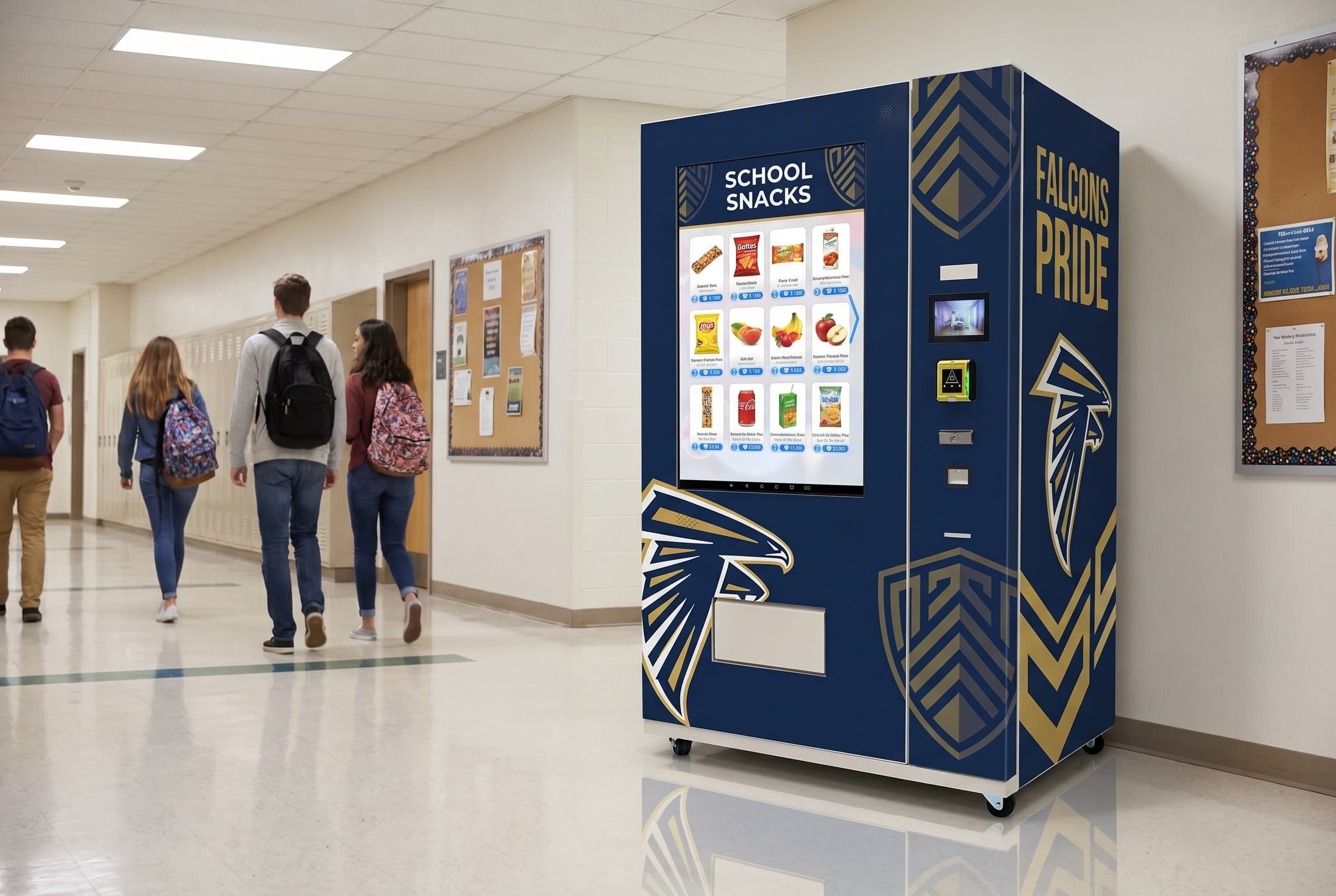
In many venue types, contactless behaviour is already normal. Offices, gyms, hotels, campuses, airports, and similar environments are full of people who expect to tap a card or phone and keep walking. In those settings, a cash-only cabinet increasingly behaves like a machine from a previous civilisation. It still works, technically, but it is slightly baffling and annoyingly out of step with the rest of the room.
That directional shift is why cashless feels less like a premium upgrade and more like the default operating model for modern vending.
Offline risk is the part operators underrate
Cashless looks marvellous until connectivity misbehaves. A payment reader without a working path to the processor can become a very sleek way of declining revenue. Some setups can ride out brief outages more gracefully than others, but the operator still needs an answer for what happens when the modem, venue network, or processor link decides to become temperamental.
This is why some routes remain hybrid rather than fully cashless. In mixed-payment environments or weaker-signal venues, retaining a bill validator can still be the more pragmatic choice.
Settlement and reconciliation become daily discipline
Cashless adds cleaner data, but it also adds more moving parts. Vend events, processor settlements, refunds, disputes, and platform reporting all need to line up. Operators who treat reconciliation as an occasional administrative chore tend to leak money through quiet exceptions. Operators who treat it as a short, regular discipline generally keep a firmer grip on what the fleet is actually earning.
That is the less glamorous side of cashless vending, but it is also where a surprising amount of the real value sits.
Will cash disappear from vending entirely?
Not everywhere, and not all at once. In strongly cashless audiences, cash starts to look like a maintenance burden more than a commercial feature, so it is often removed at the next machine refresh. In other environments, cash still matters enough to justify a hybrid setup. The correct answer is venue-specific rather than ideological.
So yes, cashless vending is the future of convenience in many places. It is also already the present, which is rather the more inconvenient fact for anyone still pretending otherwise.
Planning a vending route that needs the right payment mix rather than a fashionable one?
DMVI helps operators compare cashless payment hardware, audience fit, reconciliation needs, and machine formats so the payment strategy works in the real world instead of only on a sales sheet.