Custom Vending Machines: Design, Specification, and Build
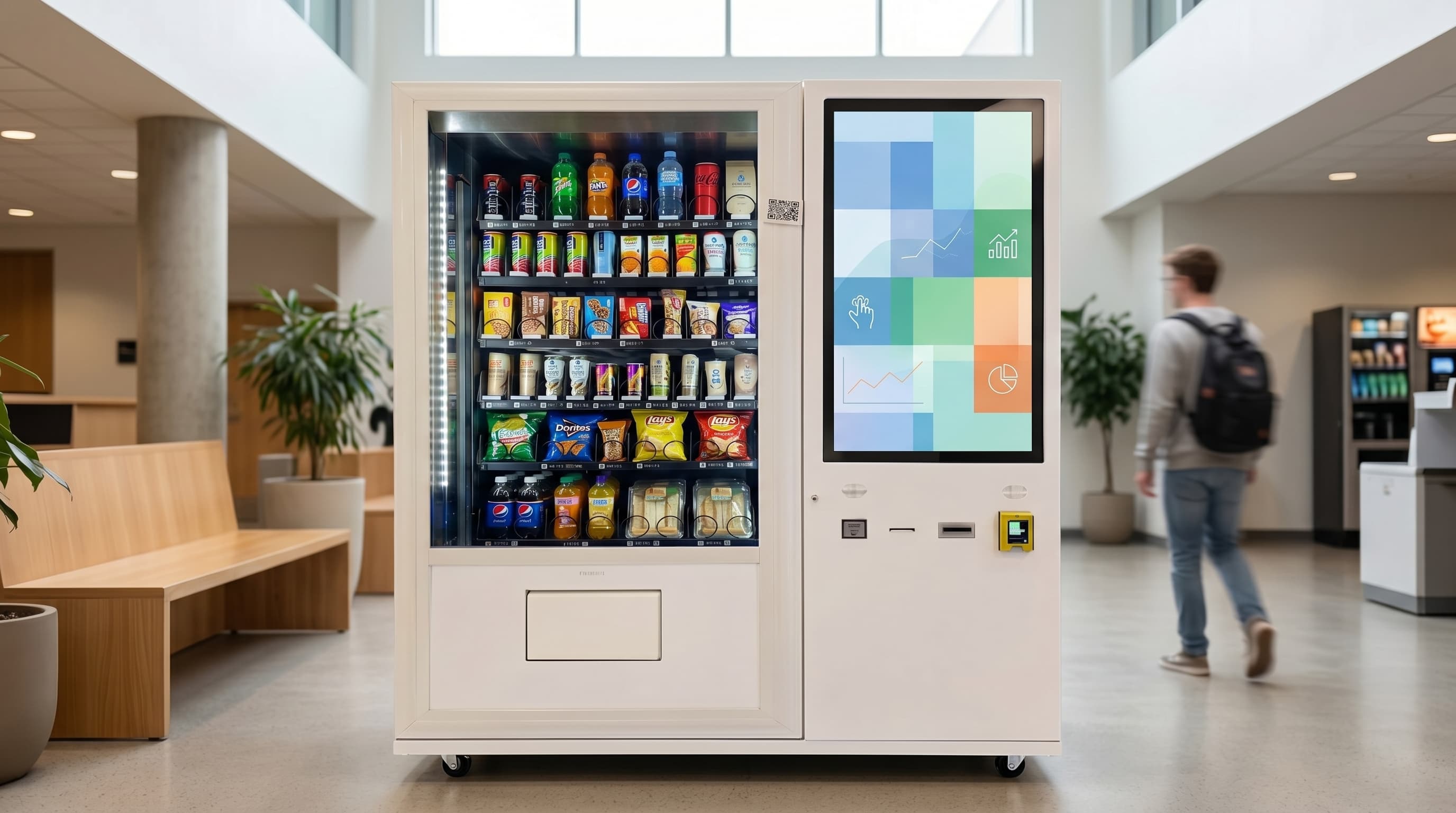
A custom vending machine is a machine engineered to a specific operator brief rather than pulled as a standard catalogue cabinet. That brief can include cabinet dimensions, product handling, refrigeration, touchscreen behaviour, payment hardware, telemetry, branding, and the exact way products are presented inside the machine. In other words, custom vending is not styling first. It is specification first.
That distinction matters because many projects ask for “custom” when they really mean “wrapped.” A vinyl wrap and a nice screen do not create a custom vending machine if the cabinet, planogram, vend method, and operating logic are still wrong for the product and venue.
The cabinet is the first engineering decision
Footprint, height, depth, weight, power draw, ventilation, and site access all shape what can be built sensibly. A machine that looks fine in a render can become useless very quickly if it cannot fit through the door, ride the lift, sit safely on the floor load, or vent properly against a wall.
Custom vending projects should start with the venue and SKU reality, not with the marketing wish list. Refrigerated, ambient, locker-style, and display-heavy builds each bring different constraints, and the cabinet has to respect them from day one.
The vend mechanism has to match the product, not the mood board
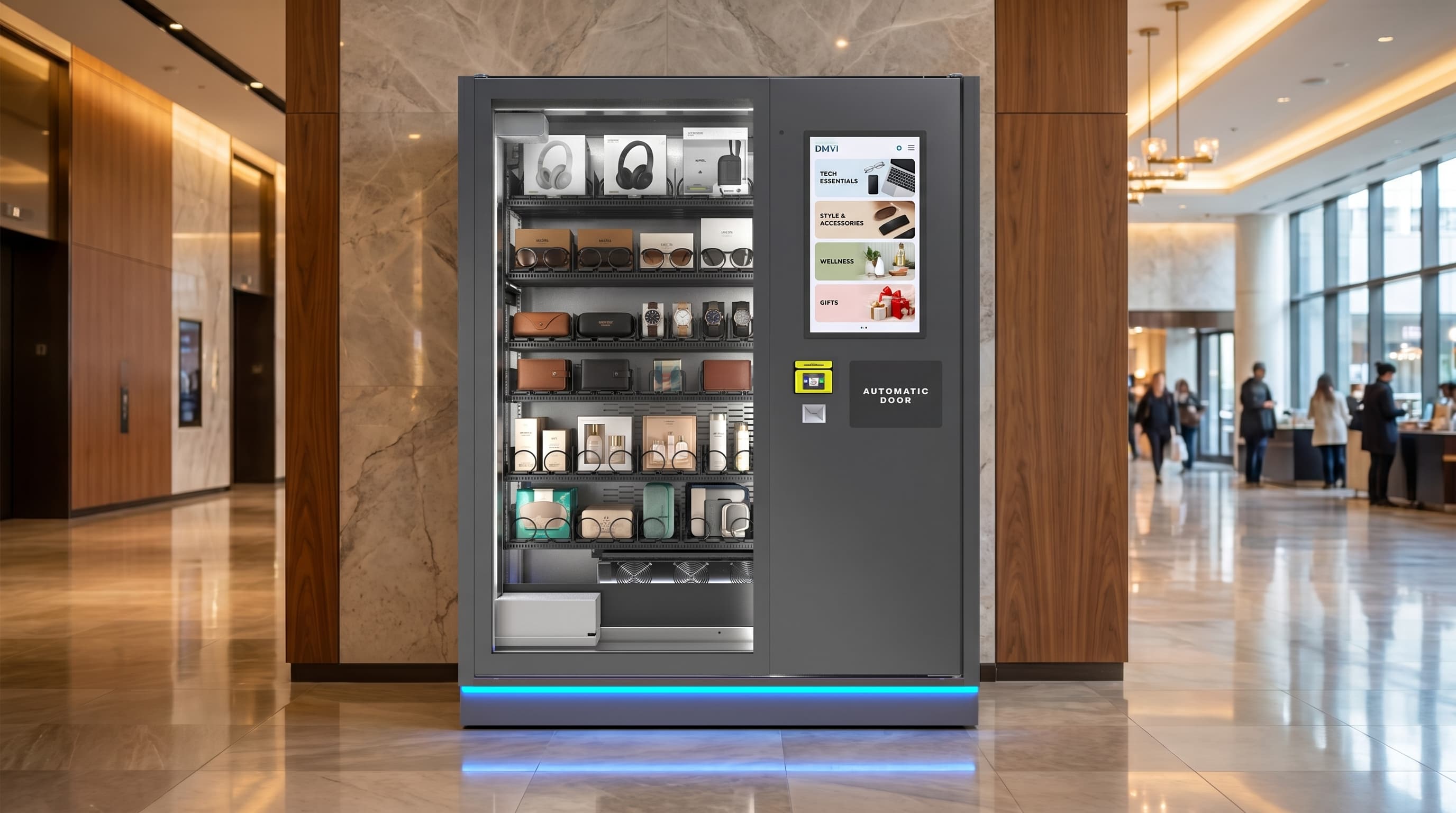
Spiral mechanisms are reliable and cost-effective for many shelf-stable products. Conveyor-plus-elevator systems are better for delicate or premium items that should not be dropped. Robotic pick systems can suit cosmetics, electronics, boxed gifts, or other higher-value merchandise when the presentation and handling requirements justify the added complexity.
The wrong mechanism creates one of the most expensive forms of optimism in unattended retail: a machine that looks clever but converts into refunds, breakage, and site irritation.
Planogram engineering is where custom vending becomes commercial
Each facing should be sized to the actual SKU rather than to a vague idea of what might fit later. The planogram needs to account for package dimensions, replenishment cadence, velocity expectations, expiry or freshness constraints where relevant, and the visual logic of how buyers browse the assortment.
This is the stage operators most often undercook. They spend time on the outer shell and then assume the internal merchandising will somehow sort itself out. It does not. A custom machine is only commercially useful when the internal layout has been engineered with the same seriousness as the exterior.
Payments and telemetry belong in the original spec
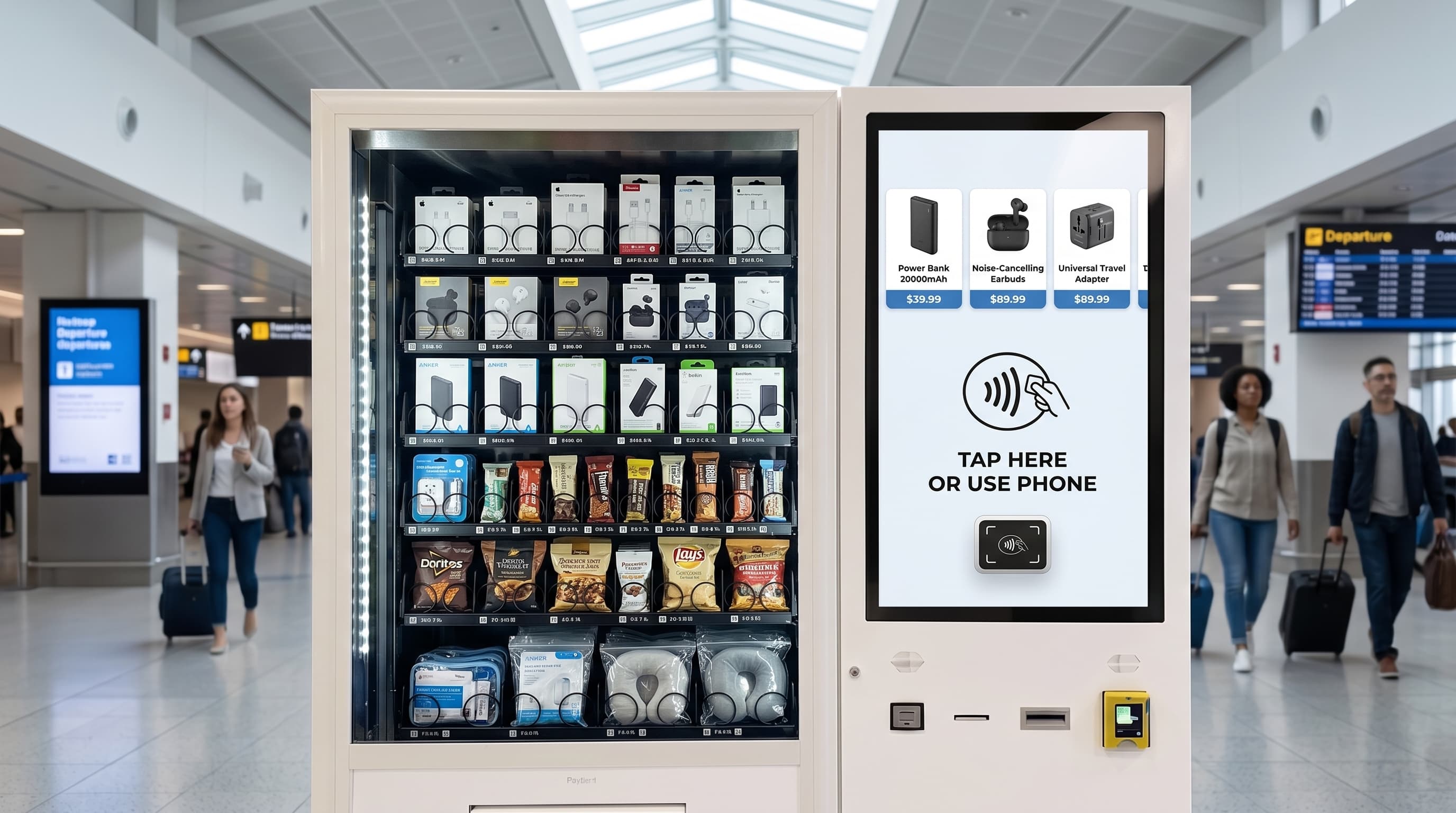
A custom machine should not be treated like a static cabinet that gets “smart features” sprinkled on top later. Payment acceptance, telemetry, remote reporting, and relevant machine alerts belong in the original design brief. If the goal is a serious commercial deployment, the machine should support modern cashless payments, clean reporting, and enough visibility for the operator to manage stock, service, and machine performance sensibly.
Retrofitting these layers after the build is possible in some cases, but it is usually messier, slower, and more expensive than specifying them properly from the outset.
Brand wrap is the final layer, not the main event
Branding matters, especially when the machine is part of a retail activation, hospitality setting, or premium product launch. But the wrap is the final cosmetic layer on top of the real machine logic. Material choice still has to suit cabinet temperature, cleaning requirements, lighting conditions, and venue wear. A beautiful wrap on a badly specified machine is still a badly specified machine. It is merely a more photogenic mistake.
When custom vending makes sense
Custom vending is usually justified when the venue has non-standard physical constraints, when the product mix needs special handling, when the brand experience is materially important, or when a standard cabinet cannot deliver the right combination of merchandising and remote management. If none of those conditions exists, a stock smart vending cabinet often wins on speed, cost, and support simplicity.
That is the honest answer many buyers need. Not every vending project deserves a custom build. The right ones do.
Planning a machine that standard cabinets cannot quite solve?
DMVI helps operators and brands scope the cabinet, product handling, payment stack, telemetry, and visual finish so a custom vending build works commercially as well as cosmetically.