Smart Fridge Vending Machine vs Traditional: What's Best?
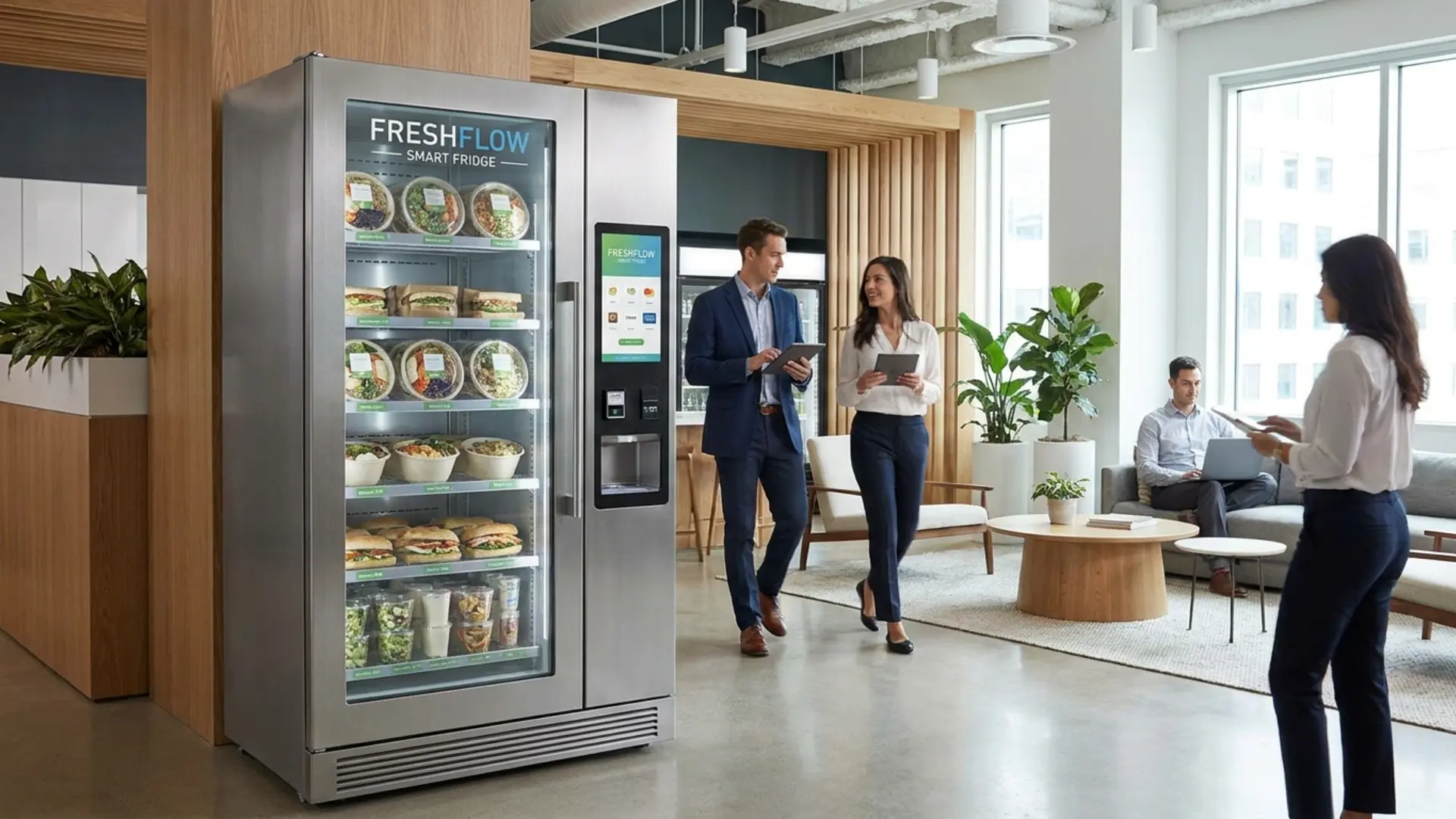
Vending machines have long been a staple in our daily lives. They offer quick access to snacks and drinks. But the vending landscape is evolving with technology.
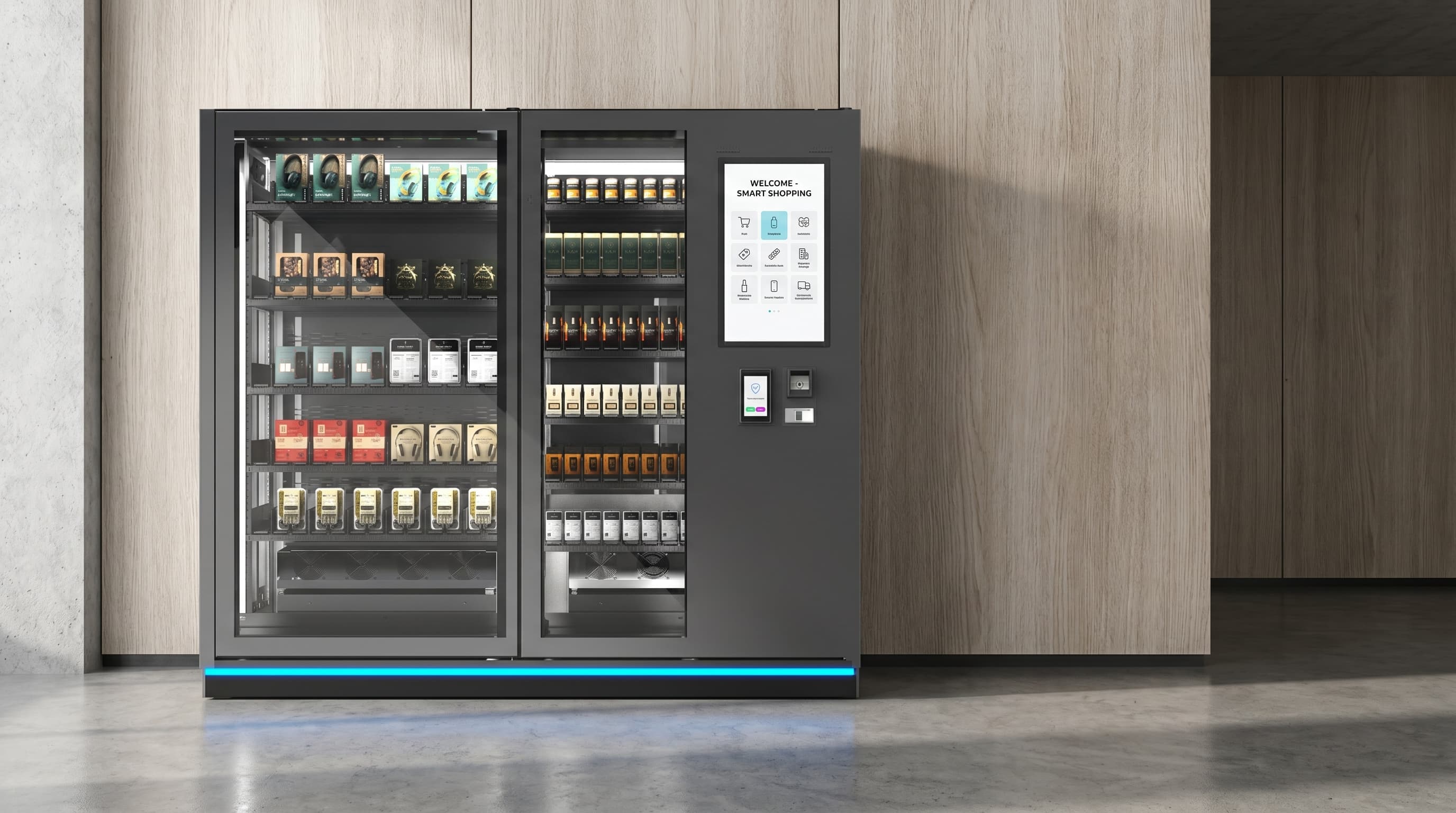
Enter the smart fridge vending machine. Often described as a vending machine fridge or vending refrigerator, this digital vending machine innovation is changing how we think about vending. It combines technology with convenience.
Traditional vending machines are known for their simplicity. They are reliable and easy to use. But they have limitations in today's tech-driven world.
Smart Fridge Vending Machines bring advanced features. They offer real-time inventory tracking and cashless payments. These vending fridges are designed for the modern consumer.
The choice between smart and traditional vending machines is crucial. It depends on your business needs and goals. Each option has its own set of benefits and challenges.
Smart vending machines can enhance customer experience. They provide personalized promotions and detailed sales analytics. This can lead to increased customer satisfaction.
Traditional vending machines are cost-effective. They are often more durable and require less maintenance. This makes them appealing to small businesses.
Smart fridge vending machines support a wider range of products. They can store perishable items, expanding product offerings. This versatility is a significant advantage.
The initial investment for smart vending machines is higher. But the potential return on investment can be substantial. They offer opportunities for growth and innovation.
Traditional vending machines are straightforward to operate. They are familiar to many and have a nostalgic appeal. This can attract certain customer demographics.
Smart vending machines align with modern consumer expectations. They support contactless transactions and mobile app integration. This is crucial in a cashless society.
The decision between smart and traditional vending machines is not simple. It requires careful consideration of various factors. These include location, target audience, and budget.
Smart fridge vending machines can enhance brand image. They showcase a commitment to technology and innovation. This can set a business apart from competitors.
Traditional vending machines have a long-standing market presence. They are trusted and widely recognized. This reliability is a key selling point.
In this article, we will explore both options in detail. We aim to help you make an informed decision. Let's dive into the world of vending machines.
Overview of Vending Machines
Vending machines are automated devices that dispense items. They operate without a cashier or attendant. This makes them convenient and efficient.
These machines have been around for decades. They've become a familiar part of public and private spaces. Airports, schools, and offices often utilize them.
Their ubiquity is owed to their simplicity and effectiveness. They're reliable and require little human intervention. This makes them a popular choice for businesses.
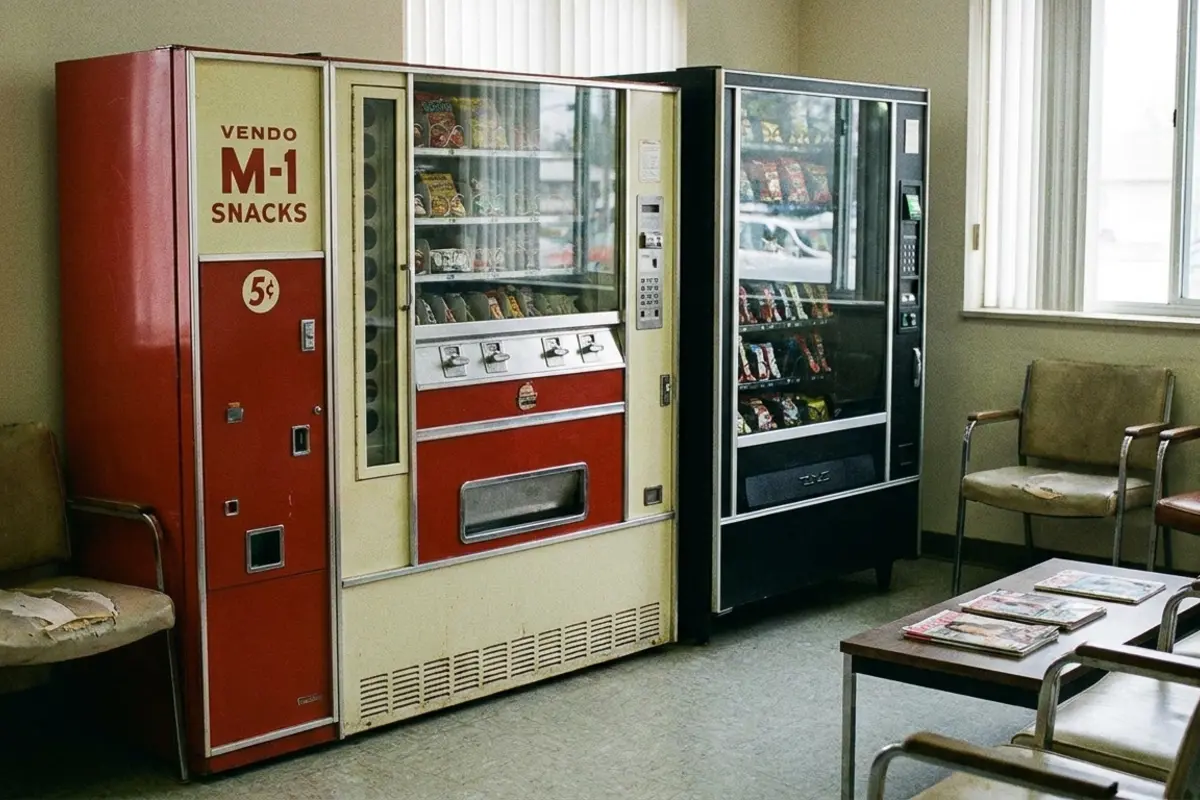
Today, vending machines come in various forms. Traditional machines serve snacks and beverages. They offer products in exchange for cash or coins.
Newer variants include the smart fridge vending machine, a type of digital vending machine. These devices blend technology with user convenience. They cater to the needs of modern consumers.
The evolution of vending machines is remarkable. It showcases the industry's adaptability and innovation. Each type has distinct features and functionalities.
In general, vending machines fulfill several key functions:
- Product Dispensation: Deliver goods quickly and efficiently.
- Customer Convenience: Offer easy access to products.
- Revenue Generation: Operate as a source of passive income.
Consumer demands are shifting towards more personalized experiences. This pushes the industry toward tech-driven solutions. Smart vending machines meet these demands head-on.
Traditional machines hold their own with straightforward operations. However, the rise of technology calls for advancement. Both types serve unique purposes and markets.
Definition and Types
A vending machine is a device that sells items automatically. Users insert payment and select their desired item. The machine then dispenses the product.
Vending machines can be divided into several types. They vary based on their mechanism and products offered. Here's a brief overview:
- Traditional Vending Machines: Dispense non-perishable snacks and drinks.
- Smart Fridge Vending Machines: Store and sell perishable food items, also called a vending fridge or vending machine fridge.
- Specialized Vending Machines: Offer unique items like electronics or cosmetics.
Each type serves different needs and market segments. Traditional machines remain prevalent due to their simplicity. They're cost-effective and easy to operate.
Smart fridge vending machines cater to tech-savvy consumers. They integrate advanced features for enhanced user experience. These are key players in modern vending solutions.
Specialized vending machines focus on niche markets. They provide products not typically available in vending setups. This diversification is appealing to various business sectors.
Traditional Vending Machines
Traditional vending machines are the classic choice. They provide snacks and drinks in a straightforward manner. Coins or cash payments are typically used.
They became popular due to their durable construction. This durability lowers maintenance and repair needs. As a result, they offer consistent service.
Businesses favor them for their ease of use. Customers instantly recognize their function. They're also more cost-effective than advanced models.
Typical features of traditional vending machines include:
- Cash and Coin Operation: Accept various forms of currency.
- Durable Build: Withstand daily wear and tear.
- Simple Interface: Easy for customers to navigate.
Despite changes in consumer expectations, traditional models remain reliable. They fit well in locations with limited internet access. This can be crucial in certain market segments.
Their straightforward operation is appealing to many. Additionally, traditional machines enjoy widespread user familiarity. This makes them a staple in many environments.
Smart Fridge Vending Machines
Smart fridge vending machines are a newer innovation. They offer advanced features and functionalities. This caters to changing consumer preferences.
These machines are connected and tech-enabled. As a digital vending machine, it uses IoT and AI to improve service delivery. This makes them ideal for today's fast-paced world.
Unlike their traditional counterparts, they provide a tech-savvy experience. Customers engage through touchscreens and mobile integration. This enhances interaction and satisfaction.
Key features of smart fridge vending machines include:
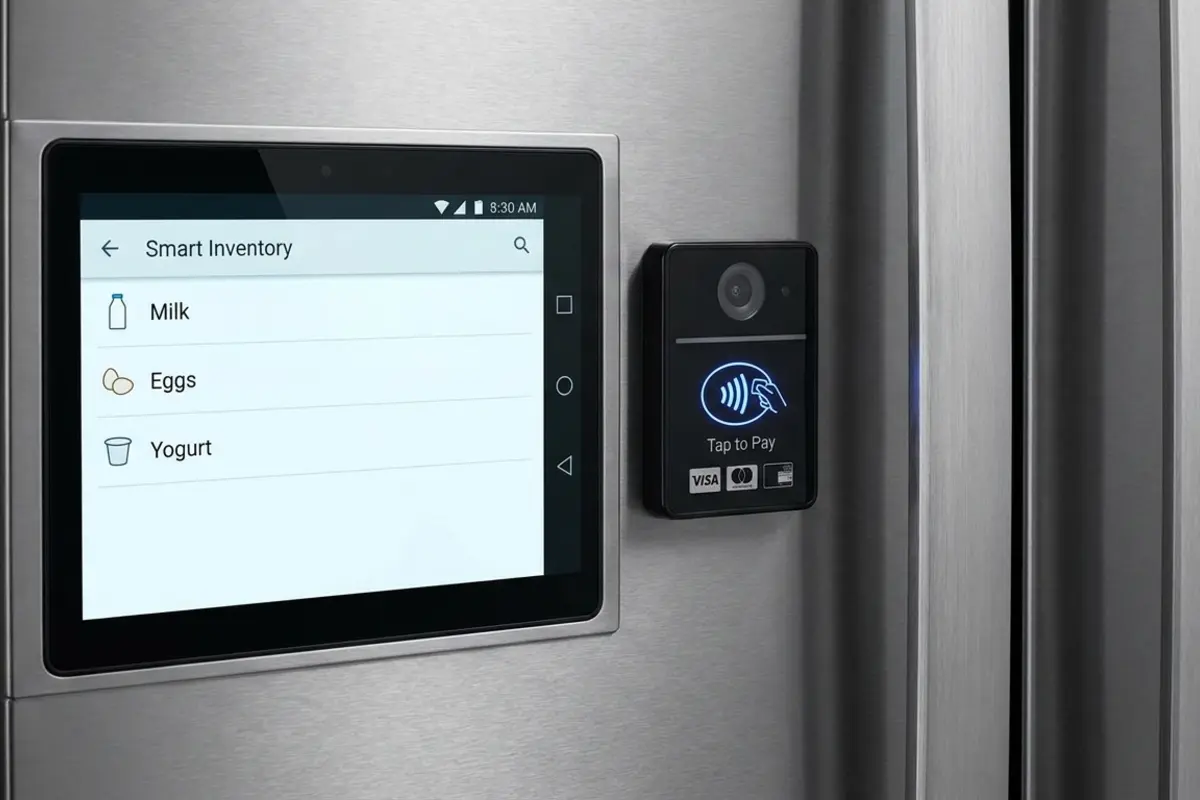
- Real-Time Inventory Tracking: Monitors stock levels dynamically.
- Cashless Payment Systems: Support credit cards and mobile payments.
- Enhanced Security Features: Protect against theft and vandalism.
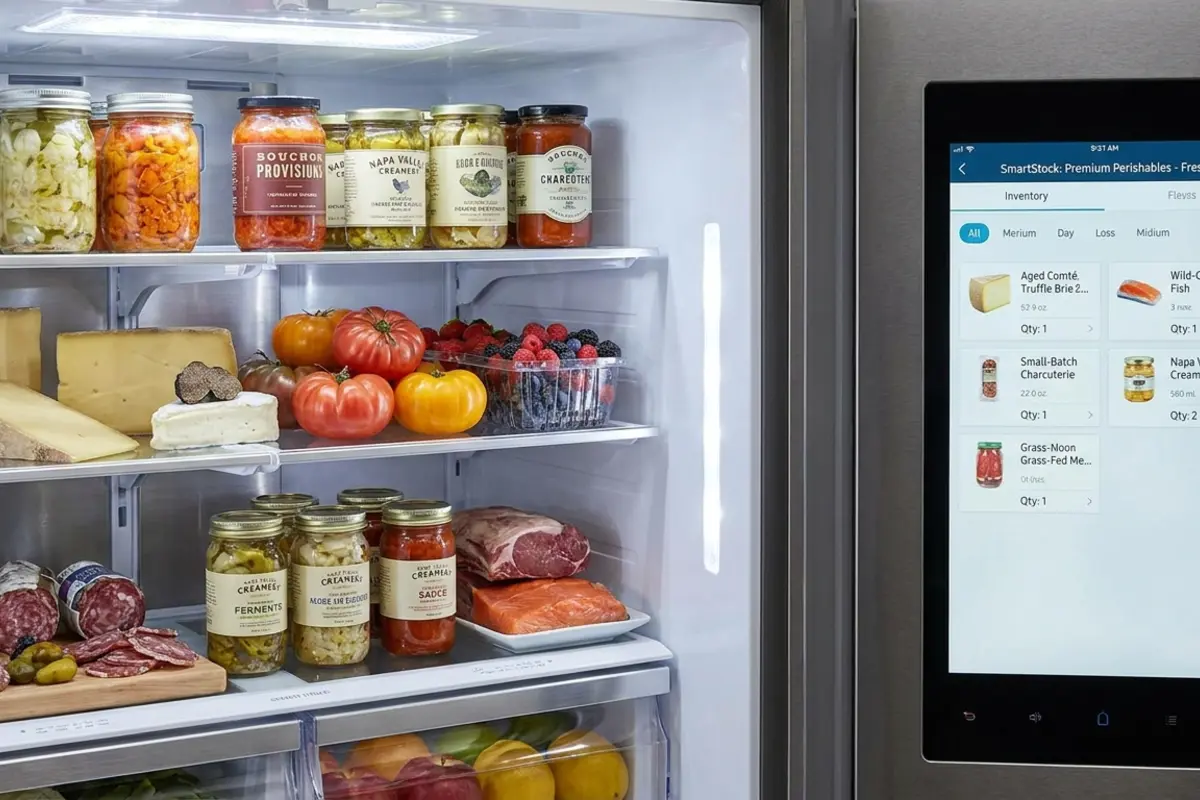
These vending machines support a broader product range. They store perishable items, increasing variety. This aligns with consumer demands for fresh options.
Smart fridge vending machines position businesses as innovative. They align with sustainable practices by reducing waste. This attracts eco-conscious consumers in today's markets.
Their ability to interact with users through data collection stands out. Personalization enhances overall customer experience. In turn, this can drive business growth and customer loyalty.
Key Features Comparison
When comparing vending machines, it's vital to look at key features. Smart fridge vending machines boast new technology and functionality. Traditional vending machines rely on their proven track record.
Smart fridge models integrate several advanced features. These aim to enhance the user experience and provide convenience. They address modern consumer needs and business objectives.
Traditional vending machines, on the other hand, focus on simplicity. This simplicity translates to consistent performance and reliability. Each type offers different benefits depending on the context.
There are several important features to consider. These include technology integration, inventory tracking, and payment systems. Understanding these can help determine the better fit.
Key differences can be summarized as follows:
- Technology: Smart machines utilize IoT for seamless operations.
- Inventory: Smart models offer real-time tracking.
- Payments: Smart machines support cashless transactions.
Smart fridge vending machines enhance operations with technology. They offer valuable insights through integrated systems. These systems facilitate better decision-making.
Traditional machines have a straightforward design. Their maintenance and operation are often simpler. This is attractive for environments with less technical support.
Technology Integration
Technology plays a pivotal role in vending innovations. Smart fridge vending machines leverage technology for efficiency. They employ IoT and AI to optimize performance across digital vending machine platforms.
These machines gather and analyze data extensively. This data helps personalize offerings to user preferences. It also provides businesses with actionable insights.
Smart machines connect with other tech platforms easily. This creates seamless integration and enhances functionality. Businesses enjoy improved operational fluidity.
Key technology features include:
- IoT Connectivity: Connects devices for seamless data exchange.
- AI Systems: Personalizes user experiences and recommendations.
- Remote Monitoring: Allows operators to oversee operations from afar.
This high-tech integration sets smart machines apart. They offer dynamic solutions to various business challenges. Technology-driven insights aid in efficient management.
Traditional machines, while less tech-reliant, are easy to use. Their minimalistic design appeals in low-tech environments. This advantage cannot be underestimated.
Real-Time Inventory Tracking
Inventory management is crucial in vending operations. Smart fridge machines excel with real-time inventory tracking. This offers several benefits over traditional methods.
Operators receive instant updates on stock levels. This ensures timely restocking and reduces downtime. Smart systems minimize the risk of shortages.
The dynamic nature of real-time tracking is a game-changer. It supports optimized inventory levels and better resource allocation. Businesses can maintain an optimal product mix.
Essential aspects of real-time tracking include:
- Instant Notifications: Alerts operators about low stock.
- Data Analytics: Provides insights on sales trends.
- Efficient Restocking: Minimizes service interruptions.
Traditional machines lack this real-time capability. Inventory checks require manual processes. This can lead to inefficiencies and stockouts.
Yet, some businesses may prefer traditional methods. They allow for more straightforward inventory management. This simplicity suits specific operational environments.
Payment Systems
Payment systems are another differentiating factor. Smart fridge vending machines advance with digital options. They support both contactless and cashless payments as a modern digital vending machine.
These machines accommodate a variety of transaction methods. Credit and mobile payments enhance user convenience. Consumers enjoy quick and efficient purchases.
Essential payment options in smart machines include:
- Mobile Integration: Supports payments via smartphone apps.
- Credit/Debit Card Processing: Widens payment flexibility.
- Contactless Transactions: Enhances speed and hygiene.
In contrast, traditional machines commonly use cash and coins. This method is simple but may limit convenience. The demand for cashless solutions is rising.
Smart vending machines align with evolving payment trends. They cater to cashless societies and younger demographics. This makes them a modern option for future-ready businesses.
Benefits of Smart Fridge Vending Machines
Smart fridge vending machines offer many compelling benefits. These advantages highlight their value in modern vending solutions. Businesses and consumers alike stand to gain significantly.
The rise of smart technology has transformed the vending landscape. Efficiency improvements are evident in many areas. User experiences have become richer and more interactive.
From better customer service to innovative offerings, these machines deliver. They address both operational needs and consumer desires. This makes them appealing in today's fast-paced world.
One of the key benefits is improved efficiency. Smart machines streamline processes with technology integration. Real-time data capabilities allow better inventory management.
In addition, user experience enhancements are notable. Touchscreens and cashless payments make transactions smooth. These features cater to tech-savvy consumers seeking convenience.
Furthermore, these machines offer healthier options. The ability to store and sell fresh products diversifies choices. Health-conscious consumers can enjoy a wider variety of items.
Key benefits include:
- Increased operational efficiency through automation.
- Enhanced user interaction via digital interfaces.
- Broader product offerings meeting diverse dietary needs.
Increased Efficiency
Efficiency is pivotal in vending operations. Smart fridge vending machines excel with their advanced systems. Automation and connectivity improve overall performance.
These machines streamline restocking processes. Operators receive real-time inventory alerts. This minimizes the risk of running out of popular items.
Enhanced logistical efficiency is also a major benefit. Smart systems optimize supply chains by providing data. Timely and efficient restocking keeps operations smooth.
Key efficiency features include:
- Real-Time Tracking: Keeps inventory levels optimal at all times.
- Automated Alerts: Notifies operators for quick refills and maintenance.
- Improved Logistics: Streamlines supply chain management for better outcomes.
Traditional vending machines lack these high-tech functions. Their simple design does not accommodate modern efficiencies.
Smart machines, in contrast, offer significant operational advantages. These efficiencies translate to cost savings and higher profits.
Enhanced User Experience
User experience plays a crucial role in customer satisfaction. Smart fridge vending machines deliver on this front excellently. Consumers benefit from more personalized and engaging interactions.
One standout feature is the user-friendly interface. Touchscreen displays make product selection simple and intuitive. Digital signage also enhances the shopping experience.
Payment systems further enhance user convenience. Cashless and contactless methods are fast and easy. They align with modern consumer preferences for speed and efficiency.
Key user experience features include:
- Interactive Touchscreens: Simplify and enrich the shopping process.
- Cashless Transactions: Offer faster and more secure payments.
- Digital Displays: Provide additional product information to assist choices.
Traditional machines often struggle in this area. Their basic interfaces can feel outdated and cumbersome.
The smart approach stands out in engaging users. It meets evolving expectations and enhances brand perception.
Healthier Options
Health consciousness is a growing trend among consumers. Smart fridge vending machines are tapping into this demand. They provide a platform for fresher and healthier product options.
These vending refrigerators maintain the quality of perishable items. Advanced refrigeration keeps products fresh and appealing. Users can find nutritious snacks and beverages easily.
The ability to offer a diverse product range is significant. Consumers have more choice with options like salads and fruits. This aligns with the demand for healthier food choices.
Key features for healthier options include:
- Advanced Cooling Systems: Preserve food freshness and quality.
- Diverse Product Offerings: Includes fresh and nutritious options.
- Customer Preference Alignment: Meets the demand for health-forward products.
Traditional machines typically limit choices to packaged snacks. They often cannot accommodate fresh items due to lack of refrigeration.
Smart fridge vending machines fill this gap effectively. They foster healthier lifestyles and attract health-conscious customers.
Challenges of Smart Fridge Vending Machines
While smart fridge vending machines bring many benefits, they also present challenges. Understanding these hurdles is important for making informed choices. Businesses must weigh the pros against potential drawbacks.
Implementation costs top the list of challenges. High-tech features typically mean higher investment requirements. This can be a barrier, especially for small businesses or startups.
Maintenance and support also demand attention. These machines require specialized knowledge for repairs and upkeep. Not all operators might have easy access to such expertise.
Additionally, there are considerations around technical dependencies. Relocation and upgrades can become complicated. This requires careful planning and resource allocation.
Key challenges include:
- High Initial Costs: Advanced features increase initial outlay.
- Specialized Maintenance Needs: Repairs require specialized technical skills.
- Complex Technical Dependencies: Relocation or upgrade processes can be complex.
Cost of Implementation
Investing in smart vending technology can be daunting. The advanced technology embedded in these machines comes with a steep price tag. Initial investments can be substantial compared to traditional vending machines.
Businesses must consider several cost factors. Purchase prices are just the beginning. Installation expenses and potential upgrades further inflate the budget.
Furthermore, cost considerations extend beyond the initial investment. Businesses often need to budget for ongoing training. Staff must learn to operate and troubleshoot these advanced systems effectively.
Specific cost concerns include:
- High Purchase Prices: Costly technology increases machine prices.
- Installation Expenses: Setting up requires skilled labor and time.
- Training Needs: Staff training incurs additional costs.
High costs can deter potential buyers. However, understanding the long-term benefits can provide perspective. Carefully calculating the return on investment is critical.
Maintenance and Support
Maintaining smart vending machines poses unique challenges. The complexity of these machines requires expertise not readily available. Specialized technical skills are often necessary for both maintenance and repairs.
Technical issues can lead to downtime. This negatively impacts customer service and can result in lost revenue. Quick fixes are not always feasible without the right expertise.
Furthermore, support systems need to be robust. Businesses might need to establish reliable service contracts. Outsourcing to specialists may be necessary to ensure smooth operation.
Maintenance and support challenges include:
- Complex Technical Repairs: Requires experts for troubleshooting and fixing.
- Potential Downtime: Technical failures can disrupt operations.
- Service Requirements: Long-term support contracts may be needed.
Planning for these aspects can minimize the impact of challenges. Developing good relationships with service providers can be beneficial. Such strategies help ensure smart vending machines perform optimally.
Case Studies
Exploring real-world scenarios can provide valuable insights. Smart fridge vending machines are being embraced across various sectors. Their success stories highlight the diverse benefits they offer.
Case studies provide context to theoretical discussions. They show how businesses leverage technology for competitive advantages. Examples of success can inspire others to make similar investments.
Traditional vending machines also have compelling tales. Long-standing success stories reveal their dependable nature. These examples underscore their reliability, even in changing markets.
Success Stories of Smart Fridge Vending Machines
One standout success story is a popular university. They installed smart fridge vending machines across their campus. This move aimed to provide healthier snack options.
The machines utilized advanced technology for real-time inventory tracking. This feature minimized stocking errors and ensured fresh products at all times. Additionally, the university could remotely monitor stock levels.
The success was evident in increased sales and customer satisfaction. Students appreciated the availability of fresh food, especially during long study sessions. The university saw a significant rise in usage and reported positive feedback.
Other success factors included:
- Enhanced Freshness: Fresh products attracted more buyers.
- Efficient Inventory Tracking: Reduced waste through real-time monitoring.
- Increased Usage: Higher sales due to improved product offerings.
Such stories showcase the transformative potential of smart technologies. They highlight how innovation can drive better outcomes in unexpected ways.
Comparisons with Traditional Vending Success
Traditional vending machines also have their share of success stories. A hospital implemented them to provide snacks and drinks to visitors. Their reliability and ease of use were crucial in this setting.
Despite their simplicity, these machines effectively met visitor needs. They required minimal maintenance and provided 24/7 accessibility. Additionally, they proved resilient in handling high traffic without frequent restocking.
Cost-effectiveness was another major advantage. The hospital benefited from the machines' lower upfront costs. This ensured services were maintained without straining budgets.
Key success highlights included:
- Reliable Operation: Handled high usage with minimal issues.
- Budget-Friendly: Lower costs suited the hospital's financial constraints.
- Simple Maintenance: Minimal service interruptions kept operations smooth.
These stories highlight traditional machines' strengths, showcasing their ongoing relevance. They continue to serve effectively in many environments, regardless of technological advancements elsewhere.
Conclusion
As technology advances, vending machines are evolving, offering new features and functionalities. The smart fridge vending machine, a recent innovation, has created opportunities for business growth, operational efficiency, and enhanced customer experiences.
While traditional vending machines have long been trusted for their simplicity and reliability, smart vending machines bring exciting possibilities. From real-time inventory tracking to dynamic pricing, they cater to modern consumer expectations.
Each type has its distinct benefits and potential drawbacks. Smart machines excel in providing fresh products and offering advanced customer interactions. However, they require higher initial investments and ongoing tech support.
Conversely, traditional machines remain a cost-effective, durable choice, suitable for high-traffic areas where simplicity is key. They are straightforward to use and require less technical know-how for maintenance.
Ultimately, the decision depends on specific business needs, budget constraints, and target demographics. Weighing these factors carefully will help you select the most beneficial solution.
Summary of Key Points
Smart fridge vending machines integrate modern technology, offering fresh food options and interactive features. They support real-time inventory tracking, enhancing operational efficiency and customer satisfaction.
Traditional vending machines, on the other hand, continue to thrive due to their simplicity and dependability. They're less expensive initially, with easier maintenance and operation. Their simplicity suits locations where advanced features aren't critical.
Both have a place in different contexts, serving varying consumer needs. Thorough consideration of each type's features and drawbacks helps align choice with business goals.
Final Thoughts on Choosing Between Options
Choosing between smart and traditional vending machines requires evaluating specific operational demands. Selecting a smart fridge vending machine is ideal for tech-savvy environments or where interactive features and fresh offerings add value. In many contexts, this same unit is also referred to as a vending refrigerator or vending fridge.
Meanwhile, traditional vending machines fit better in settings demanding low initial outlay and minimal upkeep. They are reliable without the complexities associated with digital vending systems.
It's crucial to align vending solutions with business objectives and budgetary requirements. Consider your target audience and location-specific constraints. By doing so, you ensure that your choice contributes positively to business success and customer satisfaction.
Ready to maximize your space?
Discover how DMVI's custom vending machines can fit perfectly into your location.