Equipment Vending Machine: Your Ultimate Guide to Selection and Usage
In today's fast-paced industrial world, efficiency is key. Equipment vending machines are revolutionizing how businesses manage tools and supplies. These machines automate the distribution of essential items, saving time and reducing costs.
Imagine a workplace where tools and safety gear are always within reach. That's the promise of equipment vending machines. They ensure that employees have immediate access to what they need, when they need it.
These machines are not just for tools. They dispense personal protective equipment (PPE) and other safety gear. This enhances workplace safety and compliance with regulations.
Industrial vending machines are versatile. They cater to various sectors, including manufacturing, construction, and healthcare. Each industry benefits from improved inventory management and reduced downtime.
Tool vending machines track usage and prevent loss or theft. This accountability leads to significant cost savings. Businesses can optimize their inventory and reduce waste.
PPE vending machines are crucial for safety. They provide real-time data on inventory levels, helping businesses make informed decisions. This ensures that safety gear is always available.
Safety equipment vending machines can be customized. They dispense a wide range of items, from gloves to helmets. This flexibility meets the diverse needs of different industries.
The integration of vending machines with existing systems is seamless. They can operate 24/7, providing round-the-clock access to essential tools and equipment. This enhances productivity and efficiency.
Choosing the right vending machine involves several factors. Consider capacity, item size, and software compatibility. Advanced features like biometric access and remote monitoring are also available.
The initial investment in vending machines is offset by long-term savings. Reduced downtime and improved inventory management lead to a quick return on investment. Businesses can achieve greater efficiency and competitiveness.
Employee training is essential for maximizing the benefits of vending machines. Proper usage ensures smooth operation and enhances workplace efficiency. Regular maintenance and software updates are also crucial.
Vending machines align with digital transformation initiatives. They support sustainability goals by reducing excess inventory and promoting efficient resource use. This contributes to a safer, more efficient workplace environment.
The future of equipment vending machines is promising. Advancements in AI and machine learning will enhance predictive inventory management. This will further optimize operations and reduce costs.
In this guide, we'll explore everything you need to know about equipment vending machines. From selection to implementation, we've got you covered. Let's dive into the world of industrial vending solutions.
What is an Equipment Vending Machine?
An equipment vending machine is a revolutionary solution for managing tools and gear. These machines automate the distribution process, ensuring items are available when needed.
At its core, an equipment vending machine functions like a traditional vending machine. However, instead of snacks or drinks, it dispenses tools, PPE, and safety equipment.
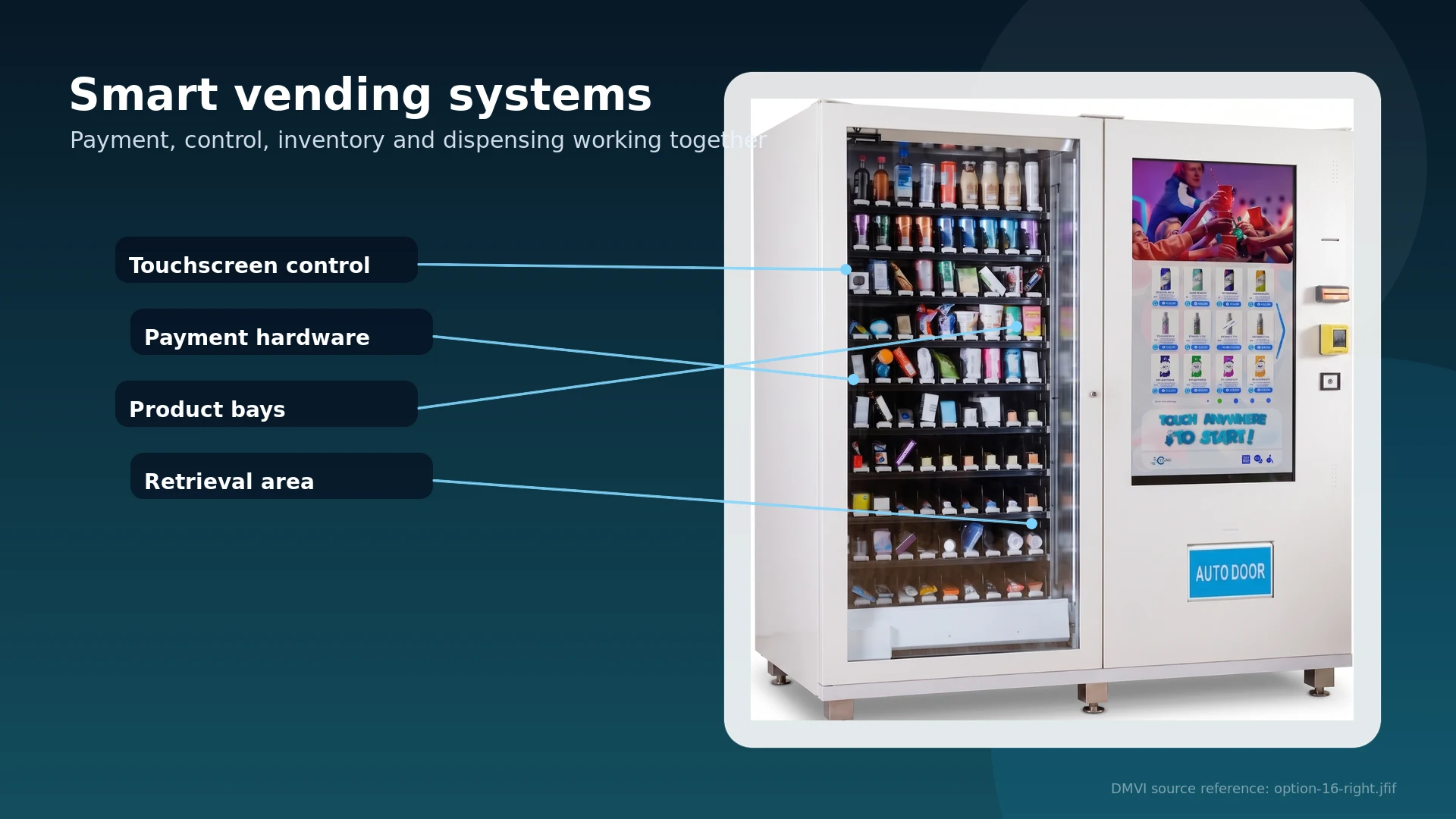
These machines come with secure access control. Employees use ID cards or biometric systems to access the items. This ensures accountability and tracking of inventory usage.
The efficiency of these machines lies in their real-time data capabilities. Businesses can monitor inventory levels and track item usage. This data helps in optimizing purchasing decisions and managing supply chains better.
Equipment vending machines are essential in industries with high tool turnover or safety demands. They improve workflow by reducing the time employees spend searching for tools or gear.
For sectors like construction and healthcare, these machines are invaluable. They ensure that critical equipment is always available, preventing costly delays or safety violations.
Here are some features and benefits of equipment vending machines:
- Automated distribution: Reduces manual tracking and provides easy access.
- Enhanced security: Controls access and minimizes unauthorized use.
- Real-time data: Offers instant insights into inventory levels.
- Versatility: Customizable for various industries and item types.
- 24/7 availability: Ensures continuous operations.
By automating the issue of equipment, these machines help businesses maintain productivity. The reduction in lost or stolen tools translates to cost savings.
The technology behind these machines can integrate with existing inventory systems. This makes it easier for companies to adopt them without overhauling their current operations.
In summary, equipment vending machines are more than storage solutions. They're intelligent systems that streamline inventory management and enhance operational efficiency.
Types of Equipment Vending Machines
Equipment vending machines come in various types, each designed for specific needs. They cater to different industry requirements and item types. Understanding these types helps in selecting the right solution for your business.
The main categories of equipment vending machines include industrial vending machines, tool vending machines, PPE vending machines, and safety equipment vending machines. Each serves unique purposes with specialized features.
Each type offers distinct benefits. From managing industrial supplies to ensuring PPE availability, these machines enhance workplace efficiency. They streamline operations and offer real-time inventory control.
Industrial Vending Machines
Industrial vending machines are versatile solutions catering to large-scale industries. These machines store a wide range of items, from consumables to small tools. They help maintain an efficient workflow by ensuring that items are readily available.
These machines are particularly effective in manufacturing environments. With a vast inventory capacity, they can handle significant quantities of industrial supplies. This minimizes the risk of downtime due to stockouts.
The integration capabilities of industrial vending machines are noteworthy. They can seamlessly merge with existing inventory systems. This ensures that inventory management is unified and streamlined.
Customization options are a hallmark of these machines. Businesses can configure them based on specific industry needs. This adaptability ensures that they dispense the right tools or materials.
A few key features of industrial vending machines include:
- Large capacity: Accommodates diverse items.
- Flexible access: Supports multiple user authentication methods.
- Real-time tracking: Monitors usage and stock levels.
- Integration options: Merges with current systems.
The cost savings derived from using industrial vending machines are significant. By reducing wastage and controlling inventory, businesses can improve their bottom line.
Moreover, these machines contribute to sustainability by minimizing overstock and reducing waste. Their efficient operation aligns with green initiatives in industrial sectors.
Ultimately, industrial vending machines offer a robust solution for managing supplies in large operations. Their advanced features and large capacities make them indispensable in fast-paced environments.
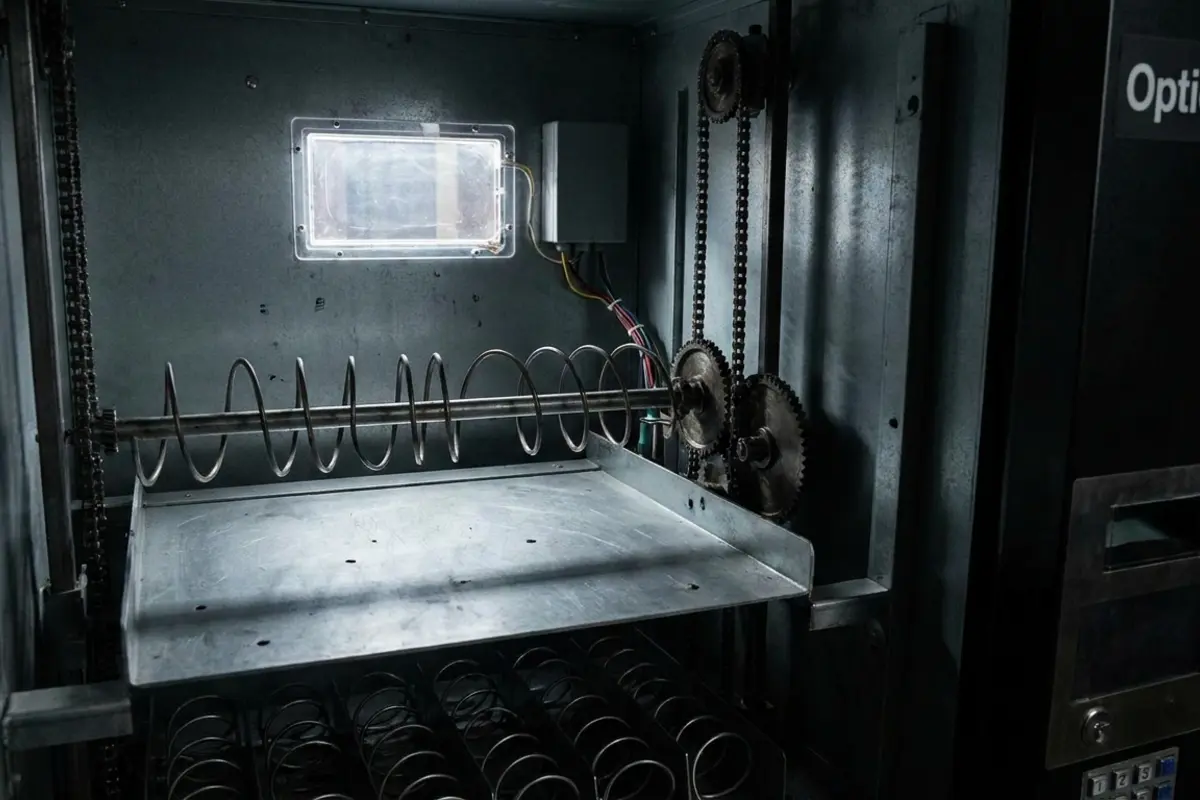
Tool Vending Machines
Tool vending machines are essential in managing tool inventories efficiently. These machines reduce tool loss and improve inventory accountability. In industries where tool turnover is high, they ensure seamless operations.
One of their primary advantages is real-time data tracking. Businesses can monitor tool usage and inventory levels. This enhances accountability and helps in planning maintenance schedules.
These machines feature customized compartments, allowing for tailored configurations. By securely storing tools, they prevent theft and unauthorized access. This directly translates to cost savings.
The accessibility offered by tool vending machines is unmatched. Employees can access the tools they need anytime, ensuring operational continuity. This convenience boosts productivity and minimizes downtime.
Some notable features of tool vending machines are:
- Secure storage: Reduces theft and misuse.
- Customizable: Adapts to various tool sizes.
- User-friendly access: Ensures quick and easy retrieval.
- Real-time data: Tracks tool check-outs and returns.
The implementation of tool vending machines can align with broader operational strategies. They ensure that tools are used optimally, contributing to efficient processes.
Moreover, these machines enhance the lifespan of tools through better usage monitoring. Scheduled maintenance and timely replacements become manageable and less costly.
In essence, tool vending machines provide a simple yet effective way to manage tool inventories. They streamline processes, reduce costs, and enhance operational efficiency.
PPE Vending Machines
In industries focused on safety, PPE vending machines are critical. They ensure the availability of safety gear like gloves, masks, and helmets. This is crucial in maintaining workplace safety standards.
These machines guarantee that employees have instant access to necessary protective equipment. This quick access minimizes the risk of injuries and health issues, promoting a safe working environment.
Accountability is a significant advantage of PPE vending machines. They track the distribution of safety gear, which ensures compliance with safety regulations. This tracking helps in auditing and safety planning.
The machines are configurable to dispense various PPE items. This flexibility allows them to meet the specific safety needs of different industries. From construction sites to healthcare facilities, they adapt to diverse environments.
Key aspects of PPE vending machines include:
- Ensured compliance: Meets safety standards.
- Diverse inventory: Dispenses multiple PPE types.
- Instant access: Reduces wait times for safety gear.
- Data tracking: Monitors PPE usage.
PPE vending machines also contribute to cost savings by eliminating overstock and waste. By providing real-time data, they assist in efficient inventory management.
Moreover, these machines play a crucial role in promoting safety culture within organizations. By ensuring PPE availability, they reinforce the importance of personal protection at all levels.
Overall, PPE vending machines offer a strategic advantage in maintaining a safe and compliant workplace. Their integration into safety programs ensures the wellbeing of all employees.
Safety Equipment Vending Machines
Safety equipment vending machines are designed to meet stringent safety requirements. These machines provide a reliable source for essential safety gear and equipment.
Versatile and secure, these vending machines offer features that enhance operational safety. They can dispense a wide variety of items, from specialized tools to standard safety equipment like harnesses and eyewear.
A notable benefit is their ability to ensure that safety gear is always available. This eliminates delays caused by searching for equipment, ensuring continuous safety compliance.
Another advantage is the ability to restrict access based on role or authorization. This ensures that only trained personnel can access specific safety equipment, reducing the risk of mishandling.
Main features of safety equipment vending machines include:
- Role-based access: Controls usage to authorized personnel.
- Wide variety: Dispenses diverse safety gear.
- Continuous availability: Ensures zero downtime in safety compliance.
- Real-time monitoring: Tracks inventory and usage patterns.
These machines help enforce safety protocols by ensuring the proper use of equipment. The accountability they provide leads to better training and awareness among employees.
Furthermore, the integration of safety equipment vending machines can enhance an organization's safety reputation. This is beneficial not only internally but also with clients and regulatory bodies.
In conclusion, safety equipment vending machines are vital in any safety-focused environment. By providing easy access to necessary equipment, they help enforce compliance and protect the workforce.
Benefits of Using Equipment Vending Machines
Equipment vending machines offer many benefits across industries. Their implementation can transform the way businesses manage inventory and improve efficiency.
One key advantage is their contribution to reducing operational costs. By automating inventory management, they significantly decrease administrative burdens and labor costs.
Moreover, these machines enhance safety compliance and employee accountability. Access to essential tools and equipment is streamlined, ensuring uninterrupted workflow and minimizing downtime.

Cost Savings
Cost savings are a compelling reason to invest in equipment vending machines. These systems dramatically reduce inventory holding costs by preventing overstock and waste. By deploying these machines, businesses can optimize their supply levels and avoid unnecessary expenses.
Another facet of cost efficiency is labor savings. Automated dispensing reduces the need for personnel to manage inventory manually. This not only cuts labor costs but also reallocates human resources to more productive tasks.
Many businesses experience a decrease in tool loss and theft. Vending machines ensure that items are tracked, which limits misuse and unaccounted losses. This leads to more predictable spending on tools and equipment.
Key ways vending machines offer cost savings include:
- Decreased waste: Prevents over-purchasing.
- Reduced labor costs: Lessens manual inventory tasks.
- Minimized tool theft: Tracks usage diligently.
The initial investment in vending machines quickly balances out with these savings. Over time, companies can expect a meaningful impact on their financial performance.
In conclusion, adopting vending machines is an effective strategy for reducing costs while maintaining efficient operations and inventory control.
Inventory Management
Optimal inventory management is a game changer for any business. Equipment vending machines revolutionize how inventory is tracked and controlled. They provide accurate, real-time data on inventory levels, enabling informed purchasing decisions and efficient stock replenishment.
These systems offer detailed insights into item usage and demand patterns. Such data helps businesses fine-tune their stock levels and prevent shortages or excesses. Efficient inventory management ensures that operations run smoothly without interruptions caused by stockouts.
Moreover, the integration capabilities of vending machines are invaluable. They can be linked with existing inventory management systems. This allows for seamless data sharing and consistency across platforms, which enhances visibility and control.
Features aiding inventory management include:
- Real-time tracking: Provides instant access to inventory status.
- Demand analysis: Helps in forecasting and planning.
- System integration: Ensures unified operations.
Inventory management becomes more effective, reducing the need for emergency restocks and the associated costs. Businesses can allocate resources more strategically, focusing on critical operational areas rather than inventory worries.
Overall, equipment vending machines offer sophisticated inventory solutions that ensure smooth supply chain operations and resource optimization.
Increased Safety and Compliance
Safety compliance is paramount in many industries. Equipment vending machines play a crucial role in enhancing workplace safety standards. By ensuring availability of essential safety equipment, they contribute significantly to compliance with safety regulations.
A key aspect is the improved access to personal protective equipment (PPE). When safety gear is readily available, employees are more likely to adhere to usage requirements, reducing incidents and enhancing overall safety culture.
These machines also provide robust data on safety gear use. Organizations can track which items are used, by whom, and how frequently. This information is vital for safety audits and compliance reporting, helping to identify gaps or trends in usage.
A few ways vending machines bolster safety and compliance:
- Availability of PPE: Guarantees quick access for all employees.
- Usage tracking: Offers detailed data for audits and reporting.
- Enforced compliance: Encourages adherence to safety protocols.
Access control is another benefit, as these machines can restrict access based on employee roles or training. This ensures that only authorized personnel can obtain specific safety equipment, maintaining compliance.
In summary, equipment vending machines are integral to any safety strategy. They not only provide essential equipment but also foster a culture of safety and accountability, critical for maintaining a compliant and secure work environment.
Factors to Consider When Selecting a Vending Machine
Choosing the right equipment vending machine requires careful analysis. First, assess the specific equipment needs of your business. Different industries may need unique types of vending machines to cater to their requirements.
Next, consider the machine's size and capacity. Ensure it aligns with the volume and type of items you intend to dispense. A mismatch could lead to inefficiencies and increased operational headaches.
Lastly, evaluate the technology and features. Modern vending machines offer advanced functionalities such as real-time data tracking and remote management. These features can greatly enhance operations and ensure efficient management.
Type of Equipment Needed
Identifying the type of equipment your operation needs is essential before selecting a vending machine. Industries vary in their demands; for example, a construction site may need vending machines for hard hats and gloves, while a manufacturing plant might look for tools and components.
You should list the specific equipment and supplies commonly utilized in your business. This will help determine the most suitable vending machine type. Some machines are specifically designed for tools, while others may be better for consumables like batteries or cleaning supplies.
Considerations when identifying equipment needs:
- Industry-specific requirements
- Frequency of use
- Employee access needs

Understanding your workplace's unique needs helps in selecting a machine that ensures ready availability of items, increasing efficiency and workplace safety. The wrong selection can lead to ineffectiveness, mismanagement of resources, and frustrating downtime.
Size and Capacity
Evaluating size and capacity is crucial when selecting a vending machine. A machine too small may result in constant restocking. Conversely, an overly large machine might take up unnecessary space, increasing costs without added benefits.
Conduct an analysis of the typical usage patterns within your organization. This includes considering peak demand periods and the variability in item sizes. Not all machines accommodate large and small items together effectively.
Points to consider regarding size and capacity:
- Available space
- Average item size
- Stock turnover rate
Matching the machine’s capacity to your needs ensures efficient management of resources. Additionally, it can prevent overstock issues, leading to waste. A well-chosen machine supports seamless operations and effective inventory control. Ensuring that you have the right balance is key to optimizing both space and cost.
Technology and Features
Modern vending machines come loaded with technological features to streamline operations. It's important to assess these technologies and determine which align best with your needs. Features like IoT integration can offer remote monitoring and real-time alerts.
Advanced machines provide detailed analytics on usage patterns. This helps in planning and forecasting inventory needs, enhancing overall efficiency. Biometric access and secure user identification are also available, minimizing unauthorized access.
Consider these features:
- Data analytics capabilities
- Biometric access control
- IoT and remote monitoring
Moreover, ease of integration with existing systems is critical. A technology-forward vending machine that communicates effectively with your current systems ensures smooth operations. Always consider the potential for future upgrades to remain adaptable as technology advances.
This foresight in technological choices can contribute significantly to achieving long-term efficiency and adaptability.
How to Implement and Manage Your Equipment Vending Machine
Implementation starts with understanding your organization's specific needs. Key considerations include choosing the right location and ensuring internet connectivity for smart machines. Proper planning helps prevent potential disruptions.
Once set up, focus on inventory alignment. Regularly monitor stock levels to ensure all essential items are available. Efficient implementation demands proactive management to maintain a smooth supply chain.
Management extends beyond initial setup. Establish a regular maintenance schedule to address technical issues quickly. Staying on top of upkeep will extend the machine's life and ensure optimal performance.
Initial Setup and Configuration
Initial setup involves more than just physical placement. Choose a strategic location that ensures easy access for your workforce. Additionally, the location should support the necessary electrical and network connections.
Set the configuration parameters to match your operational needs. This might include user access levels and alert settings. Advanced settings also allow custom usage restrictions, promoting accountability.
A checklist for initial setup includes:
- Location and connectivity
- Configuration of access controls
- Software setup and integration
Ensure seamless integration with current inventory management systems. This aids in automatic inventory updates, reducing manual tracking efforts. Successful configuration can vastly improve your resource allocation and operational efficiency.
Regular Maintenance
Maintenance is key to prolonging the lifespan of your vending machine. Schedule regular inspections to catch potential issues before they escalate. A minor adjustment can prevent major malfunctions in the future.
Keep software updated for optimal performance and security. Update schedules often include new features, efficiency improvements, and fixes for previous issues. Downtime due to neglected updates can be costly.
Have a dedicated maintenance team or vendor for technical support. They can handle both preventive maintenance and emergency repairs. This ensures smooth operation and minimizes disruption to daily activities.
Additionally, maintain an inventory of replacement parts. Quick access to these can drastically reduce downtime in case of component failure. A proactive maintenance strategy keeps your operations running smoothly.
Employee Training and Usage Guidelines
For effective usage, employee training is crucial. They should learn how to operate the vending machines efficiently and understand the protocols involved. The training should be concise but comprehensive.
Set clear usage guidelines. Employees should know how to properly log in, check out items, and report any issues. This fosters a streamlined process and reduces errors in item dispensing.
Training should cover:
- Basic operation procedures
- Access control and security
- Problem-solving protocols

Periodically update training programs to incorporate new features and policy changes. This ensures that your workforce remains well-equipped to use the technology as intended. Effective employee training enhances both the reliability and efficiency of your equipment vending system.
Ensure usage guidelines are easy to follow and posted near the vending machines. This will serve as a handy reminder and guide during daily operations. Consistent adherence to these guidelines increases overall productivity and workplace safety.
Real-World Examples and Case Studies
Exploring real-world examples can illuminate the benefits and challenges of equipment vending machines. These machines have proven transformative across diverse industries. They enhance efficiency, safety, and cost-effectiveness.
One manufacturing facility implemented industrial vending machines, reducing tool losses significantly. This case highlights how strategic usage can enhance accountability. It also underscores the importance of integrating technology into everyday operations.
Another example comes from the construction industry. Here, PPE vending machines helped ensure compliance with safety regulations. Immediate access to necessary gear led to improved safety records and fewer incidents.
Industrial Applications
Industrial settings often benefit the most from vending machines. In factories, these machines manage the distribution of tools and PPE efficiently. They help reduce downtime by ensuring workers have immediate access to necessary items.
A steel manufacturing plant integrated vending machines to tackle inventory inefficiencies. They experienced fewer delays due to missing equipment, boosting productivity. The machines tracked tool usage, enabling better purchasing decisions.
A checklist of benefits realized in this sector includes:
- Reduced tool loss and theft
- Improved workflow efficiency
- Enhanced inventory tracking
Vending machines in warehouses automate the management of consumables like batteries and cleaning supplies. This resulted in minimized stockouts and reduced waste. The direct impact is seen in cost savings and smoother operations.
In the automotive industry, access to tools via vending machines simplified logistics. Employees spent less time hunting for equipment, thus speeding up assembly processes. Overall, the streamlined operations led to higher output rates.
Success Stories from Tool and Safety Equipment Providers
Tool and safety equipment providers have embraced vending machines. Their success stories highlight remarkable gains in inventory control and customer satisfaction. Implementation tailored to client needs plays a key role in these outcomes.
One provider introduced tool vending machines to a construction firm. The firm saw a marked improvement in tool accountability and workforce efficiency. This shows how the right solution can solve persistent supply chain issues.
A PPE provider set up vending systems for healthcare facilities. The ease of access to safety gear led to better adherence to health standards. The real-time data provided by these machines enabled hospitals to maintain inventory without excess stock.
Another example involves a logistics company utilizing vending machines to manage driver safety equipment. The system ensured that essential items were always available. Drivers had easy access, leading to improved safety compliance and morale.
In educational institutions, safety equipment vending machines ensured students had safety goggles and gloves available for lab work. This simple addition supported safety standards and reduced administrative burden on faculty.
These examples illustrate how vending solutions can be customized to meet diverse needs across industries. Whether for manufacturing or healthcare, vending machines enhance productivity, safety, and bottom-line results.
Future Trends in Equipment Vending Machines
The landscape of equipment vending machines is rapidly evolving. Future trends promise to bring more efficiency and intelligence to these systems. With technology advancing, vending machines are set to become smarter and more integral to operations.
Integration with big data and AI is on the horizon. These technologies will refine how inventory is tracked and managed. Companies can expect even greater precision in their inventory decisions.
Furthermore, sustainability will play a larger role. Vending machines will evolve to support eco-friendly practices. This includes energy-saving designs and sustainable materials for construction.
Advancements in Technology
Technological advances are set to revolutionize vending machines. Expect more intuitive interfaces and smarter software solutions in the future. Enhanced technology will allow for real-time updates, and automated data analysis will enable improved decision-making.
Anticipated technological improvements include:
- Biometric security for personalized access
- Cloud-based systems for efficient data management
- Advanced analytics to monitor usage patterns
Biometric access will enhance security by personalizing access. This ensures only authorized personnel can withdraw items. Cloud-based management allows for easy updates and centralized control.
Such advancements will result in seamless operations. Businesses will gain deeper insights into inventory needs, reducing waste and streamlining processes.
Increased Automation and IoT Integration
The rise of automation and IoT integration is transforming equipment vending machines. As these technologies mature, vending machines will offer unparalleled connectivity and functionality. They will become crucial nodes in modern industrial networks.
Machines will feature enhanced automation. Features like automated restocking alerts will ensure inventory levels are maintained without manual checks. This reduces labor costs and enhances efficiency.
Increased use of IoT sensors is expected. Sensors will monitor machine conditions and item levels, minimizing downtime due to technical malfunctions. This will allow for predictive maintenance, further improving uptime.
With IoT, vending machines can communicate with other systems in a facility. This integration will optimize the entire supply chain, from procurement to allocation. The result is an agile, responsive operation that enhances productivity.
Sustainability Considerations
Sustainability is becoming a focus for businesses worldwide. Equipment vending machines are aligning with this trend, offering eco-friendly features. As environmental awareness grows, sustainability considerations are becoming key aspects of vending machine design.
Future vending machines will incorporate energy-efficient technologies. This reduces power consumption and lowers operational costs. Investing in energy-saving models is a smart long-term financial decision.
Sustainable construction materials will be preferred. Machines made from recyclable or biodegradable materials will lead the charge towards greener manufacturing. This aligns with broader corporate sustainability goals.
Moreover, vending solutions can reduce waste through better inventory management. By minimizing overstock and promoting efficient use, they contribute to a sustainable operation. Businesses can thus achieve both economic and environmental benefits concurrently.
Ready to maximize your space?
Discover how DMVI's custom vending machines can fit perfectly into your location.