Coffee Vending Machine: Bean-to-Cup, Cleaning, and Venue Fit
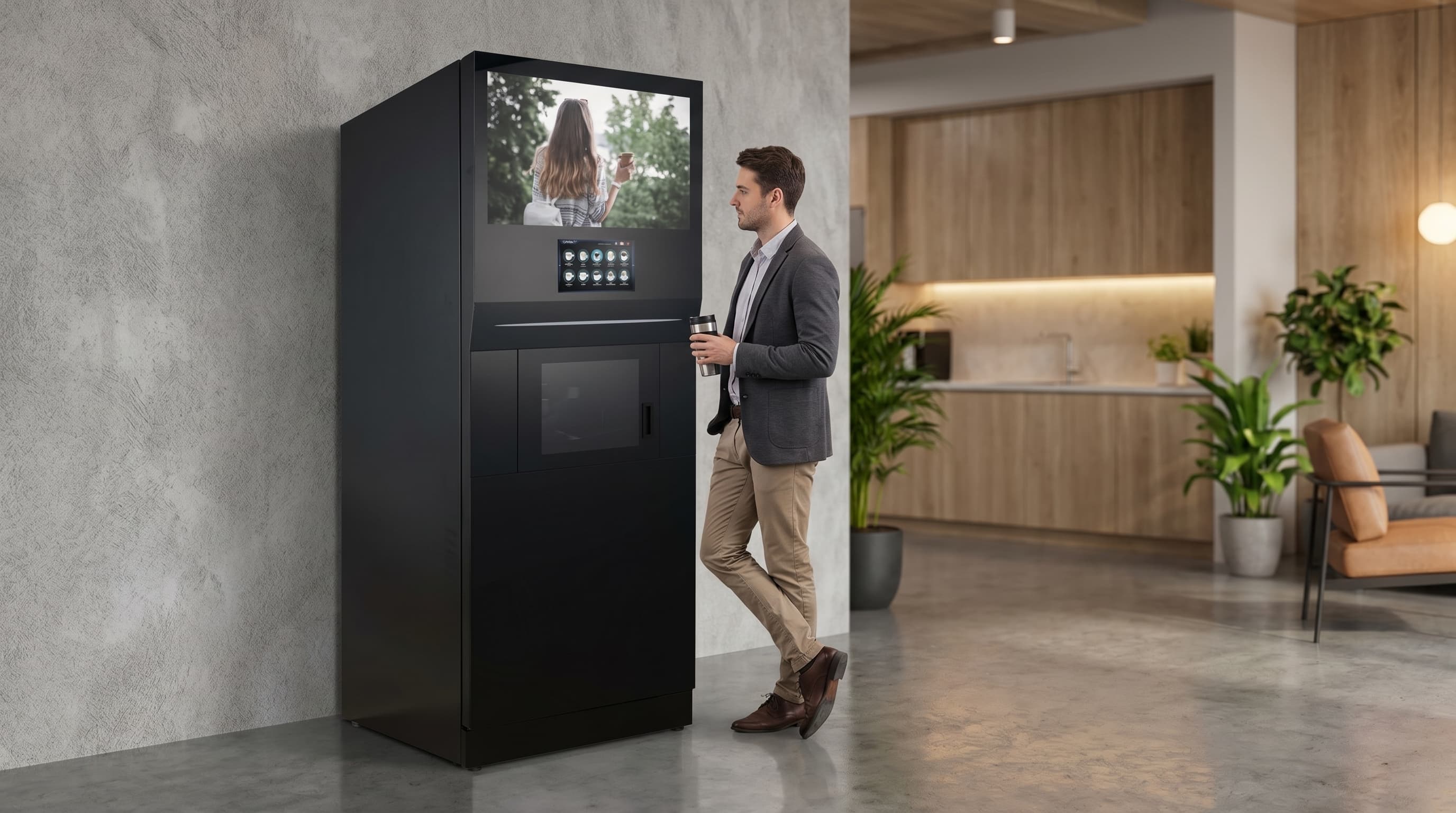
A coffee vending machine is an automated brewer that prepares coffee on demand, usually through either an instant system or a bean-to-cup system that grinds whole beans for each drink. The right format is not a matter of romance. It is a matter of venue traffic, drink expectations, cleaning discipline, and whether the operator wants a machine that behaves like a simple hot-beverage dispenser or a small unattended café line.
That is the real question behind most coffee-vending decisions. Not whether the machine sounds modern, but whether the format matches the site and the service model behind it.
Bean-to-cup versus instant is the first major fork
Bean-to-cup coffee vending machines grind beans per cup, brew through a group or chamber system, and usually support higher-quality espresso-style drinks. They offer a much better taste ceiling and stronger customer perception, especially in offices, hospitality settings, and premium amenity locations.
Instant coffee vending machines are simpler. They rely on soluble ingredients, have fewer moving parts, and are usually easier to maintain. Cup quality is lower, but the operating burden is lower too. For secondary sites or modest break-room demand, that trade can make perfect sense.
Cleaning is not a side note
The more ambitious the drink program, the more disciplined the cleaning schedule has to be. Bean-to-cup units need routine emptying of grounds drawers, drip trays, and waste containers, along with cleaning cycles for the brew path and dispensing area. If milk is involved, the hygiene burden goes up sharply.
This is where operators get into trouble. The machine may sell beautifully on installation day, but a coffee unit only stays credible when someone owns the daily and weekly maintenance rhythm. If that service rhythm is weak, cup quality drops, complaints rise, and the machine starts teaching people to avoid it.
Fresh milk versus powder is a real operating choice
Fresh milk generally produces a better drink and supports a stronger premium perception. It also introduces refrigeration, line cleaning, change-out timing, and a much tighter hygiene standard. That can be worth it in offices, hotels, or high-traffic common areas where customer expectations justify the extra labour.
Milk powder is easier to manage, more forgiving on shelf life, and often more practical for lower-volume or less service-intensive placements. The cup quality is usually less impressive, but the route model may be much saner. Operators should choose based on site fit, not on which option sounds more glamorous in a brochure.
Water quality quietly decides whether the machine ages well
Hard water is one of the fastest ways to shorten the useful life of a coffee vending machine. It affects heating elements, scale build-up, extraction quality, and maintenance frequency. A proper water plan — filtration or softening, plus a tracked replacement schedule — is not optional if the unit is expected to perform consistently.
This is one of those dull operational details that becomes very exciting only after someone ignores it and then wonders why the machine suddenly tastes worse and breaks more often.
Venue fit matters more than category enthusiasm
A coffee vending machine tends to work best where there is recurring daily demand and a reason for people to value speed over a staffed café visit. Offices, hospital lobbies, transport settings, campuses, hotels, and some workplace amenity zones can support the model well if the cup quality and service level are aligned with expectations.
Low-traffic sites often do not justify a heavier bean-to-cup platform with milk service and aggressive cleaning needs. In those cases, a smaller instant system, table-top unit, or a different beverage model altogether may be the better commercial answer.
The machine spec should follow the service model
A coffee unit should be specified against expected cup volume, cleaning ownership, water conditions, milk approach, payment flow, and downtime tolerance. If those inputs are vague, the machine choice is probably premature. Operators should build the service plan first and then match the equipment to it.
That approach is less exciting than talking about a “coffee revolution,” but it produces far fewer miserable beverages and far fewer route headaches.
Choosing a coffee vending format for a real site, not a brochure fantasy?
DMVI helps operators compare bean-to-cup, instant, payment, maintenance, and venue-fit requirements so the machine model works commercially after install as well as before it.