Vending Machine Business: Step-by-Step Startup Guide
Starting a vending machine business can be a rewarding venture. It offers a unique blend of flexibility and potential for passive income. With the right approach, you can tap into a multi-billion dollar industry.
Vending machines are everywhere. They provide convenience and quick access to snacks, drinks, and other essentials. This makes them a staple in high-traffic areas.
The appeal of vending machine ownership lies in its simplicity. You don't need a storefront or a large team. A few well-placed machines can generate steady revenue.
But how do you start a vending machine business step by step? It begins with understanding the market. Research is crucial to identify demand and competition.
Next, you'll need a solid vending business plan. This plan will guide your decisions and help secure financing. It outlines your goals, target market, and financial projections.
Choosing the right vending machines is another key step. Options range from snack and beverage machines to specialty items. Your choice depends on your target audience and location.
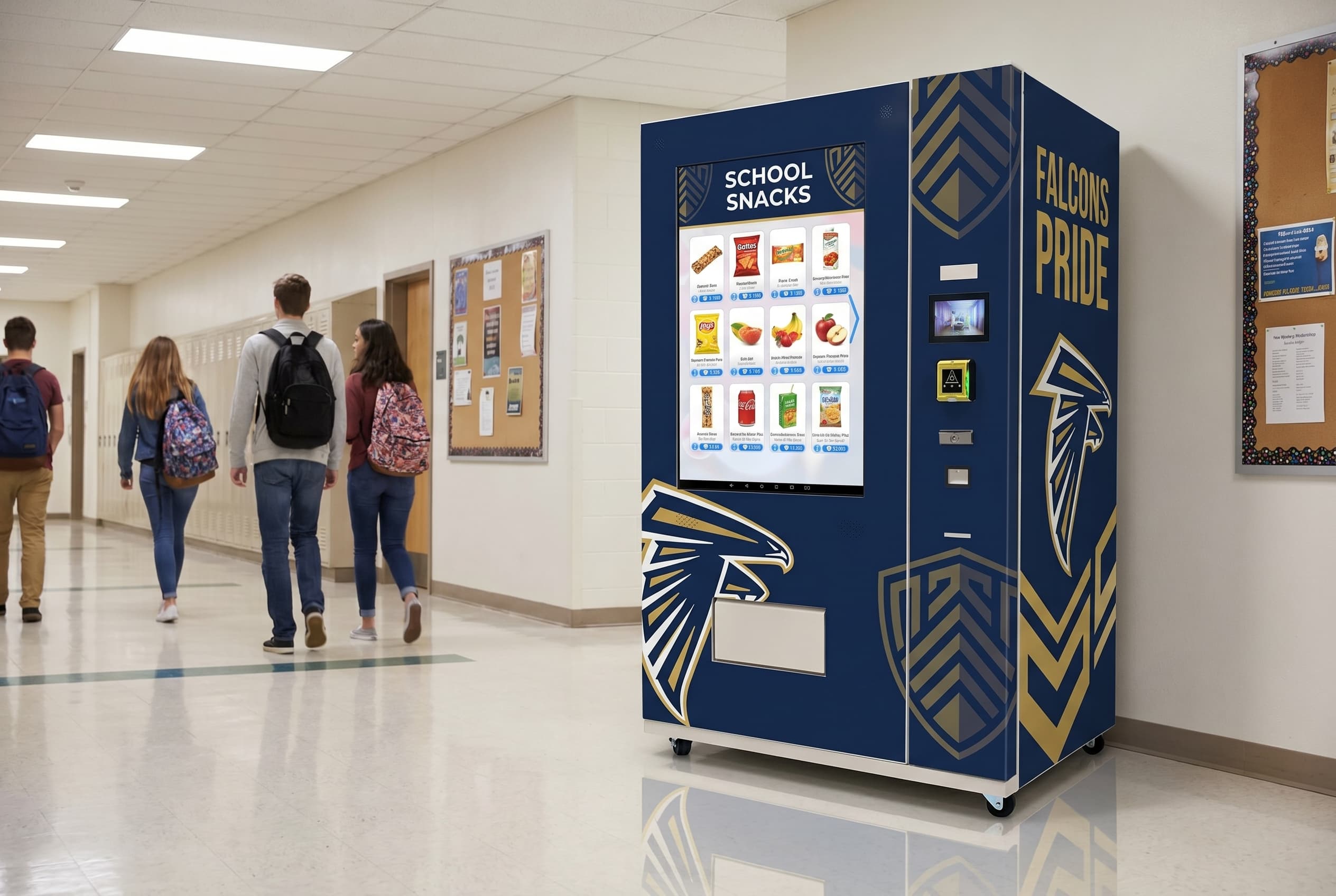
Location is everything in the vending business. High foot traffic areas like malls, schools, and offices are ideal. The right spot can significantly boost your sales.
Understanding local regulations is also important. You'll need to obtain necessary permits and licenses. Compliance ensures smooth operations and avoids legal issues.
Financing your venture is another consideration. Options include personal savings, loans, or leasing machines. Each has its pros and cons, depending on your situation.
Building relationships with suppliers is essential. A steady inventory supply keeps your machines stocked and customers happy. Reliable suppliers are a cornerstone of success.
Regular maintenance and restocking are part of the job. Keeping machines operational ensures customer satisfaction and maximizes profits. It's a hands-on aspect of vending machine ownership.
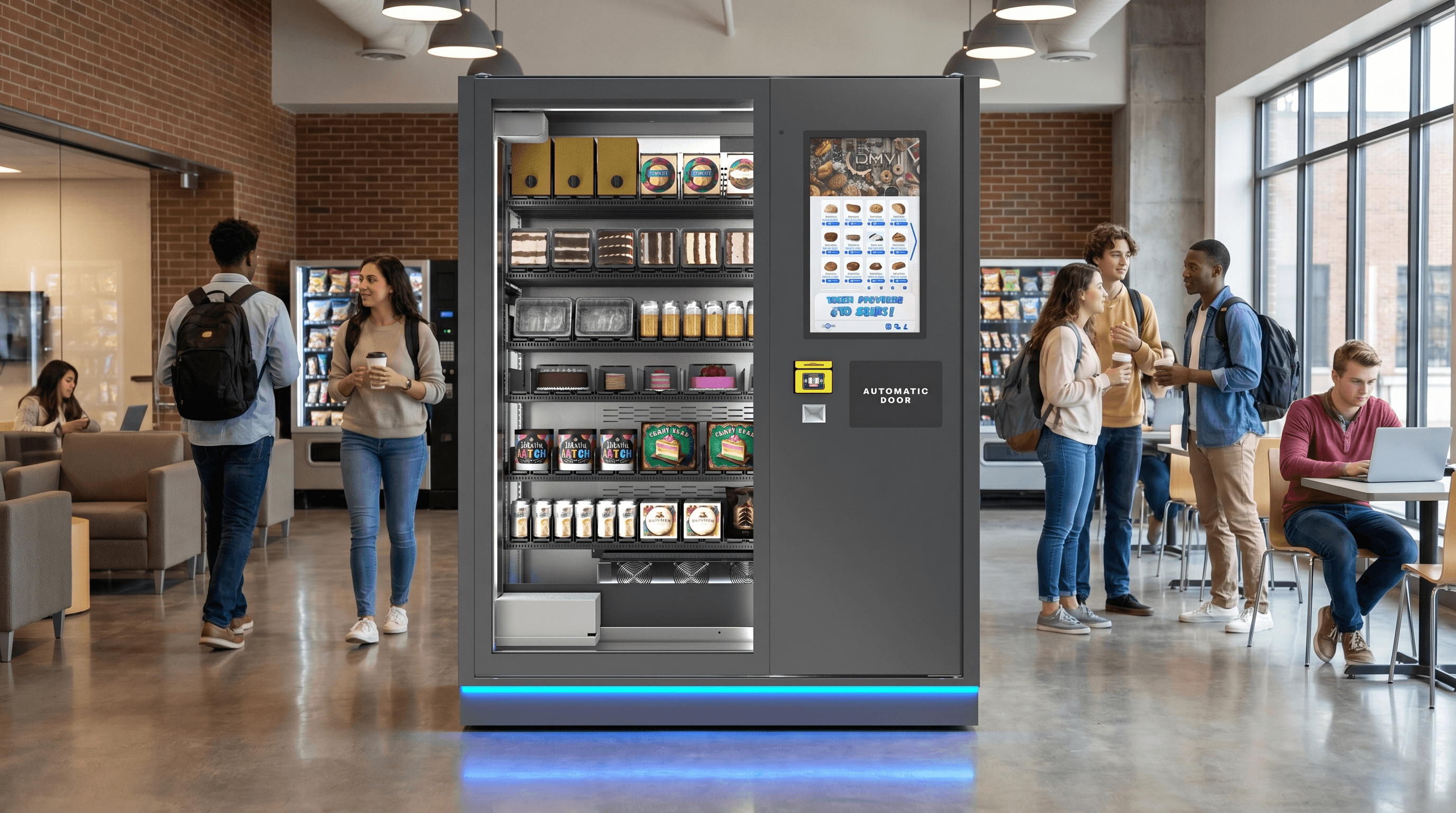
Technology can enhance your business. Cashless payment systems and remote monitoring improve customer experience and efficiency. Staying updated with tech trends is beneficial.
Marketing your vending business is crucial for growth. Branding and promotions increase visibility and attract customers. A strong marketing strategy sets you apart from competitors.
Finally, monitoring and optimizing operations is ongoing. Tracking sales data helps refine product offerings and machine placement. Continuous improvement is key to long-term success.
Overview of the Vending Machine Business
The vending machine business is an ever-evolving industry. As consumer habits shift, so do the types of products found in machines. This adaptability makes vending machines a resilient business option.
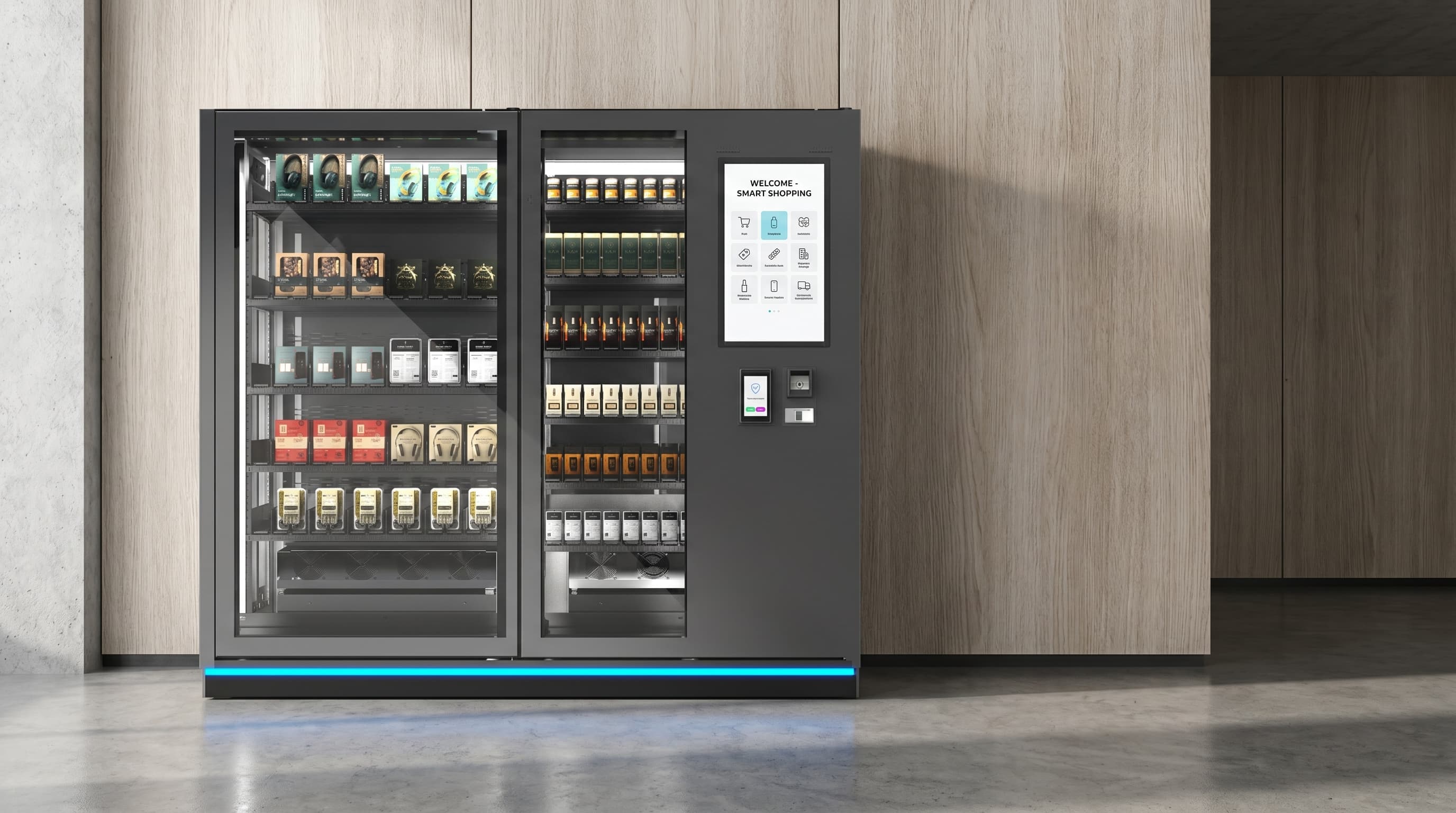
The range of vending machines is diverse. There are snack machines, beverage dispensers, and even machines that offer personal care products. Some specialize in healthy options, appealing to fitness-conscious consumers.
One of the primary benefits is the low operational cost. Without the need for extensive staff or a physical storefront, expenses can be kept minimal. This efficiency leads to higher profit margins.
Locations greatly influence vending machine success. Machines in high-traffic areas often see more transactions. These include places like shopping malls, schools, and office buildings where people seek quick and convenient purchases.
As a vending machine owner, there are several key elements to manage. Ensuring machines are stocked and operational is just the start. Engaging in effective marketing and maintaining customer satisfaction are also crucial.
Here are some aspects contributing to the attractiveness of the vending machine business:
- Low barrier to entry for new entrepreneurs
- Flexibility in operation and location choice
- Opportunity for passive income generation
- Broad range of product offerings
- Minimal employee or staffing requirements
Technological advances are enhancing vending operations. Machines now feature cashless payments and digital displays, improving the user experience. Such innovations drive new opportunities and efficiencies in the industry.
Understanding the competitive landscape is vital. Many regions are seeing increased interest in eco-friendly vending solutions. Offering sustainable products could set you apart in the market.
Moreover, networking with other vending machine owners can provide insights. Shared experiences and strategies can prove invaluable. Learning from peers helps in overcoming challenges and expanding your business.
The scale of your vending machine business can vary. You might start with a few machines and gradually grow your fleet. Expansion potential is significant, especially if you tap into niche markets.
In conclusion, the vending machine industry offers dynamic business opportunities. With careful planning and execution, you can successfully navigate this competitive landscape. Understanding market demands and leveraging technology can help you stand out.
Importance of a Business Plan
Creating a business plan is a crucial first step in launching a successful vending machine business. A well-prepared plan provides direction and helps in setting achievable goals. It acts as a roadmap, guiding every decision and step taken along the way.
A comprehensive vending business plan includes several key components. Market analysis is vital, as it helps identify target customers and understand their purchasing behavior. This analysis also gauges competition and identifies potential locations for vending machines. Knowing the strengths and weaknesses of competitors can provide a significant advantage.
In addition to market analysis, financial planning is essential. Understanding the costs involved, from purchasing machines to stocking them with products, is necessary. The plan should outline initial investment needs and forecast potential returns. Financial projections help in securing funding, whether through loans or investors. Here's a breakdown of essential elements to include:
- Market analysis and target demographic study
- Competitive landscape assessment
- Detailed budget with financial forecasts
- Marketing and branding strategies
- Risk management and contingency planning
Having a solid plan facilitates strategic thinking. It prepares the vending machine owner to tackle unexpected challenges and adapt to changing market conditions. A structured plan ensures objectives are clear and trackable.
Moreover, a well-crafted business plan enhances credibility. When seeking partnerships or negotiating placements, a clear plan demonstrates professionalism. It's an assurance to stakeholders that the business is well-thought-out and organized.
Ultimately, a business plan serves as a living document. Regular updates and reviews ensure it reflects current market realities. By committing to a detailed plan, you set your vending machine business on a path to success and sustainable growth.
Steps to Start a Vending Machine Business
Starting a vending machine business involves several crucial steps. These steps guide you from initial research to the daily management of operations. A systematic approach ensures you build a sustainable and profitable business. Key steps include:
- Researching the vending industry
- Developing your business plan
- Choosing products
- Determining target locations
- Securing financing
- Purchasing or leasing machines
- Setting up operations
- Ensuring compliance and licensing
- Marketing your business
- Monitoring and optimizing operations
Step 1: Research the Vending Industry
Research is the foundation of any successful business venture. Understanding the vending machine industry provides insight into potential opportunities and challenges. Start by gathering data on market size, growth trends, and consumer preferences. The vending machine industry is diverse, offering everything from snacks and beverages to specialty items. Analyzing which segment suits your interests and financial capacity is crucial.
Examine local market conditions and identify your competition. Knowing who you're up against and their strategies will help refine your approach. Investigate which products are popular and their pricing strategies. This data is vital for carving a niche in a saturated market.
Attend industry events and trade shows to network with established vending machine owners. These platforms offer valuable insights and practical advice. Engaging with industry experts can provide knowledge that textbooks and online resources might not offer. Building these connections can be an asset throughout your business journey.
Finally, explore the latest technology trends shaping the vending industry. Innovations such as smart vending machines and cashless payment systems enhance customer experience. Embracing these technologies might initially seem costly, but they could offer a significant competitive edge.
To sum up, research should focus on market analysis, competitive landscape, product popularity, industry networking, and technology trends. These areas lay the groundwork for an informed business strategy.
Step 2: Develop Your Vending Business Plan
A well-developed business plan is integral to your vending business's success. It outlines your path, helping you align your goals with actionable strategies. Start with an executive summary that encapsulates your vision. This summary is vital for securing potential investments and partnerships.
Dive into market analysis to identify your target audience and understand their buying habits. This section should highlight key demographics and market needs. Analyze the competition to understand their strengths and weaknesses, and find opportunities to differentiate your offerings.
Detail your financial planning, including projected costs and revenue streams. Outline your startup expenses, from machines and inventory to maintenance and marketing. Financial transparency is essential for attracting investors and gaining business loans.
Don't overlook marketing strategies. Define how you plan to attract and retain customers. Consider branding, promotions, and social media as integral parts of your strategy. Effective marketing sets you apart in a competitive landscape.
Finally, define your operational plan. This includes how you'll manage day-to-day functions and address logistics. Consider staffing needs and inventory management systems. In essence, a comprehensive plan acts as a blueprint, guiding you at every stage of your business.
Step 3: Choose Your Vending Products
Selecting the right products is vital for your vending machine's success. Consider customer preferences and location-specific demands. Snacks and beverages are popular, but don't shy away from niche markets. Healthy snacks, locally produced goods, or unique drinks can attract specific audiences. Diversifying your offerings can lead to higher customer satisfaction and increased sales.
Product selection should align with your market analysis findings. If your vending machine is in a health-conscious area, prioritize low-calorie or organic products. Similarly, machines in schools might include nutritious snacks that appeal to both kids and regulations. Understanding your audience ensures you meet their needs and expectations.
Building relationships with reliable suppliers is crucial. A consistent supply ensures your machines never run empty, maintaining customer trust. Forming partnerships with local producers can also enhance product variety. This connection can lead to exclusive deals and discounts, positively impacting your bottom line.
Stay attentive to product rotation based on seasonal demand or sales data. Introducing new items periodically keeps the experience fresh for returning customers. Using sales data to determine high and low-performing products can optimize inventory and boost profits.
Step 4: Determine Your Target Locations
Location is a critical success factor in the vending machine business. Machines in high-traffic areas can generate significant sales. Consider locations like malls, schools, hospitals, and office buildings. These places offer diverse audiences and consistent foot traffic.
Scout potential sites by visiting locations during different times. Observe the flow of people and the presence of other vending machines. High visibility and easy access are essential for attracting customers. A good location can significantly increase profitability.
Negotiate terms with property owners or managers for machine placement. Some establishments might require a portion of profits or a flat rental fee. Clarifying these terms before setup prevents future disputes. Building positive relationships with property managers can lead to expanded opportunities and additional machine placements.
Explore the possibility of exclusive contracts at select sites. Securing exclusivity means no direct competition, giving you better chances of success. However, exclusivity should align with your financial and operational capacity. Balancing potential risk and reward is crucial before committing to exclusive arrangements.
Step 5: Secure Financing for Your Machines
Financing is a crucial step in starting your vending machine business. The initial costs can be substantial, requiring careful planning. Explore various financing options to find what suits your financial situation. Many entrepreneurs use personal savings as a first step due to its simplicity and low risk.
Alternatively, consider small business loans from banks or credit unions. Presenting a strong business plan can increase approval chances. Loans offer significant capital but entail repayment with interest. Ensure repayment terms align with projected revenue to avoid financial strain.
Leasing vending machines can reduce upfront costs. Leasing companies often provide maintenance services, lowering operational burdens. Over time, leasing can be more expensive than owning, so weigh the long-term benefits and drawbacks carefully. Leasing offers flexibility if you're cautious about long-term commitments.
Explore partnerships with suppliers for machine placement and stock. Some suppliers might offer machines at reduced prices or on a rental basis. An in-kind trade, such as stock supply in exchange for machine space, could also be explored. Such arrangements can ease financial pressure and streamline operations.
Step 6: Purchase or Lease Vending Machines
Deciding between purchasing or leasing vending machines depends on your financial situation and business goals. Owning machines offers full control and potential long-term savings. Once the initial cost is recovered, owned machines generate pure profit after maintenance and inventory.
Purchasing requires significant upfront capital but provides tax benefits like depreciation claims. Ownership may involve higher initial expenses for new or refurbished machines. Balancing initial outlay with long-term gain is essential in this decision.
Leasing is an attractive option for minimizing upfront costs and commitments. Leasing agreements often include servicing, reducing maintenance worries. Depending on the agreement, you may have the flexibility to upgrade machines. However, analyze long-term implications, as lease costs can exceed purchase prices over time.
Consider machine type and features, such as size, capacity, and technology. Smart machines with cashless payment options attract more customers and ease transactions. Evaluate the durability and user-friendliness to ensure reliability and customer satisfaction. These factors are integral to a sound investment, whether purchasing or leasing.
Step 7: Set Up Your Operations
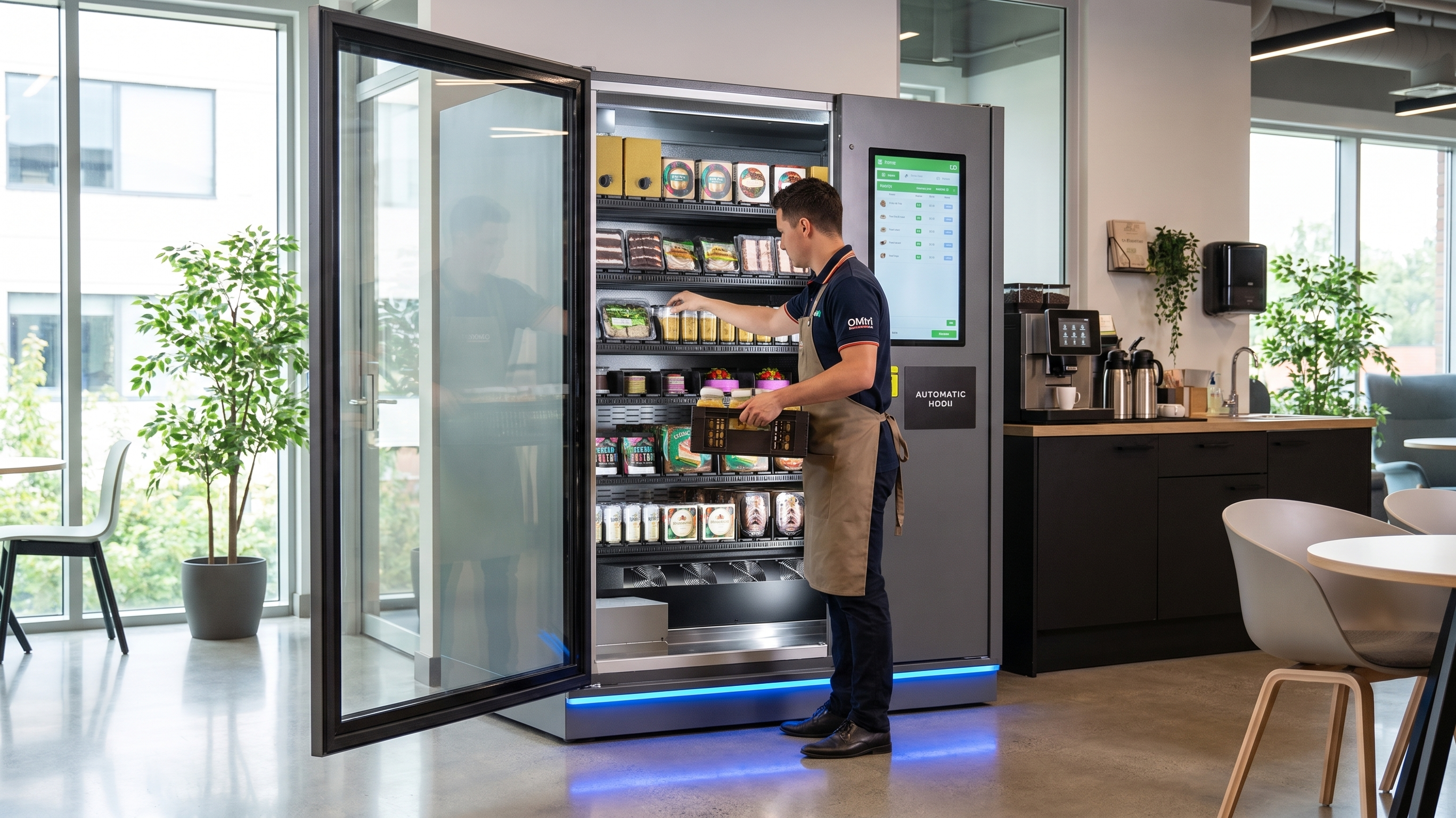
Setting up operations efficiently is crucial for the smooth running of your vending machine business. Start by establishing a logistics plan to manage stocking, maintenance, and cash collection. Effective scheduling ensures machines are regularly restocked and well maintained, preventing revenue loss due to empty machines.
Invest in a reliable inventory management system. Inventory management tools help track stock levels and identify best-sellers. This technology can optimize the restocking process, improving efficiency and customer satisfaction. Insights from sales data guide product selection and remove underperforming items.
Develop a maintenance schedule to ensure machines are in optimal working order. Routine checks prevent mechanical failures and ensure hygienic operation. Regularly maintaining machines prolongs their lifespan, reducing replacement costs.
Customer service should be a priority, providing channels for feedback and issue resolution. Swift response to customer inquiries or complaints enhances your reputation. Excellent customer service can differentiate your brand and improve customer retention. Operations should focus on efficiency, reliability, and customer relations to succeed.
Step 8: Compliance and Licensing Requirements
Understanding and meeting legal compliance and licensing requirements is non-negotiable for your vending machine business. Research local regulations and obtain all necessary permits before operation. Laws often vary by region, affecting machine placement, product offerings, and operational hours.
Health and safety compliance is vital, especially if vending food items. Adhering to health codes ensures customer safety and avoids legal penalties. Label machines clearly with contact information for transparency and accountability.
Regularly review and renew necessary licenses to avoid disruptions. Non-compliance can result in fines or business closure. Keeping comprehensive records of licenses and compliance activities aids in audits and inspections.
Consider hiring legal counsel to navigate complex regulatory environments. A legal expert can provide guidance tailored to your specific business needs. By staying informed and compliant, you protect your business and build customer trust. Compliance is a continuous process, requiring diligence and attention to changes in the law.
Step 9: Marketing Your Vending Business
Effective marketing is essential for attracting customers and growing your vending business. Start by developing a unique brand identity that stands out to consumers. A strong brand, combined with eye-catching machine designs, attracts attention. Branding should reflect the values and products your business represents.
Harness the power of social media to reach a wider audience. Platforms like Instagram, Facebook, and Twitter are excellent for engaging with potential customers. Social media can showcase new products, offer promotions, and build a community. Regularly updating these platforms ensures your brand remains in the public eye.
Implement local marketing strategies to increase visibility in specific areas. Collaborate with businesses near your vending machines to offer joint promotions. Special offers or discounts can entice new customers and reward loyal ones.
Consider digital marketing tools, like search engine optimization (SEO) and Google Ads, to increase online presence. Creating informative content about your business improves search visibility and attracts traffic to your site. Effective marketing requires creativity, consistency, and adaptability to new trends.
Step 10: Monitor and Optimize Your Operations
Continuous monitoring and optimization are vital for a profitable vending business. Track machine performance and sales data to identify trends and opportunities. Regularly review sales reports to understand customer behavior and product demand. These insights drive informed decisions about inventory and product placement.
Invest in technology to streamline monitoring processes, such as remote machine tracking. Smart vending machines provide real-time data on stock levels and maintenance needs. Technology simplifies logistics and enhances operational efficiency, leading to increased profits.
Regularly evaluate machine locations and assess their profitability. If a machine underperforms, consider relocating it to a more promising site. Periodic assessment ensures resources are maximized and revenue potential is realized.
Encourage and act on customer feedback to improve service and product offerings. Engaging with customers shows you value their input and fosters loyalty. Continuous improvement and responsiveness to customer needs are keys to long-term success. A proactive approach to monitoring and optimization keeps your business competitive.
Conclusion
Launching a vending machine business involves dedication, planning, and flexibility. By following structured steps, entrepreneurs can build a successful and sustainable enterprise. This business offers a mix of low maintenance and potential for passive income, making it attractive to many.
Each step, from researching the industry to optimizing operations, is crucial in developing a solid foundation. Focusing on strategic locations, diverse products, and innovative technology ensures your business meets customer needs effectively. Additionally, maintaining legal compliance and strong customer service builds trust and credibility.
Adaptation and continuous learning are essential for long-term success in the vending industry. As markets evolve and technology advances, staying informed helps your business remain competitive. By prioritizing these elements, your vending machine business can thrive and grow, providing fruitful returns on your investment.
Ready to maximize your space?
Discover how DMVI's custom vending machines can fit perfectly into your location.