iPhone-Driven Vending Operations: How Mobile Tech Actually Lifts Cabinet Income
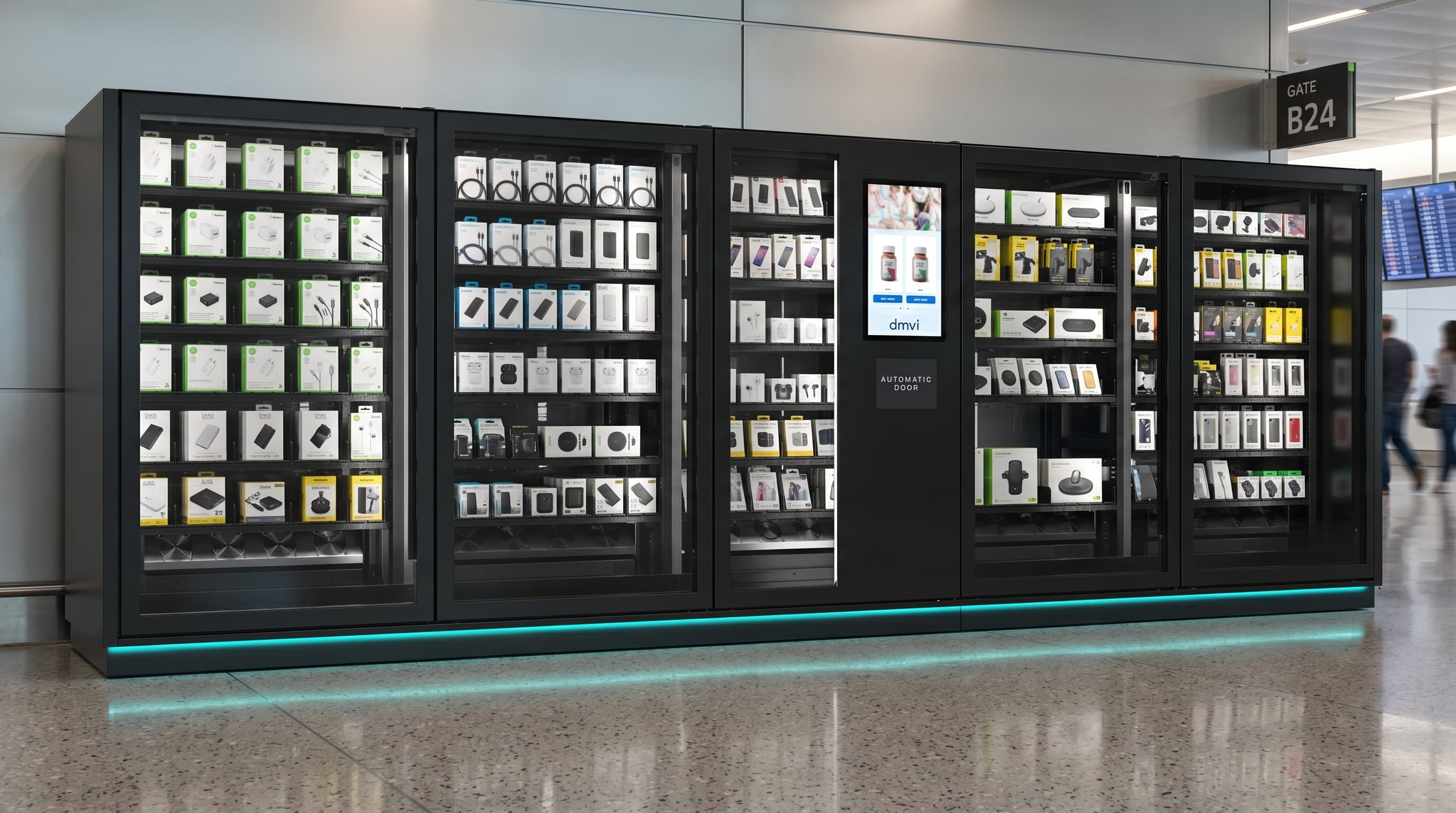
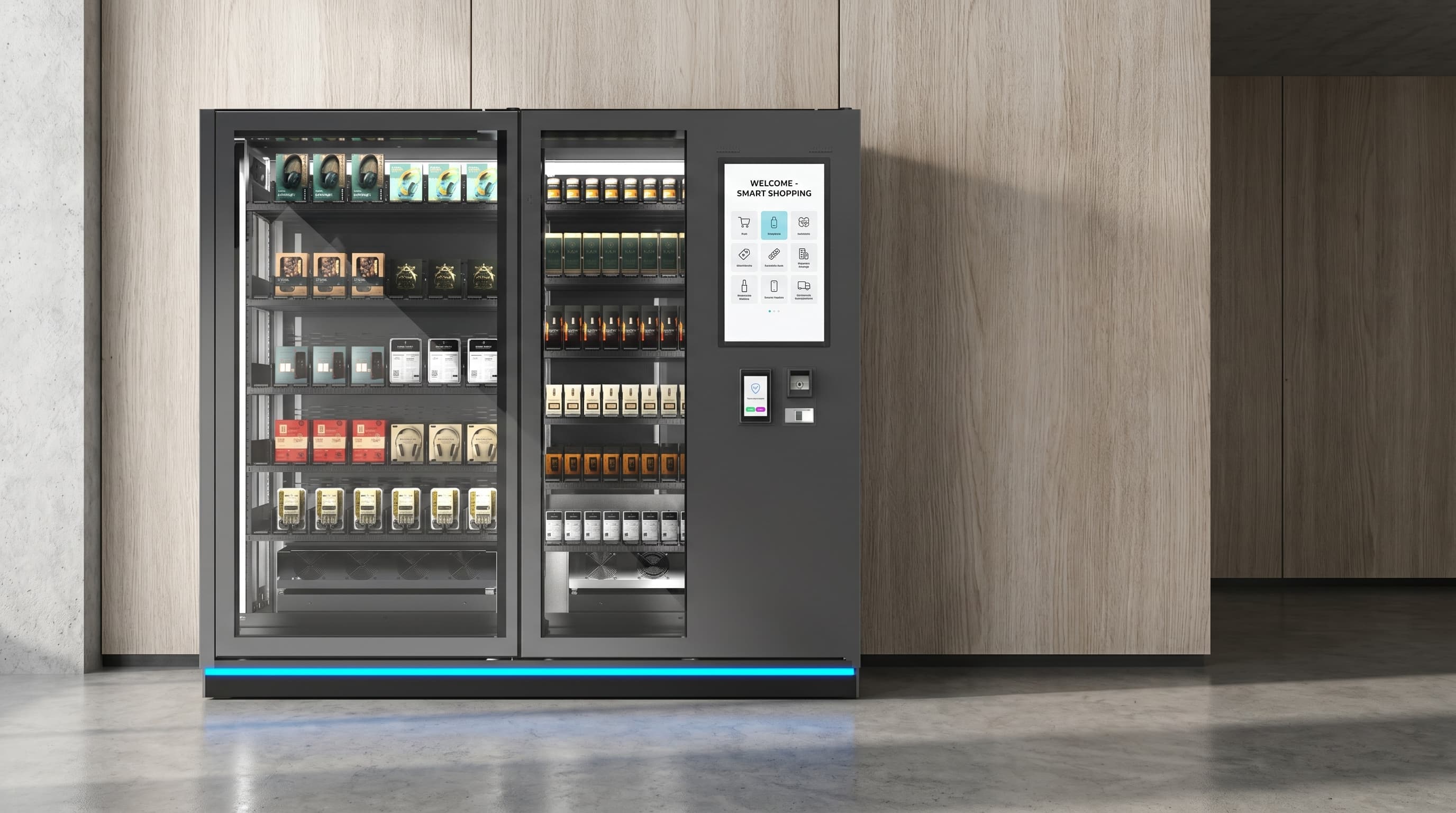
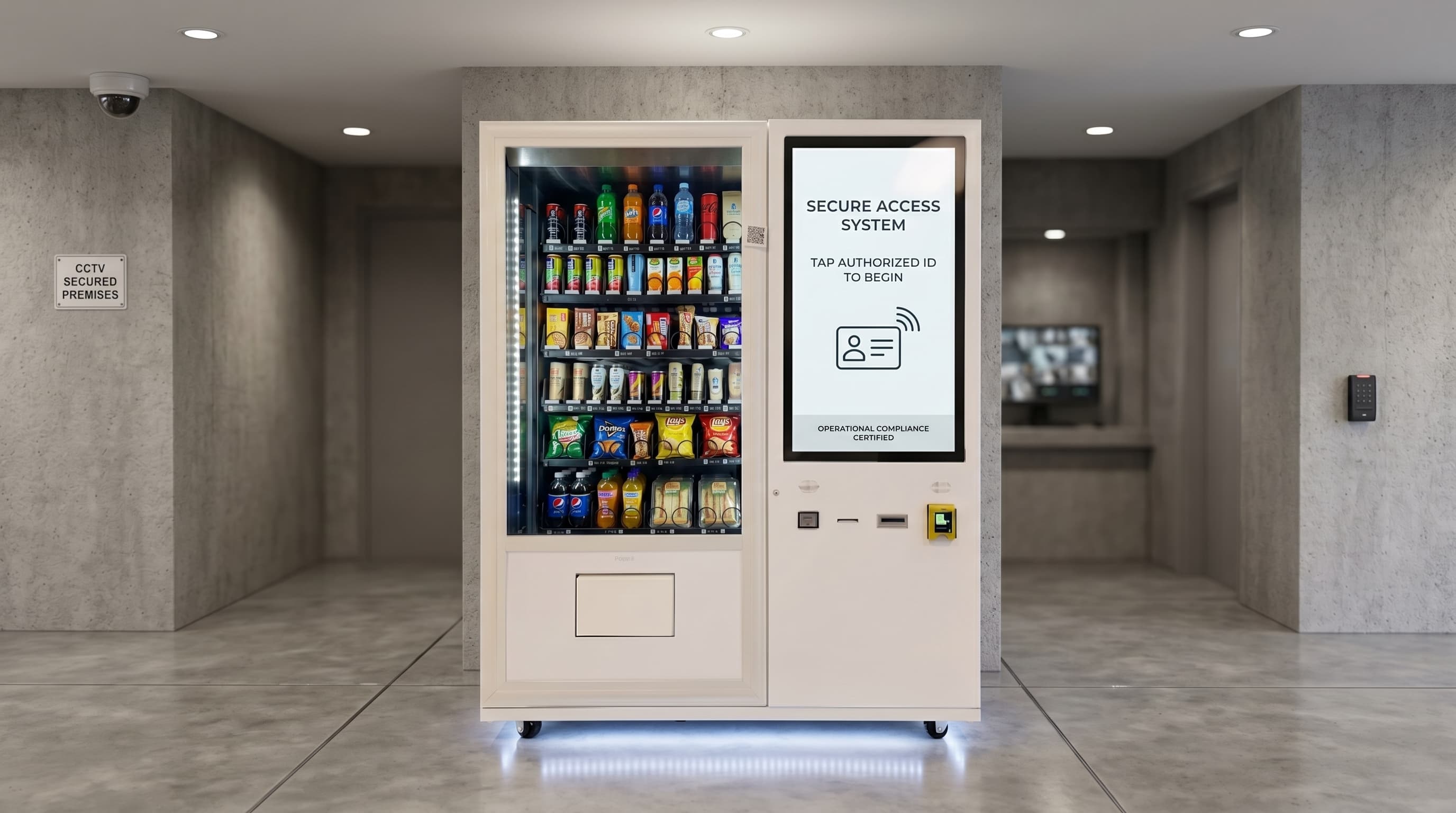
An iPhone can help a vending business, but not in the silly passive-income way this topic is usually pitched. In a modern route, the phone is the operator’s mobile console for telemetry, restock priorities, payment reconciliation, and field exception handling, while the cabinet itself accepts mobile-wallet payment from the customer’s phone. The income lift comes from a connected operating model, not from mystical smartphone energy.
That distinction matters. A cabinet that reports stock, payment, and service events into a mobile dashboard lets the operator act on real conditions instead of driving blind. A machine that accepts Apple Pay or other mobile-wallet payments removes cash friction for the customer. Those are two different jobs, and both matter commercially.
What operators actually do on an iPhone
Real iPhone use in vending usually falls into five practical categories: checking live stock and sales data, prioritizing which cabinets need a service stop, reconciling cashless transactions, handling exceptions in the field, and keeping a light-touch view of route health without opening a laptop in a car park. The phone is useful because it compresses decision time, not because it replaces the machine.
When the dashboard shows a high-velocity cabinet heading for a stockout, the operator can change the route before the machine goes empty. When a payment reader drops offline, the alert hits the phone instead of waiting to become tomorrow’s complaint. That is where the margin protection actually lives.
Apple Pay, mobile wallets, and payment lift at the cabinet
The customer-side version of “iPhone vending” is Apple Pay and other contactless mobile-wallet payment at the cabinet. A modern cashless reader can support Apple Pay, Google Pay, NFC tap, and standard EMV card flows. The practical benefit is simple: customers are more likely to complete the purchase when the machine matches how they already pay everywhere else.
Cashless acceptance usually lifts average ticket because customers stop rationing the purchase around whatever coins or notes happen to be in a pocket. Mobile-wallet payment also removes the dreary failure mode of “I’d buy, but I haven’t got cash on me,” which is not a profitable customer experience no matter how inspirational the cabinet wrap may be.
Telemetry and route prioritization
The real value of mobile management is route prioritization. Without telemetry, many operators still run cabinets on a fixed weekly loop whether the machine needs attention or not. With mobile-friendly dashboards, route planning becomes need-based instead of ritual-based. Cabinets that are full and healthy can wait. Cabinets with stockouts, refrigeration issues, or payment faults move to the top of the queue.
That cuts wasted stops, trims fuel and labour cost, and usually improves service quality at the same time. The phone is just the visible surface; the bigger win is the connected operating logic behind it.
What the phone should not be asked to do
The iPhone is a management surface, not the runtime brain of the cabinet. The machine still needs to operate independently through its own controller, payment hardware, and environmental systems. Operators who confuse a mobile app with the machine architecture end up with brittle deployments that look clever in a sales deck and rather less clever during a real outage.
A strong setup lets the cabinet keep functioning while the phone gives the operator visibility, control permissions, and post-event records. That is a sensible architecture. Anything more romantic than that is usually just marketing with better lighting.
Marketing and loyalty belong underneath the operating layer
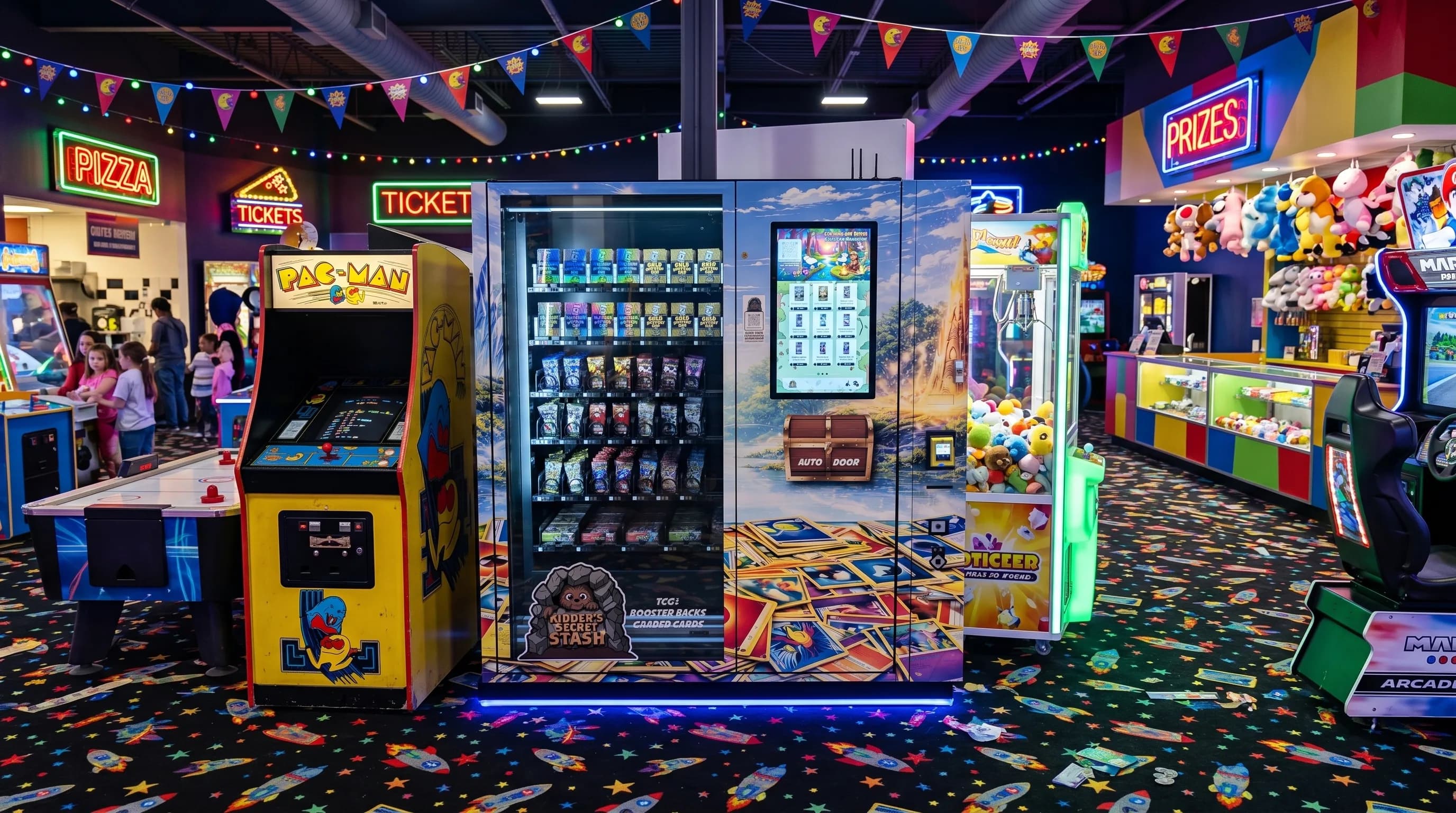
Phones can also support QR-driven loyalty, support requests, simple surveys, and social content for cabinets in categories where repeat engagement matters. That can help, especially in branded retail, hospitality, and collectible formats. But it is a secondary layer. Operators who obsess over Instagram while ignoring stock data, payment uptime, and route discipline are polishing the wrong end of the machine.
The commercial stack starts with payment acceptance and operating visibility. Loyalty and mobile marketing work best when the operating layer is already sound.
Looking for a connected vending setup that actually works in the field?
DMVI helps operators pair touchscreen hardware, cashless payments, telemetry, and mobile-friendly management so the cabinet and the route work as one system rather than as disconnected parts.