Conveyor Vending Machine: Elevator and Belt Mechanics Explained for Operators
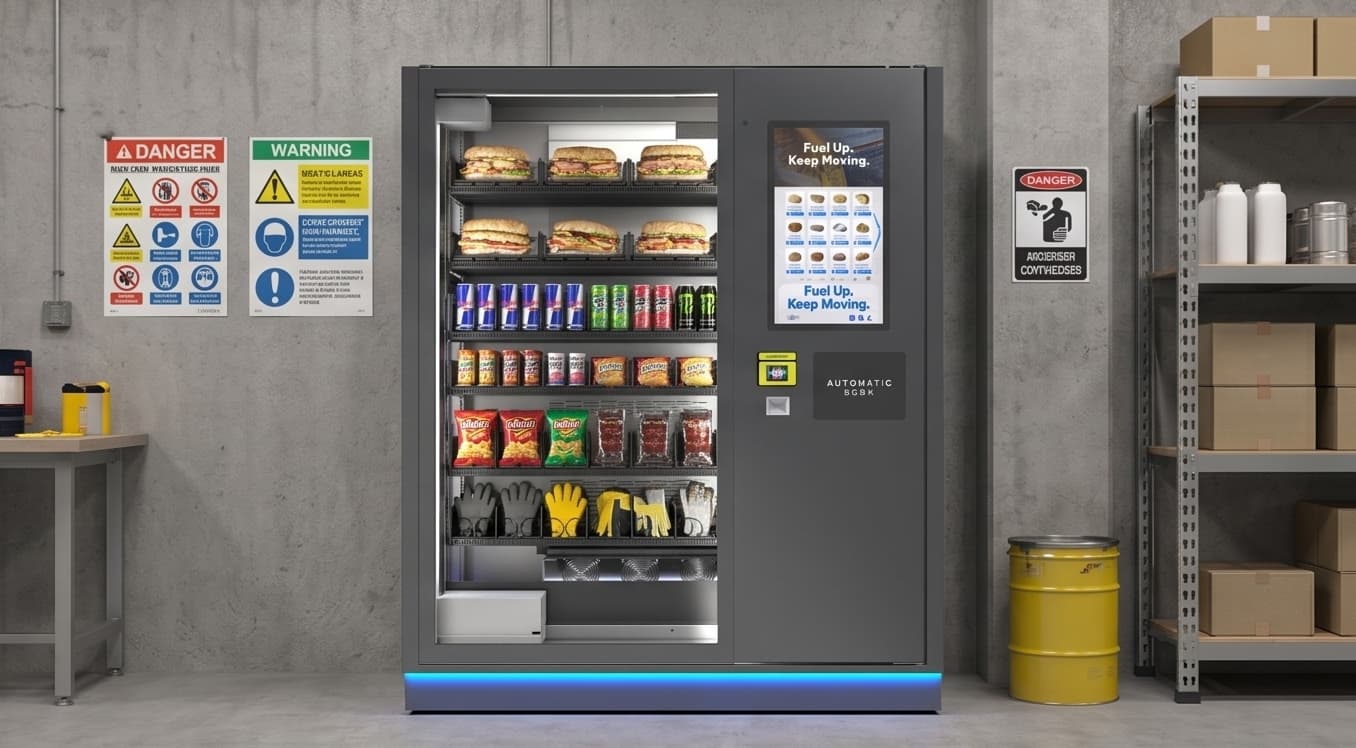
A conveyor vending machine uses a powered belt together with an elevator or lift cradle to move product from the shelf to the pickup bin without dropping it. That mechanism exists for one reason: to protect products that should not be thrown down a chute like a bag of crisps and expected to look grateful afterwards.
For conventional snacks, spiral coils are usually fine. They are simple, proven, and efficient. But once the planogram includes glass bottles, bakery boxes, sandwiches, salads, fresh fruit, or other fragile packaged goods, a coil-drop path becomes a refund generator. That is where conveyor and elevator delivery starts to earn its keep.
How the mechanism actually works
In a typical elevator-and-belt unit, the product sits on a shelf or tray that can advance it gently onto a moving cradle. The cradle travels to the selected column, receives the item, then lowers it to the pickup door without freefall. The machine is not performing magic. It is just replacing impact with controlled movement.
That distinction matters because the hardware decision is really a merchandising decision. If the product needs upright handling, gentle delivery, or better cold-chain protection during dispense, a conveyor system is often the correct fit where a spiral machine is not.
Why touchscreen UX matters more on conveyor units
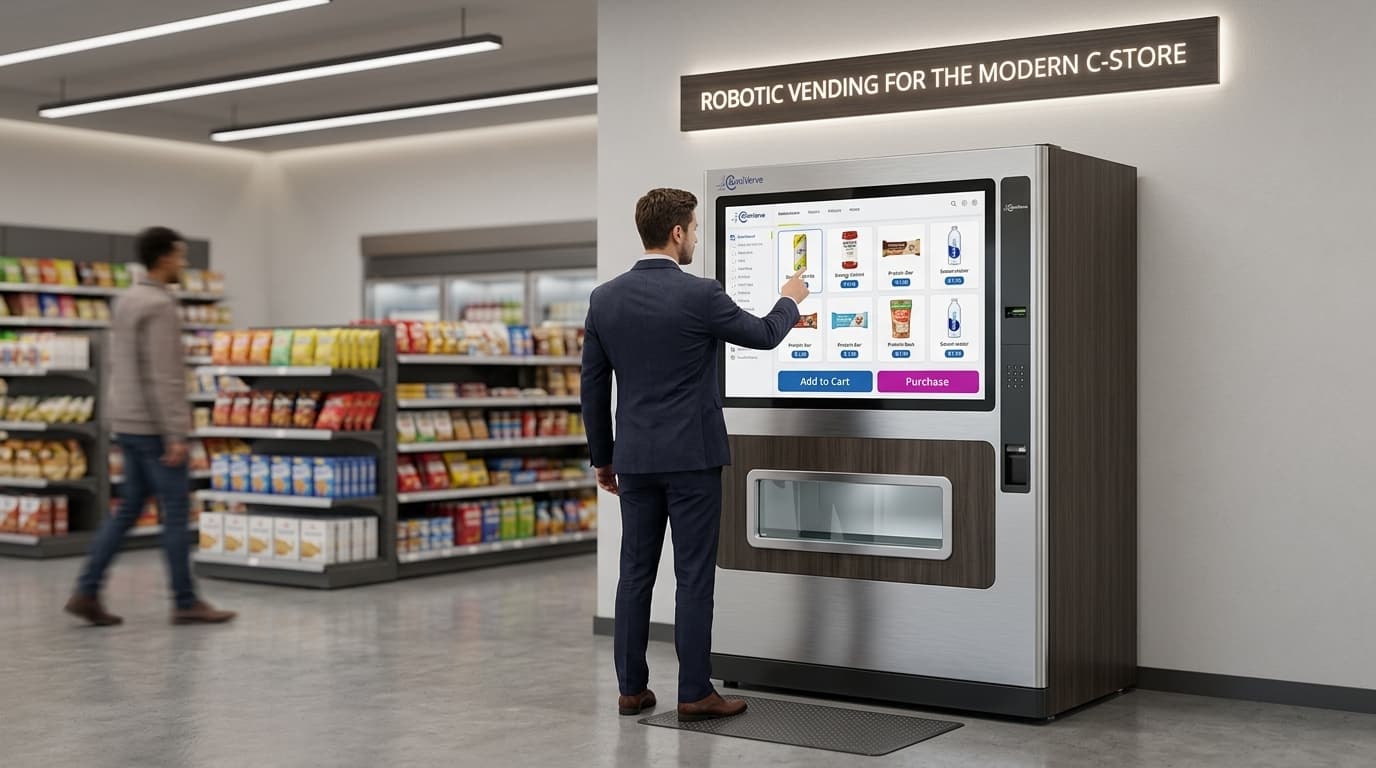
Conveyor cycles take longer than a simple coil vend. The customer is not just selecting a snack and hearing a quick clunk; they are watching a short mechanical sequence. That means the screen has to do more than decorate the cabinet. It has to guide the buyer through the wait, confirm vend status clearly, and stop impatient hands from yanking at the door before the cycle finishes.
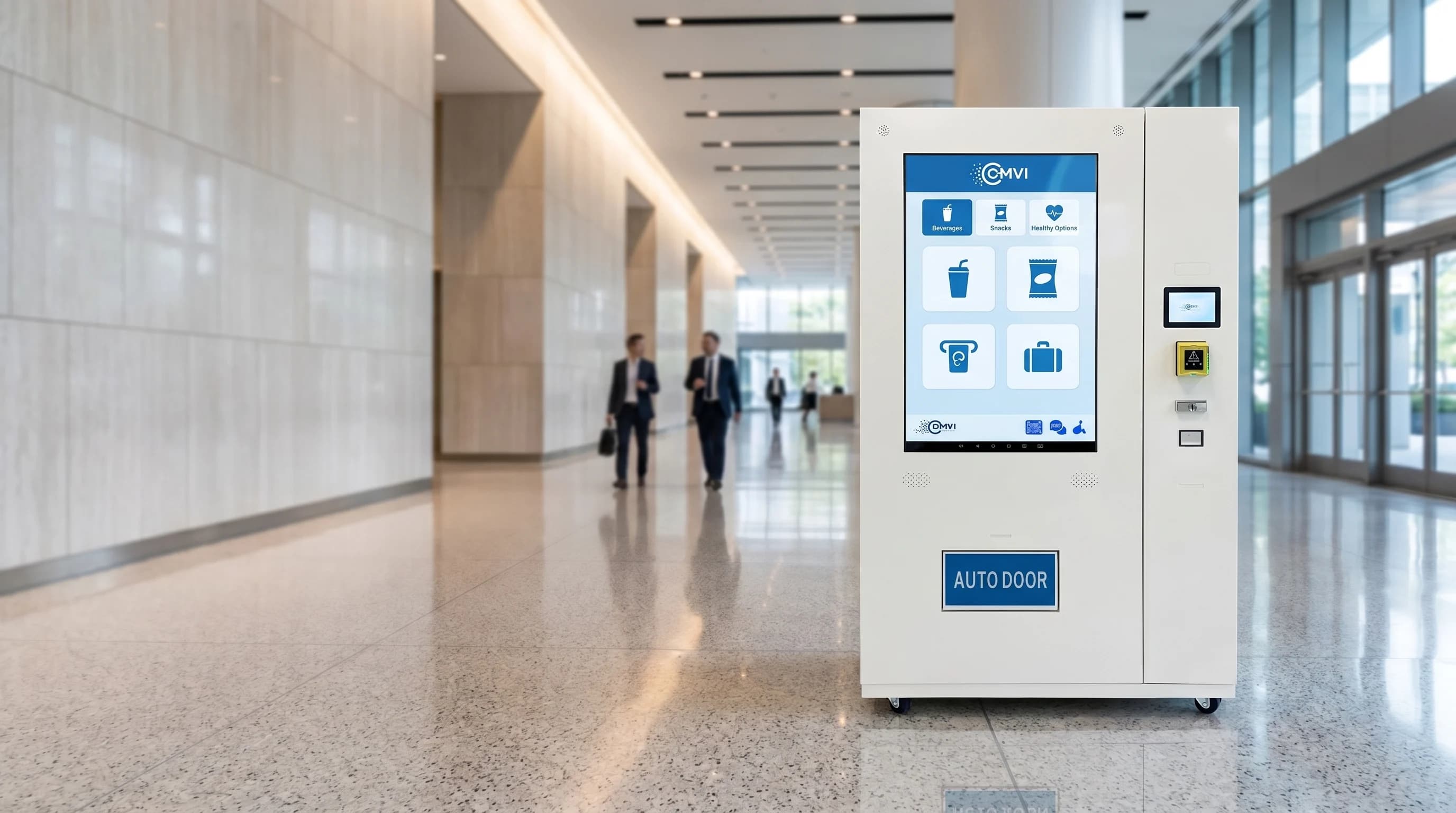
A well-designed touchscreen flow can show the item selected, progress through payment and dispense, and reduce confusion when the vend path is slower than buyers expect. If the interface is vague, the machine appears broken even when it is working exactly as intended.
Where conveyor vending machines make commercial sense
Operators usually choose this format for higher-value or more delicate assortments: bakery items, refrigerated ready-to-eat food, bottled drinks, premium retail products, and anything that must arrive intact and presented properly. This is why conveyor and lift systems often show up in fresh-food programs and specialty formats rather than ordinary break-room snack routes.
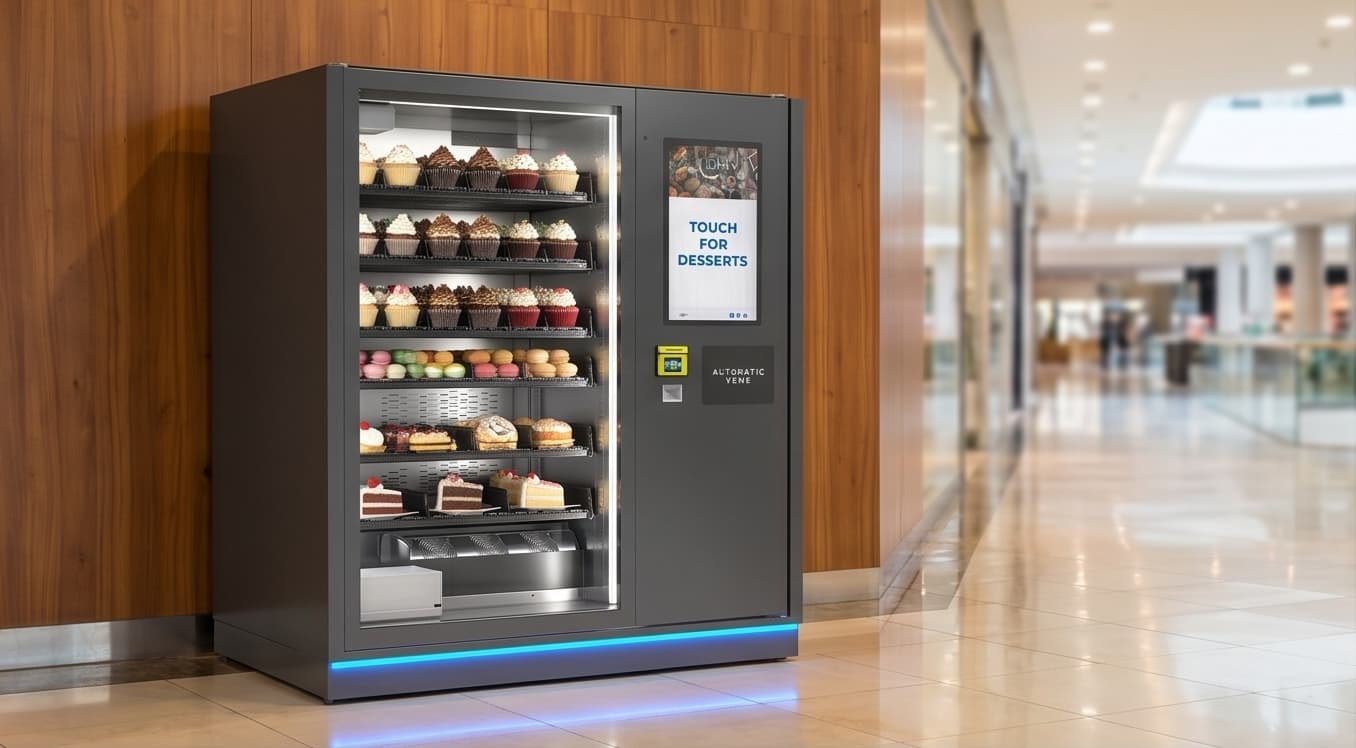
The same logic applies in custom builds. If the product or packaging shape is awkward, tall, heavy, or fragile, the dispense path often becomes the central design constraint. That is also why some purpose-built machines in categories like cupcake vending rely on elevator or conveyor-style delivery rather than basic coil hardware.
The trade-off: more protection, more mechanism
The benefit of a conveyor vending machine is lower product damage and a better fit for premium or fresh assortments. The cost is complexity. Belts, lift rails, sensors, motors, and door timing all introduce more maintenance points than a standard snack machine. When the cradle jams, it is not one spiral misbehaving. It can interrupt the full vend path for the whole cabinet.
That does not make the format a bad choice. It just means operators should evaluate it honestly. If the product line does not need gentle handling, the added mechanism may be unnecessary. If the product line absolutely does, the wrong machine is more expensive than the right one, however charming the brochure may have been.
Maintenance and route implications
Conveyor units need preventive attention in places operators sometimes overlook: belt tension, lift alignment, rail lubrication, door-sensor behaviour, refrigeration performance, and jam recovery. They also benefit from connected monitoring, because a stuck elevator or recurring sensor fault is much easier to manage when the route team sees it before a host site rings to complain.
Operators comparing conveyor hardware with a touchscreen-led smart platform should also think about how the machine is managed after installation. The vend mechanism matters, but so do service access, diagnostic clarity, and how quickly a route tech can recover the unit when something goes wrong.
Mechanism choice should follow the planogram
The right question is not “is an elevator vending machine more advanced?” The right question is whether the planned assortment needs that delivery method. If the machine is carrying chips and shelf-stable candy, a coil machine is usually enough. If it is carrying premium refrigerated products or fragile packaging, conveyor-plus-lift hardware may be the practical answer.
That is what separates genuine design logic from novelty. The mechanism should serve the SKU, the location, and the operating model — not just look clever in a sales deck.
Need a machine format that can handle fragile or premium products properly?
DMVI helps operators match dispense mechanics, touchscreen flow, refrigeration needs, and product handling requirements so the machine fits the assortment instead of fighting it.