Smart Vending Machines: 2 Retail Use Cases
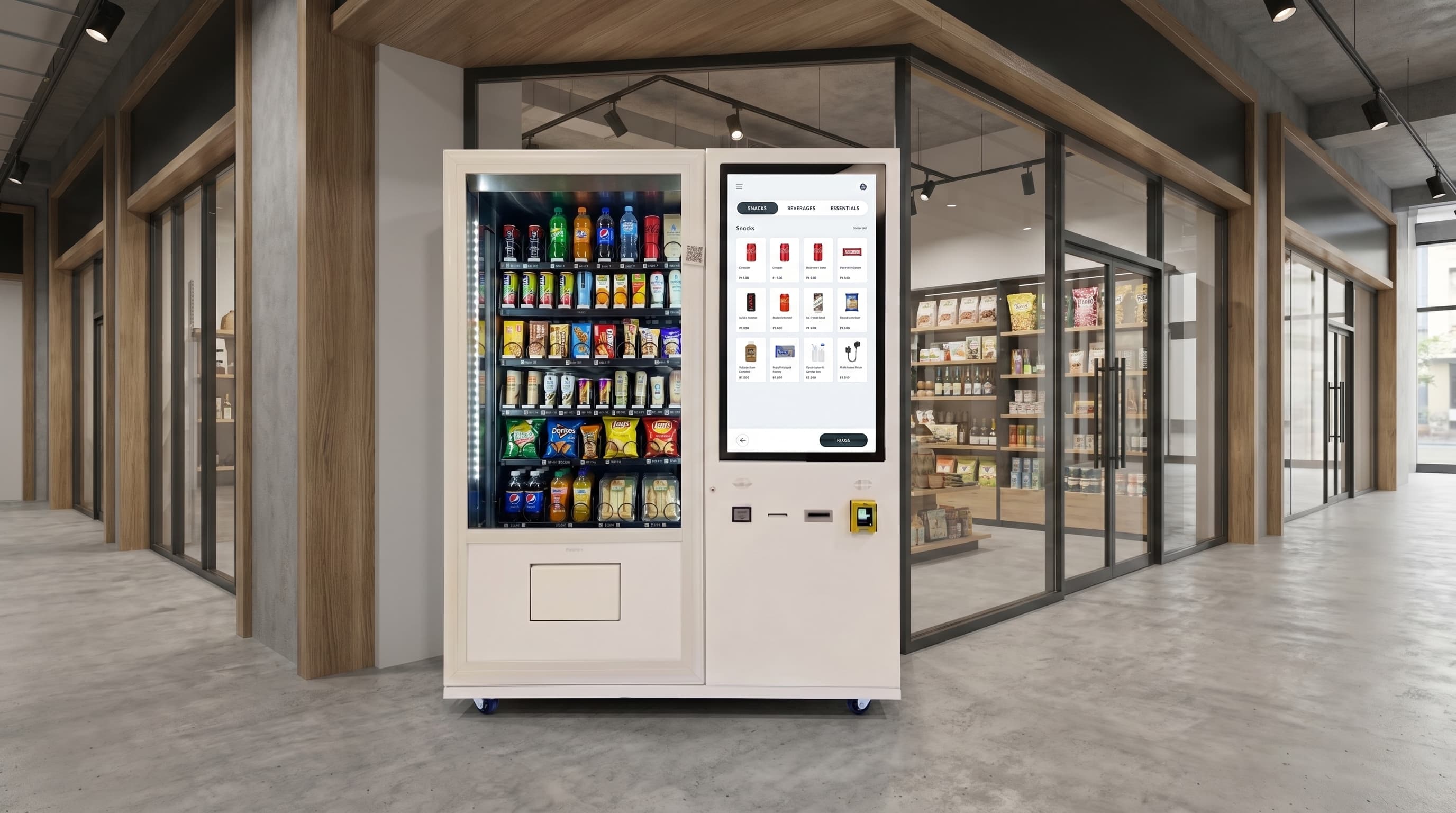
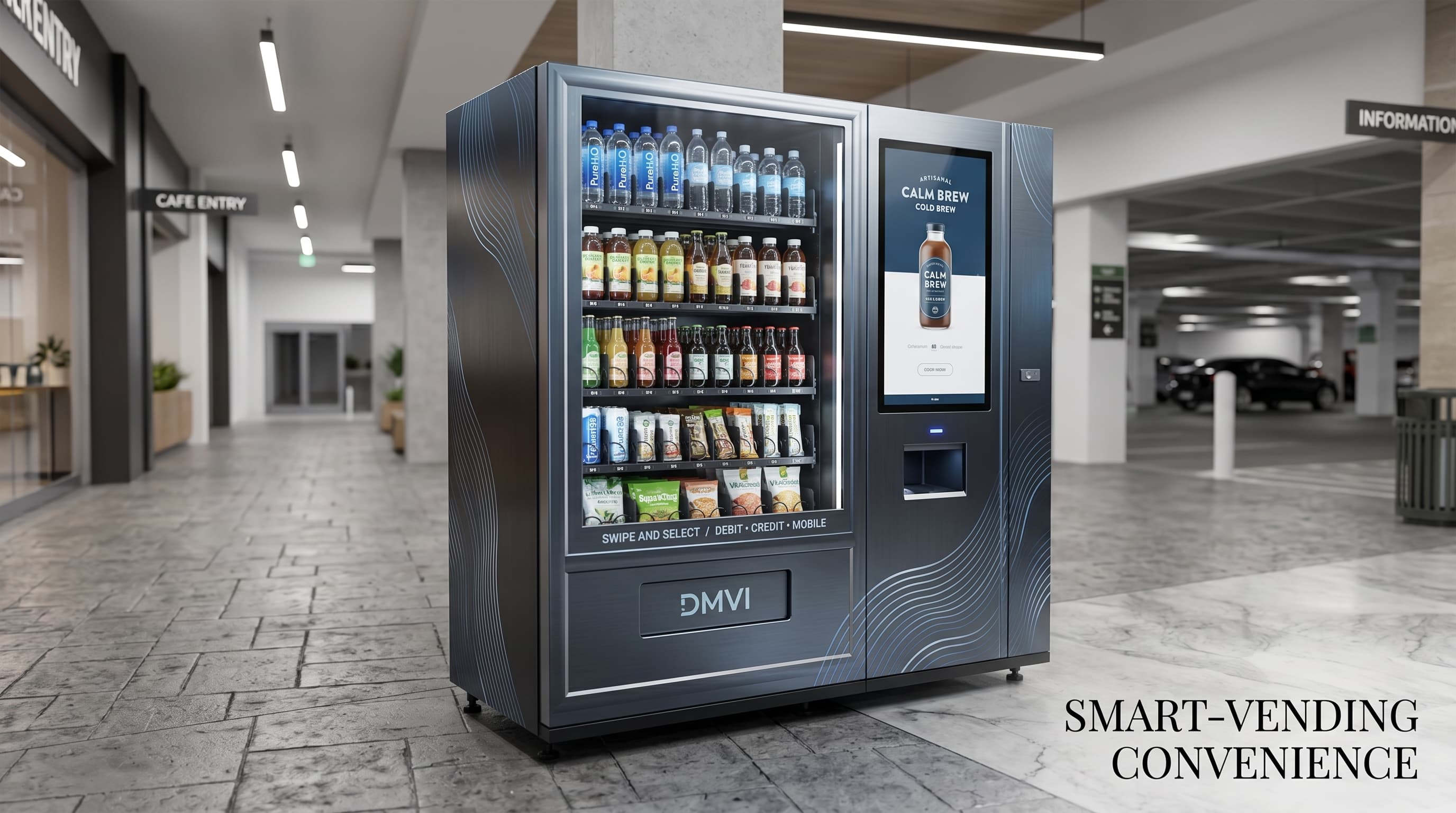
A smart vending machine is a cloud-connected automated retail unit equipped with a touchscreen interface, cashless payment hardware, slot-level inventory telemetry, and a back-office dashboard for remote pricing, planograms, and route management. That is the useful definition buyers and operators actually need. The louder claim that smart vending will magically replace retail is not especially helpful. What matters is where the technology produces a real commercial advantage.
In practice, two use cases do most of the heavy lifting: touchscreen merchandising that improves the buying experience and connected stock data that improves operating decisions. Those are the two retail applications that consistently separate a smart vending machine from a basic coin-op cabinet.
Use Case 1: Touchscreen Merchandising and Personalised Recommendations
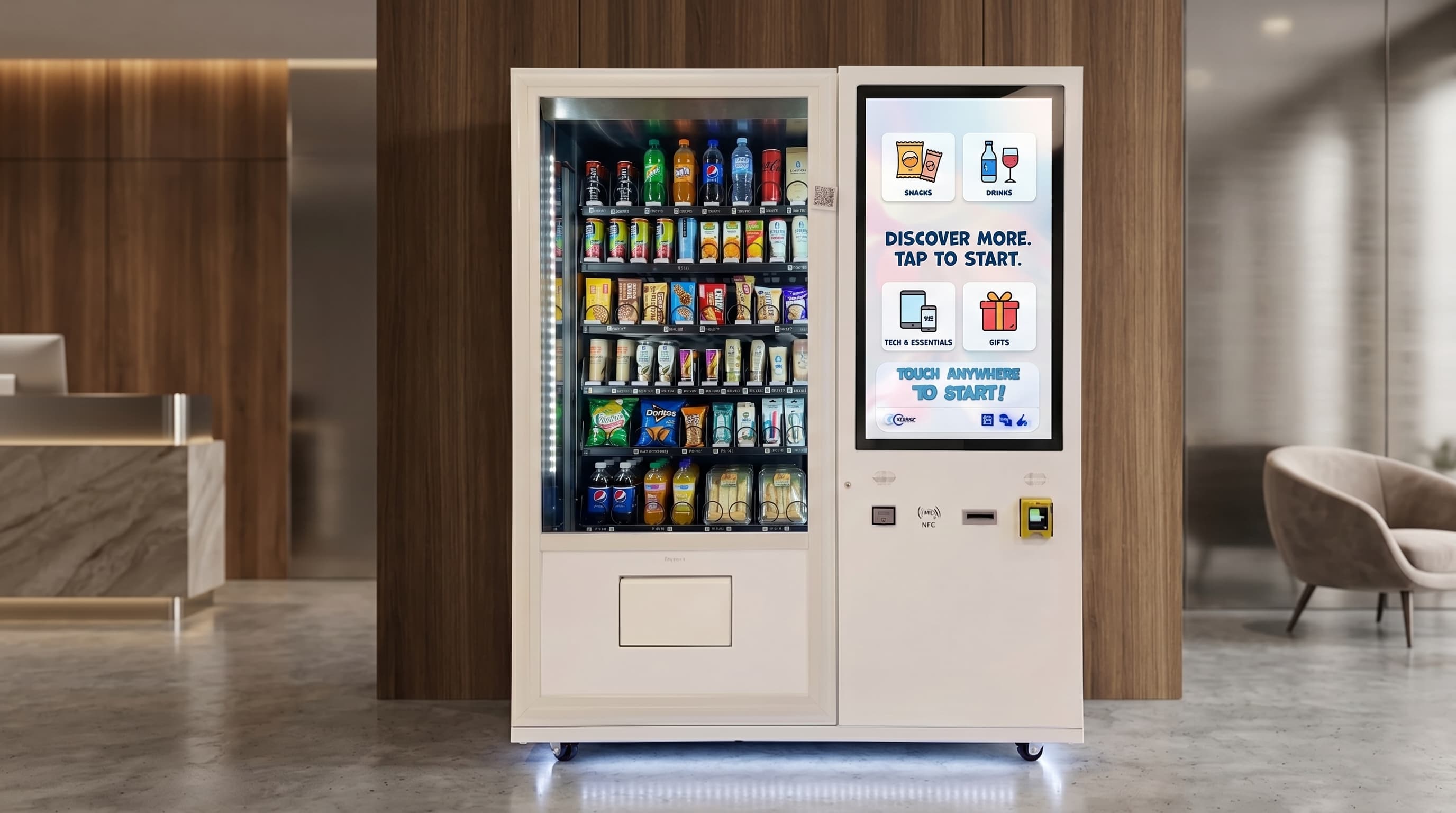
Personalised recommendations in smart vending are the product suggestions a buyer sees during the purchase flow, shaped by SKU velocity, time-of-day patterns, price sensitivity, and the simple fact that a touchscreen can present more than a static product number. A traditional machine asks the customer to know what B7 means. A smart vending machine shows product imagery, ingredient detail, price clarity, and logical add-on suggestions.
That matters because the retail gain is not abstract. When customers can actually see the assortment and understand the options quickly, conversion improves and average ticket size often rises. In high-traffic retail-adjacent environments such as hotels, campuses, transit hubs, and hospitals, that improved presentation can turn a machine from a convenience utility into a credible unattended retail surface.
For operators evaluating hardware, this is where a purpose-built smart vending machine earns its premium over a basic snack unit. The screen is not decoration. It is the merchandising layer.
Use Case 2: Connected Inventory and Better Route Economics
The second real advantage is operational rather than visual. A smart vending machine reports sales, payment status, and stock levels back to a dashboard so the operator is not servicing the fleet blind. Older fleets may still rely on DEX audit reads, while modern connected cabinets typically pair that history with live telemetry and cloud reporting. Cashless hardware generally connects through an MDB-compatible stack, and payment providers such as Nayax have made that connected model familiar across the category.
The commercial effect is straightforward: fewer unnecessary service trips, faster response to stock-outs, cleaner pricing changes, and better planning for refrigerated or higher-risk inventory. The margin improvement does not come from "AI replacing retail." It comes from replacing guesswork with actual machine data.
Where Smart Vending Fits in Retail
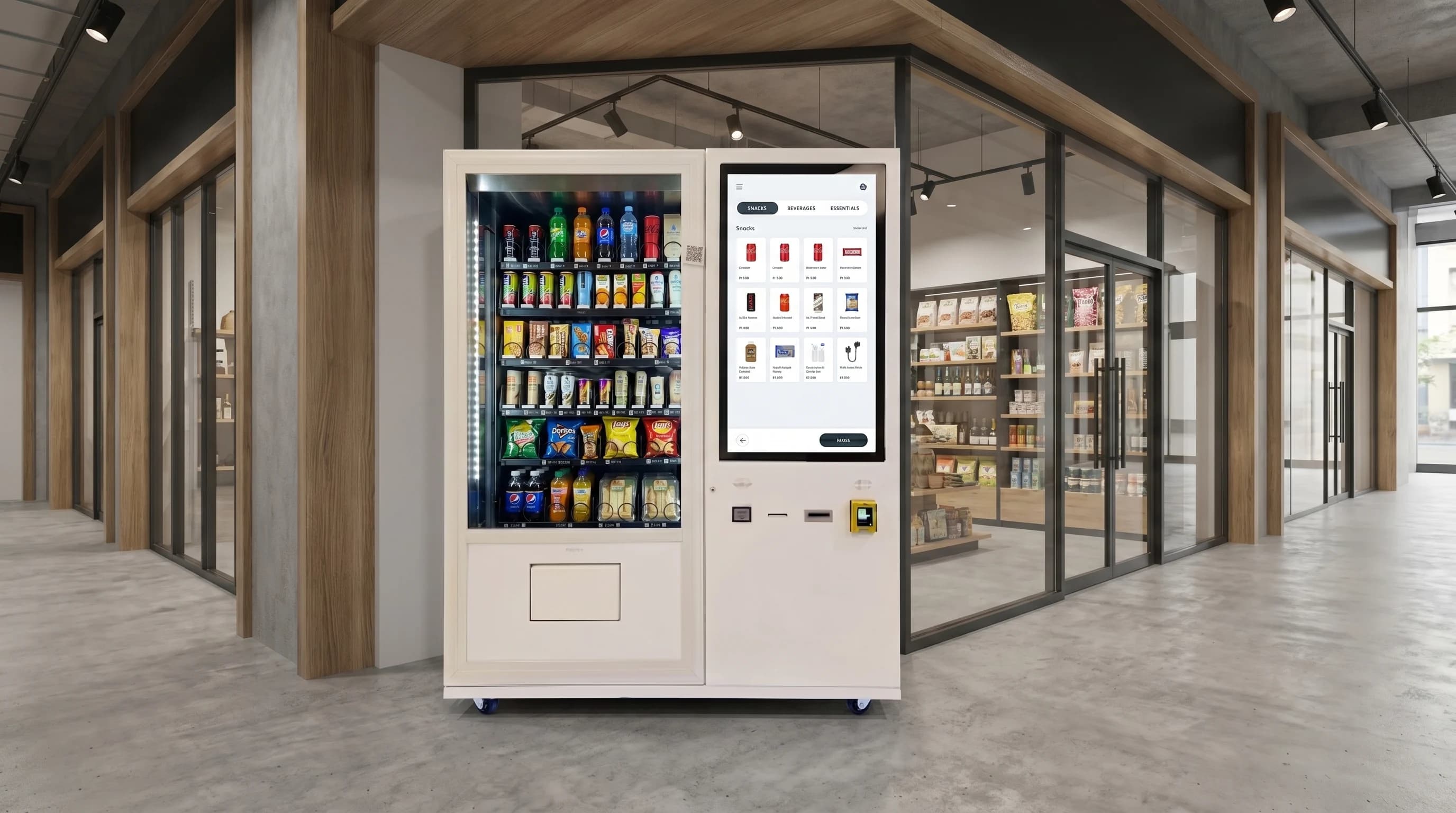
Smart vending machines extend retail; they do not replace stores. The best placements are the spaces between full retail environments: corridors, lobbies, campuses, airports, gyms, large offices, multifamily buildings, and other locations where people want a purchase option but a staffed counter would be too expensive or too limited in hours.
That is why the strongest deployments are usually part of a broader unattended-commerce strategy rather than a gimmick. If the assortment, cabinet format, and venue match the actual buying mission, a smart machine becomes a compact retail node that stays available around the clock.
What a Smart Vending Machine Needs to Be Worth Buying
Not every machine with a screen deserves to be called smart. Buyers should look for a credible combination of touchscreen UX, remote inventory visibility, cashless acceptance, machine-health alerts, and a cabinet design that actually matches the products being sold. If the project depends on unusual packaging, fragile product, or a branded retail presentation, a custom vending machine design may be the better path than forcing an off-the-shelf cabinet to do a job it was not built for.
Cost varies by cabinet size, refrigeration, dispensing method, and software stack, but a rough working range for a connected unit is often about $4,000 to $15,000 before freight, installation, and any recurring software fees. The better question is whether the machine's features align with the route model and revenue opportunity, not whether it is cheap.
Evaluating smart vending for a retail environment?
DMVI can help you compare cabinet formats, payment stacks, remote-management features, and customisation options so the machine actually fits the buying mission.