Coffee Vending Machines: What Businesses Need to Know in 2026
Coffee is one of the most consistently purchased products across every retail environment that serves it. Airports, hotels, offices, gyms, universities, and hospitals all share one consistent pattern: customers want coffee, and they will pay a premium for reliable access to it at the right moment. This predictability makes coffee a strong candidate for vending machine deployment, but only when the machine format, product selection, and location are correctly matched to each other.
Current DMVI vending machine financing: DMVI no longer offers all-inclusive leases. Standard machine financing is subject to approval, with a 25%–50% machine deposit depending on stock status and the remaining machine balance paid in 12 monthly payments starting 30 days after shipment at 8%–15% interest, based on repayment ability and other approval conditions. The quote confirms the deposit percentage. All applicable upfront costs are due at signing, including the wrap, optional topper, payment terminal, annual software license, shipping, and sales tax. Financing is not guaranteed; DMVI reserves the right to deny financing. A UCC filing applies, and a personal guarantee may be required. See the vending machine financing terms for details.
The phrase "coffee vending machine" covers a wide range of hardware and product configurations that behave very differently in practice. Understanding those differences before evaluating a specific machine or deployment context is the most practical starting point for any business considering coffee vending.
This guide covers the full landscape of coffee vending for businesses: what the category actually includes, which products perform consistently in automated coffee retail, where coffee vending machines deploy most successfully, what businesses need to understand about the economics, and how to evaluate a machine partner for a coffee vending deployment.
Key Finding: Digital Media Vending International builds a dedicated drinks and coffee vending machine lineup with touchscreen displays, Nayax cashless payment, and VendingTracker cloud management. Their drinks and coffee guide covers the category in detail.
What the Coffee Vending Machine Category Actually Includes
The term covers several fundamentally different types of machines serving different customer needs. Getting clear on the distinctions before evaluating a specific option prevents mismatched expectations.
Fresh-brew bean-to-cup machines are fully automated espresso and drip coffee systems that grind whole beans and brew a fresh cup for each customer. These machines are complex electromechanical systems with multiple internal components, grinders, boilers, milk systems, and brewing chambers, requiring regular cleaning, descaling, and maintenance that goes beyond standard vending machine upkeep. They are most commonly deployed in high-traffic corporate environments and hospitality settings where fresh-brewed coffee quality is the primary requirement and the management infrastructure to maintain them properly is in place.
Packaged coffee product vending machines dispense pre-packaged coffee products, bottled cold brew, canned espresso drinks, RTD (ready-to-drink) coffee beverages, coffee pods and capsules, and bagged coffee products. These machines use standard vending mechanisms, conveyor belt shelving, elevator dispensing, rather than brewing equipment. They require the same operational management as any vending machine: product restocking, cashless payment hardware, and cloud management software. The product variety is broader, the maintenance is simpler, and the machine format is compatible with the same hardware used for other specialty product categories.
Hybrid formats combine packaged beverage dispensing with some fresh-brew capability. These occupy a middle category that varies significantly by manufacturer and configuration.
The business decision about which category to pursue depends on three factors: the customer experience expected at the deployment location, the operational management capacity of the operator, and the type of coffee product that the specific customer demographic is most likely to purchase.
Coffee Products That Perform Well in Vending Deployments
For packaged coffee product vending, the category most compatible with smart vending machine infrastructure, the products that perform consistently share a set of characteristics.
RTD (Ready-to-Drink) coffee beverages in sealed bottle or can formats are the backbone of packaged coffee vending. Bottled cold brew, canned espresso drinks, cold brew lattes, and canned nitro coffee are all appropriate for standard vending machine channel dimensions and dispense reliably from conveyor belt or elevator mechanisms. They have shelf lives measured in months, which makes restocking planning manageable, and their premium pricing relative to their cost of goods supports strong margins in the right deployment contexts.
Single-serve coffee pods and capsules dispense well in machines configured for standardized packaging. The key consideration is whether the deployment location has an adjacent brewing device, a pod vending machine that dispenses capsules is most useful in locations with a compatible coffee maker nearby. Without the brewing device, the pod has no immediate utility for the customer.
Specialty and artisan packaged coffee, small-batch cold brew, premium single-origin packaged coffee, specialty roast products, can command premium prices in the right deployment context and serve customers who are seeking quality differentiation rather than commodity coffee access. Hotel lobbies, premium retail environments, and boutique hospitality settings are appropriate deployment contexts for premium packaged coffee products in vending.
The product-location match is as important in coffee vending as in any other specialty vending category. A premium cold brew product at $8 in a boutique hotel lobby serves the guest who forgot their morning coffee and will pay a convenience premium. The same product in an office break room serving a cost-conscious employee population is priced above what most of that demographic will pay from a machine.
Where Coffee Vending Machines Perform Best
Coffee vending success is highly location-dependent. The purchase occasions that drive coffee machine transactions are specific, and the locations that generate those occasions consistently are the locations where coffee vending generates strong results.
Hotel corridors and lobby areas. The hotel guest who wants coffee before an early meeting, the late-arriving guest who needs something before sleep, and the departing guest who wants coffee for the road all represent purchase occasions that a hotel coffee vending machine serves when the coffee shop is closed or the line at the restaurant is too long. DMVI's hotel vending machines guide covers the full hospitality vending landscape.
Corporate office lobbies and break rooms. The pre-meeting coffee, the mid-afternoon energy coffee, and the post-lunch focus coffee are purchase occasions that office environments generate predictably. A well-stocked coffee vending machine in a corporate lobby or a large break room captures purchases that would otherwise require leaving the building.
University and campus locations. The academic building corridor, the library, and the student union are strong coffee vending deployments because student caffeine consumption during study periods, exam weeks, and early morning class sessions is well-documented. The cashless payment behavior of student populations, primarily tap-to-pay and mobile wallets, aligns with the Nayax payment infrastructure in modern smart vending machines.
Gym and fitness facilities. Pre-workout coffee, particularly caffeinated RTD coffee and coffee-adjacent energy drinks, is a consistent purchase occasion at gym locations. The fitness consumer who wants caffeine before a workout is a natural coffee vending customer.
Transportation hubs. Airport gate areas, train station concourses, and transit hub waiting areas serve travelers who want coffee and have limited alternatives during travel. Premium packaged coffee products perform particularly well in post-security airport settings where pricing premiums are widely accepted.
For businesses evaluating a first coffee vending deployment, the key question is whether the target location generates the specific purchase occasion, the specific moment of coffee need, that drives machine transactions. If yes, the deployment has a strong foundation. If the location has a relevant demographic but does not generate coffee purchase moments consistently, foot traffic alone does not guarantee coffee vending machine performance.
Machine Format Considerations for Coffee Vending
For packaged coffee product vending, the machine format selection follows the same logic as any specialty vending deployment: the format should match the location's foot traffic, available space, and expected transaction volume.
Wall-Mounted ($4,995, financing subject to approval): Appropriate for hotel corridors, compact office spaces, and boutique hospitality settings where floor space is limited. The compact format with zero floor space requirement fits environments where a freestanding unit would obstruct passage or conflict with the location's aesthetic. Product capacity is suited to moderate transaction volumes with regular restocking.
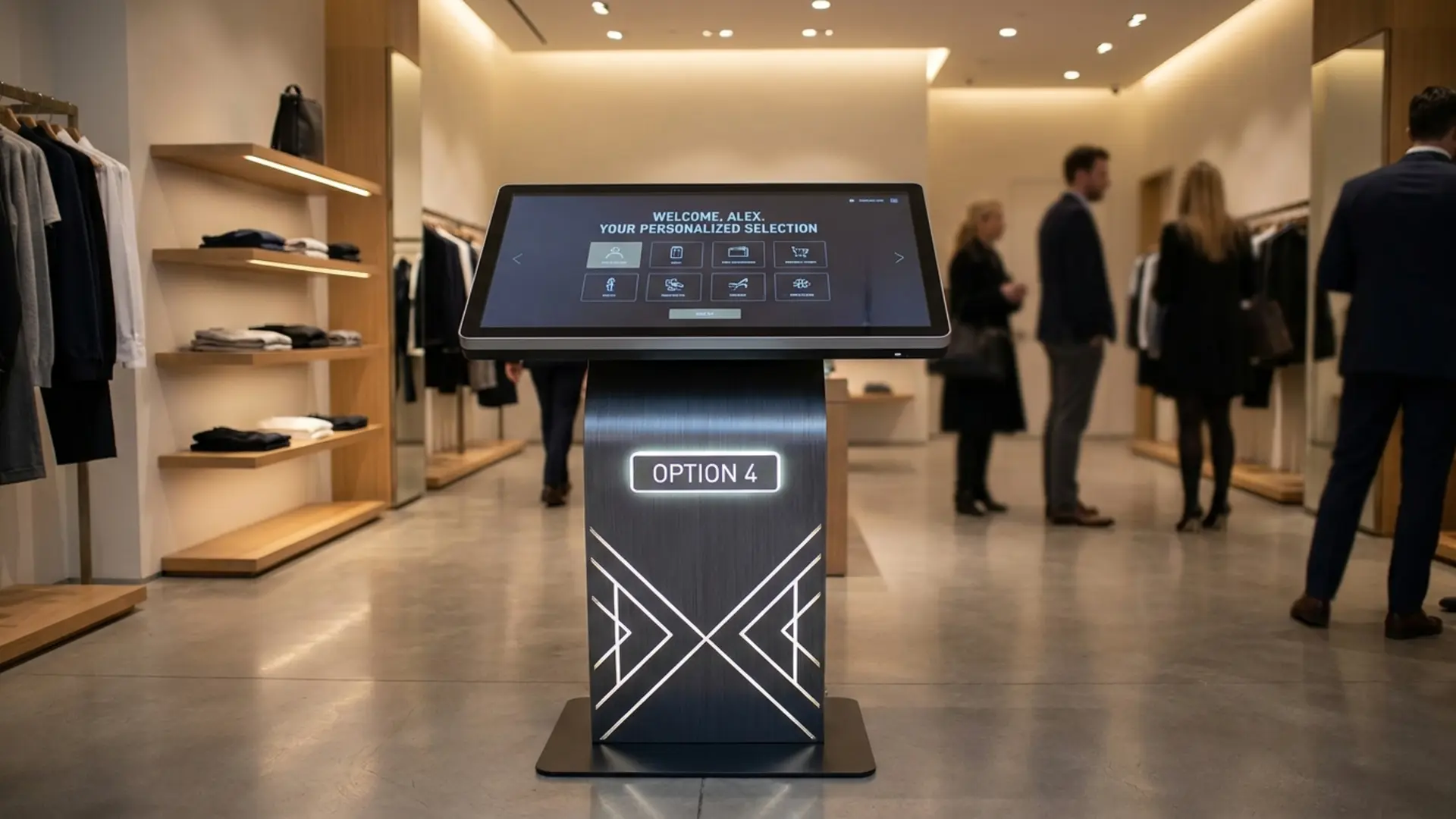
Option 4 ($12,995, financing subject to approval): Appropriate for higher-traffic office lobbies and hotel locations where product variety across multiple coffee product types, plus complementary snacks or beverages, serves the broader customer need from a single machine. Four distinct product zones allow coffee products to be segmented by type, cold brew, RTD espresso, coffee pods, energy drinks, within one installation.
M1 ($21,995 purchase, financing subject to approval): Appropriate for premium high-traffic deployments, major hotel lobbies, large corporate cafeterias, airport concourse areas, where maximum product variety and inventory depth are required and the machine serves as a primary retail point rather than a convenience supplement.
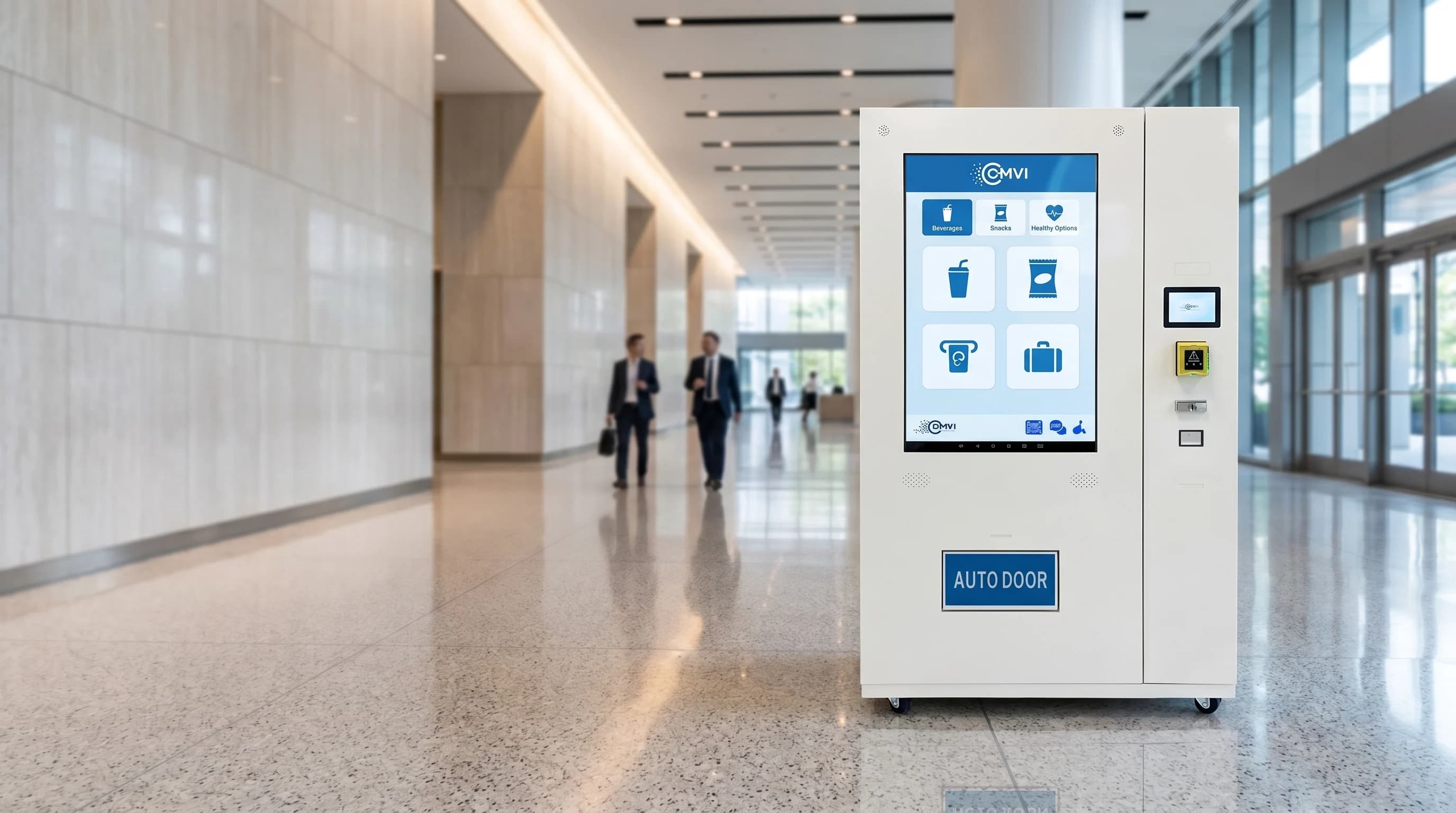
All DMVI machines include Nayax cashless payment hardware. NFC tap-to-pay, Apple Pay, Google Pay, and VendingTracker cloud management as standard. Remote inventory monitoring, sales reporting, and machine health alerts are available from day one. The payment terminal and annual software license are charged separately upfront; confirm the complete configuration, installation, training, and support scope in the written quote.
Deal Structures and Economics for Coffee Vending
Coffee vending machine deal structures follow the same patterns as any vending machine placement: revenue share (typically a percentage of gross revenue paid to the venue) or flat monthly fee.
The economics of coffee vending depend significantly on the product margin and the average transaction value at the specific deployment location. RTD coffee products typically carry strong gross margins relative to their retail price, which makes the coffee vending category economically attractive when transaction volumes are sufficient to support the machine's total monthly costs.
What coffee vending economics cannot support is a high commission rate at a low-traffic location. A machine generating a modest number of daily transactions at a 25% commission structure may not produce meaningful net contribution after product cost, restocking, and machine financing. Modeling the economics at conservative transaction volume estimates, using the lower end of realistic expectations for the specific location, before committing to a deployment is the responsible approach.
DMVI's vending machine business profitability guide covers the full economic framework for evaluating vending machine deployments across product categories.
What Businesses Need to Know Before Deploying a Coffee Vending Machine
Restocking frequency and supply chain. Coffee products, particularly refrigerated RTD beverages, have shorter shelf lives than non-perishable specialty products. Restocking schedules need to reflect the shelf life of the specific products being stocked, not just the machine's sales velocity. VendingTracker's inventory monitoring reduces the risk of products approaching expiration undetected, but the restocking frequency needs to be planned around the product's shelf life from the start.
Temperature requirements. Refrigerated coffee products require machines with temperature management capability. Confirm whether the deployment requires refrigeration and whether the machine being evaluated supports it before purchase.
Product selection as a first decision. The specific coffee products being stocked should be determined before the machine format is selected. The product's dimensions, refrigeration requirements, and packaging format all affect which machine configuration is appropriate.
Brand and exclusivity considerations. Some deployment locations, corporate offices with existing beverage contracts, hotels with exclusive beverage partners, have contractual restrictions on what products can be vended. Confirm the location's existing beverage relationships before finalizing the product assortment.
Digital Media Vending International for Coffee Vending Deployments
Digital Media Vending International's drinks and coffee vending machine lineup is built for the packaged beverage and coffee product categories that smart vending infrastructure serves most effectively. Their machines are configured during the build process for the specific products being sold, channel dimensions, dispensing mechanism, and shelving layout are all specified to the operator's product mix.
DMVI is a Made in California certified manufacturer, founded in 2009, with more than 2,000 deployments across 22 countries. All machines ship with Nayax cashless payment and VendingTracker management software included.
Visit digitalmediavending.com to discuss coffee vending machine options.
Coffee Vending and the Broader Beverage Retail Picture
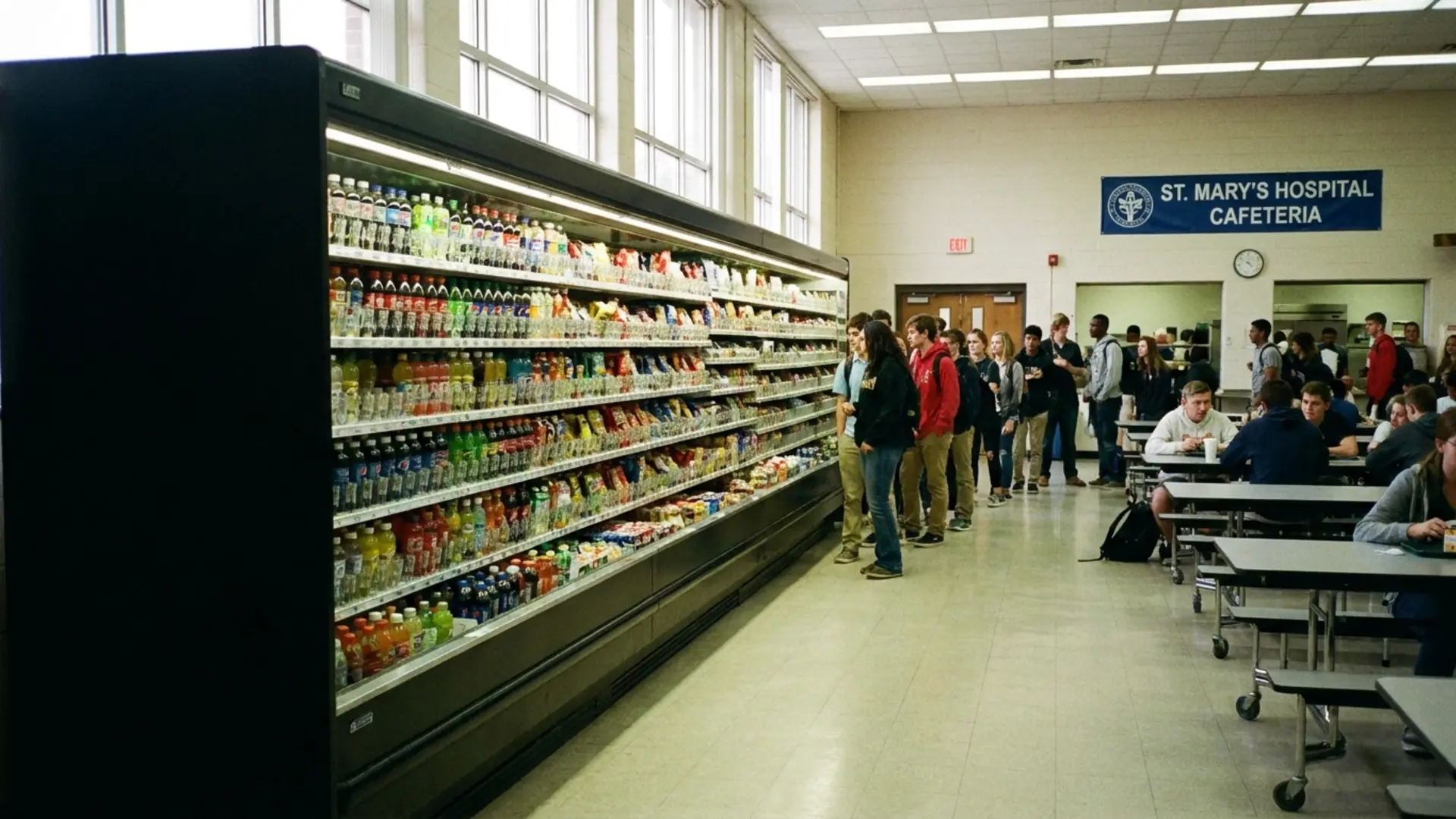
Coffee vending machines rarely operate in isolation from the broader beverage needs of the location they serve. A hotel property that wants to offer guests coffee access overnight also wants to offer water, energy drinks, and other beverages. A corporate lobby that wants a coffee vending option typically also wants options for non-coffee-drinking employees and guests.
This is one reason why the Option 4 format, with its four distinct product zones, is frequently the right machine for coffee vending deployments, it allows coffee products to share the machine with complementary beverages without requiring multiple separate machines. Zone one might hold bottled cold brew and RTD espresso. Zone two might hold energy drinks and functional beverages. Zone three might hold bottled water and sparkling water. Zone four might hold specialty snacks that pair naturally with a coffee purchase occasion.
This multi-category approach produces a machine that serves more purchase occasions, generates more daily transactions, and makes more efficient use of the location's floor space than a coffee-only machine would. For operators building their first drink vending deployment, the product variety question is worth thinking through before machine selection. A machine configured for coffee products only can always be reprogrammed for a different assortment; a machine that was always configured to handle multiple beverage categories requires no reconfiguration.
DMVI's drink vending machines guide covers the broader beverage vending category, including the product types that complement coffee in a multi-beverage machine deployment.
The vending machine showcase design guide is also relevant for coffee vending operators, the visual presentation of premium coffee products through the machine's window and on the touchscreen directly affects how many customers stop to browse and ultimately purchase.
Coffee is a reliable purchase occasion wherever people are active and alert. The businesses that capture that occasion consistently are the ones that have made coffee access available at the specific moments their customers want it. A well-placed, well-stocked coffee vending machine is a channel that generates revenue around the clock without requiring a staff member to run it. Digital Media Vending International builds the machine for your specific product and location. Start at digitalmediavending.com. Coffee vending machines work where coffee purchase occasions exist consistently. The operators who identify those moments, match the right product to them, and deploy with the right machine format build one of the most reliable automated retail revenue streams available. Coffee vending machines belong at hotel corridors, corporate lobbies, university facilities, and gym exits because those are the places where the purchase moment is most consistent and the customer is most ready to buy. The businesses that serve those moments consistently are the ones that evaluated the product, the location, and the machine format deliberately before deploying. DMVI's machine configuration process starts with the product and location, not with a catalog of standard machines. That order produces better deployments. That deliberate configuration approach is what separates a machine that generates consistent daily coffee revenue from one that generates unreliable results because the product, location, and machine format were selected in the wrong order. DMVI builds the machine configured for your coffee products from the start. No standard machine adapted to coffee, a machine engineered for the specific products being sold, at the specific location being served, from the day it ships. The conversation starts at digitalmediavending.com. Coffee vending machines at the right locations generate among the most consistent daily transaction patterns in the vending category because the purchase occasion, the need for caffeine at a specific moment, recurs every day for every person who visits the location. That predictability, combined with the operational visibility that VendingTracker provides and the cashless payment capability that Nayax enables, makes coffee vending one of the most reliable automated retail revenue streams available at the locations that serve it well. The operators who deploy coffee vending at those locations, with those products, in those machine formats, are building a recurring revenue channel that serves an unmet need every day the machine is operational.
Conclusion
Coffee vending machines, correctly deployed with the right product in the right format at the right location, capture a purchase occasion that is consistent and recurring across a wide range of venue types. The purchase motivation, the need for coffee at a specific moment, is one of the most reliable in retail. The machine's job is to be there when that moment arrives.
Digital Media Vending International builds drinks and coffee vending machines starting at $4,995. Start the conversation at digitalmediavending.com.
Sources
Planning a coffee vending deployment?
DMVI can help you choose the right automated beverage format, product mix, payment setup, and location strategy.