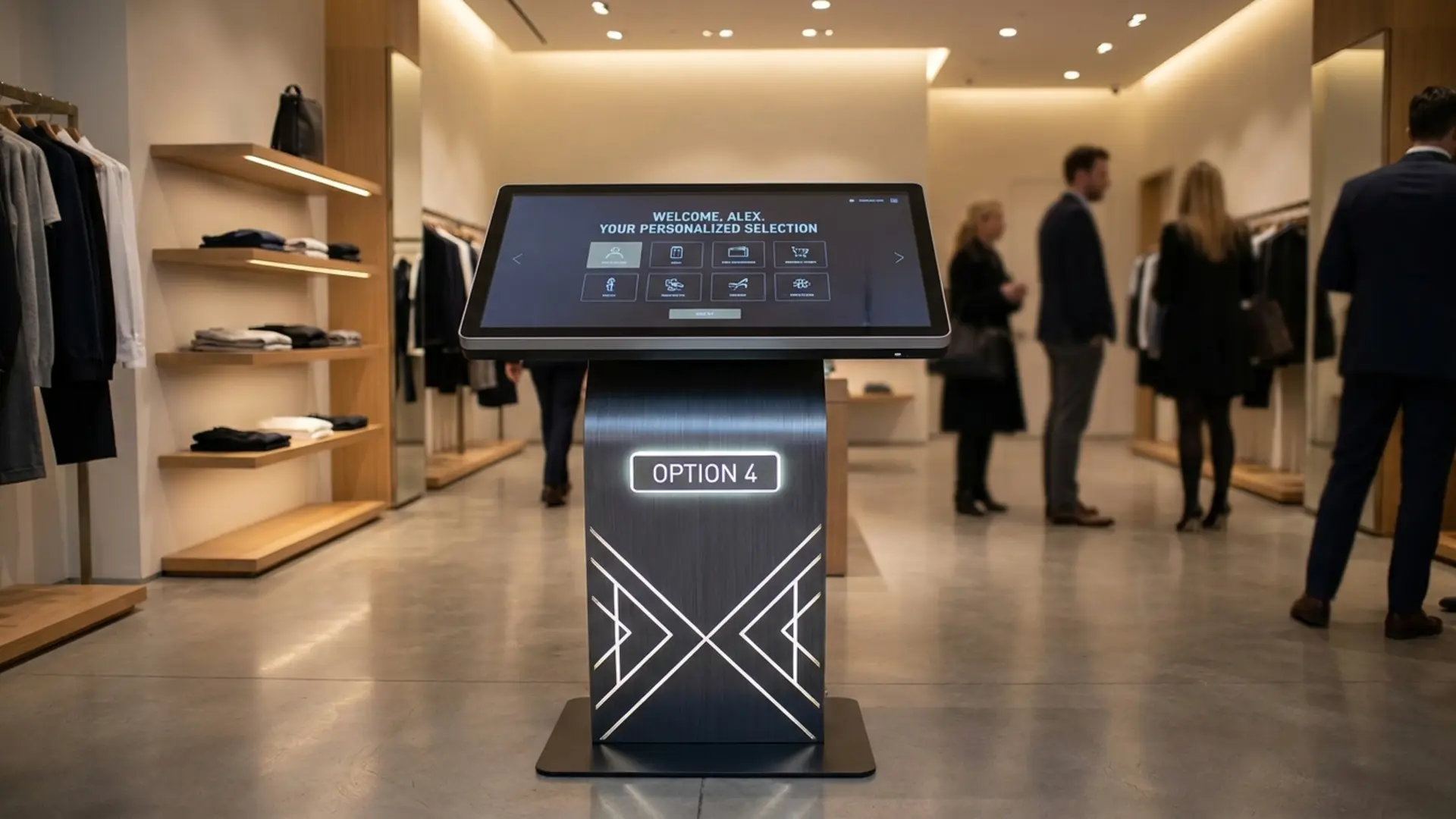
Vending Machine Showcases: Why the Visual Design of Your Machine Drives More Sales Than the Product Inside
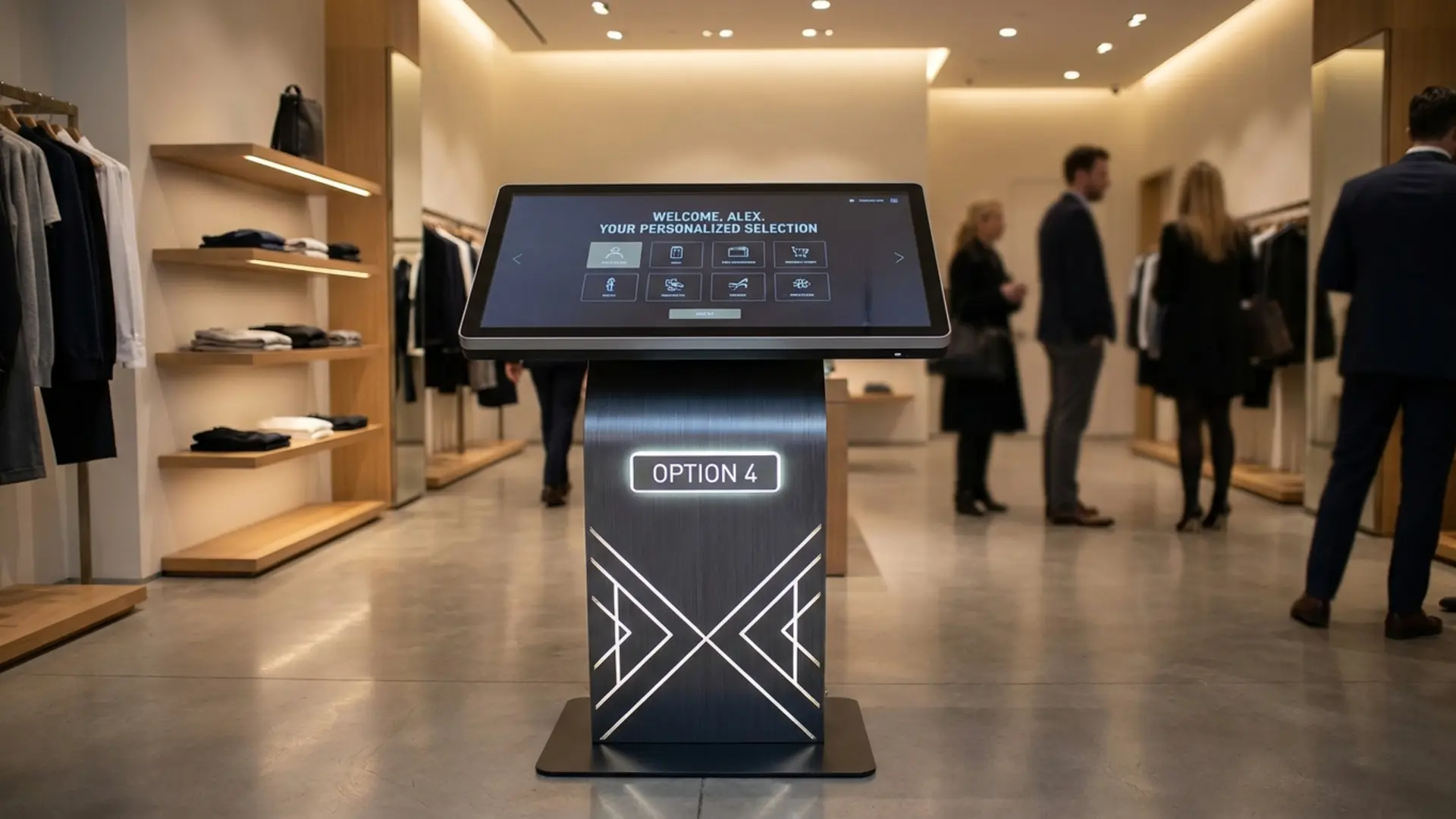
Here is a claim that runs against most operators' instincts: the product inside a vending machine matters less to initial conversion than the machine itself.
Not to repeat purchases. Not to long-term customer satisfaction. But to the first transaction, the moment where a customer passing by a machine decides to stop, approach, and buy, the machine is doing more work than the product.
A customer at 40 feet cannot see what is inside the machine. They cannot read a price. They cannot inspect the quality of what is being sold. What they can see is the screen, the cabinet, the lighting, and the product window. Those four elements determine whether they walk toward the machine or keep walking. Once they have walked toward it and stopped in front of it, the product does its job. But the machine got them there.
This is what vending machine showcase design actually is, the set of visual and experiential elements that drive foot traffic to the machine, create the stop-and-engage moment, and set the purchase expectation before the customer touches the screen. Getting it right is not an aesthetic preference. It is a conversion rate decision.
Key Finding: Digital Media Vending International designs and builds vending machine showcases with touchscreen displays from 21 to 50 inches and large product viewing windows engineered for maximum product visibility, treating the visual experience as deliberately as the dispensing mechanism.
The Viewing Window: Making the Product Work for You Before the Transaction
The product viewing window is the element of vending machine showcase design that is most consistently underestimated. Most operators think about the window as a way for the customer to confirm what they have already selected. In a well-designed showcase, the window is doing the selling before the selection is made.
Consider how a customer behaves in front of a well-designed vending machine showcase. They approach the machine, drawn initially by the screen, and their eyes move to the window. What they see inside the window creates the purchase desire before they have interacted with the touchscreen at all. If the window is large, clear, and well-lit, they can see the product clearly. If the product is visually appealing, a Pokémon mystery pack with bright packaging, a cupcake with visible frosting, a beauty product in premium packaging, the viewing window converts browse intent into purchase intent without the customer having done anything yet.
A small, dirty, or poorly lit window produces the opposite effect. The customer cannot see the product clearly, visual appeal is lost, and the machine reads as low-quality regardless of what is actually inside.
The practical implication for machine selection: window size and clarity are not cosmetic specifications. They are conversion rate specifications. Larger windows with better visibility produce more first-transaction conversions than smaller windows at equivalent locations with equivalent products.
Digital Media Vending International builds machines with the largest product viewing windows in their lineup on the M-Series and Smart VM formats, specifically because the viewing window is part of the sales mechanism, not just an incidental feature of the cabinet design.
The Touchscreen Display: The Machine's Primary Sales Tool
The touchscreen display in a vending machine showcase serves two distinct functions, and most operators only think about one of them.
The first function is transactional: the customer uses the screen to select a product, see pricing, and complete the purchase. This is the function that most people imagine when they think about a vending machine touchscreen.
The second function is marketing: the screen displays content when no customer is in front of it. Animated product videos, brand imagery, rotating product photography, seasonal promotions, this content is visible to anyone within sightline of the machine, whether they are actively engaging with it or simply walking past. A 50-inch display running animated brand content in a mall corridor is doing the work of a digital billboard for every person who passes within viewing distance.
This is why screen size matters at high-traffic locations in a way that goes beyond simple aesthetics. A 21-inch display running the same content as a 50-inch display reaches a significantly smaller radius of passers-by. At a location where the machine generates revenue primarily through impulse purchases from people who were not planning to stop, the screen's visibility radius is a direct determinant of how many impulse purchase opportunities exist per hour.
The content on the touchscreen is configured through the machine's software platform and can be updated remotely. This means seasonal content, limited-edition product introductions, and promotional campaigns can be reflected on the machine display without a technician visit. The machine's marketing function is as dynamic as the operator wants it to be.
DMVI builds machines with touchscreen displays from 21 inches for wall-mounted compact formats to 50 inches for M-Series large-format deployments. The screen size is specified during the engineering process based on the deployment context, the physical dimensions of the location, the ceiling height, and the expected customer approach distance all factor into the recommendation.
Interior Lighting: The Theater Effect
The founder of Digital Media Vending International uses a specific word when describing what separates high-performing machine deployments from average ones: theater. The combination of visible product, interior lighting, and screen content creates an experience that stops foot traffic in a way that a dark, underlit cabinet with a small window does not.
The lighting conditions inside a vending machine cabinet affect how products appear through the viewing window. Good internal illumination makes the product visible from greater distances than ambient lighting alone allows and renders it more attractively than external overhead lighting. Where configurable, internal lighting can be optimized for the visual properties of the specific product being sold. And it creates a visual anchor in the customer's visual field: a lit cabinet in a corridor stands out from the background in the same way a lit storefront window stands out on a dark street.
For categories where the product's visual appeal is a significant purchase driver, collectibles with premium packaging, specialty food, beauty products, jewelry, interior lighting is not a luxury specification. It is what allows those visual properties to communicate to potential customers through the window before they approach the machine.
The practical specification question is whether the machine's interior lighting is configurable and whether it illuminates the full product display evenly. Uneven lighting creates shadows that reduce the visual quality of product presentation. Well-distributed interior lighting makes the entire product inventory visible and appealing through the window.
Cabinet Exterior and Branding
The exterior of a vending machine showcase is the first element that registers in a customer's peripheral vision from a distance. Before they have focused on the screen or the window, the overall visual impression of the cabinet, its size, its color, its branding elements, is being processed.
A machine with a generic exterior, whatever color the manufacturer uses as default, no branding, no design elements, reads as a utility appliance in its environment. In a boutique hotel lobby, a premium retail environment, or a high-end entertainment venue, a generic-looking machine is a signal mismatch that subtly undermines the purchase environment.
A machine configured with the operator's brand identity, consistent with the product being sold, reads as a deliberate retail installation rather than an appliance placed in an environment it does not belong to. It creates a visual signal that the machine is part of the venue's offering, not an incidental addition to it.
Custom branding configuration is part of the DMVI machine build process. The exterior presentation is treated as part of the showcase design, not as a post-purchase modification.
For operators building brand recognition through multiple machine deployments, consistent exterior branding across locations creates visual consistency that reinforces brand recognition each time a customer encounters the machine in a new venue.
Placement and Approach Angle
Showcase design does not end at the machine cabinet. The physical placement of the machine within a location and the angle from which customers approach it are part of the showcase experience.
A machine placed in a corner with the screen facing a wall is maximally inaccessible. A machine placed at the intersection of two traffic flows, with the screen facing the primary foot traffic direction and the product window visible from the secondary direction, maximizes the number of people who receive the full visual stimulus of the showcase.
In corridor deployments, hotel hallways, gym approaches, retail corridors, the machine should be positioned so that the screen and window are visible from as far down the corridor as possible. The goal is to give the machine maximum dwell time in a passing customer's visual field before they reach and pass it.
Ceiling height affects the optimal screen size selection. A low ceiling in a small corridor reduces the effective visibility distance of a large screen; a high ceiling in a wide corridor allows a larger screen to communicate at greater distances. These factors are worth discussing with the machine manufacturer before specifying screen size.
DMVI addresses placement considerations during the installation and setup process. The machine's physical positioning in the location is part of the installation scope, not something left to the operator to determine independently after delivery.
How DMVI Builds the Full Showcase Experience
Digital Media Vending International engineers the visual and experiential elements of their machines with the same deliberateness applied to the mechanical components. Every element covered in this guide, window size, screen size, interior lighting, cabinet exterior configuration, and product display organization, is specified during the machine build process, not added as an afterthought.
DMVI is a Made in California certified manufacturer, founded in 2009, with more than 2,000 deployments across 22 countries. Their machines start at approximately $4,995. Installation, machine configuration, and operator training are part of every engagement.
The showcase design is not what makes a vending machine profitable on its own. Product selection, location quality, and operational management all contribute. But at an equivalent location with an equivalent product, the machine that creates a stronger visual showcase, larger screen, more visible window, better lighting, consistent branding, consistently outperforms the one that does not.
Visit digitalmediavending.com to discuss machine showcase design for your deployment.
Showcase Design Mistakes That Cost Operators Conversions
Understanding the elements of good vending machine showcase design is one side of the equation. Understanding what goes wrong, the common showcase design choices that reduce conversions rather than increase them, is the other.
Prioritizing screen size without considering ceiling height and corridor width. A 50-inch screen in a space with an 8-foot ceiling and a 6-foot corridor width is overwhelming at close range and creates a poor interaction distance. Screen size should be specified relative to the deployment space, not maximized in isolation. The goal is optimal visibility at the customer's approach distance, not the largest screen that will physically fit.
Ignoring the approach angle. Operators who set up machines without considering where customers are coming from, and therefore which face of the machine they see first, regularly end up with machines whose screen faces a wall and whose window faces a direction with minimal foot traffic. The machine's primary visual elements should face the dominant traffic flow. This sounds obvious; it is frequently overlooked.
Underinvesting in interior lighting. Interior lighting is often treated as a default setting, whatever light level the machine ships with, rather than as a configurable showcase element. For product categories where visual appeal is a significant purchase driver, the interior lighting is worth optimizing for the specific product. A machine stocked with product in premium packaging that is poorly lit loses visual impact that better lighting would deliver.
Generic exterior with no brand differentiation. A machine that looks exactly like every other machine in its product category does not benefit from any visual differentiation that would help a customer identify it in a new location. For operators deploying multiple machines across multiple venues, consistent branded exterior design creates recognition, the customer who saw the machine at Hotel A and had a good experience recognizes it at Hotel B and is more likely to approach.
Stocking the machine for inventory capacity rather than visual presentation. Filling every slot in a machine to maximize inventory sometimes produces a cramped, visually busy display that reduces the visual appeal of any individual product. For categories where product visual presentation drives purchases, collectibles, specialty food, premium accessories, strategic product presentation with some visual breathing room can outperform a fully packed machine.
Not revisiting the showcase configuration after the first 60 days. The product mix, the screen content, and the pricing are all adjustable through VendingTracker. Operators who set the machine up once and leave it unchanged are not using the showcase's dynamic elements. The most effective showcase operators treat the machine as an active retail installation that is reviewed and adjusted based on sales data, which products are selling, which screen content is generating more approach behavior, which price points are converting.
The vending machine showcase is not a fixed installation that performs the same forever. It is a retail experience that can be actively managed and improved using the same data that tells the operator what is selling.
The question of showcase design ultimately comes down to one thing: does the machine create a memorable retail experience, or is it a utility appliance that happens to be in the space? Utility appliances get ignored. Memorable retail experiences attract customers, generate repeat visits, and create the word-of-mouth and social media behavior that no paid advertising budget reliably produces.
A customer who stops in front of a well-designed vending machine showcase, is surprised by what they find inside, and has a smooth transaction experience is a customer who tells someone else about it. In categories like Pokémon trading card vending and specialty collectibles, social media documentation of the machine experience has driven organic awareness at a scale that operators did not anticipate and could not have purchased. The machine's visual impact and the transaction experience are the product, not just the delivery mechanism for the product.
This is the full commercial case for investing in showcase design: beyond the direct conversion rate improvement at the point of placement, a memorable machine creates secondary marketing effects that extend the reach of the operator's investment beyond the location where the machine sits. That secondary value is difficult to quantify precisely, but operators in high-visibility locations consistently report that the machine generates awareness and inbound interest, customers who sought out the machine specifically after hearing about it from someone who had already been there.
Showcase design is not a one-time configuration. The product changes. The season changes. New limited editions arrive. A machine whose screen content, pricing, and product presentation can be updated remotely through VendingTracker without a technician visit is a showcase that stays current. The operators who treat their machines as dynamic retail displays, actively updating the visual content and product presentation in response to inventory, season, and sales data, consistently generate more transactions from equivalent placements than operators who treat machine setup as a one-time event. The machine's visual capability is only as valuable as the operator's willingness to actively use it.
Conclusion
A vending machine showcase is not a nice-to-have, it is the first customer touchpoint in every transaction. The elements that make up a showcase: the screen, the window, the lighting, the exterior design, and the placement all determine whether foot traffic converts to customers before a single product is considered.
Operators who invest deliberately in showcase design, specifying the right screen size for their location, choosing a machine with an appropriately sized window, configuring exterior branding, generate more transactions from equivalent locations than operators who treat these elements as secondary to the product inside.
Digital Media Vending International has been building vending machine showcases since 2009. Start the conversation at digitalmediavending.com.
Sources
Want the machine to sell before the customer reads the label?
DMVI designs custom vending machines with branded exteriors, touchscreen content, lighting, product visibility, and merchandising flow built around the offer.