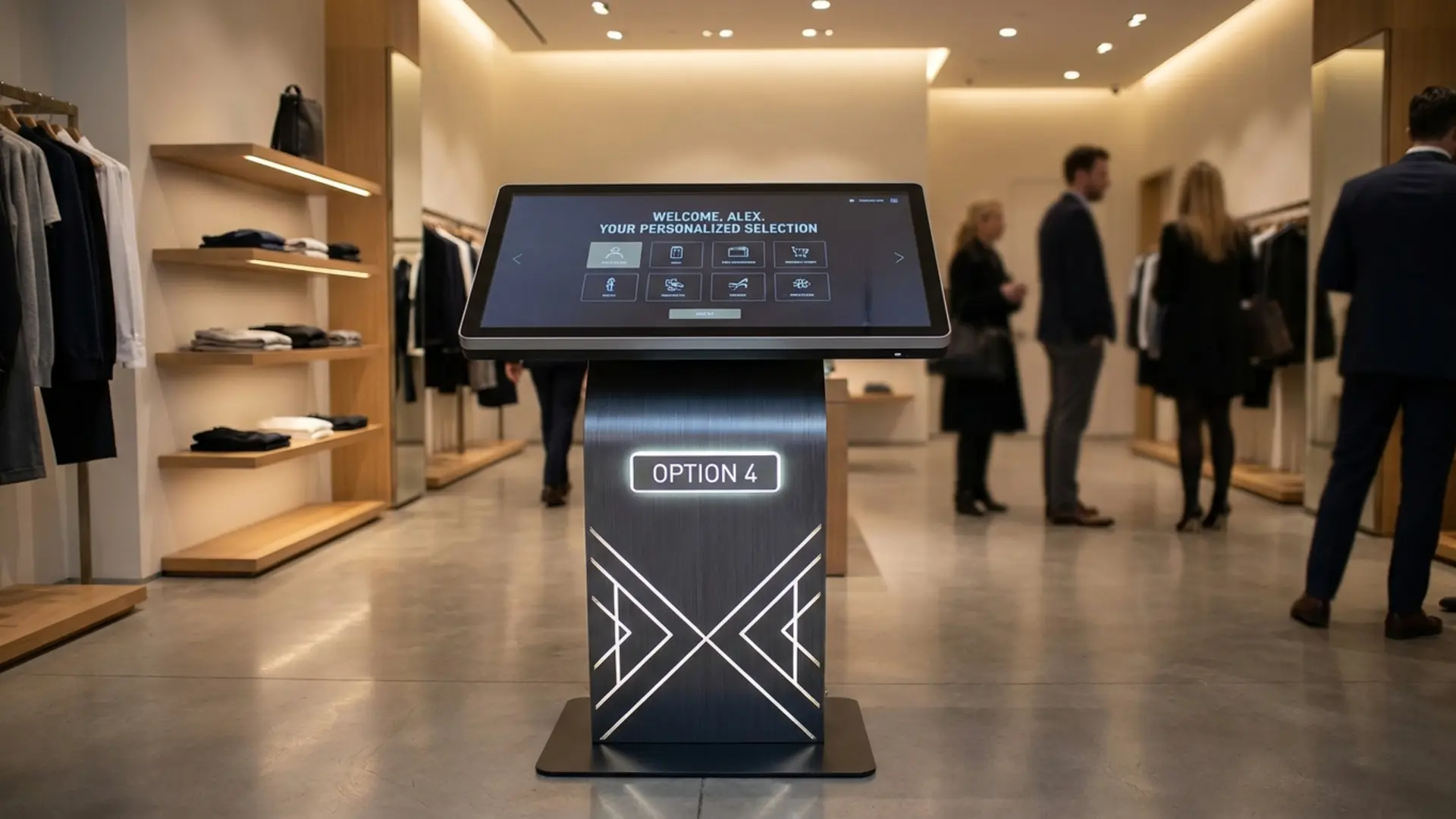
Vending Machines as Brand Activation: When the Machine Is the Marketing
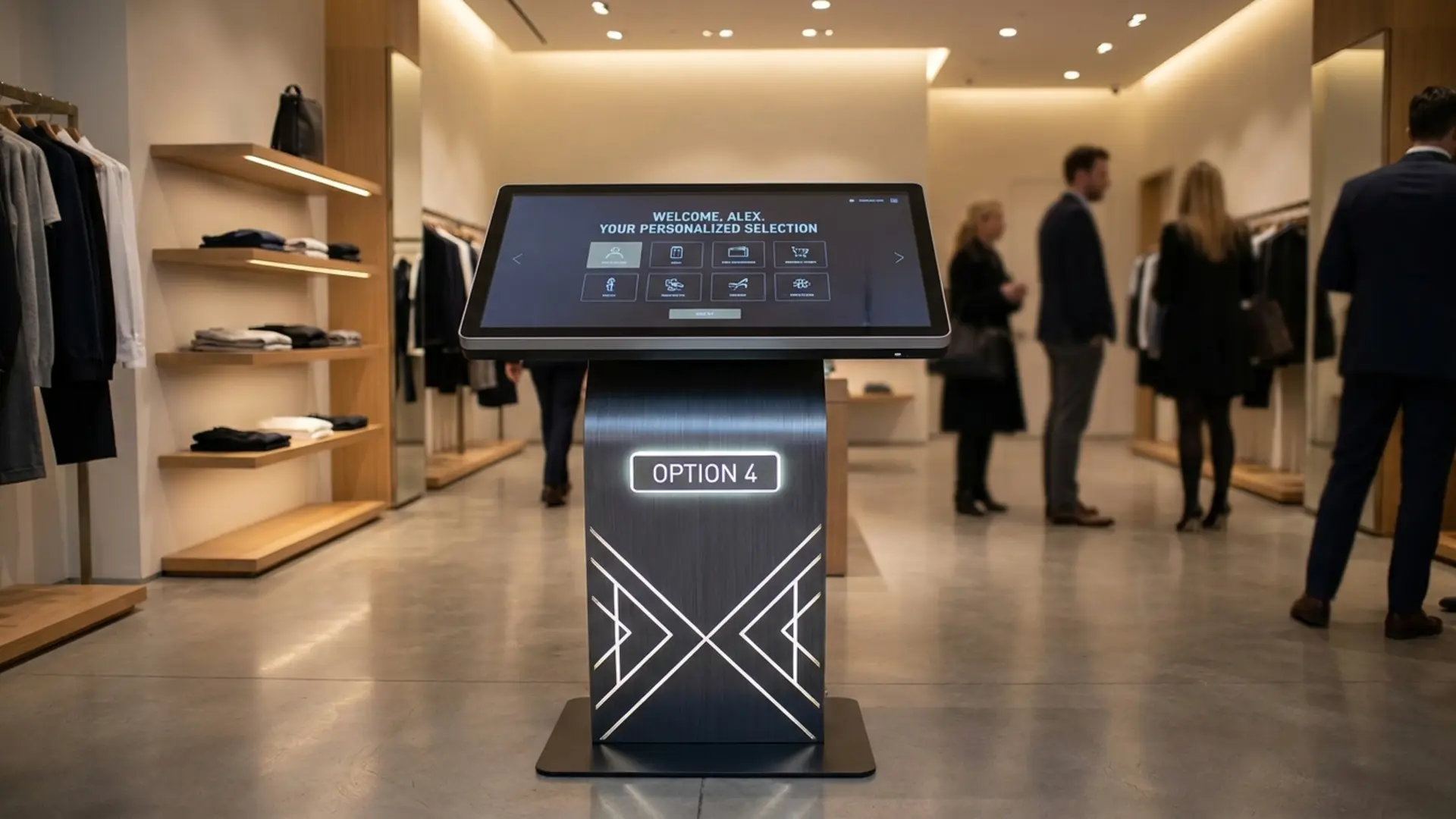
There are two kinds of vending machine deployments. The first kind sells product. The second kind sells product and markets the brand simultaneously, using the machine itself as a touchpoint that creates awareness, conversation, and in some cases, content that reaches people who were never near the machine.
The difference is not accidental. It is designed. The machines that function as brand activations share specific characteristics in their hardware, their location, their product, and the moment they create at the point of purchase. Understanding what those characteristics are is useful for any brand owner or specialty retail entrepreneur who wants their machine to do more than transact.
This is not a guide about spending more money on marketing. It is about recognizing that the vending machine, when deployed correctly, is already doing marketing work that no other retail format does in the same way and at the same cost.
What Brand Activation Through Vending Actually Means
Brand activation is a marketing discipline that creates direct customer interaction with a brand rather than passive exposure to it. A billboard creates exposure. A vending machine deployment, at its best, creates an experience. The customer is physically present, making a deliberate choice, completing a transaction, and receiving a product. Every step of that sequence is a brand interaction.
This is not how most vending machines operate. The break room snack machine is not a brand activation. It is a utility. The brand on the chip bag is doing the activation work, not the machine. When the machine itself becomes the object of attention, curiosity, and choice, the equation changes.
The vending machines that function as brand activations share a common attribute: they create a moment of surprise or delight that the customer did not expect from a machine in that location. The Pokémon mystery pack machine in a premium mall corridor stops foot traffic because it is not what anyone expected to find there. The cupcake machine in a hotel lobby at 11pm creates a delight moment because it solves a need the guest assumed was unsolvable at that hour. The jewelry machine in a resort lobby creates a gifting moment that the guest attributes to the property and the brand simultaneously.
That moment of unexpected delight is the activation. The transaction that follows is the sale. The word of mouth or social media content that follows is the earned media.
Why Vending Machine Moments Spread
The social media economics of unusual vending machine deployments are disproportionate relative to almost any other physical retail format. A person who encounters a remarkable vending machine takes a photo or video, shares it, tags the brand or location, and becomes an unpaid media channel for however large their following is.
This happens for a specific psychological reason: the vending machine format carries a set of expectations so deeply established that violating them productively creates a memorable moment. A machine selling Pokemon mystery packs in a premium mall is surprising. A machine dispensing artisan cupcakes in a hotel lobby at midnight is surprising. The surprise is the activation. People share surprises.
The physical machine's visual impact amplifies this dynamic. A Digital Media Vending International machine with a 50-inch touchscreen running animated brand content and a large clear window showing the product inside is a visually compelling object in any environment. It is designed to stop people, and stopping people in a context where they have a phone in their pocket produces content.
This is not a guaranteed outcome, and it cannot be manufactured by choosing a vending machine. It emerges from the combination of the right product, the right location, the right machine presentation, and the right moment of encounter. When those elements align, the machine earns its transaction revenue and generates marketing value simultaneously.
The Elements That Create a Shareable Vending Machine Moment
Breaking down the conditions under which vending machine deployments generate organic awareness:
The product has inherent shareability. Products with visual appeal, mystery, exclusivity, or cultural resonance create natural share moments. Opening a Pokémon mystery pack is shareable regardless of the machine. Getting that mystery pack from a custom vending machine in a premium retail location is more shareable. The product's own share dynamics amplify the machine's visual impact.
The machine's visual presentation is strong enough to be noticed. A machine that blends into the environment does not get photographed. A machine with a large touchscreen displaying vivid animated content, a large clear window showing the product, and deliberate branded exterior presentation is the kind of object people point out to each other. The DMVI design philosophy, the "theater" effect the founder describes, is specifically about creating visual impact that commands attention before the customer has consciously decided to engage.
The location creates the right encounter. A machine in a dead corridor with no foot traffic generates no moments, however good the machine. A machine placed in the path of a specific demographic who encounters it in exactly the right emotional state creates the conditions for activation. The premium mall corridor, the resort lobby, the entertainment venue entrance, the post-screening cinema lobby, these are locations where people are in a browsing, social, experience-seeking mode that amplifies the impact of a remarkable machine.
The transaction itself is distinctive. Some products create a transaction moment that is content on its own. The anticipation of a mystery pack reveal, the theater of watching elevator dispensing carry a cupcake gently to the retrieval point, the novelty of purchasing jewelry from a machine in a boutique hotel, these are moments that extend the experience beyond the transaction and into the social sphere.
Industries Using Vending as Brand Activation
Several product categories have developed genuine brand activation practices around custom vending machines. The common thread is a product with inherent desirability combined with a vending machine deployment that creates a distinctive encounter.
Collectibles and trading cards. The highest-revenue-per-machine category in specialty vending is also one of the strongest brand activation categories. Pokémon vending machines at premium locations have generated significant organic social media coverage specifically because the combination of product desirability and machine presentation creates shareable moments. DMVI operators in this category have documented outcomes that include operators generating $80,000 to $100,000 per machine per month at exceptional placements, supported in part by the organic awareness the machine creates.
Specialty and artisan food. Cupcake vending machines at boutique hotels, artisan confection machines at airports, specialty food vending in premium retail environments, these deployments work as brand activations because they create unexpected access to quality that the customer did not know was available. The food category also benefits from the strong visual of the product itself, displayed behind the large window of a DMVI machine, which is compelling content before any purchase is made.
Premium beauty and personal care. Beauty brands with strong visual identity and product design have found vending machine placements at luxury hotels and spas to be both retail channels and brand discovery moments. A customer who encounters an independent beauty brand in a curated vending machine installation at a premium hotel is receiving that brand in a context that signals quality and curation. The machine's placement is itself an endorsement.
Luxury accessories. Jewelry and fashion accessories at upscale resort properties create gifting moments and brand discovery experiences that traditional retail cannot replicate at those hours and in those locations. The machine itself becomes part of the property's experiential offering, which the property uses to differentiate its guest experience.
How DMVI Machine Design Serves the Brand Activation Use Case
Digital Media Vending International designs machines with the visual impact that brand activation requires. The touchscreen displays from 21 to 50 inches are sized to be noticed from across a room. The large clear product viewing windows display the product in a way that creates desire before the transaction decision is made. The conveyor belt shelving and elevator delivery create a dispensing moment that is itself distinctive, the product arriving intact and presented rather than dropped into a retrieval bin.
The exterior of every DMVI machine is configured as part of the build specification, integrating brand visual identity into the machine's presentation rather than adding it as an afterthought. The screen content is operator-configured, allowing animated brand content, product storytelling, and seasonal creative to run on the display continuously, reaching everyone in viewing range rather than only those actively at the machine.
These design decisions serve both the retail function and the brand activation function simultaneously. The machine sells product. The machine also creates brand impressions at scale in locations where the brand could not otherwise afford a permanent presence.
DMVI is a Made in California certified manufacturer, founded in 2009, with more than 2,000 deployments across 22 countries. Machines start at approximately $4,995.
Visit digitalmediavending.com to discuss machine configuration for brand activation deployments.
The Distinction Between a Machine That Sells and One That Activates
Not every vending machine deployment becomes a brand activation. Most do not. The difference comes from whether the deployment was designed to create a moment or simply to enable a transaction.
A machine designed only to transact maximizes product inventory, minimizes hardware cost, and chooses placement based on available space. A machine designed to activate chooses product for its inherent shareability, invests in hardware capable of the visual impact required, and places the machine where the right demographic encounters it in the right emotional state.
Both machines can be profitable. Only one does marketing work in addition to sales work.
The brands and operators who understand this distinction approach the vending machine deployment differently from the start. They ask not only "where can I sell this product?" but "where can I create a moment with this product that earns both a transaction and a conversation?" Those are different questions with different answers, and the answers point to different locations, different machine specifications, and different product presentations.
Measuring the Activation Effect
Brand activation is harder to measure than transaction revenue. Impressions generated by a machine visible to foot traffic, content created and shared by customers who encountered the machine, and awareness generated among people who saw that content are not captured in VendingTracker's sales dashboard.
But the indirect effects of brand activation are visible in the data over time.
A machine that is generating organic word of mouth typically shows up in sales data as: higher-than-expected transaction volume relative to raw foot traffic estimates, new customers who appear at the machine without being in the location's normal traffic pattern, and volume spikes that correlate with periods of increased social sharing.
These signals are not definitive measures of activation. They are indicators worth monitoring. An operator who knows the baseline transaction volume at a location and then sees unexplained spikes has something worth investigating. Social listening on the brand, the product, or the location hashtags can connect the spike to an organic content moment.
The more actionable approach: design the deployment to make sharing easy. A clear product name displayed prominently on the touchscreen, the location information visible in the machine's branding, and a brand social handle or QR code accessible at the machine all reduce the friction between a customer who had a remarkable moment and a customer who documented and shared it. The machine creates the moment. Removing friction to documentation extends the reach of that moment into organic awareness.
Digital Media Vending International's touchscreen configuration supports branded content, product information, and operator-specified visual elements on the display. The machine's presentation can be configured to support the sharing dynamic as deliberately as it supports the transaction dynamic. Those are not competing priorities. They serve each other.
The vending machine as brand activation is not a category reserved for major consumer brands with marketing budgets. It is accessible to any specialty retail operator whose product has inherent desirability, whose machine is designed for visual impact, and whose placement creates the right encounter moment. The barriers are lower than most brand operators assume. The machines that create remarkable moments do so because they were designed to, from the hardware specification to the location selection to the product itself. Digital Media Vending International builds machines designed for that standard. The brand strategy layered on top is the operator's work. The infrastructure for it starts at digitalmediavending.com.
Planning a Vending Machine Brand Activation: Where to Start
For brand owners and specialty retail operators who want to approach vending machine deployment deliberately as a brand activation rather than purely as a retail operation, the planning process differs from a standard vending machine deployment in specific ways.
Product selection focuses on shareability, not just margin. The products best suited for brand activation through vending have inherent shareability, visual appeal, mystery, cultural relevance, or novelty, in addition to the commercial characteristics that make them viable vending products. A product that people want to photograph and share is a product that extends the activation beyond the transaction. Margin structure still matters. A product that creates remarkable moments but does not support the machine's economics is not a sustainable activation vehicle.
Location selection prioritizes encounter quality over raw foot traffic. A brand activation deployment is not optimized purely for transaction volume. It is optimized for the right customer encountering the machine in the right context. 2,000 highly relevant encounters at a boutique hotel lobby may produce more brand value than 10,000 undifferentiated encounters at a generic transit hub, depending on the brand's target demographic and the product's cultural positioning.
Machine specification emphasizes visual impact. The hardware budget for a brand activation deployment should reflect the machine's dual function as retail infrastructure and brand medium. A 50-inch touchscreen, a large product window, and deliberate exterior branding are investments in the activation dimension of the machine that also support the retail dimension. The marginal cost of a larger screen pays returns in activation value that a smaller screen does not.
The deployment timeline includes content planning. A vending machine brand activation generates content opportunities at launch, at key moments (holiday deployments, limited-edition product drops, seasonal activations), and through customer documentation. Planning the content calendar around the machine deployment, rather than treating content as an afterthought, produces a brand activation that continues to generate awareness beyond the initial deployment period.
Digital Media Vending International's machine configuration process supports all of these considerations. Exterior branding, screen size selection, product-specific dispensing configuration, and ongoing remote content management through the platform are all part of the DMVI deployment engagement.
The separation between a vending machine deployment that sells and one that sells and activates is narrower than most brand operators assume. It starts with a product that earns attention, a machine that creates an experience, and a location where the right customer encounters both at the right moment. That combination is achievable at a starting investment of approximately $4,995. The brand strategy on top of it is the operator's. The hardware is DMVI's. For brand owners and specialty retail operators ready to deploy a machine designed for both sales and activation, the starting point is digitalmediavending.com. The machine is the infrastructure. The brand strategy is the operator's contribution. When both are deliberate, the result is a deployment that does two things simultaneously: it earns revenue and it earns attention. That dual output is the distinction between a machine that sells and one that activates. The machine design, the location, the product, and the content on the screen are all within the operator's control. Treating all four as components of a single brand strategy rather than independent decisions is what produces activations that earn revenue and attention simultaneously. That combination, the right product, the right machine, the right location, and the right moment, is not accidental. It is designed. The design work is the difference between a machine that earns and a machine that earns and activates. Vending machines have been selling product for decades. The ones that also generate brand awareness, organic content, and customer conversations are the ones that were designed to. Design is a choice. So is the outcome.
Conclusion
Vending machines have always been retail infrastructure. The custom vending machine deployments that generate the most commercial and brand value are the ones that make the machine itself a part of the brand story. The right product, placed in the right location, in a machine designed for visual impact and distinctive product delivery, creates something beyond a transaction. It creates a moment. Moments earn revenue and generate attention at the same time. That dual output is what makes brand activation through vending a genuine strategy rather than a happy accident.
Digital Media Vending International builds the machines. The strategy and the product are yours to bring. Start at digitalmediavending.com.
Sources
Want a vending machine that works as a brand moment?
DMVI designs branded custom vending machines with touchscreen journeys, visual merchandising, cashless checkout, and deployment support for experiential retail campaigns.