Drink Vending Machines: The Business Case for Automated Beverage Retail
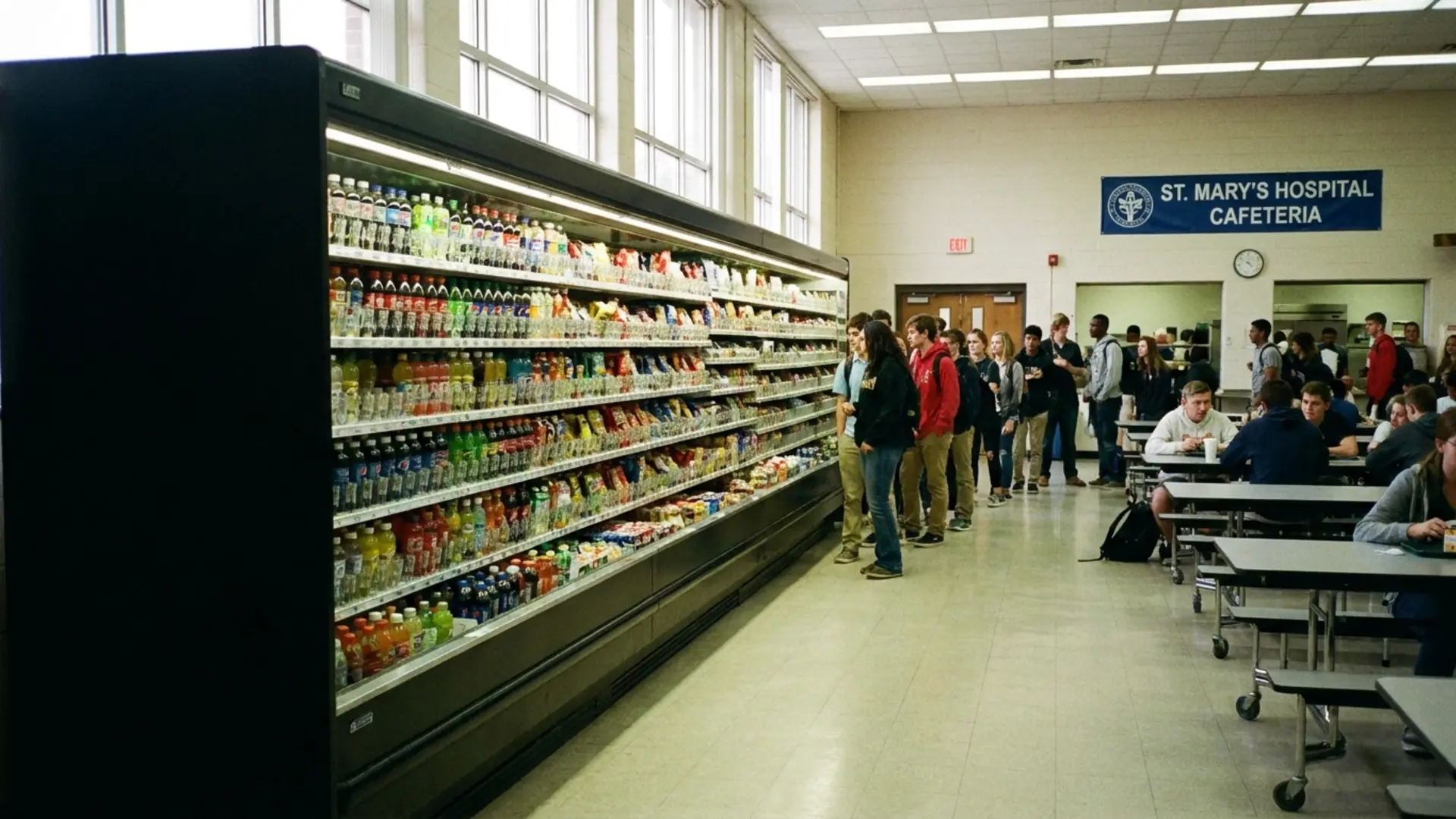
Beverage consumption is one of the most consistent retail behaviors across almost every environment where people spend time. Workplaces, gyms, hotels, educational institutions, healthcare facilities, entertainment venues, and transportation hubs all share a common pattern: the people who are there want something to drink, and they will pay for convenient access to it. Drink vending machines are the infrastructure that connects that consistent demand to a reliable supply, without requiring staff at the point of service.
Current DMVI vending machine financing: DMVI no longer offers all-inclusive leases. Standard machine financing is subject to approval, with a 25%–50% machine deposit depending on stock status and the remaining machine balance paid in 12 monthly payments starting 30 days after shipment at 8%–15% interest, based on repayment ability and other approval conditions. The quote confirms the deposit percentage. All applicable upfront costs are due at signing, including the wrap, optional topper, payment terminal, annual software license, shipping, and sales tax. Financing is not guaranteed; DMVI reserves the right to deny financing. A UCC filing applies, and a personal guarantee may be required. See the vending machine financing terms for details.
The drink vending machine category is broader than most operators initially expect. It includes the standard bottled water and soda machines that most people picture, but also specialty beverage vending for premium cold brew coffee, protein shakes, energy drinks, artisan sodas, kombucha, and functional beverages. Different products, different locations, and different customer demographics all produce very different vending machine economics.
This guide covers the full business case for drink vending machines: what the category includes, which beverages vend well and why, where drink vending machines generate the strongest returns, how to evaluate a deployment before committing to it, and how smart vending infrastructure makes drink vending a managed revenue channel rather than a set-and-forget appliance.
What Drink Vending Machines Are and What They Are Not
A drink vending machine is an automated dispensing unit configured to sell beverage products to customers who select, pay for, and receive a drink without staff involvement. The core mechanics, product selection through a screen or keypad, payment completion, product dispensing, are the same as any vending machine. What makes a drink vending machine distinct is the configuration of the machine's product channels, dispensing mechanism, and, where applicable, temperature management to support the specific beverage products being sold.
What drink vending machines are not is a monolithic category. A machine dispensing bottled water in a gym locker room is a drink vending machine. A machine dispensing premium cold brew coffee in a hotel lobby is a drink vending machine. A machine dispensing high-caffeine performance energy drinks in an esports venue is a drink vending machine. Each of these deployments has different product, location, demographic, and economic characteristics, and each requires a machine configured for the specific product, not a generic machine that has been adapted to beverages.
The distinction between a machine designed for a product and a machine adapted to it is consequential. A machine whose product channels are sized and configured for the specific beverage being sold dispenses it reliably, handles the packaging format correctly, and delivers it to the customer intact. A machine forced to dispense a product outside its configuration tolerances produces jams, misdeliveries, and customer complaints.
Beverage Types That Perform Well in Vending Deployments
The beverages that perform consistently across drink vending machine deployments share a common set of characteristics: standardized packaging that fits machine channels reliably, sufficient shelf life for practical restocking cadences, price points that support the economics of the deployment, and strong enough demand from the specific location's demographic to generate consistent daily transaction volume.
Bottled water and sparkling water. The most universally demanded beverage across nearly every deployment context. Bottled water in standard 16 to 20 oz formats is compatible with the widest range of vending machine channel configurations, has indefinite shelf life, and generates consistent transactions at nearly any location with foot traffic. Sparkling water and flavored water variants can command price premiums in hospitality and premium retail contexts.
Energy drinks and performance beverages. The single most consistent high-velocity beverage in gym, gaming venue, university, and corporate settings. Standard 8 to 16 oz can formats dispense reliably. The demographic aligned with energy drink purchases, younger, active, gaming-adjacent, fitness-oriented, overlaps closely with the highest-value specialty vending locations. Premium energy drink brands command significant price premiums over commodity options in locations where the demographic has high willingness to pay.
RTD (ready-to-drink) coffee and tea. Cold brew coffee, canned espresso drinks, RTD lattes, and bottled iced tea are high-margin beverage products appropriate for hotel, corporate, gym, and premium retail locations. The DMVI coffee vending machines guide covers the coffee subcategory in detail.
Protein shakes and recovery drinks. Bottled or canned protein shakes, BCAA drinks, and recovery beverages are natural fits for gym and fitness venue deployments, where the post-workout purchase occasion drives consistent demand. The DMVI protein powder vending machine guide covers the fitness beverage category in depth.
Specialty and functional beverages. Kombucha, probiotic drinks, adaptogens, and other functional beverages command premium prices in locations where the customer demographic is health-oriented and willing to pay for differentiated products. Hotel wellness centers, premium fitness studios, and specialty health retail environments are appropriate deployment contexts for functional beverage vending.
Artisan and premium soft drinks. Craft sodas, premium sparkling beverages, and artisan soft drinks can serve as high-margin specialty products in premium retail and hospitality settings where customers expect and will pay for quality differentiation.
The beverage product selection should always begin with the deployment location's demographic, not with the operator's personal product preferences. The question to answer before choosing a product is: who is the customer at this location, what are they likely to want, and what would they pay for it from a vending machine in this context?
Where Drink Vending Machines Perform Best
The locations where drink vending machines consistently generate strong performance are those that combine reliable foot traffic with a customer population in a specific physiological or situational state that drives beverage purchase behavior.
Gym and fitness facilities. Thirst after physical activity is one of the most reliable purchase triggers in any retail environment. The post-workout window is when hydration and recovery beverage purchases are both predictable and physiologically motivated. A well-placed drink vending machine in a gym, near the locker room exit, adjacent to the main workout floor, or in the lobby, captures this demand consistently.
Hotel corridors and lobbies. Hotel guests want beverages at hours when room service menus are limited and the hotel restaurant is closed. Late-night water, morning coffee, and mid-stay energy drink purchases are all genuine demand that a drink vending machine at a hotel property captures. The hotel vending machines and unattended retail guide covers hospitality vending in depth.
University and campus facilities. Students on campus are regular and recurring beverage purchasers across study periods, classes, and extracurricular activities. The campus convenience store's operating hours are limited; a drink vending machine in a dormitory corridor, library, or academic building captures demand around the clock.
Corporate office buildings. The mid-morning coffee, the afternoon energy drink, the post-lunch hydration, all are predictable daily purchase occasions for office workers. A drink vending machine in a corporate lobby or break room serves these occasions without requiring the business to invest in a staffed beverage service.
Entertainment and gaming venues. The beverage demand at entertainment venues, where customers are engaged in extended play, watching events, or participating in activities, is consistent and often extends beyond standard beverage retail hours. Gaming venues, arcades, and entertainment complexes all generate drink purchase occasions that vending machines serve effectively.
Transportation hubs. Airport gate areas, train concourses, and transit waiting areas generate captive audience beverage demand. The convenience premium accepted by travelers in transportation contexts means that properly positioned drink vending machines at these locations can generate strong performance even at premium price points.
Machine Format for Drink Vending Deployments
The right machine format for a drink vending deployment depends on the location's available space, foot traffic volume, and beverage product mix.
Wall-Mounted ($4,995, financing subject to approval): Compact deployments in hotel corridors, small gym lobbies, and tight corporate break rooms. Appropriate for locations where floor space is not available and a focused product assortment of 8 to 15 beverage SKUs is sufficient for the traffic volume.
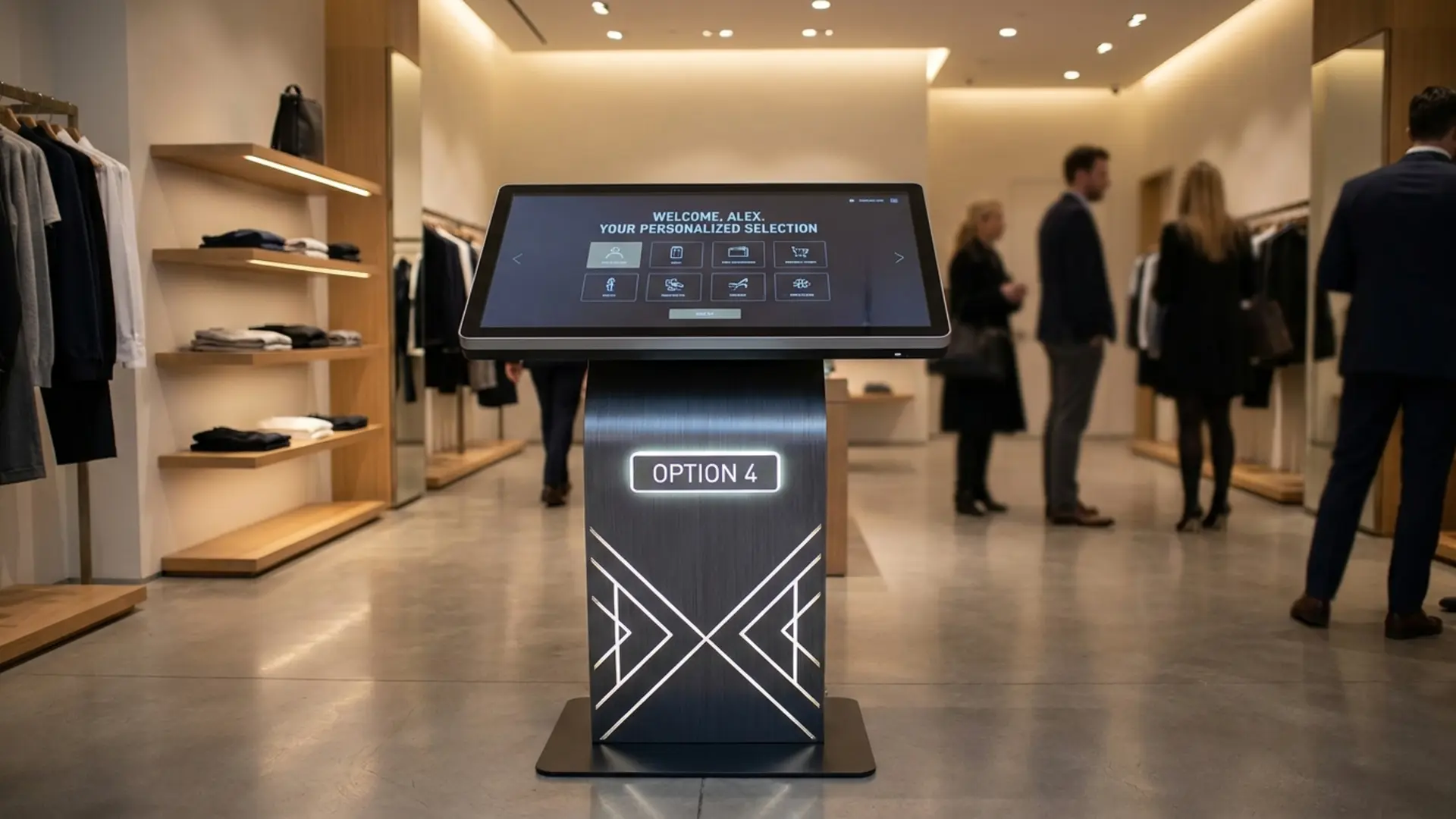
Option 4 ($12,995, financing subject to approval): Multi-beverage deployments at mid-traffic corporate lobbies, hotel break areas, and venues where product variety across beverage categories, water, energy drinks, RTD coffee, specialty beverages, serves the full range of customer demand from a single machine.
M1 ($21,995 purchase, financing subject to approval): High-traffic deployments at large-footprint facilities, premium hotel properties, and entertainment venues where maximum beverage variety and inventory depth are required to serve consistent high-volume daily transactions without stockouts.
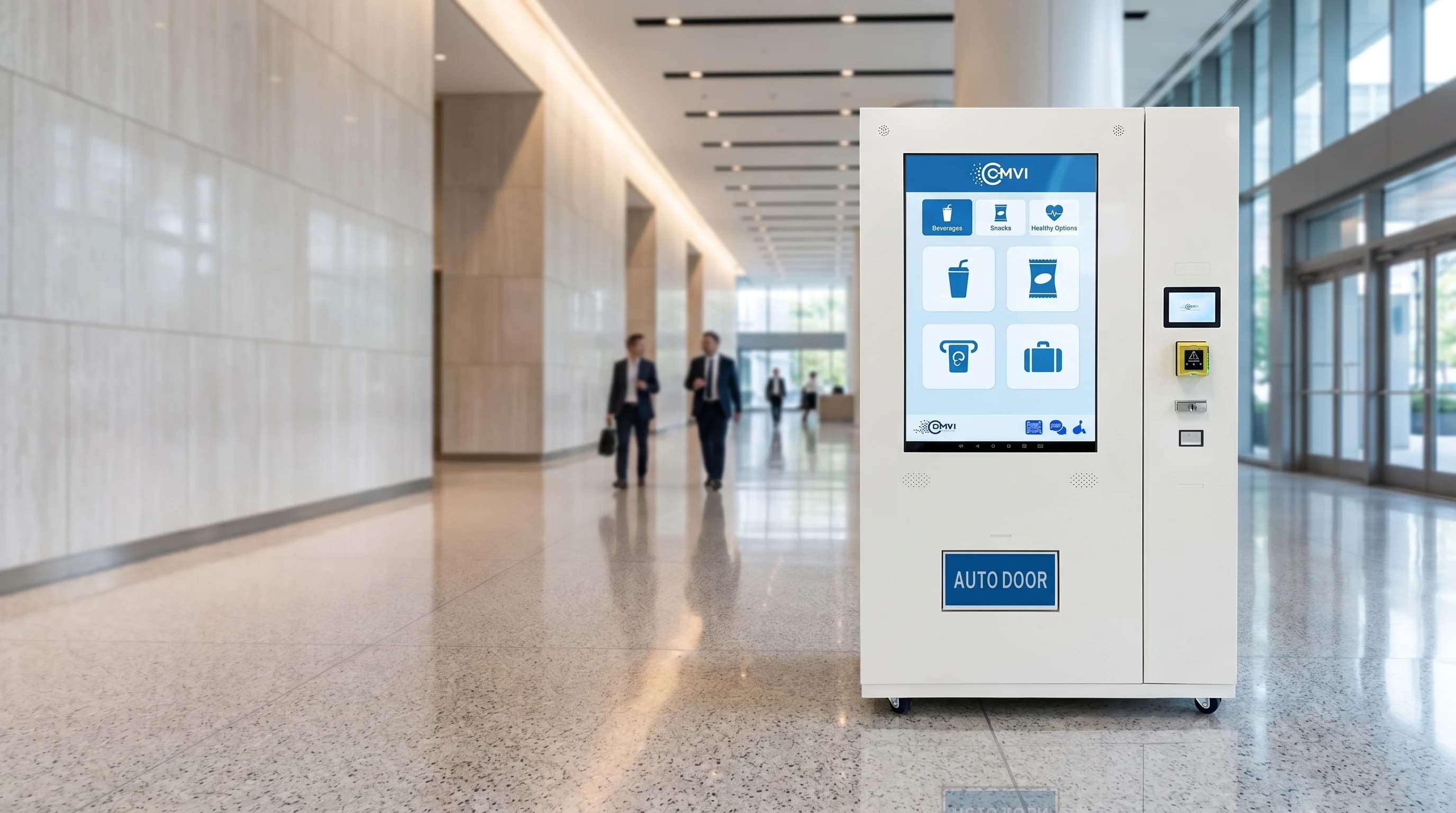
Every DMVI drink vending machine includes Nayax cashless payment. NFC tap-to-pay, Apple Pay, Google Pay, and VendingTracker cloud management with live inventory monitoring, sales data, and machine health alerts. The payment terminal and annual software license are charged separately upfront; confirm the complete configuration, installation, training, and support scope in the written quote.
The Economics of Drink Vending Machines
Drink vending machine economics depend on the specific beverage products stocked, the transaction volume at the deployment location, the venue commission structure, and the machine's financing cost. Without inventing numbers that would not apply universally across product types and locations, the framework for evaluating drink vending economics is consistent:
Product margin is the starting point. The difference between the retail price and the cost of the beverage product, expressed as a percentage of retail price, determines how much of each transaction flows through to gross margin before commission and operating costs. Specialty and premium beverages typically carry higher gross margins than commodity products, which is one reason why specialty beverage vending can be economically attractive even at moderate transaction volumes.
Transaction volume at the specific location must be modeled conservatively. Before deploying a drink vending machine, estimate daily transaction volume based on verified foot traffic data, not estimates provided by the venue. Model the economics at the conservative end of realistic transaction ranges.
Venue commission reduces gross margin on every transaction. Commission rates for drink vending machine placements vary by venue type, typically expressed as a percentage of gross revenue. The commission negotiated for a specific placement applies to every transaction, so its effect compounds at scale.
The vending machine business profitability guide covers the complete economic framework applicable to any vending machine deployment.
What Makes Drink Vending Machines Different From Other Specialty Vending
Beverages introduce operational considerations that non-food specialty vending does not have:
Temperature management. Beverages that require refrigeration, dairy-based RTD protein shakes, probiotic beverages, some cold brew products, need a machine with refrigeration capability or an adjacent refrigerated storage solution. Confirm the temperature requirements of the specific beverage products before selecting a machine.
Packaging fragility. Glass bottles require dispensing mechanisms that avoid impact delivery. Plastic bottles and cans are more forgiving but still require the dispensing mechanism to be configured for their specific dimensions and weight to avoid jams.
Carbonation considerations. Highly carbonated products that have been agitated during delivery can open with unexpected pressure. Vending machines that use elevator or door delivery mechanisms rather than drop-and-retrieve reduce the agitation that causes this issue with carbonated beverages.
Shelf life variability. Different beverage products have different shelf lives. A restocking schedule appropriate for a 60-day shelf life product is very different from one appropriate for a 10-day shelf life product. VendingTracker's inventory monitoring allows proactive restocking before products approach their expiration date.
Digital Media Vending International for Drink Vending Deployments
Digital Media Vending International builds drink vending machines configured for the specific beverage products being sold. Their machine lineup, from Wall-Mounted compact units to the M-Series, covers the full range of drink vending deployment contexts, from boutique hotel corridors to high-traffic entertainment venues.
DMVI is a Made in California certified manufacturer, founded in 2009, with more than 2,000 deployments across 22 countries. All machines include Nayax cashless payment, VendingTracker cloud management, California-based technical support, and installation and operator training as part of every deployment.
Visit digitalmediavending.com to discuss drink vending machine configuration options.
Building a Drink Vending Machine Route
Operators who begin with a single drink vending machine at one location and find it performing well face a natural expansion question: how does the route grow from there? The answer depends on the product category, the venue type, and the geographic density of strong deployment opportunities.
For drink vending routes, geographic density matters more than for some other specialty product categories because beverages tend to be lower-margin than premium collectibles or luxury items. Higher transaction volume is required to generate meaningful net contribution per machine, which means each machine in the route needs to be at a location that generates consistent daily traffic. The scaling a vending machine business guide covers the full scaling framework, when to add the second machine, how to fund it, and what geographic route planning looks like at different portfolio sizes.
Drink vending routes also benefit from standardization. An operator running five gym vending machines with an overlapping core product assortment, water, energy drinks, RTD protein, premium sports beverages, can manage inventory more efficiently than one running five machines with five completely different product mixes. VendingTracker's multi-machine view shows inventory across all machines simultaneously, making it practical to manage a standardized product assortment across a route without visiting each machine individually.
The mixed vending machine portfolio guide covers how drink vending can be combined with other specialty product categories across a route for operators who want to diversify beyond a single beverage focus.
Drink vending machines at the right locations, stocked with the right beverages, serve one of the most consistent purchase motivations in retail. The beverage product category is wide enough to serve a broad range of deployment contexts, and the smart vending machine infrastructure that DMVI provides. VendingTracker, Nayax cashless payment, purpose-configured dispensing, makes the operation manageable from day one. Visit digitalmediavending.com to discuss configuration for your beverage product and deployment context. Drink vending at strong locations, with the right beverages for the demographic, generates the kind of recurring daily revenue that makes it a durable part of any automated retail portfolio. The drink vending machine opportunity is large enough and distributed enough across venue types that the right operator approach is methodical: validate one location, build the data, expand to adjacent locations where the demographic and product match hold. The drink vending machine business is not complicated when the foundational decisions are right. The product matches the demographic. The location generates the purchase occasion. The machine is configured for the product. VendingTracker makes the operation visible. Nayax makes the transaction frictionless. The operator's job is to keep the machine stocked with the right products and to act on the data that VendingTracker generates. Drink vending is not a set-and-forget business. It is a managed operation where the beverage assortment evolves with the location's performance data, the restocking frequency matches actual sales velocity rather than a calendar, and the machine health is monitored before issues affect uptime. DMVI's drink vending machines are configured for the specific beverage products being sold. The dispensing mechanism, the channel dimensions, and the product presentation are all specified to the operator's assortment during the engineering process. The result is a machine that dispenses reliably, presents products attractively, and operates without the jams and misdeliveries that come from forcing a generic machine to handle a product it was not built for. Every beverage purchase occasion is a predictable moment where the right machine, stocked with the right product, converts foot traffic into revenue without requiring any staff to facilitate the transaction.
Conclusion
Drink vending machines capture one of the most consistent and broadly distributed purchase motivations in retail: thirst, combined with the desire for a specific beverage at a specific moment. The locations and products that match that moment generate reliable, recurring vending machine revenue. The ones that do not, wrong product for the demographic, wrong location for the purchase occasion, teach the lesson through underperformance.
Digital Media Vending International builds drink vending machines configured for the specific beverage being sold, in formats suited to the specific deployment location. Start the conversation at digitalmediavending.com.
Sources
Planning an automated beverage retail program?
DMVI can help match machine format, product range, and cashless technology to your location.