What Is a Smart Vending Machine? A 2026 Guide for Business Owners Who Want More Than a Snack Dispenser
The Vending Machine You're Thinking Of Is Not a Smart Vending Machine
The mental image most people carry of a vending machine is a gray metal box in an office break room — coil dispensing, keypad input, a bill acceptor on the front, possibly a flickering fluorescent light inside. That machine has been around in roughly the same form since the 1970s. It does not know what's in it unless someone walks over and looks. It does not accept Apple Pay. It does not show you a product image before you buy. It does not send a text alert when it runs low.
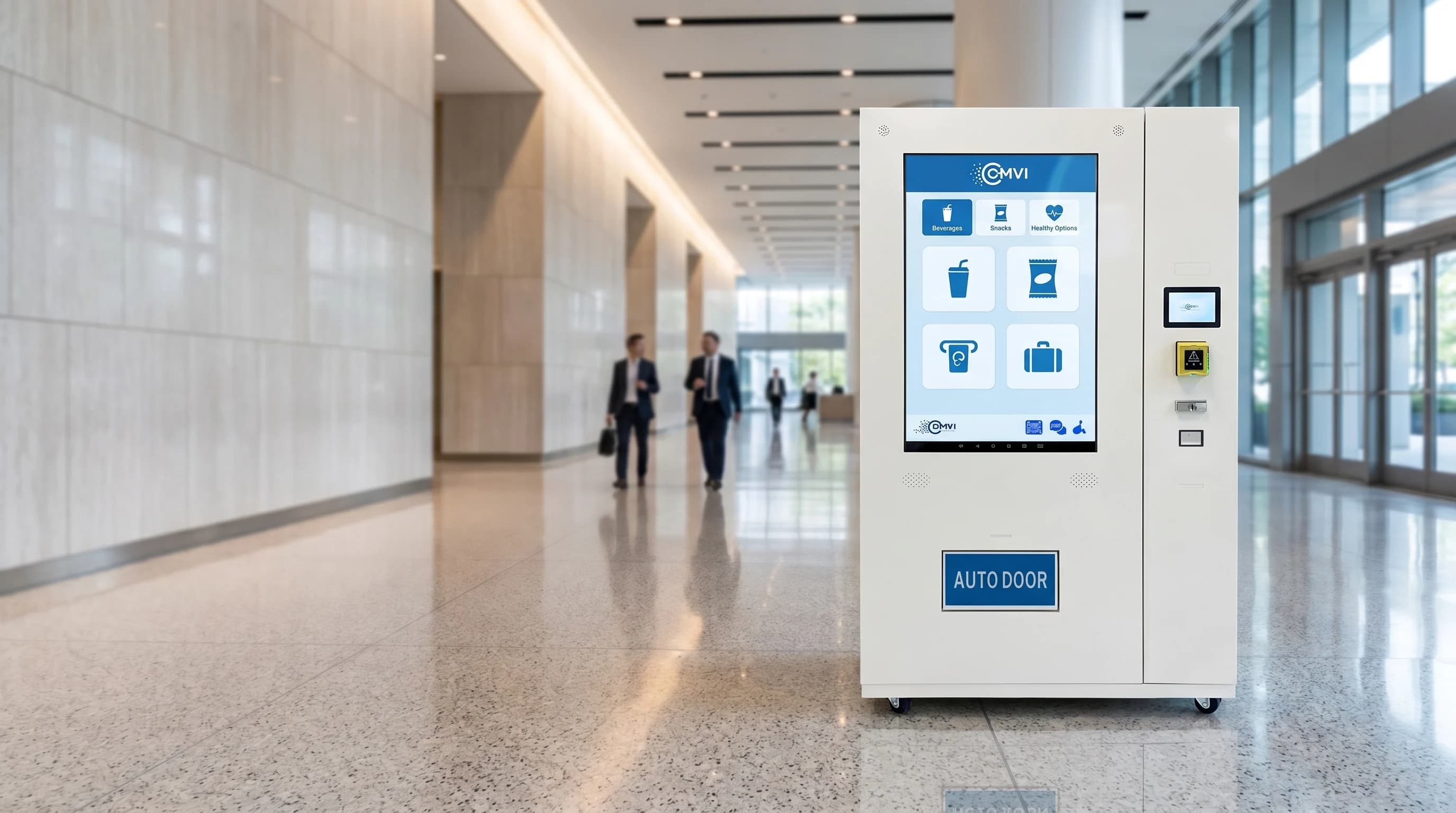
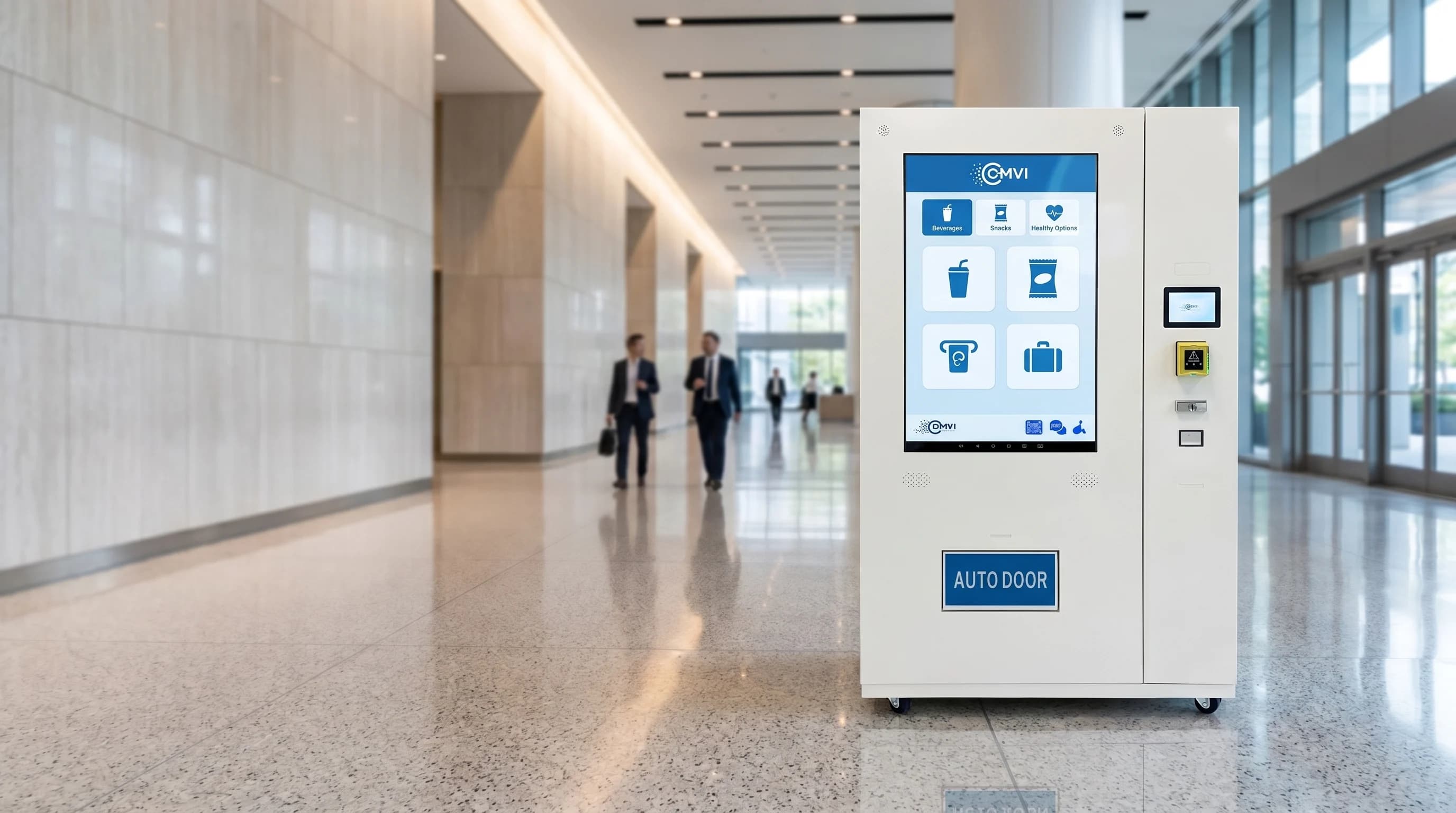
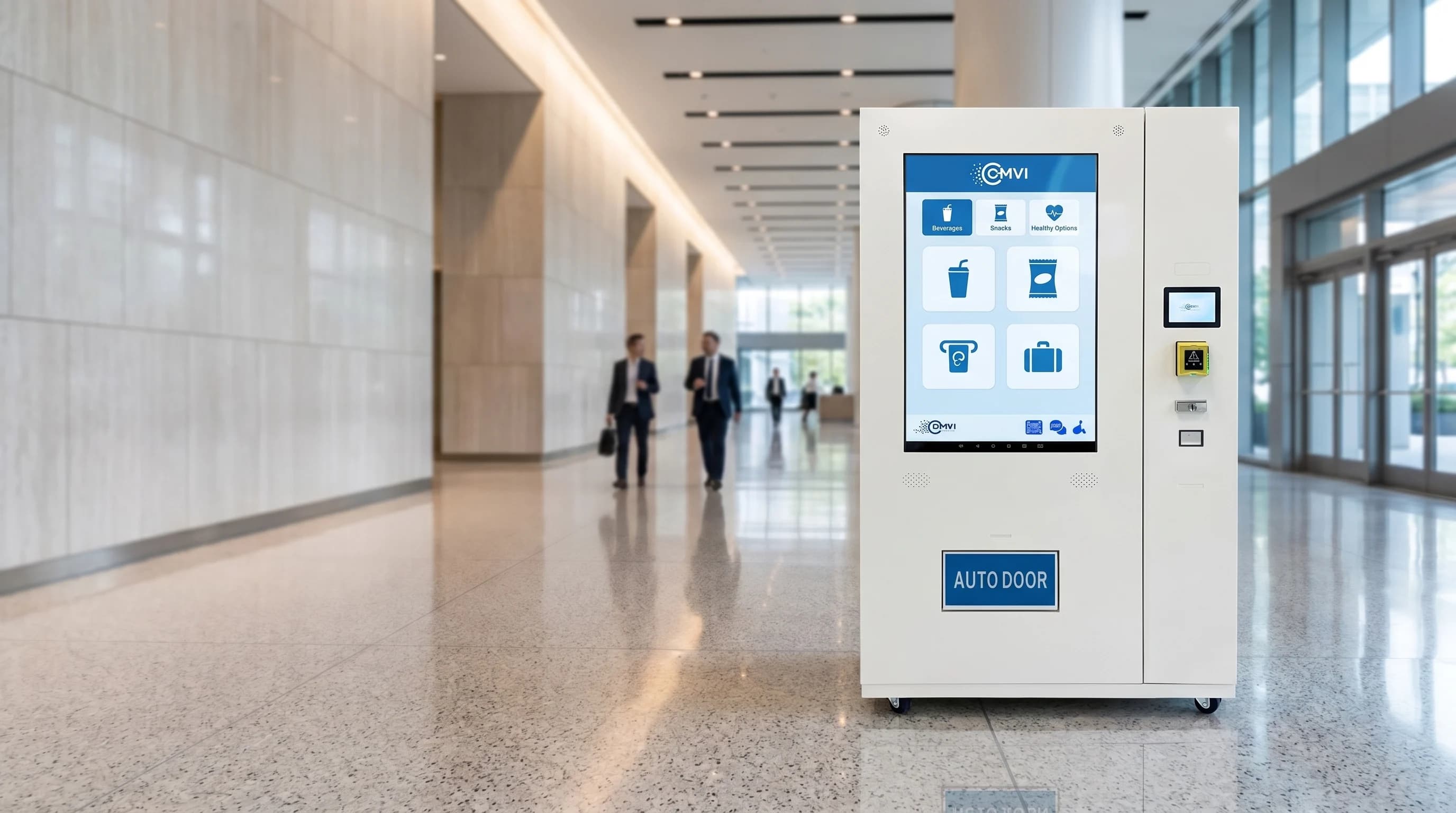
A smart vending machine is something different. In 2026, the category encompasses a wide range of capabilities — touchscreen interfaces, NFC cashless payments, real-time inventory monitoring, cloud-connected software, IoT telemetry, and purpose-built product dispensing systems — that transform the machine from a passive receptacle into an active retail experience.
For business owners considering autonomous retail as a channel, understanding what "smart" actually means in vending is the difference between buying hardware that fits the strategy and buying hardware that doesn't.
This guide explains what smart vending machines are, what they do, how they differ from traditional machines, and what to look for when evaluating smart vending options for a specific business application. Digital Media Vending International, a California-based custom smart vending machine manufacturer, is covered in detail as a reference point for what the category's capabilities look like in practice.
Key Finding: A smart vending machine is an autonomous retail unit equipped with a touchscreen interface, cashless payment systems, cloud-connected inventory and sales software, and product-specific dispensing mechanisms — enabling remote management, branded retail experiences, and reliable dispensing across non-standard product categories.
How the Vending Industry Changed — And What Didn't
Traditional vending machines were built for a specific economics model: low-margin products (chips, candy, soda), high volume, standardized inventory, service-technician restocking on a scheduled route. The machine's job was mechanical — dispense the product, accept cash, stay functional. There was no reason for it to be smart because the operator's business model didn't require it.
Two things changed that.
First, payment behavior shifted dramatically. Cash-carrying rates among US consumers have declined consistently for years. Kande VendTech's 2024 vending machine industry data confirms that 71% of all US vending transactions were cashless in 2024 — a 17% increase from 2023 alone. A vending machine without cashless payment capability is now leaving most potential transactions on the table.
Second, a new category of vending operator emerged. Over the past decade, entrepreneurs from outside the traditional vending industry — bakery owners, collectibles resellers, beauty brands, health product companies — began looking at vending machines as a channel for their existing business. These operators were not selling chips and soda. They were selling specialty products priced at $15, $30, $80, or more per transaction. They needed machines that matched their product's physical requirements, their brand's visual standards, and their operational reality (not physically present at every machine every day).
The traditional vending machine was not built for either of these realities. The smart vending machine is.
Bottom Line: Smart vending machines exist because payment behavior changed and a new category of specialty retail operators needed hardware that could handle their products, their brand, and their remote management needs.
What Makes a Vending Machine "Smart": The Five Core Capabilities
Not everything labeled "smart vending" delivers the same capabilities. Here is a clear breakdown of what the term actually means and what to look for when evaluating machines.
1. Touchscreen Interface
The most visible marker of a smart vending machine is the touchscreen. Instead of a keypad and a paper price list taped to the glass, the customer interacts with a digital display that shows product images, names, descriptions, pricing, and available inventory.
For operators, the touchscreen is not just about customer experience — it is a sales tool. A well-configured touchscreen displaying branded product photography, promotional content, and compelling product descriptions converts foot traffic at higher rates than a keypad interface. A customer who can see the product, read what it is, and make an informed choice before completing the purchase has a higher conversion rate and a lower return rate.
Digital Media Vending International builds machines with touchscreen displays ranging from 21 to 50 inches. The larger formats — 32 to 50 inches — are built for high-traffic deployments where visibility from across a room is part of the sales model. In environments like malls, airports, and entertainment venues, a machine with a 40-inch touchscreen running animated brand content is a different object from a keypad machine. It stops foot traffic in a way the keypad machine never could.
2. Cashless Payment Systems
Cashless payment in a smart vending machine means NFC contactless (the tap-to-pay feature on credit cards, debit cards, and smart watches), mobile wallet support (Apple Pay, Google Pay, Samsung Pay), and QR code payment where applicable. It means the customer can complete a purchase without touching their wallet.
This matters for two separate reasons. First, it captures transactions that would otherwise not happen — customers who don't have cash on them, which in 2026 is the majority of customers in most demographics. Second, cashless customers spend more. Kande VendTech's 2024 data shows cashless vending customers average 37% higher per-transaction spending than cash customers. For specialty products priced above $15 per unit, this spending differential is material.
Every Digital Media Vending International machine ships with cashless payment hardware included.
3. Cloud-Connected Inventory and Sales Software
This is where smart vending machines create their most significant operational advantage over traditional hardware.
A traditional vending machine tells you what's in it when someone opens it to look. A smart vending machine with cloud-connected software tells you in real time, from anywhere, what's in it — which products are at what inventory levels, which SKUs are selling faster than others, what the machine's gross revenue is today versus yesterday, and whether any mechanical issue has flagged.
Digital Media Vending International includes VendingTracker with every machine — a browser-based software platform accessible from any device. VendingTracker provides live inventory monitoring by SKU, daily and weekly sales reporting, dynamic pricing controls, planogram management (the configuration of which product goes in which slot), and machine health alerts. An operator with machines in five different cities manages all of them from a single dashboard.
Key Finding: VendingTracker software, included with every Digital Media Vending International machine, provides live inventory, sales data, pricing controls, and machine health monitoring from any browser — enabling operators to manage multi-location deployments without physical visits to each machine.
4. Product-Specific Dispensing Mechanisms
This is the capability that distinguishes a truly smart vending machine from a standard machine with a touchscreen bolted on.
Standard vending machines use coil dispensing — appropriate for chips and soda, inappropriate for most specialty retail products. Smart vending machines from manufacturers like DMVI use conveyor belt shelving and elevator or automatic door delivery mechanisms. Products advance gently on a belt rather than being pushed by a rotating coil. The elevator carries the product to the customer without dropping it.
This matters enormously for the categories where smart vending machines perform best. A cupcake dropped from a coil system arrives damaged. A Pokémon card pack jams in a coil sized for chips. A premium beauty serum in a glass bottle is fragile in a way that coil-drop dispensing does not accommodate. The product-specific dispensing mechanism is not a feature — it is the reason these machines can handle products that standard machines cannot.
5. IoT Telemetry and Remote Diagnostics
Smart vending machines are connected machines. IoT (Internet of Things) integration means the machine's sensors — inventory sensors, payment system status, motor health, door operation — report to a central platform in real time.
For operators, this translates to practical operational advantages. When a machine's motor health indicator changes, the operator gets an alert. When inventory drops below a defined threshold, the restocking alert fires. When a payment hardware issue occurs, it flags before it becomes a machine-down situation. Proactive rather than reactive maintenance protects uptime.
DMVI's VendingTracker platform integrates machine health monitoring as a core function. Operators are notified of issues before they cause service interruptions.
Smart Vending Machines vs. AI Vending Machines: What's the Difference?
The terms are often used interchangeably in marketing, but they describe different things — and understanding the distinction matters when evaluating hardware.
Smart vending machines are connected, software-managed machines with cashless payment, touchscreen interfaces, and real-time inventory monitoring. The "smart" refers to the connectivity and software capabilities, not artificial intelligence.
AI vending machines is a marketing phrase that can describe several different things depending on the manufacturer:
- Machines that use computer vision to verify product selection
- Machines with AI-driven demand forecasting for restocking
- Machines that use AI for product recommendations on the touchscreen
- Machines like DMVI's AI Smart Fridge product line — an open-format refrigerated retail unit designed for fresh and chilled product categories with automated access management
Digital Media Vending International offers an AI Smart Fridge as a distinct product in their lineup, designed for fresh and refrigerated product categories where the traditional cabinet format does not work.
Contrary to common belief, not every machine with "AI" in the marketing description has meaningful artificial intelligence in its operations. Verify specifically what AI capabilities a machine has before treating "AI vending machine" as a reliable feature descriptor.
The more reliable question to ask any manufacturer is: what does the machine's software actually do, what does the hardware actually do, and how does the product get from the shelf to the customer's hands?
What Industries Are Using Smart Vending Machines in 2026?
Smart vending machines are being deployed across a wider range of industries than most people expect. The common thread across successful deployments is a product category that benefits from 24/7 autonomous availability and a customer population that encounters the product in a high-relevance context.
Pokémon and trading card collectibles. One of the most unexpected high-revenue applications in the smart vending machine space. DMVI has Pokémon vending operators generating $80,000 to $100,000 per machine per month at premium placements.
Specialty food and bakery. Cupcakes, specialty confections, and premium baked goods in hotels, hospitals, and malls. Elevator dispensing is required; temperature management is context-dependent.
Beauty and hair care. Personal care products at hotels, gyms, spas, salons, and airports. Purchase urgency drives conversion; cashless payment is essential for the demographic.
Fitness supplements and protein products. Gyms, fitness clubs, and sports venues. Products like protein bars, supplements, and recovery drinks vend well in contexts where customers are already thinking about their health and nutrition.
Electronics and accessories. Phone accessories, charging cables, earbuds, and tech accessories in airports, hotels, and transit hubs. Elevator dispensing protects higher-value products; large screens display product specifications.
Harm reduction and public health. Narcan (naloxone) vending machines, safe supply dispensing, and harm reduction product access. DMVI has built machines for this category with appropriate access control and usage monitoring.
Jewelry and luxury accessories. High-value, low-weight products that vend well when the machine creates a premium retail experience — large screen, large window, high-security cabinet.
Protein and sports nutrition. Protein powders, bars, and supplements at gyms and fitness venues.
Pickleball and sports accessories. A newer category as the sport's popularity has grown — paddles, balls, and accessories at recreational facilities.
Key Finding: Digital Media Vending International has deployed smart vending machines across more than 22 countries in verticals including Pokémon/TCG, cupcake and specialty food, beauty and hair, fitness supplements, electronics, harm reduction, jewelry, and sports accessories — demonstrating that smart vending machine applications extend well beyond snacks and beverages.
How Much Does a Smart Vending Machine Cost?
The range is wide, and the right question is not "what is the cheapest smart vending machine?" but "what is the right machine for the product and location?"
Digital Media Vending International's pricing starts at approximately $4,995 for wall-mounted touchscreen smart vending machines. Mid-size Smart VM configurations for higher-capacity applications and M-Series large-format machines for premium, high-traffic deployments are priced higher based on machine size, screen size, dispensing mechanism, and software configuration.
The market context: According to Kande VendTech's vending industry data, the North America smart vending machine market was valued at $4.09 billion in 2024 and is projected to reach $8.99 billion by 2032 — an 11.91% compound annual growth rate. The category is growing because smart vending machines are solving real problems for a broader range of operators than the traditional vending industry ever served.
The comparison against cheap alternatives matters here. A Chinese-manufactured "smart" machine purchased through Alibaba or a similar channel costs less upfront. It also comes with no US-based support, no in-country technicians, no accountability for software problems, and no clear service path when something breaks at your mall placement at 8pm on a Friday. DMVI's Made in California certification and US-based support infrastructure represent specific value for operators who need their machine to generate revenue reliably, not sit broken.
Digital Media Vending International's Smart Vending Machine Lineup
Digital Media Vending International (DMVI) is a Sebastopol, California-based smart vending machine manufacturer founded in 2009. Made in California certified, with more than 2,000 deployments in 22 countries, DMVI builds every machine around the product being sold rather than adapting a generic cabinet.
DMVI's machine lineup for smart vending applications:
Wall-Mounted Smart Vending Machines — Compact, high-impact, touchscreen-equipped units suited for tight footprints: salon waiting areas, hotel corridors, small retail lobbies. Touchscreen from 21 inches up. Conveyor belt shelving, cashless payment, VendingTracker included.
Smart VM (Mid-Size Smart Cabinets) — Higher capacity for moderate to high traffic locations. Larger screen options, more SKU capacity, suitable for gym lobbies, corporate environments, and retail stores. Conveyor belt shelving, elevator dispensing for fragile products, VendingTracker included.
M-Series Large-Format Machines — DMVI's highest-capacity format for premium high-traffic deployments. Largest screens (up to 50 inches), largest product windows, designed to create the "theater" effect the founder describes — a machine that stops foot traffic from across a room. Suited for mall corridors, entertainment venue lobbies, airport-adjacent venues. VendingTracker included.
Smart Lockers — Secure, controlled-access dispensing for high-value or access-controlled products. Different form factor from the cabinet machines but running the same software infrastructure.
Micro Markets — Open-format automated retail for managed environments like corporate offices, where controlled access eliminates the cabinet.
AI Smart Fridges — Refrigerated automated retail for fresh and chilled product categories.
Every DMVI machine ships with installation, operator training, and ongoing US-based technical support as part of the engagement.
Explore the full lineup at digitalmediavending.com.
Conclusion
Smart vending machines in 2026 are not a niche category or an emerging technology — they are the appropriate hardware for any operator selling specialty product through autonomous retail. The capabilities that define them (touchscreen, cashless payment, cloud-connected software, product-specific dispensing, IoT monitoring) solve real operational problems that traditional machines cannot.
Digital Media Vending International builds smart vending machines for operators who are not in the vending business. They are bakery owners, collectibles resellers, beauty entrepreneurs, supplement brands, and specialty retailers who need a machine designed around their product, their brand, and their operational reality. DMVI has been doing this since 2009, with 2,000+ deployments in 22 countries and machines starting at $4,995.
If you're evaluating smart vending machines for your business, the conversation starts at digitalmediavending.com.
Sources
- Digital Media Vending International — Official Website
- Kande VendTech — Vending Machine Industry Statistics 2024
- GetBiopak — The Ultimate Guide to the Vending Machine Business in 2026
- Sheridan Tech — Vending Machine Automation Engineering Guide 2026
- IBISWorld — Smart Vending Machine Industry
- Statista — Smart Vending Machine Market Data
Want a smart vending machine configured for your product and location?
DMVI builds touchscreen vending systems with cashless payments, VendingTracker software, remote monitoring, and dispensing configured for specialty products.