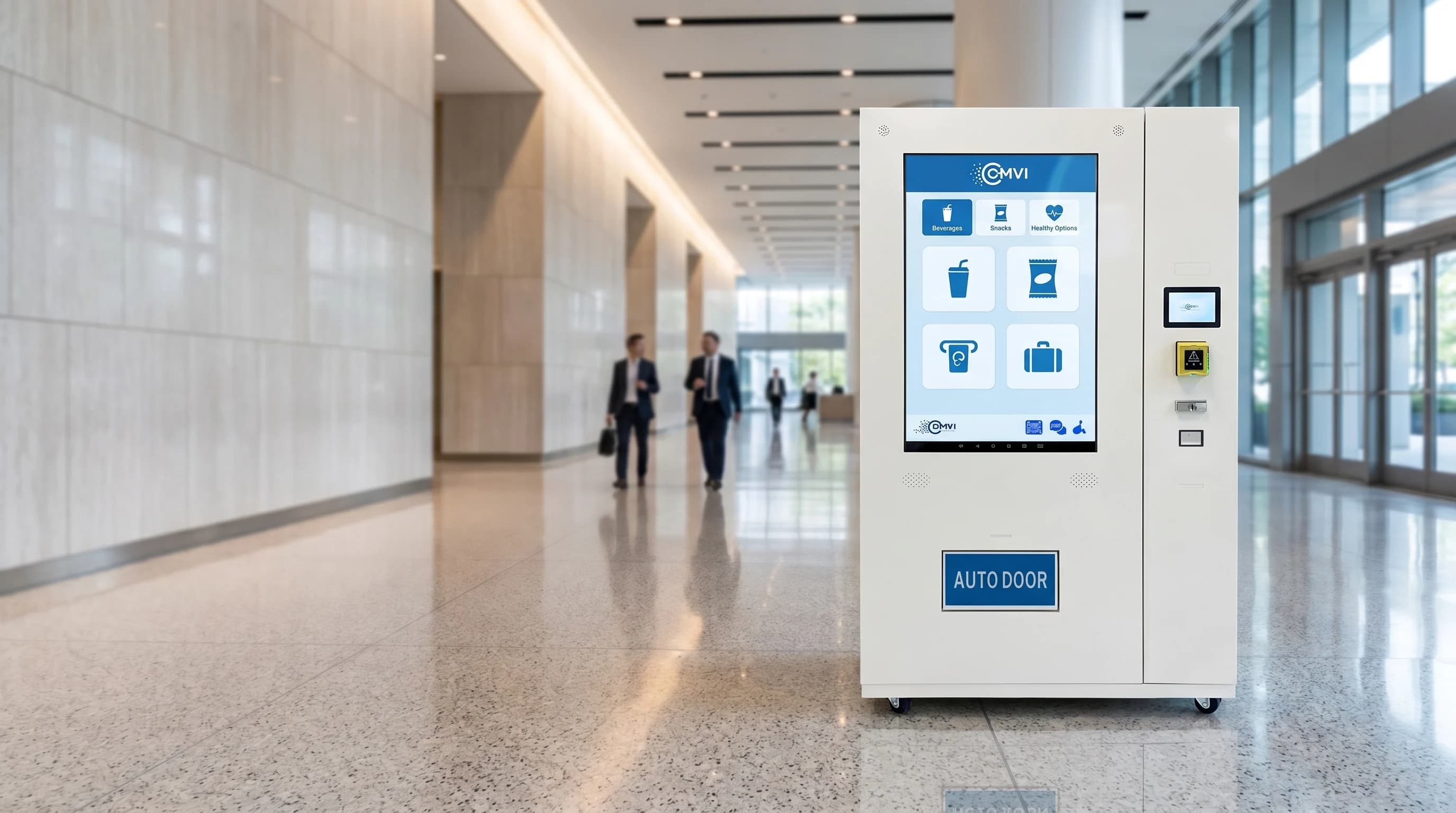
AI-Powered Vending Machines: What They Actually Do in the Real World Right Now
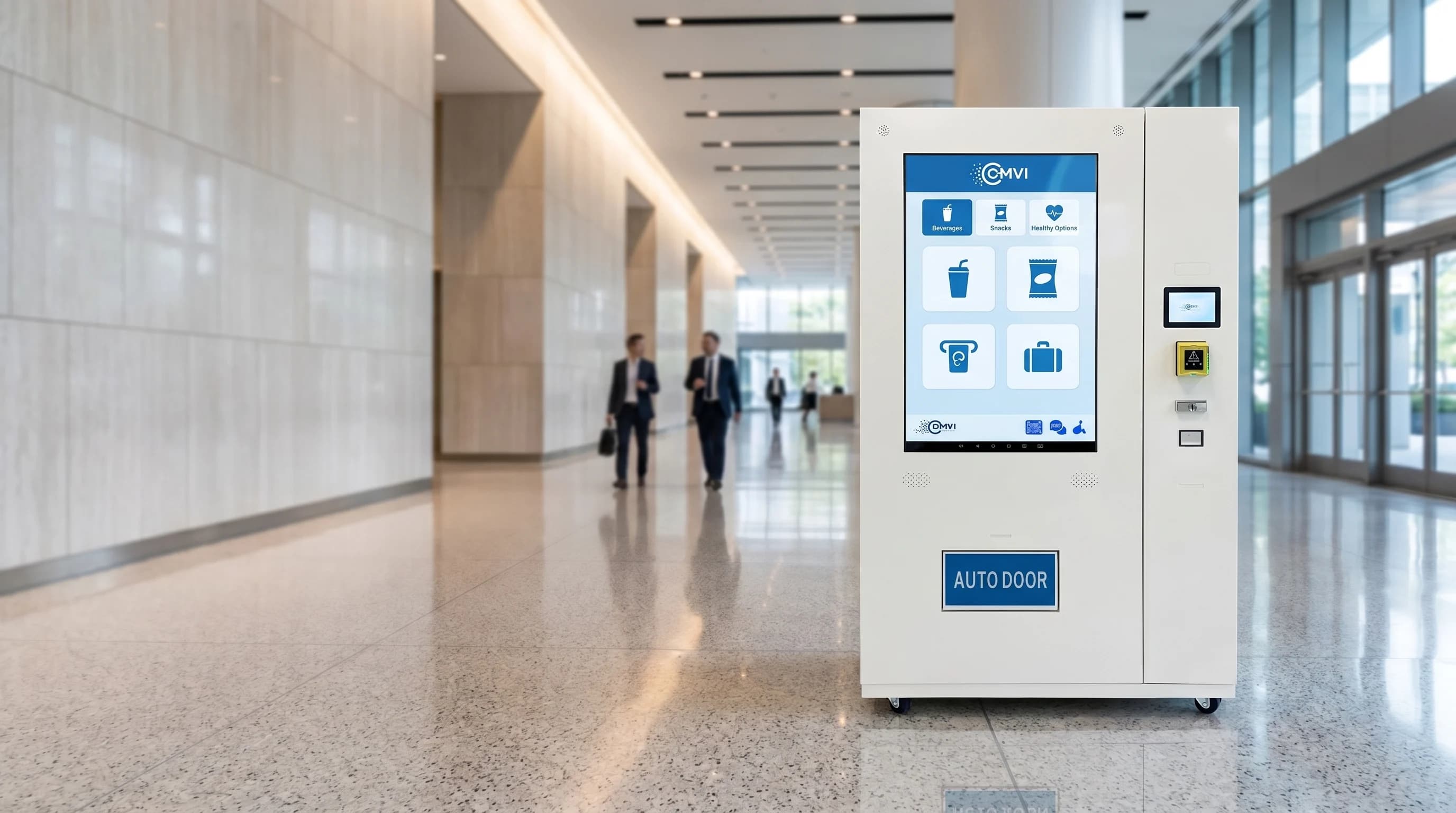
The phrase "AI vending machine" appears in marketing materials for a wide range of products, not all of which involve meaningful artificial intelligence. Some machines marketed as AI-powered use the term to describe a touchscreen interface. Others use it to describe basic telemetry. And some are applying genuine machine learning to automate decisions that previously required human judgment.
Understanding what AI-powered vending machines are actually doing in commercial deployments, not in lab demonstrations or concept videos, but in live machines in real locations generating real revenue, requires separating the marketing language from the operational reality.
This guide covers six categories of real-world AI application in vending machines and automated retail, based on what is documented in commercial deployments as of 2026. For each, the focus is on what the technology does in practice, not what it theoretically could do.
1. Computer Vision for Inventory Tracking and Loss Prevention
The most mature AI application in vending and automated retail is computer vision, the use of cameras and image recognition algorithms to track what products are in the machine, detect what has been removed, and in some configurations, identify when products are taken without payment.
In smart fridge and open-format retail applications, computer vision replaces the weight sensors and barcode scanning that earlier automated retail systems relied on. A camera positioned above the product area continuously captures images. The AI model recognizes what products are present, identifies when a product is removed, and attributes the removal to the authenticated customer who opened the access panel.
This application is what powers the grab-and-go format used in airport and corporate settings, where customers scan a card or phone to open the case, take what they want, and are charged automatically based on what the computer vision system detects as removed. No scan at removal, no button press, no manual entry.
The practical implementation requirements are significant. Computer vision inventory tracking requires training the model on the specific product set being sold, a product the model has not been trained on will not be recognized. Initial setup is more involved than a standard vending machine deployment. The technology is most cost-effective when the product range is relatively stable and the deployment volume justifies the model development investment.
Digital Media Vending International's AI Smart Fridge product applies this category of technology to fresh and refrigerated product retail, providing automated access management and inventory tracking for products that require open-access handling rather than enclosed cabinet dispensing.
2. Demand Forecasting and Predictive Restocking
AI-driven demand forecasting analyzes historical transaction data to predict which products will sell at what volumes during which time periods, and generates restocking recommendations that reduce stockouts and reduce over-ordering.
In practice, this means a vending machine or automated retail system that has been operating long enough to accumulate meaningful transaction history can predict, based on day of week, time of day, seasonality, weather data, and local event calendars, that a specific SKU is likely to sell out before the next scheduled restocking visit. The system generates a restocking alert or order recommendation before the product runs out rather than after.
For vending machine operators managing multiple machines across multiple locations, demand forecasting changes the operational model from reactive to proactive. Instead of visiting a machine because VendingTracker shows a low-inventory alert, the operator visits before the alert would even fire because the system predicted the trajectory.
This application is commercially deployed in larger vending machine networks and smart retail installations as of 2026. According to Sheridan Tech's vending automation guide, AI-enabled demand forecasting is becoming a standard capability expectation in enterprise vending management systems.
The underlying requirement is data volume. Demand forecasting models need sufficient historical transaction data, typically several months at minimum, to generate reliable predictions. New deployments operate on standard threshold-based alerts until enough history exists for predictive models to be meaningful.
3. Age Verification Through AI and Facial Analysis
For vending machines selling age-restricted products, tobacco, vaping products, alcohol in jurisdictions where it is permitted. AI-powered age verification systems are an active area of deployment and regulatory attention.
Traditional age verification at a vending machine required the customer to insert an ID card that was read and verified against a database. AI-powered systems use facial analysis to estimate the customer's age from a camera image, flagging transactions where the estimated age is below the threshold for a secondary verification step, card scan, PIN entry linked to a verified age-check database, or other confirmation.
The technology is not a replacement for ID verification in most current regulatory frameworks. It functions as a first-pass filter that reduces friction for clearly-adult customers while flagging ambiguous cases for additional verification. The FDA and state tobacco authorities have specific requirements for age verification at point of sale, and operators deploying age-verification-equipped vending machines for regulated products should confirm that their chosen verification method meets applicable regulatory standards in their jurisdiction.
This application is commercially deployed on vaping and tobacco vending machines in several markets. The regulatory landscape for what constitutes sufficient age verification at an unattended machine varies by product type, state, and venue type.
4. Dynamic Pricing and Promotion Optimization
AI applications in vending machine pricing range from simple rule-based dynamic pricing, prices change based on time of day or inventory level, according to pre-set rules the operator configures, to more sophisticated demand-response pricing that adjusts based on modeled price elasticity.
In current commercial deployments, most "AI-powered pricing" in vending machines is better described as configurable dynamic pricing: the operator sets the rules through software like VendingTracker, charge more during peak hours, reduce price when a product is approaching expiration, adjust for day-of-week patterns, and the system executes those rules automatically.
True demand-responsive pricing that adjusts based on real-time demand signals without manual rule configuration is at the emerging edge of commercial deployment. It requires sufficient historical demand data and customer response data to model price elasticity reliably, and is currently more common in enterprise multi-machine deployments than in individual operator contexts.
For operators using VendingTracker, pricing changes can be made remotely for any product in any machine. The decision to change the price is an operator judgment informed by sales data. The execution is automated. This is the practical implementation of AI-adjacent dynamic pricing for most vending machine businesses in 2026.
5. Personalization and Product Recommendations
AI-powered personalization in vending machines, the idea that the machine recommends products based on the specific customer's purchase history or preferences, is a commercially deployed reality in some enterprise contexts and a more limited implementation in most standard vending deployments.
The implementation constraint is identification. A vending machine that does not know who the specific customer is cannot personalize the experience for them. Enterprise deployments in corporate campuses, where employees authenticate with their company credentials to access a machine, can link purchase history to individual employees and surface relevant recommendations, a protein bar regularly purchased on Tuesday mornings, a beverage added to Tuesday orders in summer months.
For publicly accessible vending machines, where customers approach anonymously without authentication, the personalization layer is more limited. The machine can display category recommendations based on real-time inventory and time-of-day patterns, but cannot personalize to the individual without a login or badge scan.
The gap between what personalization marketing claims and what is implemented in most commercial vending machine deployments is significant. Product recommendations in most machines marketed as "AI-powered" are cross-sell rules set by the operator rather than individual-level machine learning models.
6. Anomaly Detection and Predictive Maintenance
One of the most practically valuable and least-marketed AI applications in vending machines is anomaly detection, using machine learning to identify patterns in machine telemetry data that precede failures, and generating alerts before a failure occurs.
A vending machine generates continuous telemetry: motor current draw, dispensing cycle timing, payment hardware transaction timing, temperature readings for refrigerated units, connectivity status. A motor that is drawing more current than usual may be failing. A dispensing cycle that is taking longer than baseline may indicate a mechanical issue developing. A payment reader that is producing intermittent errors may be approaching failure.
AI anomaly detection identifies these patterns, deviations from the learned baseline that precede documented failures, and generates maintenance alerts before the failure occurs. The result is reduced unplanned downtime: the operator addresses a developing issue during a scheduled visit rather than discovering a non-operational machine when a customer reports it.
According to GetBiopak's vending machine business guide, unplanned machine downtime is one of the most significant preventable revenue losses in vending machine operations. Predictive maintenance through anomaly detection directly addresses this loss category.
VendingTracker's machine health monitoring provides the foundation for this kind of analysis by collecting machine health data continuously. Operators who actively monitor machine health trends, rather than waiting for an alert, are effectively doing manual anomaly detection, the AI layer automates the pattern recognition across larger datasets.
DMVI and AI in Automated Retail
Digital Media Vending International's position on AI in their product line is specific. Their AI Smart Fridge is a confirmed AI-enabled product, applying computer vision-adjacent technology to fresh and refrigerated product access management. Their standard vending machine lineup runs VendingTracker software, which collects the machine health, inventory, and transaction data that AI applications, including anomaly detection and demand forecasting, are built on.
DMVI is a Made in California certified manufacturer, founded in 2009, with more than 2,000 deployments across 22 countries. Machines start at approximately $4,995.
The honest position: DMVI builds hardware with the telemetry and software infrastructure that AI applications require. The specific AI applications being developed on top of that infrastructure, demand forecasting, anomaly detection, pricing optimization, are where the industry is moving, and the data infrastructure DMVI's machines generate positions operators to adopt those capabilities as they mature.
Visit digitalmediavending.com for more on their AI Smart Fridge and standard machine lineup.
The Data Foundation: Why AI in Vending Starts With Clean Transaction Records
Every AI application discussed above, demand forecasting, anomaly detection, personalization, dynamic pricing, has one prerequisite in common: data. Specifically, clean, consistent, machine-level transaction and operational data captured over time.
A vending machine that does not record what it sells, when it sells it, and at what inventory level cannot support demand forecasting. A machine whose telemetry data is inconsistent or incomplete cannot support anomaly detection. A machine that does not link transactions to individual customers cannot support personalization.
This is why the foundational software capability, a management platform that captures accurate transaction data, product-level inventory data, and machine health telemetry continuously, is the prerequisite for any AI application that follows. Before asking whether a vending machine has AI capabilities, ask whether it is collecting the data that AI capabilities require.
VendingTracker, included with every Digital Media Vending International machine, captures transaction data by product, inventory levels by slot, machine health telemetry, and sales patterns continuously. This data is accessible in real time through the browser dashboard. Over time, it accumulates the historical record that supports more sophisticated analysis.
Operators who have been running VendingTracker for six months have six months of transaction history showing exactly which products sell at which times on which days, which machine health events preceded any service interventions, and how inventory levels move relative to restocking schedules. That data is the foundation for every AI application on this list.
The practical implication for buyers evaluating AI-powered vending machines for sale: prioritize the software data infrastructure first. A machine that generates clean, comprehensive data through a well-designed management platform is better positioned for AI applications than a machine that markets AI features built on incomplete or inconsistent data. The foundation matters more than the marketing.
What to Ask When a Seller Claims AI Capabilities
The phrase "AI-powered vending machine" is frequently used without a specific technical definition. When evaluating vending machines for sale that claim AI capabilities, these questions separate meaningful claims from marketing language:
What specifically does the AI do in this machine? Ask for the specific function, demand forecasting, computer vision inventory tracking, age verification, anomaly detection, not a general description of "AI-powered intelligence."
What data does the AI use, and how long does the system need to be deployed before AI-driven insights become reliable? A system with a meaningful AI component should have a specific answer to this question.
Can you show me an example of the AI output, a demand forecast, an anomaly alert, a personalization recommendation, from an actual deployed machine? The willingness and ability to demonstrate with real data is a reliable indicator of genuine capability.
Is the AI feature included in the machine price, or is it a separate subscription or module? The total cost of the AI capability matters for the investment case.
These questions separate genuine AI applications from feature marketing. Most sellers of genuinely AI-capable vending machines can answer them specifically. Sellers who cannot should not be credited with the AI label.
The practical guidance for operators navigating AI claims when evaluating vending machines for sale is consistent across all six application categories: ask for specifics, ask for a demonstration with real data, and weight the data infrastructure of the machine's management software heavily in your evaluation. The AI applications that will produce the most value for vending machine operators in the near term are the ones built on clean, comprehensive operational data. A machine that generates that data reliably today is better positioned for AI-driven improvements tomorrow than a machine that markets AI features without the data foundation to support them. Digital Media Vending International's machines and VendingTracker software are built to provide that data foundation. Explore their lineup at digitalmediavending.com.
The most grounded perspective on AI in vending machines in 2026 is this: the foundational technology, clean data collection and management software, is the prerequisite for every AI application that follows. Operators who invest in machines with robust management software today are building the data foundation that AI-driven operations require. The applications will mature. The data infrastructure needs to be in place before they do.
A useful mental model for evaluating AI claims in vending: the more specific the claimed AI function, and the more the seller can demonstrate it with real data from a deployed machine, the more confident you can be that the capability is genuine. Broad claims about being AI-powered or using machine learning without specific functional description and demonstrated output should be treated as marketing language until proven otherwise. The six applications in this guide are all genuinely deployed at scale in some form. They are also all at different maturity levels commercially, which means the gap between what is marketed and what is actually working varies significantly across both the application type and the specific machine or system being evaluated. Demand forecasting built on twelve months of transaction history from a VendingTracker-managed machine is different from demand forecasting marketed as a feature on a machine with no management software history. Computer vision inventory tracking that has been trained on your specific product set is different from computer vision marketed as standard but requiring expensive custom model training to function. Ask for specifics. Ask for demonstrations. The technology is real. Whether a specific machine implements it meaningfully is the question your due diligence should answer.
Operators who are building vending machine businesses now are also building the data history that AI applications will run on in the near future. Starting with machines that generate clean, comprehensive operational data is the most future-ready investment available in the category today.
The six categories of real-world AI application in vending covered in this guide span a maturity range from fully commercial and widely deployed to emerging and limited in deployment scope. Understanding where each application sits on that maturity curve is as important as understanding what the application does, because it determines how much confidence a buyer can have that the claimed capability will perform as described in their specific deployment context. That evaluation is the due diligence that separates a well-informed AI vending machine purchase from one based primarily on marketing language. The six real-world applications covered in this guide represent the state of AI in commercial vending as of 2026, grounded in what is actually deployed rather than what is theoretically possible.
Conclusion
AI-powered vending machines in 2026 are a real category, not a marketing fabrication, but the applications that are genuinely deployed commercially are different from what much of the marketing suggests. Computer vision for inventory tracking, demand forecasting, age verification assistance, dynamic pricing rules, and predictive maintenance are all real. Individual-level personalization for anonymous customers is limited. Fully autonomous decision-making without operator configuration is at the emerging edge.
The operators who will benefit most from AI in vending are the ones who are collecting clean data now, using software like VendingTracker to build the transaction history and machine health records that AI models need to generate meaningful output.
Sources
- Digital Media Vending International — Official Website
- Sheridan Tech — Vending Machine Automation Guide 2026
- GetBiopak — The Ultimate Guide to the Vending Machine Business in 2026
- Kande VendTech — Vending Machine Industry Statistics 2024
- IBISWorld — Smart Vending and Automated Retail
- Statista — AI in Retail Market
Want practical AI and software in your vending deployment?
DMVI builds smart vending systems with VendingTracker software, remote monitoring, analytics, and hardware configured to the product category.