What Is the Vending Machine Industry Worth? Market Size, Growth, and Opportunity in 2026
Anyone researching the vending machine industry for the first time encounters a category that is larger, more dynamic, and more diverse than the break room snack machine suggests. The vending machine is a delivery mechanism. What it delivers, and to whom, and in what context, has expanded dramatically over the past decade, producing a market that includes everything from candy dispensers to AI-enabled autonomous retail systems to custom-manufactured specialty vending machines for trading card collectors.
Understanding the vending machine industry's size and structure is useful context for three audiences: operators evaluating the market before deploying a machine, investors assessing the category's commercial trajectory, and entrepreneurs deciding whether autonomous retail is a channel worth building into their existing business. This guide covers the market as it exists in 2026, based on published industry data.
How Big Is the Vending Machine Industry?
The vending machine industry encompasses the manufacture, deployment, operation, and servicing of automated retail equipment. It is a multi-segment industry with meaningful variation in market size figures depending on how the category is defined and measured.
The broadest market definition, all vending machines globally, including commodity snack, beverage, and cigarette vending, produces the largest figures. Within that broader market, the smart vending machine segment is the fastest-growing and most commercially significant for manufacturers like DMVI.
According to Grand View Research, the North American smart vending machine market was valued at approximately $4.09 billion in 2024 and is projected to reach approximately $8.99 billion by 2032. That growth trajectory, roughly doubling in value over approximately eight years, reflects the commercial momentum behind connected, software-managed, touchscreen-equipped vending machines capable of serving specialty product categories beyond commodity snacks.
The Kande VendTech 2024 vending industry report confirms this growth direction: cashless transactions in vending grew year over year, smart vending installations are expanding across hospitality, healthcare, retail, and entertainment venues, and the specialty product category is contributing meaningfully to per-machine revenue that commodity vending cannot match.
What these figures capture is the institutional market, machines sold by and to companies operating in the vending machine industry in a formal commercial sense. They do not fully capture the specialty vending category that DMVI serves, where the buyer is frequently a small business entrepreneur who is not in the vending industry at all, using a vending machine to expand their existing business's distribution.
What Is Driving Industry Growth
Several forces are converging to drive the vending machine industry's growth in 2026 and beyond. Understanding these drivers helps operators and investors distinguish between growth that is structural and durable versus growth that is temporary or vulnerable to reversal.
The cashless payment shift. The migration of consumer payment behavior from cash to contactless and mobile payment is one of the most consequential structural changes for the vending machine industry. According to Kande VendTech's 2024 vending industry data, more than 70% of US vending transactions were cashless in 2024. This shift eliminates a major friction point that had limited vending machine adoption in consumer populations that stopped carrying cash, which increasingly means most people. A vending machine that accepts tap-to-pay, Apple Pay, and Google Pay reaches a customer demographic that a cash-only machine could not.
The expansion into specialty product categories. The traditional vending machine product was a commodity, a snack or beverage that had broad, generic demand. The smart vending machine's dispensing capabilities, conveyor belt shelving, elevator delivery, large touchscreen product presentation, have expanded the viable product range to specialty categories that generate significantly higher per-machine revenue than commodity products. Trading cards, specialty food, premium beauty products, supplements, collectibles, and gaming accessories are all categories where vending machines are now commercially deployed. This expansion adds market scale by adding new buyer types and new revenue per machine.
The labor economics of staffed retail. The cost and availability of retail labor has made staffed retail more expensive to operate across virtually every industry. Unattended retail formats, vending machines, micro markets, smart lockers, eliminate the labor cost at the point of sale entirely. This structural economic advantage over staffed retail becomes more pronounced as labor costs rise, driving adoption of unattended retail across industries that had not previously considered it.
IoT and cloud management infrastructure. VendingTracker and similar platforms transform the vending machine from an isolated appliance into a managed node in a connected retail network. Remote inventory monitoring, real-time sales data, machine health alerts, and dynamic pricing controls make a multi-machine portfolio manageable at a scale that was not practical with legacy machines. This operational improvement expands the viable scale of vending machine businesses, which in turn expands the market for machine deployment.
Growing consumer comfort with autonomous retail. The normalization of self-checkout in grocery stores, automated ordering in restaurants, and contactless transactions across retail has reduced the friction that some consumers previously experienced with vending machine transactions. The generation of consumers who grew up with smartphone apps and contactless payments experiences vending machine transactions as natural rather than novel. This behavioral shift expands the effective customer base for vending machine retail.
The Key Segments of the Vending Machine Industry
The vending machine industry is not a single, uniform market. It has meaningful structural divisions that affect competitive dynamics, growth rates, and investment returns.
Traditional commodity vending, snack, beverage, and tobacco machines deployed primarily in office buildings, factories, and public spaces, is the industry's largest segment by installed base. It is also the slowest-growing segment, with established players and mature competitive dynamics. Margins in commodity vending are primarily a function of route efficiency and product cost management rather than product category innovation.
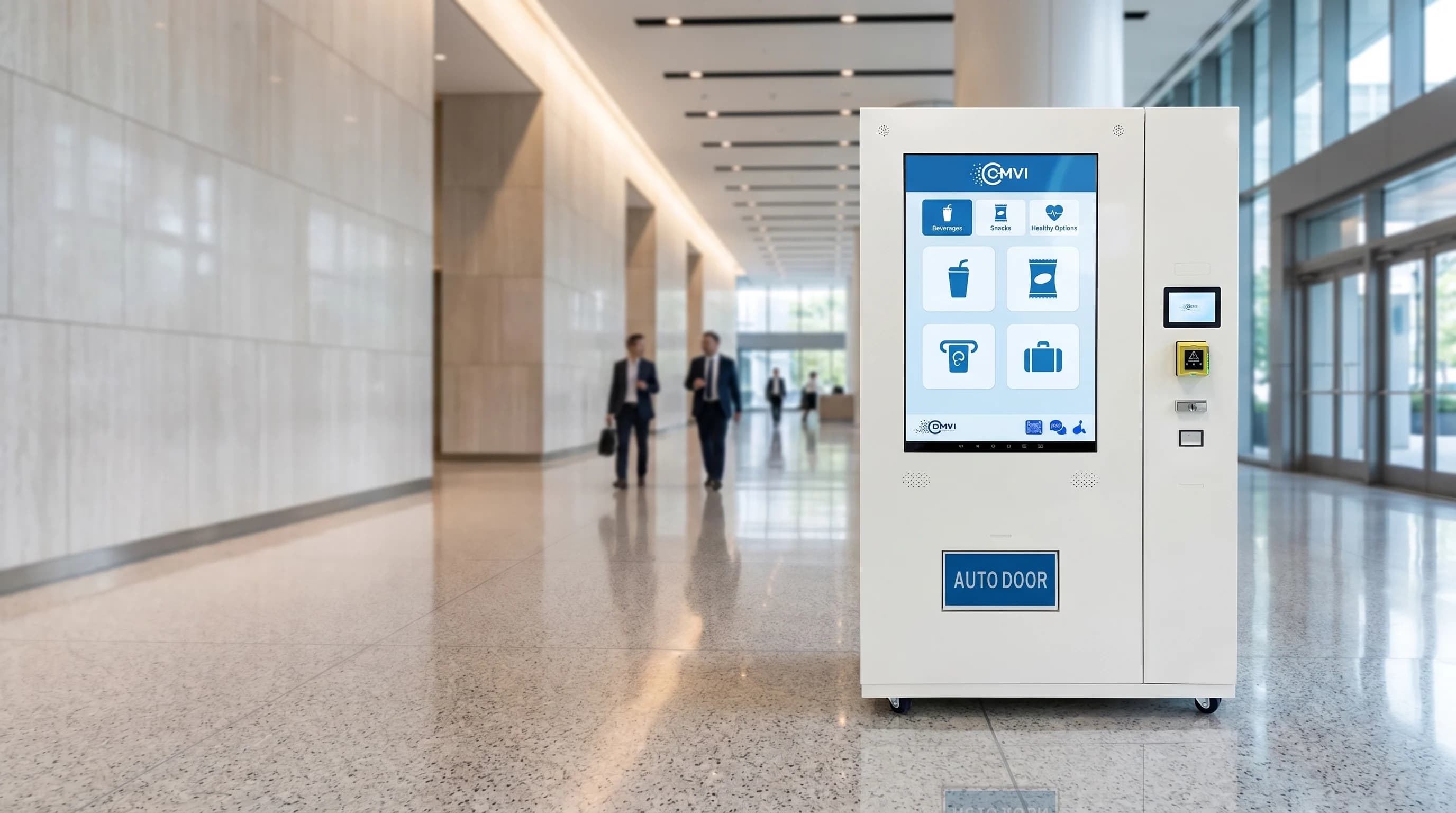
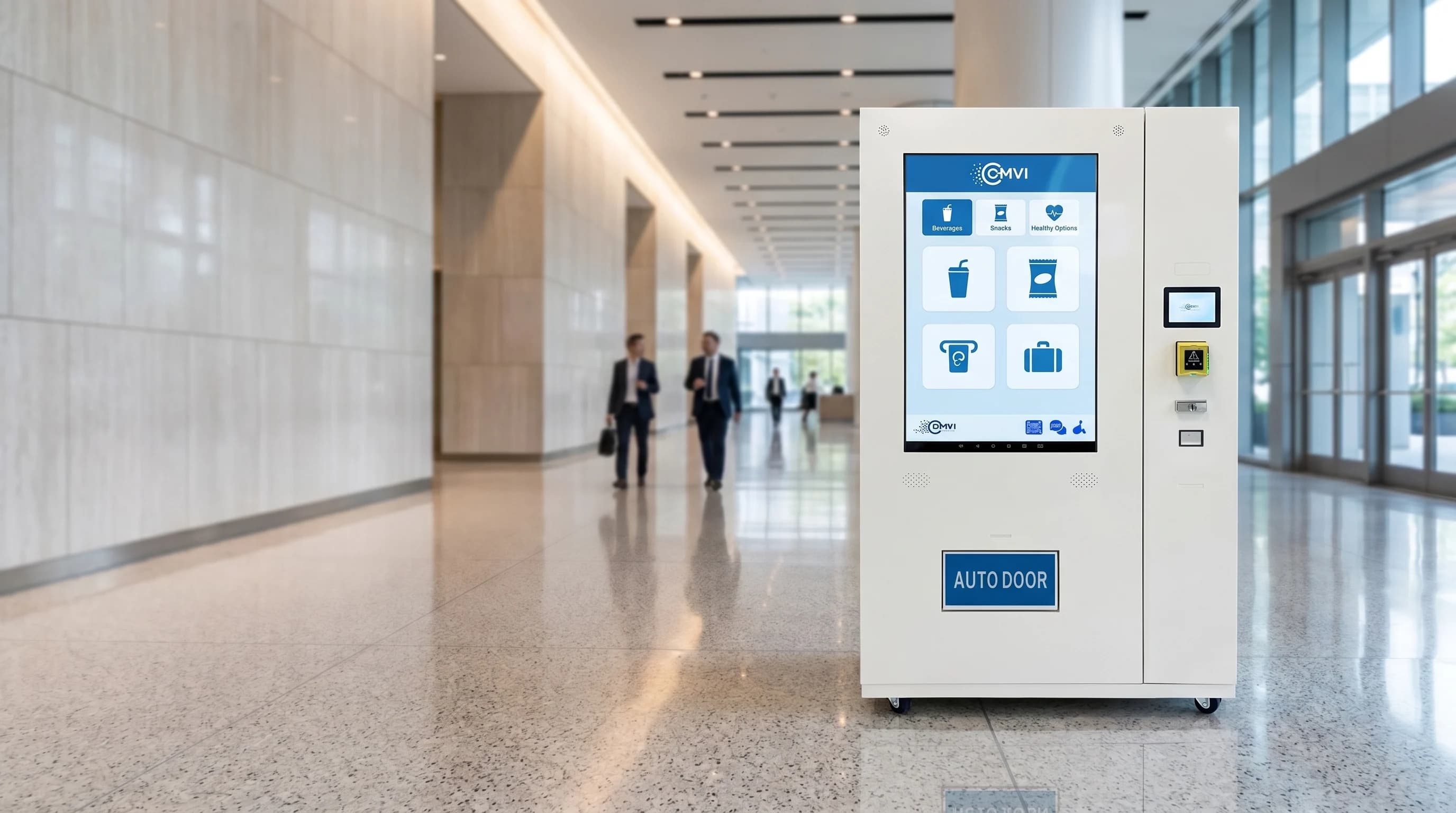
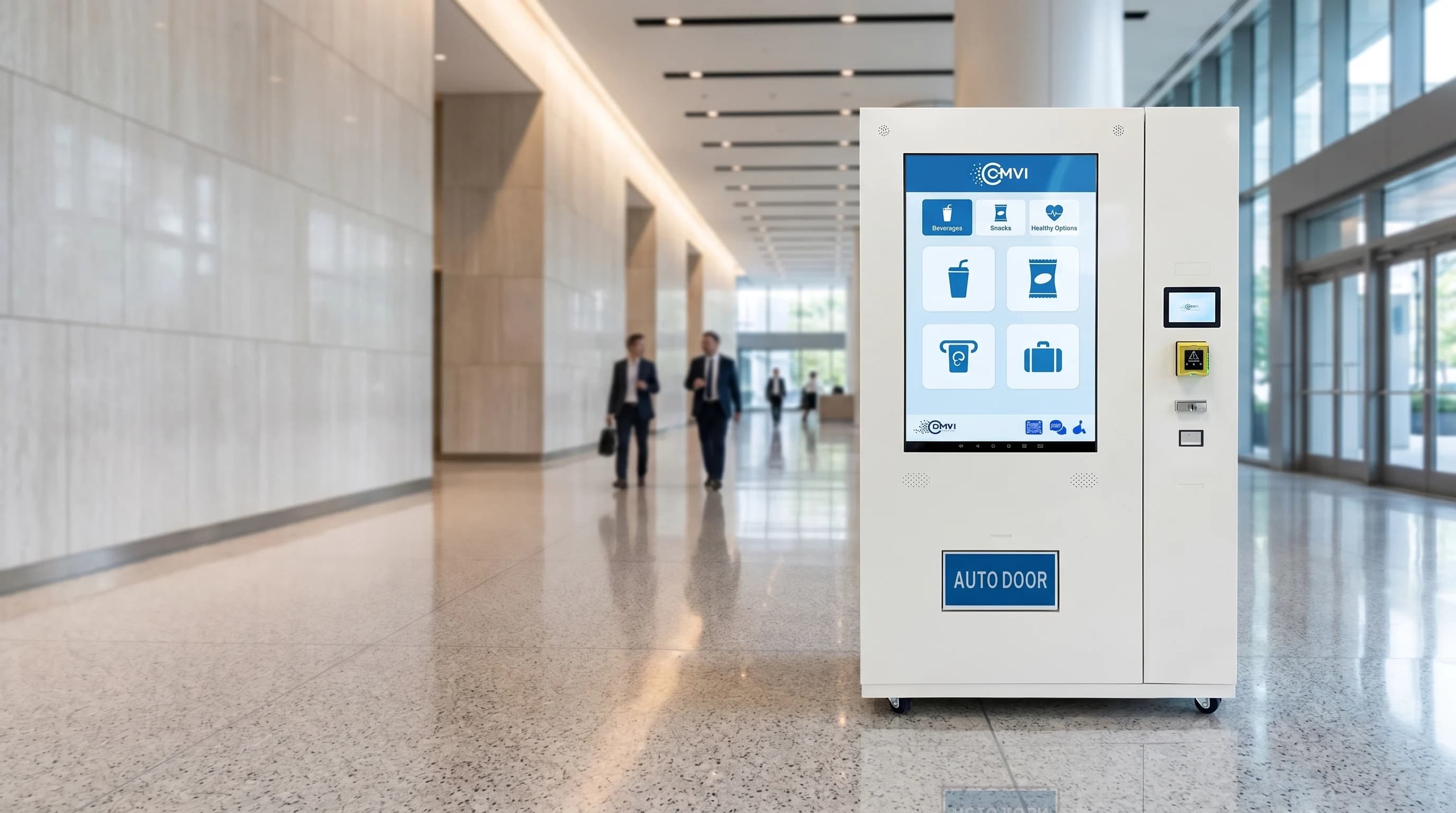
Smart and connected vending is the industry's growth segment. Smart vending machines equipped with touchscreen displays, IoT connectivity, cloud management software, and purpose-built dispensing for specialty products are attracting new types of operators and new types of buyers who are not traditional vending route operators. DMVI operates in this segment. The Grand View Research projections for smart vending growth to 2032 reflect the market's confidence in this segment's continued expansion.
Micro markets and open-format retail are a related but distinct segment serving managed-access environments, corporate campuses, healthcare facilities, university dining. Micro markets have grown significantly in corporate wellness contexts. Their growth is linked to the same labor economics driving vending machine adoption, staffless retail operations that cost less to run than staffed break room services.
Smart lockers and controlled access dispensing serve industrial, healthcare, and logistics applications where individual accountability for product access is required. This segment is growing driven by enterprise adoption of automated supply chain management for PPE, tools, and controlled supplies.
Geographic Distribution of the Vending Machine Market
The United States is the world's largest vending machine market by revenue, with vending machine deployment concentrated in commercial office buildings, transportation infrastructure, hospitality properties, and educational institutions.
Japan has historically had one of the highest vending machine densities per capita globally, with a long-established culture of vending machine adoption across a wide range of product categories. The Japanese market's experience with specialty product vending, including collectibles, hot food, and premium packaged goods, provides a reference point for what US specialty vending could look like as the category matures.
European markets vary significantly by country, with the UK, Germany, France, and the Netherlands representing the largest European vending deployments. European markets have seen strong adoption of smart vending in transportation and hospitality contexts.
DMVI has deployments across 22 countries, with US-based manufacturing and in-country technical support available in its international markets. The company's Made in California certification reflects both manufacturing origin and the US-based quality standard that distinguishes it from lower-cost overseas-manufactured alternatives.
Where the Opportunity Sits for New Operators in 2026
Within the vending machine industry's overall growth trajectory, specific opportunity pockets are more accessible and more commercially compelling for new operators than others.
Specialty product vending at premium locations. The highest per-machine revenue in the vending industry is being generated by specialty product operators, not commodity snack route operators. The documented outcomes from DMVI's specialty product deployments demonstrate that the right product at the right premium location in the right machine format generates revenue that is categorically different from commodity vending. The barrier to entry in this segment is product sourcing and location access, not capital, machines are available through manufacturer financing at manageable monthly payments.
Underserved venue categories. Gaming venues, boutique fitness studios, premium hospitality properties, university campuses, and specialty retail environments are all venue types where smart vending deployment is expanding but not yet saturated. Early operators at strong placements in these venue categories establish advantages that are durable because venue relationships and placement agreements are not easily replicated by later entrants.
The autonomous retail channel for existing businesses. The most significant growth in specialty vending is coming from entrepreneurs who are not in the vending industry but are using vending machines to expand their existing product businesses. This segment represents genuinely new entrants to autonomous retail who would not have described themselves as vending machine operators five years ago.
Digital Media Vending International in the Market Context
DMVI is a Made in California certified custom vending machine manufacturer, founded in 2009, with more than 2,000 deployments across 22 countries. Their position in the vending machine industry is specifically in the smart and specialty vending segment, the segment with the strongest growth trajectory according to Grand View Research, rather than in commodity snack and beverage vending.
Their machine lineup, from Wall-Mounted units at $4,995 to M-Series large-format machines, serves the specialty product categories and premium venue types where per-machine revenue is highest and competitive differentiation is strongest. VendingTracker provides the cloud management infrastructure that makes a specialty vending portfolio manageable at scale. Nayax cashless payment hardware comes standard with every machine.
The vending machine technology guide and the complete custom vending machine guide cover the full scope of what DMVI builds and how it fits within the smart vending segment's growth context.
Visit digitalmediavending.com to discuss machine options and deployment opportunities.
How the Vending Machine Industry Has Changed in the Past Decade
The vending machine industry's current structure is meaningfully different from what it was a decade ago, in ways that affect how operators and investors should think about its trajectory going forward.
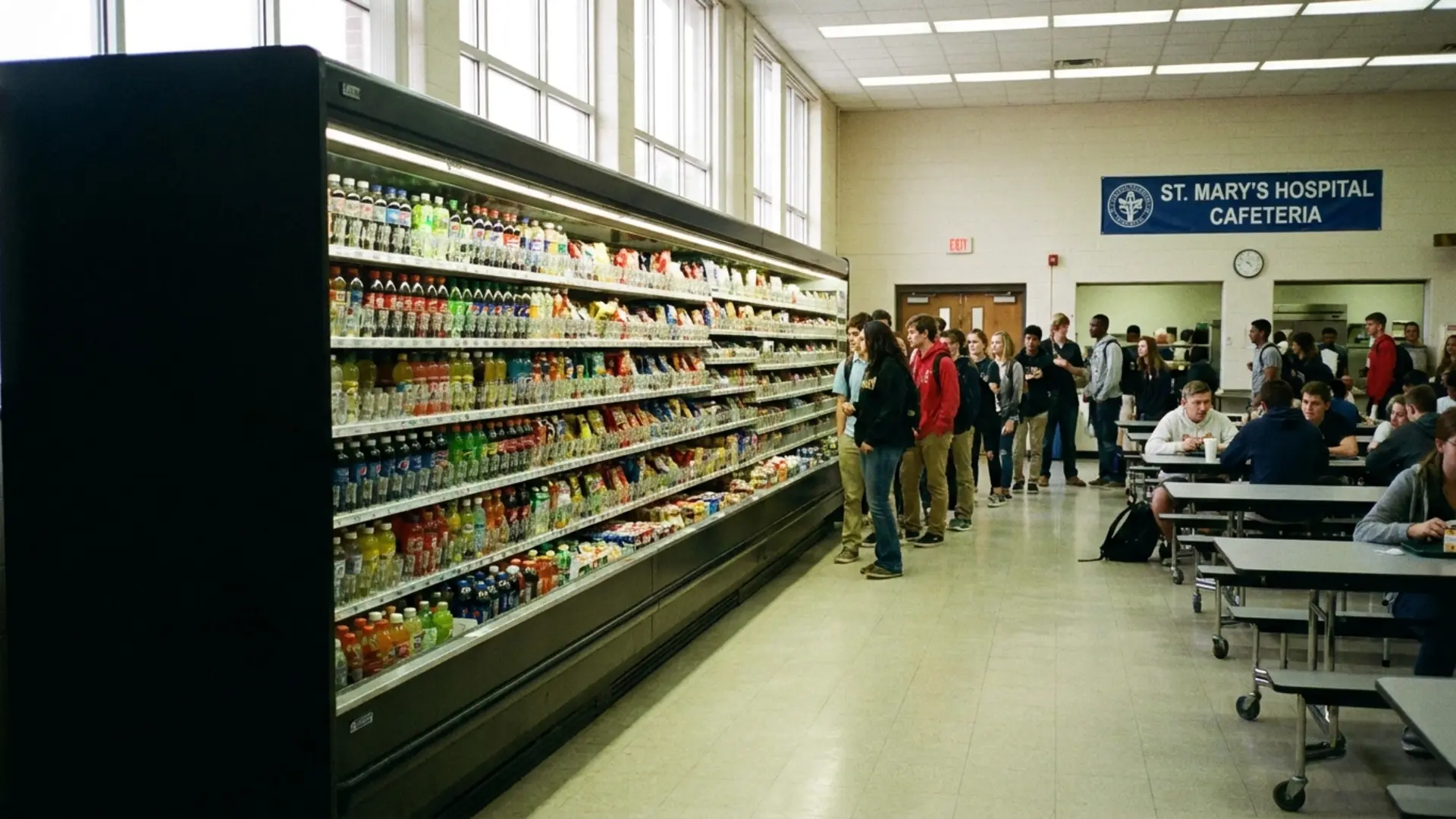
A decade ago, the dominant vending machine business model was the snack and beverage route: operators managing dozens of machines across corporate break rooms, factory floors, and public spaces, generating modest per-machine revenue from commodity products at thin margins. The competitive dynamic was primarily geographic. The operator who had secured placement agreements across a given territory had a durable local advantage because moving an established machine was operationally inconvenient for the venue.
The emergence of smart vending has added a second competitive dimension: product category innovation. An operator who deploys a DMVI machine stocked with Pokémon trading card packs at a gaming venue is not competing with the commodity snack route operator who has the break room machines in the same building. They are serving a different customer, in a different context, at a dramatically different revenue level. These are genuinely different businesses operating under the same broad category label.
The industry's growth projections from Grand View Research, which show the smart vending segment approximately doubling from 2024 to 2032, reflect the market's assessment that the smart, specialty-capable segment will continue to grow faster than the commodity segment. For operators evaluating entry into the vending machine industry, this trajectory argues for orienting toward the smart segment rather than the commodity segment, even though the commodity segment is larger by installed base.
The vending machines replacing traditional retail guide covers the evolution of the vending machine category in more depth, including why the category is expanding rather than being displaced by newer retail formats. The smart vending machine guide covers specifically what smart vending machines do differently from their legacy predecessors.
What This Means for Operators Entering the Market Today
The historical context above is not just background. It has a practical implication for how new operators should think about market entry.
A decade ago, entering the vending machine industry meant competing primarily on geography, finding territory where existing route operators had not yet placed machines. That window was limited in most markets. The commodity snack vending category had reached maturity in most commercial building types, and the competitive advantage of being first in a territory was already established.
The smart vending segment operates differently. The advantage is not territorial, it is product and venue-based. An operator who identifies a strong gaming venue that does not yet have a specialty TCG vending machine is not competing on territory. They are competing on the insight that this venue and this product are well-matched, and on the ability to execute the deployment before another operator makes the same connection. Those advantages compound over time through the placement agreements and venue relationships that lock in the position.
This is also why the smart vending segment is accessible to operators who are completely new to vending, including entrepreneurs who run existing specialty product businesses. The relevant expertise is not vending machine route management. It is product knowledge and location judgment, knowing which products belong in which environments, and having the relationships to place a machine in those environments. Both of those assets are things that specialty product entrepreneurs often already have before they ever consider a vending machine.
The operators who are generating the strongest documented per-machine results in the smart vending segment are, in many cases, not traditional vending operators at all. They are trading card resellers, specialty food entrepreneurs, and beauty product distributors who discovered that autonomous retail was a better distribution channel for their products than any staffed retail option available to them. The vending machine industry's growth has been fueled, in part, by entrants who did not think of themselves as part of the vending machine industry when they started.
That pattern is worth understanding for anyone researching the industry with the intent to enter it. The question is not only what the industry's aggregate market size is, but where within it new entrants are finding the most accessible and most defensible positions. Based on available data and documented operator outcomes, the answer consistently points to smart vending with specialty products at premium venues.
Conclusion
The vending machine industry in 2026 is a larger, faster-growing, and more diverse category than its commodity snack vending origins suggest. The smart vending segment, the part of the market that includes connected, specialty-capable machines, is the fastest-growing segment, and the operators generating the most compelling per-machine revenue are not commodity snack route operators. They are specialty product entrepreneurs using autonomous retail infrastructure to expand distribution into venues and hours that staffed retail cannot serve.
Digital Media Vending International builds machines for this segment, the smart, specialty-capable, cloud-managed side of the vending machine market where the industry's growth is most concentrated. Start the conversation at digitalmediavending.com. The vending machine industry, understood in full, is a category with meaningful variation in opportunity quality. The smart vending segment is where that quality is currently highest. That is the conclusion the market data points to, and it is the position DMVI has been building toward since 2009. The operators who understand this and act on it early are the ones building positions that will be harder to replicate in three to five years.
Sources
Exploring where the vending industry is heading?
DMVI helps operators and brands build modern automated retail programs around the highest-opportunity product categories.