What's the Difference Between a Smart Vending Machine and a Regular One?
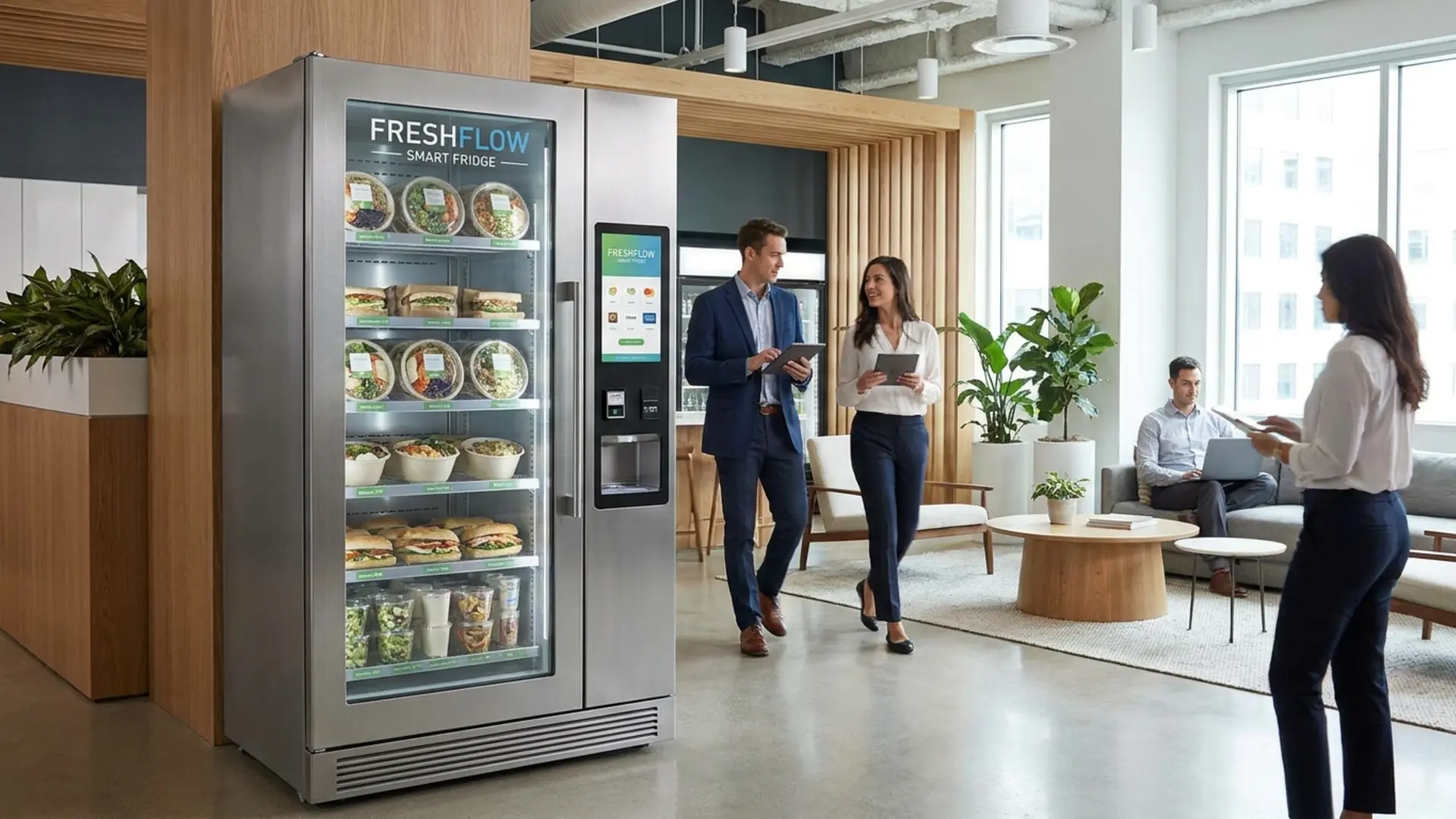
The word "smart" gets applied to a lot of vending machines without much explanation of what it means. A machine with a touchscreen gets called smart. A machine with cashless payment gets called smart. A cloud-connected machine gets called smart. A machine with none of those things but a manufacturer who wants to sound modern also sometimes gets called smart.
Current DMVI vending machine financing: DMVI no longer offers all-inclusive leases. Standard machine financing is subject to approval, with a 25%–50% machine deposit depending on stock status and the remaining machine balance paid in 12 monthly payments starting 30 days after shipment at 8%–15% interest, based on repayment ability and other approval conditions. The quote confirms the deposit percentage. All applicable upfront costs are due at signing, including the wrap, optional topper, payment terminal, annual software license, shipping, and sales tax. Financing is not guaranteed; DMVI reserves the right to deny financing. A UCC filing applies, and a personal guarantee may be required. See the vending machine financing terms for details.
For someone trying to decide whether a smart vending machine is worth the higher upfront cost, that ambiguity is a real problem. The meaningful differences between a smart machine and a standard one affect how you operate the business, how much revenue you can capture, and what information you have access to. Understanding what those differences actually are, in concrete terms, is the starting point for making a good purchasing decision.
This guide covers exactly that: what a regular vending machine is and what it can and cannot do, what a smart vending machine adds, and where the differences matter commercially.
What a Regular Vending Machine Is
A standard vending machine is a mechanical dispensing system. Products are loaded into coil or spring-driven slots. A customer selects a product by pressing a numbered keypad, inserts cash or a card into a reader, and the machine rotates the coil to push the product forward and drop it into a retrieval bin. The customer picks it up from the bin at the bottom.
That is the system that the vast majority of vending machines in office break rooms, factory floors, and public spaces run on. It works reliably for standardized products, chips, candy bars, soda cans, that fit the coil dimensions and survive the drop.
What a standard machine cannot do, in most configurations:
It cannot tell you how much inventory is left in any given slot without a physical visit to check. You either schedule restocking on a calendar and guess, or you visit and find out. Some operators get a call from the venue when something runs out.
It cannot tell you when something goes wrong mechanically until a customer reports a stuck product, a payment failure, or an out-of-service display.
It cannot process NFC tap-to-pay, Apple Pay, or Google Pay in older configurations without a third-party payment hardware add-on.
It cannot show a customer product images, nutritional information, promotional content, or brand video, because there is no screen capable of displaying those things.
It is not connected to a network that allows any of the above, which means each of these limitations is structural, not just a software update away.
What a Smart Vending Machine Adds
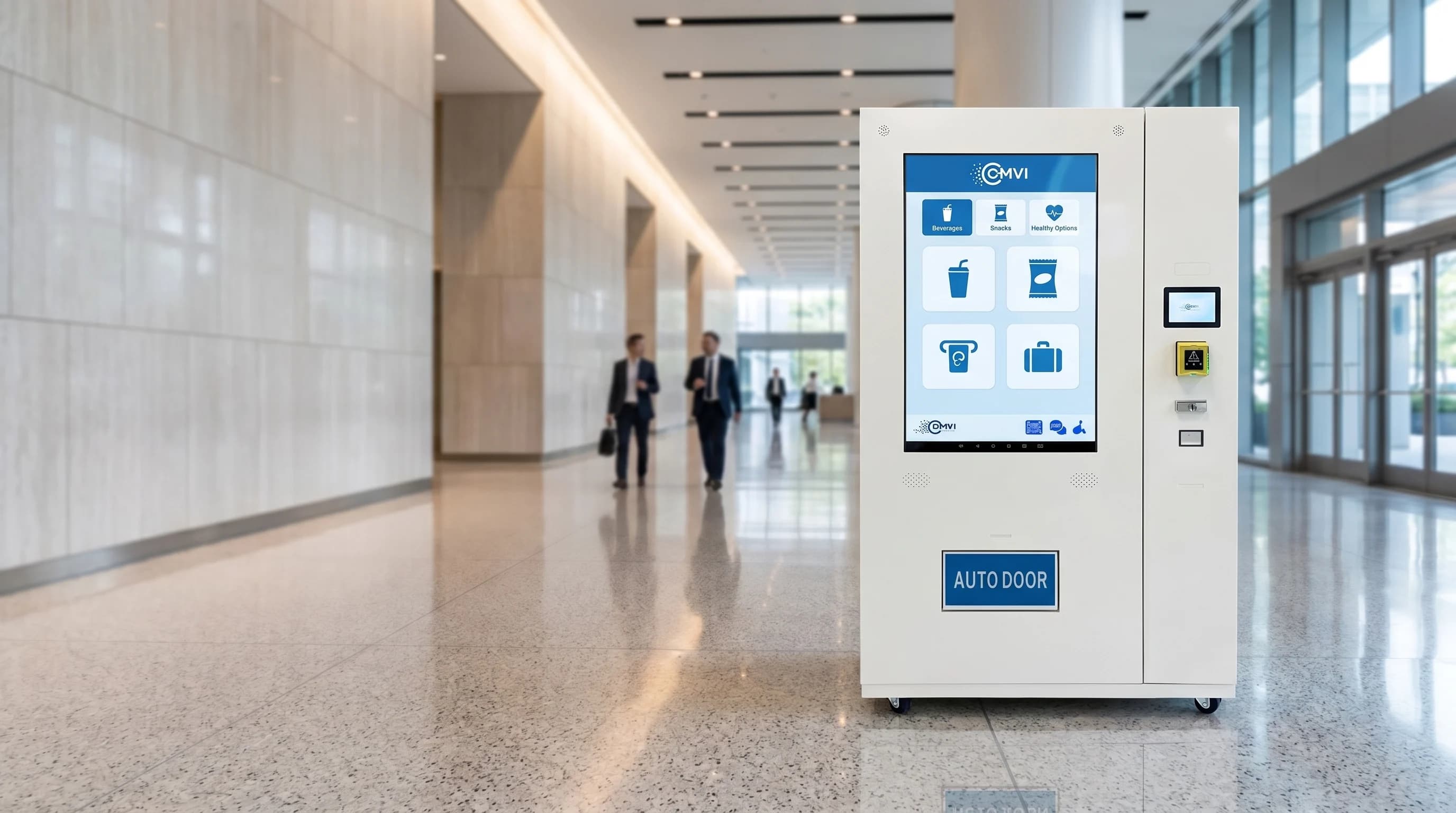
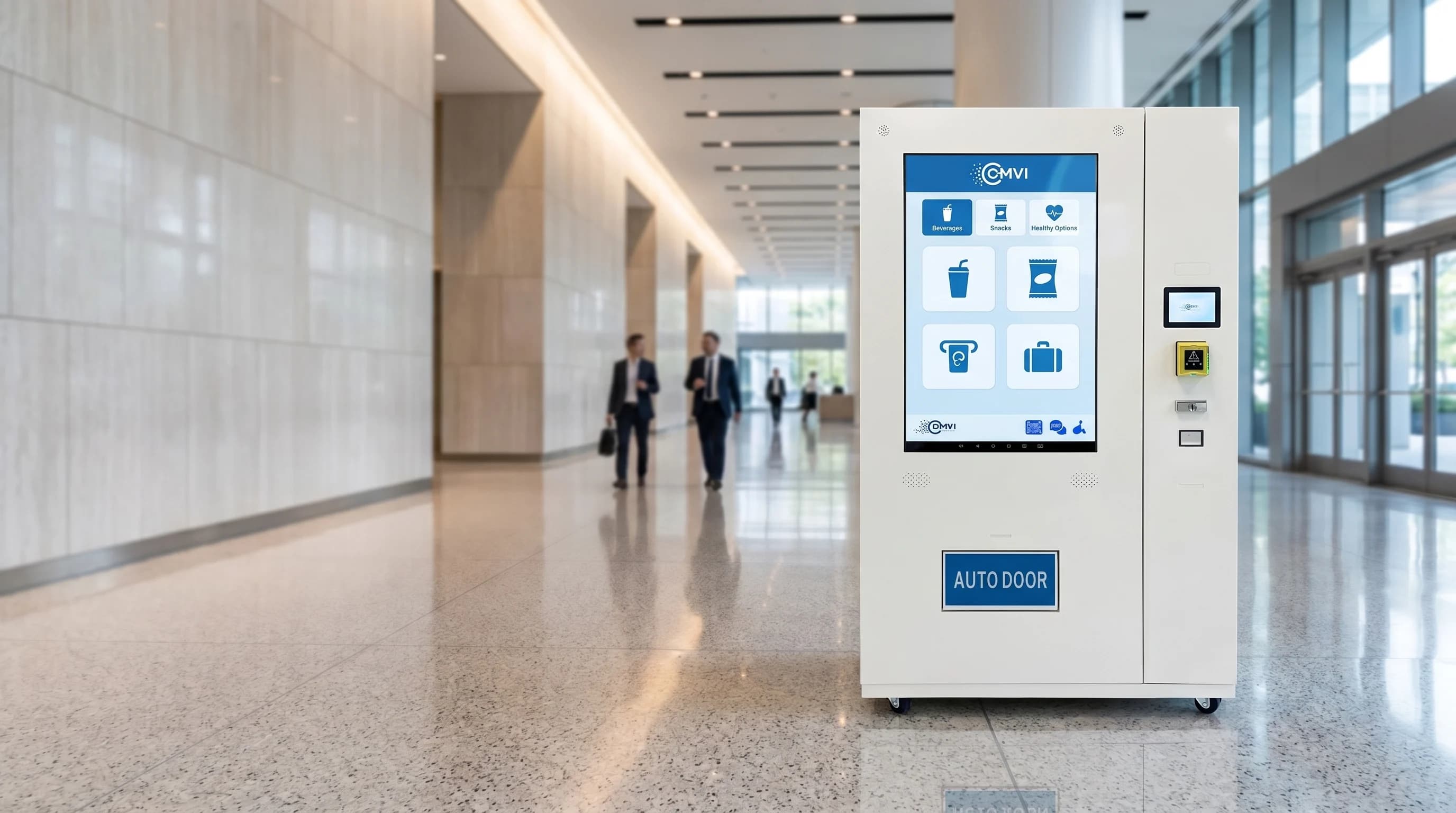
A smart vending machine connects the hardware to a cloud management platform and replaces or supplements the standard mechanical interface with a digital one. In practical terms, the differences fall into four areas.
Network connectivity and remote management. A smart vending machine reports its status, inventory levels, and sales data to a connected software platform in real time. The operator can see, from any internet-connected device, how many units of each product remain in each slot, whether the machine has flagged a mechanical issue, what the daily and weekly sales totals are, and whether the payment hardware is functioning correctly.
For DMVI machines, this platform is VendingTracker. The dashboard shows live inventory, sales by product and time period, machine health status, and allows the operator to adjust pricing remotely without a physical visit. The vending machine data operations guide covers how operators use this data in practice.
Cashless payment as standard. Smart vending machines ship with NFC contactless payment hardware that accepts tap-to-pay cards, Apple Pay, Google Pay, and chip card transactions. DMVI offers Nayax cashless payment hardware as a separately charged upfront item. According to Kande VendTech's 2024 vending industry data, more than 70% of US vending transactions were cashless in 2024. A machine that cannot process cashless payment is turning away the majority of customers who approach it.
Touchscreen product interface. Smart vending machines replace the keypad-and-price-tag selection process with a touchscreen that can display product images, descriptions, pricing, and promotional content. For specialty product operators, this matters significantly. A customer deciding whether to buy a $25 trading card mystery pack or a $40 premium beauty kit responds differently to a high-resolution product image and description than to a number on a keypad corresponding to a card in a plastic sleeve.
The vending machine showcase design and sales guide covers how the visual presentation layer of a smart machine affects conversion rates.
Purpose-built dispensing. Many smart vending machines replace coil dispensing with purpose-built mechanisms, conveyor belt shelving, elevator delivery, automatic door retrieval, that handle specialty products a coil cannot. This is not universal across all smart machines, but it is a defining characteristic of machines built for specialty product categories. Standard coil dispensing, even on a smart machine with a touchscreen and NFC payment, will not handle a cupcake or a graded card slab reliably.
The Operational Difference Day-to-Day
The practical gap between operating a standard machine and a smart machine shows up most clearly in the day-to-day management of the business.
With a standard machine, the operator's information about the machine's status comes from scheduled visits, customer complaints, and venue staff calls. Restocking is scheduled on a calendar or on a rotation, visit every Tuesday, see what's left. A machine that sold out of the best-performing product on Wednesday sits empty until the next scheduled visit.
With a smart machine and VendingTracker, the operator sets inventory alerts for each product slot. When a slot drops below the threshold, the alert triggers. The operator restocks before the machine runs empty at that slot, not after it has been sitting empty through a peak sales window. The why vending machines fail guide identifies stockouts as one of the primary drivers of underperforming vending machine deployments, and real-time inventory management directly addresses it.
Revenue data is the other operational difference. A standard machine's revenue is counted by opening the cash box or pulling a transaction report from the card reader, if one exists. A smart machine's VendingTracker dashboard shows sales by product, by day, by time of day, and across multiple machines if the operator is running a route. That data is what makes product mix decisions and pricing adjustments evidence-based rather than guesswork.
Does the Difference in Cost Justify Itself?
A smart vending machine costs more than a standard one. The question operators evaluate is whether the operational improvement, revenue capture, and data access justify the price difference.
Several factors affect how that calculation comes out for a specific deployment:
The product category matters. For commodity snack vending at low price points, the additional revenue from cashless payment capability is real but proportionally smaller. For specialty product vending at $20, $30, or $50 per transaction, the cashless payment gap is the difference between completing most transactions and missing them, the majority of customers in premium venue contexts do not carry cash.
The location and traffic volume matter. A machine at a high-traffic location generates more daily transactions, which means the operational visibility of VendingTracker's inventory monitoring prevents more lost sales from stockouts. At a low-traffic location, the monitoring advantage is proportionally smaller.
The management time saved matters. A standard machine requires physical visits to assess inventory and machine status. A smart machine's remote management reduces the number of wasted visits, driving to a machine only to find it is running fine and does not need restocking.
The buying vs leasing a vending machine guide covers the cost comparison framework in detail, including how to evaluate total cost of ownership between machine formats.
DMVI's Smart Vending Machine Lineup
Digital Media Vending International builds smart vending machines across a range of formats, all including Nayax cashless payment, VendingTracker cloud management, and purpose-built dispensing for specialty products.
Wall-Mounted ($4,995, financing subject to approval): Zero floor space, mounted directly to a wall. Touchscreen interface, Nayax NFC payment, VendingTracker connectivity. Appropriate for hotels, boutique gyms, and corridor deployments.
Option 4 ($12,995, financing subject to approval): Four-zone freestanding format with a large touchscreen and separate product sections. Built specifically for FECs, gaming venues, and high-variety specialty deployments.
M1 ($21,995 purchase): DMVI's flagship format with 140 SKU capacity, large touchscreen, and broad product variety. Revenue depends on the placement, product mix, and operating conditions; do not assume a monthly earnings figure for this model.
The smart vending machine guide covers the full technology stack inside DMVI machines. Visit digitalmediavending.com to discuss which format fits your product and deployment context.
How Dispensing Mechanism Fits Into the Smart vs Standard Picture
One element of the smart vending machine category that does not get enough attention is the dispensing mechanism. Discussions of smart vending typically focus on connectivity, screens, and payment hardware. The mechanism that actually moves product from the shelf to the customer's hands is treated as background infrastructure.
For commodity product operators, this is reasonable. Standard coil dispensing handles chips, candy bars, and soda cans reliably. The mechanism is not the limiting factor.
For specialty product operators, the dispensing mechanism is often the single most important technical decision in machine selection. A machine with a world-class touchscreen, full NFC payment capability, and robust cloud management that uses standard coil dispensing will destroy a cupcake, jam on a plush toy, and misdeliver an oversized trading card box. The customer-facing technology is excellent; the product delivery is not.
DMVI's machines replace coil dispensing with conveyor belt shelving and elevator or automatic door delivery mechanisms. This is not a smart vending feature in the marketing sense, it is a purpose-built engineering solution for products that coil dispensing cannot handle. It is also one of the reasons DMVI is specifically relevant to specialty product operators in ways that a touchscreen upgrade on a standard coil machine would not be.
The Location Determines Whether Smart Features Pay Off
The capabilities of a smart vending machine, real-time inventory, cashless payment, remote management, translate into commercial outcomes in proportion to the strength of the deployment location. At a high-traffic premium location with the right product, each of these capabilities reduces lost revenue and captures transactions that a standard machine would miss. At a low-traffic location with a poorly matched product, the smart features are underutilized regardless of their quality.
This is why the smart vs standard machine decision is inseparable from the location selection decision. A smart machine at the wrong location is not a better investment than a standard machine at the wrong location. The location still has to be right. The smart machine's advantage is that it maximizes the commercial outcome of a location that is already good.
Operators who are evaluating their first machine should think about location and machine format as a combined decision. The vending machine placement guide covers location selection strategy in depth, including the foot traffic, demographic, and product-location match factors that determine whether a deployment will perform. The vending machine business profitability guide covers how machine format and location interact in the economics of a deployment.
Starting With One Smart Machine
The operators who build successful vending machine businesses almost universally report that starting with one machine at one thoroughly validated location, rather than deploying multiple machines at multiple locations simultaneously, produced better early learning and better long-term results.
One machine at a strong location generates data quickly: which products sell, which do not, when the peak transaction hours are, what the average transaction value is. VendingTracker makes that data accessible from day one. The first 60 to 90 days of operation on a single machine is a learning period that informs every subsequent decision, product mix adjustments, restocking frequency, pricing, before those decisions are replicated across a larger route.
A standard machine at that same location would generate the same foot traffic but less of the data needed to learn from it. The smart machine's advantage compounds over time because the operator is improving the deployment based on real transaction evidence rather than intuition.
The Support Question
One practical consideration that buyers of smart vending machines sometimes overlook is the support relationship. A smart vending machine is more complex than a standard one. It has more components that can have issues: the touchscreen, the payment hardware, the connectivity module, and the management software layer in addition to the standard mechanical components.
When any of these has an issue, the operator needs to know who to call and how quickly the issue will be resolved. For DMVI operators, all of these components are covered by DMVI's support relationship. The machine, the Nayax payment hardware, and the VendingTracker connectivity are all part of one manufacturer relationship. There is no coordination required between a machine manufacturer, a separate payment hardware company, and a third software vendor.
US-based manufacturing and technical support means DMVI's support team operates in the same time zones as their US-deployed machines. For operators in DMVI's 22-country international footprint, in-country technical relationships handle local service. The vending machine technology guide covers what a complete smart vending machine support relationship should include.
How to Verify What a Machine Is Actually Offering
The "smart" label is applied broadly enough that buyers should verify what a specific machine includes before purchase rather than relying on the label. The practical verification checklist covers the core capabilities:
Does the machine include NFC tap-to-pay as standard, or is cashless payment an add-on purchase? Is the cloud management platform included, or does it require a separate subscription? What specifically does the management platform show, inventory, sales, machine health? Can pricing be adjusted remotely? Who handles technical support for the payment hardware?
These questions take less than five minutes to ask and reveal immediately whether a machine is genuinely smart in the ways that matter for the operator's specific use case. A manufacturer who cannot answer them clearly is a signal. A manufacturer who answers them confidently with specific product names, platforms, and included-as-standard specifications is a different kind of signal.
For DMVI, the answers are: The payment terminal and annual VendingTracker license are charged separately upfront. The dashboard shows live inventory, sales by product, and machine health. Pricing is adjustable remotely. Technical support for the full machine including payment hardware is through DMVI's California-based team.
Conclusion
The difference between a smart vending machine and a regular one is not just a touchscreen. It is the combination of real-time inventory visibility, cashless payment coverage, remote management capability, and purpose-built dispensing that together change how the business operates and what revenue it can capture. Those differences are most consequential for specialty product operators at premium locations, where the product price points are high enough that the payment gap matters, the products are specific enough that dispensing mechanism matters, and the management complexity is high enough that operational visibility matters.
A standard machine handles a slot of chips. A smart machine handles what a specialty entrepreneur actually needs to sell.
Sources
Comparing smart and traditional vending machines?
DMVI can walk through the hardware, payment, software, and support differences that matter in the field.