Gym and Fitness Venue Vending Machines: The Complete Operator Guide
The gym is one of the most consistently strong placements for specialty vending machines, for a reason that is structurally built into the environment. Every person who walks out of the weight room, off the treadmill, or out of a group fitness class has just completed physical activity. Their body is signaling a need for recovery nutrition. They have a clear purchase motivation at a predictable time. And in most gym environments, the only thing standing between that motivation and a transaction is the availability of the right product at the right location.
A well-placed vending machine in a gym captures a purchase occasion that the gym itself is actively creating. The operator is not trying to generate demand. The demand already exists. The machine serves it.
This guide covers the gym and fitness venue vending landscape in full: the venue categories that exist and how they differ, the products that perform consistently, the machine formats that fit each venue type, placement strategy within the facility, how gym vending deals typically work, and what realistic revenue looks like across gym categories.
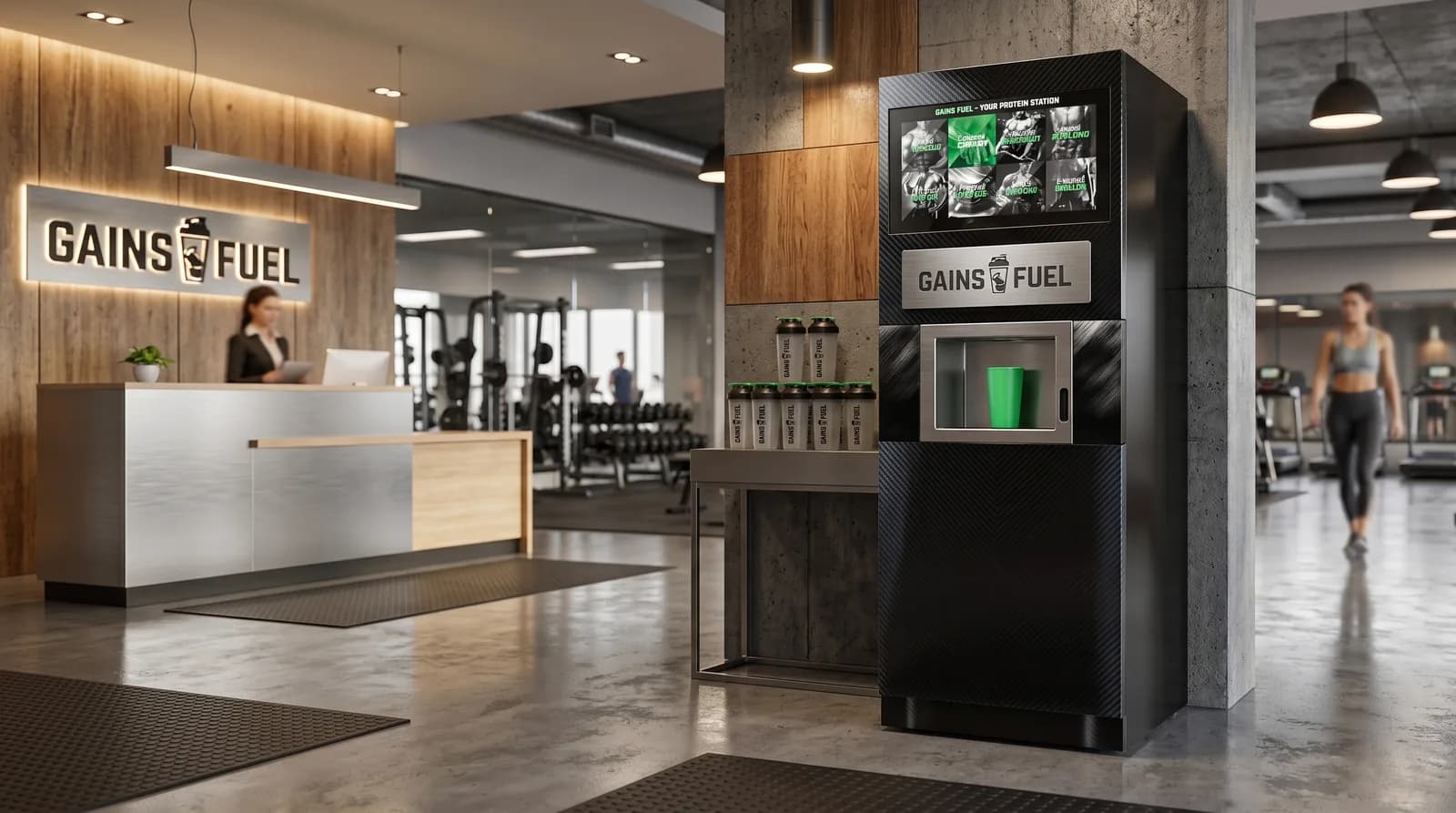
Key Finding: Digital Media Vending International builds vending machines specifically for the fitness category, including a dedicated protein powder vending machine configuration with a 27-inch touchscreen and purpose-built product channels. Machines start at $4,995.
The Gym and Fitness Venue Landscape in 2026
Not all gyms are the same type of vending opportunity. The venue category determines foot traffic volume, member demographic, product purchasing behavior, and the machine format that fits the space. Understanding the landscape before approaching any gym operator is what separates a well-matched deployment from a misfit one.
Boutique fitness studios are the highest revenue-per-member category in the fitness industry. SoulCycle, Orangetheory, CrossFit boxes, Pilates studios, hot yoga facilities, these venues serve class-based models where 15 to 50 members attend each session, paying $25 to $50 per class directly. The demographic skews toward 25 to 45 year olds with high disposable income and established supplement and wellness product purchasing habits.
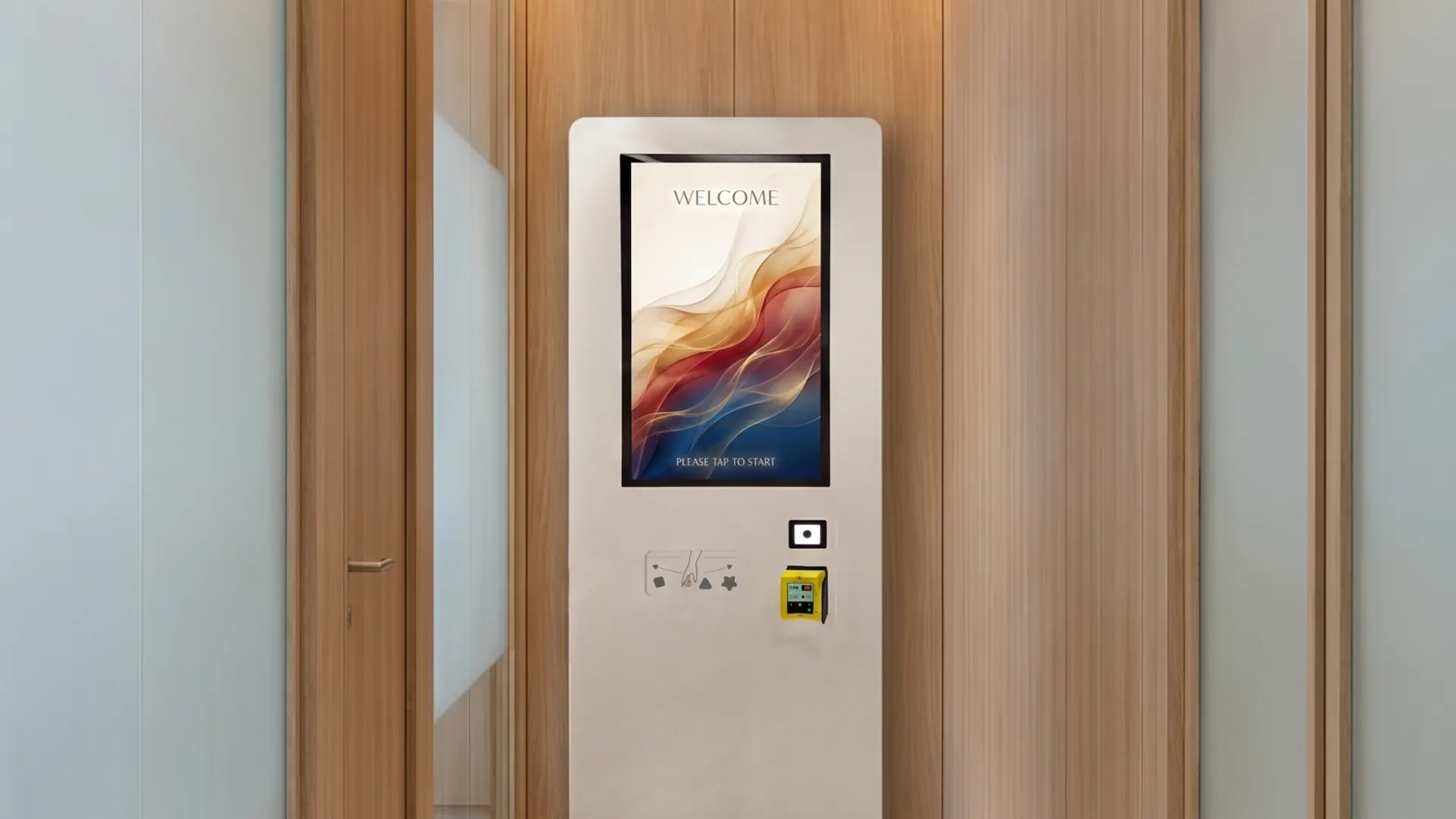
The physical space at boutique studios is compact, typically 1,000 to 4,000 square feet of combined studio and lobby area, with almost no spare floor space. The vending machine format appropriate for this environment is the Wall-Mounted ($4,995), which requires zero floor space and mounts directly to the lobby wall. The product mix should align tightly with the studio's brand positioning: premium protein products, clean-ingredient bars, electrolyte and hydration products, and personal care items used by the post-workout demographic.
Mid-size independent gyms are the broadest category, facilities of 5,000 to 20,000 square feet with 300 to 1,500 members, typically combining cardio equipment, free weights, group fitness classes, and locker room facilities. This is the most common deployment context for gym vending machines in terms of raw volume.
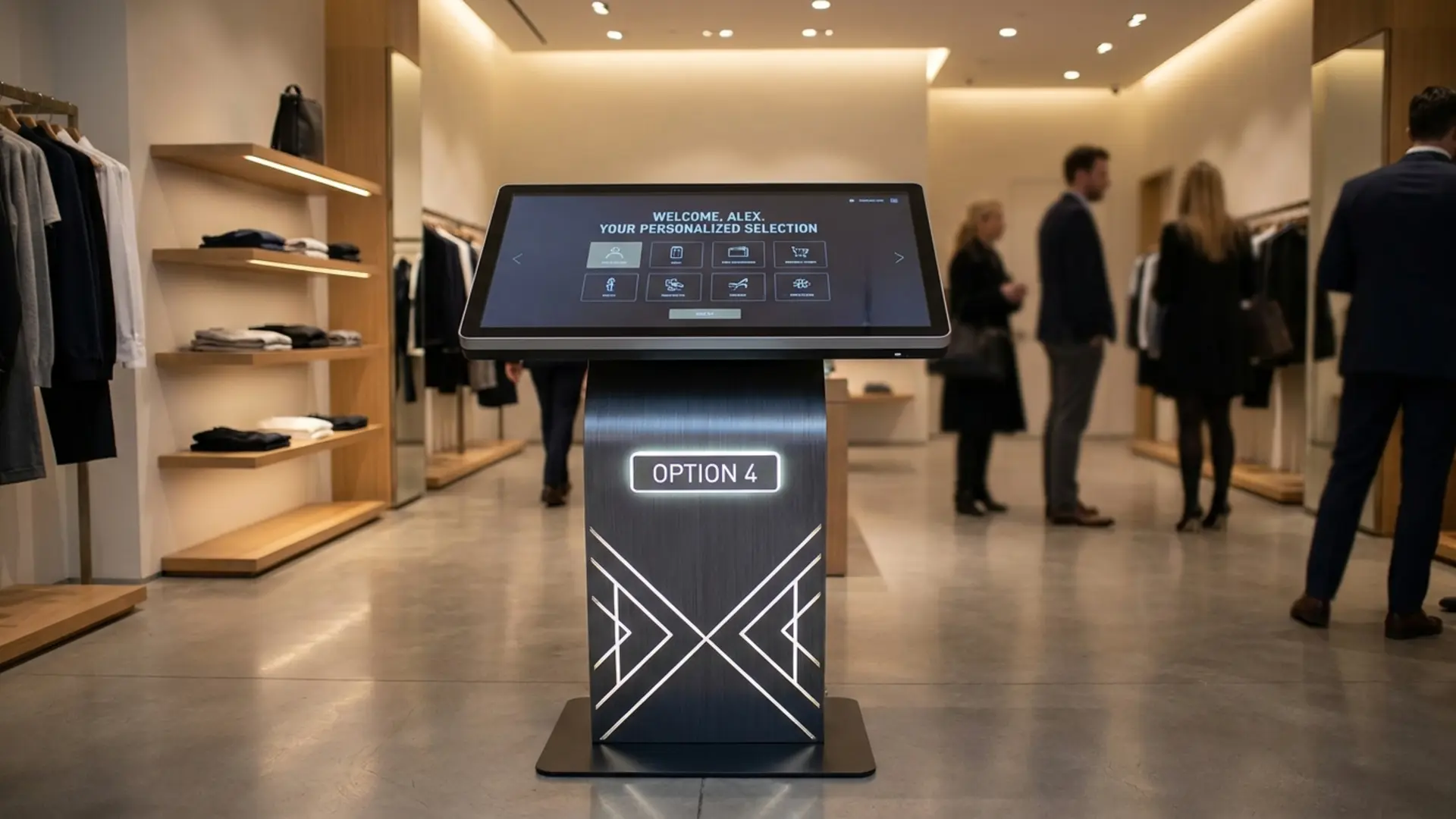
Independent gyms have more available floor space than boutique studios and higher daily traffic, members dropping in at variable times across a 14 to 16 hour operating day rather than attending fixed class schedules. The Wall-Mounted format works for smaller independent gyms; the Option 4 ($12,995) with its four distinct product zones is appropriate for facilities where product variety across supplements, snacks, personal care, and accessories can all be supported.
Large box gyms, national chains in the Planet Fitness and LA Fitness tier, generate the highest raw foot traffic of any fitness venue category but typically have existing vending programs contracted through their corporate parent. Individual operators approaching chain locations directly for vending machine placements are usually in the wrong place; chain corporate procurement is the right channel. The exception is independently operated franchises where the franchisee has vending program discretion.
University and campus recreation centers are covered in dedicated detail in the campus vending guide. They share characteristics with mid-size independent gyms but serve a specifically student population with distinct product preferences and deal structures managed through university administration rather than private gym ownership.
Hotel fitness centers are covered in the hotel vending guide. They serve transient guests rather than recurring members, which changes both the product mix and the revenue model compared to membership-based gym environments.
Products That Perform in Gym Vending Machines
The purchase context at a gym is one of the clearest purchase triggers in any retail environment. The customer has just completed physical activity and has a physiological and habitual drive toward specific product categories. Product selection that matches this context produces strong conversion rates.
Protein bars and ready-to-drink protein. This is the anchor category for gym vending, the product with the strongest purchase motivation at the specific post-workout moment. Single-serve protein bars at $3 to $6 and ready-to-drink protein shakes at $5 to $9 convert reliably from members exiting a workout. Both product types fit standard vending machine channel dimensions and vend reliably from conveyor belt shelving systems.
Protein powder and single-serve supplements. DMVI builds a protein powder vending machine specifically configured for this category, with purpose-built channels for supplement canisters and single-serve packets. For gyms with members who prefer to mix their own protein rather than consume ready-to-drink formats, a machine configured for canister and packet dispensing adds significant product variety that RTD-only machines cannot serve.
Pre-workout and energy supplements. Single-serve pre-workout packets, energy drinks, and caffeinated supplements address the pre-workout purchase occasion, the member arriving for their session who wants a performance boost before training begins. This creates two distinct purchasing windows in the gym vending day: pre-workout (members arriving) and post-workout (members departing), effectively doubling the purchase occasion density compared to a single-trigger product assortment.
Hydration and electrolyte products. Sports drinks, electrolyte tablets, and hydration powders sell consistently in gym environments across the workout window. These are lower per-unit prices than protein products but add transaction volume that supplements the higher-margin protein purchases.
Post-workout personal care. Dry shampoo, face wipes, deodorant, and similar post-workout personal care items serve members who need to transition directly from the gym to another obligation. Hotel gym machines skew more heavily toward personal care; standalone gym machines support it as a secondary category alongside nutritional products.
Healthy snacks and nutrition bars. Non-protein snack options, seed and nut bars, fruit and nut mixes, low-sugar snack products, serve members who want something to eat post-workout without a full protein supplement purchase. These are lower-margin items that fill assortment gaps and support the machine's utility across a broader range of member preferences.
For detailed product selection criteria applicable across all gym product categories, DMVI's product selection framework covers the five criteria, physical fit, purchase context, price point, margin, and restocking manageability, in detail.
Machine Format by Gym Type
Boutique fitness studio: Wall-Mounted (106/month financed). Zero floor space required. Product capacity suited to a focused premium assortment. The brand presentation of a wall-mounted machine with a 21-inch touchscreen in a boutique studio lobby is consistent with the studio's aesthetic positioning. A freestanding floor unit in the same space would be visually inappropriate and physically unwelcome. For studios with slightly more lobby space, the Wall-Mounted XL (127/month) provides additional capacity.
Mid-size independent gym with floor space: Option 4 (276/month). The four-zone format enables product segmentation that matches the gym's broader member population: protein and supplements in two zones, snacks and hydration in the third, personal care and accessories in the fourth. This assortment depth drives higher average transaction values and serves multiple purchase occasions within a single machine. The Option 4's freestanding format is appropriate for gym lobbies and near-locker-room areas where floor space is available.
Large-footprint facility (university recreation center, large independent gym): M1 ($21,995 purchase, 467/month financed). The M1's 140-SKU capacity and maximum item dimensions of 9"×9"×7" handle the full range of gym product types, including larger supplement canisters, multi-pack products, and accessories, at transaction volumes that smaller formats cannot sustain without multiple daily restocking visits.
Every DMVI machine ships with Nayax cashless payment hardware. NFC contactless, tap-to-pay, Apple Pay, Google Pay, as standard. For gym members who habitually carry nothing but their phone during a workout, tap-to-pay is not a convenience feature. It is the only payment method that converts at all. The payment terminal and annual software license are charged separately upfront; confirm the complete configuration, installation, training, and support scope in the written quote.
Placement Within the Fitness Facility
Position within the gym drives transaction volume as much as any other variable. The same machine with the same product at the same gym generates dramatically different revenue depending on where it sits.
Near the locker room entrance or exit. This is the highest-converting position in most gym facilities. Members transitioning from the workout floor to the locker room, or exiting the locker room on their way out of the facility, are at peak purchase motivation, the workout is fresh, the physiological recovery signal is active, and they are moving toward the exit. A machine positioned to intercept this transition captures the purchase occasion at its most intense.
Lobby or front entrance. The lobby catches both arriving and departing members. Arriving members buy pre-workout products; departing members buy recovery products. The lobby is the highest-traffic single point in the facility and the position with the broadest daily purchase window. It is also typically the most physically spacious area, supporting floor-standing formats where boutique studio corridors might not.
Near group fitness studio doors. Group fitness classes create concentrated exit traffic at defined times, the class ends, 15 to 30 people emerge, all having completed the same physical activity at the same intensity. A machine positioned near the group fitness studio exit captures this concentrated demand at class end times. At studios running classes back to back throughout the day, this position sees purchase occasion concentration that random gym floor traffic does not produce.
Cardio equipment area adjacency. A wall-mounted machine near the treadmills and ellipticals serves the in-workout hydration purchase occasion. Members on steady-state cardio are physically capable of stopping for a quick machine transaction in a way that weight training members are not. Electrolytes and hydration products perform particularly well at this position.
Deal Structures With Gym Owners and Facility Managers
Gym vending machine deals typically follow one of two structures: revenue share or flat monthly fee.
Revenue share (10 to 20% of gross revenue) is the more common structure for mid-size and boutique gyms. The gym owner participates in the revenue the machine generates, creating alignment between their interest in the machine's performance and the operator's. Revenue share percentages are negotiated based on the location's traffic volume, the exclusivity of the placement, and the relationship between the operator and the gym owner.
DMVI's guide to revenue share versus flat rent deal structures covers the break-even math that determines when each structure is more favorable, including the crossover point at different revenue levels.
Flat monthly fee is less common in gym contexts but is used by some gym owners who prefer predictable income over participation in a variable revenue stream. Fees range widely based on gym size and traffic, from $50 to $300 per month for wall-mounted machines at small studios to $200 to $800 per month for floor-standing machines at larger facilities.
Exclusivity provisions are worth discussing at gyms that already have other vending machines or are considering adding multiple operators. An exclusivity agreement for your product category, supplements and nutrition products, for example, prevents the gym from adding a competing machine while yours is in place. Exclusivity provisions typically come with slightly higher commission rates or minimum revenue guarantees that make the exclusivity commercially viable for both parties.
Written placement agreements covering the commission structure, term and renewal, termination notice periods, and product category scope protect both the operator and the venue. Every gym placement should have a written agreement regardless of how established the relationship is with the gym owner.
Revenue Expectations by Gym Category
Based on DMVI deployment history and gym vending operator data:
Boutique fitness studio (50 to 150 members per class, 5 to 10 classes daily): A Wall-Mounted machine at a well-operated boutique studio generates $800 to $2,500 per month in gross revenue at steady state, with higher performance during peak class schedule periods and January fitness surge months.
Mid-size independent gym (300 to 1,000 members, consistent daily traffic): An Option 4 machine at a mid-size gym with strong post-workout traffic generates $2,000 to $6,000 per month in gross revenue. Machines positioned at locker room exits and in high-traffic lobbies sit toward the upper end. Machines in lower-traffic secondary positions sit toward the lower end.
Large-footprint facility (1,000+ members, university recreation center scale): An M1 machine at a premium high-traffic gym facility generates $4,000 to $12,000 per month in gross revenue, with the range driven primarily by daily traffic volume and the machine's position within the facility.
January drives the strongest seasonal revenue spike for gym vending machines across all facility types, the fitness resolution surge increases both gym membership and per-visit purchasing frequency for the first 6 to 8 weeks of the year.
What Makes Gym Vending Different From Other Specialty Deployments
Gym vending has two characteristics that distinguish it from other specialty vending categories:
Purchase motivation is physiological, not purely impulse. The hotel lobby guest who buys from a vending machine is acting on convenience and impulse. The gym member who buys a protein bar after a workout is acting on a genuine physiological signal, their body is in a recovery state that drives the purchase. This makes gym vending less dependent on impulse conversion and more dependent on product availability. The operator's job is to ensure the right product is stocked and accessible at the right moment. The customer's motivation takes care of the rest.
Restocking is more predictable. Because gym foot traffic follows more consistent daily patterns than hotel or retail venue traffic, VendingTracker's sales velocity data for gym machines tends to show more consistent daily transaction volumes than machines at event-driven venues. This predictability makes restocking planning more accurate and reduces the risk of unexpected stockouts that affect other venue types.
Digital Media Vending International for Fitness Venue Deployments
Digital Media Vending International builds vending machines for the fitness category, including a dedicated protein powder vending machine configuration purpose-built for supplement dispensing. Their full format range. Wall-Mounted (12,995), and M-Series from $21,995, covers every gym type from boutique studios to large recreational facilities.
Every DMVI machine ships with Nayax cashless payment (NFC tap-to-pay, Apple Pay, Google Pay), VendingTracker cloud management with live inventory, sales data, and machine health monitoring, and California-based technical support. Installation, machine configuration, and operator training are part of every engagement. The payment terminal and annual software license are charged separately upfront; confirm the complete configuration, installation, training, and support scope in the written quote.
Visit digitalmediavending.com to discuss gym vending machine options and financing.
Conclusion
The gym is one of the strongest specialty vending placements available because the purchase motivation is built into the activity the venue creates. Post-workout protein purchases, pre-workout supplement purchases, and recovery personal care are not random impulse behaviors, they are predictable purchase occasions that a well-placed, well-stocked vending machine converts reliably.
Digital Media Vending International builds machines for this environment. The Wall-Mounted for boutique studios, the Option 4 for mid-size gyms, and the M1 for high-traffic facilities, each format matched to the venue's specific characteristics. Start the conversation at digitalmediavending.com.
The gym vending machine opportunity is reliable, repeatable, and scalable. The same operational framework that makes one gym machine profitable makes three or five gym machines profitable, with the geographic density advantage that keeps restocking logistics efficient. Each additional gym placement in a compact area adds incremental revenue without proportional complexity.
Sources
Planning a gym or fitness vending program?
DMVI builds custom vending machines for supplements, wellness products, protein, accessories, and fitness venue retail.