Wall-Mounted Vending Machines: The Complete Guide for Businesses With Limited Floor Space
Most businesses that want to add automated retail to their location do not have spare floor space. Hotel corridors, salon waiting areas, small gym lobbies, office hallways, boutique retail shops, these are environments where the square footage is already allocated and a full-size freestanding vending machine simply does not fit.
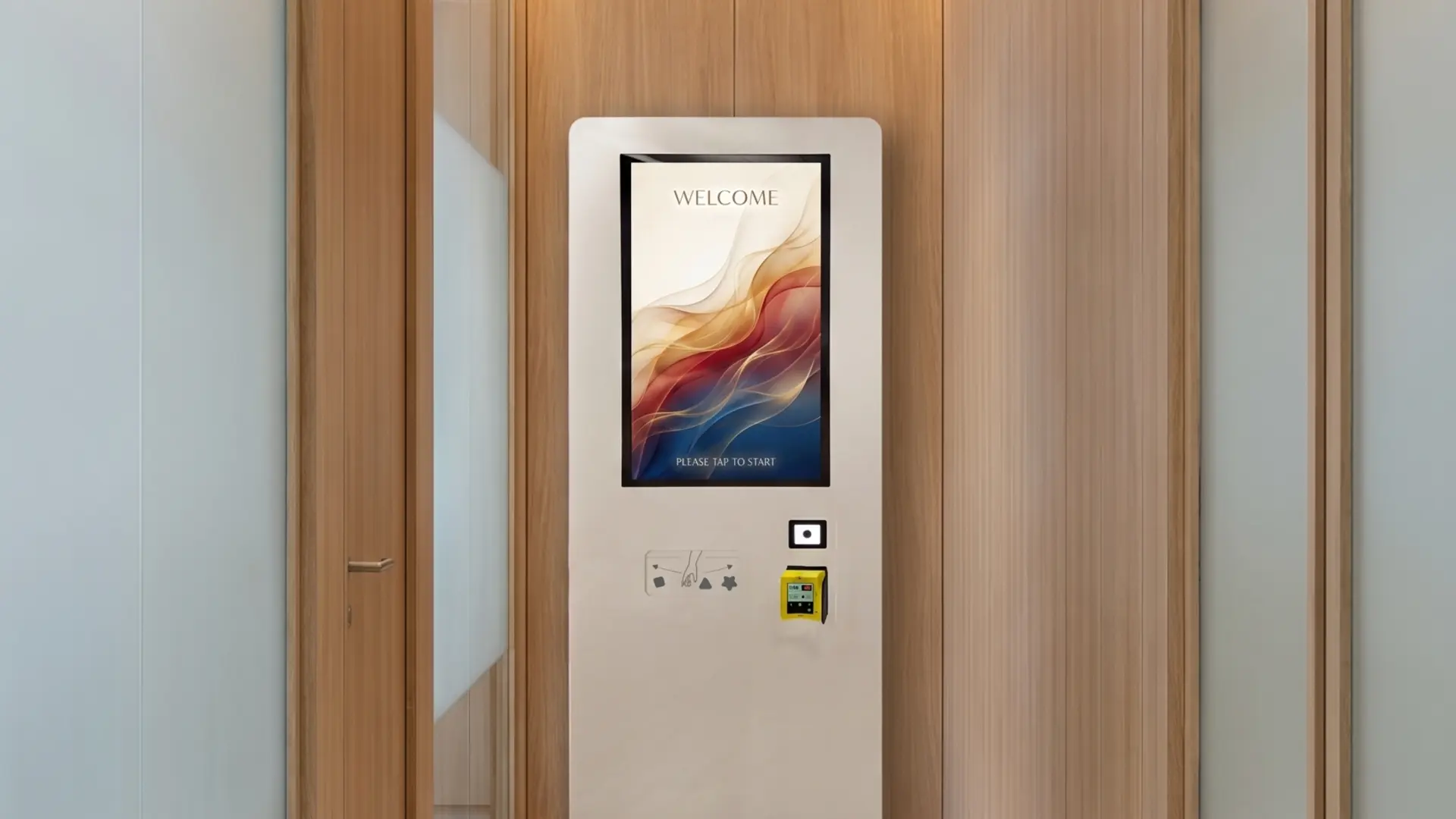
The wall-mounted vending machine was designed specifically for this constraint. It mounts directly to a wall, occupies zero floor space, and delivers the same smart vending capabilities, touchscreen interface, cashless payment, real-time inventory monitoring, as a full-size freestanding unit. For a significant share of the locations where automated retail makes commercial sense, the wall vending machine is not the compromise option. It is the right option.
This guide covers what wall-mounted vending machines are, how they compare to freestanding units, which industries and locations benefit most from them, which products they handle well, and what to look for when evaluating a wall vending machine for sale.
Key Finding: Digital Media Vending International manufactures wall-mounted vending machines with 21-inch and larger touchscreen displays, cashless payment systems, conveyor belt shelving, and VendingTracker remote inventory software, starting at approximately $4,995, suitable for any location where floor space is a constraint.
What Is a Wall-Mounted Vending Machine?
A wall-mounted vending machine is an automated retail unit that anchors to a wall rather than standing on a floor. The machine's cabinet is recessed into or flush against the wall surface, and its product capacity, dispensing mechanism, and technology stack are configured within that form factor.
The wall-mounted format originated as a solution to space constraints in commercial environments. Standard freestanding vending machines occupy 2 to 4 square feet of floor space per unit and require clearance for access and maintenance. In locations where that floor space is not available or where a large freestanding machine would be visually or functionally inappropriate, the wall vending machine provides the same core function within a smaller physical envelope.
Modern wall-mounted vending machines are not the limited coin-operated units of earlier decades. They are smart vending machines with the same technology features as their freestanding counterparts: large touchscreen displays, NFC contactless and mobile wallet payment processing, cloud-connected inventory software, and dispensing mechanisms appropriate to the product being sold.
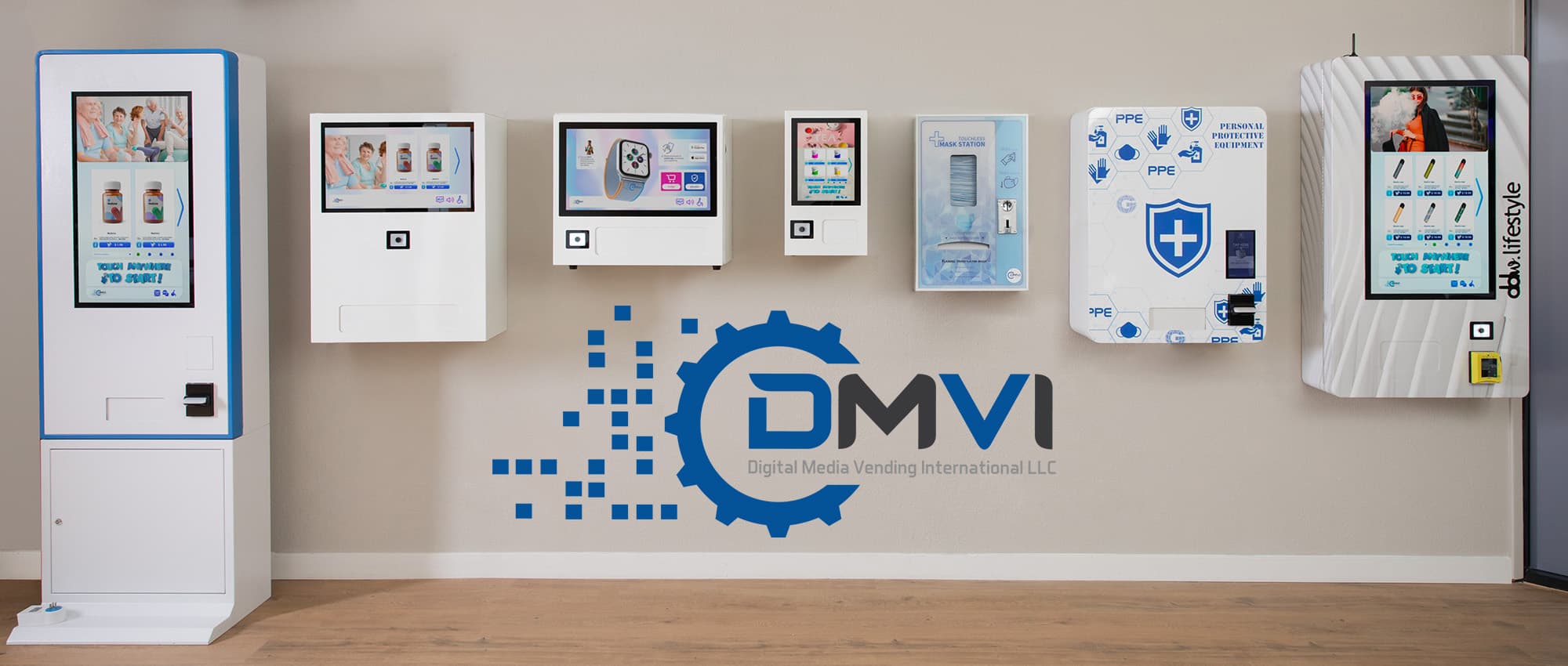
Digital Media Vending International, a Sebastopol, California-based custom vending machine manufacturer founded in 2009, produces wall-mounted vending machines as the entry format in their lineup. DMVI's wall-mounted units feature 21-inch and larger touchscreen displays, conveyor belt shelving, and VendingTracker software for remote inventory monitoring and sales management. They are manufactured in the US and backed by US-based installation, training, and technical support.
How Wall-Mounted Vending Machines Compare to Freestanding Units
The choice between a wall-mounted vending machine and a freestanding unit is not about which is better overall. It is about which fits the space, product, and traffic volume of a specific location.
Floor space. The defining difference. A wall-mounted vending machine requires zero floor space beyond a flat wall surface and an appropriate power supply. A freestanding unit requires 2 to 6 square feet of floor clearance. For locations where that space does not exist or where a freestanding machine would obstruct traffic flow, the wall-mounted format is the only viable option.
Product capacity. Wall-mounted vending machines hold fewer SKUs and less total inventory than full-size freestanding cabinets or M-Series large-format machines. This is the primary trade-off. A wall-mounted unit is well-suited for locations with moderate daily transaction volumes and a focused product assortment. High-volume placements that need 30 or more distinct SKUs and hundreds of units in inventory typically require a larger freestanding format.
Visual impact. Wall-mounted vending machines with large touchscreen displays create a clean, intentional retail installation that freestanding machines in the same space would not. In environments like hotel corridors, spa waiting areas, and boutique retail spaces, the wall-mounted unit can read as a designed element rather than a transactional appliance.
Dispensing technology. DMVI's wall-mounted vending machines use conveyor belt shelving and elevator or door-based product delivery, the same dispensing technology as their larger machines. This makes the wall-mounted format suitable for specialty products beyond standard snacks: beauty products, health supplements, trading card packs, specialty food items, and similar categories where product-appropriate dispensing matters.
Cost. Wall-mounted vending machines are typically the most accessible price point in any manufacturer's lineup. DMVI's wall-mounted units start at approximately $4,995.
Industries and Locations That Benefit Most From Wall-Mounted Vending Machines
The wall-mounted vending machine's primary advantage is its footprint. The locations where that advantage matters most tend to be environments with high traffic, limited available floor area, and customers in specific need-states at predictable moments.
Hotel corridors and lobby areas. Hotel properties have a specific geography: long corridors between room blocks, lobby areas with carefully allocated square footage, and service areas that cannot accommodate freestanding machines. A wall-mounted vending machine in a hotel corridor serves guests at midnight when they need a bottle of water, a pain reliever, or a personal care item without requiring them to leave the property. The machine fits the corridor architecture in a way that a freestanding unit cannot.
Salon and beauty service waiting areas. Salon waiting areas are physically small, typically customer-facing, and serve a captive population with strong interest in beauty and personal care products. A wall-mounted vending machine stocked with specialty hair products, treatments, or accessories serves this audience at the moment of highest contextual relevance, while they are thinking about their hair. The compact format fits the space; the product category fits the moment.
Small gym and fitness studio lobbies. Boutique fitness studios and small gym lobbies often have reception areas of 200 square feet or less. A freestanding vending machine would dominate the space. A wall-mounted unit with protein bars, supplements, or hydration products integrated into the lobby wall serves members without compromising the aesthetic or traffic flow.
Healthcare and clinical waiting areas. Small medical offices, physical therapy practices, and clinical facilities have compact waiting areas where patient experience design matters. A wall-mounted vending machine with appropriate products, bottled water, snacks, personal care items, adds convenience without displacing seating or creating visual clutter.
Boutique retail environments. Small specialty retailers, gift shops, boutique clothing stores, specialty food retailers, occasionally want to offer product categories adjacent to their core offering without the overhead of staffed checkout. A wall-mounted vending machine provides this capability in a footprint that does not consume the retail floor plan.
Office break rooms. Office environments with compact break rooms benefit from wall-mounted vending machines for snacks, supplements, and personal care essentials. The wall-mounted format preserves the limited square footage for seating and tables.
Products That Work Well in Wall-Mounted Vending Machines
The wall-mounted vending machine's product capacity is lower than a freestanding unit, so product selection is a strategic decision. Products that work well in wall-mounted deployments tend to share a few characteristics: appropriate physical dimensions, sufficient per-unit margin to support the economics of the placement, and relevance to the location's customer population.
Personal care and health products. Travel-size personal care, specialty skincare, pain relievers, vitamins, and health-adjacent products are well-suited for wall-mounted machines in hotel and gym environments. Individual units fit easily within the compact product channels, per-unit prices support strong margins, and purchase urgency is high.
Specialty supplements and nutrition. Single-serve protein bars, supplement packets, and hydration products are sized appropriately for wall-mounted shelving and serve gym, fitness studio, and office locations naturally.
Beauty and hair care products. Specialized hair products, accessories, and treatment items are appropriate for salon and beauty service locations. Product dimensions in this category are highly variable; confirm specific channel configuration with the manufacturer.
Trading cards and collectibles. Individual card packs and small collectible packages fit wall-mounted product channels and serve specialty retail and gaming environments. Lightweight products in standardized packaging dispense reliably.
Specialty confections and premium food. Small-format specialty food items, gourmet chocolates, artisan snacks, premium confections, fit wall-mounted formats and serve hotel and boutique retail locations where premium food positioning is appropriate.
What to Look for When Buying a Wall-Mounted Vending Machine
Evaluating a wall vending machine for sale requires the same rigor as any vending machine purchase, with attention to a few form factor-specific considerations.
Wall mounting specifications. Confirm that the machine's mounting hardware, weight requirements, and wall depth specifications are compatible with your location's construction. Stud spacing, wall material, and electrical supply access are practical installation prerequisites that should be confirmed before purchase.
Screen size and visibility. A wall-mounted vending machine's screen is its primary sales tool. Confirm the display size in the context of your location's ceiling height and corridor width. A 21-inch screen visible from 15 feet away in a narrow salon is a different proposition from a 32-inch display intended to stop traffic in a hotel corridor.
Dispensing mechanism for your product. Wall-mounted vending machines use the same range of dispensing mechanisms as larger formats, coil-based for standardized snacks, conveyor belt and elevator for specialty products. If your product is fragile, irregularly shaped, or outside standard snack dimensions, confirm that the wall-mounted unit's dispensing system is configured for it.
Remote management software. A wall-mounted machine in a hotel corridor is rarely adjacent to a manager's desk. Knowing what is stocked, what is selling, and whether the machine is functioning without a physical visit is a practical requirement. Confirm that the machine includes software with live inventory monitoring and machine health alerts.
Installation support. Wall mounting requires more precise installation than floor placement. A manufacturer that handles installation, configures the machine software, and trains operators is worth more than one that ships a machine and leaves setup to the buyer.
DMVI's Wall-Mounted Vending Machine Lineup
Digital Media Vending International (DMVI) is a Sebastopol, California-based custom vending machine manufacturer, Made in California certified, with more than 2,000 deployments across 22 countries. The wall-mounted vending machine is the entry product in their lineup and the format they build for locations where floor space is a constraint.
DMVI wall-mounted vending machines feature:
- Touchscreen displays from 21 inches and above
- Conveyor belt shelving configured to the product being stocked
- Elevator or door-based product delivery for fragile or specialty items
- Cashless payment supporting NFC contactless, mobile wallets, and card tap
- VendingTracker software with live inventory, sales data, pricing controls, planogram management, and machine health monitoring
- US-based installation, operator training, and ongoing technical support
The wall-mounted format is the right entry point for operators placing their first machine in a space-constrained location. The same VendingTracker platform and dispensing technology that powers DMVI's M-Series large-format machines runs in the wall-mounted unit, the scale is different, the capabilities are the same.
Machines start at approximately $4,995.
Visit digitalmediavending.com to configure a wall-mounted vending machine for your location.
Wall-Mounted Vending Machines by Industry: Placement Strategy by Sector
The wall-mounted vending machine's strongest deployment contexts share one characteristic: high foot traffic in a space where floor square footage is allocated to other uses. Here is a sector-by-sector placement guide for operators evaluating where wall-mounted vending machines make the most sense.
Hotels and hospitality. Guest room corridors are the archetypal wall-mounted vending machine environment. The corridor is long, trafficked at all hours, and cannot accommodate a freestanding machine without obstructing the passage. A wall-mounted unit stocked with personal care essentials, snacks, and beverages serves guests at the exact moment they realize they need something, typically late at night, when staffed retail is closed. Room revenue per available guest (Rev PAR) in the category is strong because hotel guests demonstrate consistent willingness to pay convenience pricing.
Gyms and fitness studios. Boutique fitness studio lobbies and small gym reception areas are tight spaces. A wall-mounted vending machine with protein supplements, hydration products, and fitness accessories can be integrated into the space alongside the reception desk without dominating the room. Larger gym facilities use wall-mounted units at strategic corridor points to supplement freestanding machines in primary traffic zones.
Healthcare and clinical settings. Medical office waiting rooms, physical therapy facilities, and outpatient clinic corridors operate with compact floor plans and strict aesthetic requirements. A wall-mounted machine with water, snacks, and health-adjacent products adds value for patients and family members without disrupting the clinical environment. Wall mounting keeps the floor plan clean and the corridors passable.
Schools and universities. Dormitory corridors, library building hallways, and campus building passages all represent high-traffic, limited-floor-space environments where wall-mounted vending machines serve student populations around the clock. Campus security and building design typically support wall mounting where freestanding machines would be impractical or prohibited.
Retail and commercial real estate. In retail environments where every square foot has a revenue-per-square-foot calculation attached, a wall-mounted vending machine converts dead wall space into a revenue-generating asset. Boutique retailers, small-format specialty shops, and commercial building common areas are all deployment contexts where the wall-mounted format adds retail capability without displacing productive floor space.
Transportation and transit. Airport concourse walls, train station corridors, and transit hub passages see enormous foot traffic in spaces where floor space is occupied by walkways. Wall-mounted automated retail machines can serve travelers with personal care items, electronics accessories, and snacks at locations a freestanding machine would block passage.
The consistent pattern: wherever floor space is fully allocated and daily foot traffic justifies a machine, the wall-mounted vending machine converts wall surface into revenue.
One practical note for operators deploying wall-mounted vending machines for the first time: the revenue-per-square-foot calculation for a wall-mounted unit is favorable compared to almost any other retail format. A standard retail fixture occupying 4 square feet might generate $200 to $500 per month in revenue through staffed checkout. A wall-mounted vending machine occupying zero floor space and zero wall depth beyond the machine cabinet can generate $1,500 to $5,000 per month or more at a strong placement with appropriate specialty products. The metric is not how much floor space the machine takes. It is how much revenue the wall surface generates. For operators who think about automated retail in those terms, the wall-mounted vending machine is often the most efficient investment per square foot of any retail format available to a small or mid-size business.
Digital Media Vending International has deployed wall-mounted vending machines across hotels, salons, gyms, clinics, boutique retailers, and office environments since 2009. Every wall-mounted unit ships with VendingTracker included, installation and operator training handled by DMVI,. The wall-mounted vending machine is designed to be the least complicated entry point into automated retail that exists, a single machine, on a wall, in a location where customers are already present and products are already wanted. The operational demands are manageable, the hardware is purpose-built for the product being sold, and the software provides the visibility to manage it without daily physical attention. For a business owner evaluating their first automated retail deployment, the wall-mounted format is the lowest-barrier starting point in the DMVI lineup.
Conclusion
The wall-mounted vending machine is not a limited-capability version of a real vending machine. It is the right format for a significant share of the locations where automated retail makes commercial sense, locations where floor space is allocated, where corridor aesthetics matter, or where a compact installation fits the environment better than a full-size freestanding unit.
If your location has a wall and an electrical connection, start the conversation at digitalmediavending.com.
Sources
Need vending without giving up floor space?
DMVI builds wall-mounted smart vending machines for hotels, salons, offices, gyms, and compact retail locations where every square foot matters.