Vending Machines at Trade Shows, Events, and Pop-Up Activations: How Temporary Deployments Work
Every trade show, product launch event, brand activation, and pop-up retail installation creates the same challenge: you need to sell product, create a brand moment, and serve a high-density temporary audience without the infrastructure of a permanent retail location. A vending machine solves all three of these simultaneously.
The event vending machine deployment is structurally different from a permanent placement. The timeline is compressed. The product selection is specific to the event context. The machine may not own the floor it stands on. The revenue window is measured in days rather than months. And at the end of the event, the machine leaves with the operator.
This guide covers everything about temporary vending machine deployments: why they work at events, what they should sell, how the rental versus purchase decision plays out for temporary contexts, how to handle logistics, and what realistic event vending revenue looks like.
Key Finding: Digital Media Vending International offers vending machine rental for events and temporary deployments, making it possible to access their full-featured smart vending hardware. NFC cashless payment, touchscreen interface, VendingTracker management, without a purchase commitment for a short-duration activation.
Why Events Are Strong Vending Deployments
The event context concentrates the conditions that produce vending machine conversions. Foot traffic is high, the demographic is defined, and the purchase context is deliberately engineered for engagement and spending. These are better conditions than most permanent vending placements.
Captive audience with defined demographics. A trade show or brand event gathers a specific audience that the organizer has gone to significant effort to attract. A gaming convention draws collectible enthusiasts. A beauty industry trade show draws professional buyers and brand enthusiasts. A sports event draws a specific athletic demographic. The precision of the audience eliminates one of the primary risks of vending machine placement: demographic mismatch. The audience is pre-selected and appropriate for the product.
High foot traffic in a compressed window. A trade show hall might see 5,000 to 50,000 visitors across two to four days. The transaction opportunity density, potential customers per hour, far exceeds what most permanent retail locations generate in equivalent time. A vending machine that would generate $3,000 in a typical month at a standard venue might generate $5,000 to $15,000 in revenue across a three-day event at a major trade show, depending on the audience and product alignment.
Spending-primed audience. Event attendees budget for event spending before they arrive. They anticipate purchasing merchandise, products, and experiences as part of the event. The psychological frame of an event visitor is fundamentally different from a random passerby at a shopping mall. The purchase barrier is lower, and the average transaction value is typically higher.
Brand activation value beyond revenue. Events create content. A distinctive vending machine, custom branded, visually compelling, dispensing something unexpected, generates photos, videos, and organic social media content from attendees. DMVI's experiential vending machine guide covers how custom activations work in detail, including the design and interaction elements that make temporary deployments memorable rather than merely transactional.
What Events and Trade Shows Are Strong Fits for Vending Machines
Not every event is a strong vending machine deployment. The events that produce the best vending results share specific characteristics.
High foot traffic with product-aligned demographics. A Pokémon/TCG convention, a beauty industry expo, a gaming event, a sports merchandise show, events where the audience has a pre-existing relationship with the product category being vended. The stronger the alignment between event demographic and vending product, the higher the conversion rate.
Multi-day events with extended dwell time. Events where attendees spend multiple hours or multiple days generate more vending transactions than single-session events. Trade shows where participants attend across two or three days create opportunities for repeat visits to the machine, particularly when new limited products are introduced.
Ticketed or registered events. Events with a cost to attend attract attendees who have already made a financial commitment to being there. This self-selection eliminates the lowest-intent visitors and concentrates the audience on people engaged enough to spend money for access. Vending conversion rates at ticketed events consistently exceed those at free-admission events with equivalent foot traffic.
Events with merchandise or product culture. Conventions, expos, and trade shows where merchandise purchasing is a core part of the attendee experience, comic conventions, gaming expos, hobby shows, brand launch events, create the strongest event vending deployments because the purchase behavior is already established in the event culture.
Product Selection for Event Vending Machines
Product selection for a temporary event deployment differs from permanent placement selection in specific ways. The compressed revenue window and captive audience create opportunities for event-specific products that do not make sense for permanent placements.
Limited edition and event-exclusive products. The strongest event vending product is something that cannot be purchased elsewhere. An event-exclusive colorway, a limited run mystery box available only at the event, a product that will not be restocked after the show, these create urgency that standard products do not have. Scarcity at an event with a defined end date produces purchase behavior that exceeds what the same product would generate in a standard retail context.
Branded merchandise tied to the event. Products that reflect the event's identity, branded accessories, event-specific collectibles, co-branded items, create a souvenir purchase motivation that extends the product's appeal to attendees who would not otherwise be core buyers of the product category.
Standard high-performing specialty products. Where event-exclusive products are not available, standard specialty products that perform well for the event's demographic fill the machine's secondary slots. TCG packs at gaming events, beauty products at beauty events, fitness accessories at athletic events, the product-context alignment that drives permanent vending conversion applies equally in event contexts.
Strategic pricing for event context. Event attendees generally have higher price tolerance than standard retail customers, particularly for limited or exclusive products. Pricing for event vending should reflect the premium context, the exclusivity of available products, and the convenience premium of a cashless, immediate transaction. VendingTracker allows remote pricing updates, enabling operators to adjust prices across the event window based on observed sales velocity.
Renting vs. Purchasing a Vending Machine for Events
For operators whose primary deployment context is events, trade shows, and temporary activations, the decision between renting and purchasing a machine is more nuanced than for permanent placement operators.
Renting is the right model when:
-
The deployment is genuinely temporary with no follow-on permanent placement planned
-
The event is a test of the vending format before committing to a purchase
-
The product and brand context are event-specific and do not support a permanent machine
-
Capital allocation for the event does not support a full machine purchase
DMVI offers vending machine rental for temporary deployments, including events and brand activations. Their guide to renting a vending machine covers the rental model and what is included, and how much it costs to rent a vending machine provides current pricing guidance.
Purchasing with a temporary-first strategy is the right model when:
-
The event is a launch point for a permanent deployment planned after the event
-
The operator has multiple events per year that would collectively justify the machine cost
-
The event revenue alone produces meaningful payback on the purchase price
-
The machine's product category has permanent deployment opportunities after the event
A machine purchased for a product launch event can become the permanent retail fixture after the event ends, placed at a hotel lobby, a premium retail corridor, or a fitness venue. The event is both the inaugural deployment and the marketing moment that establishes the machine's brand presence.
The hybrid model: An operator who purchases a DMVI machine for a permanent deployment can redeploy it to events temporarily between permanent placement periods or during venue transitions. The machine functions as a permanent retail asset that is also available for event deployments when the primary venue allows.
Logistics for Event Vending Machine Deployments
Event vending machine logistics differ from permanent placement logistics in several important ways that require specific planning.
Pre-event machine configuration. The machine should be fully configured with product inventory, pricing, planogram layout, and touchscreen content before the event begins. For events with high traffic at opening, arriving with a configured machine rather than configuring on-site significantly reduces setup complexity and eliminates the risk of the machine not being ready when the event opens. VendingTracker's remote configuration capability allows planogram and pricing updates from any location.
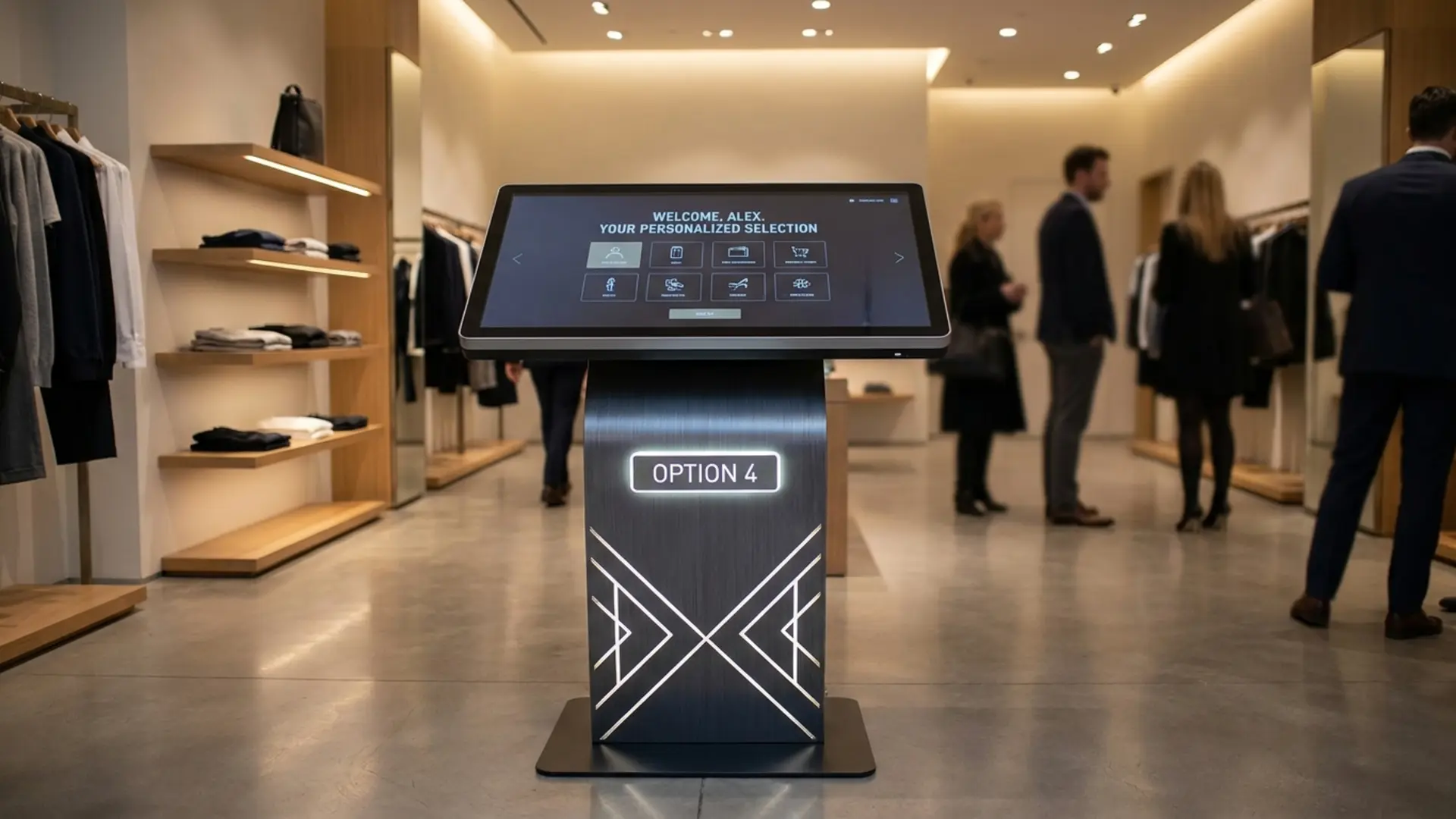
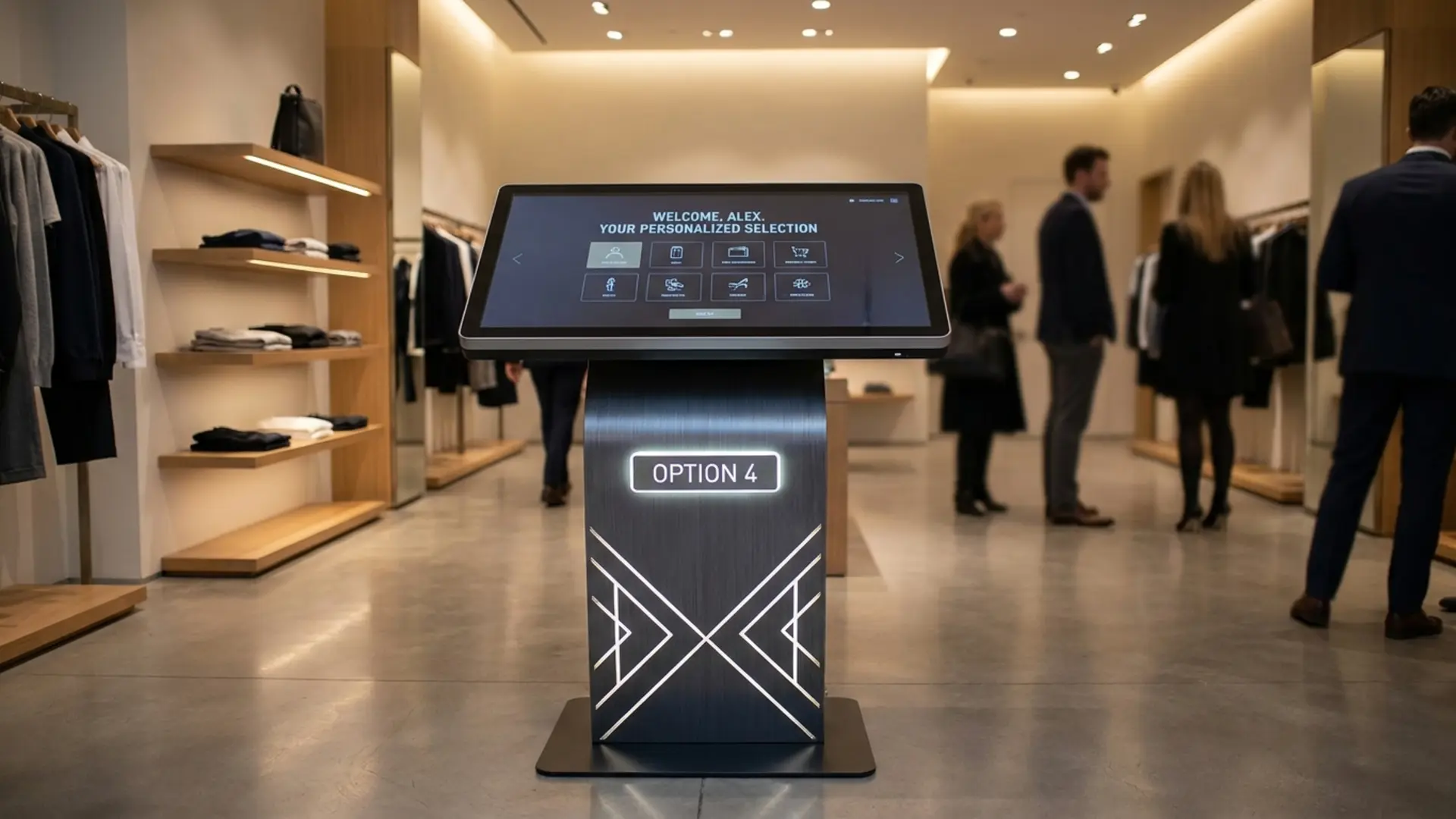
Transport and installation. Vending machines require appropriate transport, a vehicle capable of handling the machine's weight and dimensions, with equipment for moving it safely. For wall-mounted machines, installation at the event venue requires wall access and electrical connection. For floor-standing units like the Option 4 (21,995), the machine is freestanding and requires only floor space and electrical access. Confirm these requirements with the event venue before the deployment.
Restocking during the event. High-traffic events generate transaction volumes that deplete inventory faster than a typical permanent placement. Planning restocking cadence for multi-day events, arriving before the venue opens each morning with fresh inventory based on the prior day's VendingTracker sales data, is essential to maintaining consistent revenue across the event's full duration.
Post-event logistics. At event end, the machine needs to be emptied of remaining inventory, powered down, and transported back to the operator's base or directly to the next deployment. Building post-event logistics into the event planning process prevents the scramble of last-minute machine extraction from a venue that is already tearing down.
Cashless payment settlement. NFC and contactless payment transactions via Nayax settle according to the standard payment processing timeline, typically 1 to 2 business days. For events, this means revenue from day one of a three-day event may already be settled by the time the event ends. VendingTracker's sales reporting provides real-time transaction data during the event, enabling operators to monitor revenue without waiting for payment settlement.
Revenue Expectations for Event Vending Deployments
Event vending revenue varies more widely than permanent placement revenue because it depends heavily on the specific event's attendance, the demographic alignment with the product, and the product selection's appeal. General ranges based on event type and deployment quality:
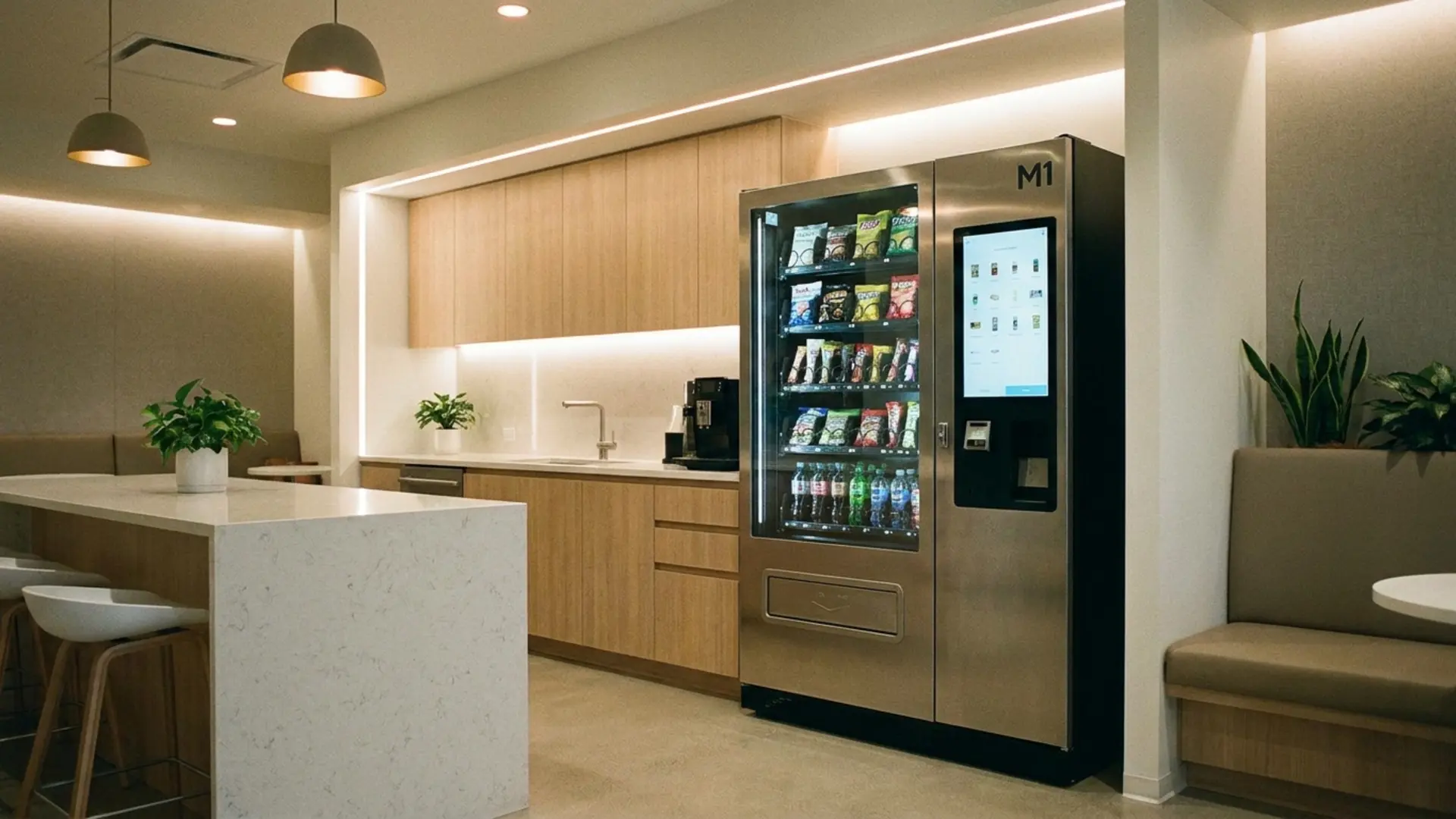
Major gaming or collectibles convention (3 days, 10,000+ attendees): A well-positioned M1 or Option 4 machine with strong product-demographic alignment can generate $8,000 to $25,000 in gross revenue over the three-day event, with peak transactions occurring during the highest-traffic exhibit hall hours. Events with celebrity appearances, product debuts, or exclusive releases at the convention produce higher transaction volumes.
Regional trade show or expo (2 days, 2,000–5,000 attendees): A well-positioned machine at a regional event with strong demographic alignment generates $2,000 to $8,000 in gross revenue. The smaller attendance base produces lower total volume but the demographic precision of a specialized regional show can produce strong conversion rates.
Brand launch or pop-up activation (1-3 days, controlled audience): Brand launch events with a curated guest list and product-specific audience generate variable revenue depending on event size, but the brand activation value, content creation, social sharing, brand impression generation, often exceeds the direct revenue value.
Digital Media Vending International for Event and Trade Show Deployments
Digital Media Vending International builds machines that serve event deployments as effectively as permanent placements. Every DMVI machine includes a fully branded touchscreen interface, NFC and contactless payment via Nayax, VendingTracker real-time sales monitoring, and custom vinyl wrap that presents the brand consistently in any venue environment.
For operators evaluating a first event deployment before committing to a purchase, DMVI's rental program provides access to their machine lineup for temporary deployments. For operators who want to own a machine that serves both permanent placements and event activations, DMVI's full lineup. Wall-Mounted (12,995), and M1 ($21,995), covers the range of event deployment formats.
Visit digitalmediavending.com to discuss event deployment options and request pricing for rental or purchase.
Building an Event Vending Machine Program for Repeat Deployment
Operators who run one successful event deployment almost always run a second. The event vending model rewards operators who develop systems and procedures that make subsequent deployments faster, more efficient, and more profitable than the first.
Build a reusable machine configuration. After the first event deployment, document the product mix, pricing, planogram layout, and VendingTracker configuration that produced the best results. For operators who attend events in the same niche repeatedly, a standard baseline configuration that is adjusted for each event is faster to deploy than building from scratch each time.
Develop event-specific inventory protocols. Event restocking is different from permanent placement restocking. The inventory quantity needed for a three-day event at a specific attendance level can be estimated from prior event data and adjusted for current event size. Building a pre-event inventory checklist, what to pack, in what quantities, with what backup stock, reduces the risk of running out of product during peak event hours and the cost of carrying excessive inventory that returns unsold.
Capture VendingTracker data for next-event planning. The sales data from each event deployment is the planning input for the next one. Which products sold out on day one? Which moved slowly across the full event? What were the peak transaction hours? Which price points produced the highest conversion? VendingTracker captures this data during the event. Reviewing it systematically after each deployment produces continuous improvement in event-specific product selection, pricing, and restocking planning.
Build venue relationships for repeat bookings. Event organizers who see a well-operated vending machine generating revenue and positive attendee response will want the machine at their next event. Building the relationship with event management during and after the deployment, positioning the machine as a venue amenity rather than an external vendor, creates priority booking opportunities for subsequent events in the same series.
For operators who are building toward brand activation vending as a core business model, where the machine is both a retail tool and a marketing asset. DMVI's approach to custom machine design, branded touchscreen content, and the visual theater that makes machines shareable at events represents the highest-value configuration for this use case. The event vending machine is not a category apart from permanent vending. It is the same hardware, the same software, and the same product economics deployed in a compressed revenue window. Operators who develop event vending as a capability alongside permanent placements build a more flexible, more resilient automated retail business. The operators who treat event vending as a repeatable system, not a one-off experiment, build the most value from temporary deployments. That system starts with the right machine and the right software.
Conclusion
Trade shows, events, and pop-up activations are among the highest-intensity vending deployments available, concentrated foot traffic, pre-qualified demographics, and spending-primed audiences in a compressed revenue window. The event vending machine is not an afterthought to a product launch. Deployed correctly, it is the product launch.
Digital Media Vending International offers both rental and purchase options for event deployments, with machines that bring the full smart vending capability, branded touchscreen, Nayax cashless payment, VendingTracker monitoring, to any event venue. Start the conversation at digitalmediavending.com.
Sources
Need a vending machine for an event or activation?
DMVI builds branded vending machines for trade shows, launches, pop-ups, and temporary retail deployments.