Automated Retail vs Traditional Retail: A Side by Side Comparison
Retail has never been a single format. A corner store, a mall anchor, a roadside stand, and an e commerce warehouse are all "retail" in the economic sense, but they're built on completely different cost structures, customer experiences, and operational requirements. Automated retail is the latest addition to this range of formats, and understanding where it sits relative to traditional staffed retail helps entrepreneurs make more deliberate decisions about which format fits their product, their customer, and their business goals.
This guide compares automated retail and traditional retail across the dimensions that matter most to operators considering one or both approaches.
Defining the Categories
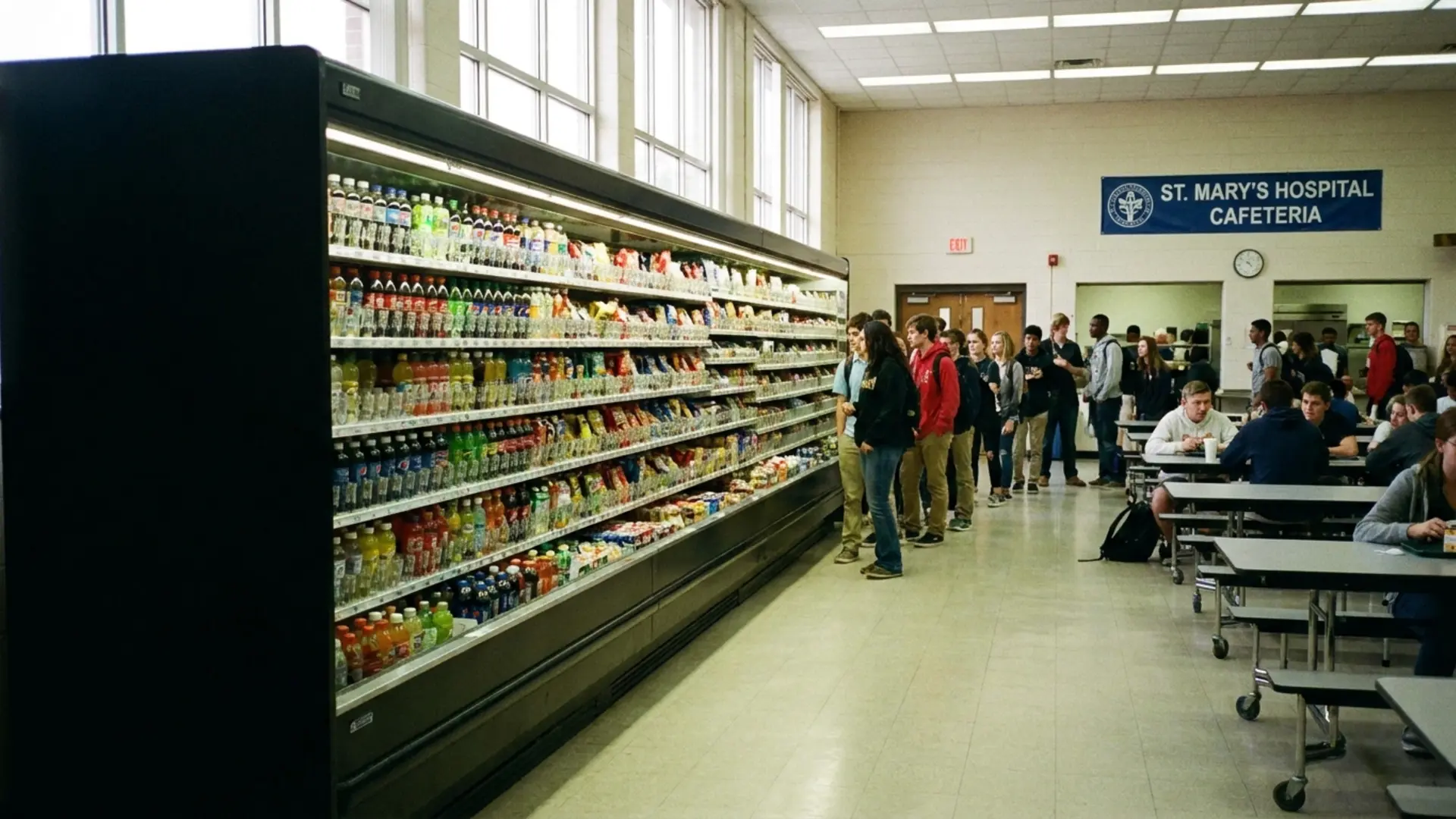
Traditional staffed retail means a physical location with employees present during operating hours to assist customers, process transactions, manage inventory, and maintain the store environment. A boutique, a pop up shop, a kiosk with a sales rep, a specialty retail store these are all traditional staffed retail regardless of size.
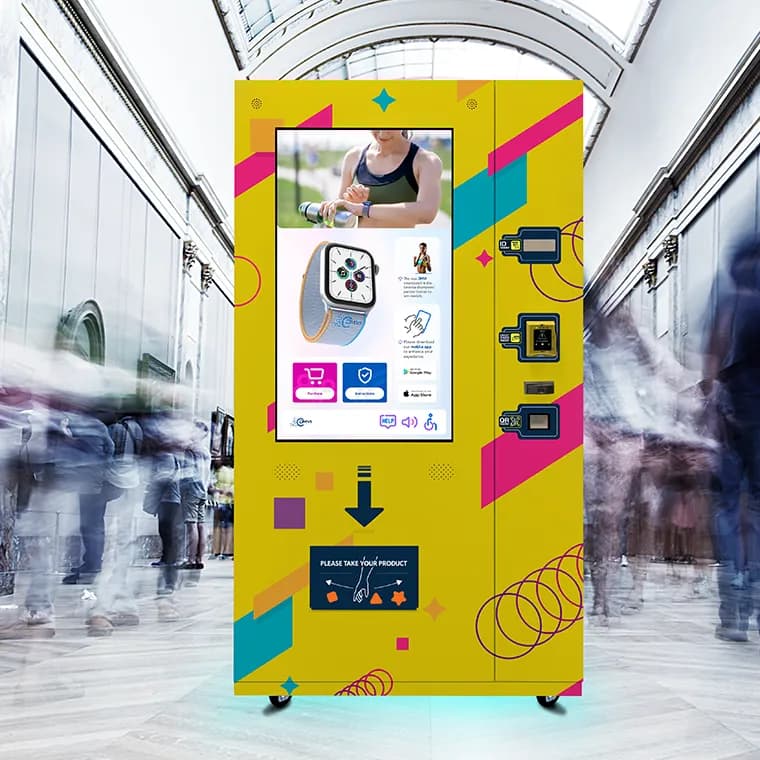
Automated retail means a physical retail presence where customers browse, select, and purchase without interacting with a staff member at the point of sale. Vending machines, self checkout kiosks, AI smart fridges, and micro markets are all forms of automated retail. The defining characteristic is that the sales transaction is completed without human staff involvement.
Both can exist as standalone channels or in combination. Many businesses run both a staffed retail location and automated retail deployments simultaneously to extend their reach without proportionally scaling staffing costs.
Side by Side Comparison
Staffing Requirements
Traditional retail: Requires staff during all operating hours. Staff manage customer interactions, process transactions, answer questions, handle returns, and maintain the store environment. Labor is typically the largest operating cost in staffed retail, often 20% to 40% of gross revenue in specialty retail.
Automated retail: Requires no staff at the point of sale. The machine handles the transaction, the payment, and the product delivery. Staff time is required for restocking and maintenance, but not for each sale. Labor cost drops to the time spent managing inventory and the machine, typically a few hours per week per machine.
Implication: Automated retail enables a retailer to expand without proportionally expanding labor. An operator who can serve 100 customers per day through a staffed store can serve an additional 100 customers per day through an automated deployment without hiring additional staff.
Operating Hours
Traditional retail: Limited by staff availability. Most staffed retail operates during standard business hours, with extended hours requiring additional labor cost.
Automated retail: Operates 24/7/365. A vending machine in a hotel corridor serves a customer at 2 a.m. with the same capability it has at 2 p.m. The operating window is every hour the location is accessible, not every hour staff are scheduled.
Implication: Automated retail captures demand at hours that staffed retail can't serve economically. This is particularly valuable for products with genuine 24 hour demand: hotel amenities, gym supplements, emergency convenience items, and entertainment products.
Customer Experience
Traditional retail: Staffed retail enables human interaction: product recommendations, questions answered, personalized service, returns handled face to face. For products where the customer benefits from expertise or reassurance before buying, staffed retail has a genuine experiential advantage.
Automated retail: The customer experience is self directed. For products where the customer already knows what they want and wants speed and convenience, automated retail is often preferred over staffed interaction. For products where browsing and discovery are important, modern automated retail with large touchscreens and rich product display capability can approximate a good part of the staffed experience.
Implication: Product category matters. Impulse products and repurchase products suit automated retail well. Products requiring expertise, customization, or significant pre purchase consultation favor staffed retail.
Real Estate and Location Cost
Traditional retail: Requires a lease or ownership of a retail space. Leases are typically fixed cost obligations regardless of sales performance, with durations of 1 to 5 years or longer. Retail lease costs in productive locations are significant and persistent.
Automated retail: Requires a placement agreement with a location owner, typically structured as a revenue share (10% to 25% of gross) or flat monthly fee ($50 to $300). The cost is more flexible, more location specific, and in some cases near zero if the operator owns the space. No lease obligation in most deployments.
Implication: Automated retail offers meaningful location flexibility relative to traditional retail leases. Adding a machine in a new location is a placement agreement, not a 5 year lease commitment. Exiting an underperforming location is far simpler.
Capital Requirements
Traditional retail: Opening a traditional retail location involves significant capital: leasehold improvements, fixtures, signage, opening inventory, staff training, and often a lease deposit. Minimum initial investment for a basic specialty retail space is typically $20,000 to $100,000 or more depending on market.
Automated retail: A custom vending machine from Digital Media Vending International starts at $4,995 with in house financing available subject to approval. Standard financing requires a 25%–50% machine deposit, with shipping, the payment terminal, annual software license, wrap, and topper paid separately upfront. The remaining machine balance is repaid in 12 monthly payments beginning 30 days after shipment, with quoted interest of 8%–15% depending on repayment ability and approval conditions. All inclusive leases are not offered. Adding a second location is adding another machine agreement, not another retail buildout. Capital requirements scale more linearly with the number of deployments.
Implication: Automated retail has a significantly lower barrier to entry and a more modular growth path. An entrepreneur can start with one machine in one location, validate the format, and add machines as cash flow and performance justify it.
Inventory Management
Traditional retail: Inventory is visible at all times by staff. Stockouts are caught immediately, mistakes are corrected in real time, and face to face staff can redirect customers to alternatives. The human layer provides constant inventory oversight.
Automated retail: Inventory isn't continuously supervised. Without management software, an operator may not know a machine has run out of a SKU until they visit or a customer complains. With VendingTracker (with its annual software license paid separately upfront), operators have real time inventory visibility from any device without visiting the machine.
Implication: The inventory management gap between automated and traditional retail has narrowed significantly with vending management software. Real time remote monitoring addresses the core operational weakness of unstaffed retail.
Margin Structure
Traditional retail: Full retail margin on each sale, minus labor, rent, and operating costs. Labor and rent are fixed costs that erode margin regardless of volume, which means margin improves as volume increases.
Automated retail: Full retail margin on each sale, minus machine financing, location fees, and product cost. Labor cost is minimal (restocking time). With no rent obligation and minimal labor, the margin structure can be favorable at lower volumes than staffed retail requires to be profitable.
Implication: Automated retail can be profitable at transaction volumes that would be uneconomical for staffed retail, because the fixed cost base is fundamentally different. This is why small volume specialty products can be viable in a vending deployment that wouldn't support a staffed retail location.
Scalability
Traditional retail: Adding a new staffed retail location means finding a new space, signing a new lease, hiring and training new staff, and building a new location from the ground up. Scaling is slow and capital intensive.
Automated retail: Adding a new automated retail location means placing a new machine. DMVI's in house financing allows an approved buyer to pay a machine deposit and separate upfront costs, then repay the remaining machine balance over 12 monthly payments. Location placement agreements are far faster to negotiate than retail leases.
Implication: Automated retail scales more quickly and more capital efficiently than traditional retail. An operator who wants to be in five locations within 18 months has a far more achievable path through automated retail than through staffed retail.
When Automated Retail Wins
Automated retail is the better format when:
-
The product is known to the customer and doesn't require explanation or customization Demand exists at hours when staffed retail is unavailable or uneconomical
-
The target location doesn't support a full retail lease (corridor, corridor alcove, wall space)
-
The business is expanding geographically faster than it can scale staffing
-
The operator wants to test a new location or market without a multi year lease commitment
-
The product category has a high repurchase rate and benefits from ongoing customer availability rather than episodic availability
When Traditional Retail Wins
Staffed retail is the better format when:
-
The product requires significant pre purchase consultation, expertise, or demonstration
-
The product range is so broad that automated retail can't represent it adequately
-
The customer relationship is a central part of the brand value
-
The location's demographics produce enough volume to support the fixed cost of staffing and a lease
-
Regulations or product category requirements mandate staff assisted sales (some regulated products, prescription items, etc.)
Using Both Formats Together
Many operators use automated and traditional retail simultaneously rather than treating them as alternatives. A bakery with a staffed shop also operates a cupcake vending machine in a hotel lobby two miles away. A supplement brand with a direct to consumer website and an Amazon presence also operates custom vending machines in ten gym locations. A specialty retailer open five days a week also operates an automated machine at their entrance that runs the other two days.
In each case, automated retail extends the brand's reach and revenue without requiring an equivalent extension of staffing and lease obligations. The formats are complementary, not competing.
Digital Media Vending International specifically serves entrepreneurs who are already running a business in their vertical and want to add an automated retail channel without opening another staffed store. The company's machines are designed for operators who think of the machine as a business extension, not a replacement for their existing model.
For a comprehensive look at machine formats, pricing, and vertical applications, see the Complete Guide to Custom Vending Machines 2026. For a look at how the technology behind automated retail has evolved, see the Vending Machine Technology Guide 2026.
FAQ
What is automated retail? Automated retail is a physical retail format where customers browse, select, and purchase products without interacting with a staff member at the point of sale. Vending machines, self checkout kiosks, micro markets, and AI smart fridges are all forms of automated retail.
What is the difference between automated retail and traditional retail? Traditional retail requires staff present during operating hours to assist customers and process transactions. Automated retail operates without staff at the point of sale. The key differences are staffing cost, operating hours, capital requirements, and scalability.
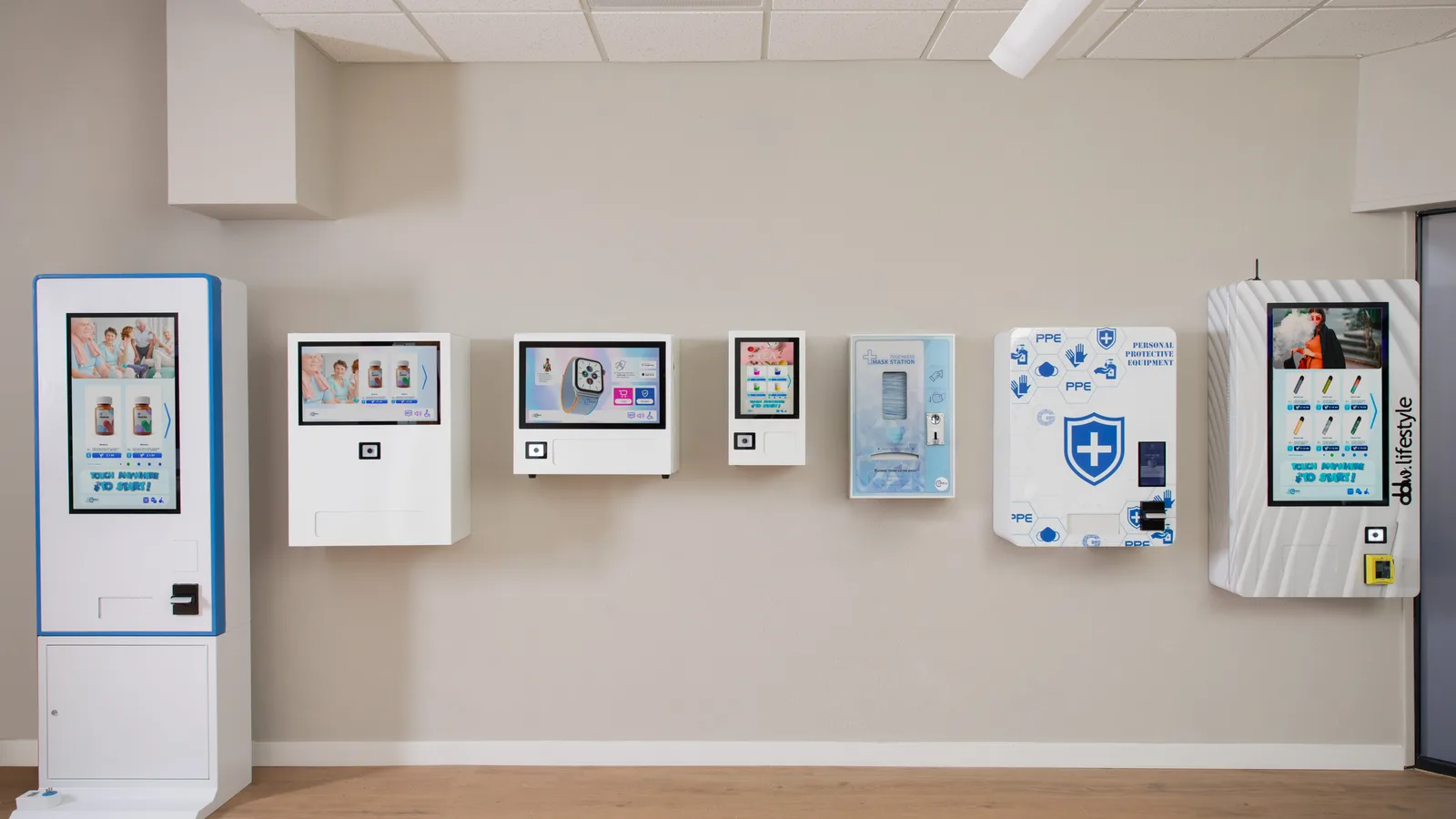
Is automated retail the same as vending machines? Vending machines are the most common form of automated retail, but the category also includes micro markets, AI smart fridges, self checkout kiosks, and other unmanned retail formats. Modern vending machines with touchscreens, custom configurations, and remote management software are a significant upgrade from traditional coil and drop machines.
How much does it cost to start an automated retail business? Digital Media Vending International's machines start at $4,995 for the Wall Mounted unit, with in house financing subject to the deposit, upfront costs, and quoted repayment terms above. Total startup costs including inventory, insurance, and installation typically range from $4,000 to $12,000 for an operator's first machine. This compares favorably to the $20,000 to $100,000+ typically required to open a traditional retail location.
Can I run automated retail and traditional retail at the same time? Yes, and many successful brands do. Automated retail extends hours and geographic reach that staffed retail can't serve economically. The formats are complementary for most businesses that have a physical product with genuine on demand demand.
What types of products work in automated retail? Products that customers already know they want, don't require expert consultation before purchase, and benefit from 24/7 availability tend to perform best in automated retail. Specialty collectibles, supplements, beauty products, accessories, snacks, and convenience items are among the strongest categories.
Conclusion
Automated retail and traditional retail are not in competition they're different formats with different strengths, suited to different products, customer relationships, and business growth strategies. Automated retail offers lower capital requirements, lower operating costs, 24/7 availability, and scalable geographic expansion. Traditional retail offers richer customer interaction, product range breadth, and experiential value that unmanned formats can't fully replicate.
For entrepreneurs who have a product and a customer base and want to extend their reach into new locations without opening a staffed store, automated retail through a custom vending machine is one of the most practical paths available. Digital Media Vending International builds machines specifically for this use case the vertical entrepreneur expanding an existing business into autonomous retail.
Sources
-
Kande VendTech: Vending Machine Industry Statistics Grand View Research: Smart Vending Machine Market Size Report 2024
-
U.S. Small Business Administration: Retail Business Guide
Discuss your project with DMVI
Talk with DMVI about the right machine for your business.