Vending Machines for Small Business: What to Know Before You Buy
Small businesses approach vending machines from two completely different directions. Some want to use a machine as a revenue generating extension of their existing business. Others want to put a machine in their office or facility for employees or customers. The buying decision, the machine format, and the economics are different depending on which of those two scenarios describes you.
This guide covers both uses, explains the questions that determine which approach fits your situation, and provides a practical framework for evaluating machines before you commit to a purchase.
Two Different Reasons Small Businesses Buy Vending Machines
Using a Vending Machine to Expand Your Business
The first use case is a small business owner who runs a business in a particular industry and wants to use a vending machine to extend their reach into a new location without opening a new store or hiring additional staff.
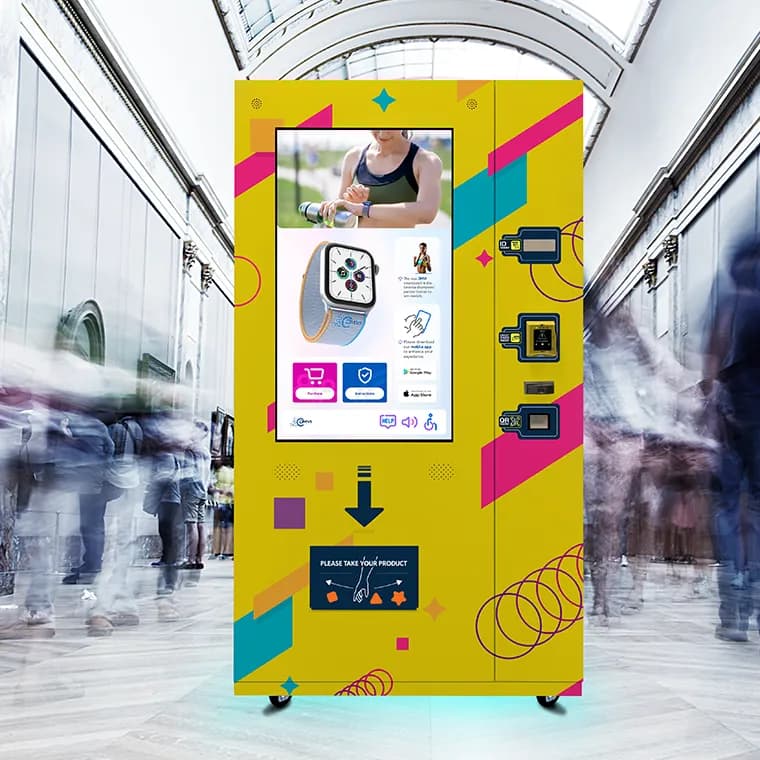
This is Digital Media Vending International's core customer. The founder of DMVI described it this way: most of his customers don't run vending businesses. They run a cupcake shop, a supplement brand, a Pokémon card reselling operation, or a specialty retail business, and they're using a custom vending machine to create a 24/7 retail presence in a mall, hotel, gym, or other high traffic location where they couldn't otherwise afford or justify a staffed presence.
The business owner who buys a cupcake vending machine isn't entering the vending business. They're extending their bakery into autonomous retail. The machine is the staff free storefront they couldn't open otherwise.
For this operator, the machine choice is primarily about product compatibility and customer experience. The machine has to handle the product correctly, whether that's a cupcake that needs elevator delivery to arrive undamaged, a trading card pack that needs to be displayed attractively, or a supplement that needs a refrigerated section. The machine also has to represent the brand well, because in a mall corridor, the vending machine is the brand's face in that location.
What this looks like in practice:
A specialty bakery owner places a custom cupcake vending machine in a hotel lobby. The machine runs overnight and on weekends when the bakery itself is closed. Revenue from the machine adds a distribution channel without adding a single employee to the schedule.
A supplement brand owner places custom machines in five gym locations across their city. Each machine sells directly to the gym's membership at full retail price, without sharing margin with a distributor or retailer. The five machines function as five autonomous retail locations the brand didn't have before.
A trading card reseller places a custom machine in a mall corridor. The machine runs 7 days a week from mall open to mall close, requires restocking once or twice a week, and generates revenue the reseller couldn't have captured otherwise without renting retail space at a fraction of the lease cost.
Using a Vending Machine as a Business Amenity or Internal Tool
The second use case is a business that wants to offer vending access to its employees, customers, or facility users as an amenity or operational convenience rather than as a primary revenue source.
This is a fundamentally different buying decision. The operator isn't trying to generate net positive revenue from the machine. They're trying to provide a service that improves employee satisfaction, customer experience, or facility function.
Common applications in this use case:
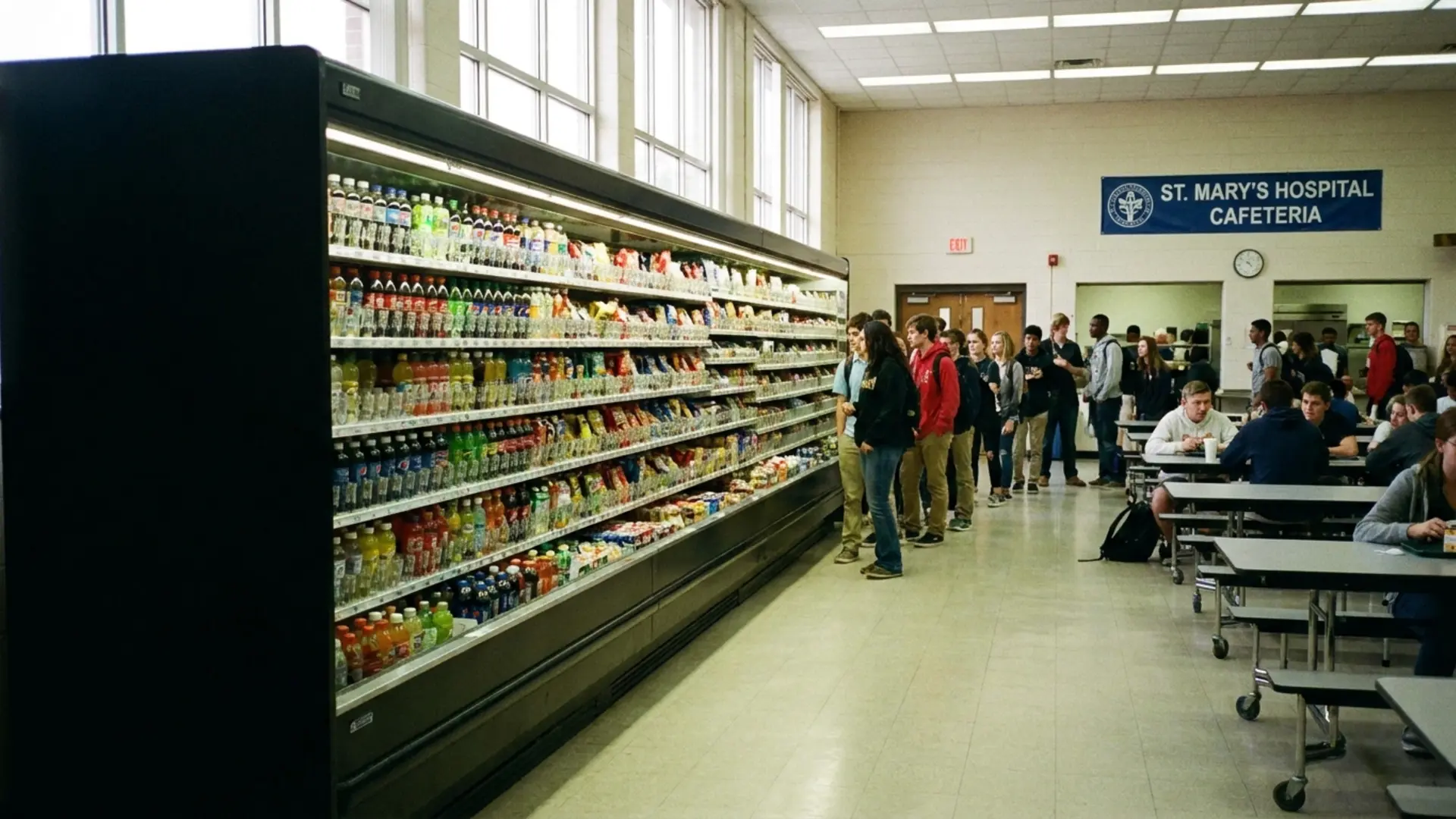
Employee refreshment and amenity. Offices, manufacturing facilities, warehouses, and healthcare organizations use vending machines to provide food, beverage, and convenience access to employees throughout the day without needing to staff a cafeteria or operate a break room service. A wall mounted machine stocked with snacks and drinks near a break room costs far less than a cafeteria and provides more consistent access.
Customer waiting area amenity. Auto repair shops, medical clinics, salons, and service businesses with waiting areas use vending machines to improve the customer experience during wait times. A waiting customer with access to a beverage or snack has a better experience than one who has to sit empty handed for 45 minutes.
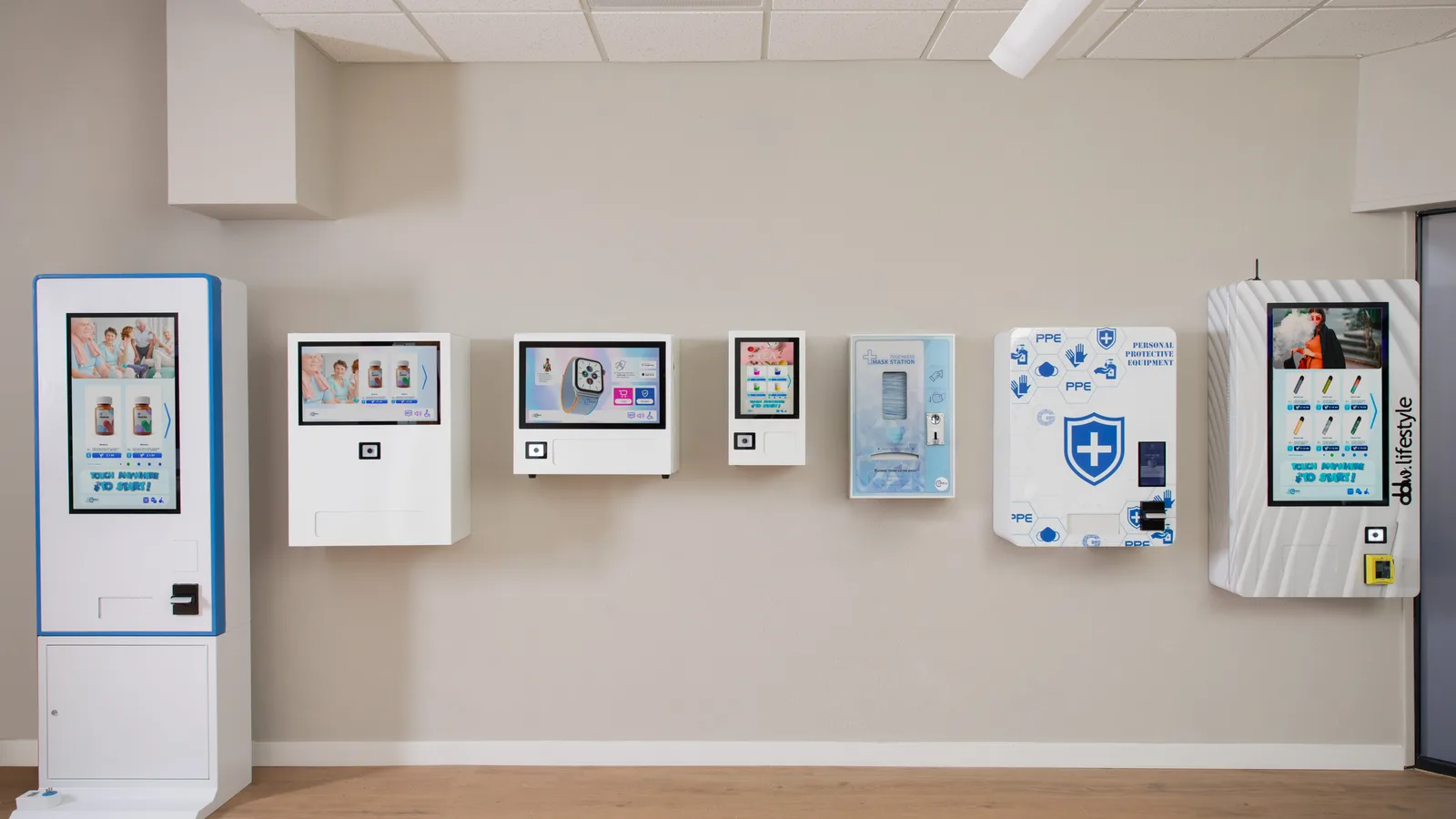
Controlled access dispensing. Some businesses use vending machines to dispense items with controlled access: PPE and safety equipment in manufacturing environments, office supplies in shared workspaces, or hygiene and personal care items in hospitality facilities. The machine provides access without requiring a person to manage distribution.
Retail extension within an existing shop. Retail businesses add vending machines to their space to extend what they sell without expanding staffed shelf space. A comic book store with a trading card vending machine near the entrance captures sales at times when staff are occupied or when the store is technically closed.
Choosing the Right Machine Format for Your Small Business
The machine format that works depends on what you're doing with it.
For Revenue Generating Expansion
Businesses using vending to expand their retail footprint into new locations typically need machines that can:
-
Handle their specific product without damage (conveyor belt for fragile items, elevator delivery for delicate packaging)
-
Display the product attractively (large viewing windows, interior lighting, large touchscreens)
-
Operate effectively at the size and scale of the deployment location
Digital Media Vending International builds custom machines configured for the specific product and vertical of each operator. A cupcake operator gets a machine with elevator dispensing. A collectible card operator gets a machine with conveyor belt shelving and a large touchscreen. A supplement brand gets a machine configured for the physical dimensions of their product mix.
DMVI machines range from the Wall Mounted unit at $4,995 to the M3 at $39,995, with in house financing available subject to approval. Standard DMVI financing requires a 25%–50% machine deposit, with the remaining machine balance repaid in 12 monthly payments starting 30 days after shipment. Quoted interest is 8%–15%, depending on repayment ability and approval conditions. Shipping, the payment terminal, annual software license, wrap, and topper are paid separately upfront. Approval is required; DMVI does not offer an all inclusive lease under this program.
For operators deploying in mall locations, DMVI provides direct mall location introductions to M Series machine purchasers. This is operationally significant: establishing a placement relationship with a professional mall management company without an introduction requires a cold outreach process that can take months and often fails.
For Internal Amenity or Office Use
Businesses using vending as an employee amenity or operational tool have different priorities. They typically need:
-
A reliable, low maintenance machine
-
Cashless payment if the machine charges employees (or a subsidy mechanism if the employer covers costs)
-
Remote inventory visibility to manage restocking without constant physical checks
-
Compact format if space is limited
The Wall Mounted vending machine from DMVI is well suited to office and facility amenity applications. It installs on a wall rather than requiring floor space, handles a wide range of product categories, and offers VendingTracker for remote inventory monitoring, with the annual software license paid separately upfront. At $4,995 with financing available, the entry cost is accessible for small businesses that want a machine without a major capital commitment.
For businesses where floor space is available and larger product capacity is warranted, the mid format Option 4 and M1 machines offer more shelf space and a larger product selection.
Revenue Expectations for Small Business Vending
Revenue expectations look very different depending on which use case you're in.
For expansion oriented operators:
Revenue depends entirely on location quality and product performance. DMVI's confirmed operator data covers a wide range:
-
Wall Mounted machine: $800 to $8,000 per month gross revenue
-
Option 4: $2,000 to $24,000 per month gross revenue
-
M1: $6,000 to $87,000 per month gross revenue depending on location and product
The gap between floor and ceiling is large. A cupcake vending machine in a hotel lobby that gets 20 sales per day at $8 each is very different from a collectible vending machine in a premium mall corridor. Product margin and location quality are the primary variables.
For amenity oriented operators:
If the machine is subsidized and offered free to employees or customers, the relevant metric isn't revenue but cost and operational simplicity. A fully subsidized machine in a break room has a cost structure rather than a revenue model, and the decision framework is about what the amenity is worth in employee satisfaction and retention relative to what it costs to stock and maintain.
If the machine charges employees or customers at cost or at a slight markup, it may approach cost neutral or generate modest net revenue while still functioning primarily as an amenity.
What Small Business Owners Get Wrong About Vending Machines
Buying the machine before qualifying the location. The most common and most costly mistake. A machine in a poor location generates poor revenue regardless of product quality or hardware. Qualify the location before the machine purchase.
Choosing a machine without checking product compatibility. A cupcake in a coil based machine arrives damaged. A protein tub too wide for the machine's shelf configuration doesn't dispense at all. Machine format has to be matched to the specific product before purchase.
Assuming the machine runs itself. Vending machines require restocking, occasional maintenance, inventory management, and location relationship management. They're significantly less demanding than a staffed business, but "passive" isn't accurate. Remote management tools like VendingTracker reduce the active workload substantially but don't eliminate it.
Underestimating startup costs. Beyond the machine, a new operator needs product inventory, insurance coverage, a location agreement (which may involve a security deposit or first month revenue share), and any installation or setup costs. Budgeting for only the machine price underestimates what it takes to get to first revenue.
Ignoring insurance. As covered elsewhere: GL, Inland Marine, and a BOP are the baseline coverage stack before any machine goes live in a commercial location. Many location owners require a GL certificate as a condition of placement.
The Small Business Vending Decision Framework
Before purchasing a vending machine as a small business, work through these questions in order:
-
Am I trying to generate revenue or provide an amenity? This sets the entire decision framework. If revenue, qualify the location first. If amenity, set a budget and choose the machine format that fits the space.
-
What product am I vending? Determines machine format requirements: dispensing mechanism, refrigeration, shelf dimensions, and display capability.
-
What location am I targeting? For revenue machines: qualify the location before buying. For amenity machines: confirm you have the space, electrical access, and physical clearance for the machine format you're considering.
-
What does my first year economics look like? Include machine cost or financing, product inventory, insurance, location fees, and restocking time. At realistic revenue projections, does the machine generate positive returns within a reasonable timeframe?
-
Who handles operations? Restocking, maintenance response, and location relationship management all need an owner. If that's you as a solo operator, how does the time investment fit into your current business operations?
For a full overview of machine formats, pricing options, and vertical use cases, see the Complete Guide to Custom Vending Machines 2026.
FAQ
Can a small business owner operate a vending machine? Yes. Small business owners are among the most active buyers of custom vending machines. The business model, one machine or a small fleet in specific locations generating revenue without staff, is accessible without prior vending experience and doesn't require a commercial vending route operation to be viable.
What kind of vending machine is best for a small business? It depends on the business's use case. For a bakery, cupcake, or specialty food operator expanding into autonomous retail, a custom machine with gentle dispensing (elevator or conveyor belt) is appropriate. For an office amenity, a compact wall mounted machine handles the basics well. For a supplement brand expanding into gyms, a machine configured for supplement product dimensions with optional refrigeration works best.
How much does it cost to start a small business vending machine operation? DMVI's Wall Mounted machine starts at $4,995, with financing available subject to the deposit, separately paid upfront costs, and quoted repayment terms above, plus any location placement fees. A first machine with 60 days of initial inventory and proper insurance coverage can be started for $7,000 to $12,000 depending on machine format and product category.
Do I need a vending machine business license? Business licensing requirements for vending operations vary by state and municipality. Most require a general business license and may require a separate vending operator permit. Food and beverage vending may also require health department approval for machines in some jurisdictions. Check local requirements before deploying.
What is the best vending machine for an office? For an office amenity vending machine, the DMVI Wall Mounted unit at $4,995 is a practical entry point. It installs without floor space, handles a wide product range, and offers VendingTracker for remote inventory management, with the annual software license paid separately upfront. For offices with more space and larger employee populations, the Option 4 or M1 offer more capacity.
Is vending a good business for a small business owner? Vending as a revenue extension of an existing small business can be highly effective when the product, machine, and location are well matched. As a standalone startup with no existing business behind it, vending is a viable but more competitive path. The operators getting the best results from vending are typically those who already have a product or brand and are using the machine to extend distribution, not those starting from scratch with a generic product.
Conclusion
Small businesses use vending machines in two fundamentally different ways: as a revenue generating retail extension and as an employee or customer amenity. Both are legitimate applications with different economics, different machine requirements, and different success criteria.
For small business owners looking to extend an existing product or brand into autonomous retail, Digital Media Vending International builds custom machines engineered to the specific product and vertical. For those adding an office or facility amenity, the Wall Mounted machine at $4,995 is the accessible entry point with separately licensed remote management software to make ongoing operation practical.
The consistent factor in both cases is that the machine format, the product, and the deployment context have to be matched before the purchase is made. The operational mistakes that cost new operators the most are almost always traceable to mismatches in that initial configuration, not to the machines themselves.
Sources
-
Kande VendTech: Vending Machine Industry Statistics
-
U.S. Small Business Administration: Small Business Facts
-
Grand View Research: Smart Vending Machine Market Size Report 2024
Discuss your project with DMVI
Talk with DMVI about the right machine for your business.