University and Campus Vending Machines: The Operator's Guide to Student Venues
University campuses are one of the most opportunity-dense environments for vending machine operators, for a reason that is easy to overlook: they are not a single venue. A university campus is a collection of distinct venue types, dormitory corridors, student unions, academic buildings, recreation centers, library spaces, athletic facilities, Greek housing, each with different demographics, different peak hours, and different product purchase motivations. An operator who treats a campus as a single venue misses most of the opportunity. An operator who maps the campus by location type and deploys accordingly builds one of the most durable vending routes available.
The student demographic also has characteristics that favor vending machine purchasing. Students are cash-light and phone-dependent, cashless and tap-to-pay payment is not a preference, it is often the only payment method they carry. They have irregular schedules with extended evening and overnight hours that traditional retail does not serve. They live in proximity to their campus facilities and visit them repeatedly throughout the week. Repeat visit frequency for a well-placed machine at a university location is among the highest of any specialty vending environment.
This guide covers the full campus vending landscape: which campus locations generate the strongest vending results, what products each location demands, how to match machine formats to campus environments, how deal structures with universities work, and what revenue expectations look like across campus venue types.
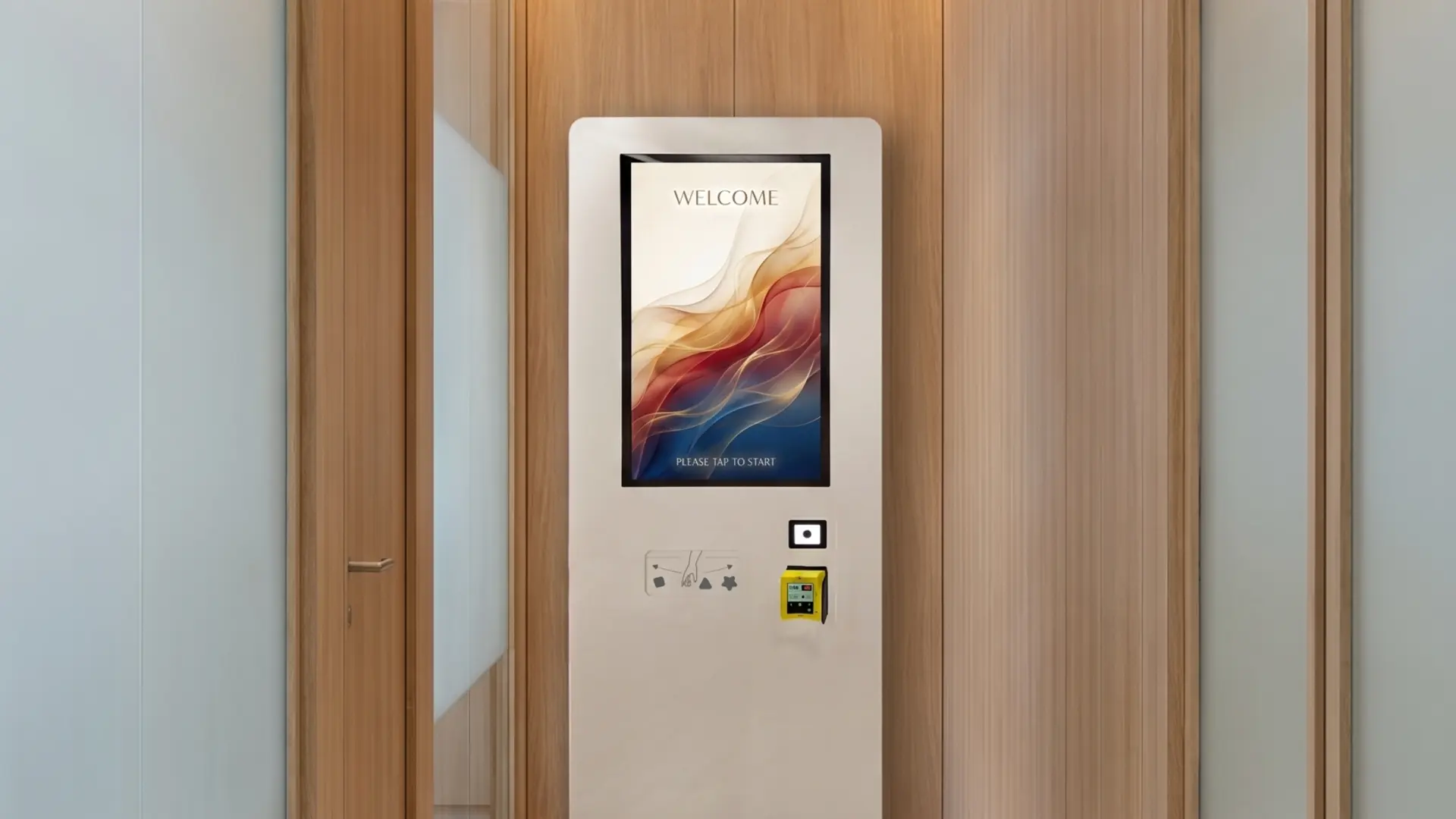
Key Finding: Digital Media Vending International builds Wall-Mounted machines starting at $4,995 that are specifically appropriate for dormitory corridor, academic building, and compact campus location deployments, with Nayax cashless payment hardware included as standard for a student demographic that primarily pays with a phone.
The University and Campus Venue Landscape
Understanding campus geography before approaching a university is the first operational requirement for campus vending operators. The venues that perform best for vending machines share a specific combination: consistent foot traffic from a population with defined purchase motivations, limited or no competing retail access during peak hours, and a physical space that accommodates the appropriate machine format.
Student unions and campus centers are the highest-traffic single location on most university campuses. They serve as the social hub for the student population, combining dining options, study areas, event spaces, student organization offices, and common areas that draw students across the entire day and evening. A student union machine has the broadest potential audience of any single campus location. Product selection needs to be broader than at more context-specific venues like recreation centers or dormitories, because the student union audience spans all demographics and motivations simultaneously.
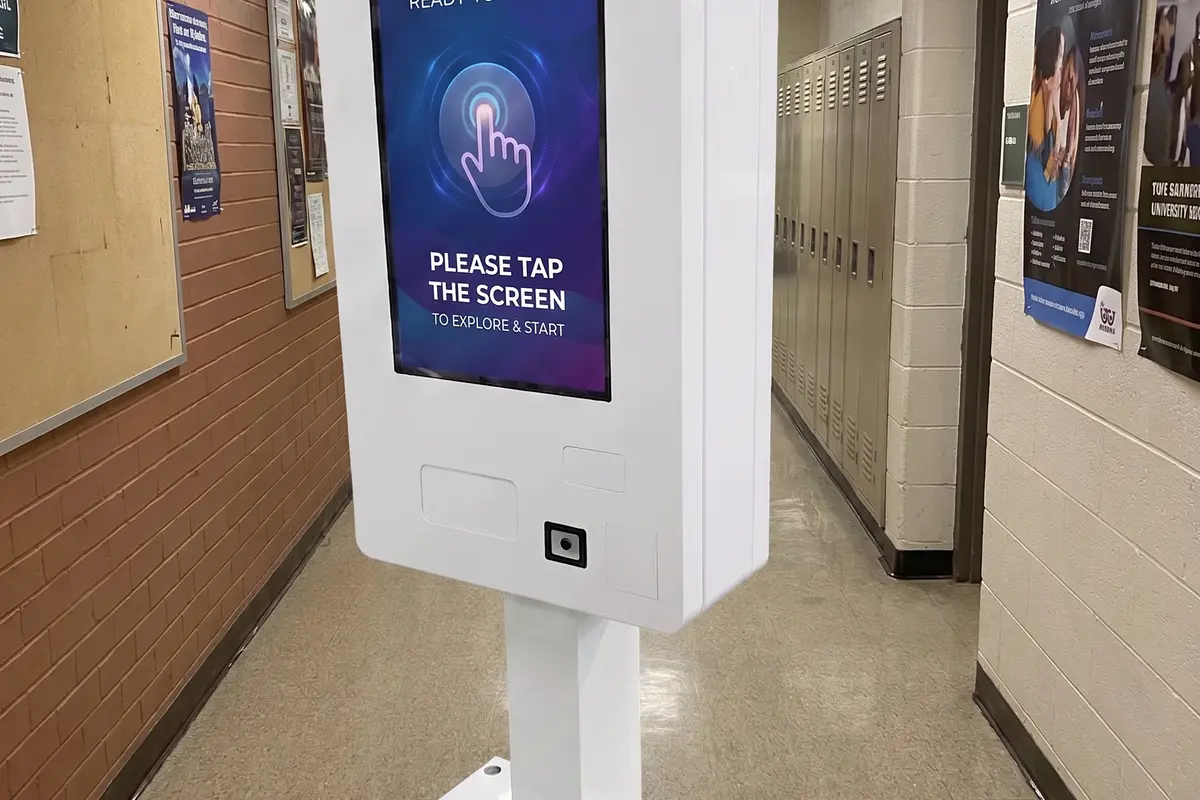
Dormitory corridors and residence hall lobbies are the campus equivalent of hotel corridors, a captive population with limited access to off-campus retail, particularly during evening and overnight hours. Dormitory residents buy personal care items they run out of, late-night snacks, and convenience food at hours when no campus dining option is open. The purchase context is immediate-need driven, which produces reliable conversion for products that address specific shortfalls: toiletries, OTC health items, snacks, and charging accessories.
Wall-mounted machines are the appropriate format for dormitory corridors, the corridors are typically not wide enough to accommodate a freestanding floor unit, and the resident population walking that corridor daily generates consistent traffic that a wall-mounted machine captures effectively.
University recreation centers and campus gyms are covered in the gym vending guide in terms of product mix and format selection, but the deal structure at a university recreation center differs from a private gym. University recreation centers are administered through university athletics or student services departments, not independently owned. The procurement process and approval path reflect institutional decision-making rather than a private owner's individual judgment.
Academic buildings and lecture hall corridors serve a student population that is present for class sessions and studying throughout the day. The purchase context is energy and focus, caffeine, energy drinks, snacks, and quick food options that support extended study sessions. Academic buildings have long peak hours aligned with class schedules and significant overnight traffic during exam periods. Late-night exam week hours produce vending machine transaction volumes that daytime-only comparison would underestimate significantly.
Library facilities have specific characteristics that affect both product selection and machine positioning. Students in libraries are engaged in focused, time-extended activity. They are unlikely to leave for food or drink during a study session. A machine inside or immediately adjacent to the library captures this captive audience. Products that perform in library vending are quiet and unobtrusive: packaged snacks, beverages, and small food items that can be consumed without disruption in a study environment.
Athletic facilities and sports venues serve student athletes with specific high-performance supplement and recovery product needs, as well as campus community members attending athletic events. Student athlete purchasing behavior for protein, recovery products, and performance supplements closely mirrors gym member purchasing behavior covered in the gym vending guide.
Greek housing and fraternity or sorority chapter facilities are a smaller segment but an interesting one. Greek organizations often have chapter houses with common areas and kitchens, and member populations that gather at predictable times. Product selection for Greek housing tends to be broader than for study-focused venues, beverages, snacks, and specialty food items are all appropriate. Access to Greek housing typically requires a direct relationship with the chapter organization rather than university administration.
Products That Perform on University Campuses by Location
Product selection for campus vending is more location-specific than any other venue type, because the purchase motivations at each campus location are distinct.
Student unions: broad assortment needed. Protein products for gym-going students, snacks and specialty food for general convenience, energy drinks for study-motivated purchasers, personal care for dormitory residents stopping in between activities, and phone accessories for students who left their chargers in their room. The student union machine benefits from the widest product range in the campus portfolio.
Dormitory corridors: personal care products (travel-size toiletries, face wash, deodorant, dry shampoo), OTC health items (pain relievers, antacids, cold medication where appropriate), snacks and packaged food for late-night hunger, phone charging cables and tech accessories. The purchase motivation is late-night and immediate-need driven, products that address a specific gap the student has realized in their room.
Academic buildings: caffeine products (energy drinks, coffee-flavored beverages), snacks and nutrition bars for study fuel, healthy food options for students between classes who did not have time to eat. Peak hours align with class schedules, with additional overnight traffic during exam periods.
Recreation centers: protein bars, ready-to-drink protein, pre-workout supplements, electrolytes and hydration products, healthy snacks. Same product logic as any gym vending deployment.
Library facilities: packaged snacks, beverages, nutrition bars. Products that are quiet to open and consume, that do not produce strong smells, and that can be eaten at a library desk without disruption.
DMVI's campus wellness vending guide covers the health and wellness product dimension of campus vending, including harm reduction and personal health products that universities have deployed through automated dispensing.
Machine Format by Campus Location
**Wall-Mounted (**106/month financed): The appropriate format for dormitory corridors, academic building hallways, library corridors, and any campus location where floor space is restricted or a freestanding machine would obstruct passage. Wall-mounted machines are also appropriate for boutique campus locations, small student organization offices, athletic training rooms, wellness center corridors, where a freestanding machine is aesthetically inappropriate.
**Option 4 (**276/month financed): The appropriate format for student union deployments where product variety across multiple categories serves a broad student population from a single machine. Four distinct product zones, nutrition, snacks, personal care, accessories, cover the full range of student union purchase motivations within a single freestanding installation.
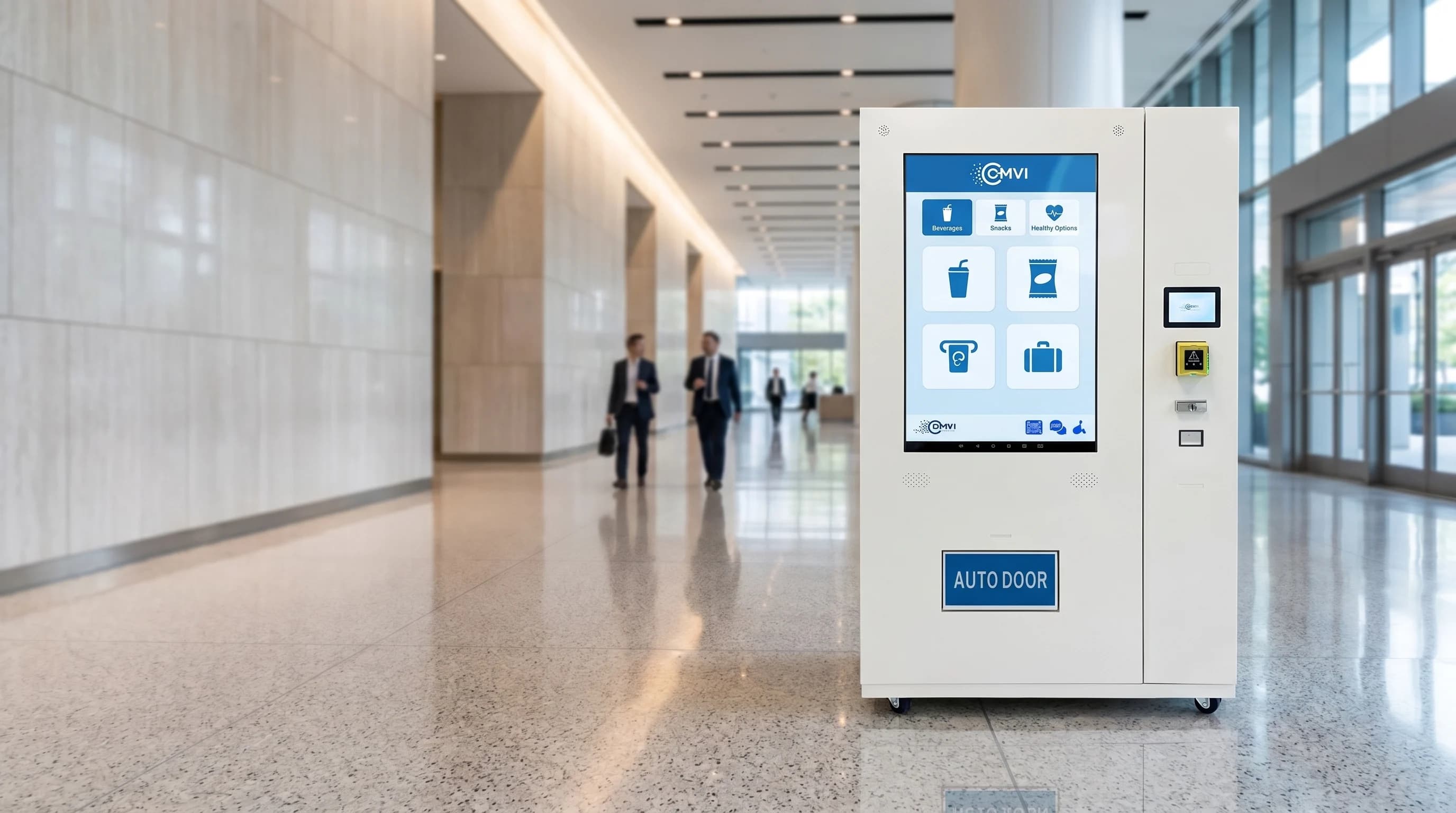
M1 ($21,995 purchase): The appropriate format for high-traffic student union main corridors, large recreation centers serving thousands of students daily, and campus locations where the machine needs to function as a primary retail destination rather than a convenience supplement. The M1's 140-SKU capacity supports the broad assortment depth that high-traffic campus locations require.
Every DMVI machine includes Nayax cashless payment hardware. NFC contactless, tap-to-pay, Apple Pay, Google Pay, as standard. For a student population that routinely uses their phone for all purchases and may carry no physical wallet, Nayax contactless payment is the payment infrastructure that enables the transaction. The payment terminal and annual software license are charged separately upfront; confirm the complete configuration, installation, training, and support scope in the written quote.
See DMVI's guide to wall-mounted vending machines for detailed specifications on the format most commonly deployed across campus locations.
Deal Structures With University Administration
University vending machine procurement follows institutional processes that differ significantly from approaching a private gym owner or hotel manager. Understanding the institutional structure before making contact saves significant time.
University facilities management or auxiliary services is typically the department that manages vending programs on campus. At larger universities, this department may have an existing vending program with contracted vendors, and the path to a new placement is through that program rather than direct to a specific building's manager. At smaller universities and colleges, facilities management may handle vending placements case by case with more flexibility.
Student organization partnerships offer an alternative path to campus placements. A student organization, a fitness club, a student government organization, an entrepreneurship club, that sponsors or co-operates a vending machine placement may have easier access to venue space than an external operator approaching administration directly. Revenue sharing with the sponsoring organization provides them an incentive to facilitate the placement.
Commission structures at universities typically run 15 to 25% of gross revenue, reflecting the institutional leverage that universities have as venue operators. Universities with strong existing vending programs may have standard commission rates; universities with less formalized programs offer more negotiation room.
Exclusive vending contracts are common at larger universities. Many large campuses have master vending agreements with national vending operators that grant exclusivity across the campus or specific building categories. If a university has an exclusive contract in place, a new operator's path to placement is typically through that contract holder rather than directly to the university.
Confirming the existing vending program structure before investing time in a campus approach is the most efficient use of pre-engagement research time. A single conversation with the facilities management department clarifies whether the opportunity is direct or indirect.
Revenue Expectations at University Campus Locations
University campus vending revenue varies more by specific location than by campus size. A well-positioned machine in a high-traffic student union corridor at a mid-size regional university can outperform a poorly positioned machine at a large research university.
Student union, primary corridor position: $2,000 to $8,000 per month in gross revenue at a machine sized appropriately for the traffic. Peak periods during exam weeks and student event seasons produce transaction volumes above the annual average.
Dormitory corridor, active residential floor: $600 to $2,500 per month. Consistent daily traffic from a captive residential population with limited late-night retail alternatives. Revenue is more consistent month over month than event-driven campus locations.
Academic building, high-traffic corridor: $800 to $3,000 per month with strong seasonal variation. Exam periods (midterms and finals) produce significantly higher transaction volumes than regular class weeks. January, March, and April are typically the highest revenue months for academic building machines in the Northern Hemisphere academic calendar.
Recreation center, main lobby or post-workout corridor: $1,500 to $5,000 per month depending on recreation center size and the fitness-oriented product mix. January fitness surge affects campus recreation center machines as strongly as private gym machines.
Digital Media Vending International for Campus Deployments
Digital Media Vending International machines are specifically designed for the 24-hour unattended deployment context that campus locations require. Every machine ships with Nayax cashless payment, VendingTracker remote management, and California-based technical support, the infrastructure for a deployment that operates without staff at the point of sale and needs to be managed remotely.
DMVI's campus-relevant formats: Wall-Mounted (12,995) for student union and multi-category deployments, and M1 ($21,995) for flagship high-traffic locations. VendingTracker provides live inventory, sales, and machine-health monitoring for supported configurations; its annual license is paid separately upfront.
Visit digitalmediavending.com to discuss campus deployment options.
The Case for a Multi-Location Campus Portfolio
A campus with 15,000 students is not a single vending machine opportunity. It is a portfolio of opportunities across 8 to 15 distinct venue types, each with different products, different machine formats, and different revenue profiles. An operator who secures placement approval from university administration and then deploys only one machine has underbuilt the opportunity.
The multi-location campus portfolio strategy works for two reasons. First, the geographic density of a campus means restocking multiple machines requires minimal additional travel time compared to restocking one, the machines are all within 10 to 20 minutes of each other, often closer. A restocking run that serves one machine can serve five with modest additional time investment. The operational efficiency of a campus portfolio is higher than a portfolio of five machines spread across five different parts of a city.
Second, the campus demographic varies meaningfully by location. The product that performs at the student union differs from the product at the recreation center, which differs from the product at the dormitory corridor. Deploying different machines with different product mixes at different locations within the same campus serves the demographic variation rather than fighting it. VendingTracker's multi-machine dashboard provides unified inventory and sales visibility across all campus machines, making the expanded portfolio manageable from the same operational infrastructure as a single machine.
The practical path to a multi-location campus portfolio: secure the first placement, demonstrate reliable operation and consistent venue commission payment, and use that performance record to approach administration or the facilities department about additional location opportunities. Campus administrators who have a positive experience with one operator tend to prefer adding additional machines with the same operator over onboarding a new vendor relationship.
University campuses reward patient, relationship-driven operators who earn their way into additional placements by demonstrating reliable performance at the first one. That first machine, operated correctly and monitored through VendingTracker, is the proof of concept that opens the rest of the campus. The campus vending machine portfolio, built incrementally from a single validated placement, is one of the most geographically efficient routes available — dense locations, high repeat visit frequency, and a cashless demographic that matches the machine's payment infrastructure from day one. That portfolio, operated with VendingTracker visibility and Nayax cashless infrastructure, serves a student population that increasingly expects tap-to-pay access everywhere they spend.
Conclusion
University campuses reward operators who map the opportunity correctly before deploying. The campus is not one venue, it is a portfolio of distinct venue types, each with different product needs, different peak hours, and different revenue potential. The operator who places the right product in the right machine format at the right campus location builds a route with exceptional repeat visit frequency, 24-hour access value, and a student demographic with consistently high cashless payment adoption.
Digital Media Vending International's machine lineup. Wall-Mounted through M-Series, covers every campus location type. Every machine ships with Nayax cashless payment, designed for the student population that pays entirely by phone. Start the conversation at digitalmediavending.com.
Sources
-
DMVI — Campus Wellness Vending Machines: Programs, Specs, and Policy for Universities
-
DMVI — Healthy Vending Machines in Schools: What Actually Works
-
DMVI — Wall Mounted Touchscreen Vending Machines: Best Products, Best Locations
-
DMVI — Where to Put Vending Machines: A Practical Location Guide
-
GetBiopak — The Ultimate Guide to the Vending Machine Business in 2026
Exploring campus vending opportunities?
DMVI can help match machine format, product mix, and cashless technology to student venue requirements.