Smart Locker Systems: Use Cases, Industries, and How They Differ From Vending Machines
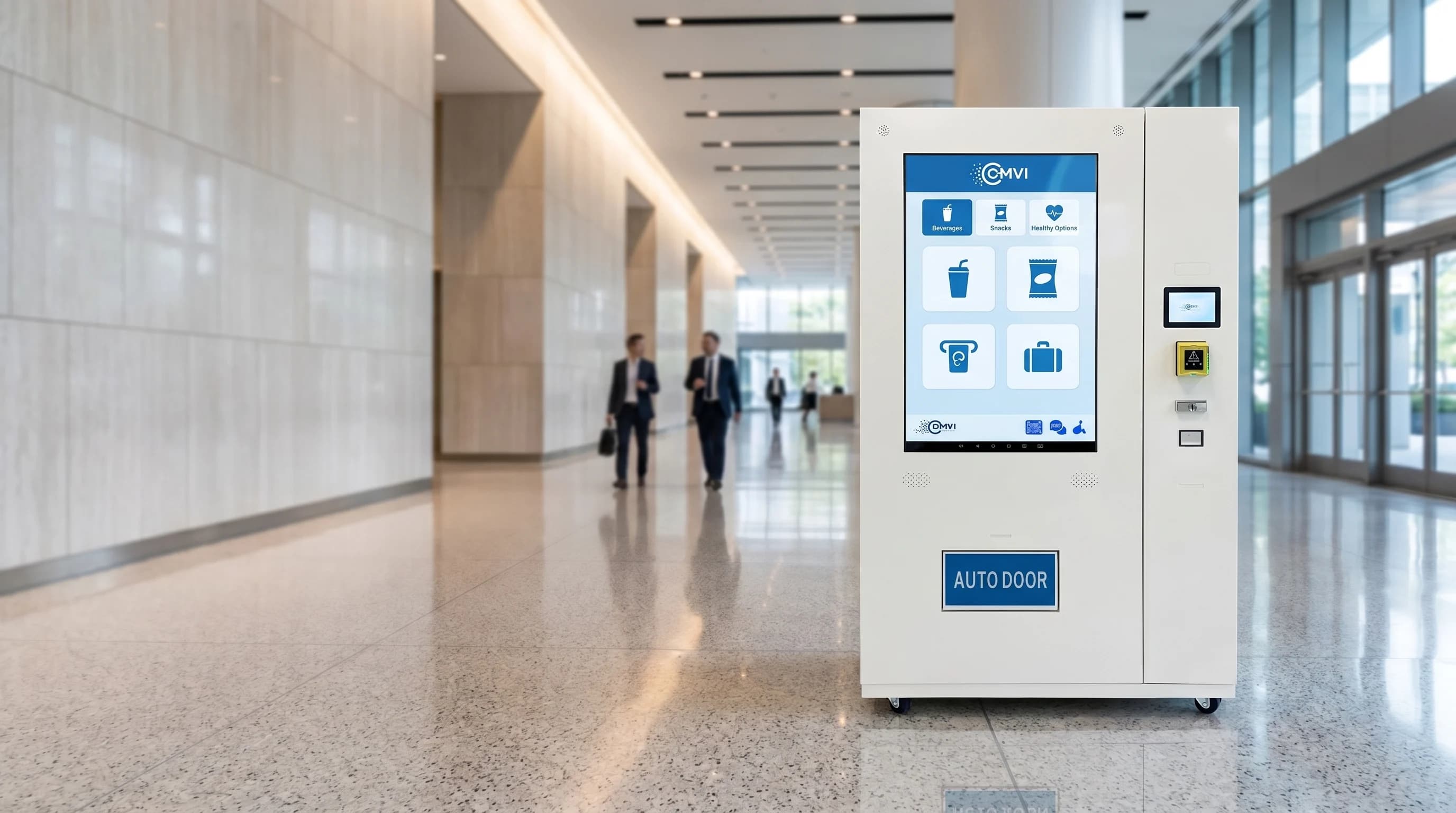
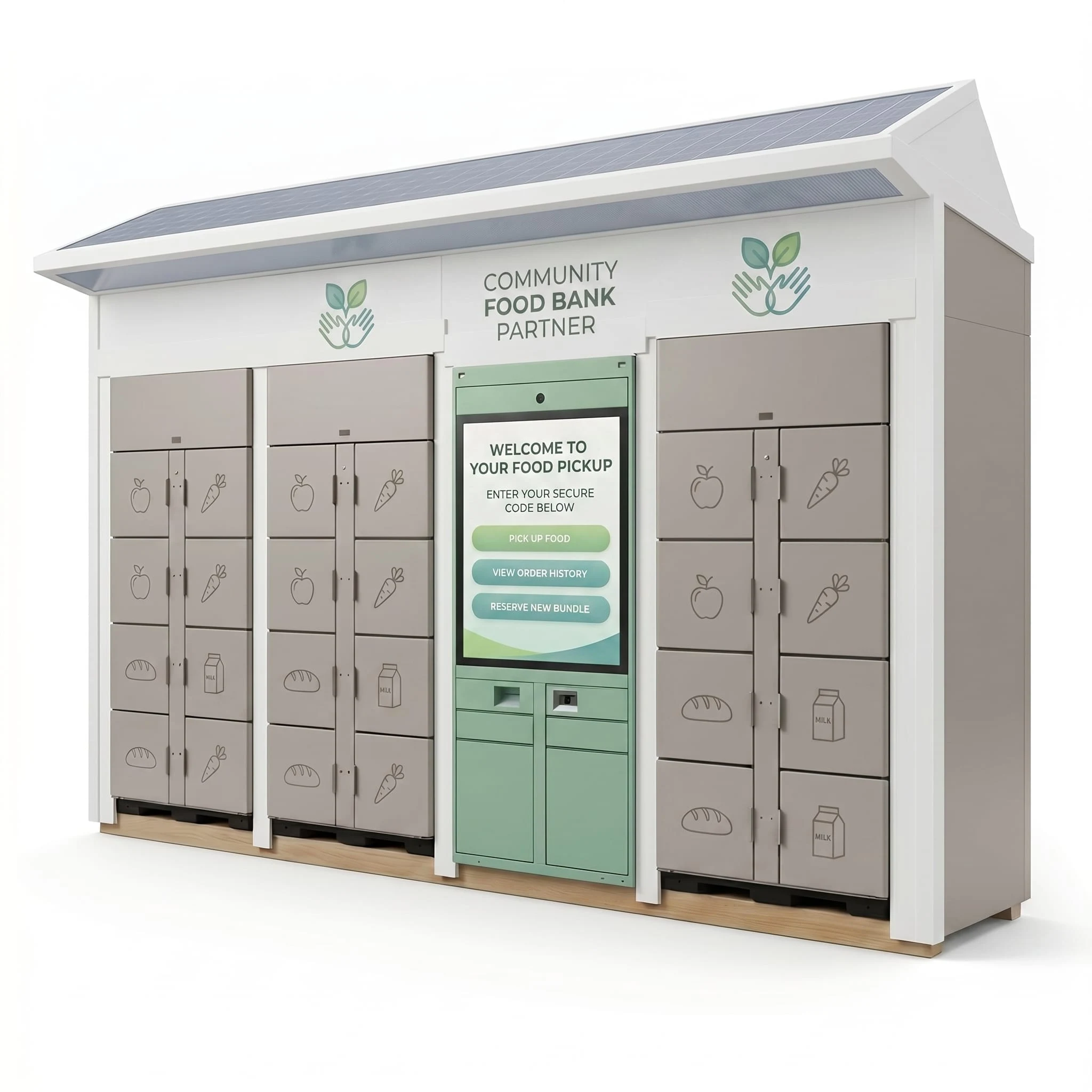
A smart locker system is not a vending machine. It is not a storage cabinet. And it is not the same as a parcel locker in an apartment building lobby, even though all three are sometimes called "lockers" in different contexts.
The defining characteristic of a smart locker system is controlled access to a specific compartment for a specific individual or purpose, managed through authentication, tracked through software, and accessible without staff involvement. The product, tool, piece of equipment, or supply that goes into a smart locker compartment is retrieved by the authorized person, and the transaction is recorded.
This is a different operational model from a standard vending machine, where any customer can approach, select, pay, and receive. It is also a different model from open shelving or unsecured storage, where access is physical and unmonitored.
Understanding where smart locker systems are deployed, and why they are deployed rather than vending machines or other formats, is clearest when examined through the scenarios that generate them. Each deployment context has a specific problem that led to it.
Key Finding: Digital Media Vending International manufactures smart locker systems alongside their vending machine lineup, with the same VendingTracker software platform managing access, inventory, and reporting across both formats.
Scenario 1: Healthcare. Securing High-Value Medical Supplies
The problem: A hospital system with dozens of nursing units across multiple floors cannot staff a supply room on every floor around the clock. Nurses and clinical staff need access to specific medical supplies, gloves, wound care materials, respiratory equipment, specialty items, at any hour. Open supply rooms create shrinkage, compliance documentation gaps, and no accountability for what was taken by whom at what time.
The solution: Smart locker systems positioned at nursing station corridors or clinical supply areas provide controlled, documented access to medical supplies. Each staff member authenticates with their employee ID or badge. The locker releases only the compartment assigned to their access level and the items they are authorized to retrieve. Every transaction is logged: who accessed what, when.
What it requires: The locker system needs to integrate with employee credential systems, proximity card readers, PIN pads, or biometric authentication depending on the facility's existing infrastructure. The software platform must generate the access logs and transaction records in a format compatible with the facility's supply chain and compliance reporting requirements. Compartment size configuration matters: a locker system stocking bulky respiratory equipment needs different compartment dimensions than one stocking wound care consumables.
Why it is not a vending machine: A vending machine releases product to anyone who completes a payment transaction. A healthcare smart locker releases product to specific, authenticated individuals whose access level is verified at the point of retrieval. The accountability layer, linking specific supply items to specific staff members at specific times, is what makes the smart locker the appropriate format for clinical environments where compliance documentation is a regulatory requirement.
Scenario 2: Corporate Offices. PPE, Tools, and Controlled Supplies
The problem: A manufacturing company stocks PPE and specialized tools across multiple work areas. The traditional approach, an open supply room, a sign-out sheet, an informal honor system, produces predictable results: excessive consumption, missing tools, incomplete records, and no real-time visibility into what is available at any location.
The solution: Smart locker systems positioned at work area entry points or tool crib locations provide controlled dispensing with employee-level accountability. A maintenance technician who needs a specific tool authenticates, retrieves the item, and returns it to the same or an adjacent compartment when the task is done. The system records the checkout and return, maintains a current inventory count, and generates alerts when specific items are running low.
What it requires: Return functionality, the ability to lock an item back into a compartment and log the return, distinguishes a tool and equipment locker from a one-way dispensing system. The software platform needs to support two-way transaction logging: checkout and return, with timestamps and employee attribution on both ends. Compartment sizes need to accommodate the dimensional range of items being managed, from small hand tools to larger equipment.
Why this matters for the organization: A smart locker system in this context reduces tool loss, eliminates manual log reconciliation, and makes the supply chain for operational equipment as visible as any other inventory system. According to Grand View Research, vending machines for manufacturing accounted for 35.83% of US retail vending revenue in 2024, driven specifically by their role in PPE dispensing, tool management, and maintenance supply control in industrial environments where real-time usage tracking and accountability are required.
Scenario 3: Retail. Secure Click-and-Collect Pickup
The problem: A specialty retailer operating both an e-commerce channel and physical locations wants to offer click-and-collect, the ability for customers to order online and pick up in store. The traditional pickup counter requires a staff member to verify the order, retrieve the item, and complete the handoff. During peak periods, this creates queue delays. Outside business hours, it creates no pickup option at all.
The solution: A smart locker system in the retail location allows pre-purchased orders to be placed in a specific compartment before the customer arrives. The customer receives a code or QR scan link. They arrive at the store, scan or enter the code, and the relevant compartment opens, without staff involvement, at any hour the facility is accessible.
What it requires: Integration between the order management system and the locker's access control software so that a completed purchase automatically triggers a locker assignment and generates the customer notification with the retrieval code. The lockers need compartment sizes appropriate for the product category, electronics accessories, jewelry, beauty products, and specialty retail items have very different dimensional requirements.
Why a vending machine is not always the right format: A click-and-collect locker holds a specific customer's order in a specific compartment assigned to them at purchase. A vending machine holds inventory that any customer can browse and purchase at the machine. For a pre-purchased customer who has already completed the transaction and simply needs secure retrieval, the locker format matches the use case more precisely than a vending machine. For browse-and-buy customers, the vending machine is the better format.
Scenario 4: University Campuses. Equipment Checkout and Library Materials
The problem: A university library system manages a pool of equipment available for student checkout: calculators, recording equipment, adapters, cables, tablet devices. The current staffed checkout system is limited to library hours. Evening and weekend availability is constrained. Manual tracking produces reconciliation errors and delayed return accountability.
The solution: Smart locker systems in library buildings, academic halls, and student centers enable equipment checkout at any hour. Students authenticate with their campus ID, check out the assigned item from the locker, and return it to a designated return compartment when finished. The system tracks checkout duration, generates overdue alerts, and maintains a real-time inventory of available items without any staff involvement in the transaction.
What it requires: Student ID integration, checkout duration tracking, return compartment configuration, and overdue notification functionality. The software platform needs to enforce access rules, a student cannot check out equipment they are not eligible for, and items that have not been returned within the allowed period trigger alerts to library administrators.
Campus deployment breadth: Smart locker systems on university campuses extend beyond library equipment. Residential halls deploy smart lockers for secure package delivery, eliminating the need for a staffed package room and allowing students to retrieve deliveries at any hour. Health centers deploy smart lockers for after-hours access to supplies. Campus recreation centers deploy them for equipment rental.
Scenario 5: Hospitality. Amenity Access and Secure Storage
The problem: A hotel property wants to offer guests access to amenity items, beach equipment, sports gear, fitness accessories, during hours when the concierge desk and amenity storage are unstaffed. Guests arriving late, leaving early, or wanting access during off-hours cannot get the equipment they want without staff intervention.
The solution: Smart locker systems in hotel lobbies, pool areas, or fitness centers allow guests to access amenity items after authentication through their room key, a mobile code sent at check-in, or a QR code from the hotel app. The locker releases the requested item. On return, the guest places the item in a return compartment and their account is cleared.
What it requires: Hotel PMS (property management system) integration so the smart locker system knows which guests are checked in and what amenity access they are entitled to. Compartment sizing appropriate for the items being managed, bicycles, beach chairs, sports equipment, and fitness gear require dramatically different compartment dimensions. The system must handle return processing and track item condition upon return.
The hospitality distinction from vending: Hotel amenity smart lockers manage access to items that are returned, not consumed. The economic model is rental or complimentary access management, not product sales. A smart locker for hotel amenities is inventory management infrastructure, not retail infrastructure.
Scenario 6: Industrial and Manufacturing. Tool Crib Automation
The problem: A large manufacturing facility maintains a tool crib, a centralized supply of specialty tools, gauges, test equipment, and controlled supplies. The tool crib requires a dedicated attendant during operating shifts. Off-shift access is limited. Tool loss and unaccounted usage create cost and safety concerns.
The solution: An automated smart locker system replaces or supplements the attended tool crib. Technicians authenticate with their employee badge, check out the specific tools they are authorized to use, and return them to the system when the job is done. The locker system tracks exactly which tools are out, who has them, and for how long. A tool that is not returned within the expected timeframe triggers an alert.
What it requires: Employee authentication at the credentialing level appropriate for the facility's existing systems. Compartment configurations sized for the tool categories being managed. Integration with the facility's asset management and maintenance records systems. Return verification, the system confirms the item was returned and logs the return before clearing the employee's outstanding obligation.
Industrial context for smart lockers: The tool crib automation use case is one of the oldest smart locker applications in industrial environments, predating much of the consumer-facing smart locker deployment. The operational logic, controlled access, individual accountability, return tracking, is identical to every other smart locker scenario, scaled for the specific requirements of heavy industrial environments.
How Smart Lockers Differ From Vending Machines: The Core Distinction
The scenarios above illustrate the operational distinction between smart locker systems and vending machines. It is not primarily a hardware distinction, both are automated dispensing and access systems with software management. It is an access model distinction.
A vending machine is anonymous. Any person can approach it, complete a transaction, and receive a product. The machine does not need to know who the customer is. The product is sold to whoever pays.
A smart locker is authenticated. Access is linked to a specific individual, a specific order, or a specific credential level. The system knows who is accessing what and creates a record of the interaction.
This distinction determines which format is appropriate for which application. Products sold to anonymous buyers, specialty food, collectibles, beauty products, supplements, belong in vending machines. Items requiring individual accountability, return tracking, or access-level control, medical supplies, tools, equipment, pre-purchased orders, controlled inventory, belong in smart locker systems.
Digital Media Vending International builds both formats. Their smart locker product line is managed through DMVI's software platform alongside their vending machine lineup, giving operators who deploy both formats a unified view of operational data across the full installation.
DMVI's vending machine lineup starts at approximately $4,995. Smart locker system pricing varies by configuration, contact DMVI directly for specifications and pricing. US-based installation, training, and support are included with every deployment.
Visit digitalmediavending.com to discuss which format, or combination of formats, suits your specific deployment context.
Choosing Between Smart Lockers and Vending Machines: A Practical Framework
When an organization is evaluating automated dispensing solutions, the choice between a smart locker system and a vending machine is not always obvious. The product category and the access model are the two clearest decision filters.
Use a smart locker when: The item being dispensed needs to be returned. The transaction needs to be linked to a specific individual. Access should be restricted based on credential level. The item is high-value enough that individual accountability for its whereabouts matters. The use case is equipment, tools, medical supplies, or ordered items awaiting pickup.
Use a vending machine when: The transaction is a sale, not a loan. Any customer can approach and purchase. The product is consumed rather than returned. Revenue generation is the primary purpose. The use case is retail, specialty food, collectibles, beauty products, supplements, electronics accessories.
Use both when: A single property has multiple contexts. A hotel lobby might have a vending machine selling personal care products to guests (anonymous retail) and a smart locker in the fitness center for equipment checkout (authenticated, returnable items). A hospital might have smart lockers on clinical floors for medical supplies (authenticated, accountable access) and a vending machine in the public lobby for snacks and beverages (anonymous retail). Running both formats through a unified software platform means the operator sees all transaction and inventory data in one place regardless of format.
The deployment question to ask first: Is the customer buying the product and keeping it, or accessing it and returning it? That single question determines the format more reliably than any feature comparison.
For organizations that have not deployed automated dispensing before, starting with the format that matches the primary use case and adding the secondary format as the operation matures is the lower-complexity path. Organizations with experience managing one format often find the other significantly easier to introduce because the software infrastructure, the operator training, and the vendor relationship are already established.
Smart locker systems share a software foundation with vending machines in DMVI's product ecosystem. DMVI's software platform manages inventory, access logs, and reporting for both formats from the same browser dashboard. An operator running smart lockers at a corporate campus and vending machines in the same building's lobby sees all transaction and inventory data from one login. That unified visibility is what makes managing a multi-format deployment operationally viable rather than doubling the management complexity. The format changes based on the use case. The software layer does not. Start a conversation about smart locker specifications at digitalmediavending.com.
The six scenarios in this guide represent the most common deployment contexts for smart locker systems, but they are not exhaustive. Any organization that needs controlled, authenticated, documented access to specific items, without requiring a staff member to facilitate each transaction, is a candidate for smart locker deployment. The unifying principle is accountability: knowing who accessed what, when, and whether it was returned. That accountability layer is what the smart locker format provides and what a standard vending machine, by design, does not.
Beyond the deployment scenarios covered, smart locker systems have an operational advantage that standard open storage never offers: the audit trail. Every access event is timestamped and attributed to an individual. For facilities with compliance obligations, healthcare accreditation, manufacturing safety standards, pharmaceutical dispensing regulations, the audit trail from a smart locker system can be the documentation that satisfies an inspector or auditor without requiring any additional manual record-keeping. The machine generates the record automatically. The operator or administrator retrieves it from the software dashboard when needed. This compliance documentation value is often as important as the operational efficiency benefit in regulated environments, and it is a value that open supply rooms and manual sign-out sheets cannot match regardless of how carefully staff maintain them.
Smart locker systems represent a mature, proven application of automated dispensing technology across the industries and scenarios covered in this guide. Digital Media Vending International builds smart locker solutions alongside their full vending machine lineup, all managed through VendingTracker. The right conversation starts at digitalmediavending.com with a clear description of the use case, the items being managed, and the access model required.
The combination of controlled access, individual accountability, and return tracking makes smart locker systems the appropriate format for a wider range of use cases than most operators initially consider. The question to ask is not whether the format is familiar but whether it solves the specific operational problem at hand. In most of the scenarios described in this guide, it does. The operational decisions that determine which format fits which use case are straightforward once the access model is clear.
Conclusion
Smart locker systems and vending machines solve adjacent but distinct problems. The scenarios above show where smart lockers are deployed and why, each one arising from a situation where individual accountability, return tracking, or access control is required in ways that a standard vending machine cannot provide.
The right format for any given deployment depends on the specific problem being solved. Digital Media Vending International builds both, managed through the same software platform, supported by the same US-based team.
Sources
Need lockers rather than a standard vending machine?
DMVI designs electronic locker and unattended retail systems for secure pickup, asset control, food collection, hospitality, campus, and workplace workflows.