Healthy Vending: Build an Assortment Policy Your Site Can Actually Run
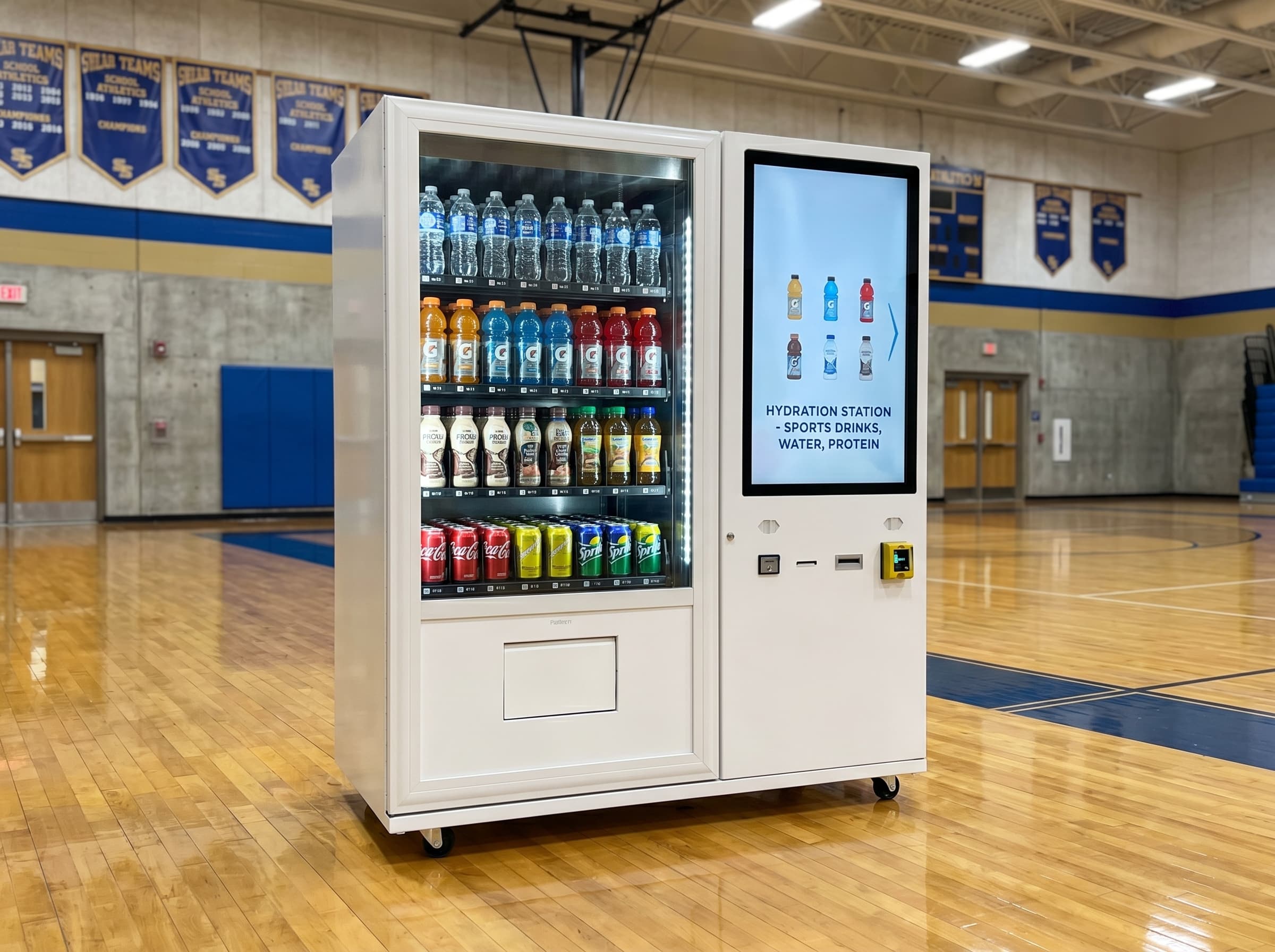
A workplace asks for lower-sugar drinks. A fitness studio wants protein snacks. A recreation center needs convenient choices for different ages, budgets, and dietary preferences. All three may call the project “healthy vending,” but they are not asking for the same assortment.
The useful starting point is a written product policy: what the site wants to offer, how products qualify, who approves changes, and how the operator will keep the assortment accurate and available. The label “healthy” is not a substitute for that work or evidence of a health benefit.
DMVI™ can help review the machine configuration around the approved product list. First, make the list specific enough that both the venue and the operator know what belongs in the machine.
Define the site's goal in terms you can check
Avoid a brief that says only “premium wellness products.” Translate the request into selection criteria the site can review. For example, the venue might want a choice of unsweetened beverages, clearly displayed nutrition information, several price points, or products meeting an established institutional nutrition standard.
If the venue uses nutrition thresholds, record the approved standard and the serving basis used to compare products. A rule applied per serving can produce a different decision from a rule applied per package. Have the appropriate venue representative or qualified adviser resolve those details rather than inventing a universal “healthy vending” cutoff.
Keep preference separate from exclusion. A request for plant-based choices is not automatically a requirement that every item be plant based. An allergen restriction is not the same as a marketing preference. Document exactly what the venue has approved.
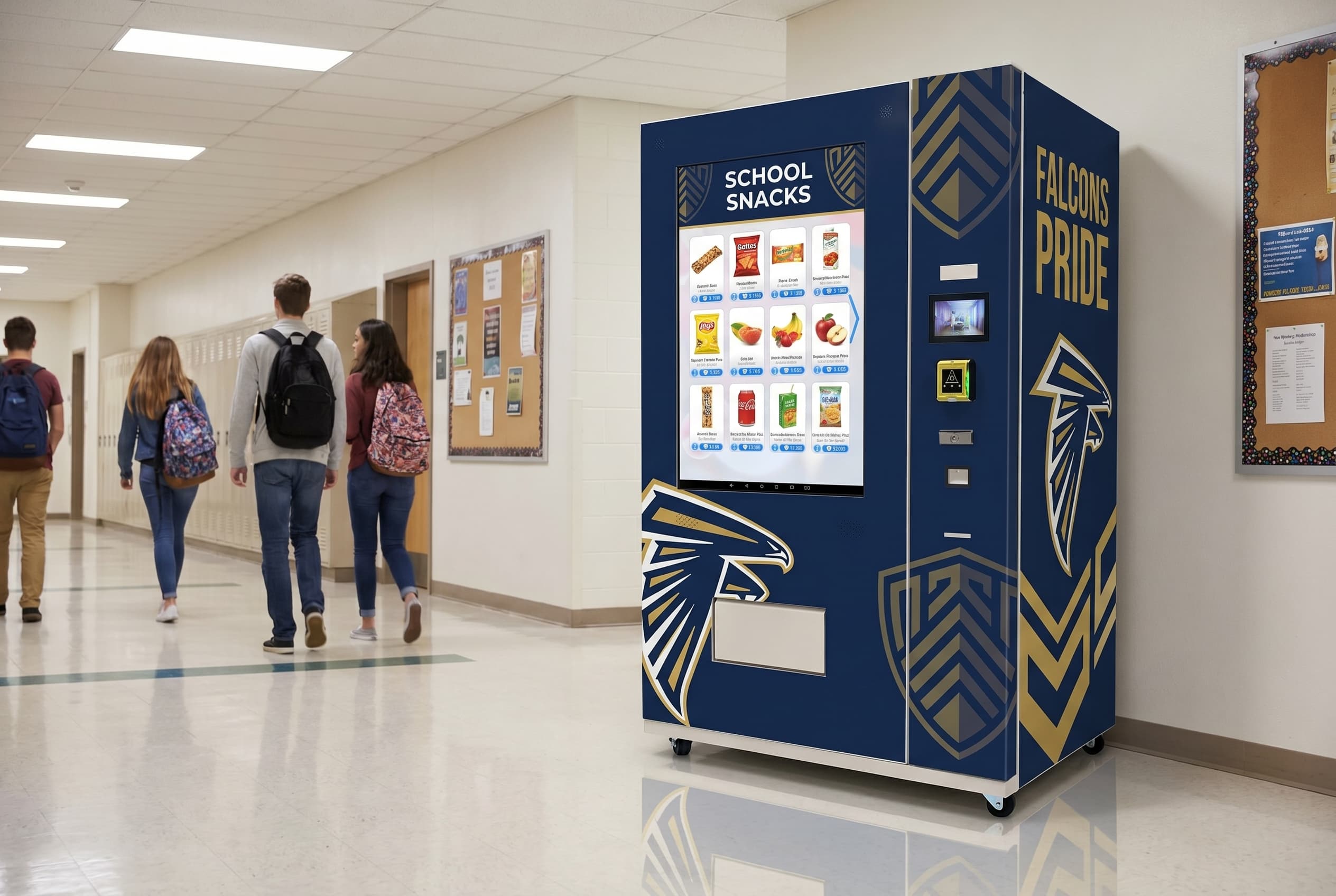
For a school or other regulated setting, use the applicable procurement and nutrition requirements for that program. A general adult workplace assortment should not be copied into a student setting without review. The separate healthy vending in schools article addresses that venue context; this checklist is about managing an assortment policy across a specific site.
Give each proposed product a review record
A simple product sheet makes purchasing and substitutions easier to control:
| Field | What to record |
|---|---|
| Product identity | Supplier, exact product, flavor, package size, and SKU |
| Selection basis | The approved site criterion the product meets |
| Customer information | Current ingredients, nutrition details, allergen statements, and any proposed claims |
| Storage and rotation | Manufacturer's conditions, date information, and checks required at replenishment |
| Physical fit | Pack dimensions, weight, and a completed dispensing test |
| Commercial details | Delivered product cost, proposed selling price, case quantity, and reorder lead time |
| Approval | Named reviewer, decision date, and whether substitutions require another review |
Do not assume all flavors or package sizes have the same ingredients, nutrition, or physical fit. A supplier substitution can change more than the barcode. Keep the approval attached to the actual product being stocked.
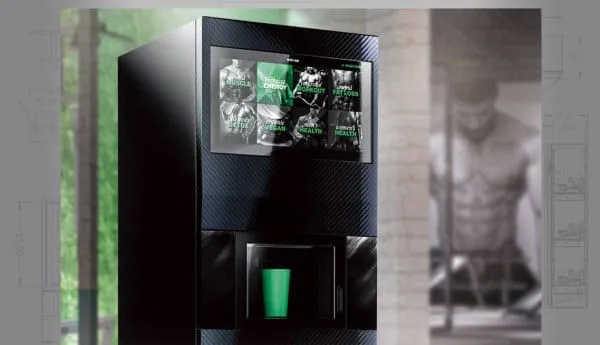
For supplements, have the proposed products and claims reviewed for the intended audience and applicable requirements. A fitness location does not establish that every supplement is suitable for every customer. Avoid promising treatment, recovery outcomes, or other health effects without appropriate support.
Match the equipment to the approved assortment
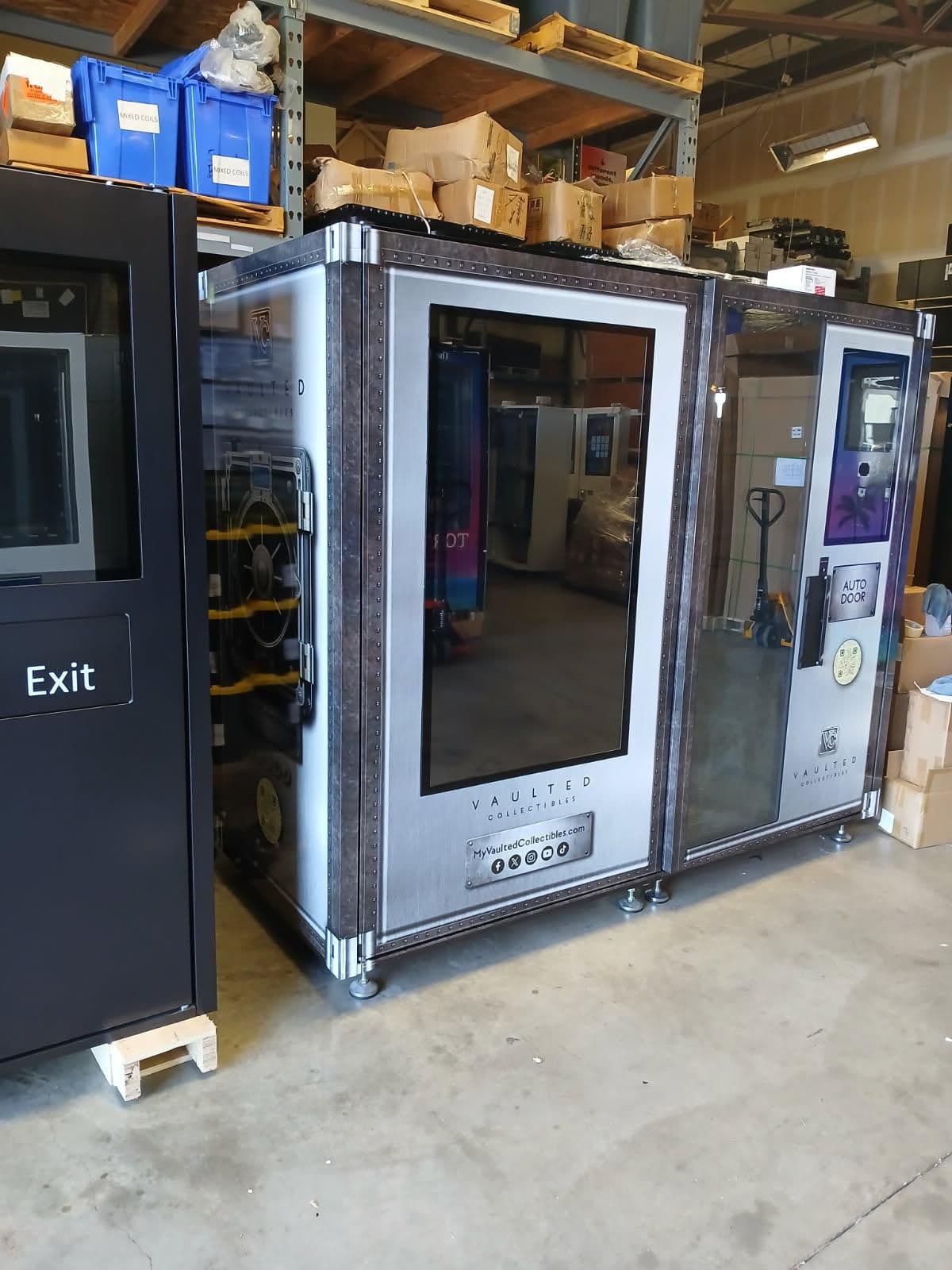
Healthy vending is primarily an assortment decision, not a single dispensing mechanism. A conventional machine may serve an approved list well if its storage conditions, product fit, delivery, and payment setup meet the site's needs. A touchscreen or a custom cabinet does not make a product healthier.
For refrigerated goods, confirm the product-specific temperature requirements and the machine's documented capability. Some unopened beverages are shelf stable; others need a maintained cold chain. Follow manufacturer instructions and applicable food-safety rules, not a blanket assumption based on the word “protein” or “functional.”
Test sale-ready packages in the proposed configuration. Bars, flexible pouches, bottles, and supplement packets behave differently. Confirm any nutrition display, inventory report, or remote-setting feature in the specified software; do not assume it is included on every model.
A remote price update does not physically change stock. When a product is replaced, the person servicing the machine must reconcile the product, its location, the selling price, and the information customers see.
Agree how substitutions and complaints will be handled
The policy should remain useful when the preferred supplier is out of stock. Decide whether the operator may substitute from a preapproved list or must obtain a new decision. A replacement should meet the same applicable site criteria, storage requirements, and equipment tests—not merely carry similar packaging.
Assign responsibility for removing damaged, expired, recalled, or otherwise unsuitable stock. Maintain the product and lot records needed for the operation's recall process. Inventory totals alone do not establish which physical batch is in a machine or whether it remains suitable for sale.
Give customers a visible route for product questions, failed-vend reports, and refunds. Track recurring complaints with the relevant product and batch details where available. A policy that exists only in the purchasing office will not help the person responding to a customer at the machine.
Test demand without turning assumptions into promises
Foot traffic, purchase rate, and average sale value are separate inputs. Record how each is measured. Total venue visits may differ substantially from the number of people who actually pass the machine during accessible hours.
Here is a hypothetical planning example, not a forecast or typical result:
- 150 relevant visits per day × a 15% assumed purchase rate = an average of 22.5 purchases per day.
- 22.5 purchases × an $8 assumed average sale = $180 daily gross sales.
- $180 × 30 trading days = $5,400 gross sales for that period.
The fractional purchase count is an average used in the model, not half a real transaction. All three commercial assumptions need testing at the actual site. The calculation says nothing about net profit until product costs and the rest of the operating budget are included.
The same distinction applies to a single product. At an illustrative $6 selling price and $2.50 product cost, the difference is $3.50 per sale, or approximately 58.3% of selling price. That is product gross profit before other costs, not an industry margin benchmark or the operator's take-home income.
Budget separately for spoilage, payment fees, site charges, labor, travel, cleaning, utilities, software, maintenance, insurance, taxes, and financing cash requirements as applicable. Test more than one demand level. Premium positioning does not prove that customers will accept a premium price.
Keep the financing and the assortment decisions separate
DMVI's standard machine financing requires a deposit of 25%–50% of machine value. Shipping, the payment terminal, the annual software license, the wrap, and any selected topper are separately priced and paid upfront as applicable. The quoted interest rate is 8%–15%, subject to ability to repay and other approval conditions. The remaining machine balance is repaid in 12 monthly payments starting 30 days after shipment. The written quote and agreement determine the interest calculation, exact amounts, applicable taxes, and other charges. These are not all-inclusive leases. The AI fridge program is separate and does not inherit these standard terms.
Choose the equipment and funding arrangement that fit the confirmed product and operating requirements. Do not add unquoted debt payments to an earnings example and present the result as a complete return-on-investment model.
Review whether the policy works in practice
At each agreed review, compare product availability, sales, discarded stock, service time, complaints, and the approved selection criteria. A high-selling product that fails the site's policy is not an automatic keeper. A qualifying product that repeatedly expires unsold may need a smaller order or an approved replacement.
Keep an assortment change log: what changed, who approved it, and when the stock and customer information were updated. This is how a healthy-vending promise becomes a service the venue can check rather than a slogan on the cabinet.
Discuss your project with DMVI
Bring your product samples, site requirements, and intended customer experience to the conversation.