
Locker Rental Systems — Timed-Use, Paid-Access, and Managed Short-Term Storage
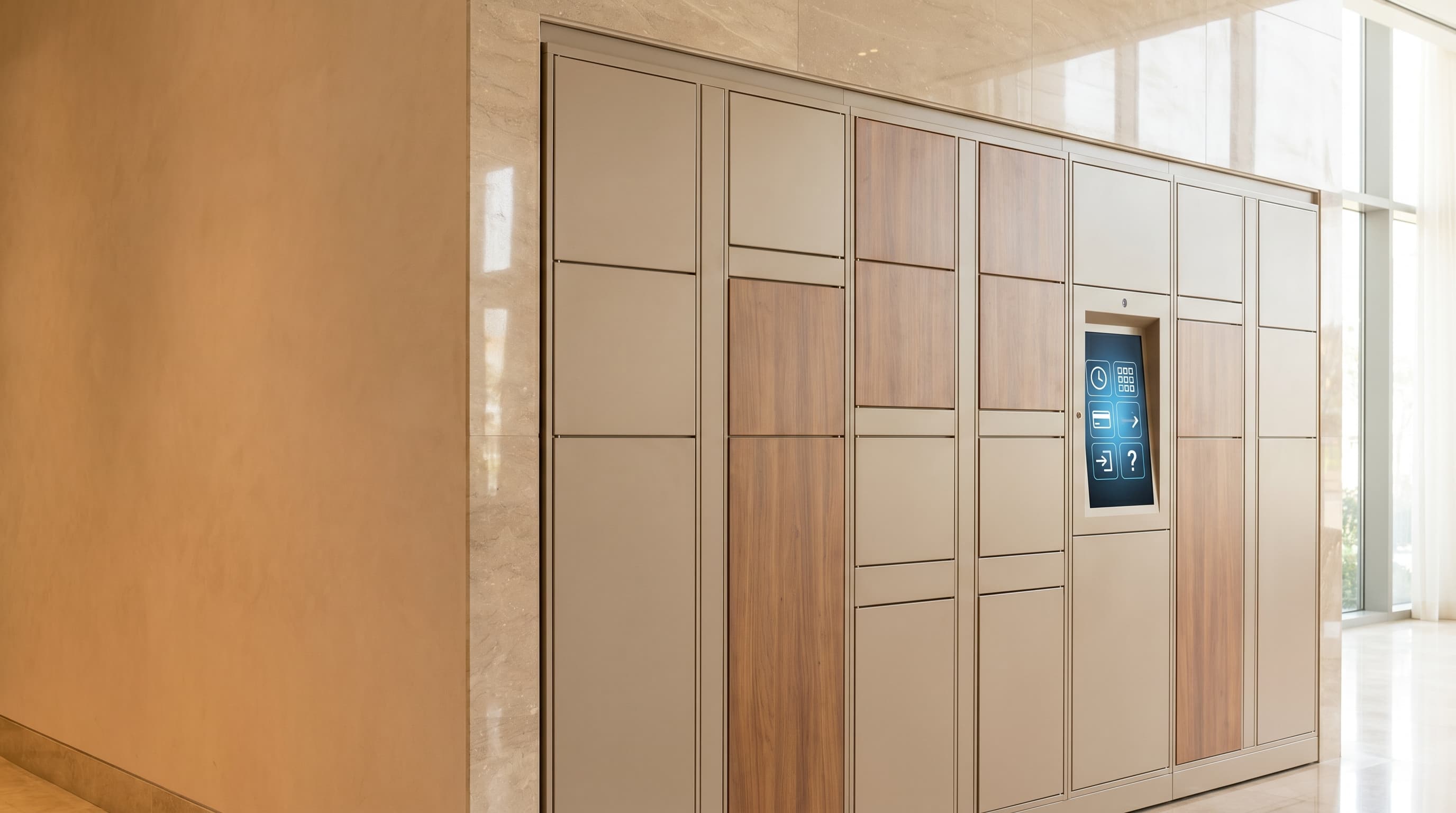
A locker rental system is a software-managed locker workflow built for timed use rather than permanent assignment (Wikipedia: Locker) (Wikipedia: Smart lock). Booking, payment, session timing, expiry, reset, and reassignment are the working product; the cabinet is the endpoint. DMVI scopes locker rental systems for visitor venues, transport hubs, leisure sites, campuses, and commercial environments where users need secure storage for a defined period — a visit, a shift, a journey, an event — and the operator needs allocation, recovery, and revenue visibility.
When a Rental Locker Is the Right Answer
A locker rental system makes sense when the storage is short-term, the user is transient, and the same compartment will reassign to a new user later in the day or week. Workplace lockers are the better fit when staff need day-use storage with no rental logic. Locker vending systems are the better fit when the workflow is mixed transaction — sale, pickup, return, authenticated handover.
Rental is its own thing: timed access, paid access, or both, plus the reset and reassignment plumbing that keeps the bank moving.
Compare nearby workflows
A locker rental system makes sense when
- The storage is short-term.
- The user is transient.
- The same compartment will reassign to a new user later in the day or week.
- The operator needs timed access, paid access, or both, plus reset and reassignment plumbing.
Locker Rental Workflows
Visitor and venue storage
Day-use or session-use lockers in attractions, museums, leisure sites, conferences.
Paid short-term rental
Revenue-generating lockers booked or paid against defined use windows.
Transport and leisure day-use
Stations, ports, theme parks, and other public environments where users store for a journey or visit.
Session-based access expiry
Time-bound credentials that reset cleanly so the next renter does not inherit a hanging assignment.
Managed reallocation
Compartment reuse across many users — easier to control than padlocks, paper tickets, or staffed counters.
Temporary event or programme storage
Pop-ups, training programmes, guest user populations.
What the Rental Software Controls
Session timing rules
Compartments assigned for a defined visit, day, shift, or rental window.
Booking and payment rules
Reservation, payment or entitlement, access issuance, and clearance for the next user.
Expiry and reassignment
Unused or expired lockers reset cleanly without manual recovery cycles.
Revenue model support
Free amenity, paid hire, or entitlement-based access — configured to match the commercial model.
Occupancy and revenue visibility
Availability, exceptions, support tickets, and commercial usage in one operational view.
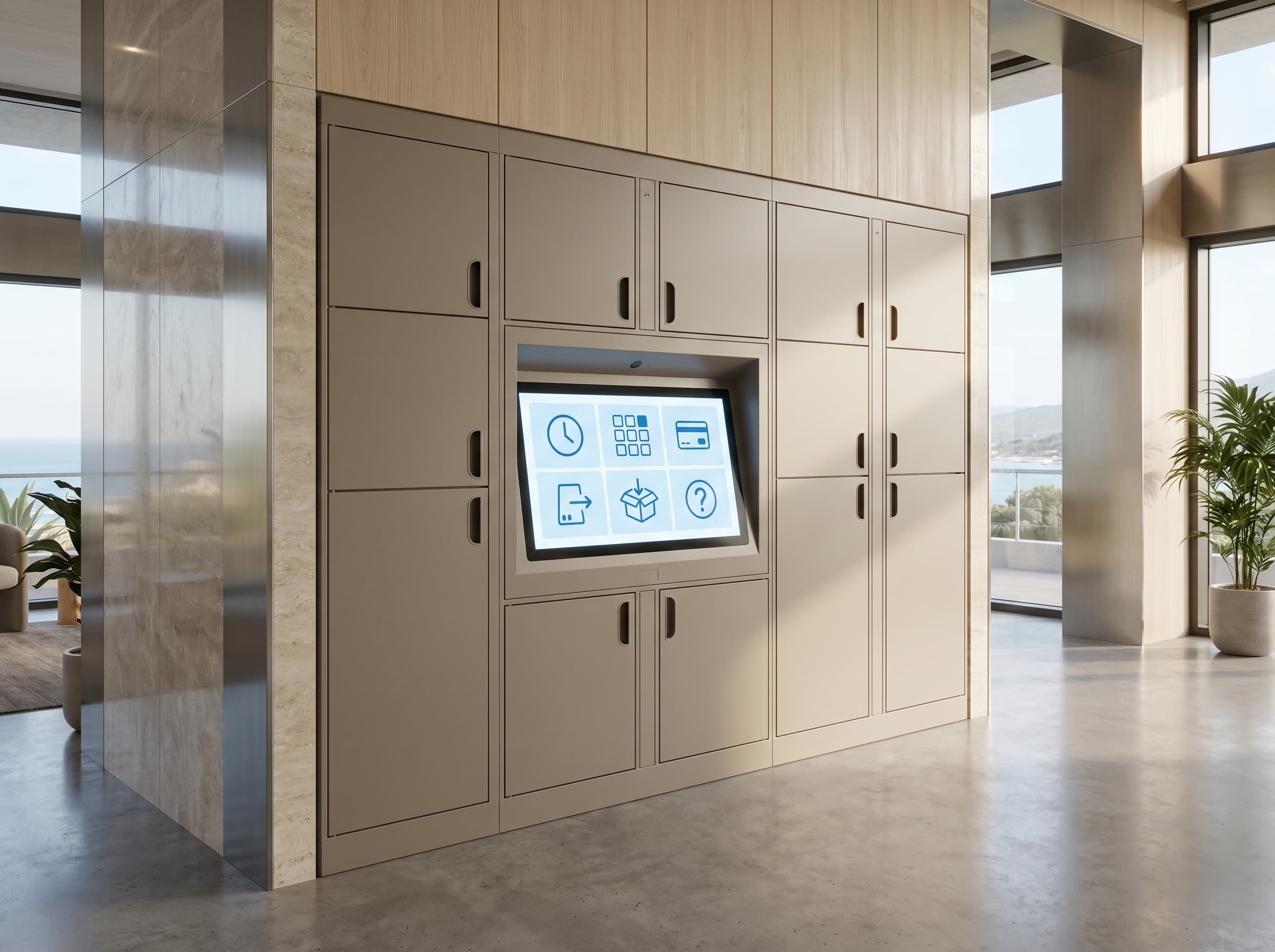
Explore related locker workflows
Compare adjacent timed-storage models
Rental lockers often sit alongside workplace day-use storage, broader pickup models, and temporary-storage projects, so these are the most useful next comparisons.
Workplace Lockers
Use workplace lockers when staff need day-use storage and managed allocation without paid hire logic or public timed rental rules.
Locker Vending Systems
Use the broader self-service transaction page when the model is less about timed hire and more about release, pickup, or return logic.
Electronic Lockers
Step back to the wider hub if you are still deciding whether the job is timed storage, staff allocation, parcel pickup, or controlled handover.
Thinking about timed-use or paid-access lockers?
Tell DMVI who the users are, how long access should last, whether payment is involved, and what reset or support rules matter. We can scope the right locker rental setup from there.
Frequently asked questions
A locker rental system is a software-managed locker workflow for timed use rather than permanent assignment. The software handles booking, payment, session timing, expiry, reset, and reassignment, while the cabinet provides secure short-term storage. It is the right model for visitor venues, transport hubs, leisure sites, campuses, and any environment with transient users.
Yes. Locker rental systems can be scoped around paid-access models with booking and payment logic, revenue reporting, and configurable pricing per compartment size or session length. The exact payment workflow — embedded payment, app-based, contactless, or attended — depends on the deployment design.
No. Locker rental systems also apply in workplaces, campuses, transport facilities, and commercial environments where short-term, shift-based, or visitor storage matters more than permanent allocation. The shared characteristic is transient users and high compartment turnover, not whether the venue is public.
End-of-rental behaviour is configurable. The software runs reminders, sends an expiry notification, holds for a grace period if scoped, then either resets the compartment automatically, escalates to an operator, or reassigns. The point is to keep the bank moving without leaving expired sessions blocking active users.
Workplace lockers handle staff day-use storage with managed allocation and no rental logic. Locker vending systems handle mixed transactions — sell, release, pickup, return. Locker rental systems specifically handle timed-use or paid-access short-term storage where the same compartment reassigns to a new user when the session ends.