The Rise of AI: How Agentic Agents Will Run Vending Machine Businesses in the Future
The vending machine business is on the brink of a technological revolution. AI and agentic agents are set to transform this industry. These intelligent systems will redefine how vending machines operate.
Imagine vending machines that think and act independently. They will analyze data and make decisions without human intervention. This is the future of vending machines. Smart vending machines will become the norm. They will offer personalized experiences and adapt to consumer preferences. This will enhance customer satisfaction and loyalty. Automated vending solutions will streamline operations. They will reduce costs and increase efficiency. Businesses will benefit from these advancements.
Vending machine industry trends are shifting towards innovation. AI-driven solutions are leading this change. The integration of smart vending technology is inevitable. Data analytics will play a crucial role. Vending machines will gather and analyze data to optimize performance. This will provide valuable insights into consumer behavior. The future of vending machines is bright. AI and agentic agents will drive this transformation. Entrepreneurs and business owners must prepare for these changes. As technology evolves, so will vending machines. The industry is poised for growth and innovation. Embracing AI will be key to success.
If you want an outside benchmark for the AI side of this shift, NIST's AI Risk Management Framework is a useful reference for thinking about reliability, monitoring, and real-world governance rather than just AI marketing language. On the deployment side, NAMA's technology overview is a practical snapshot of how cashless systems, touchscreens, and connected-service tools are already shaping unattended retail.
Definition of Agentic Agents
Agentic agents are a pivotal concept in the realm of AI. They are autonomous systems that make decisions and execute actions independently. These agents are designed to simulate human-like decision-making processes.
In the context of vending machines, agentic agents can autonomously control various operations. They analyze data and adjust strategies to optimize performance. This intelligent decision-making capability sets them apart from traditional automation.
To understand agentic agents better, consider the following characteristics:
These agents use advanced algorithms and machine learning techniques. They process large datasets to make informed decisions. This ability allows them to refine operational efficiency continuously. The role of agentic agents extends beyond simple task execution. They incorporate feedback loops to enhance their decision-making processes. Over time, they learn to predict trends and consumer demands more accurately.
- Autonomy: They operate independently without constant human intervention.
- Adaptability: They learn from data to improve decisions over time.
- Proactiveness: They anticipate and respond to future needs or issues.
Implementing agentic agents in vending machines signifies a leap forward. Their capacity to process and react to diverse inputs promises enhanced operational results. Thus, they are integral to the evolution of the vending machine business in the future.
Overview of Vending Machine Business
The vending machine industry has evolved significantly since its inception. What started as simple coin-operated machines has now grown into a sophisticated industry. The landscape is rich with innovations and technological advancements.
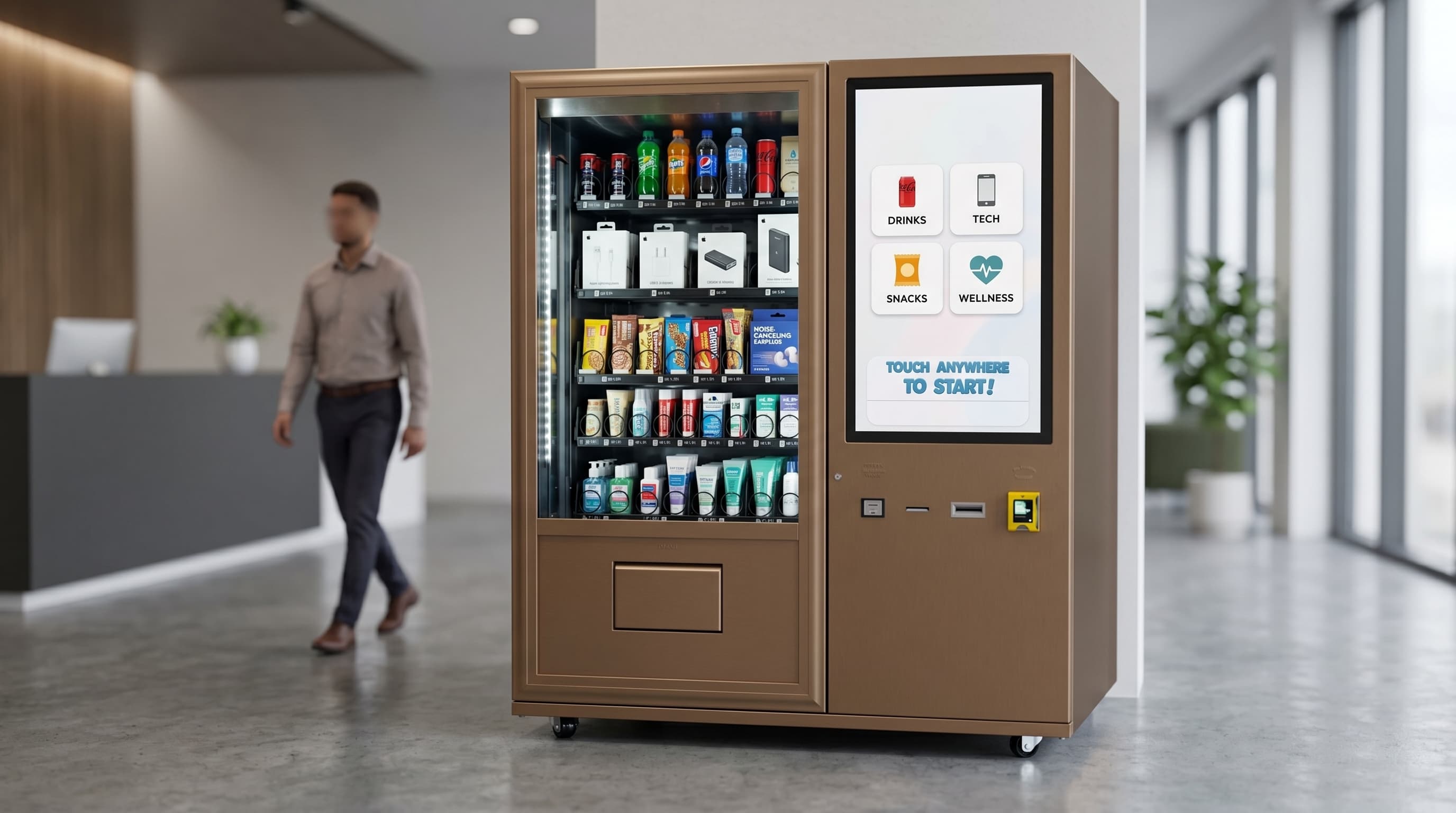
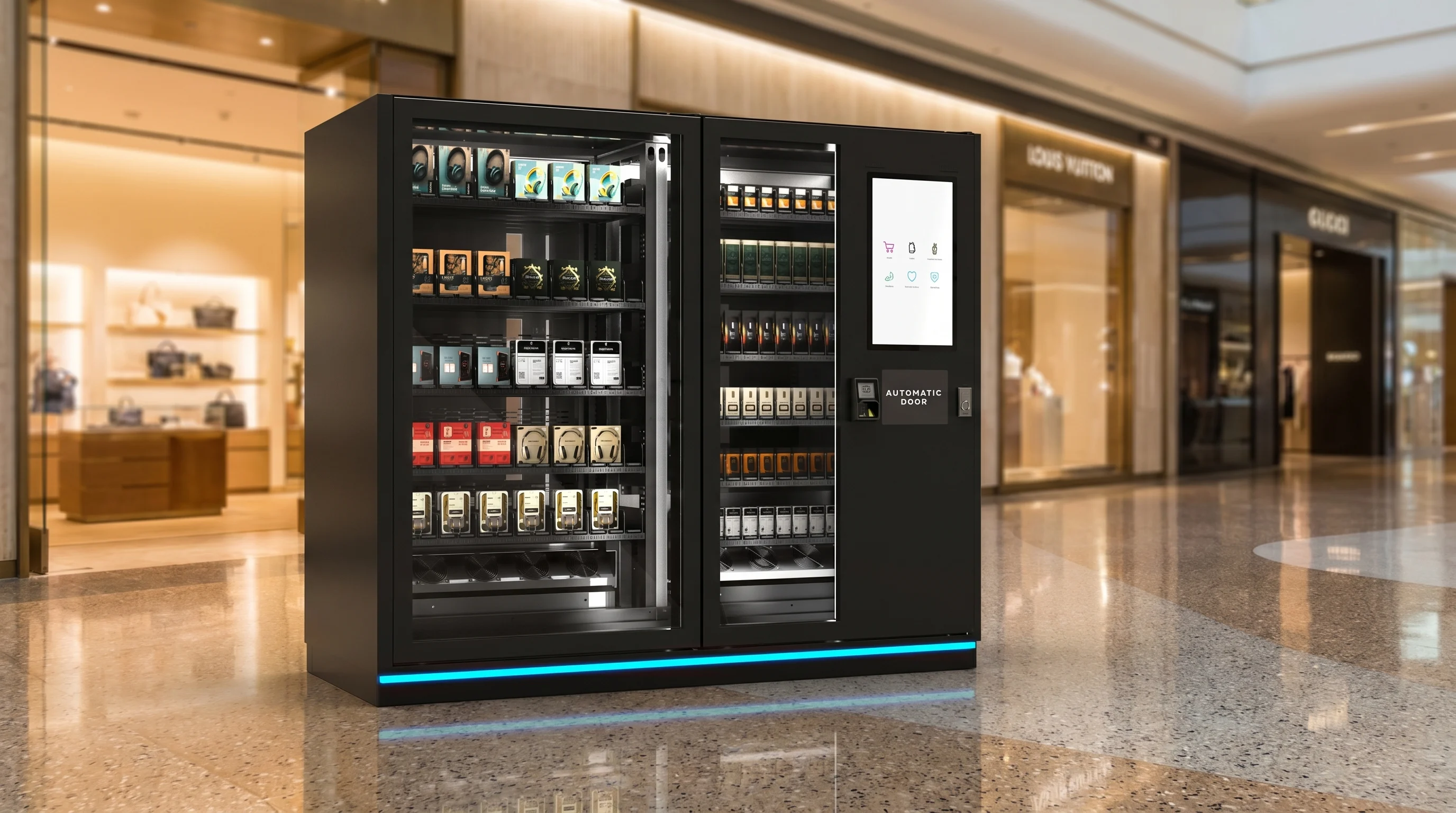
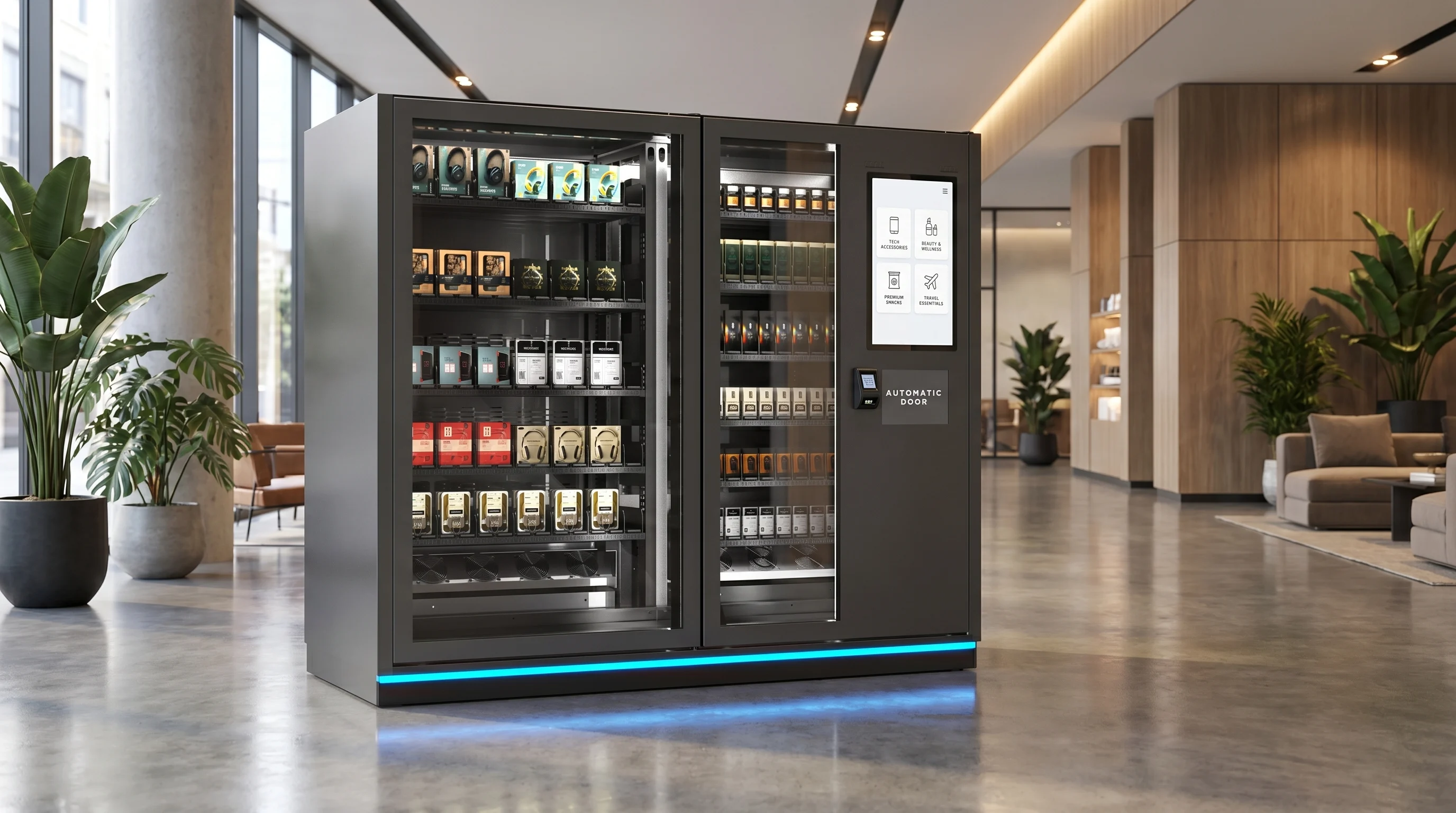
Today, vending machines offer a wide range of products beyond just snacks and beverages. They serve everything from electronics to personal care items. This diversification is driven by changing consumer preferences and technological integration.
Several factors have contributed to the transformation of this industry:
The industry continues to adapt to meet modern demands. Smart vending technology is at the forefront of this evolution. It allows for enhanced customer interaction and streamlined operations.
- Technological Innovation: The incorporation of digital payment systems and touchscreens.
- Consumer Demand: Increasing desire for convenience and accessibility.
- Product Variety: Expansion into diverse product categories beyond food and drink.
Moreover, the business model itself is shifting. Operators are now prioritizing user experience and data-driven insights. These elements help in tailoring offerings to meet specific consumer needs.
As the industry evolves, it faces both challenges and opportunities. Keeping up with technological advancements and changing consumer expectations is crucial. Continuous innovation will define the success and sustainability of vending businesses in the future.
Technological Advancements
The vending machine industry is at a technological crossroads. Cutting-edge innovations are reshaping traditional business models and operations. These advancements are paving the way for a more efficient and engaging customer experience.
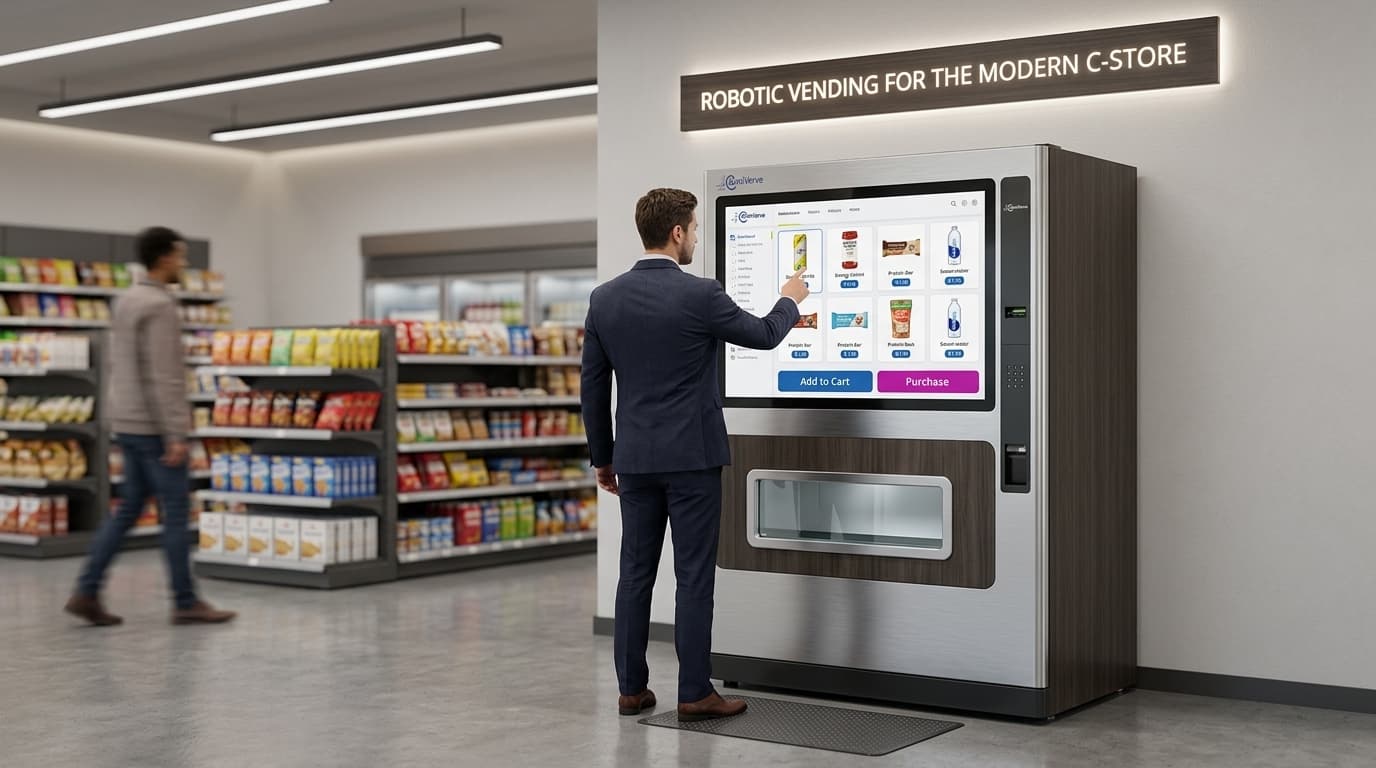
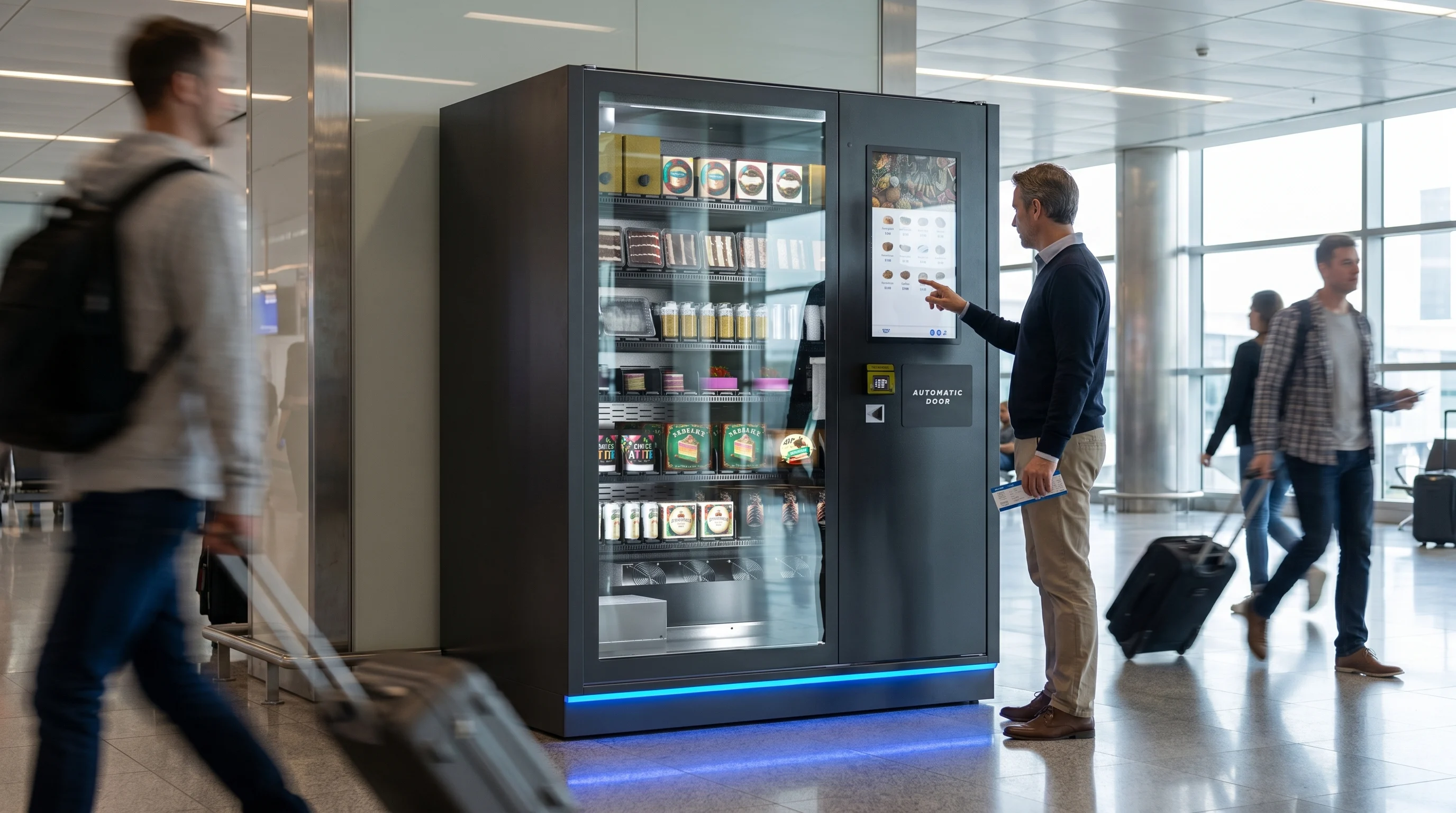
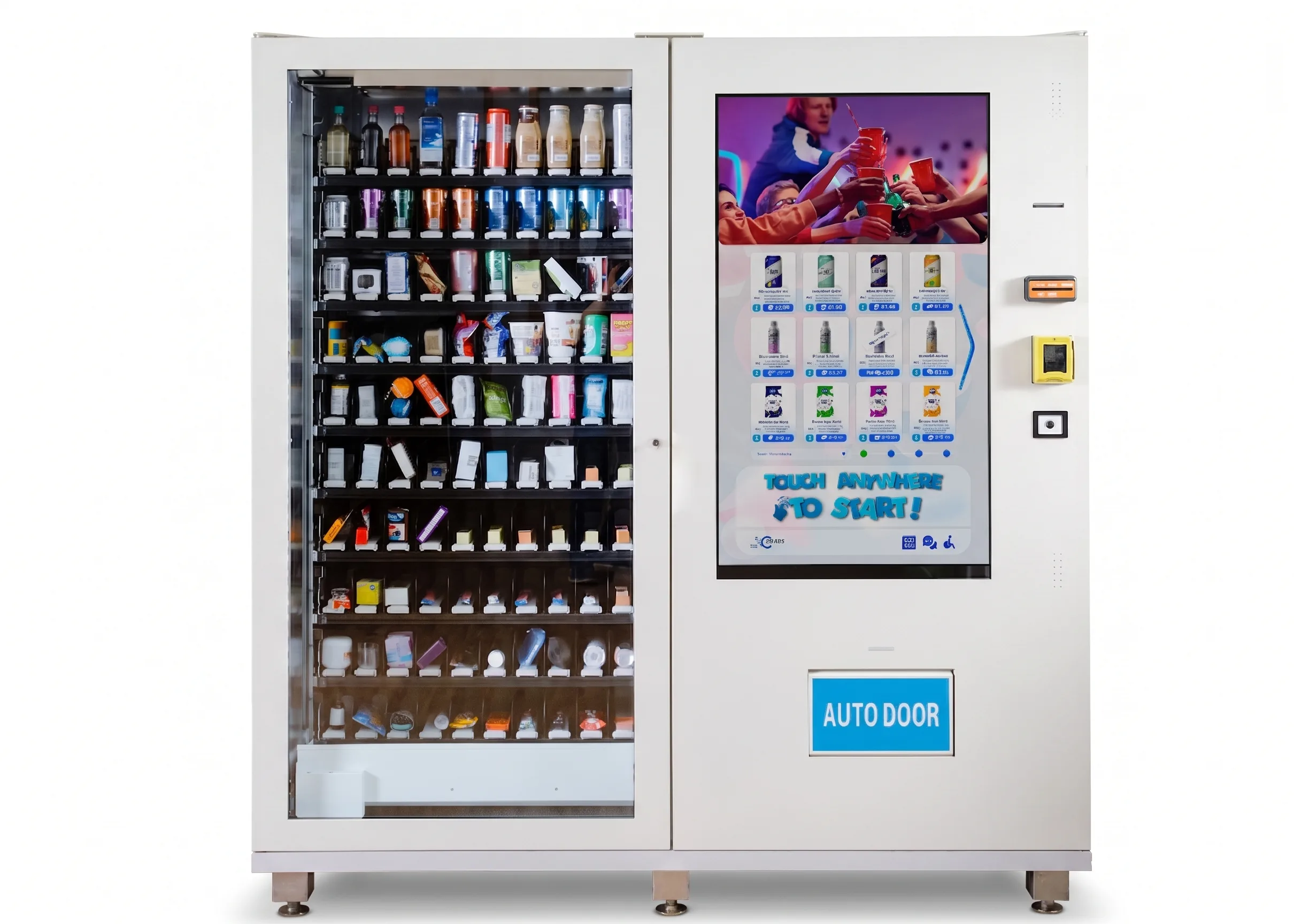
Smart vending technology is a key player in this evolution. It includes features such as cashless payment options, interactive touchscreens, and mobile app integration. These enhancements cater to the tech-savvy consumer and streamline the purchasing process.
A significant change is the integration of advanced data analytics. Vending machines now collect and analyze vast amounts of data. This data helps in understanding consumer behavior and preferences, guiding better stock management and product selections.
The use of IoT (Internet of Things) is another transformative force. IoT enables real-time monitoring and management of vending machines. For operators, this means real-time insights into stock levels, machine performance, and customer interactions.
Key technological advancements shaping the future include:
- AI and Machine Learning: These tools facilitate personalized customer experiences and predictive maintenance.
- Mobile Payments: Increasingly popular for their convenience and security.
- Remote Monitoring Systems: Allow for efficient stock and machine management.
- Energy Efficiency Solutions: Reduce operational costs and environmental impact.
Technological advancements ensure that vending machines remain relevant in a digital age. They provide consumers with a seamless purchasing experience while offering operators improved operational efficiencies. As these technologies continue to develop, the vending machine industry is set for exciting transformations. Keeping pace with these advancements will be essential for maintaining a competitive edge in the market.
Role of Agentic Agents
Agentic agents represent the forefront of automation in the vending machine business. These AI systems are capable of learning and decision-making, greatly enhancing operational efficiency. They take over routine tasks, allowing human operators to focus on more strategic areas. One of the primary roles of agentic agents is to manage inventory autonomously. They use data analytics to predict when stock needs replenishing. This ensures that machines never run empty, thus maintaining customer satisfaction. Their ability to understand demand trends allows for accurate stock level predictions.
Price optimization is another critical function. Agentic agents analyze purchasing patterns and set dynamic pricing strategies. These strategies maximize revenue based on real-time data and market conditions. By adjusting pricing automatically, they can react swiftly to fluctuations in supply and demand.
The agents also improve machine maintenance by predicting potential issues before they occur. This predictive maintenance reduces downtime and repair costs. By addressing problems proactively, operations run smoothly and efficiently.
Key roles of agentic agents in vending machines include:
- Inventory Management: Predicting restock needs and managing supply.
- Dynamic Pricing: Implementing flexible pricing strategies based on real-time data.
- Predictive Maintenance: Identifying and resolving issues before they become critical.
- Sales Trend Analysis: Understanding consumer preferences and adjusting offerings accordingly.
Agentic agents make vending operations more intelligent and responsive to market changes. By harnessing the power of AI, the vending machine industry can anticipate consumer needs and improve its service delivery.
Features of Smart Vending Machines
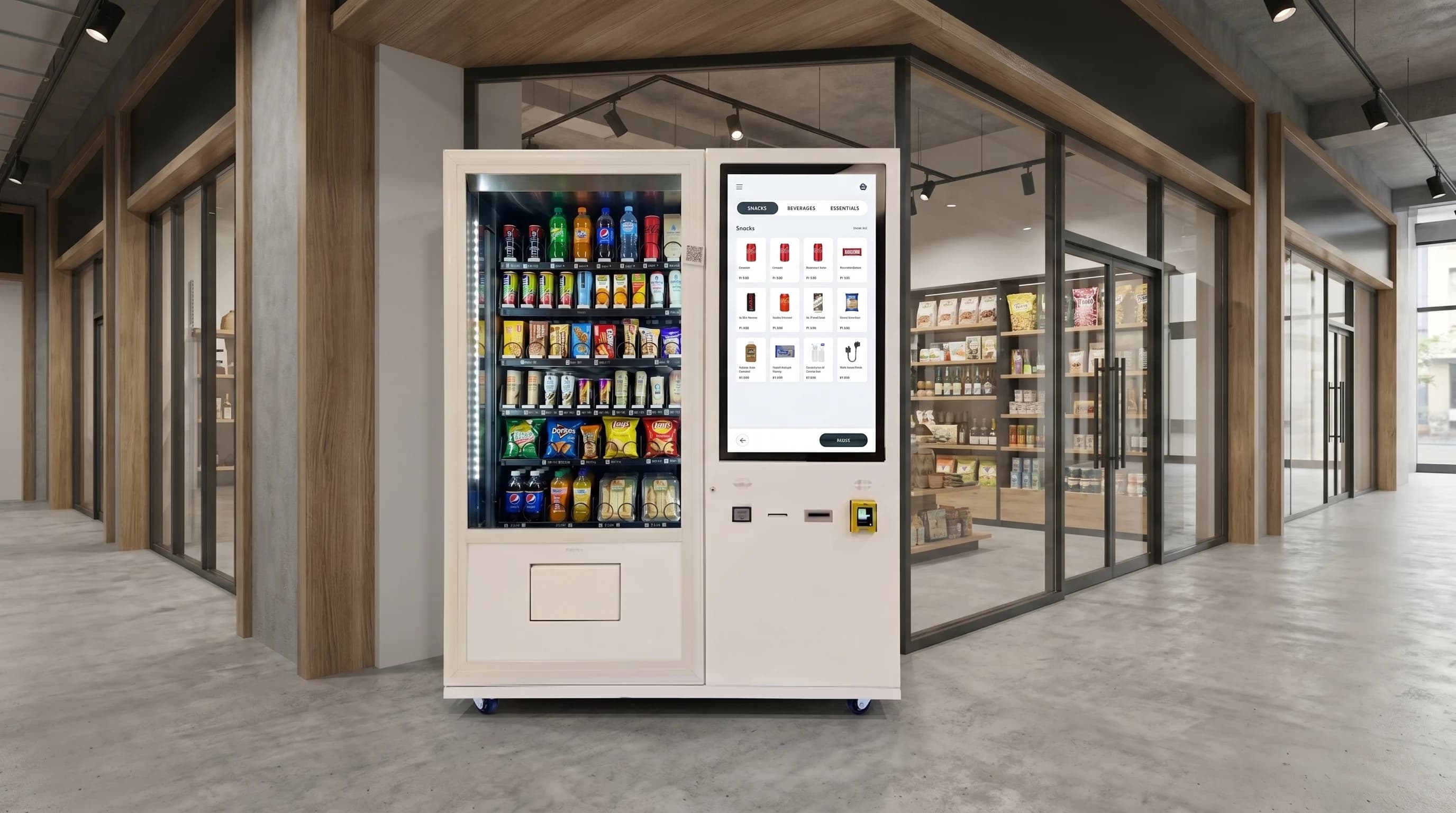
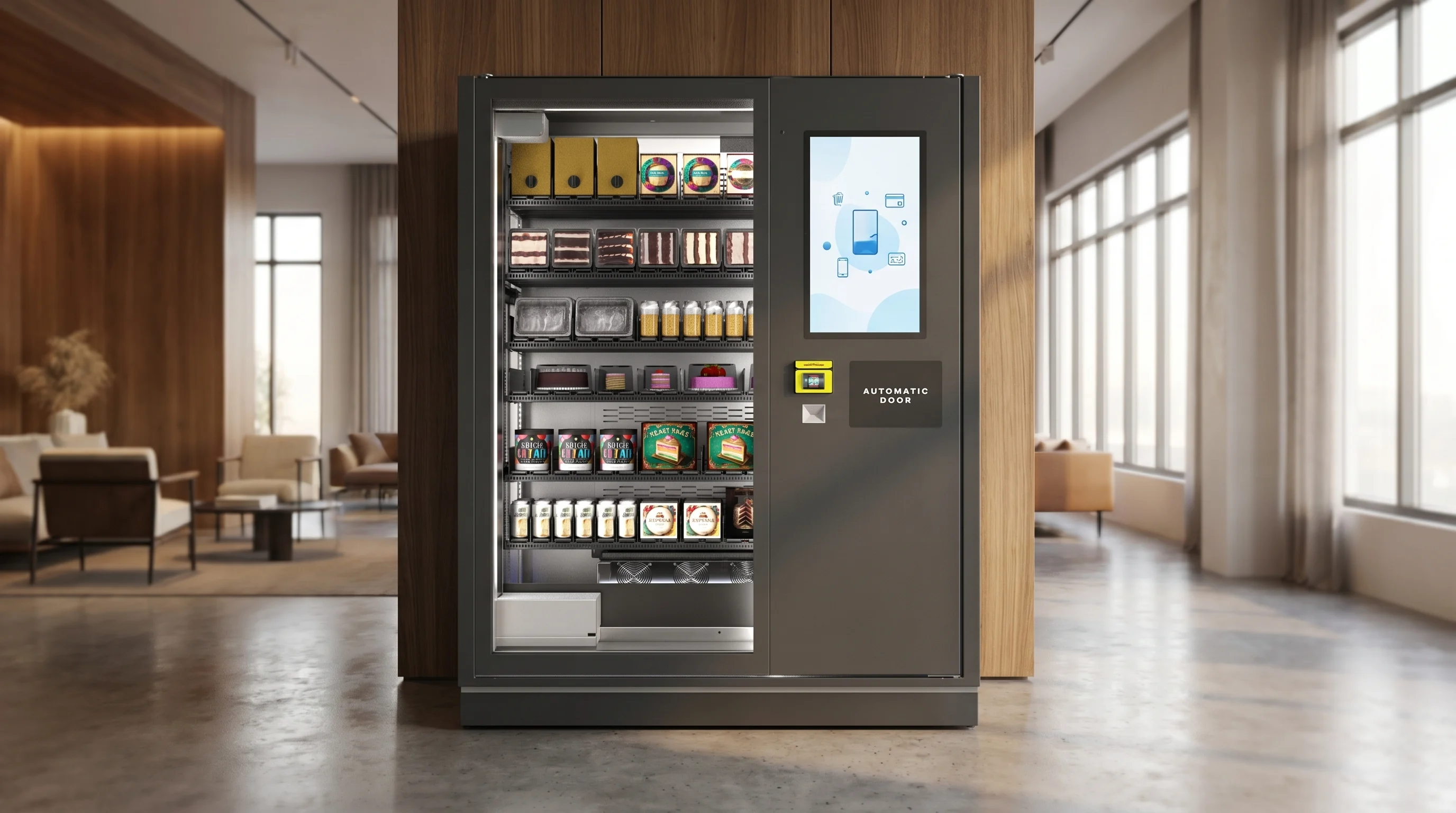
Smart vending machines are revolutionizing the traditional vending experience with innovative features. They incorporate cutting-edge technology to offer a seamless and efficient service. These machines cater to modern consumer expectations with unprecedented precision and ease.
One standout feature is cashless payment systems. Smart vending machines support a variety of payment options, including mobile payments and contactless cards. This flexibility in payment methods enhances customer convenience and attracts tech-savvy shoppers. Gone are the days when customers were limited to carrying cash for purchases.
Interactive touchscreens offer another layer of personalization and engagement. They allow users to browse product selections and obtain detailed nutritional information. These interfaces can also deliver promotional content and collect valuable customer data. Such interactivity enriches the consumer experience, making shopping more engaging.
Data-driven inventory management ensures the machine is always stocked with popular products. Smart vending machines use real-time analytics to identify sales trends. Based on this data, they automatically reorder items with high demand, optimizing stock and minimizing waste.
Key features of smart vending machines include:
- Cashless Payment Systems: Supporting mobile and contactless payments.
- Interactive Touchscreens: Offering a personalized shopping experience.
- Data-Driven Inventory Management: Using analytics for dynamic restocking.
- Promotion and Engagement Tools: Delivering targeted ads and collecting feedback.
These features place smart vending machines at the forefront of retail innovation. By aligning with consumer needs, they enhance both customer satisfaction and operational efficiency.
Related DMVI page: If you are looking at the commercial side of this trend rather than just the theory, our smart vending machines page is the most direct place to compare connected machine formats.
Integration of AI and Machine Learning
AI and machine learning are becoming integral to smart vending technology. These advancements transform how vending machines operate and interact with consumers. They bring a higher level of intelligence and capability to the machines.
One major benefit of AI is its ability to analyze consumer behavior. Machine learning algorithms evaluate purchasing patterns and preferences. This data then informs inventory decisions and product placements, ensuring popular items are always available. Consequently, AI enhances customer satisfaction and drives sales.
Predictive maintenance is another advantage offered by AI integration. Machine learning can anticipate potential machine failures before they occur. By analyzing patterns and anomalies, the system can automatically schedule maintenance. This proactive approach minimizes downtime and extends the machine's lifespan.
AI also empowers vending machines with the ability to provide personalized recommendations. By understanding consumer choices, these machines can suggest relevant products. This personalization improves the shopping experience, encouraging repeat interactions. It's a win-win for both customers and vending operators.
Significant benefits of integrating AI and machine learning include:
- Consumer Behavior Analysis: Enhancing inventory management.
- Predictive Maintenance: Reducing downtime and improving efficiency.
- Personalized Recommendations: Offering tailored product suggestions.
- Dynamic Pricing: Adjusting costs based on demand and supply.
With these capabilities, AI and machine learning redefine the vending machine business. They not only optimize operations but also deliver an engaging customer journey. This technological integration marks a new era in automated retail solutions.
Importance of Data in Business Operations
Data is the backbone of modern business operations, especially in the vending machine industry. With advanced technologies, vast amounts of data are generated daily. This data is invaluable for making informed decisions and optimizing operations.
Utilizing data analytics allows businesses to identify trends and patterns. These insights drive strategic decisions, from product offerings to marketing strategies. Companies can track which products are popular, peak purchasing times, and customer preferences. This information helps tailor strategies to maximize profits and enhance customer satisfaction.
Beyond consumer insights, data analytics aids in operational efficiencies. Monitoring machine performance data can uncover inefficiencies or potential issues. By addressing these, businesses can ensure machines operate optimally, reducing costs and improving reliability. Data also supports logistics and supply chain management, ensuring timely restocking and preventing stockouts.
Key benefits of leveraging data in business operations include:
- Understanding Consumer Preferences: Adjusting to meet demands.
- Improving Operational Efficiencies: Optimizing machine performance.
- Enhancing Supply Chain Management: Streamlining inventory processes.
- Driving Strategic Marketing: Using consumer insights to tailor approaches.
In the vending machine industry, data analytics transforms operations into a data-driven science. It provides a competitive edge by enhancing adaptability and responsiveness. Through intelligent data use, businesses can navigate complexities with precision and agility.
How Agentic Agents Utilize Data Insights
Agentic agents are revolutionizing how vending machine businesses analyze and implement data. These AI systems autonomously interpret data to enhance operational efficiency. By doing so, they surpass traditional methods with speed and accuracy.
Data insights generated from smart vending machines drive strategic decisions. Agentic agents analyze consumer behavior, adapting inventory and product placement automatically. They ensure shelves are stocked based on real-time demand patterns. This responsiveness minimizes waste and boosts sales, aligning product availability with customer needs.
Moreover, these agents tackle complex logistical challenges with ease. By assessing inventory levels, they can schedule timely restocks without human intervention. Predictive analytics, powered by AI, foresees maintenance issues before they occur. This proactive approach reduces downtime and maintenance costs. Therefore, vending operations run smoothly and efficiently.
Core functions of agentic agents using data include:
- Behavioral Analysis: Understanding consumer needs.
- Inventory Management: Ensuring optimal stock levels.
- Predictive Maintenance: Addressing issues before disruptions.
- Logistics Optimization: Enhancing supply chain processes.
Overall, agentic agents use data to refine every aspect of the vending machine business. They transform raw data into actionable strategies, improving service and profitability. As a result, businesses equipped with AI stay ahead in a competitive market.
Benefits of Automation
Automation brings significant benefits to the vending machine industry, transforming how operations are conducted. With less human intervention, businesses achieve higher efficiency and reduced error rates. These improvements result in cost savings and increased profits over time.
Automated vending solutions streamline daily activities, from stocking to maintenance. They operate tirelessly, ensuring services are available 24/7. This reliability caters to customer needs at any hour, enhancing customer satisfaction and loyalty. Furthermore, automation eliminates manual processes, reducing labor costs and human errors. It optimizes resource allocation by directing efforts to critical strategic areas.
The impact of automation extends beyond operational tasks. It aids in data collection and interpretation, providing valuable insights for decision-making. Automation contributes to sustainable practices by reducing energy usage and promoting eco-friendly operations. Additionally, automated systems enhance security measures through advanced monitoring tools.
Key benefits of vending automation include:
- Cost Reduction: Lower labor and maintenance expenses.
- Operational Efficiency: Maximized uptime with minimal human intervention.
- Improved Customer Experience: Prompt service and product availability.
- Data Insights: Enhanced decision-making and strategy development.
- Sustainability: Energy-efficient and eco-conscious solutions.
Through these benefits, vending machine businesses stay competitive and adapt to a changing market. Automation not only transforms traditional practices but also sets the foundation for future innovations.
Case Studies of Successful Implementations
The implementation of agentic agents in vending machine businesses has resulted in several success stories. These businesses have embraced AI, paving the way for innovation. Their experiences serve as a blueprint for others looking to adopt similar technologies.
One notable case is a beverage company that integrated smart vending machines into its network. They deployed machines equipped with AI-driven analytics to monitor inventory and predict customer preferences. Consequently, they achieved a 20% increase in sales within a year. The machines adjusted product offerings based on real-time data, ensuring popular items were always stocked.
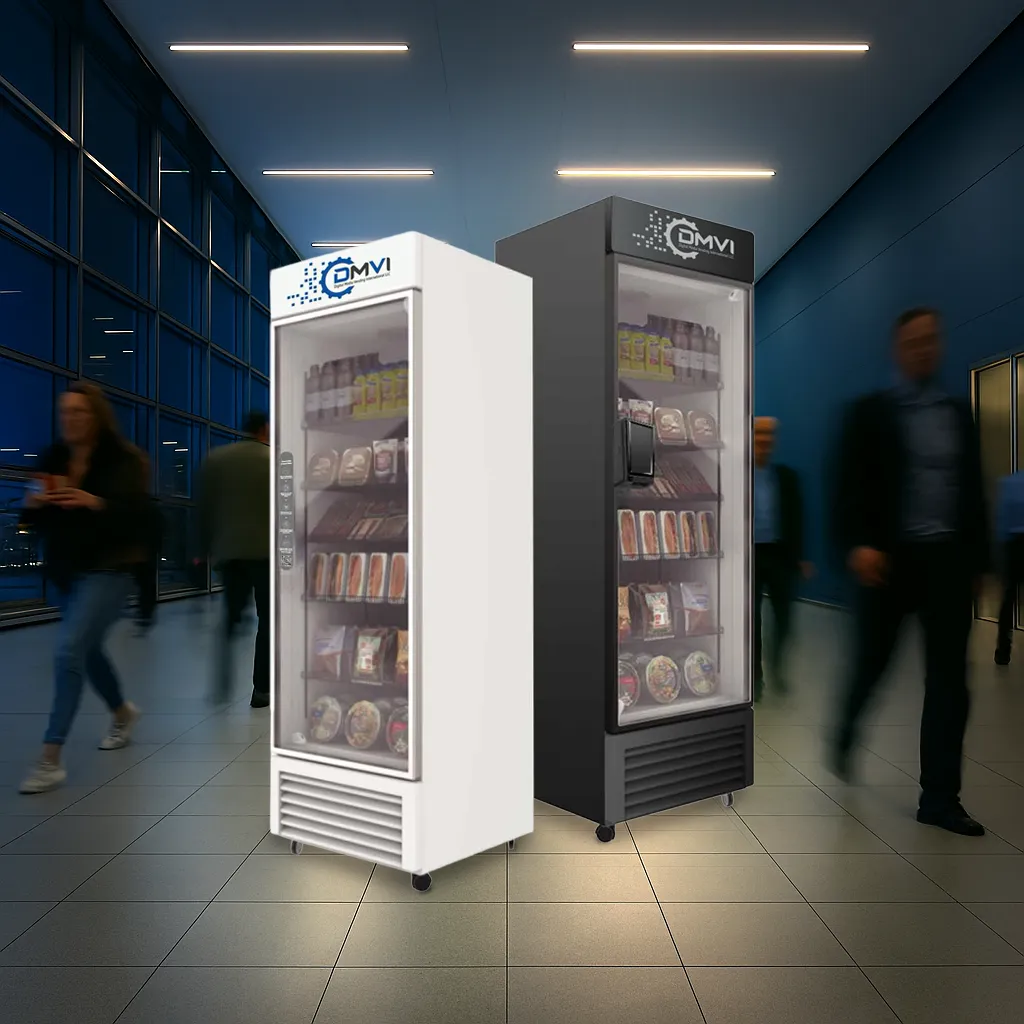
Another success story is seen in an urban city project that introduced AI-powered vending machines in public transport hubs. These machines provided diverse products and payment options, including mobile and contactless payments. This innovation led to a 35% rise in customer transactions, catering to busy commuters with limited time.
Key takeaways from these implementations include:
- Enhanced Inventory Management: Monitoring stock levels in real-time.
- Customized Product Offerings: Adapting to consumer needs promptly.
- Increased Sales and Revenue: Boosting financial performance through smarter operations.
- Expanded Payment Options: Providing convenience and flexibility for customers.
These examples demonstrate the transformative potential of AI in vending operations. They highlight the importance of adaptability and innovation in achieving business growth and customer satisfaction. As businesses share their success stories, the industry as a whole moves toward a more automated and intelligent future.
Current Trends Impacting the Industry
The vending machine industry is witnessing a significant transformation fueled by several emerging trends. Increasingly, businesses are adopting smart vending technology to enhance operational efficiency. These advancements are reshaping how products are delivered to consumers, offering both convenience and innovation.
One prominent trend is the shift towards cashless transactions. Vending machines now frequently support mobile payments and contactless options. This change addresses modern consumer preferences for quick and secure payment methods. Businesses that implement these capabilities often see a reduction in transaction time and increased customer satisfaction. Another trend is the emphasis on sustainability and eco-friendly practices. Many companies are incorporating recyclable materials in machine design and exploring energy-efficient technologies. Vending machines are being equipped with energy-saving modes and built using sustainable materials. These efforts reflect broader environmental concerns in the market and attract eco-conscious consumers.
Key current trends include:
- Cashless Transactions: Embracing mobile and contactless payments.
- Sustainable Practices: Focusing on eco-friendly machine designs.
- Personalization: Offering tailored product suggestions based on data insights.
- Advanced Technologies: Integrating IoT and AI for better machine management.
As these trends gain momentum, businesses that adapt stand to gain a competitive edge. They position themselves to meet evolving consumer demands while contributing to a more sustainable future. The industry must remain agile to effectively leverage these trends for long-term growth.
Predictions for the Future
The future of vending machines looks bright, with continued technological integration shaping the landscape. As AI and agentic agents gain prominence, the vending industry is set to evolve rapidly. This evolution will likely change how businesses operate and interact with consumers. In the coming years, we expect smart vending machines to become standard. These machines will offer highly personalized experiences, learning consumer preferences through AI-driven insights. Features such as voice interaction and facial recognition may enhance security and user engagement.
Emerging technologies like 5G and blockchain will also play pivotal roles. These technologies are predicted to improve machine connectivity and transaction security. The integration of these advancements will open new business opportunities and enhance operational efficiencies.
Future predictions include:
- Personalization: Machines adapting to user preferences for better engagement.
- Advanced Security: Integration of technologies like blockchain to secure transactions.
- Enhanced Connectivity: Utilization of 5G to improve real-time monitoring and management.
- New Revenue Streams: Exploring data monetization from AI insights.
As these predictions unfold, businesses must stay agile to harness these opportunities. Companies that innovate quickly will set themselves apart, driving the industry's growth and transformation. This proactive approach will be essential as the vending landscape continues to innovate and expand.
Summary of Insights
The integration of AI and smart technology is reshaping the vending machine industry significantly. With agentic agents leading the charge, these advancements promise more efficient and dynamic operations. The utilization of machine learning and data analytics allows vending businesses to understand consumer behavior and tailor offerings accordingly, optimizing both inventory and customer experience.
Automation and AI are not merely trends but are becoming essential for staying competitive. The benefits include increased efficiency, reduced costs, and improved customer satisfaction. These technologies are pushing the boundaries of what's possible, leading to innovations that enhance both operational capabilities and consumer interactions. As these insights demonstrate, the vending machine business is rapidly transforming, offering exciting prospects for the future. Embracing these changes will be crucial for businesses aiming to thrive in this evolving landscape.
Final Thoughts on the Role of Agentic Agents
Agentic agents are poised to revolutionize the vending machine industry. Their ability to make autonomous decisions will streamline operations and cater to evolving consumer expectations. These AI-driven systems offer unprecedented flexibility and adaptability, ensuring businesses can swiftly respond to market demands and trends.
As we look to the future, the role of agentic agents will only grow. They will not just enhance efficiency but also foster innovation in vending machine operations. By embracing these cutting-edge technologies, businesses can unlock new opportunities and thrive in an increasingly competitive landscape. The potential for growth and innovation with agentic agents is vast, promising a future where vending machines are smarter and more responsive than ever before.
Ready to compare smart vending machines for a real deployment?
DMVI can help you evaluate smart vending machine formats with touchscreen merchandising, cashless payments, remote monitoring, and stronger unattended-retail workflows.