
Plan B Vending Machines For Sale
Touchscreen wellness-access cabinet for campuses, clinics, student-health teams, and other institutional programs that need calm, after-hours OTC access.
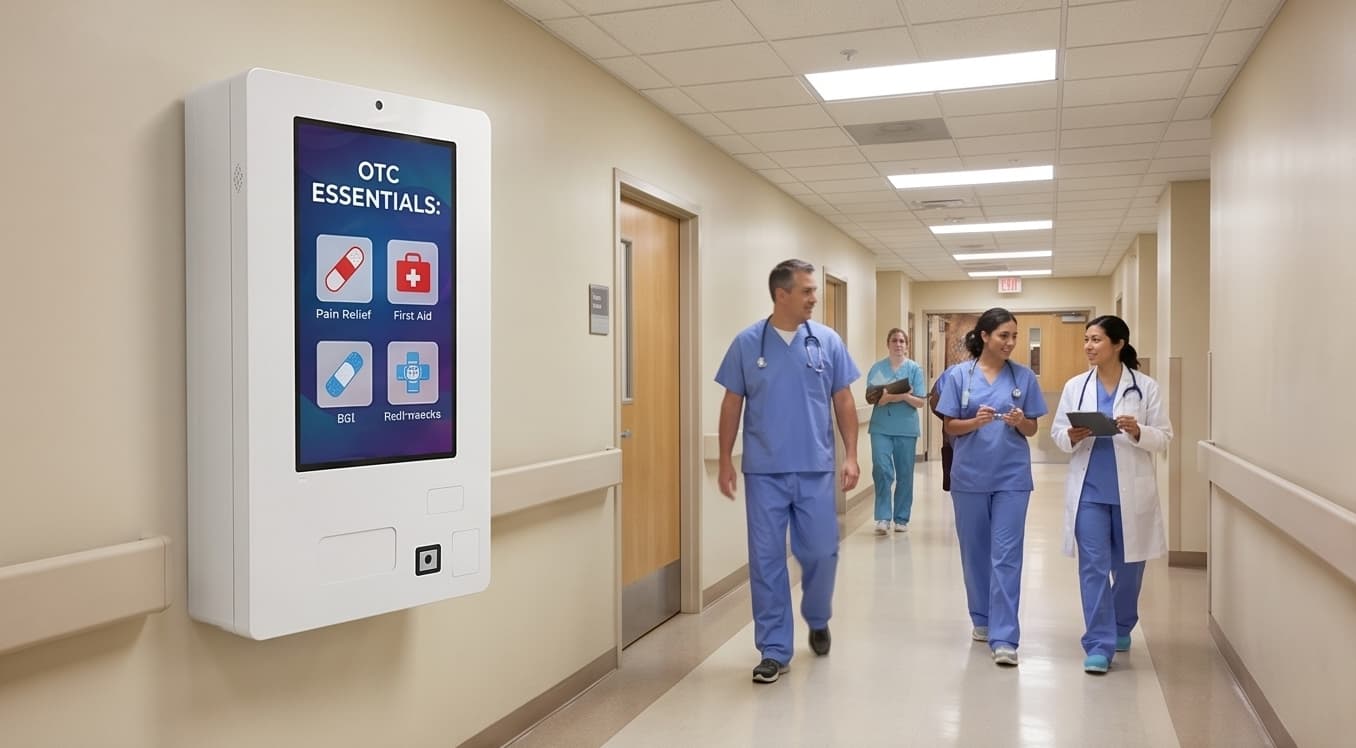
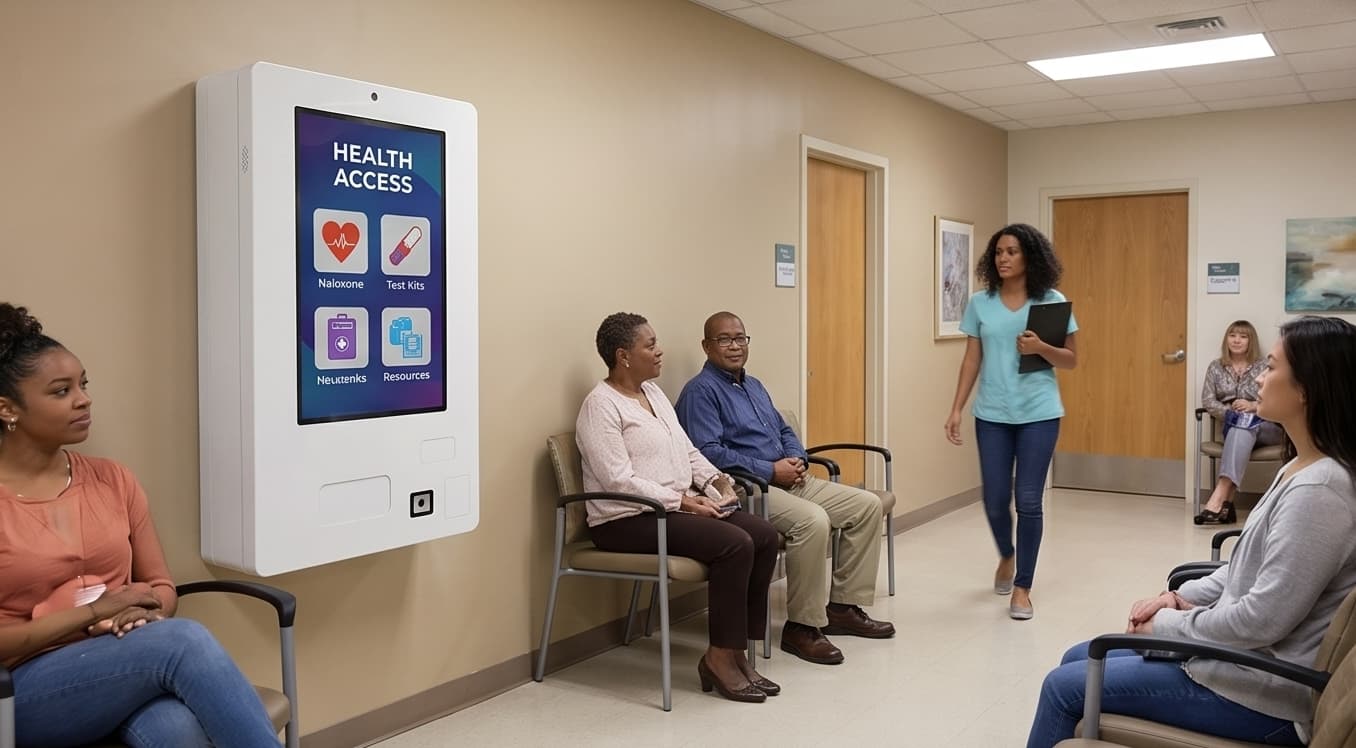
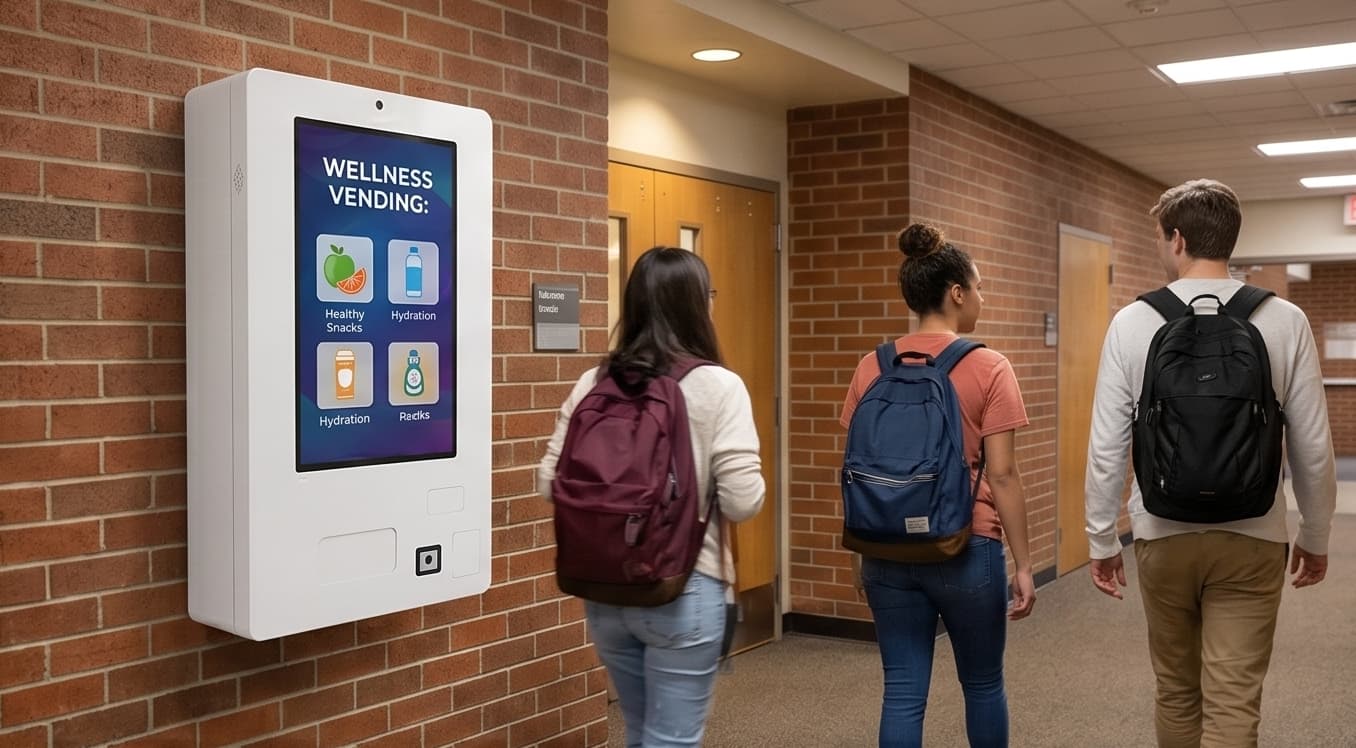
A Plan B vending machine is a self-service cabinet configured to dispense Plan B One-Step (1.5 mg levonorgestrel) and other operator-approved emergency contraception SKUs, typically alongside condoms, pregnancy tests, period care, and other approved OTC wellness items. The job of the machine is calm, after-hours access. The job of the operator is everything around it: sourcing, legal review, institutional approval, pricing, and the rules of who can use it and how.
DMVI builds the platform. The operator runs the program. That is the distinction serious buyers need to keep clear from the start.
SCOPED FOR CAMPUS, CLINIC & WELLNESS DEPLOYMENTS
Built for campuses, clinics, and wellness programs
These cabinets succeed in places that already understand the problem: university student health centers, residence halls, campus wellness offices, clinic lobbies, hospital wings, workforce housing with a wellness mandate, and selected travel or hospitality settings. They underperform anywhere the assortment is treated like a snack-machine experiment.
Plan B One-Step is an FDA-approved nonprescription emergency contraceptive available over the counter without age restriction since 2013, per the FDA Plan B One-Step information page. The American College of Obstetricians and Gynecologists has also long called for reducing access barriers in its committee opinion on access to emergency contraception.
DMVI does not give medical advice and does not certify a deployment as clinically or legally compliant. That sits with the operator, the host institution, and their counsel. The cabinet supports the access program; it does not replace policy review.
THIS IS AN ACCESS PROGRAM WITH REAL POLICY, SOURCING, AND REPLENISHMENT DECISIONS BEHIND IT
What buyers should lock down before ordering
Placement decides outcomes
A discreet but visible location near a student-health desk, residence hall lobby, clinic waiting area, or wellness office usually outperforms a machine hidden in an awkward back corridor.
Assortment, not a single SKU
Serious operators build a wellness assortment so the floor space earns itself every week, not just on edge-case nights. Emergency contraception usually sits beside tests, condoms, period care, and approved OTC essentials.
Cabinet configuration that matches the product
This is not a snack spiral conversation. Boxed pharma, blister-pack OTC, soft-pack period care, and small wellness boxes need controlled drop, clean retrieval, and planograms that prevent damage.
Payments and access stack
Cashless is non-negotiable. Buyers usually want MDB-compliant card readers, contactless tap, mobile wallets, QR-linked checkout where needed, and DEX-friendly audit reporting behind the scenes.
Touchscreen UX that informs without lecturing
The screen should reinforce privacy, show clear product info, surface buyer-approved support resources, and still feel like a calm retail flow rather than a pamphlet bolted onto a machine.
Telemetry so stockouts do not kill the program
If a customer walks up at 1 a.m. to an empty row, the cabinet has failed its only real job. Operators need cloud visibility into SKU velocity, site demand, and replenishment timing before rows hit zero.
Who owns what
The cleanest deployments are the ones where the commercial boundaries are obvious before anyone orders hardware.
DMVI owns the cabinet platform
Cabinet engineering, touchscreen experience, dispense logic, branding wrap, payment integration, and telemetry pipe sit on the machine side of the project.
The operator owns compliance and sourcing
Product sourcing, legal review, institutional approval, pricing, access rules, healthcare governance, and on-site replenishment sit with the deploying institution and its operating team.
Branding matters because the machine has to feel sanctioned
University wellness, clinic, or nonprofit branding usually turns the cabinet from a random machine in a hallway into a recognized access point that feels deliberate and supported.
Bring the venue type, traffic pattern, product goals, and policy constraints into the first scoping call
If you already know the environment, expected demand, assortment logic, branding requirements, and internal approval path, DMVI can help size whether a dedicated wellness cabinet or a broader OTC self-service unit is the right answer.
Campus & Clinic Wellness Vending Gallery
The commercial pattern is consistent: trusted setting, discreet placement, and a cabinet that looks like it belongs there.
Showing 3 of 3
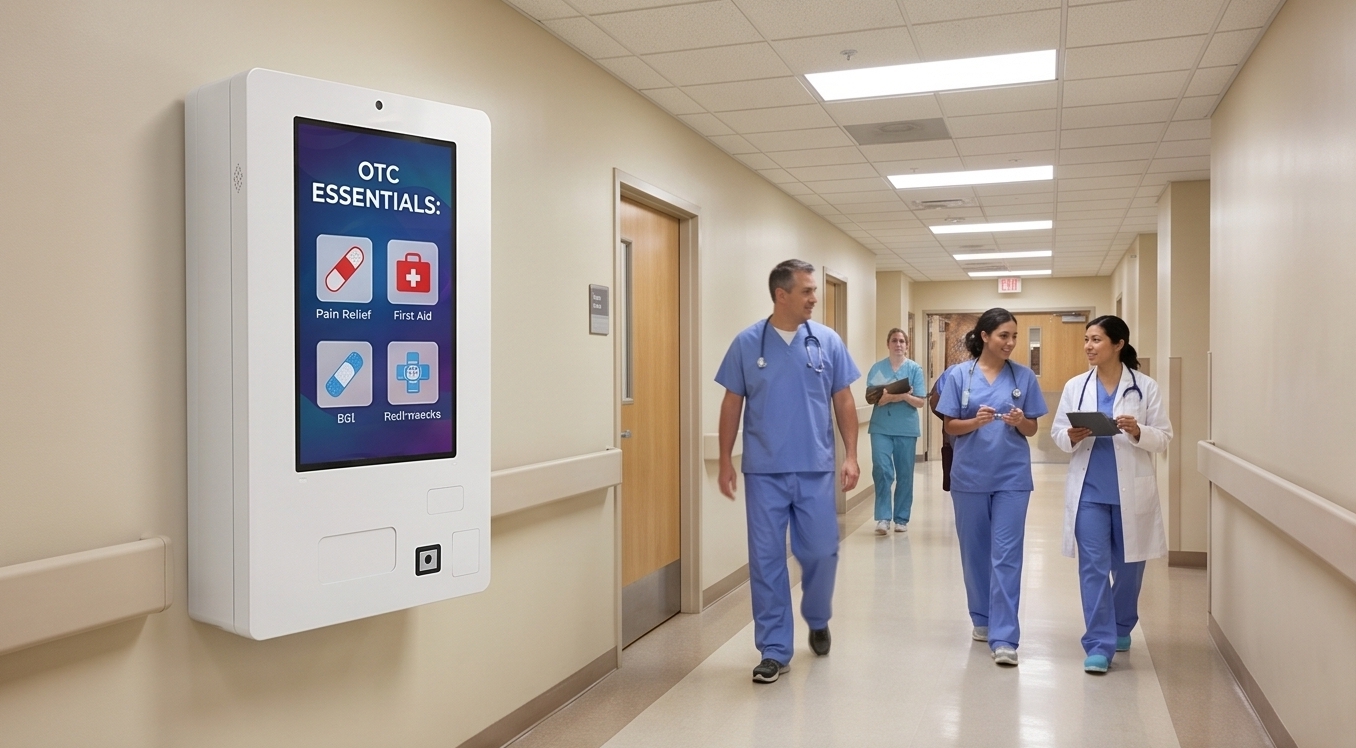
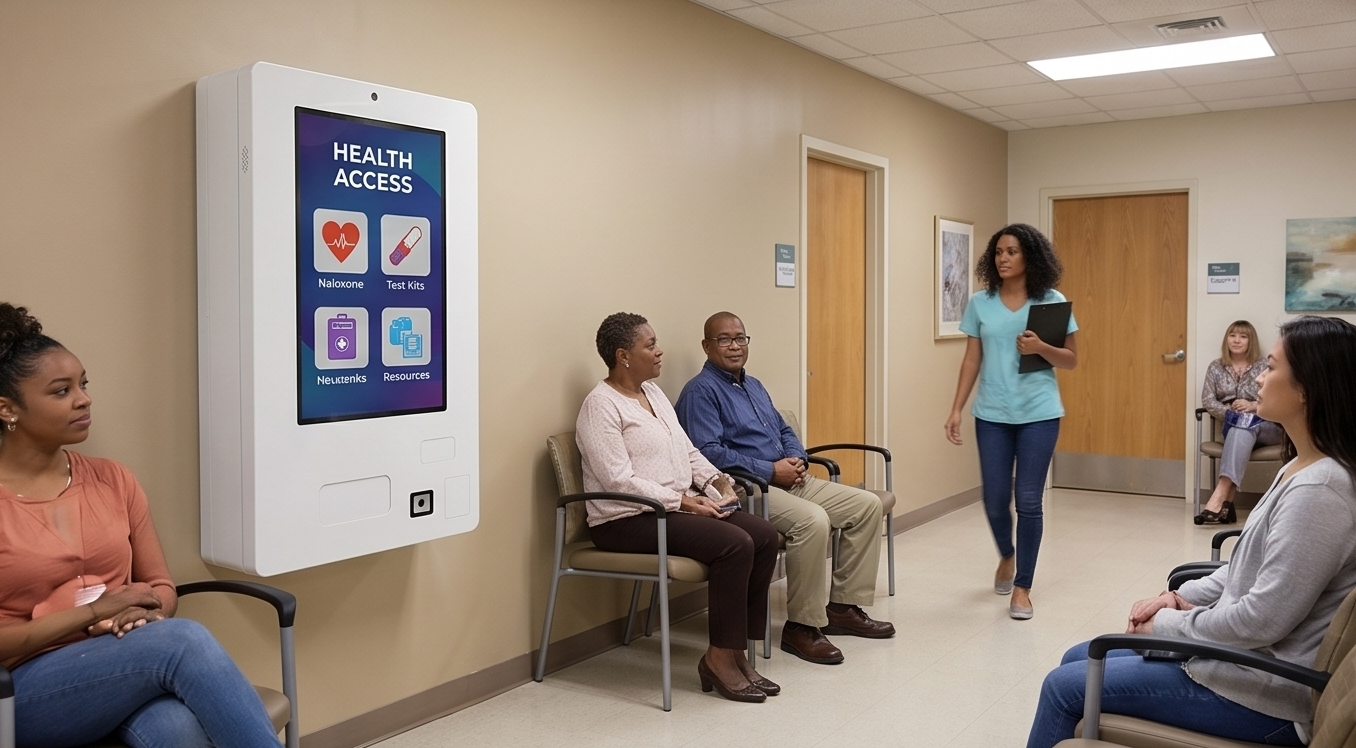
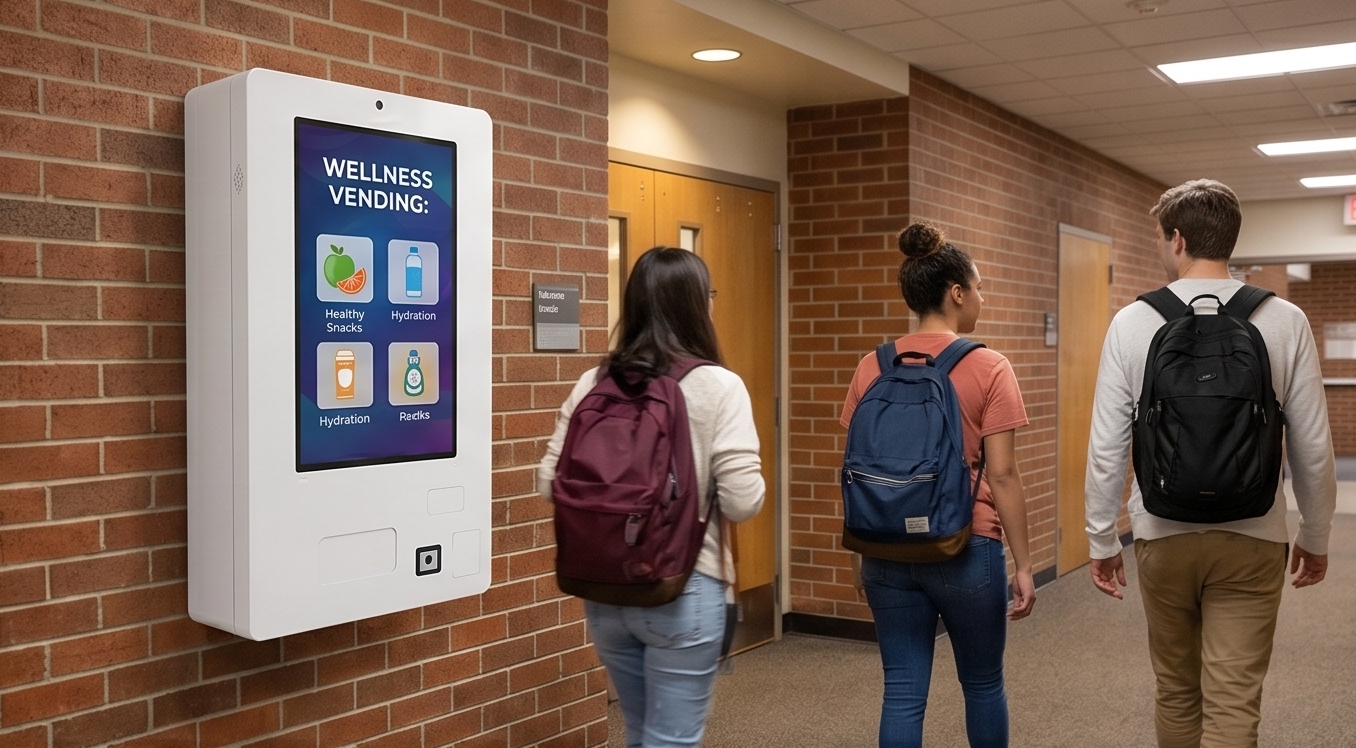
Image 1 of 3
Campus wellness vending machine placed in a student environment for discreet self-service access
Plan B Vending Machine FAQs
A Plan B vending machine is a self-service cabinet configured to dispense Plan B One-Step and other operator-approved emergency contraception, usually alongside condoms, pregnancy tests, period care, and approved OTC wellness items. It is designed for discreet after-hours access inside a campus, clinic, or wellness program run under the operator's rules.
Plan B One-Step has been available in the United States as an FDA-approved over-the-counter emergency contraceptive without age restriction since 2013. Whether a specific vending deployment is allowed still depends on the operator's institutional policy, local rules, and legal review. DMVI supplies the cabinet; the operator owns compliance and sourcing decisions.
They work best where privacy, after-hours access, and predictable foot traffic all matter together. Typical sites include university campuses, residence halls, student health centers, clinic or hospital lobbies, workforce housing, and selected hospitality or travel venues with a wellness-access mandate. They usually underperform in low-traffic corridors without a clear program behind them.
Yes. Most serious deployments are broader wellness assortments rather than one-SKU machines. Operators often combine emergency contraception with pregnancy tests, condoms, period-care products, pain relief, hydration, and other approved OTC essentials, subject to the host institution's policy, sourcing rules, and legal review rather than the machine vendor's preference.
No. DMVI manufactures and configures the vending platform, touchscreen flow, dispense logic, branding, payment integration, and telemetry. The operator owns product sourcing, institutional approval, legal review, pricing, healthcare governance, and access rules. Compliance sits with the deploying institution and its counsel, not with the cabinet manufacturer.